



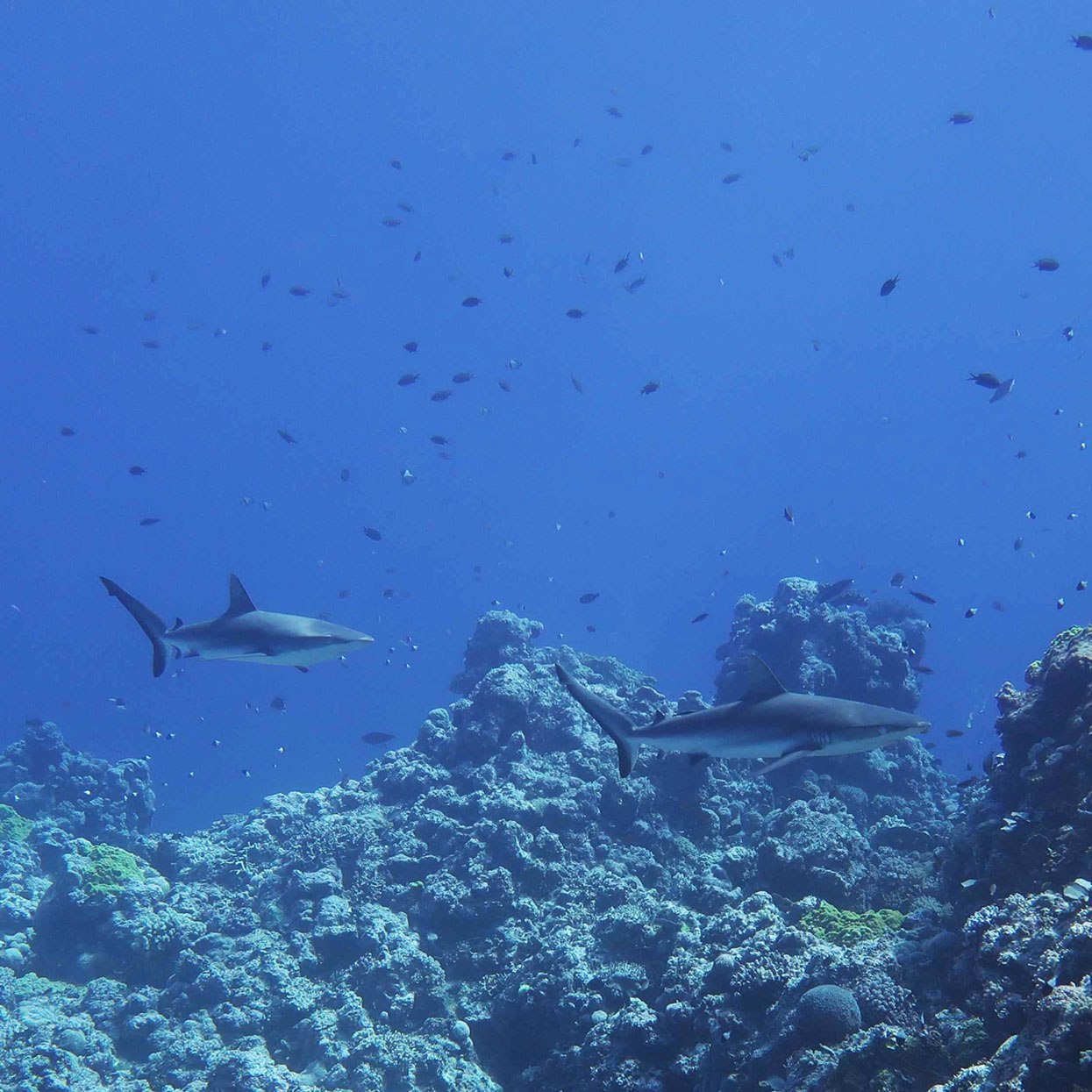

The Great Barrier Reef (GBR) is aptly named. Off the coast of Queensland, Australia, it spans over 135,000 square miles of ocean and spreads across 14 different latitudinal lines. It comprises around 3,000 individual reefs, 760 fringing reefs, 600 islands, and 300 cays. Perhaps the most fascinating thing about the GBR, however, is that the entire structure is alive and a bastion of biodiversity: The GBR is home to 600 different coral species, over 1500 species of fish, around 30 species of marine mammals (including the endangered dugong), 6 of 7 species of sea turtle, and countless other flora and fauna.
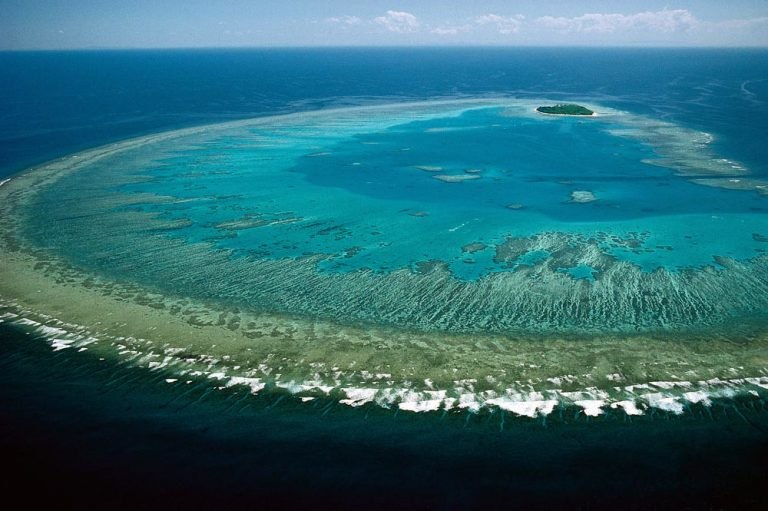
The GBR also holds great cultural, historical, and economic value. The GBR became popularized after William Saville-Kent’s 1893 publication “The Great Barrier Reef of Australia; Its Products and Potentialities” and now provides over 64,000 jobs and generates over
There have been several expeditions over the years into the depths of the GBR. Recent Falkor expeditions have led to discoveries of new species of coral

The Northern Depths of the GBR expedition will likely help us to understand the geologic history of the GBR and provide a baseline by which to monitor the effects and extent of climate change along the reefs. It is also likely that more poorly understood species will be able to be studied, and that new species may be discovered. This knowledge will also aid in the future management of the Marine Park, allowing the protection of one of the most beautiful living structures in the world.