Dive into the science, post-expedition

When the ship pulls into port, and the science teams depart for their labs loaded with samples, data, and gear, the work continues — often for years. Back Ashore is a series of virtual conversations with researchers who worked on R/V Falkor and Falkor (too), so the world can understand what they have learned so far.

Explore Back Ashore Talks
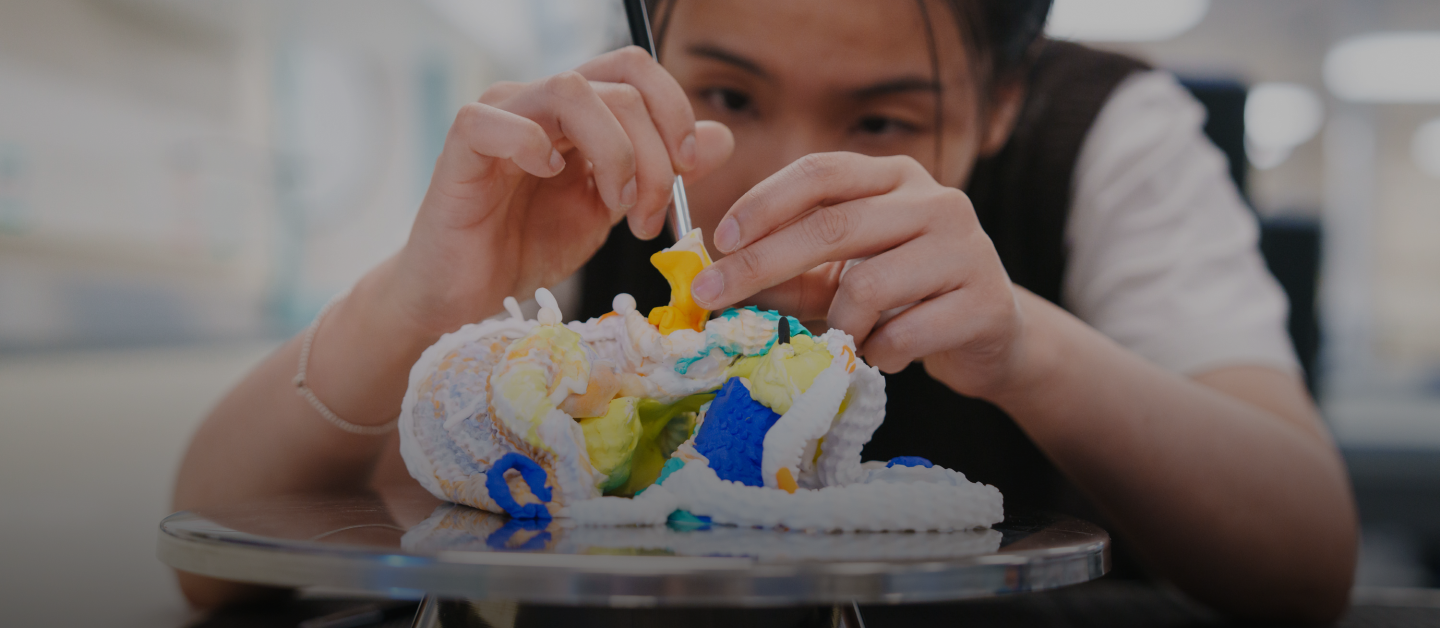
person working on a 3d model

ABOUT BACK ASHORE

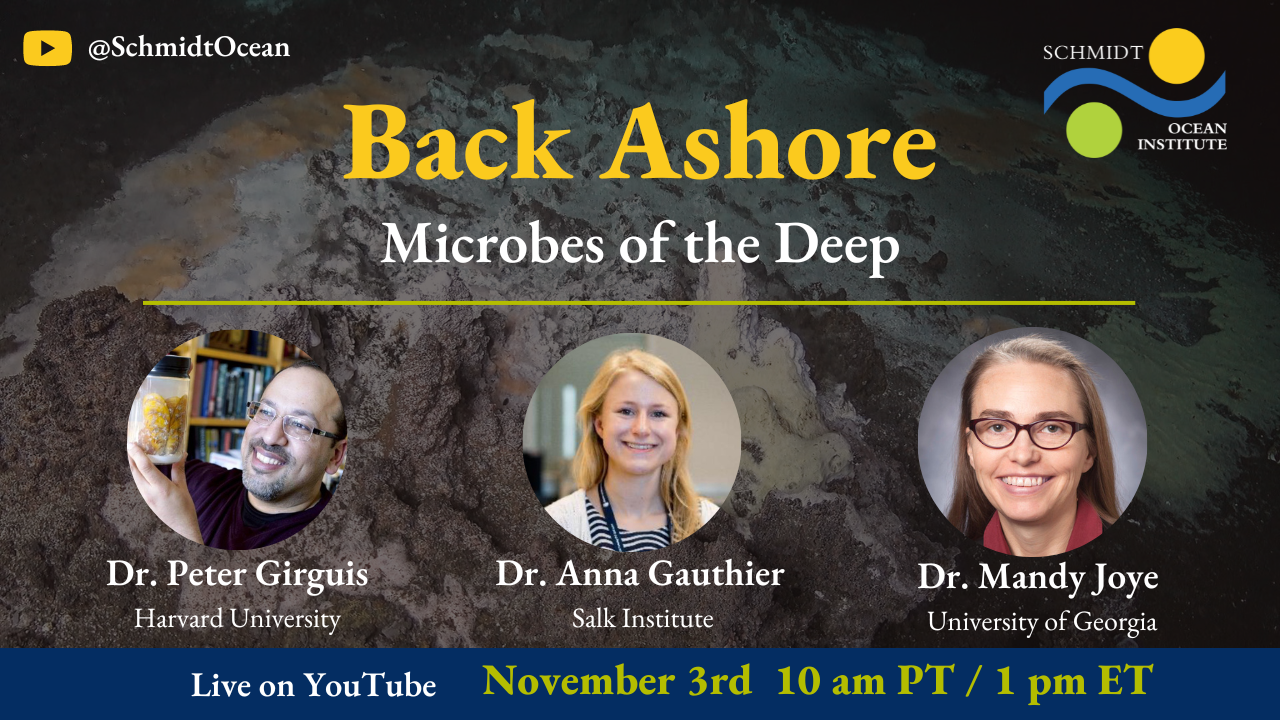
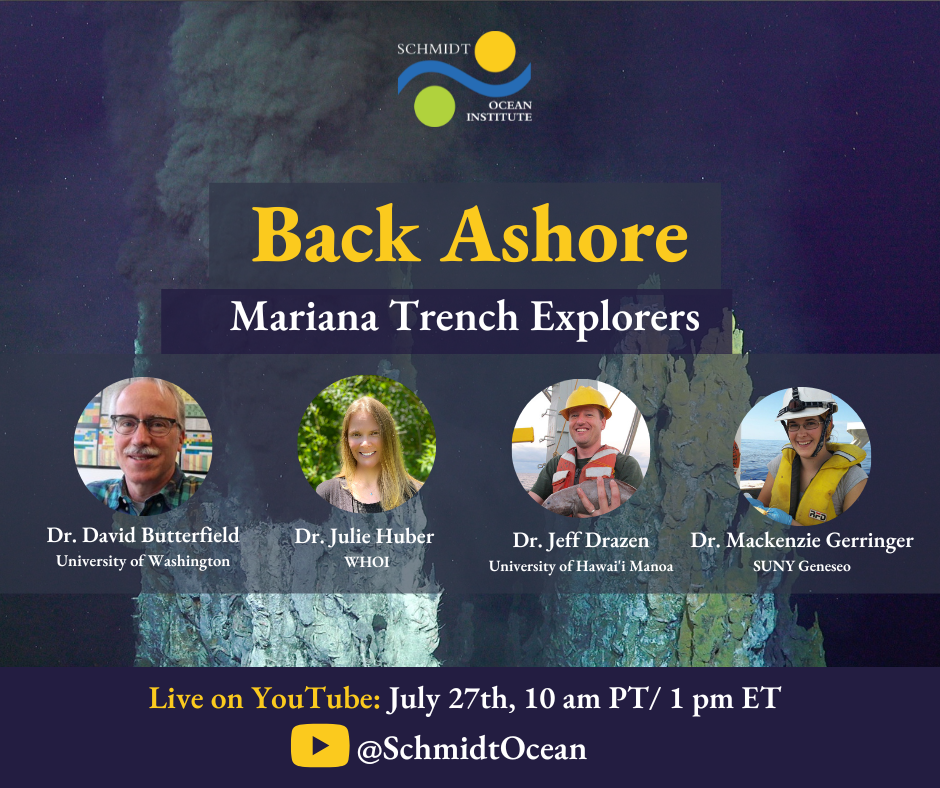
The Back Ashore program is a live YouTube series that Schmidt Ocean Institute produces 3-4 times a year to revisit expeditions that took place previously on R/V Falkor or R/V Falkor (too). Episodes feature scientists and students who have sailed on expeditions in scientific discussions moderated by Schmidt Ocean Institute’s Research Portfolio Senior Manager. They provide an opportunity to learn about the outcomes and results of the expeditions. Each episode centers around a specific topic or location where Schmidt Ocean Institute has supported oceanographic research. Episodes have also focused on specific locations in which Schmidt Ocean Institute has worked extensively, such as Australia, Costa Rica, and the Marianas Trench.

Follow Schmidt Ocean Institute on social media for announcements of Live Back Ashore programming.

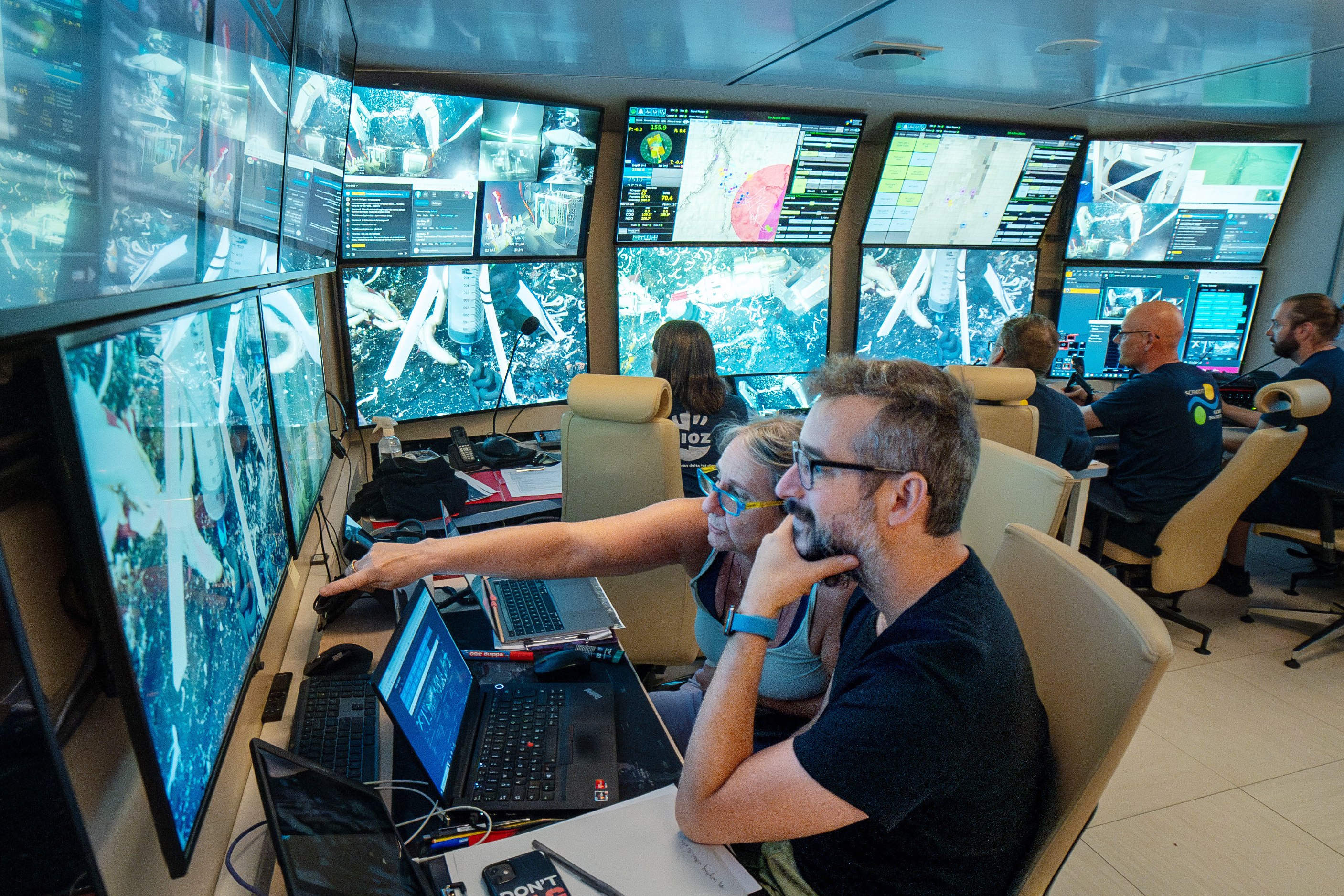
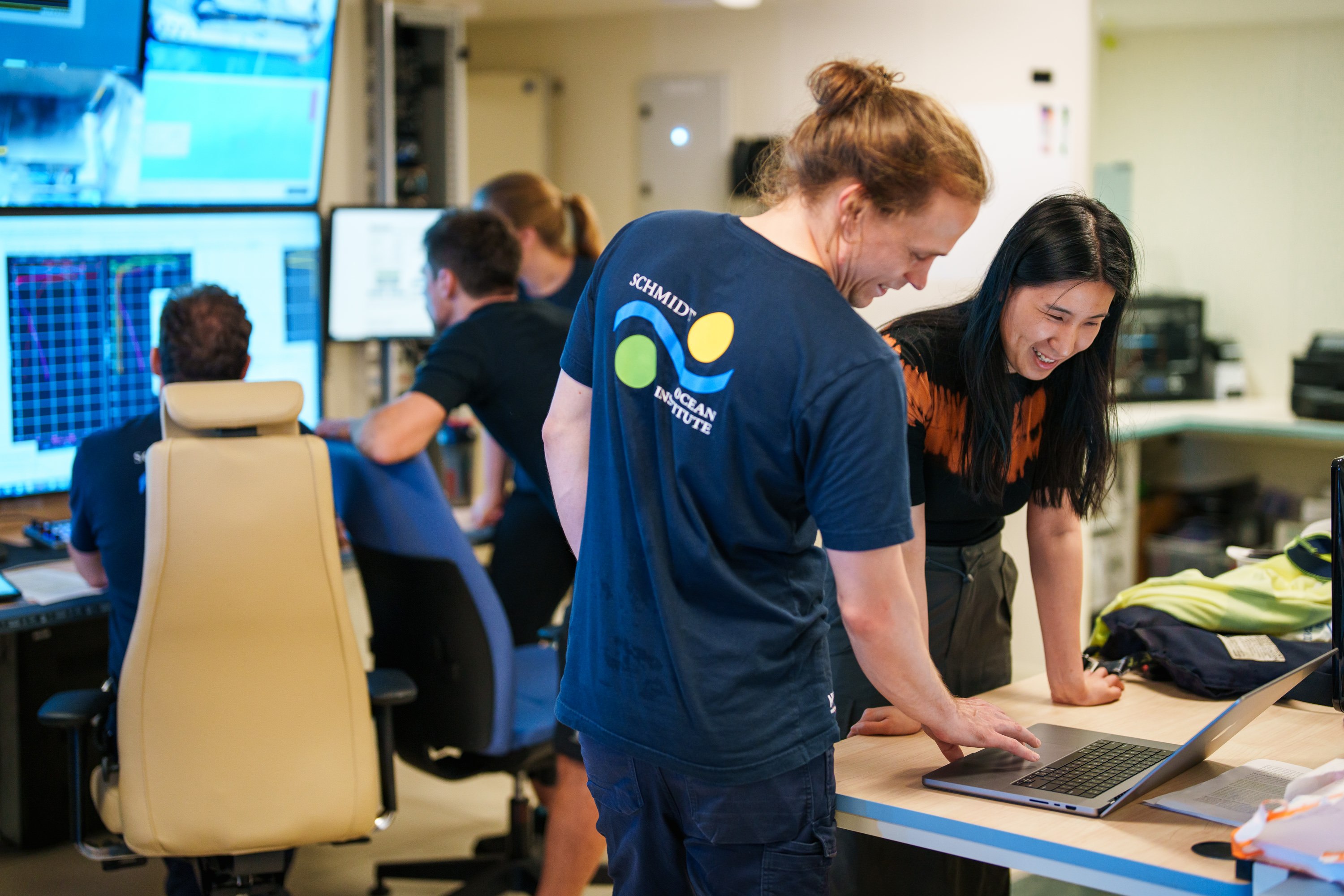
people in control room looking at full wall of screens

Episodes


black coral being discovered by schmidt ocean institute underwater robot
Fast Facts

A new family of black coral, the first discovered in 18 years,

was first announced by Dr. Jeremy Horowitzon on the Finding and Describing New Species Back Ashore episode.

Fast Facts

Dr. Jorge Cortes Nunez, on the Costa Rican Deep Sea Connections episode

stated that part of the reason the Cocos Islands National Marine Park was expanded was because of some of the stunning underwater imagery that SOI collected in 2019.

Fast Facts

In the Australia episode

Dr. Rob Beaman says that more than four years after his expedition in Australian waters, he still wakes up every day deciding which dataset to work on, as he has so much analysis to still do.


people working together in a control room looking at screens of data

FREQUENTLY ASKED QUESTIONS

  • We host Back Ashore episodes 3-4 times per year

  • Typically, results take 1-3 years after an expedition ends. We want to give the scientists time to analyze all of the samples and data before they speak publicly about the impact of their research in expanding our understanding of the Ocean.

  • Follow Schmidt Ocean Institute on social media! All upcoming talks and events are posted there. You can also sign up for the events email list using the link below.

From ocean to inbox

Select at least one list to join

First Name *
Last Name *
Email *