By the numbers
Explore how Schmidt Ocean Institute has impacted science and the oceanographic community.



Explore how Schmidt Ocean Institute has impacted science and the oceanographic community.

To read more about our impact annually, visit our Annual Reports page.
Contributing to global mapping goals, such as Seabed2030.
Over 3,800 hours Live-streamed to YouTube for anyone in the world to explore!
To expand knowledge and understanding of the ocean.
Providing a state-of-the-art platform for researchers to advance the understanding of the Ocean.
Made publicly available for scientists to access from anywhere in the world.
All of the science we support aligns with at least one of Schmidt Ocean Institute’s scientific focus areas.
How does the science supported by Schmidt Ocean Institute align with its Seven Strategic Topics?
The oceanography Schmidt Ocean Institute supports leads to groundbreaking research results disseminated to audiences worldwide to increase awareness, and provides a foundation for conservation policy and resource management.
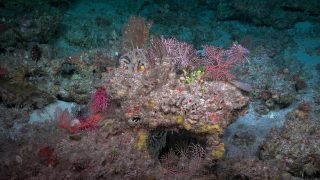
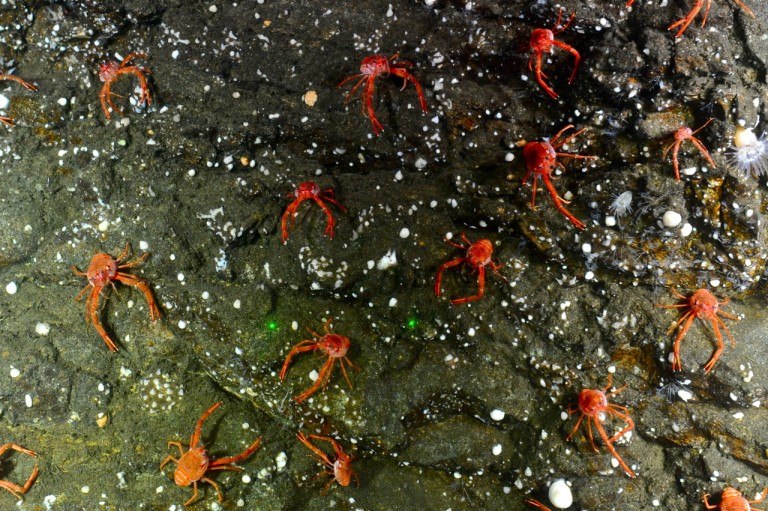
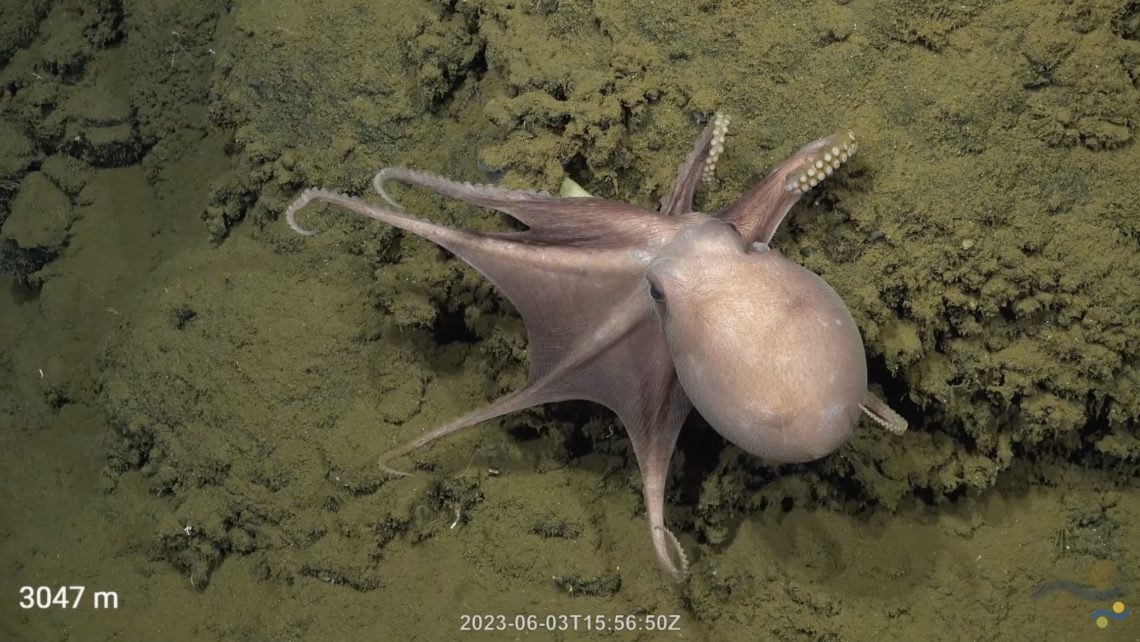
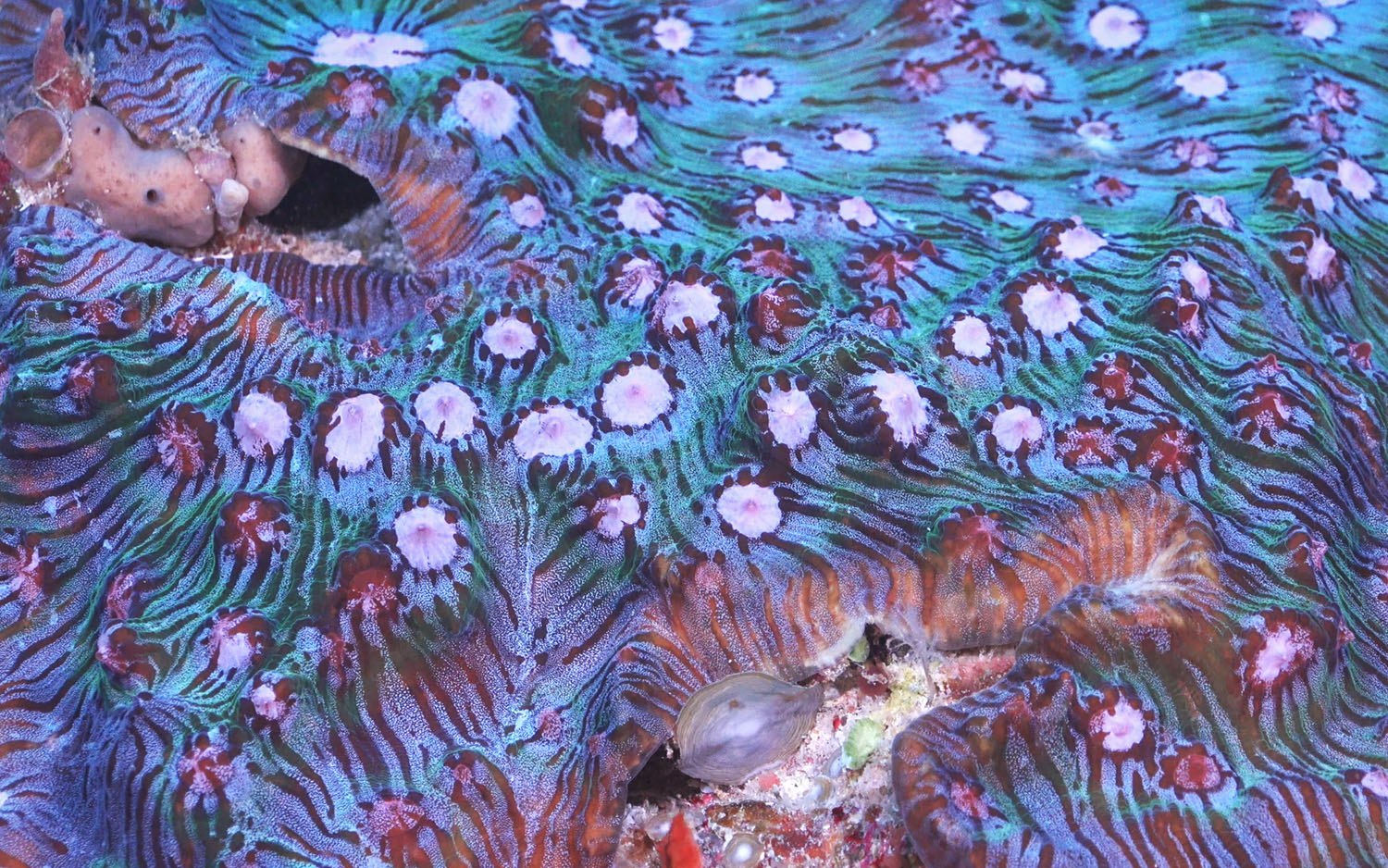
To explore just a few species and seafloor features discovered, visit our discovery cards here.
Journal publications allow scientists to share their outcomes with the research community.
Presentations are another way scientists share their results from work supported on Falkor and Falkor (too).
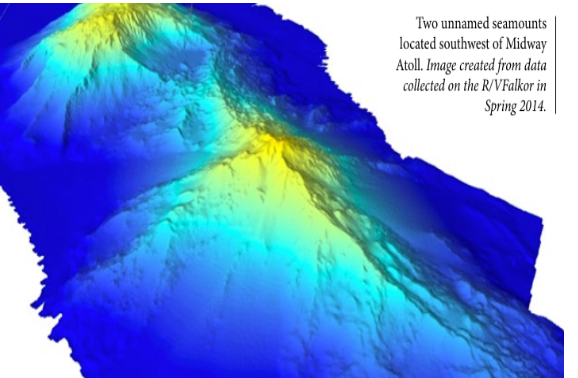
On August 26, 2016, President Obama signed a proclamation expanding the monument, located in the Hawaiian Archipelago in the Pacific Ocean, by 1,146,798 square kilometers.
Data and imagery collected by Falkor were used in the expansion application, including in a publication called Pu’uhonua A place of Sanctuary - The cultural and biological significance of the proposed expansion for the Papahānaumokuākea Marine National Monument, to convey the importance of protecting seamounts within the monument’s boundaries.
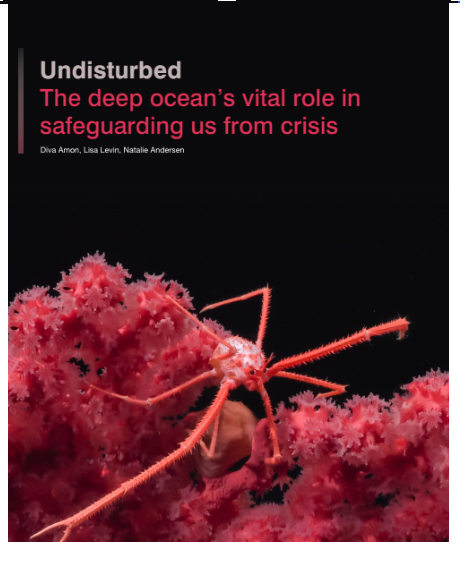
Undisturbed: The deep ocean’s vital role in safeguarding us from crisis highlights the essential roles that the deep ocean plays in the functioning of our planet and identifies the impacts of human activities on this critical ecosystem. The report contains images (including the cover) collected by Schmidt Ocean Institute. It was released in 2020 with the goal of inspiring global ocean action.
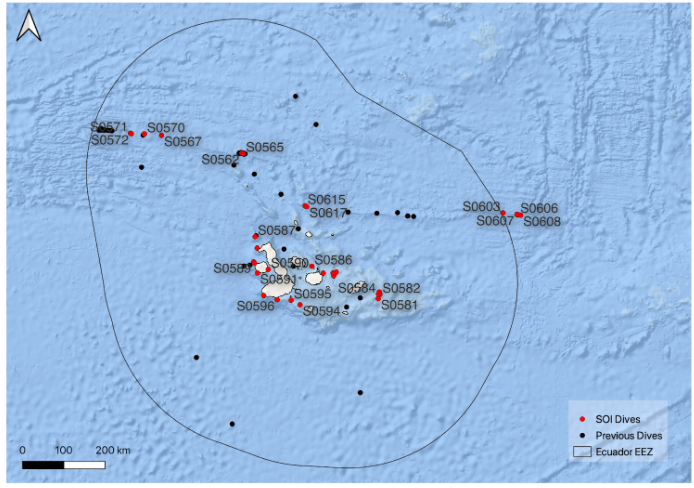
Before Schmidt Ocean Institute’s expedition to the Galapagos Islands Marine Park, there were 70 previously documented dives with visual assets, including 20 drop camera deployments. These collected visual data but no other oceanographic data. When Falkor (too) visited the region in 2023, ROV SuBastian conducted 50 dives within Ecuador’s Exclusive Economic Zone (EEZ), bringing the total number of dives to 126. That’s an 80% increase, which nearly doubled the total number of robotic vehicle deployments in the region.
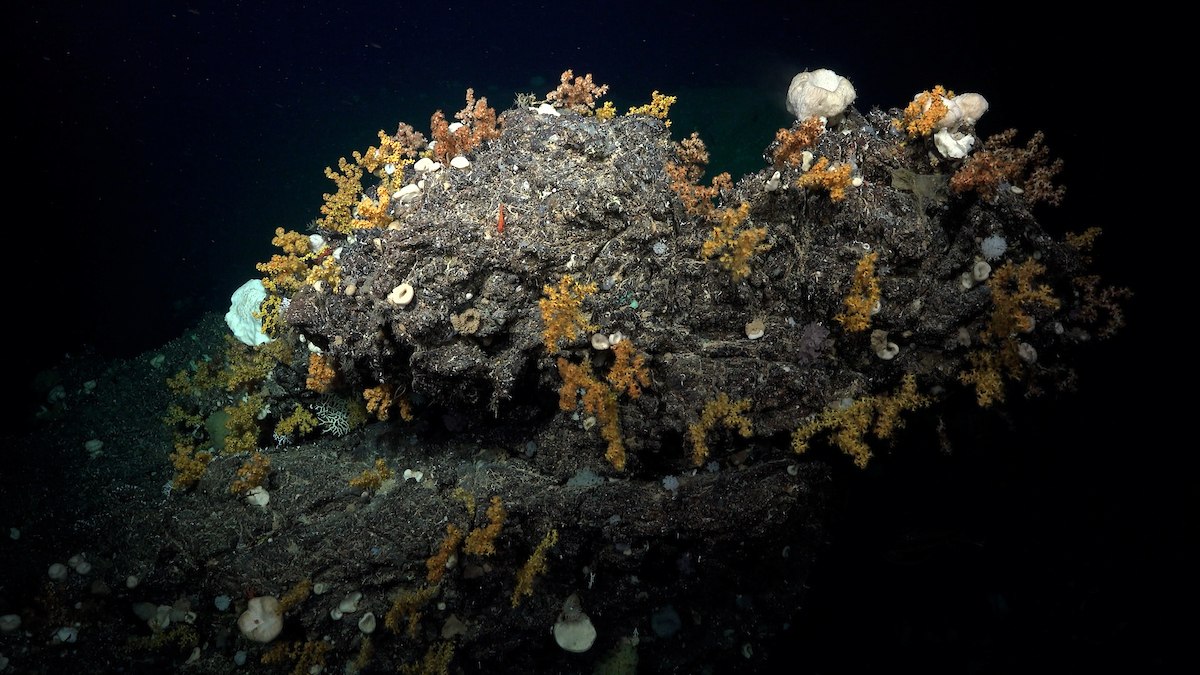
In 2025, scientists estimated in Science Advances that 0.001% of the seafloor has been visually observed. This estimation used data gathered from approximately 44,000 deep-sea dives, including video and imagery gathered by ROV SuBastian. This was a comprehensive study aggregating all of the deep-sea dive records and locations available, creating the first study of this kind. While data limitations were noted, (e.g., it did not include embargoed, classified, or commercial data), the study highlighted the importance of making data publicly available.
Schmidt Ocean Institute supports a wide range of people on board, all working toward shared scientific goals. Experience at sea provides unique, hands-on opportunities that foster professional development in ocean science.
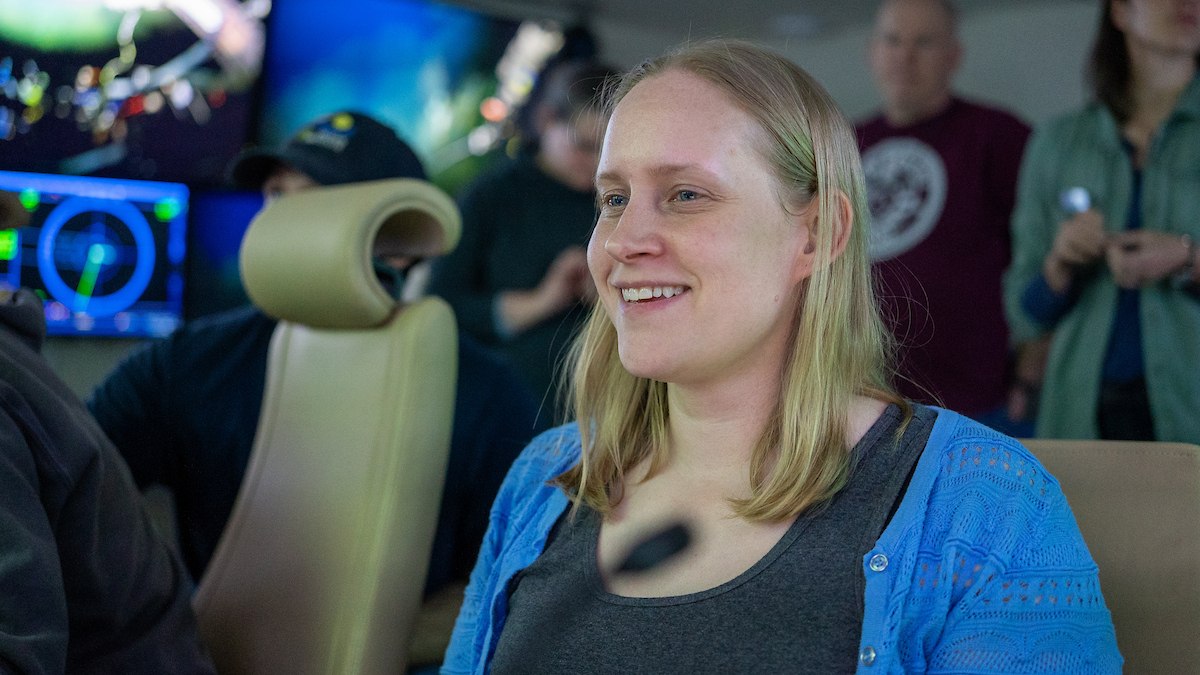
In 2015, Melissa Anderson sailed on board R/V Falkor as a Student Opportunities participant. She participated in an expedition to the Marianas Trench studying hydrothermal vents. She ultimately graduated with her PhD in Earth Sciences from the University of Ottawa and became an Associate Professor at the University of Toronto. In 2023, Melissa returned to sail on R/V Falkor (too) as a Marine Geologist studying hydrothermal vents with many of the established scientists she worked with when she sailed as a student. She even brought along her own PhD student - a full circle moment!
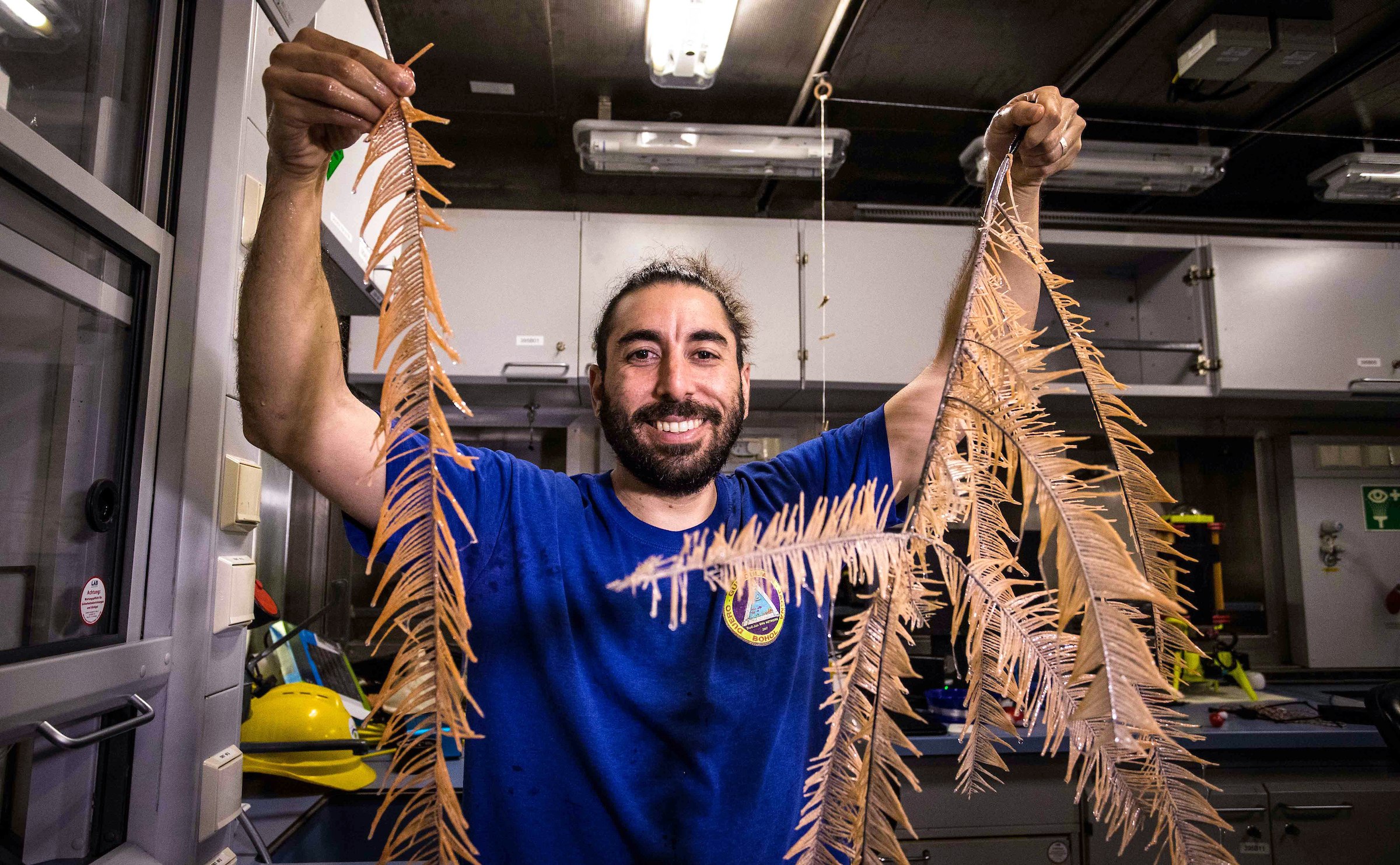
In 2020, when the COVID pandemic hit, coral expert Jeremy Horowitz was working on his PhD at James Cook University. Horowitz had limited at-sea experience but got the chance to sail on R/V Falkor. He learned how to be a good field scientist, identify glass corals, and image and preserve specimens while aboard the ship. Today he is a research scientist at the Smithsonian National Marine Natural History Museum studying the taxonomy of black corals. He sailed on R/V Falkor (too) in 2023 as a taxonomic specialist studying corals and has discovered two new species, a new family and new genus of black coral.