Research Technologies
Explore some transformative technologies that scale and enhance our ability to conduct scientific research and exploration in the Ocean.



Explore some transformative technologies that scale and enhance our ability to conduct scientific research and exploration in the Ocean.
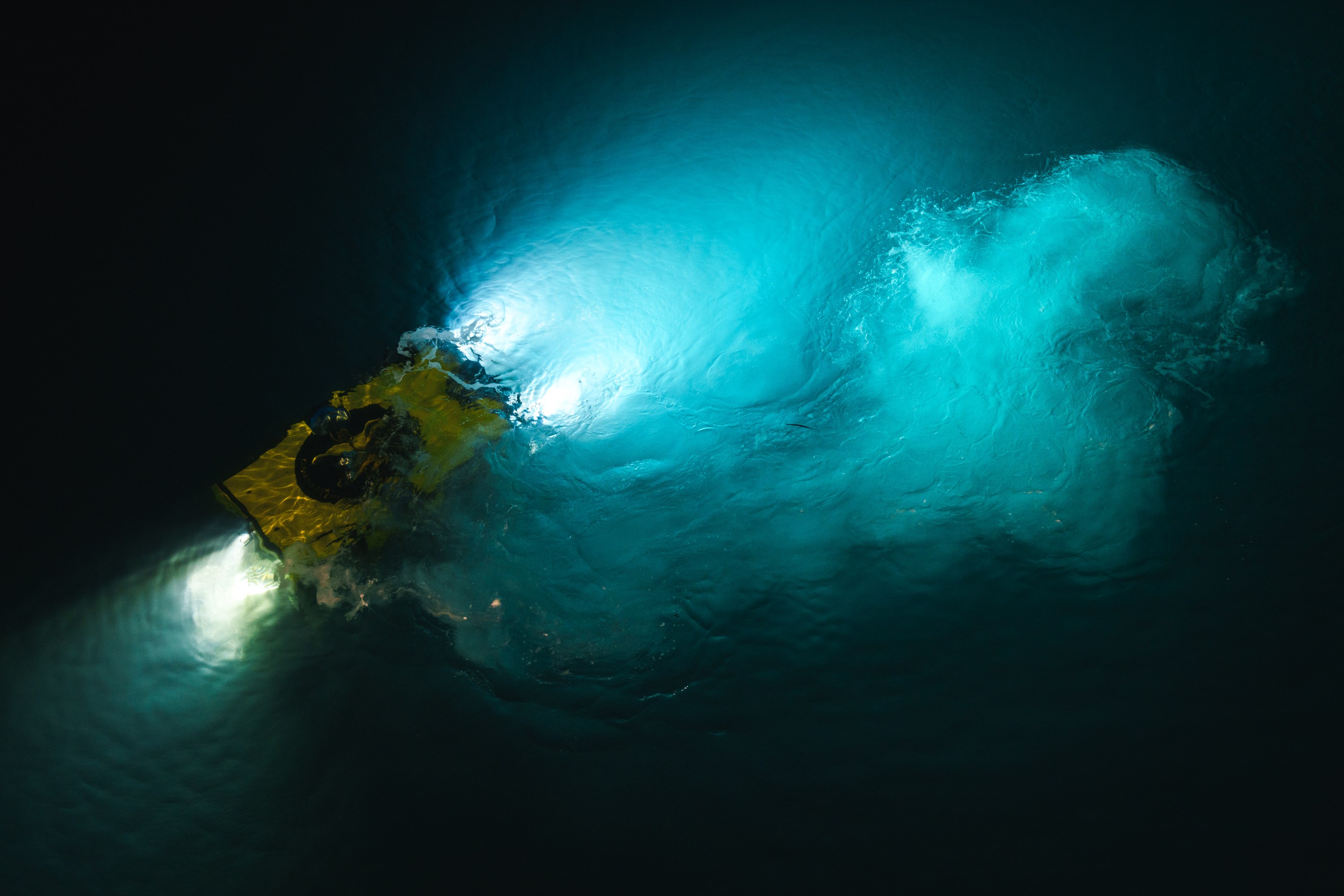
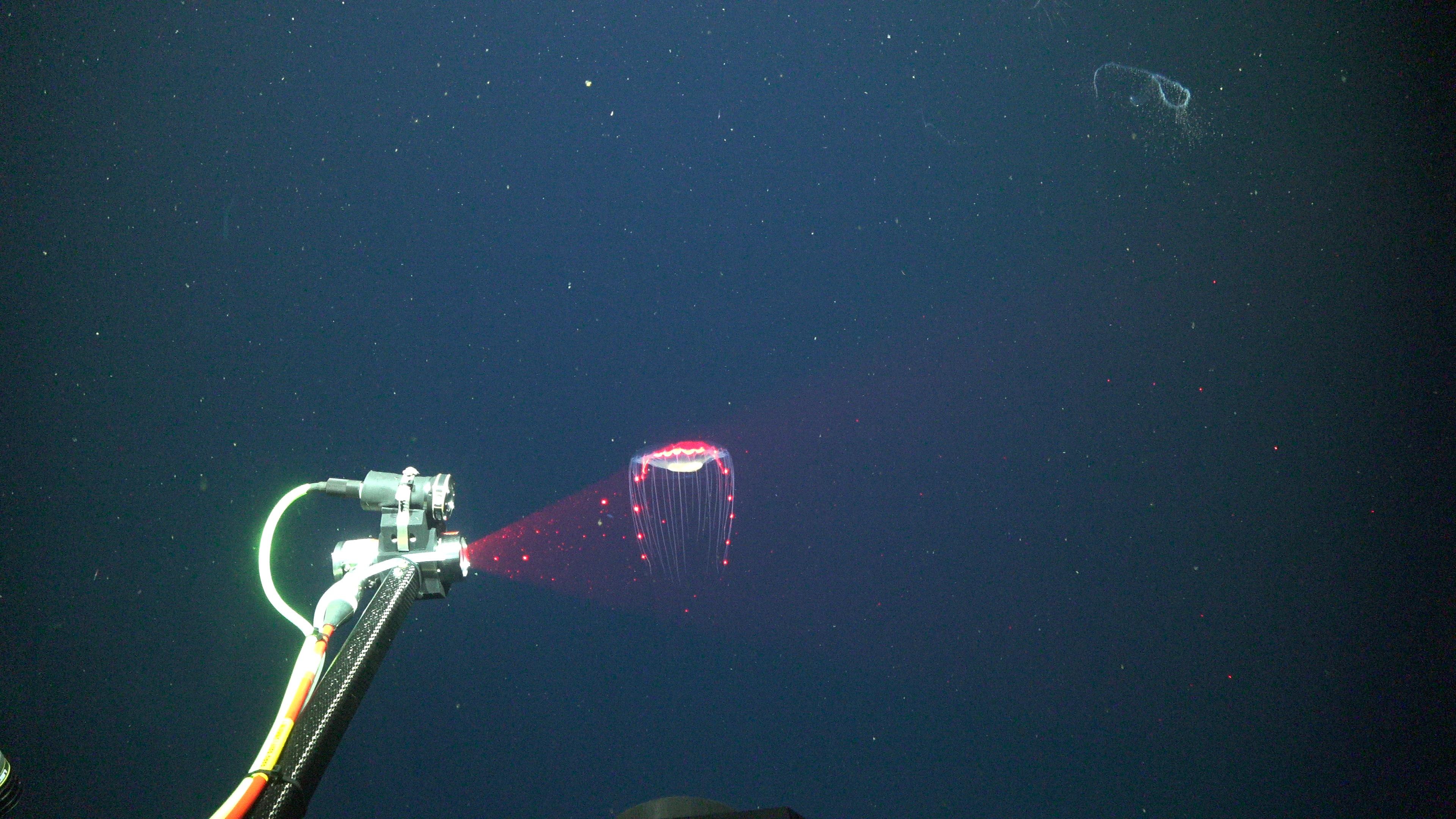
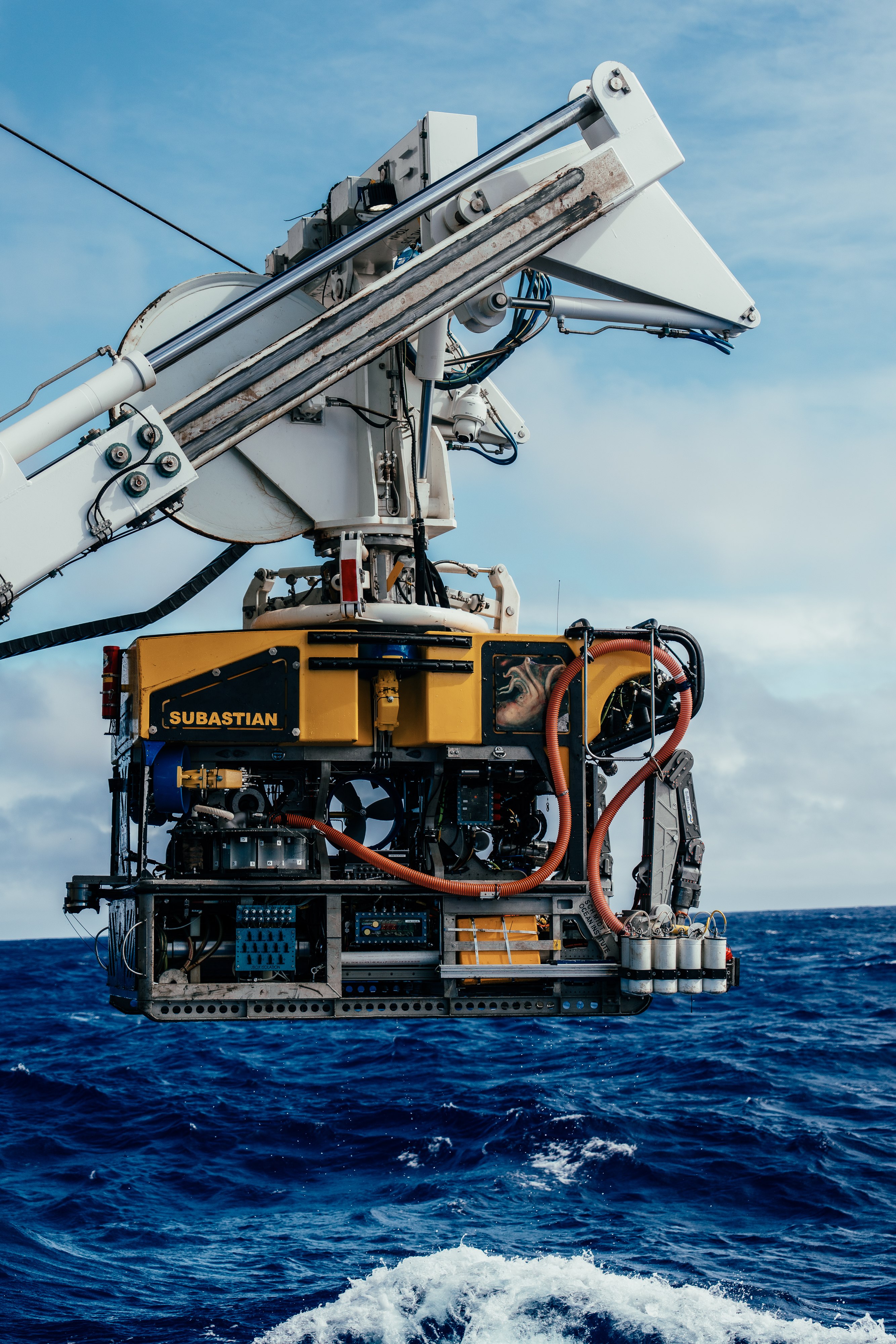
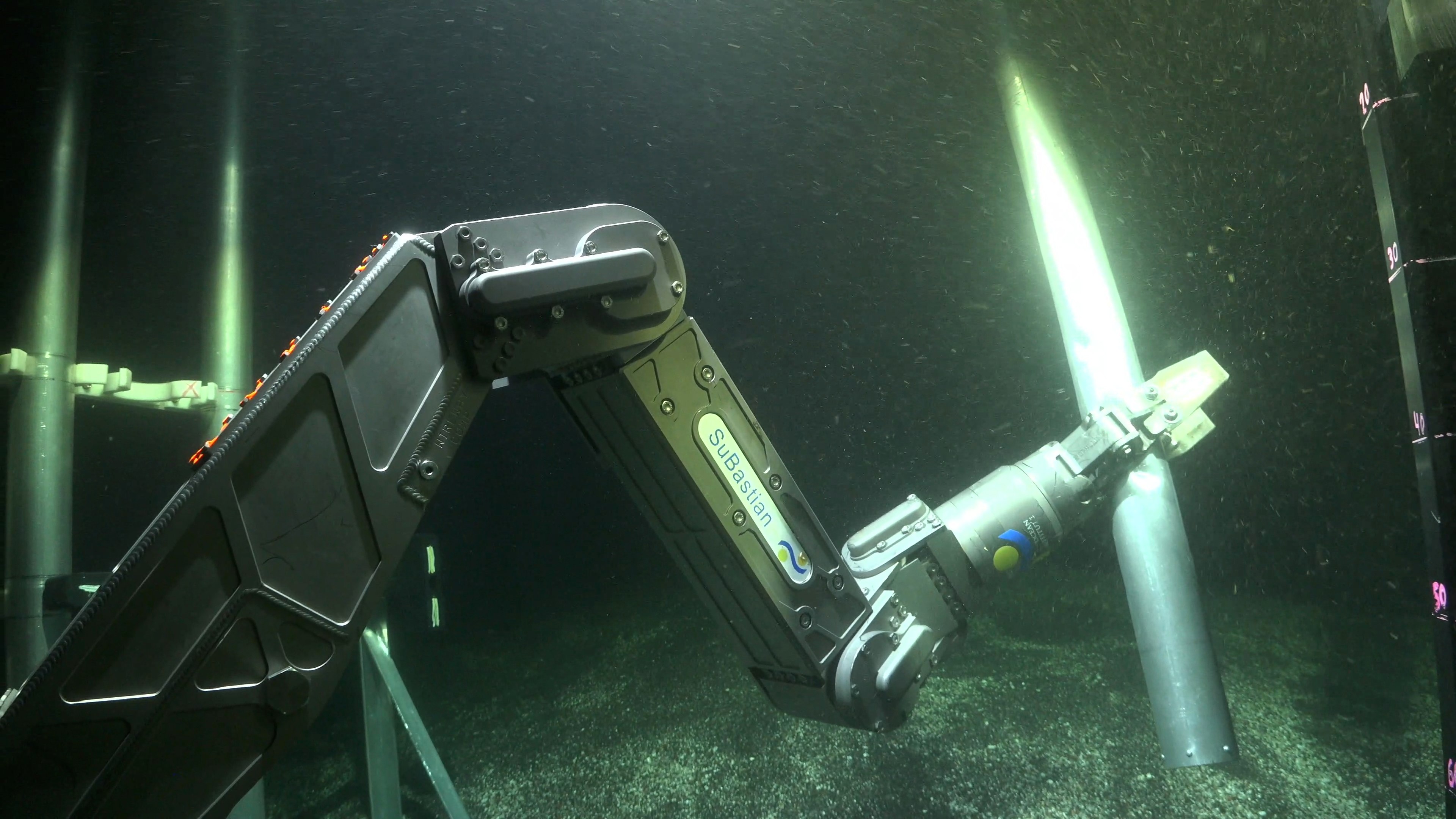
Our underwater robotic research program includes a Remotely Operated Vehicle — ROV SuBastian, which is depth-rated to 4,500 meters. The ROV is outfitted with a suite of sensors and scientific equipment to support scientific data and sample collection, as well as interactive research, experimentation, and technology development.

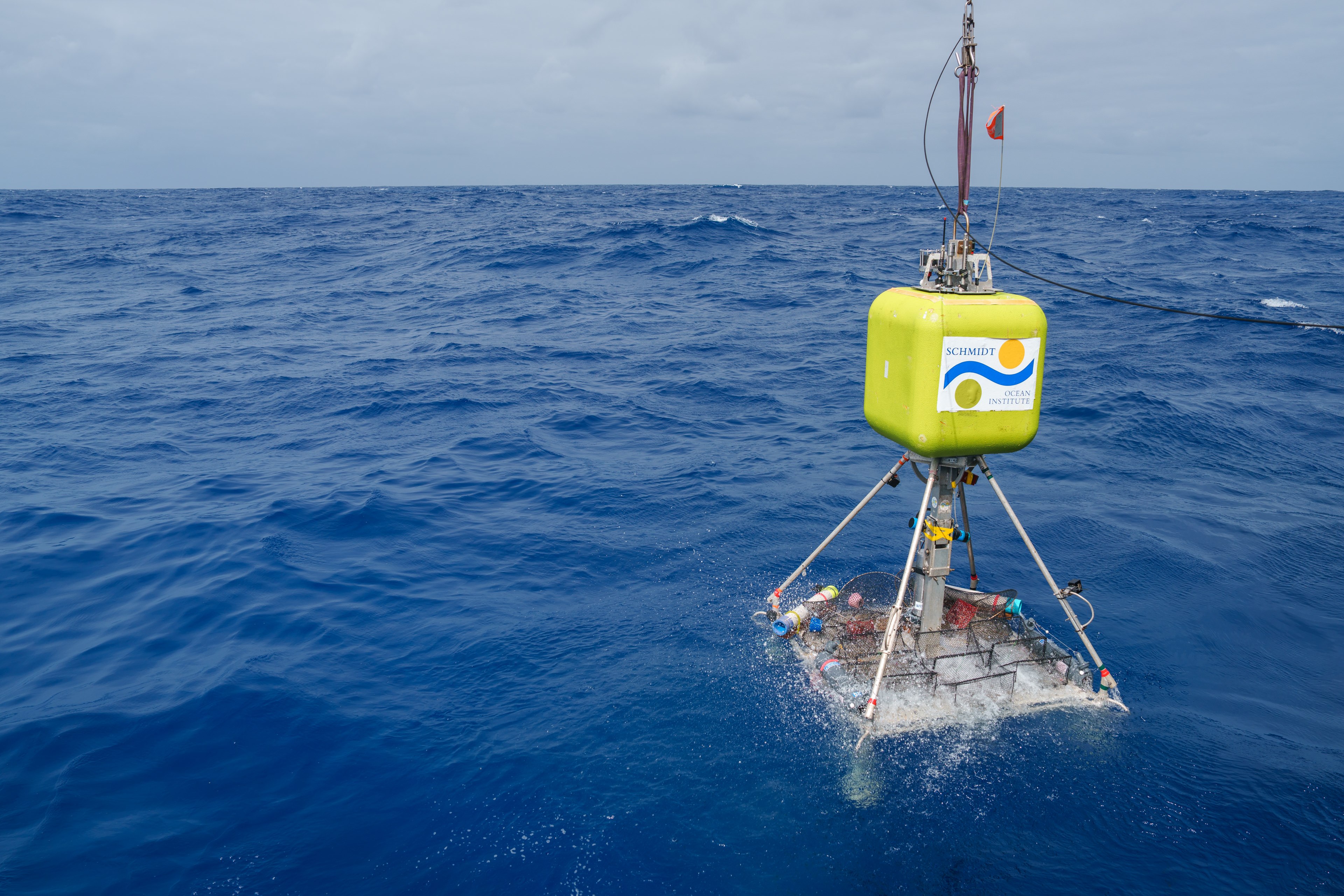
A lander is a versatile mechanical platform used to carry instruments, scientific samples, imagery, measurements, and more between the surface and the bottom of the sea. Picture an underwater elevator with the ground floor almost seven miles below the ocean surface.
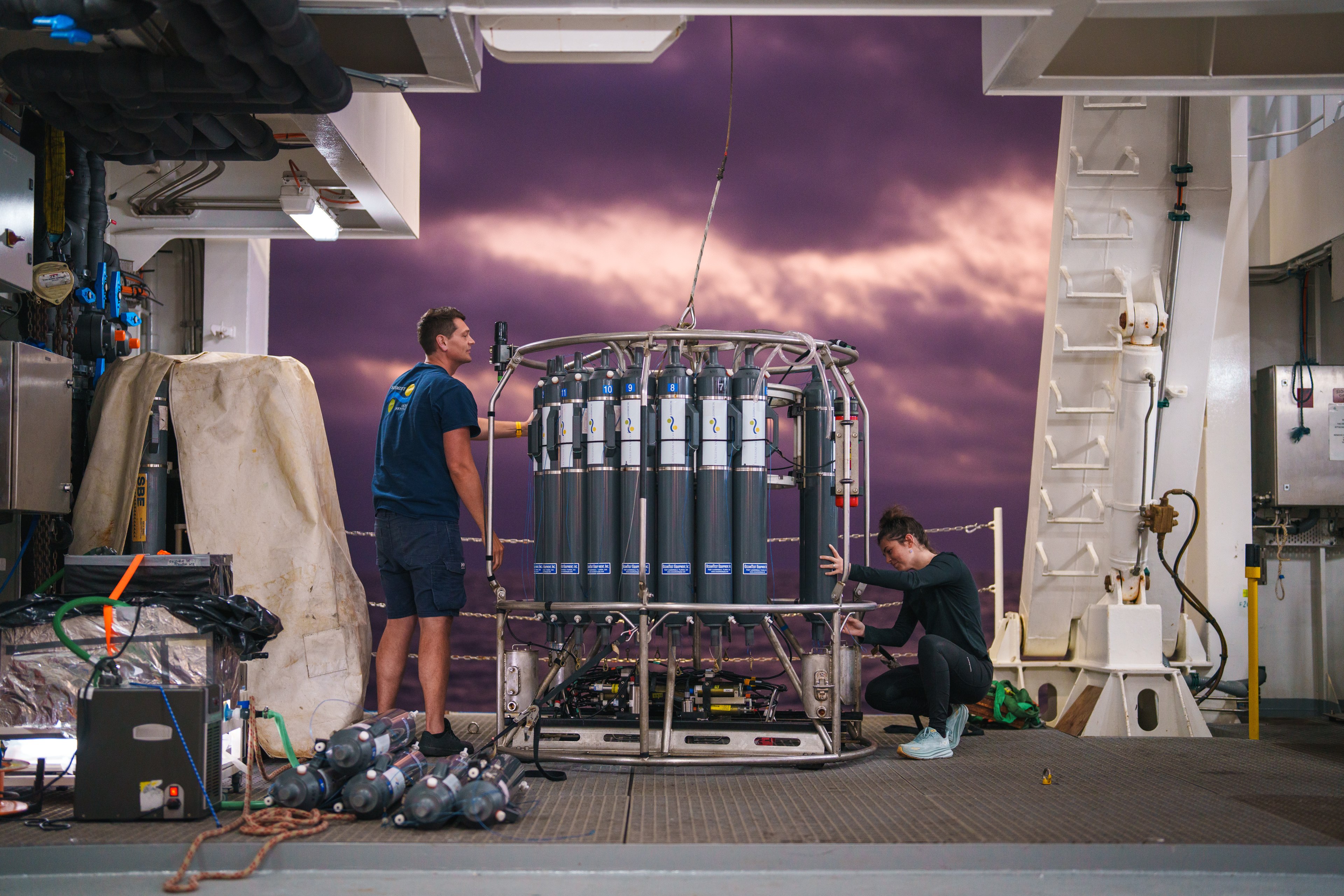
R/V Falkor (too) hosts a Conductivity, Temperature, and Depth, or CTD, and rosette system for characterizing the physical and chemical parameters of the ocean. It carries a Sea-Bird Electronics 911plus CTD system on a rosette carrying 24 twelve-liter Niskin Bottles. CTD sensor configurations are customized for each cruise.
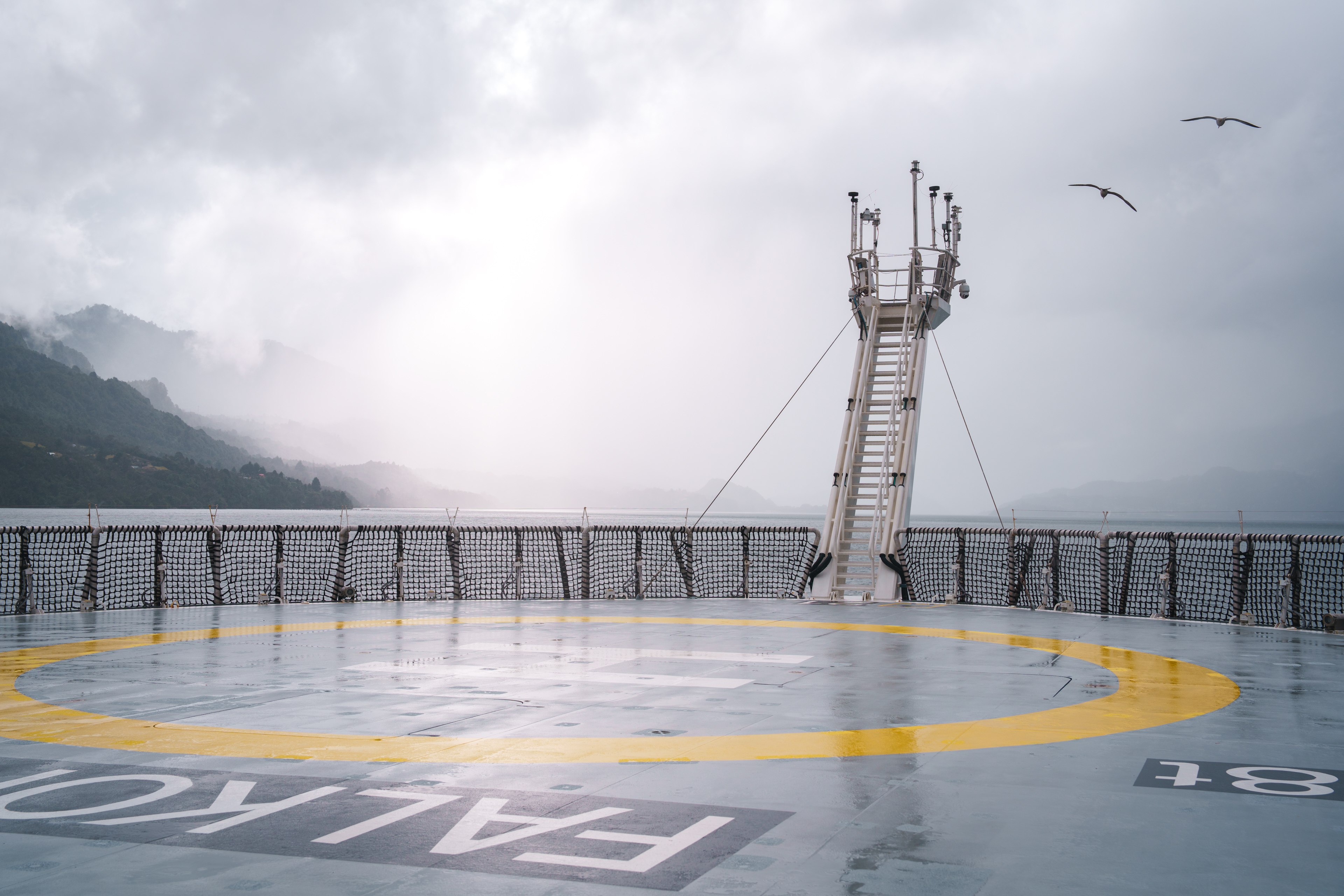
R/V Falkor (too) acts as a moving weather station. Weather-related instrumentation is located on the foremast and includes the ability to monitor precipitation, temperature, wind speed and direction, humidity, and irradiance (shortwave, longwave, and photosynthetically active irradiance).
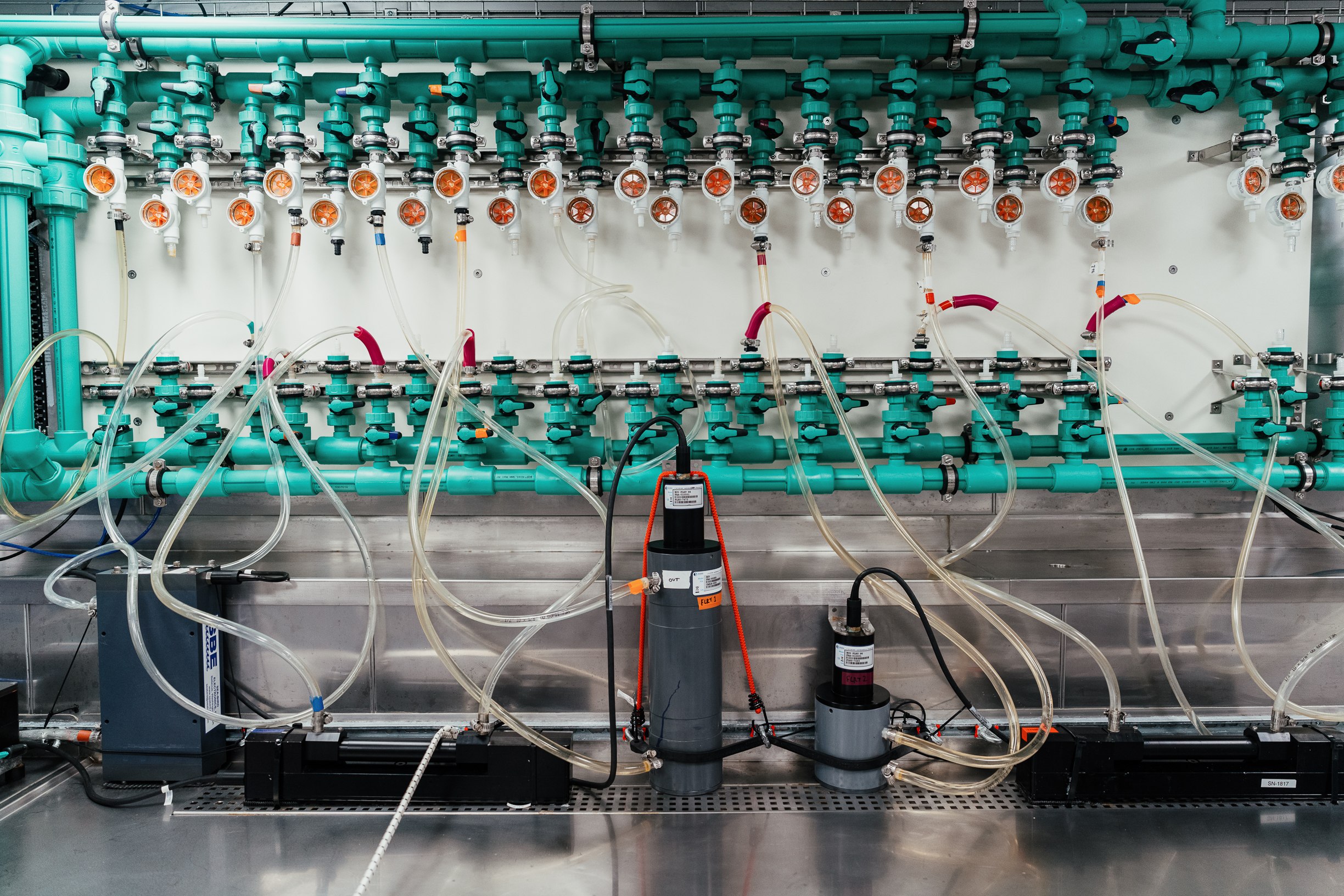
The ship has a flow-through seawater system that brings in water from approximately 5 meters below the surface into the seawater lab. Several instruments continuously monitor ocean properties such as salinity, temperature, pH, fluorescence, and turbidity. Additional instrumentation can be added. Also, there is a separate all-metal plastic-free flow-through system relevant for projects requiring the ability to perform continuous microplastic filtering and analyses.
R/V Falkor (too) has a winch dedicated to the CTD, a general-use oceanographic winch configured to be used with the A-frame, and a small science utility winch that can be used to lower or tow smaller packages.
An ROV-mounted vibracorer allows visiting scientists to collect cores from water-saturated sediment using high-frequency vibrations in the core liner that liquefy the sediment directly around the core cutter, enabling it to pass through the sediment more easily.
With a high-performance computing system on R/V Falkor (too), scientists at sea can access the combined power, speed, and memory of 60 or more high-end desktops acting in unison.