Supporting science and scientists

In addition to providing shiptime, Schmidt Ocean Institute occasionally provides targeted grants to projects that fundamentally advance understanding of our global Ocean or build equity and expand career pathways in marine sciences.
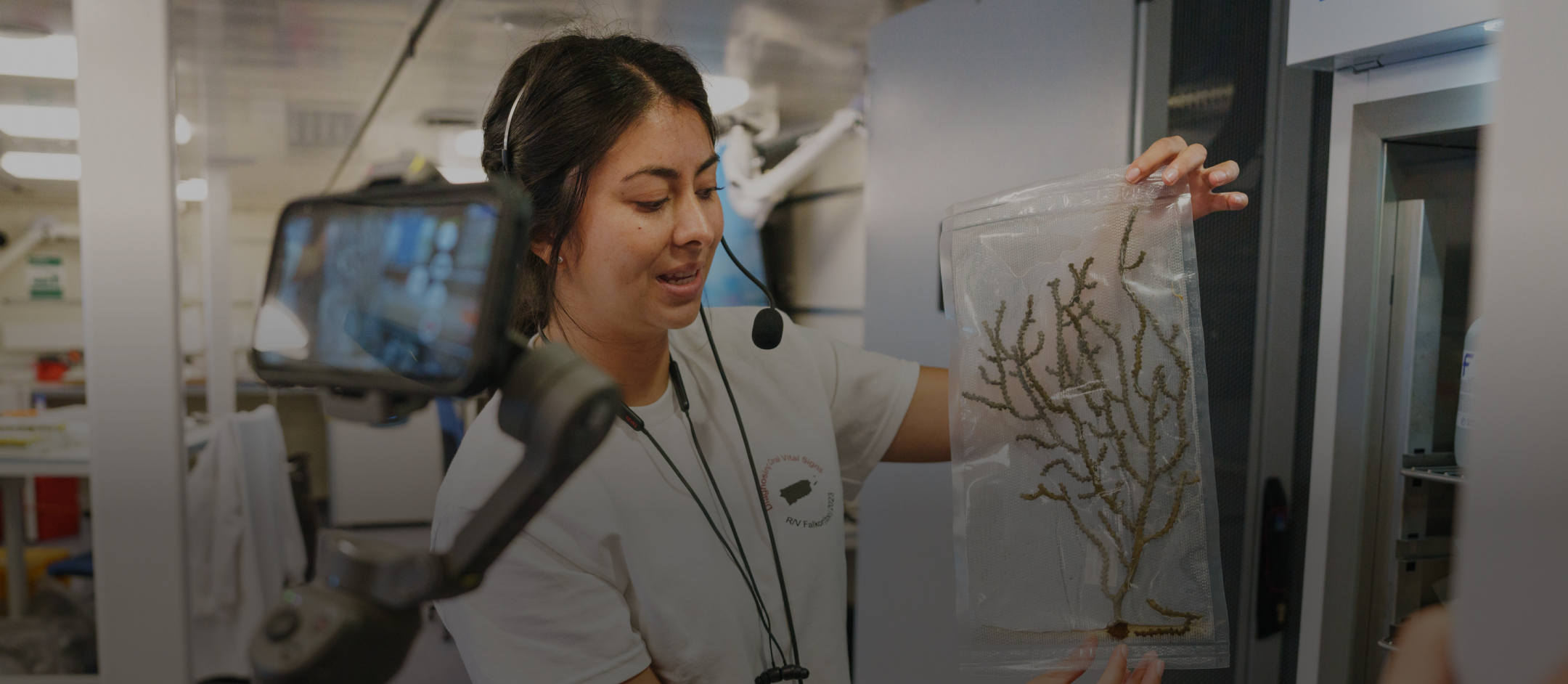
person holding a plant species  while being recorded

Grants

Schmidt Ocean Institute awards a variety of targeted grants aimed at improving our understanding of the Ocean, enhancing community engagement and ocean literacy amongst diverse audiences, and fostering the development of a robust marine science workforce. Please note that we do not accept unsolicited grant requests.

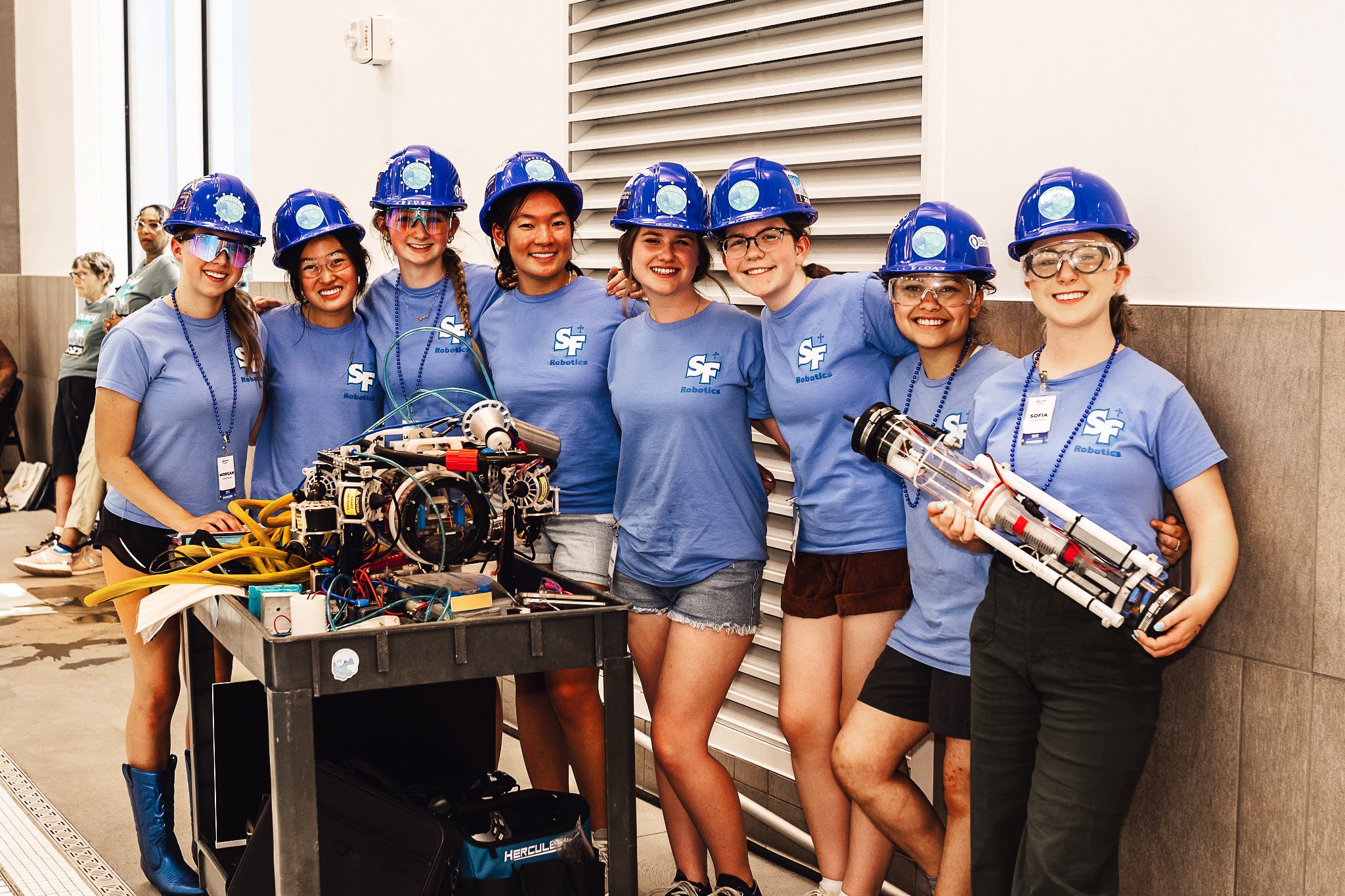
group of people with hard hats standing in front of machinery

Our Grantees

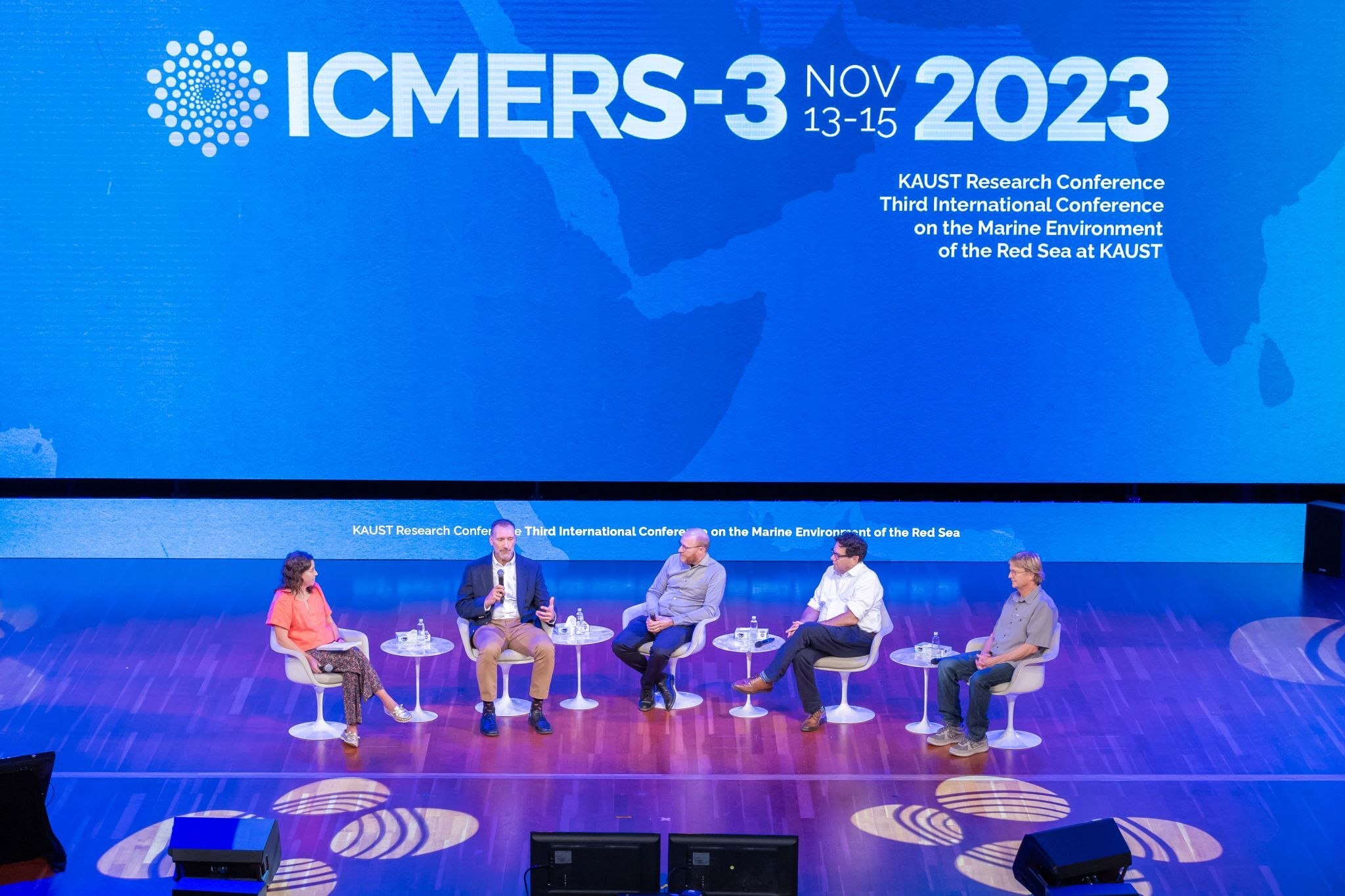
panel discussion on stage at the ICMERS-3 conference

Local Technology Support

The Local Technology Support program provides up to $5,000 to regional organizations or schools in regions where Research Vessel Falkor (too) is operating. These mini-grants enable the virtual participation of schools and programs that otherwise lack the technology needed to join our Divestreams and Ship-to-Shore Connections. Our goal is to build bridges between communities in the regions where we work and the science teams onboard so the mission of science and discovery is shared.

group of people with hard hats on standing in front of machinery

MATE ROV

The Marine Advanced Technology Education (MATE) ROV Competition is an educational competition run by the Marine Technology Society that inspires interest in STEM careers and fosters the development of professional skills. It engages students from around the world, from elementary to university levels, who design and build remotely operated vehicles (ROVs) equipped with sensors and tools for ocean-related tasks. Our support has helped to expand the competition’s global reach by supporting livestreaming and more.

MONGA BAY

Mongabay is an award-winning, independent, nonprofit media organization that reports on nature and planetary challenges and solutions. Their global English newsroom directly serves an audience of six million readers monthly. Schmidt Ocean Institute's support has helped facilitate robust coverage of scientific research that underpins decision-making around marine protected areas, ocean conservation, and fisheries management in the Eastern Pacific Ocean. Continued support ensures coverage moving forward will be delivered in English, Spanish, or Portuguese and include ocean issues and advancements facing the Western Atlantic Ocean, Southern Ocean, and Caribbean Sea.


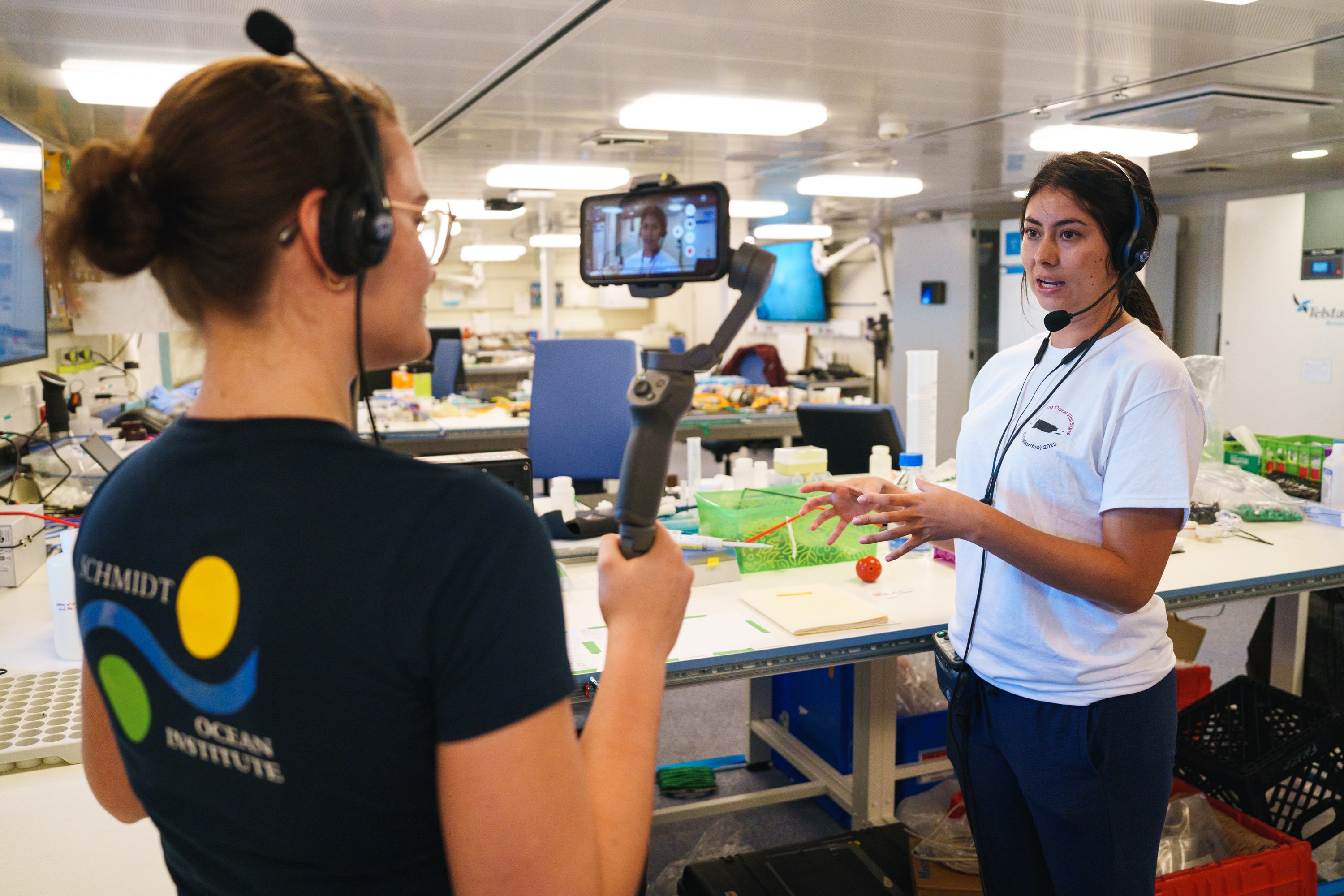
person with iphone filming someone presenting

NATIONAL OCEAN SCIENCES BOWL

The National Ocean Sciences Bowl (NOSB) is a vital education program and national high school academic competition in the United States that has promoted ocean literacy and inspired the next generation of ocean scientists for nearly 30 years. Our support is dedicated to holding the regional competitions, which is often the first point in nurturing students' knowledge and enthusiasm for marine science.


nautilus magazine logo

Nautilus

Schmidt Ocean Institute supports Nautilus magazine’s top-quality science journalism and storytelling, which has included special ocean issues covering topics such as seafloor mapping, the Ocean Census project, and plastic pollution. Our support of Nautilus’ mission has also included special events featuring our deep-sea media, such as concerts affiliated with the United Nations Ocean Conference in Nice, France, in 2025, and programs in collaboration with our Artist-at-Sea program, held at high-profile venues such as Art Basel Paris.

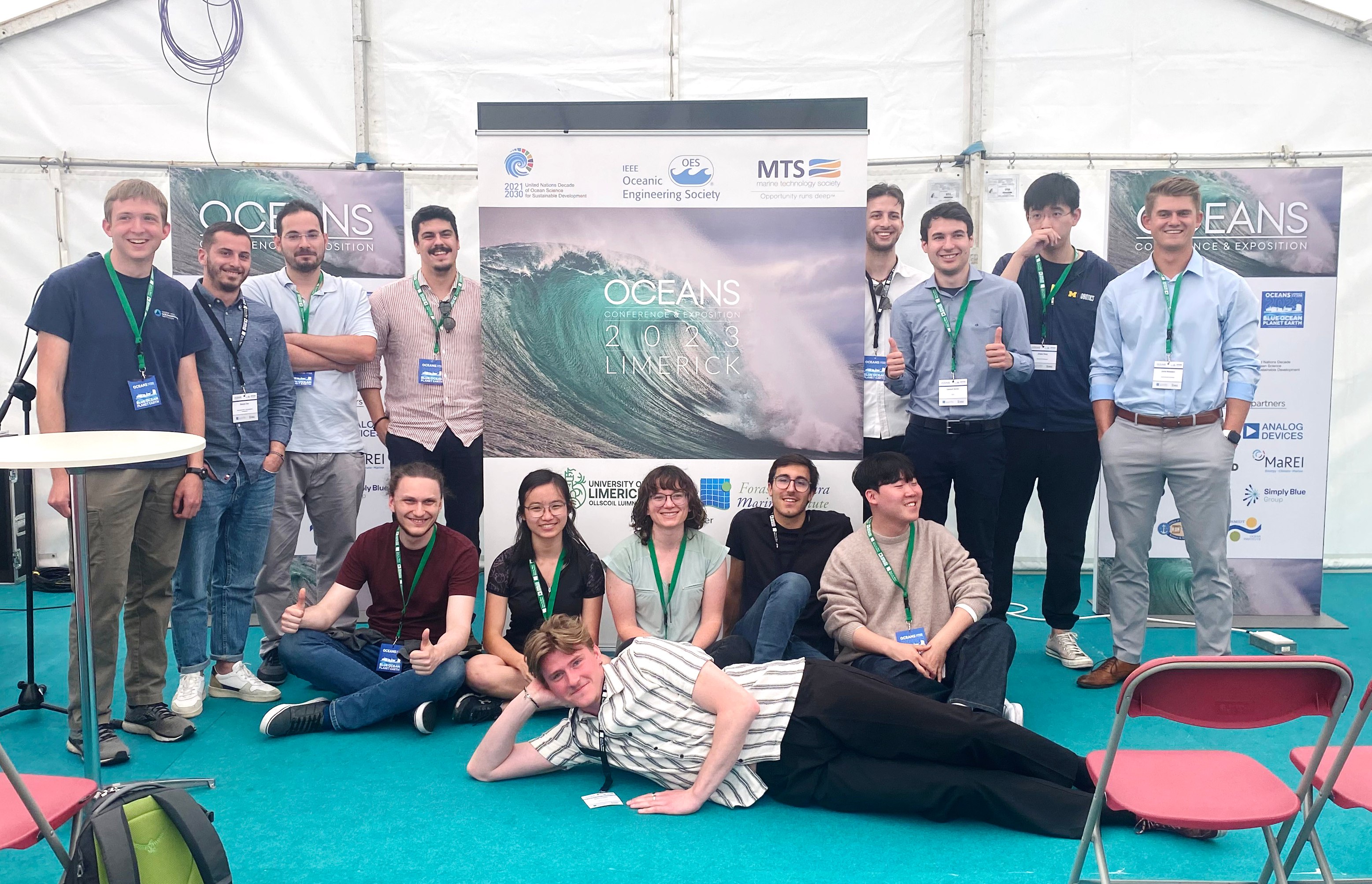
group of people in front of a poster display

OCEANS CONFERENCE STUDENT POSTER COMPETITION AWARDS

The Student Poster Competition recognizes the creative innovations of the next generation of ocean scientists and engineers at the annual OCEANS conference. Past OCEANS conferences have been held in Brest, France (2025), Singapore (2024), Limerick, Ireland (2023), and Chennai, India (2022). Past posters that have won awards have been related to topics on underwater communication, innovations related to the use of mooring lines on floating offshore wind turbines, and the development of low-cost and simplified electronics, sensors, and profiling floats.

large vessel in ocean

Ocean Keeling Curve

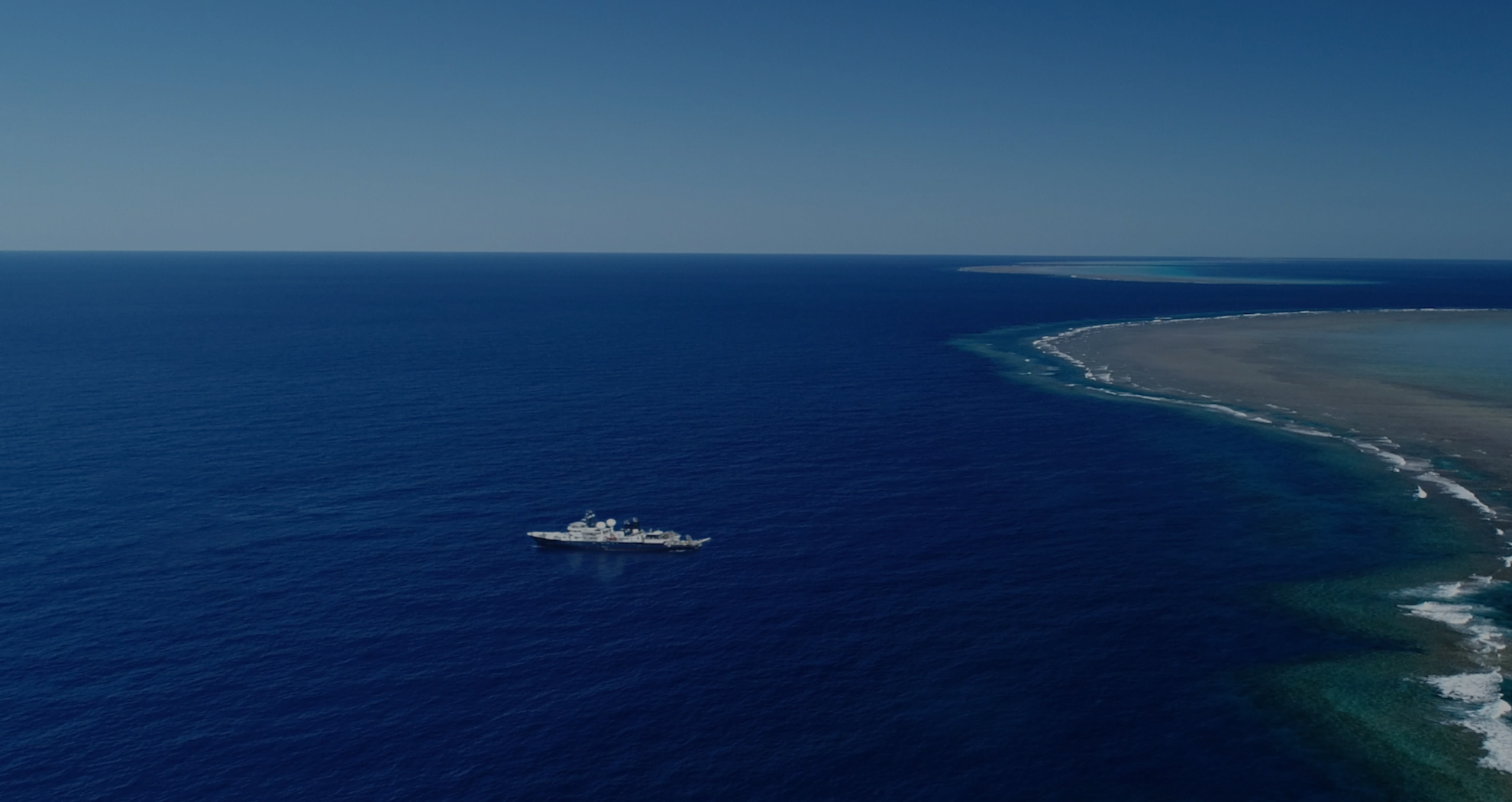
The Ocean Keeling Curve is the longest-running time series showing how global ocean carbon dioxide concentrations have changed over time. This data collection effort, essential for assessing changes in the ocean’s carbon levels, involves sampling at stations near Bermuda and Hawaii. Recent upgrades to the analytical process, including software and system refurbishments, ensure the continued accuracy and reliability of these critical measurements.

people posing for a group picture in front of screens

PEERSIDE

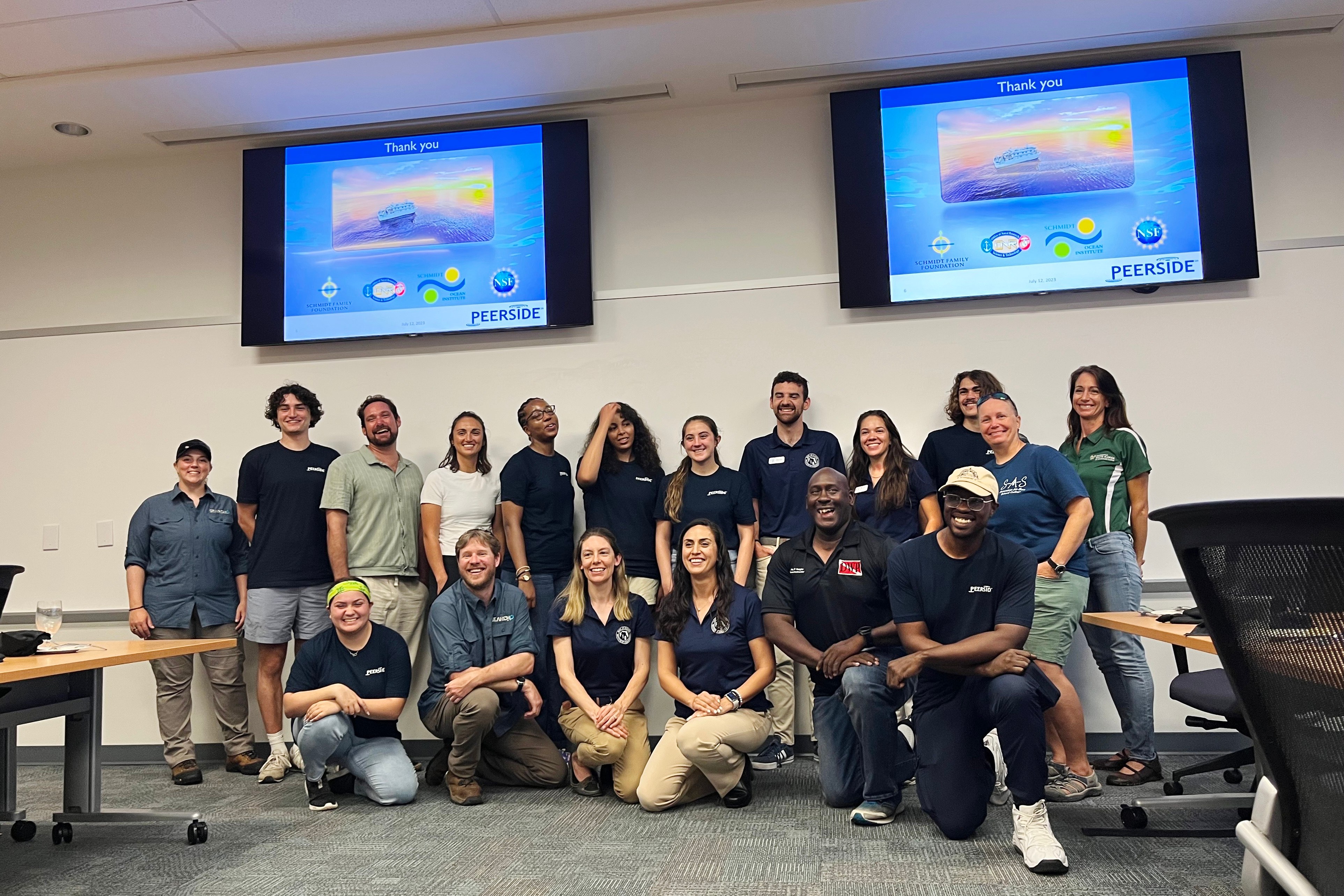
The Florida Institute of Oceanography’s Peerside program provides inclusive educational and career training opportunities for students of science and maritime vocations on board its research vessel, R/V Western Flyer. The program aims to increase access to marine science and pathways in the maritime fields.

vessel in water

The Schmidt Ocean Coalition

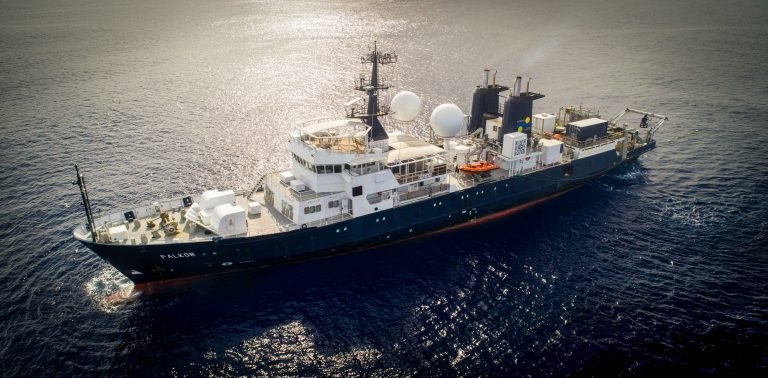
The Schmidt Ocean Coalition, a joint initiative with The Schmidt Family Foundation, 11th Hour Racing, and Schmidt Marine Technology Partners, tackles inclusivity in marine science. These grants target underrepresented communities, fostering education, career training, and professional development for the next generation of ocean stewards.

group of people watching a presentation on screen while someone talks

World Ocean Observatory

The World Ocean Observatory is a virtual aquarium platform that provides immersive educational experiences to ignite ocean literacy for audiences worldwide. Schmidt Ocean Institute sponsorship helped launch its first Deep Sea module in 2022, and support is currently being used for new modules that will include Deep Sea 2026 and Science at Sea, featuring visualizations, models, and curricular activities related to the history of oceanography around the world.

large vessel in ocean

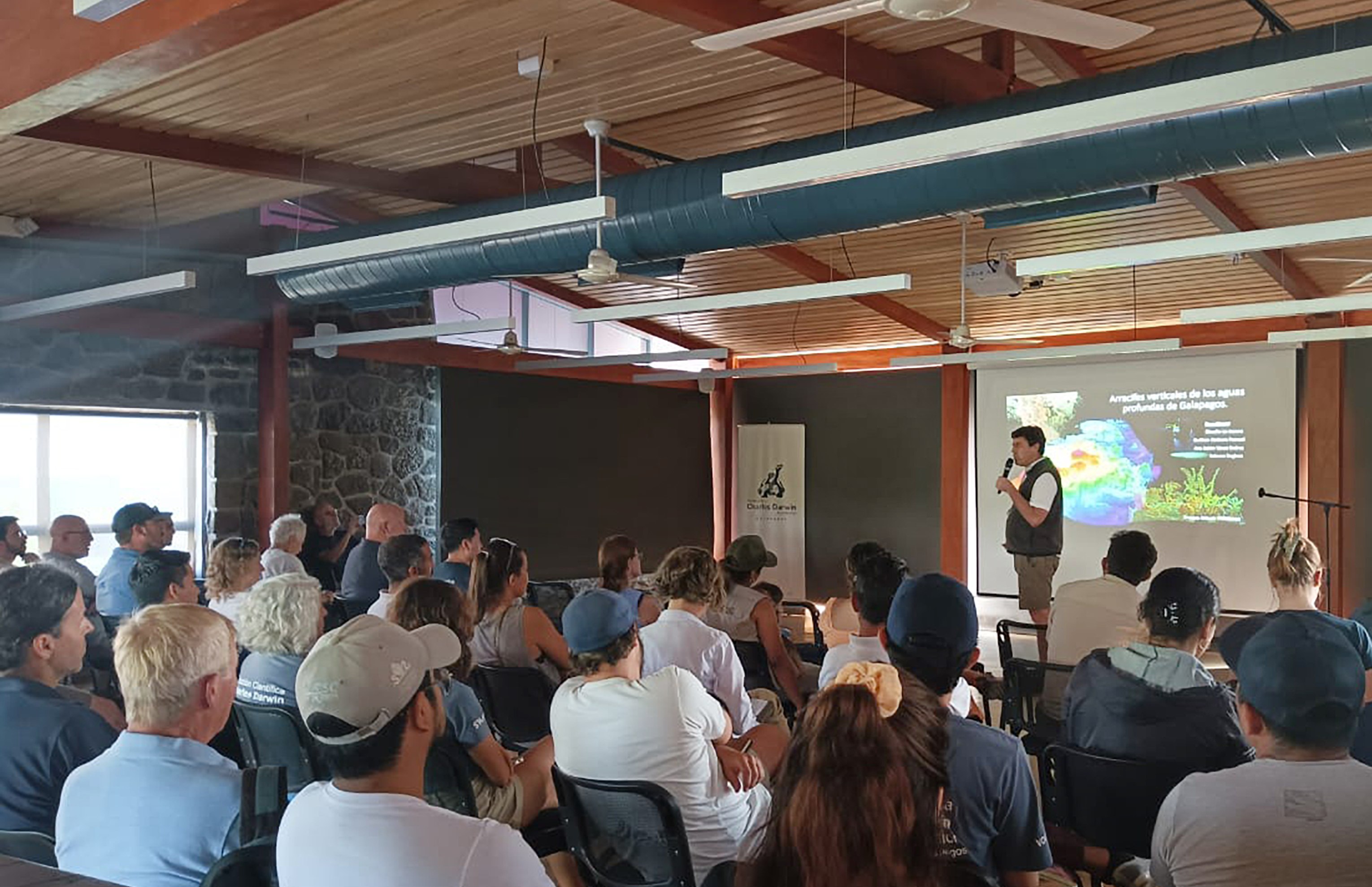
The Charles Darwin Foundation in Ecuador

utilized local technology support funding from Schmidt Ocean Institute to acquire essential equipment, such as laptops, wireless access points, and a web camera used by schools in the area. The equipment radically improved their ability to engage with the community and connect with scientific research taking place on board R/V Falkor (too).


The World Ocean Observatory

With Schmidt Ocean Institute's support, they developed an award-winning virtual aquarium called the World Ocean Explorer. Users can dive into immersive experiences, such as hydrothermal vents and whale falls, all from the comfort of their home.


Schmidt Ocean Institute's grant to the OCEAN KEELING CURVE

via the University of California San Diego (UCSD) helped ensure water sampling at Bermuda and Hawaii stations continues and samples are transported to UCSD for analysis, ensuring the long time series record of measuring carbon dioxide in the world's Ocean continues.


Outside of its applications for shiptime onboard R/V Falkor (too), Schmidt Ocean Institute grants are by invitation only.

About the Organization

Schmidt Ocean Institute is a 501(c)(3) private non-profit operating foundation established to advance oceanographic research, discovery, and knowledge, and catalyze the sharing of information about the Ocean. 

Learn More
two people observing a skeletal artifact

From ocean to inbox

Select at least one list to join

First Name *
Last Name *
Email *