



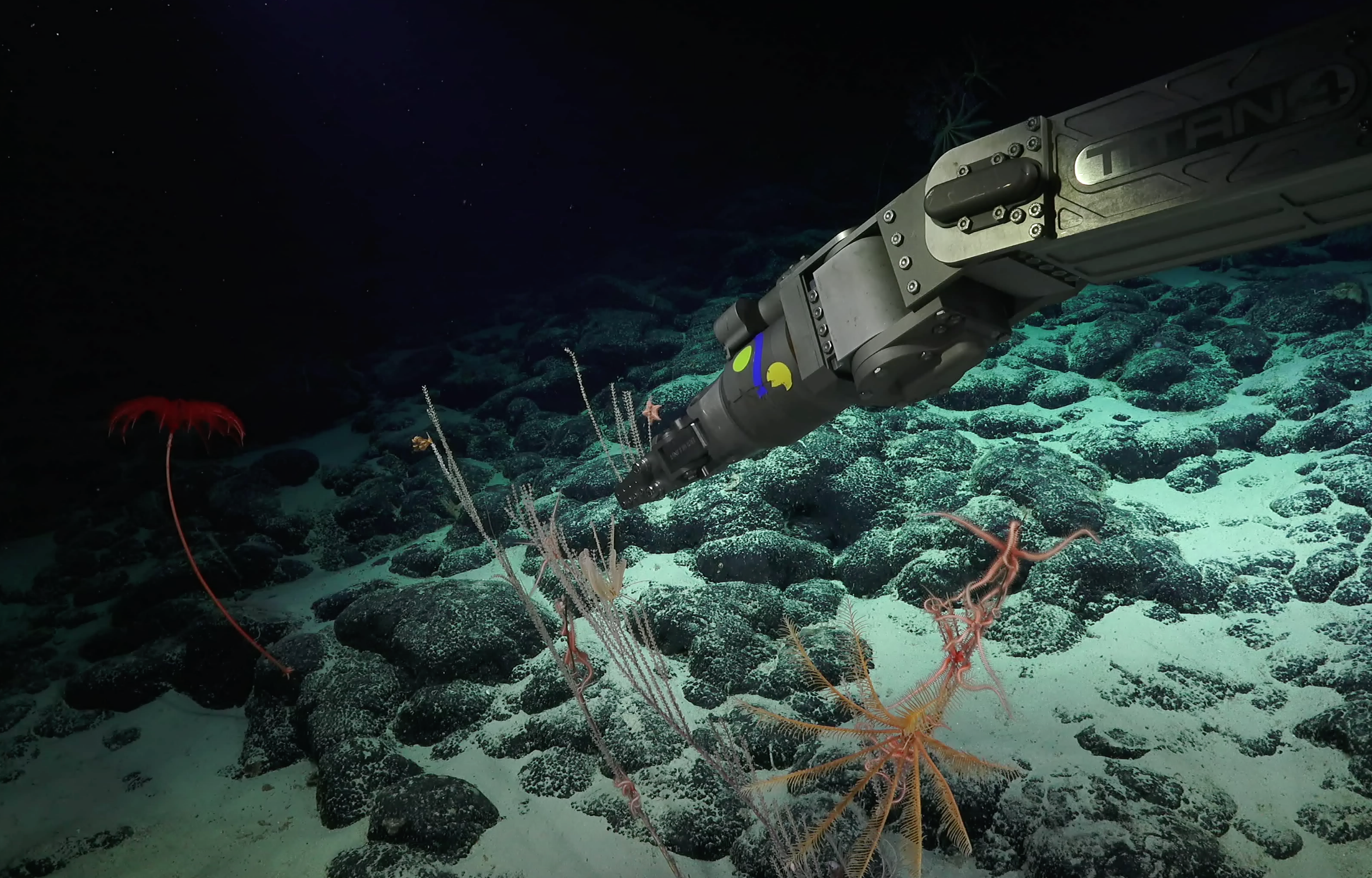

No place on planet Earth is free from human impact. Indeed, it is nearly impossible to study how animals have evolved in their natural environment in the absence of humans.
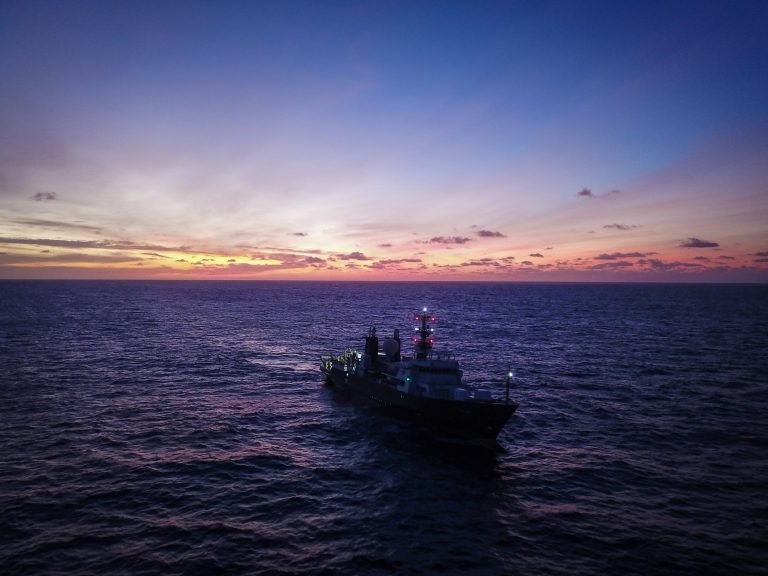
The Crucial Organisms You Cannot See
A critical component of an animal’s habitat are the organisms you cannot see with the naked eye: the microbes. As a scientist who studies the interaction of animals and these microbes, many people ask me about the microbial world in relation to animal health and disease. One crucial reason animals thrive on Earth is because of their interactions with the microbial world. An animal’s immune system communicates with microbes in order to fight infection, maintain homeostasis, and heal wounded tissues. Consequently, microbe-immune system interactions influence reproduction, regeneration and survival.
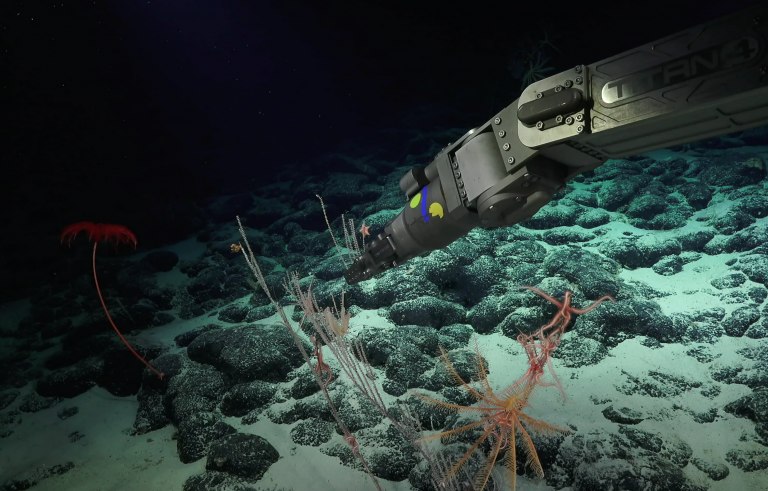
A Rare Opportunity
The effects of human impact on ecosystems and their microbial communities has been profound in a short period of evolutionary time - only a century or two. As a researcher, I am interested in how the immune systems of animals interact with microbes in their environments today, and how these interactions have shaped the evolution of immune systems. A great, natural experiment is to study remote locations on the planet. One such environment that remains relatively free from human impact is the deep sea. As a microbiologist on the R/V Falkor’s expedition to the Phoenix Islands Protected Area (PIPA), I have a rare opportunity to study immune systems of remote corals living in the ocean’s depths.
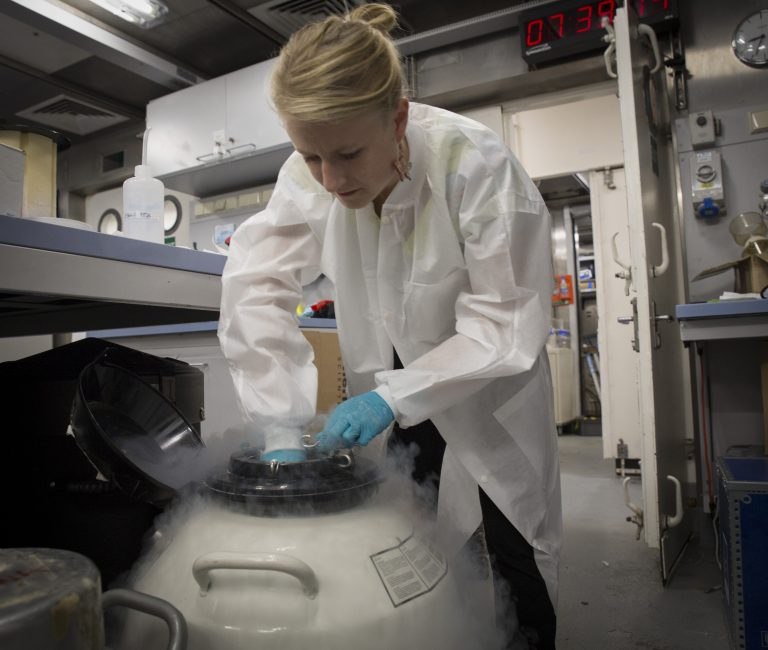
Ancient Immune Systems
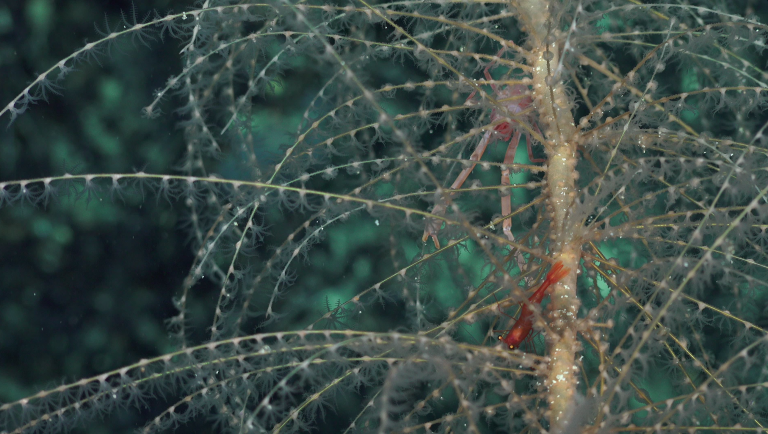
Deep-sea corals living in PIPA may offer some of the most pristine examples of ancient immune systems, possibly unchallenged by surface pollutants and invasive non-endemic microbes. While on board the R/V Falkor, I am collecting seawater and corals for my Ph.D. research. Upon completion of this expedition in November, I will return to Harvard University