


Back from the Tasman Sea

After 26 days at sea, the T-Beam crew has sailed back into port along the Derwent River, and tied up on land. We never expected this work to be easy – battling with the constant barrage of storms headed directly from the southern ocean – the Tasman Sea did not disappoint.
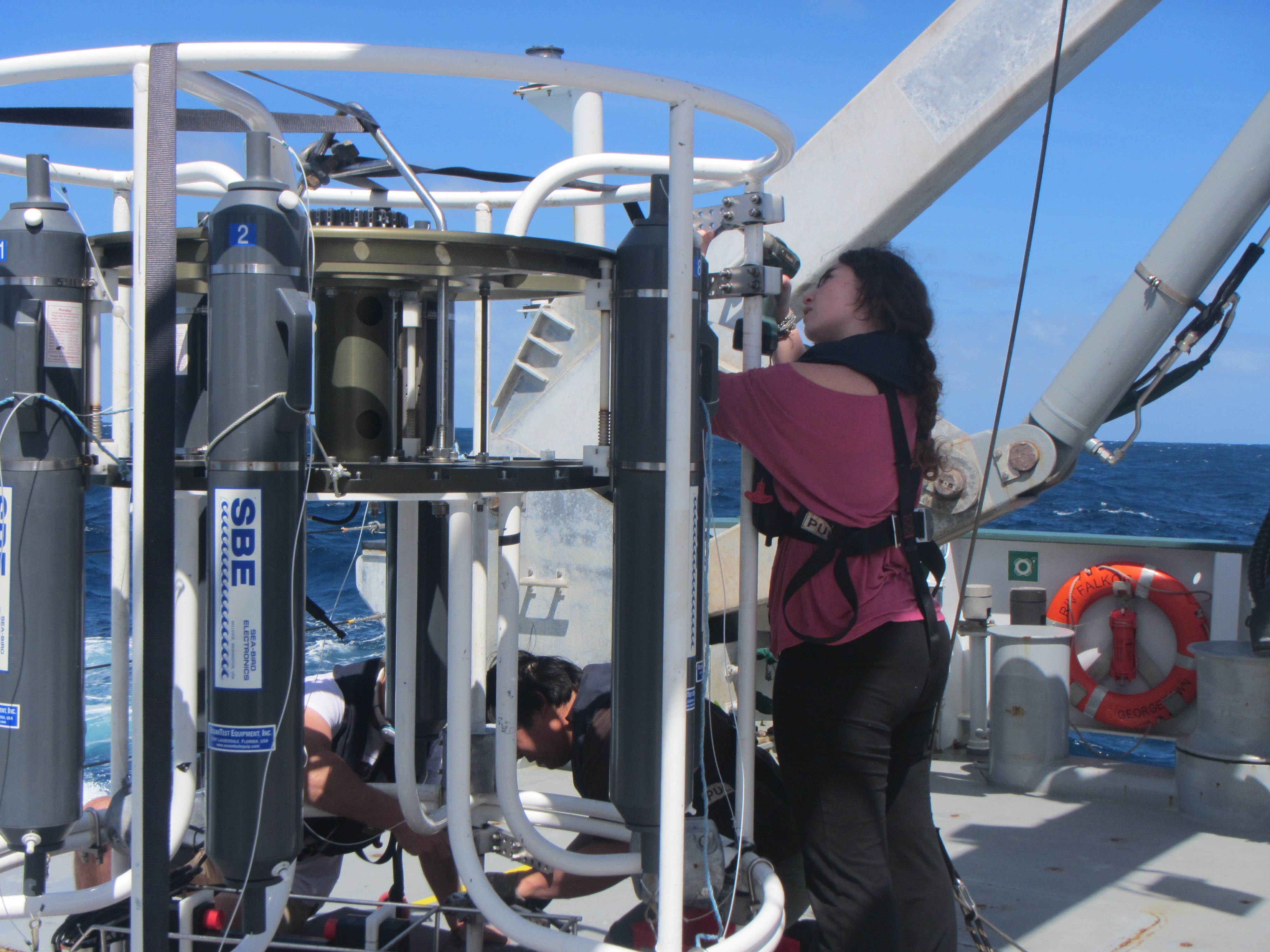
After 26 days at sea, the T-Beam crew has sailed back into port along the Derwent River, and tied up on land. We never expected this work to be easy – battling with the constant barrage of storms headed directly from the southern ocean – the Tasman Sea did not disappoint. We did, however, have a successful cruise.
[@portabletext/vue] Unknown block type "undefined", specify a component for it in the `components.types` prop


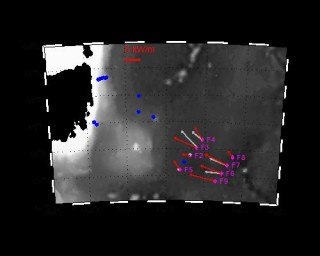
Our part of the T-TIDE experiment was tasked with identifying the internal tide beam as it races across the Tasman Sea, through a sea of eddies to understand what the beam looks like before it slams into the continental slope of Tasmania. After starting out with some coordinated operations

Hayley Dosser, a PhD student at University of Washington Applied Physics Lab, interviewed the science party yesterday asking us simply ‘Why you study the ocean?’ After thinking for a few minutes, I realized that this is a very profound question. I study the ocean because I love it – I love the complex physical signals that lie beneath the ocean surface, and as scientists, I feel that we are responsible for doing our part in understanding how these signals will change or affect our changing climate. The internal tide in the Tasman Sea is a process that we need to understand in order to broaden our understanding and ability to predict the future ocean and climate, and with these small steps, such as the T-TIDE experiment, we are making that process.

Fair seas to the Revelle T-TIDE contingent who are still out there making measurements! We are looking forward to your updates.

From ocean to inbox

Select at least one list to join

First Name *
Last Name *
Email *