
The crow’s nest10 Years in the Making
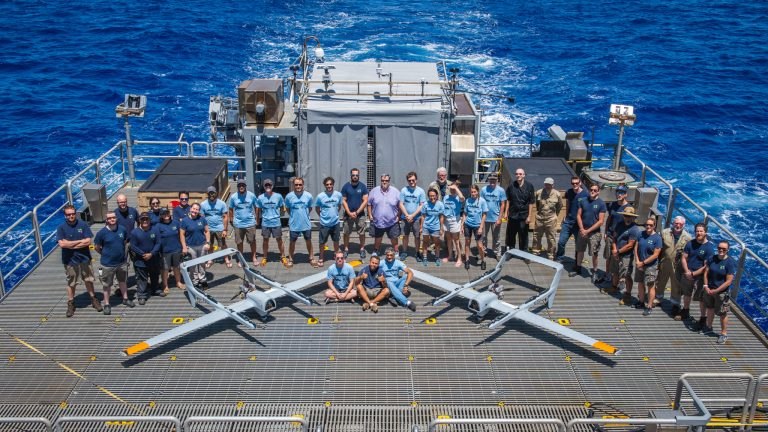
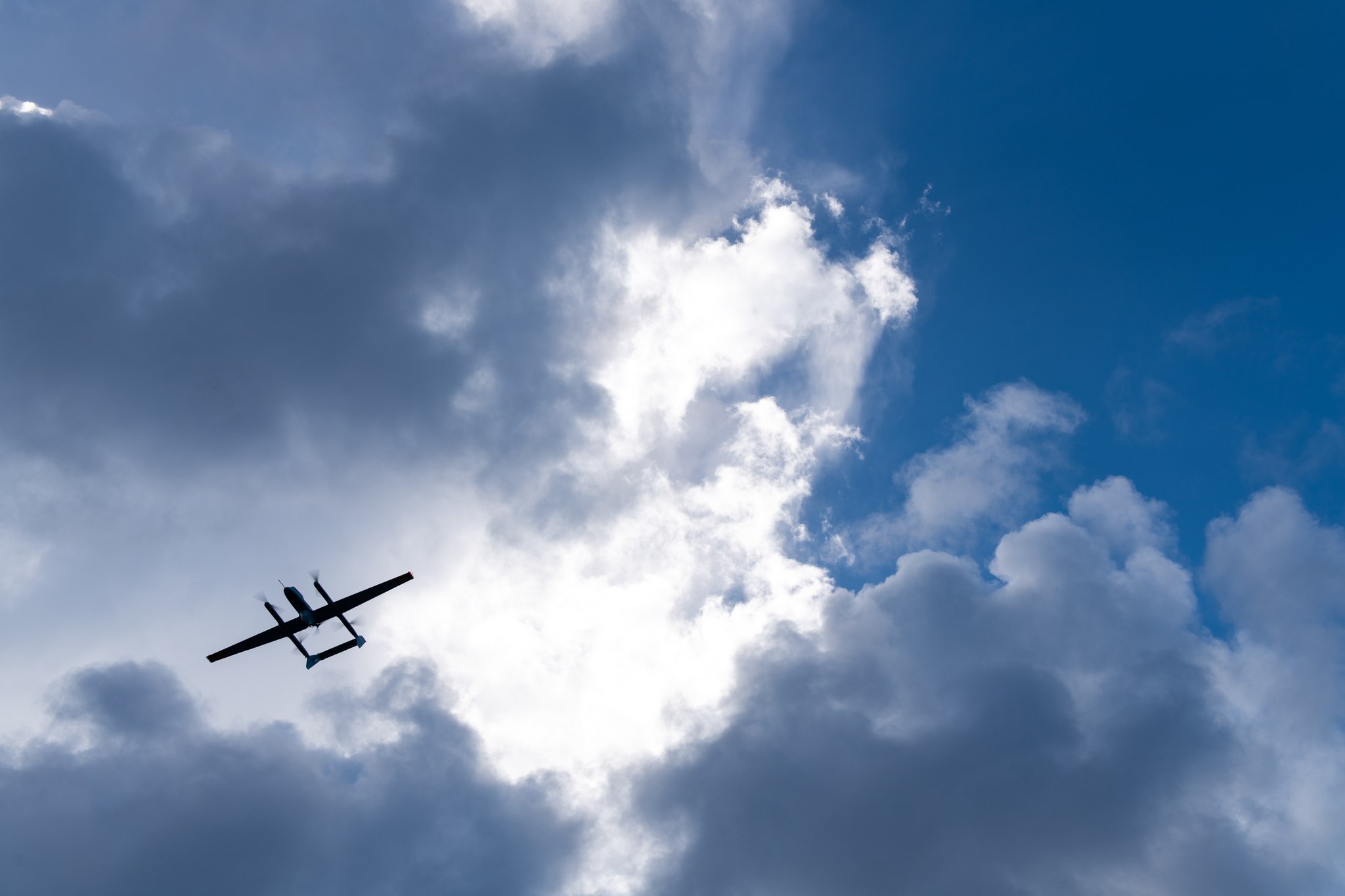
We embarked on this voyage with multiple technological and scientific objectives: to demonstrate autonomous operations of a hybrid-VTOL fixed wing UAV; to demonstrate the utility of real-time data feeds from the aircraft; to demonstrate that we can make adjustments flight plans in response to what we see in the real-time data and thus map features of interest; to use these platforms and deploying bespoke payloads to make measurements of the ocean surface with unprecedented accuracy and resolution. Our original object was to study the enigmatic organism TrichodesmiumExceeding Expectations and Pushing Boundaries
We exceeded our expectations on this cruise: we discovered large rafts of pumice
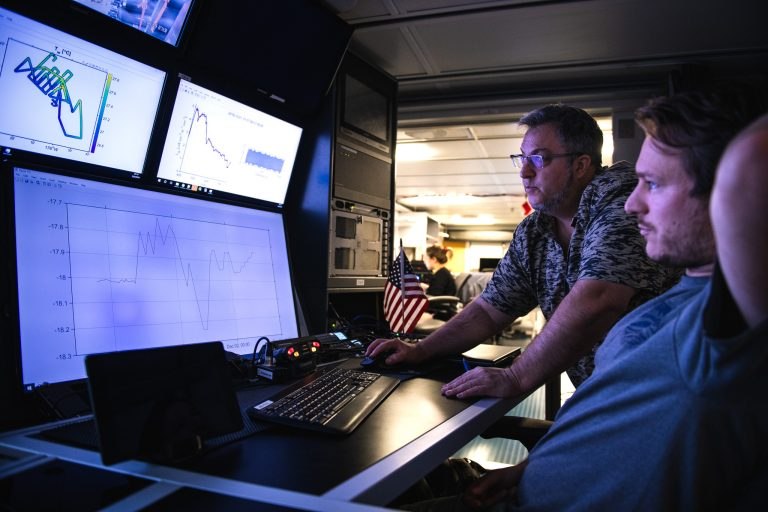
On this voyage, we perfected the ability to use UAVs as our eyes beyond the horizon, exploring the ocean beyond what we could see from the ship. We are now able to discover, identify, and track features in ways which have never been done before, and in extraordinary detail. Previously, we would send the UAVs out and hope to see something. Now, we have real-time data telemetry that allows us to react at a moment’s notice. We are able to re-task our UAV flight missions to map the feature of interest in incredible detail. The UAVs afford us the agility to direct R/V Falkor to go exactly where needed in order to deploy surface floating buoys (the SPIP and the Sniffle). We were able to deploy an autonomous surface vehicle, the Catamaran, to make transects across features of interest, and remotely collect samples of the surface microlayer for analysis back in the laboratory.
Our biggest challenge is yet to come: analyzing the ~43 TB of data collected from all the instruments used on this cruise, and discover how the ocean is changing on a multitude of spatial and temporal scales. These same technological advances will be used on future research cruises to understand a multitude of pressing and urgent concern, such as: How do the processes changing the Arctic sea ice work? How will that impact indigenous communities, ocean circulation patterns, climate, and weather? How will changes in ocean heat and carbon-uptake impact marine food webs, threaten fisheries, and amplify hurricane severity? How heat will be transported to Earth’s polar regions, thereby triggering global climate shifts and accelerating changes to the Greenland and Antarctic ice sheets, melting ice, and raising sea levels? These discoveries will lead to a better understanding of how the ocean will react to a changing climate, how the ocean’s ecosystem adapt to such change, and ultimately, how humankind can better prepare for its future on this planet.