




The expanding reach of humankind has plunged far into the unknown, which is also home to the largest ecosystem on the planet. Throughout parts of the seafloor are untapped sources of rare earth metals including gold, silver and copper, and more importantly sulfide, zinc, manganese, and cobalt. These resources are necessary ingredients in manufacturing the plethora of electronic devices that we use every day, and as more people transition from fossil fuels on battery-powered cars and renewable energy, world-wide demand for these resources is continuously on the rise.
To prepare for the needs of the future, many are looking to the seafloor as the next frontier for rare-earth metals
The plan to reap the deep involves deploying massive machines that will dig up the target material, transport it up to the surface, and send the unwanted sediment back into the water column.
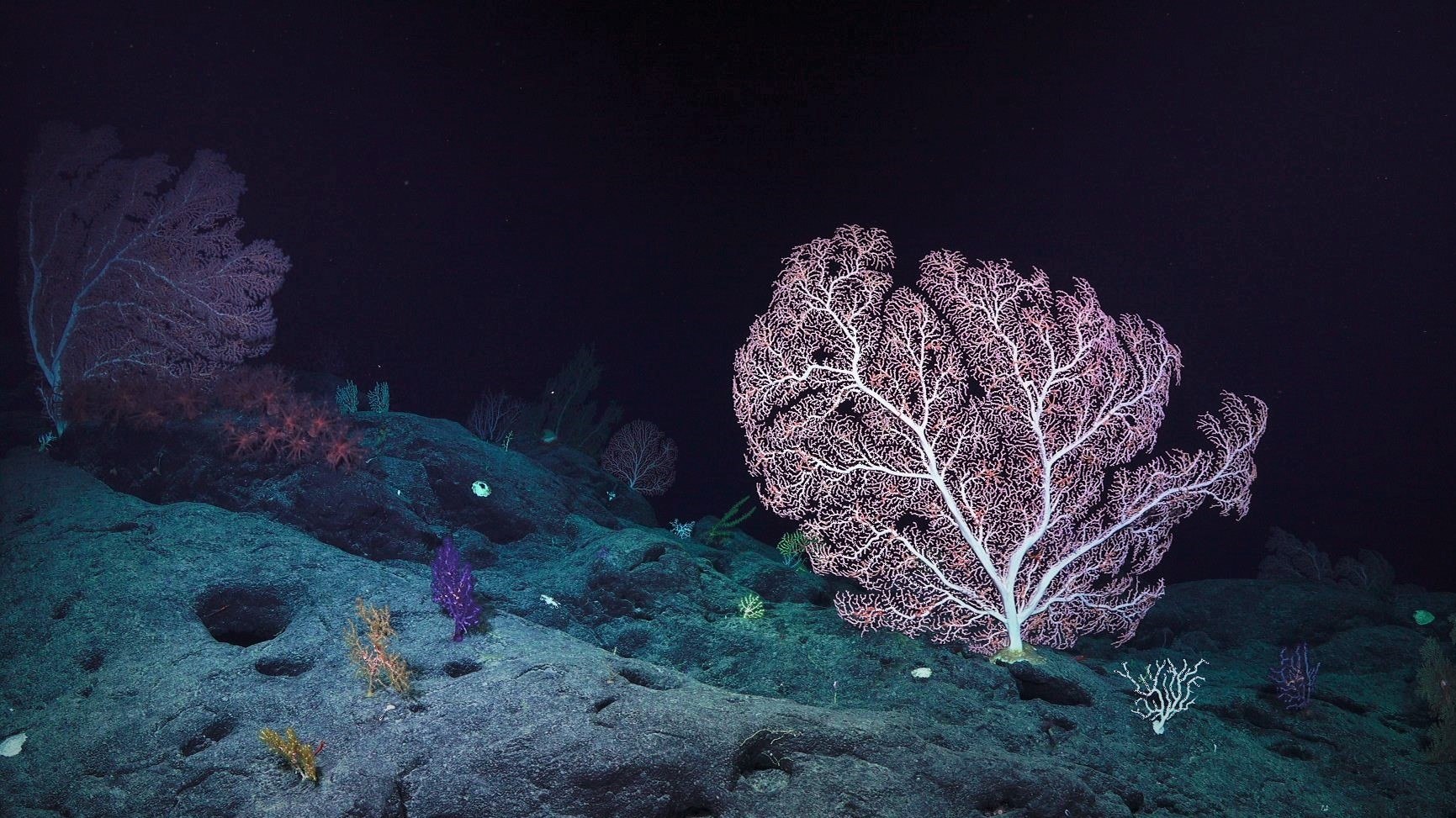
Far from the domain of humans, the deep sea is home to a sanctuary of ancient life. Devoid of sunlight and under immense pressure, branching and towering corals and sponges provide shelter and better access to the small particulates moving through the water, also known as ‘marine snow.' This sinking debris is composed or dead organic matter and inorganic material such as sand, dust, and more recently pollutants such as mercury and microplastics, which slowly reach a resting place on the seafloor. Being so far from the surface, this sediment remains undisturbed by stormy seas or strong currents. When significantly disrupted, large plumes of fine sediment invade the water column, clogging the pores of the filter-feeding organisms and the gills of slow moving fish, as well as reintroducing those toxins back into the open ocean, where organisms ingest it, potentially working its way up the food chain and onto our plates.
Researchers studying the long-term effects of these operations in the CCZ made simulated plough tracks in the sediment, and twenty-six years later returned to compare the biodiversity over time. Nearly three decades later, the marks in the sand were still there and the biodiversity significantly decreased. While the species that find food on the sea floor such as sea cucumbers, urchins, and sea stars exhibited no change in presence, species that rely on passing nutrients such as sponges and anemones were greatly diminished. This suggests that the environmental impacts from these operations could take decades or longer to disappear.
Cobalt crusts
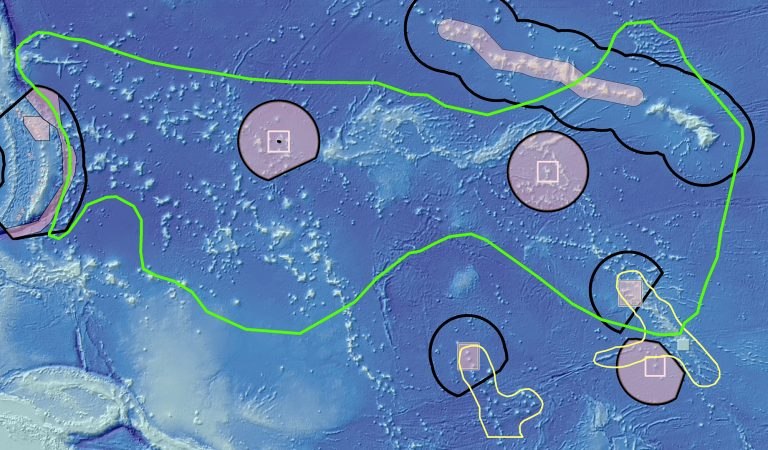
The area throughout the central-western Pacific from Hawaiʻi to the Marianas Islands is referred to as the Prime Crust Zone