
Our Way Down to the Deep
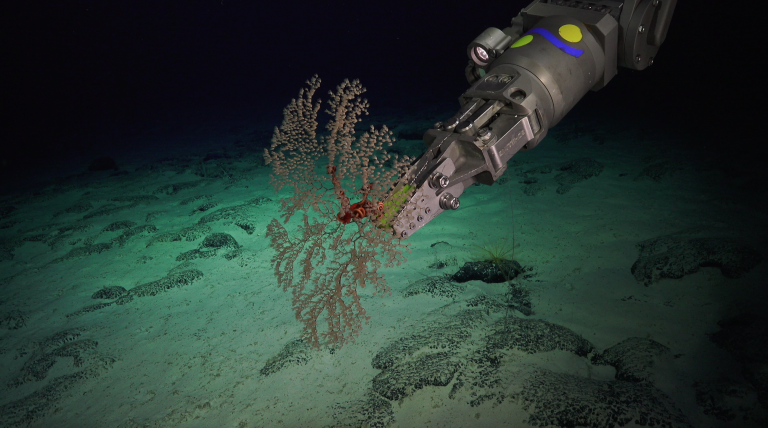
Every time we dive with ROV SuBastianA single moment of science
But shallow reefs and deep sea ROVs are often incompatible - the terrain is treacherous for the robot and ship alike. So, though only meters apart, the two ecosystems are rarely linked together in a single moment of science. Instead, ROV's study the deep, and scuba divers study the shallows. So now you can appreciate the amazing thing that happened just a few days ago. Erik Cordes and Tim Shank – deep sea scientists extraordinaire – went snorkelling with me in my house (shallow reefs), and then within the hour of surfacing, we were diving in their house (deep sea) with ROV SuBastian aboard the R/V Falkor. In the same place. On the same day. With the same people.
Rare, Stunning, and Powerful
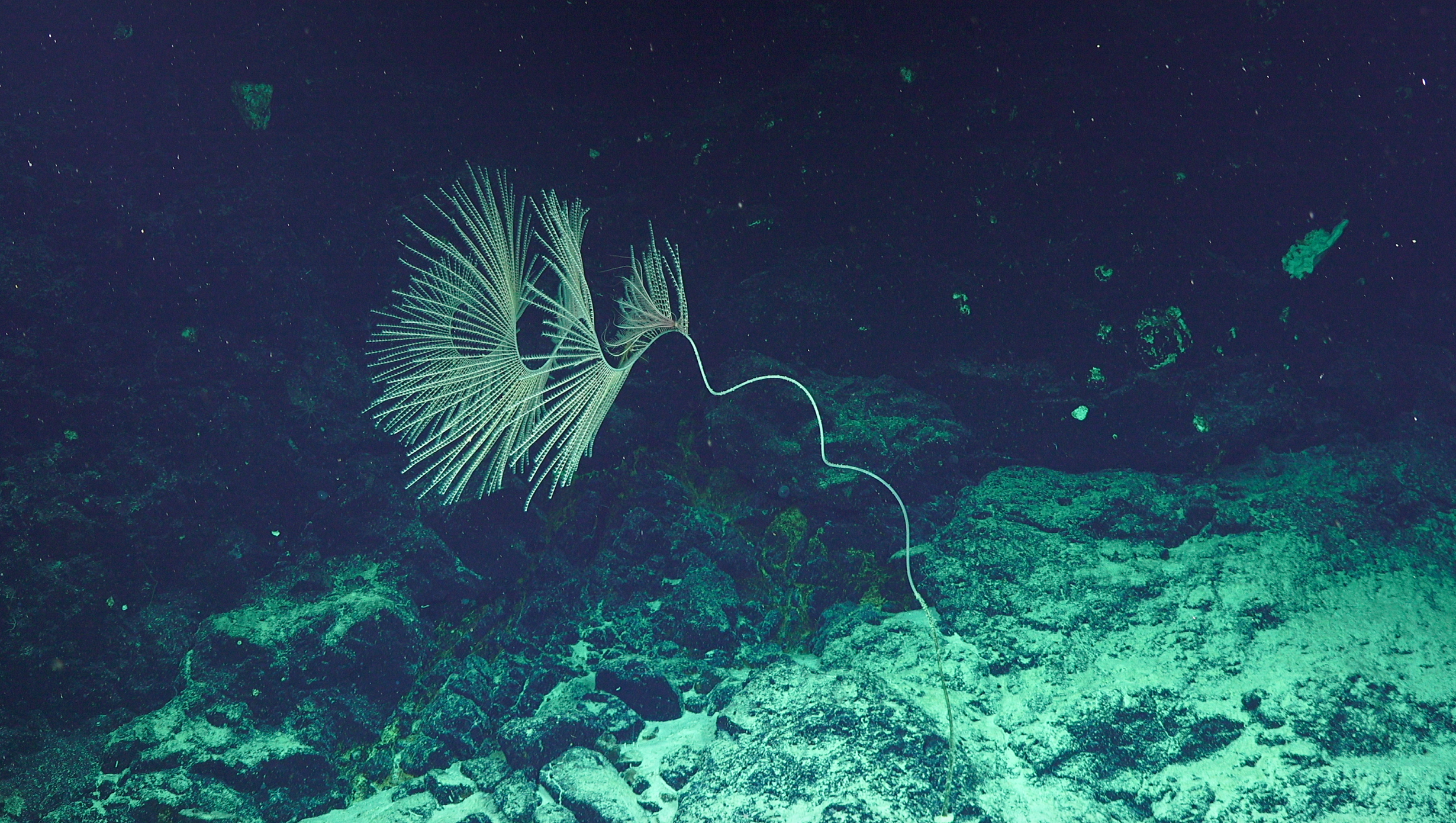
That one day has already inspired a ton of conversation – when we see sediment now, we are wondering about the composition of the corals above. Windward versus leeward. Island versus lagoon. Upwelling versus downwelling. All of these concepts are well-described and well-known to us, but to have a visual from top-to-bottom on the same reef is rare, stunning, and powerful.
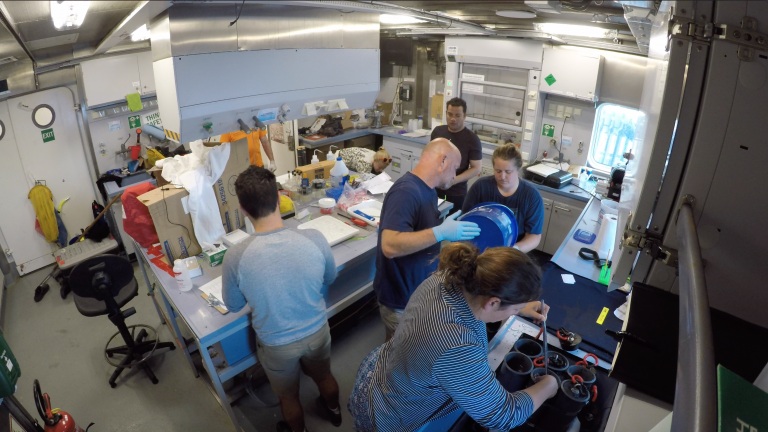
However, our worlds do collide in the lab. We are all biologists, regardless of depths. The lab work feels familiar, comfortable, and routine. The minute samples are up, we are busy: processing corals in various buffers and preservatives, taking voucher photographs of specimens, working on the microscope, discussing findings - all in all, busily working.
Col[lab]oration
In collaboration with Charles Mazel (NightSea
What will we discover? What will these shallow-deep connections yield? We are only on dive four, so the jury is still out. But we have already discovered the benefit of this collaboration, the cross-compatibility of our interests, and the complementarity of our tools. Stay tuned on YouTube