
While mapping the gaps
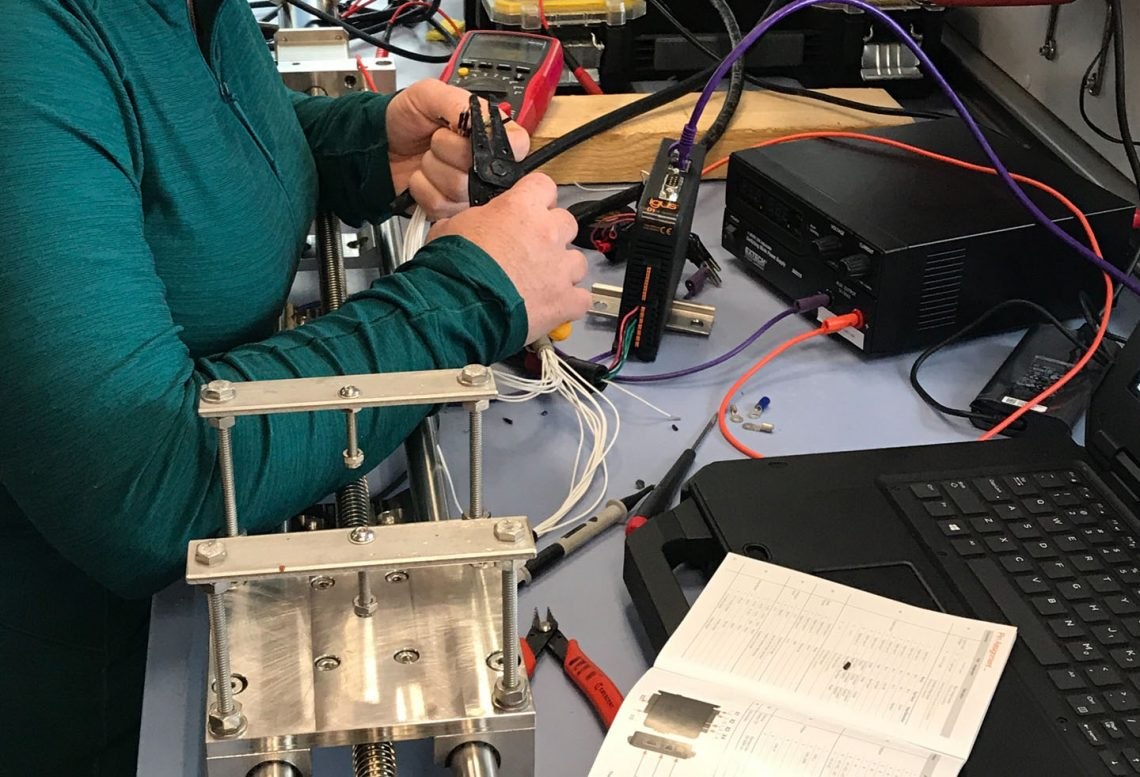
One of my tasks during this transit was assisting Carson with the stepper motor that controls the position of the fourth CTD sensor. A stepper motor is able to precisely control its angular position using a series of geared electromagnets, which when energized rotate a central gear into a specific position. By electrifying each electromagnet in sequence - a "step" - the motor can make a full rotation while keeping a precise position every step of the way. The stepper motor on the buoy is connected to a linear actuator called a lead screw, which converts this precise rotational motion into precise linear motion, thereby controlling the position of the CTD measurements with high spatial accuracy. In the wetlab aboard R/V Falkor, we wired up the stepper motor and motor controller to a power supply, and tested its functionality in the lab to ensure everything worked properly before installing it permanently on the buoy.
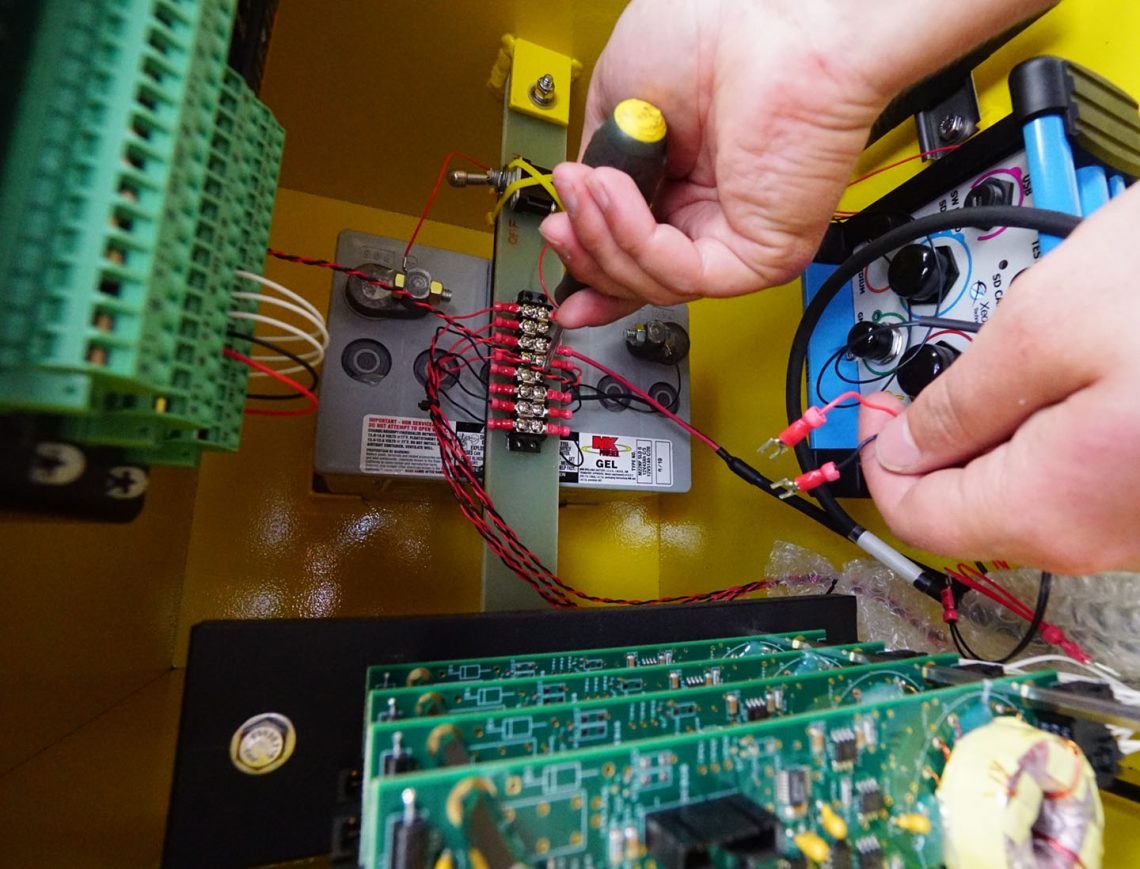
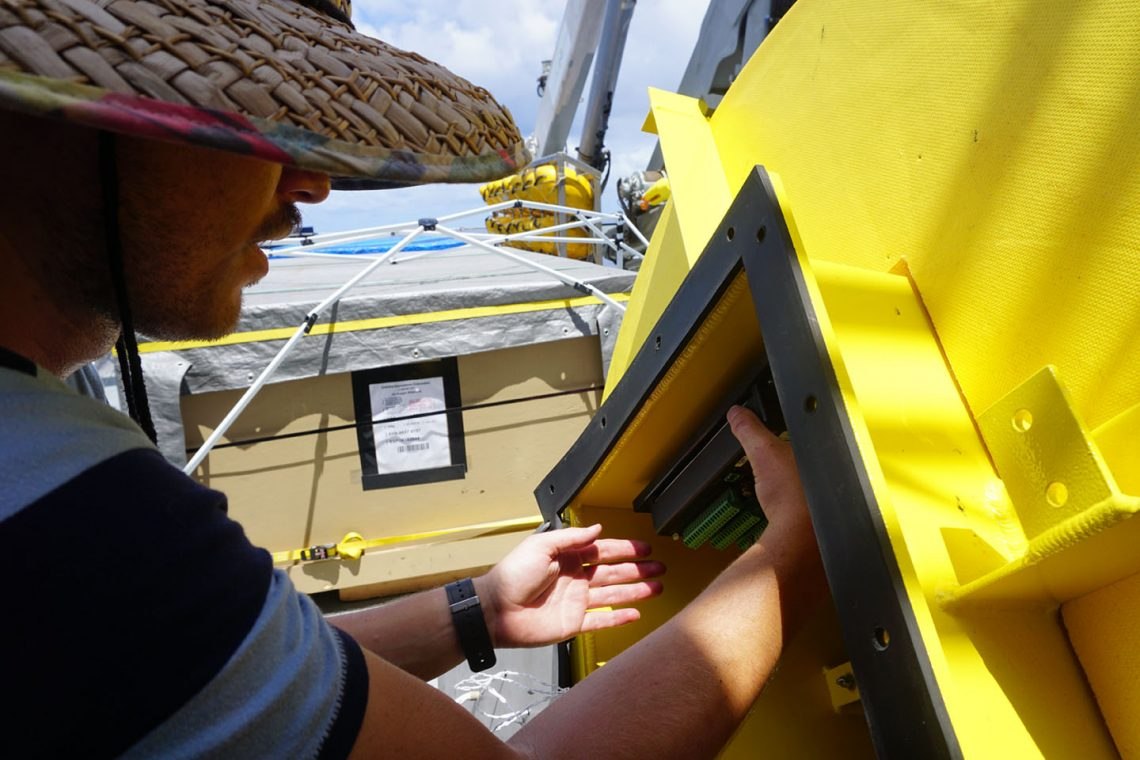
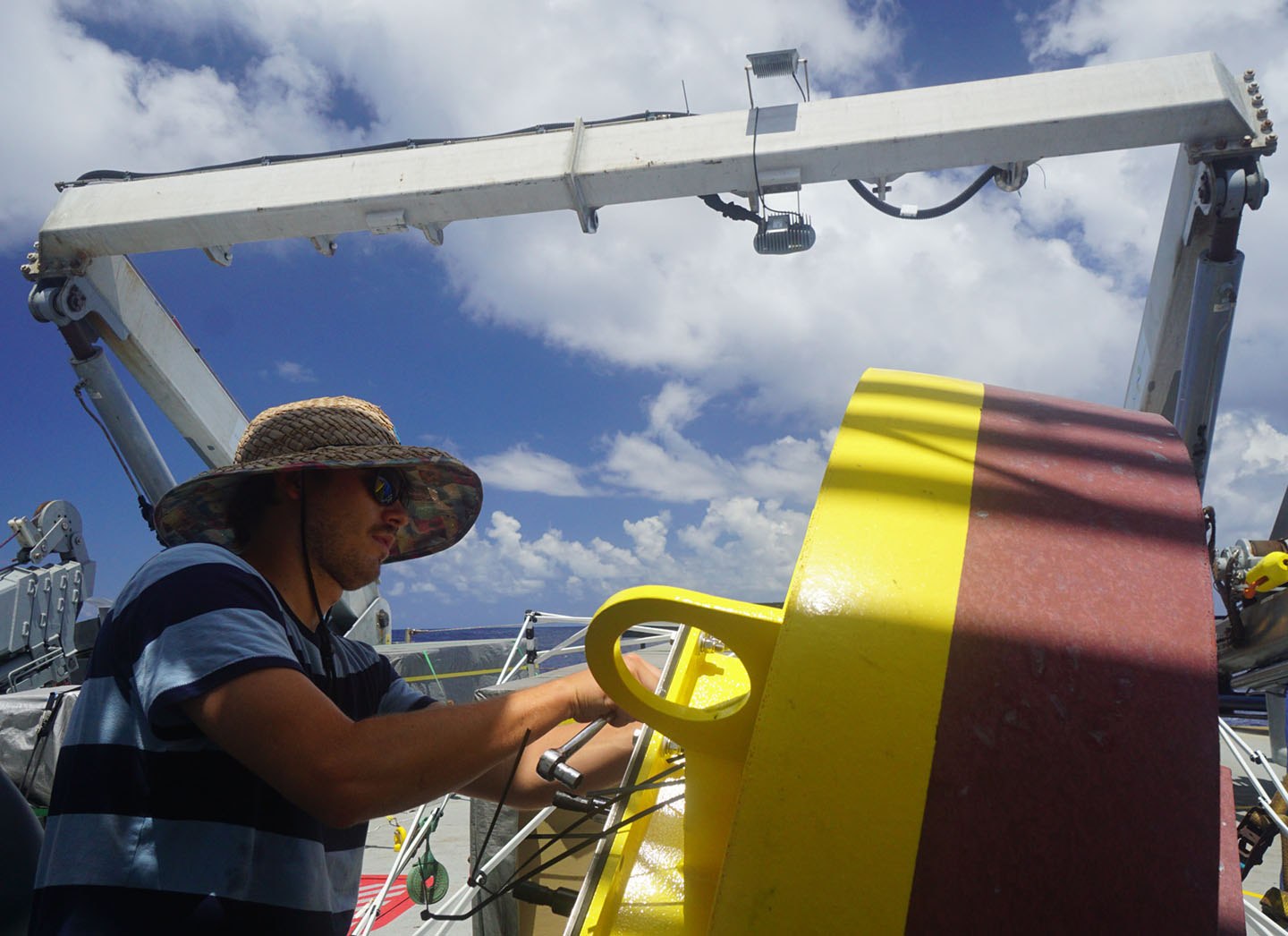
Other components inside this high-tech buoy include a wave logger, which tracks the height, period, and position of waves as the buoy drifts, and data loggers which log all the measurements coming in from each CTD and track the current position of the stepper motor. We wired up these components inside the buoy on the aft deck of Falkor, only occasionally having to stop to cover up the sensitive electronics when a tropical rainstorm rolled by.