



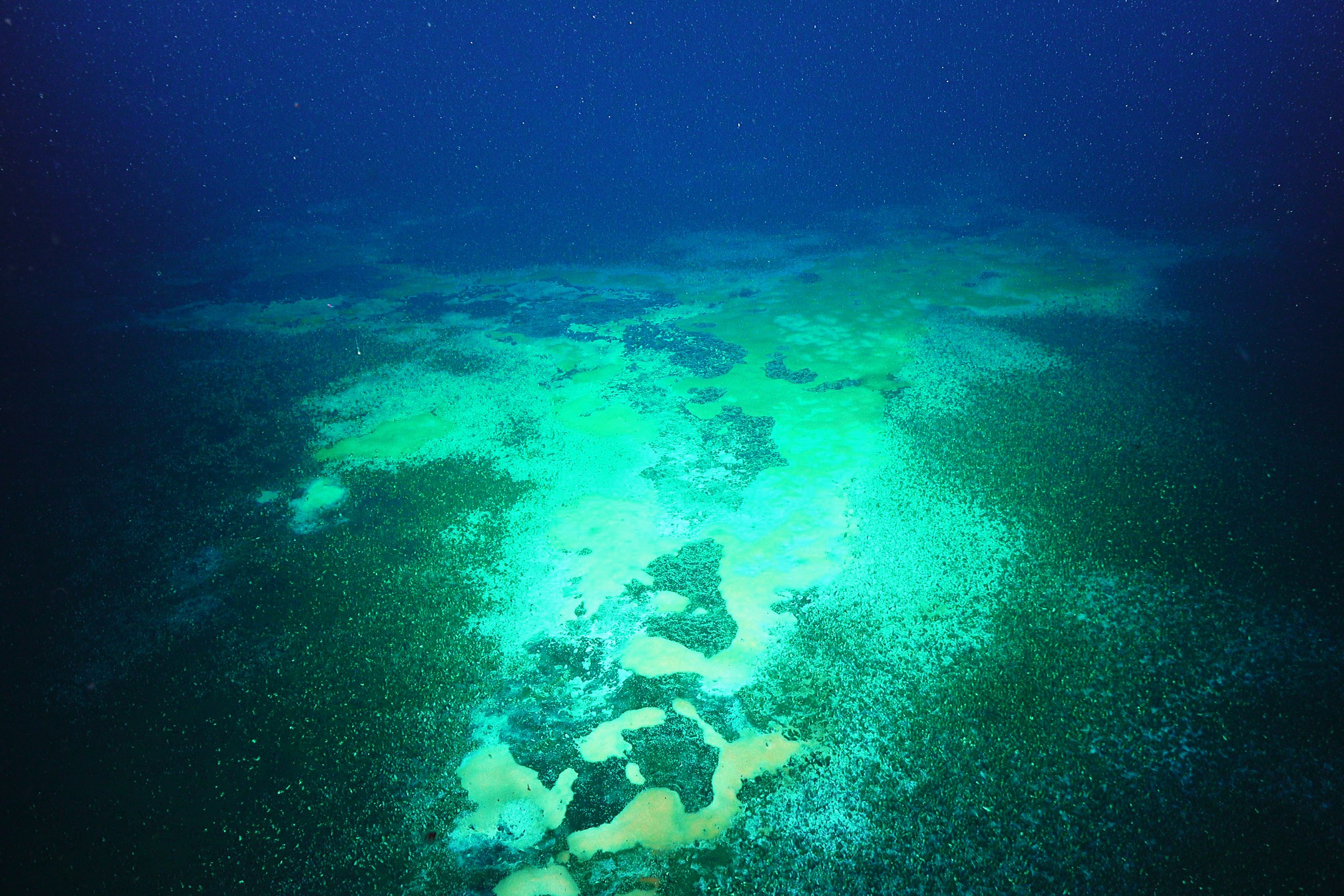

Since 1978, NASA has built, launched, and operated remote sensing satellites that orbit the Earth to better understand our home planet—which is over 70 percent ocean. In the past 40 years, we have learned so much by looking at the ocean from orbit in space.
While we still have much to discover in our oceans here on Earth, we are curious about other oceans in our solar system. These worlds have more than a dab of water here or there—some are wholly composed of water and some have oceans that feed majestic features. On Europa, one of Jupiter's moons, geyser-like features that we call “plumes” shoot up more than a hundred miles in the air. Some of these worlds have liquids other than water (yes, really!). We call these worlds (and our own Earth) Ocean Worlds. NASA is starting an amazing journey to jump in and explore them.
Questions and Answers
How do we know there is so much water the far reaches of our solar system? How do we know about those plumes on Europa? We have seen them with the Hubble Space Telescope—a telescope so powerful it was able to image these plumes several times from Earth’s orbit. The first time they were seen, the science community was so stunned that NASA consistently watched for them for a few years just to make sure they were really there—and they were, shooting up into the air for 100 miles or more!
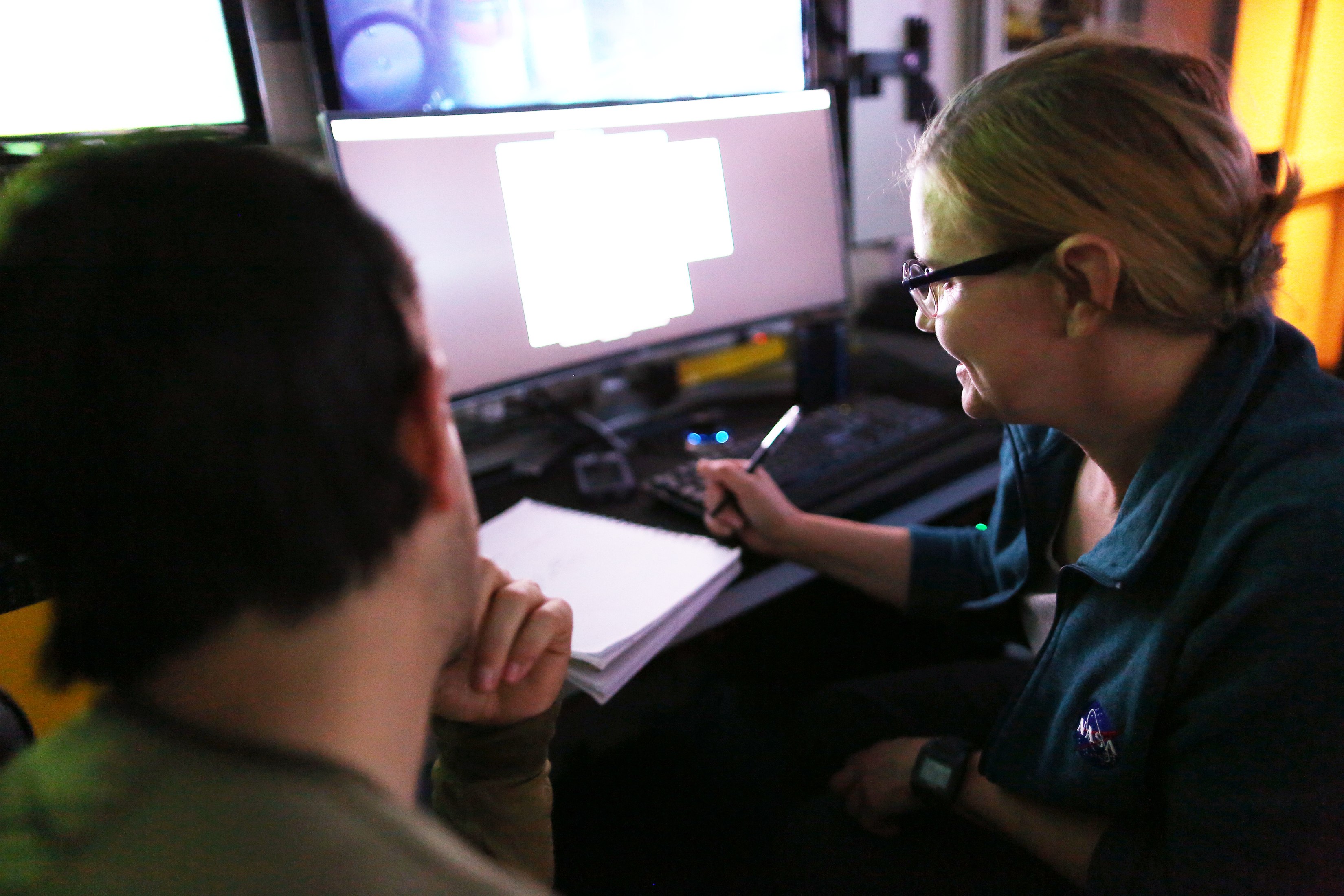
So, why am I here? Why have a NASA engineer aboard the R/V Falkor? I am here because NASA has decided that now is the time to start looking at ways to build new spacecraft to plunge into these Ocean Worlds. During this expedition, the Girguis Lab at Harvard
We are all together on the R/V Falkor, exploring the California Borderlands, with the goal of combining our individual superpowers to tackle challenges in the exciting future ahead of us. When it comes to oceans (both here on Earth and on other planets) there are endless possibilities in the realms of engineering and scientific knowledge, and we hope you will enjoy the journey with us as we explore!