



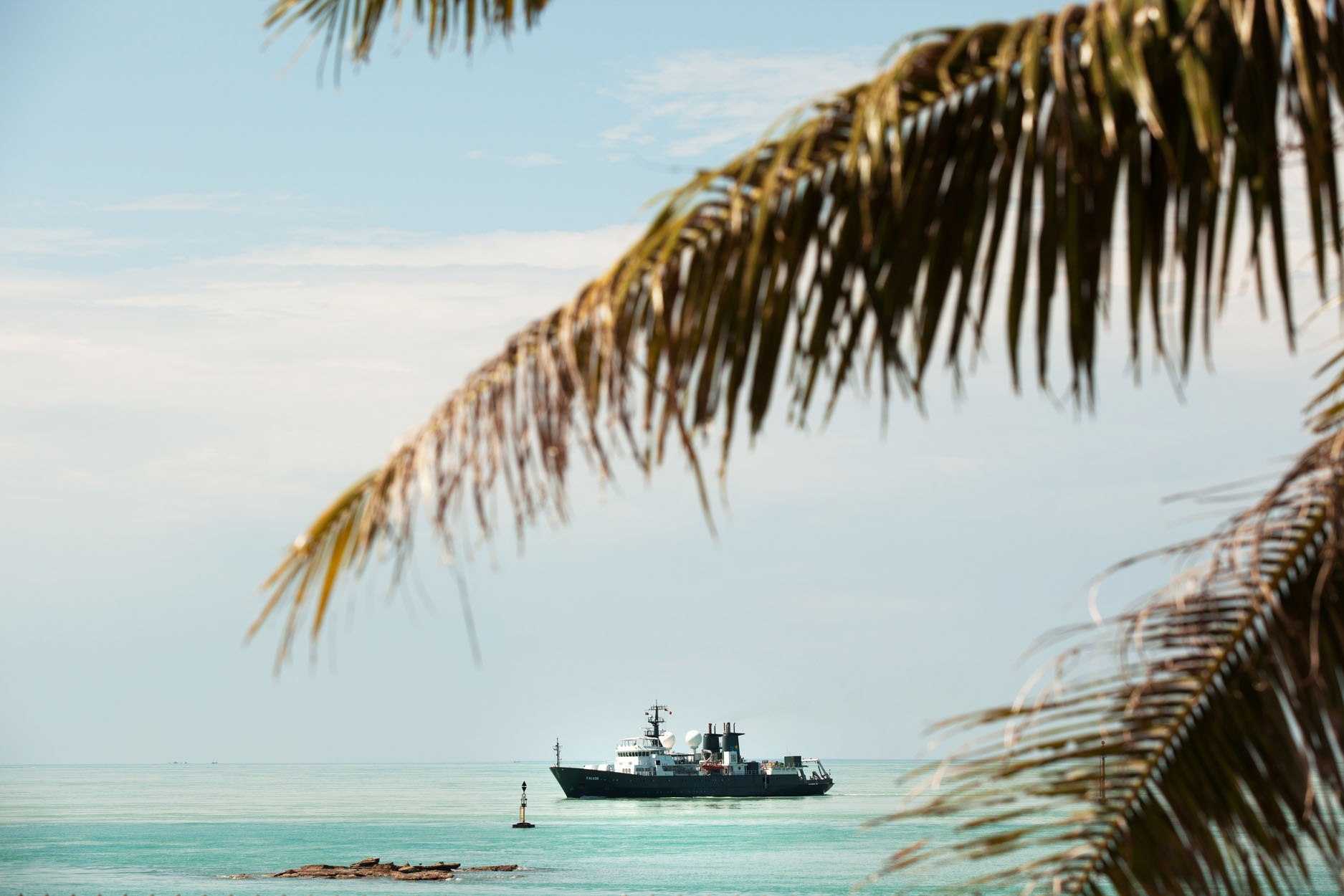

Yesterday, research vessel Falkor arrived in Broome, North Western Australia under clear skies and calm seas. Despite the nice weather, mobilizing for this cruise was anything but easy. When dealing with king tides of up to 10 meters, docking a 272 ft. vessel and loading equipment can be challenging. The science team and crew had only five hours to load all the equipment that they will need for the next two weeks. Luckily, Falkor was greeted by a helpful gangway team to get the job done.
Putting the “Coordinated” in Robotics
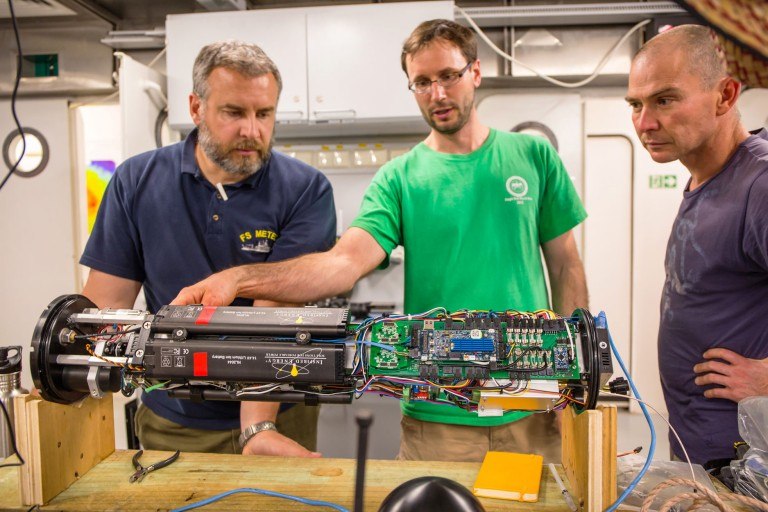
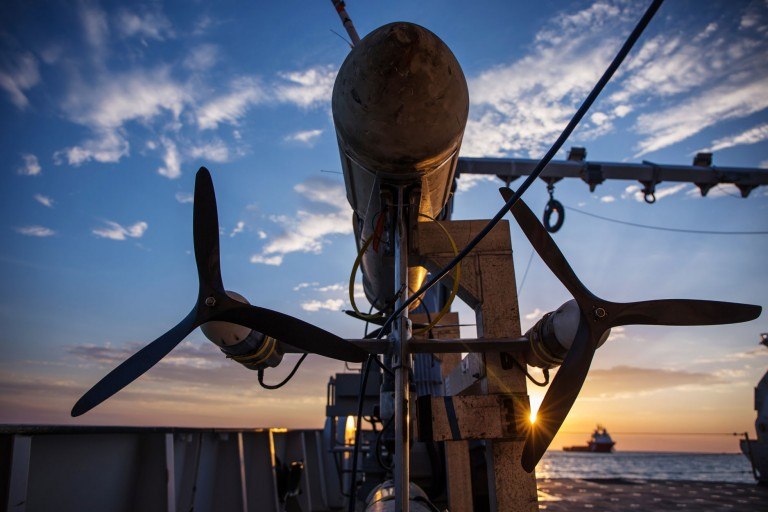
Falkor is now officially on its way, transiting from the port in Broome towards the Timor Sea. You can feel the buzz circling the ship as everyone prepares for the “Coordinated Robotics” cruise. Many voyages on Falkor seek specific data to answer questions about the ocean, however, this cruise is different. The science party will be examining methods of gathering data more than the data itself. This is important, as ship time to examine new data gathering techniques is very rare. By improving tools and the way scientists use them, the team will help to advance techniques to improve the amount and quality of data obtained. Essentially, the science team will be looking at the way multiple mechanical tools can work together. These instruments will be synchronized to work at the same time, in a team-like manner. And just as the robotics will be working as a team, so will the scientists. Chief scientist Oscar Pizarro
Stay tuned, and follow the blogs to come, as we delve deeper into the everyday operations, development of tools, profiles of the robotics, as well as daily discoveries. We hope you join us as we investigate these new approaches and the exciting potential of coordinated robotics.