




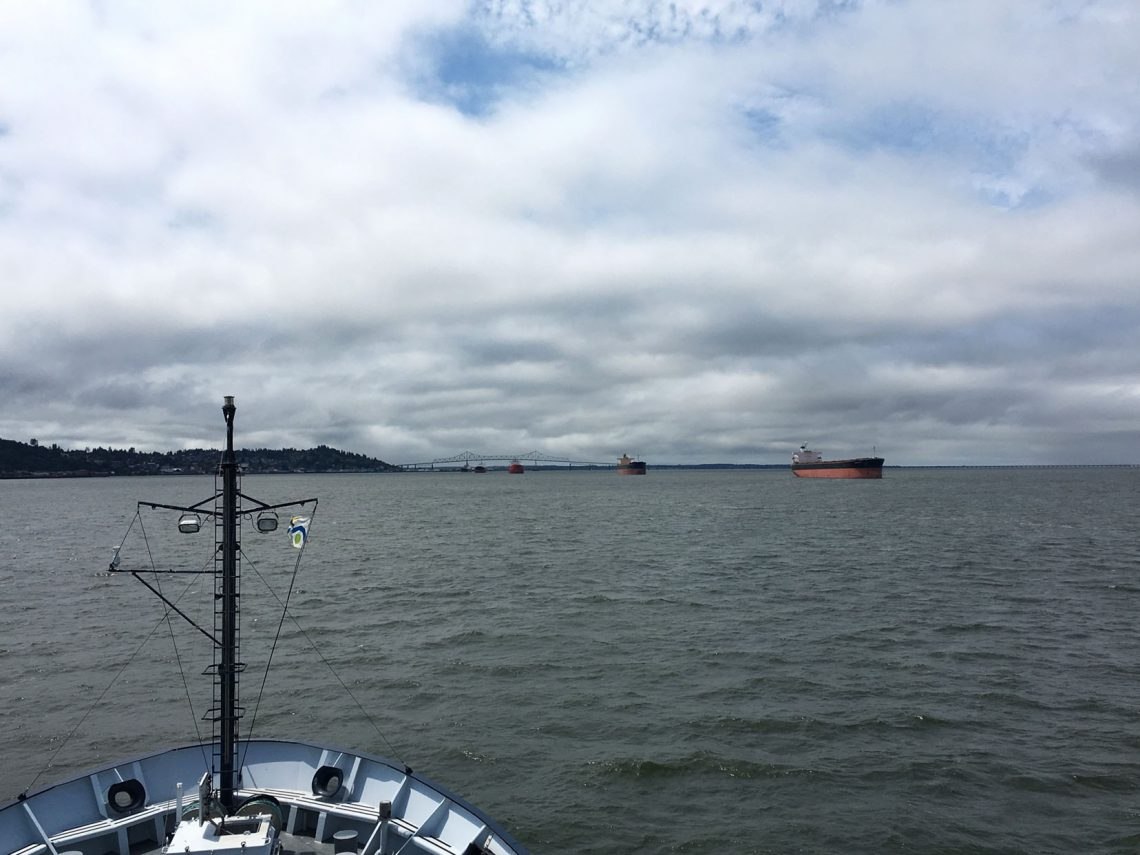
My love for the ocean began on the protected shore of Terrace Beach on Vancouver Island, surrounded by shorelines armored with rocky outcroppings that create structures for tide pools hundreds of organisms call home. I let the waves wash over my feet as I sunk deeper into the sand, my eyes fixed on the crashing waves of the Pacific Ocean. Even as I stood there at only eight years old, I felt certain longing to unravel the secrets that the ocean holds – a constant that followed throughout my academic career. In the pursuit of this I have been a part of many short research cruises, ranging anywhere from three to twelve hours all within the Salish Sea. However, I have never been a part of a lengthier research cruise, nor have I done research in the open ocean.
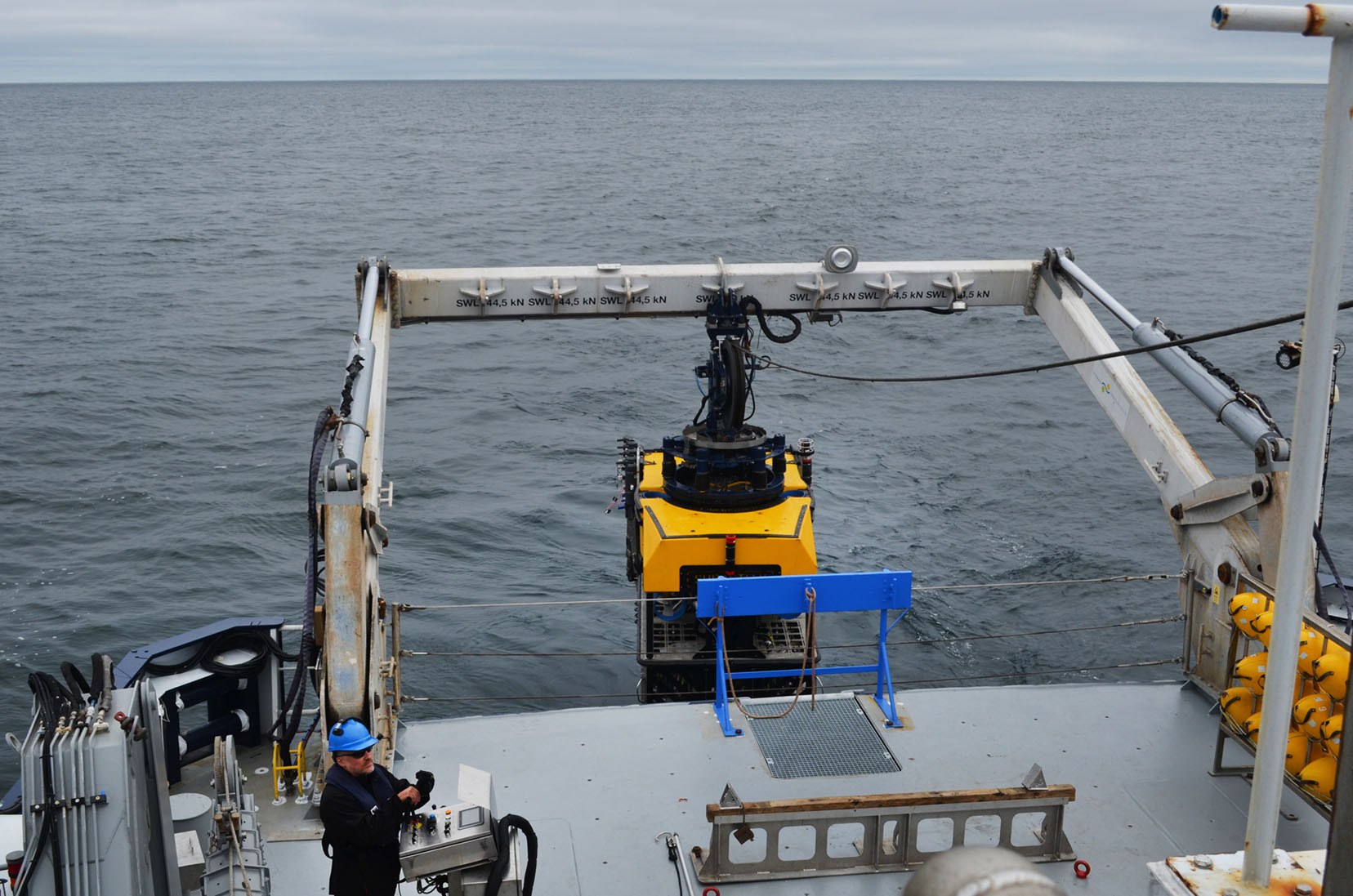
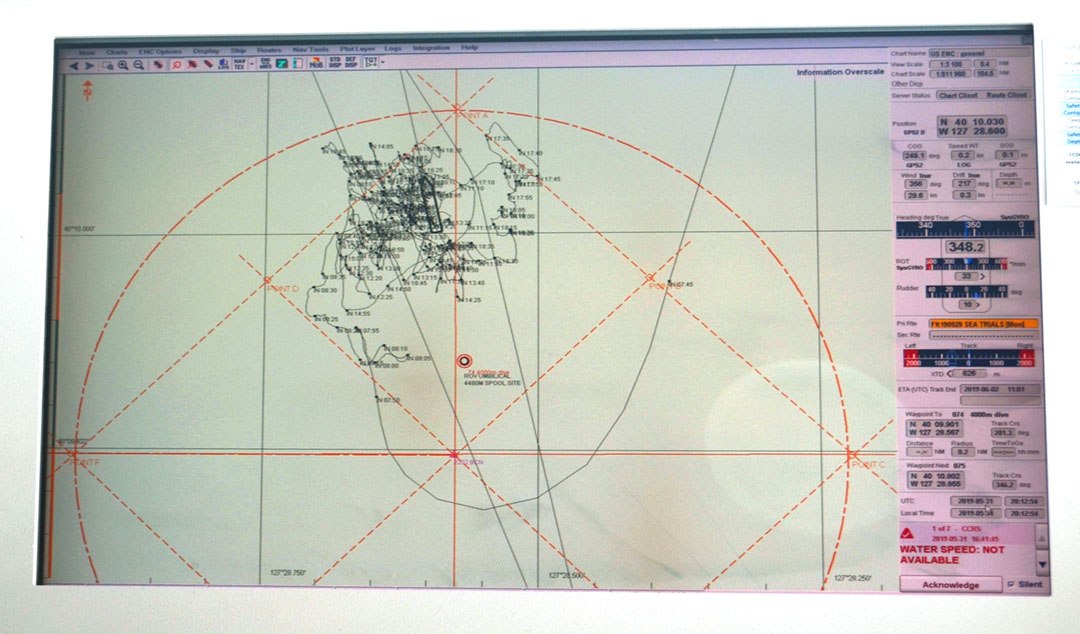
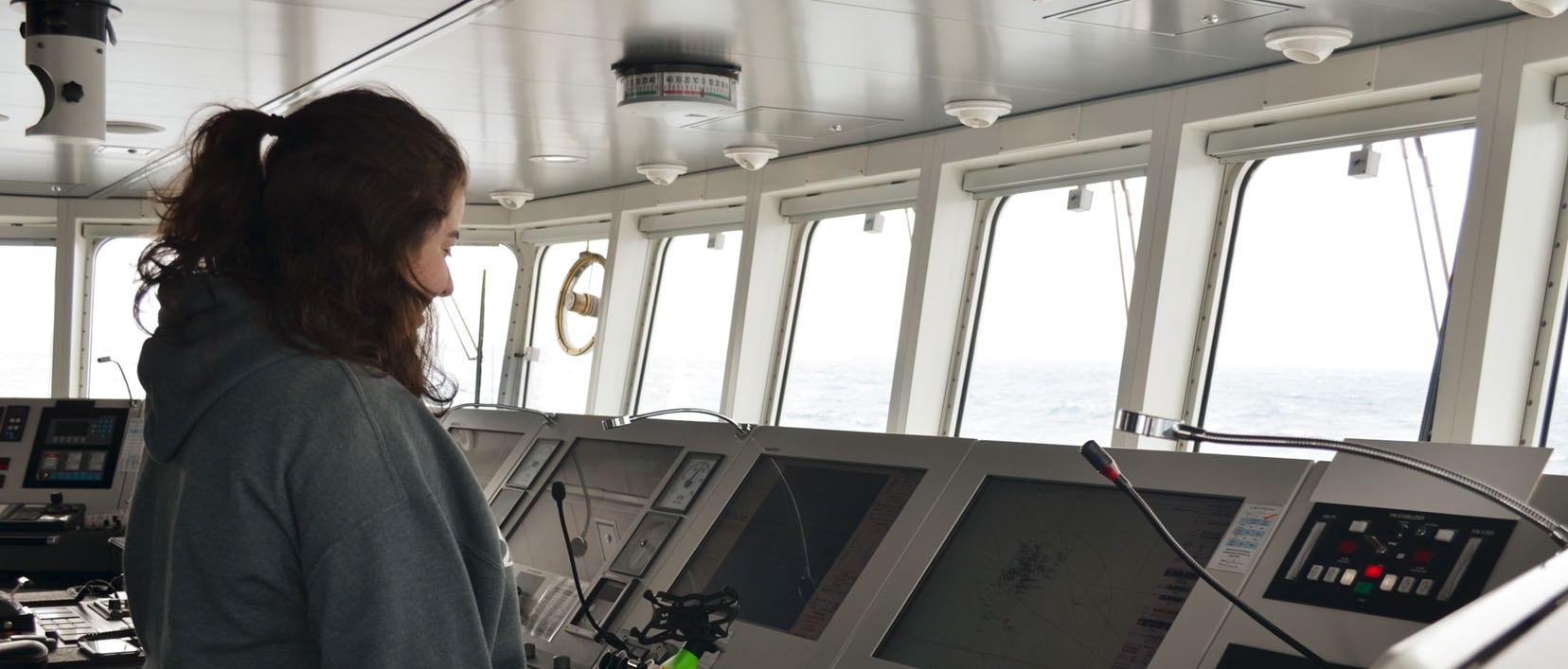
The R/V Falkor has been in dry dock for two months and it is time to return to sea. The first leg of this trip consists of sea trials where we will test out some of our key equipment before we can begin the science. One key system on board is the Ultra-short baseline, also known as the USBL, which determines the position of deployed equipment, such as the ROV. Calibration requires precise piloting skills. The Falkor must complete a cross-hatching pattern mapped around a beacon on the seafloor, combating swell and wind while sustaining appropriate speed. Testing is critically important. Waiting until we are sampling to make sure all instruments are up to standard slows down the science and limits what can be accomplished during a restricted time period. Even with a plan, working with technology at sea comes with unforeseen challenges that need to be handled. Whether due to weather conditions or equipment failure, what makes a truly exceptional crew is the ability to assess the situation and come up with multiple solutions on the fly. The work of scientists truly depends on the hard work of incredibly skilled technical staff on board the Falkor.
Schmidt Ocean Institute’s Student Opportunities Program