



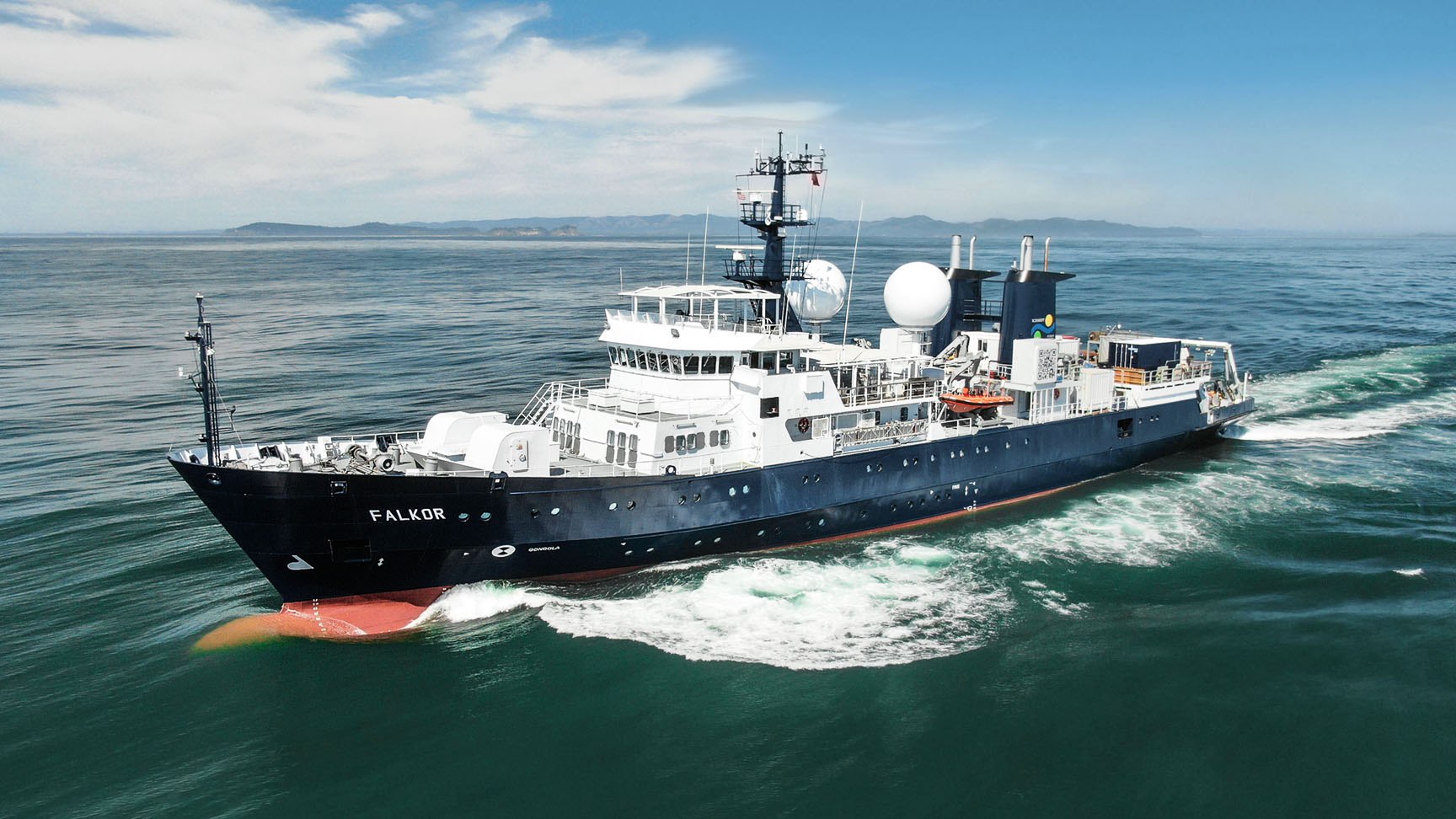

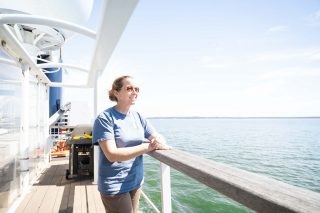
The unusually bright Oregon sun beams down on me as I watch the soaring Astoria bridge recede into the background. The R/V Falkor
But instead of shipwrecks, we’ll be hunting bubbles. Methane bubbles, to be precise. And when it comes to hunting bubbles, you can’t get much more experienced than our crew. Between Schmidt Ocean Institute, my own agency, the U.S. Geological Survey
This is particularly exciting for me, because I am an ecologist, focusing on benthic communities living in the seafloor. I enjoy studying all of the puzzle pieces that fit together to allow these ecosystems to flourish, even in extreme conditions like these.
The concept of a food web is well-known, with strands connecting each part, but what anchors these food webs is often difficult to determine. That anchor is the baseline source of energy, or food, in this case.
In these deep places, where no light from the surface reaches and organic material drifting down from the surface, also known as marine snow, is unpredictable, some organisms have developed the ability to rely on the methane gas that bubbles up from seeps in the seafloor.
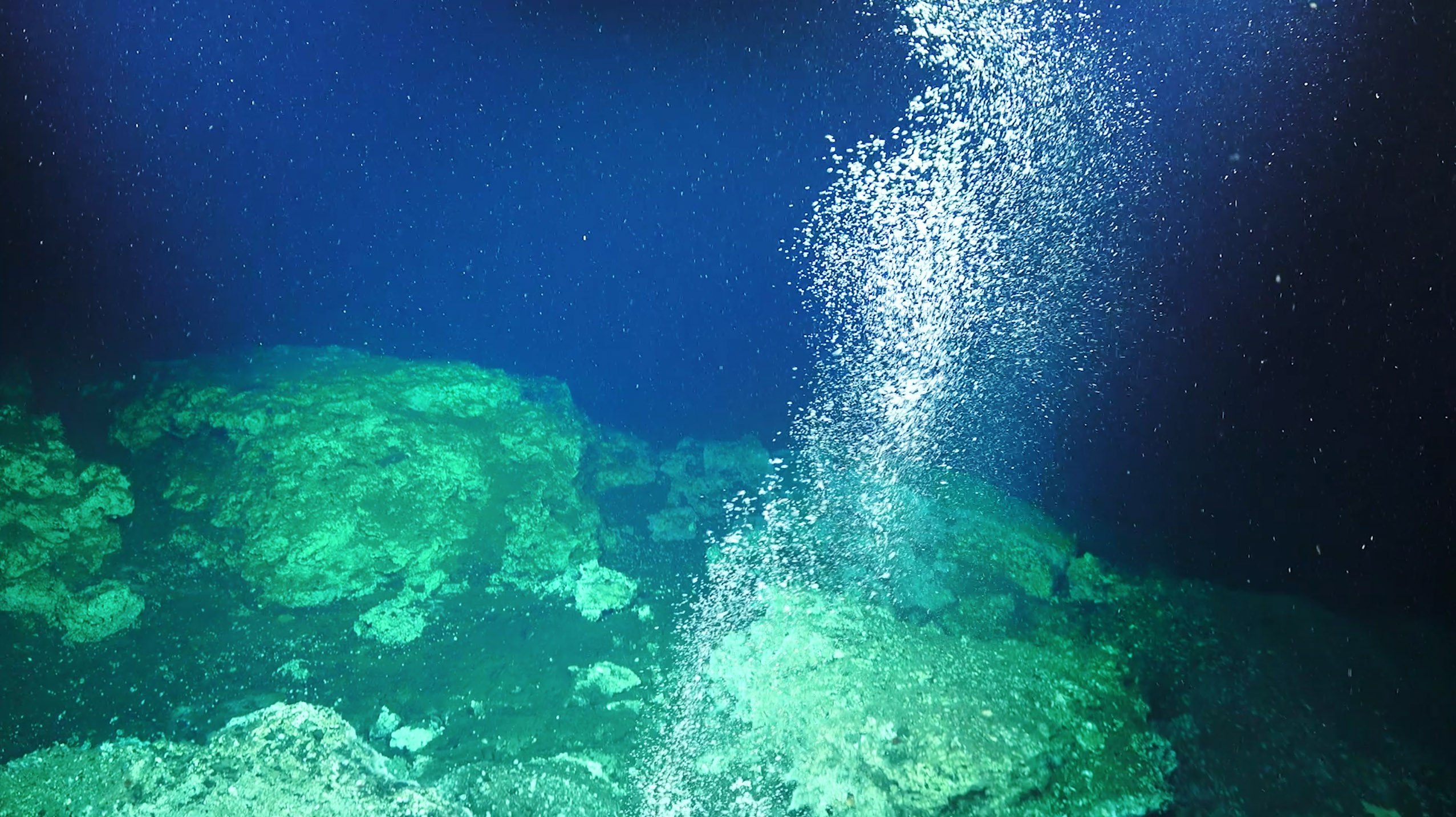
I have studied these kinds of organisms in many locations, but now, on the Falkor, I have got a unique opportunity to study the methane itself. And with my colleagues from USGS,
Some of the most interesting things we will be getting to grapple with are our equipment and technology. In addition to the powerful multibeam scanners and other sensors that Falkor has on board the ROV SuBastian