



Dive In
About the Expedition
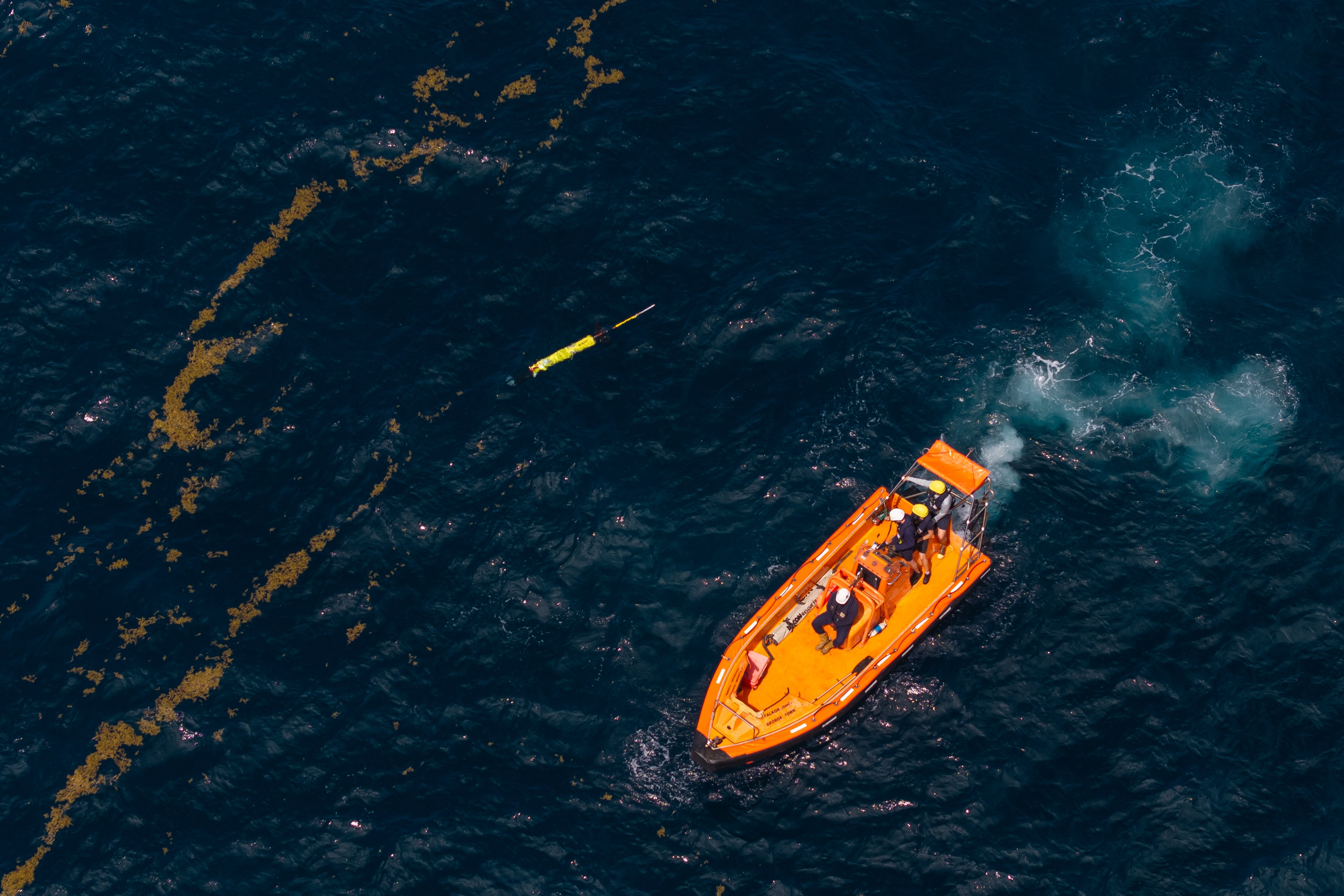
When you build a house, you do not use only a hammer, but a variety of specialized tools in an organized and collaborative manner to construct a complex structure. The same idea holds true in oceanography, and as such, Principal Investigator João Tasso de Figueiredo Borges de Sousa of the Laboratório de Sistemas e Tecnologias Subaquáticas (LSTS) from Porto University and his team are working to construct a network that manages multiple autonomous vehicles simultaneously. At the Subtropical Front, located approximately 1,000 nautical miles off the coast of Southern California, the multidisciplinary team will work to establish a new method for observing dynamic, constantly changing ocean systems and processes using autonomous vehicles that remain in constant contact with each other and a remote control center.
- Dive Markers
- Trackline
The Mission
In oceanography, “Fronts” are sites where drastic changes occur within the properties of waters, such as areas where warm masses of water meet cold currents. In this area of vastly different conditions, the team will deploy several autonomous vehicles to find, track, and sample various physical, chemical, and biological features of the ocean, on time-space scales not previously possible by ship or aircraft studies alone.
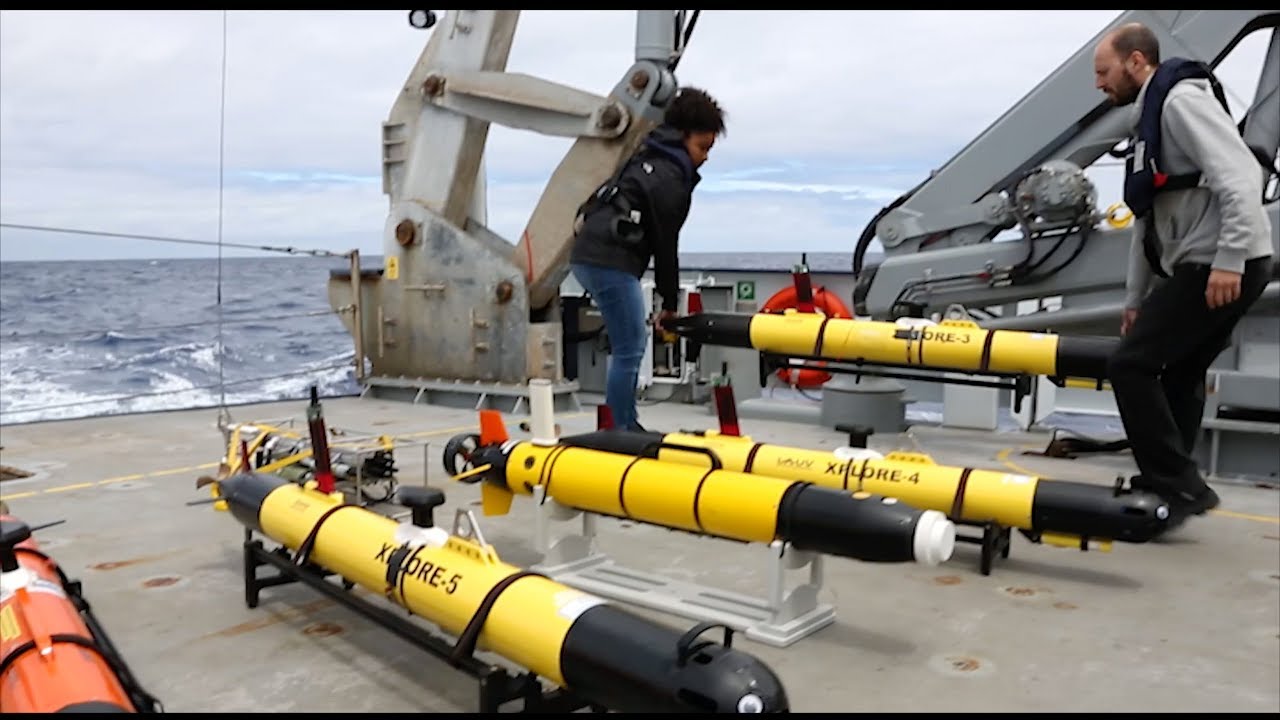
The planned course of action builds on innovative open-source communication and autonomy software developed by LSTS that enables networked vehicle systems to operate independently while still working towards a common goal. A major component is on-board Artificial Intelligence (AI) based planning and execution control, which will be used to coordinate with autonomous underwater vehicles (AUV), unmanned air vehicle vehicles (UAV), and autonomous surface vehicles (ASV) to perform complex sampling tasks. At times, multiple vehicles will work in a combined effort.
The international team will be made up of researchers from LSTS and CIIMAR from Porto University in Portugal, Technical University of Cartagena in Spain, Norwegian University of Science and Technology, in Norway, and Harvard, University of Rhode Island, and Lamond-Doherty Observatory in the United States.
Research vessel Falkor will be an important part of the expedition as well, not just a passive launch pad. A serious obstacle in ocean robotics work is sending instructions and receiving feedback over long distances underwater - delays and disruptions are common using traditional transmission methods. Therefore, another goal is to develop more effective means of correspondence in such communications-challenged environments.
Falkor will act as a “nerve center” permitting mixed initiative planning and execution control by having human operators in the planning and execution of the control loops. This will happen by extending Falkor’s communications systems with underwater and radio communications (including satellite communications) to form networks over a wide area of operations. A shipboard Ocean Space Center (OSC) will be interfaced with Falkor as part of a ship-based integrated networked vehicle system (SINVS). This will allow several capabilities, such as real time updates of coordination and communication software and opportunities for the High Performance Computing System (HPCS) to be used for data assimilation and modeling. Last, there will be communications “nodes” formed by robotic vehicles that route data dynamically to other nodes based on network connectivity and the routing algorithm in use. The aerial, surface, and underwater vehicles will periodically connect these local networks to Falkor using Disruptive Tolerant Network (DTN) protocols.
Unique to this mission, an anthropologist will be onboard looking at how best to organize the interactions among the engineers, scientists, and vehicles as the robots gain higher levels of intelligence and autonomy. This expedition will foster a deeper interdisciplinary understanding of oceanic fronts, eddies, and other hydrographic features on temporal-spatial scales not previously possible by using autonomous tools. Additionally, the team will be able to document, digest and report changes using vehicles with deliberative planning capabilities to accommodate intermittent communications in the field.
Special thanks and acknowledgment goes to these partners and collaborators:
- Provided technical support for the launch and recovery of a Wave Glider from Monterey bay and for in-water testing of all AUVs to be used in the cruise.Portuguese Navy - Provided logistics support for at sea testing taking place in Portugal during the first five months of 2018.Universidade de Aveiro - Contributed modeling and analysis techniques.SINTEF - In-situ particle images from the top 100m of the water column were obtained by profiling the SINTEF SilCam.NASA-Ames - Contributed a Dimethyl sulfide (DMS) sensor for airborne measurement of concentrations of this gas.
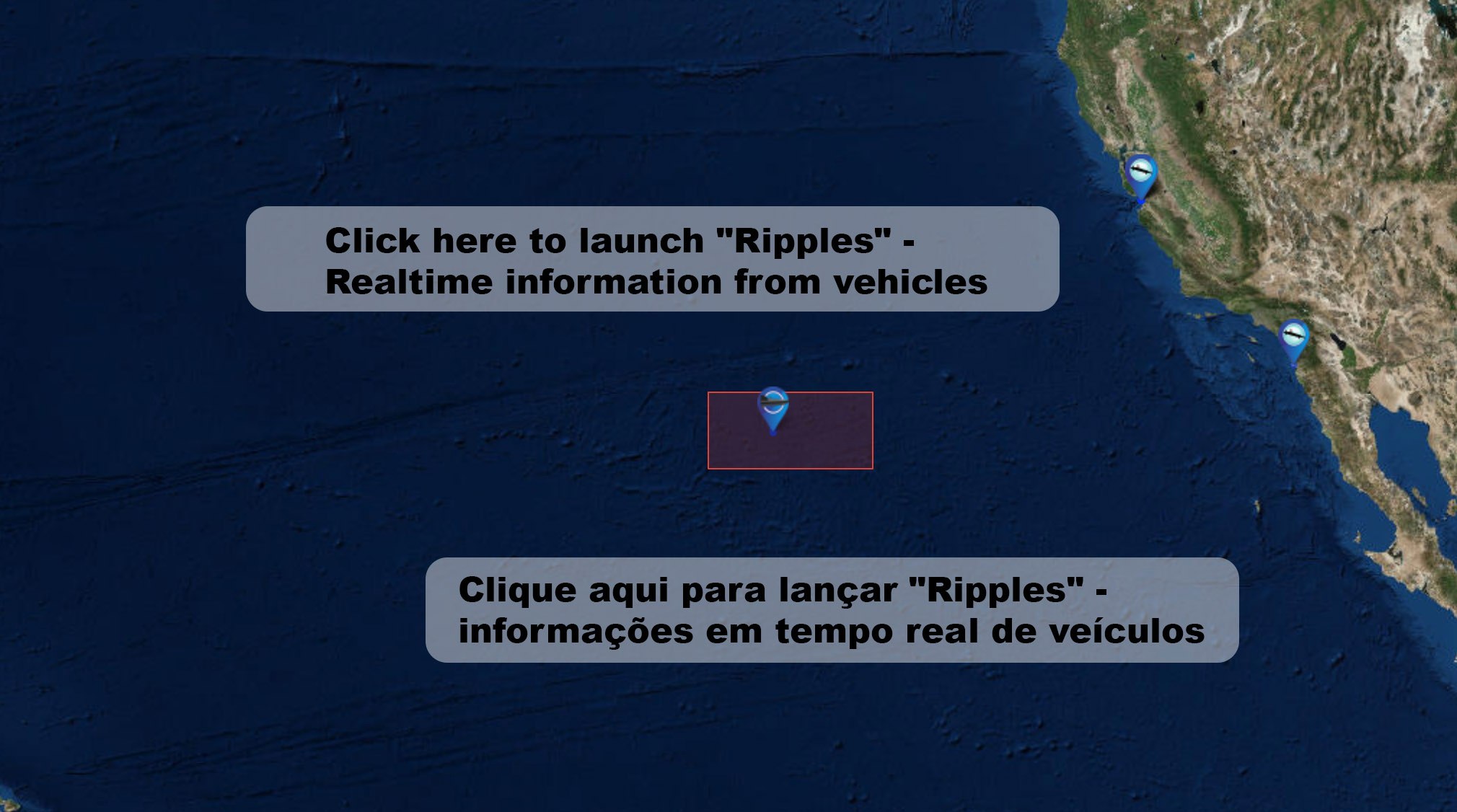
Ripples provides a web-based interface to interact with a team of autonomous vehicles. Ripples can be accessed by any compatible device (laptops, tablets or phones) and provides realtime information from all deployed assets.
By using Ripples, scientists (both on Falkor and on shore) can follow a mission's execution. Researchers can monitor data being collected by the vehicles and other assets, in addition to data coming in from remote sensing and/or computer models. This simplified version of Ripples enables public access to all the data and plans in realtime.
Team and Collaborators
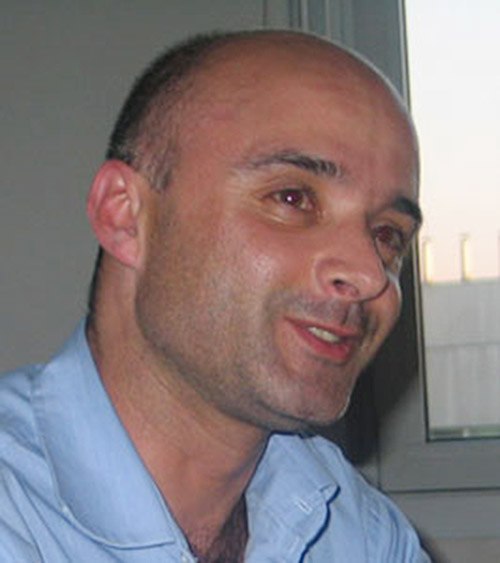
João Tasso de Figueiredo Borges de Sousa
Principal Investigator
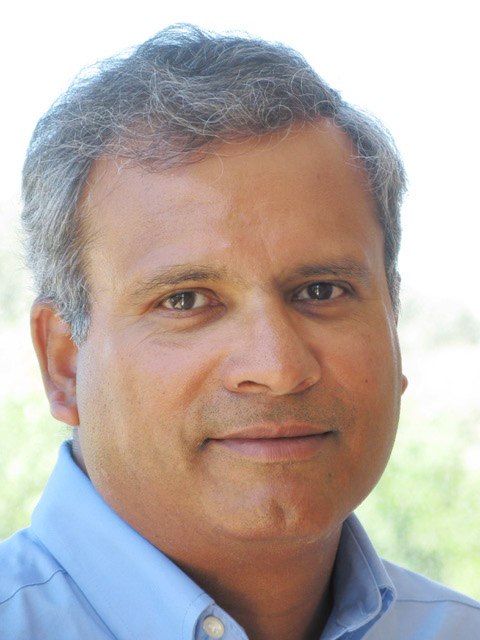
Kanna Rajan
José da Silva
Paulo Dias
José Pinto
Lance Frymire
Student Opportunities Participant
Kay Arne Skarpnes
Trent Lukaczyk
Francisco Lopez-Castejon
Igor Belkin
Keila Lima
Manuel Ribeiro
Mafalda Baptista
João Teixeira
Paulo Relvas
João Pereira
Zara Mirmalek
Martin Ludvigsen
Bruno Loureiro
Alexander Chekalyuk
Maria Costa
Mary Lide Parker
Multimedia Correspondent
Maria Paola Tomasino
Javier Gilabert
António Sérgio Ferreira
Renato Mendes
Catarina Magalhães







Explore
Updates from the Ship
All Ship Updates
- 01
Wrapping up Exploring Fronts with Multiple Robots ~ Video Update
19 June 2018
Read
- 02
Quiet Sense of Accomplishment
19 June 2018
Read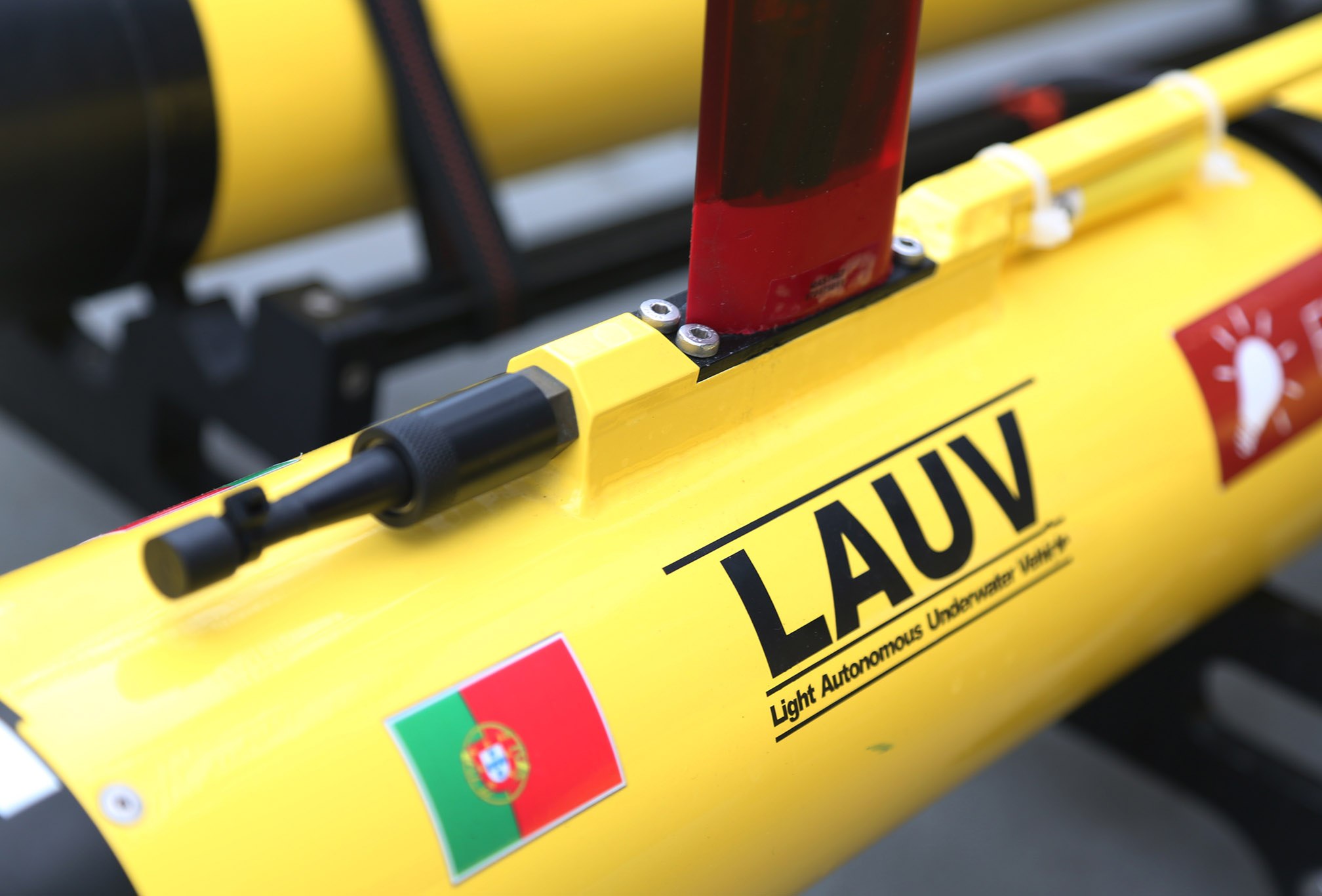
- 03
In the Extreme
16 June 2018
Read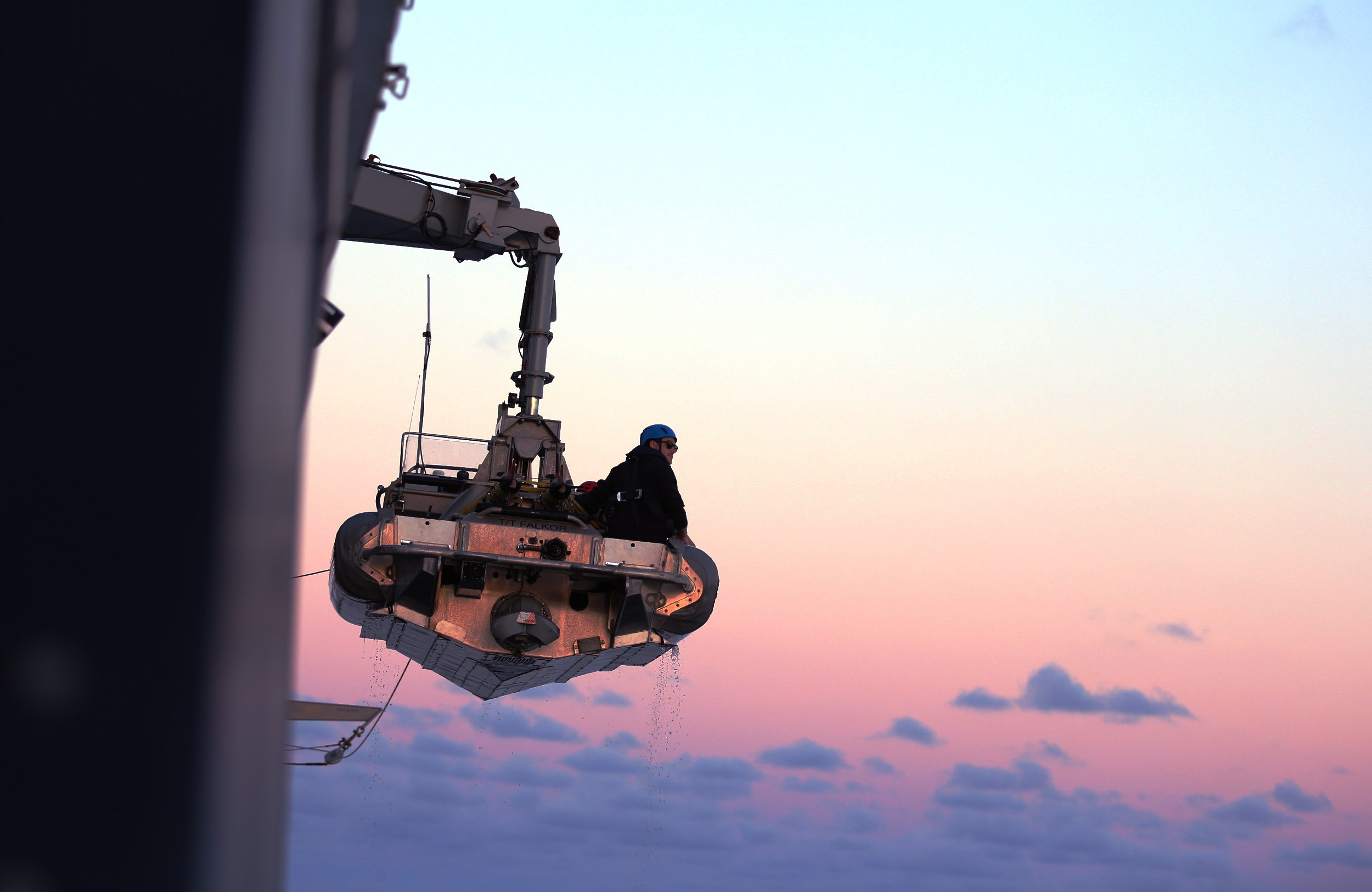
- 04
Blueprints
13 June 2018
Read
- 05
Experimental Foundations ~ Video Update
12 June 2018
Read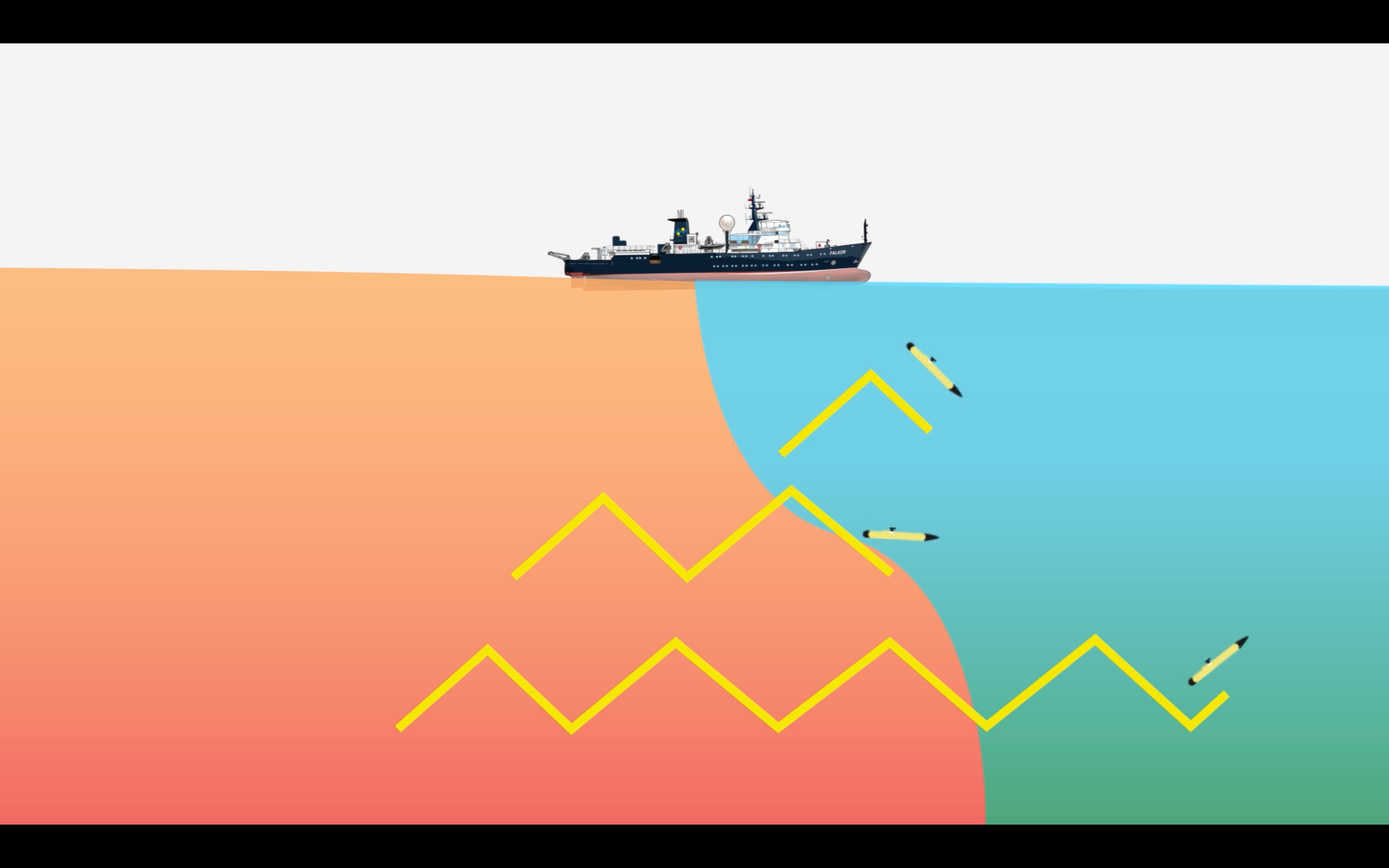
- 06
Ripples
10 June 2018
Read
- 07
To the Edge
8 June 2018
Read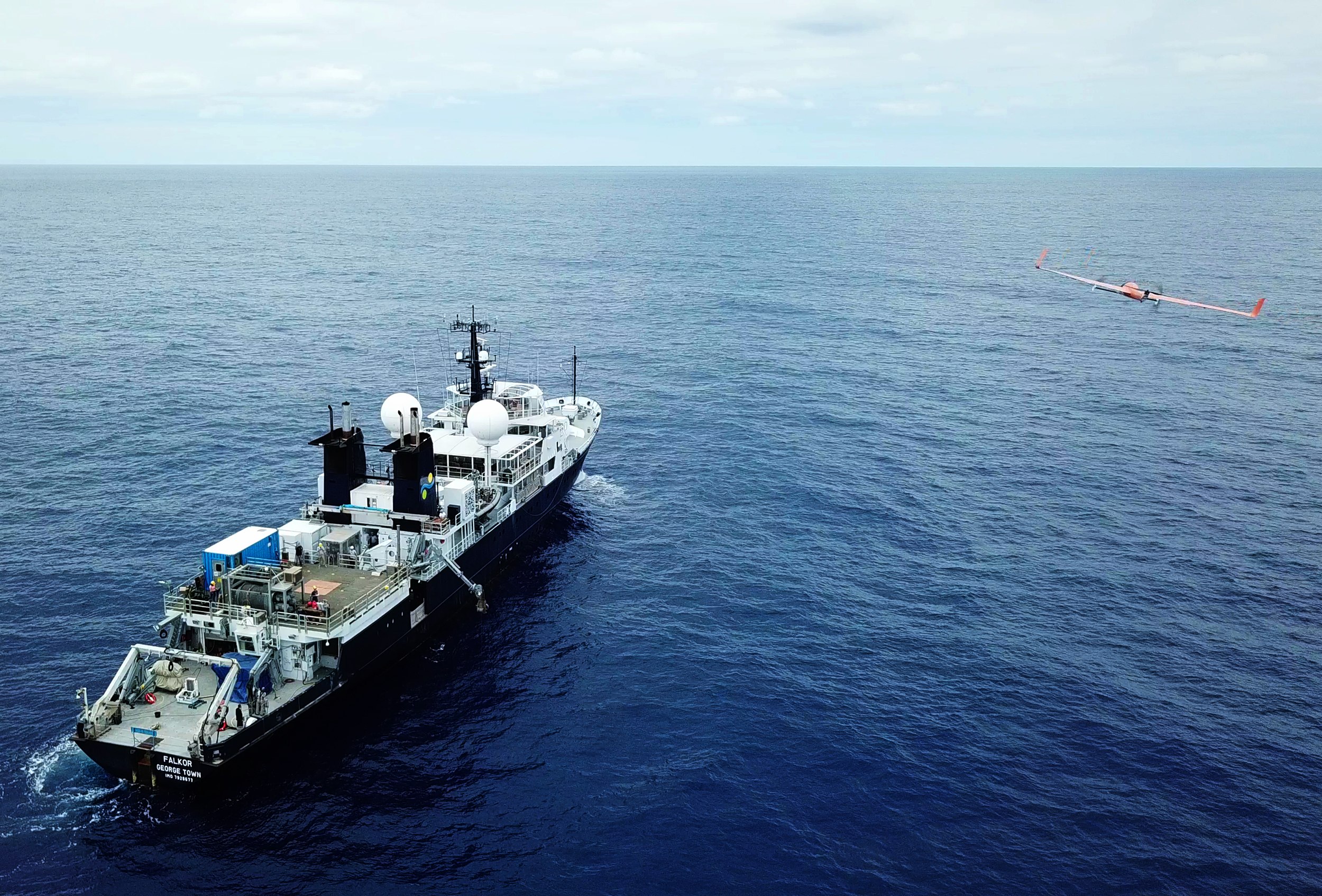
- 08
Gearing Up For the Future ~ Video Update
6 June 2018
Read
- 09
The Night Cast
5 June 2018
Read
- 10
At the Front
3 June 2018
Read
- 11
Tudo Bem
1 June 2018
Read
- 12
A Helping Hand
31 May 2018
Read
- 13
No Man's Sea
28 May 2018
Read
- 14
Lessons Learned
1 January 1970
Read
Weekly Videos
View all Weekly Videos
Discover More
Expedition Data
Title  | Type | Repository |
|---|---|---|
| Water temperature, salinity, and other physical, biological, and remote sensing data | Oceanographic Property Data | National Center for Oceanographic Data of Chile (CENDOC) |
| Processed water column data (S, T, Chl, turbidity) from LAUVs | Oceanographic Property Data | National Center for Oceanographic Data of Chile (CENDOC) |
| Processed water column data (S, T, Chl, turbidity, DO, DCO2) from Harald LAUV | Oceanographic Property Data | National Center for Oceanographic Data of Chile (CENDOC) |
| Water column data of T, S, Chl, DO and navigation data from AUVs | Oceanographic Property Data | National Center for Oceanographic Data of Chile (CENDOC) |
| Data, including microplankton analysis, from 126 CTD casts | Oceanographic Property Data | PANGAEA |
| Planktonic community diversity data | Genetic Analysis Data | European Nucleotide Archive |
| Nutrient Analysis Data | Water Samples | PANGAEA |
| Wave Glider and Saildrone data | Oceanographic Property Data | University of Porto |
| Vessel Underway data | Oceanographic Property Data | Rolling Deck to Repository (R2R) |
Acoustic backscatter, navigation, and temperature and bathymetry from Falkor , and Fluid Chemistry, Conductivity, Fluoresence, Pressure, Temperature, and Turbidity from AUV | Oceanographic Property Data | Marine Geoscience Data System (MGDS) |
| ADCP data | Oceanographic Property Data | University of Hawaii SOEST |
| Microbial community occurrence data derived from environmental DNA sequencing | Genetic Analysis Data | Ocean Biodiversity Information System (OBIS) |
Publications from This Expedition
Tasso de Figueiredo Borges de Sousa, J. (2018). Mobile connectivity and mobile locality in networked vehicle systems: are we missing something? Oral Presentation at Control 2018, Sheffield, UK.
Pinto, J., Dias, P., Borges de Sousa, J., (2018). Coordinated operation of multiple AUVs, ASVs, and UAVs using the LSTS tool chain. Oral Presentation, IEEE OES AUV Conference, Porto, POR.
Belkin, I., Borges de Sousa, J., Pinto, J., Mendes, R., Lopez-Castejon, F. (2018). Marine robotics exploration of a large-scale open-ocean front. Oral Presentation, IEEE OES AUV Conference, Porto, POR.
Belkin, I., Borges de Sousa, J., Pinto, J., Mendes, R., and Lopez-Castejon, F. (2018). A new front-tracking algorithm for AUVs. Oral Presentation, IEEE OES AUV Conference, Porto, POR.
Costa, M., Pinto, J., Sousa Dias, P., Pereira, J., Lima, K., Ribeiro, M., Borges de Sousa, J., Lukaczyk, T., Mendes, R., Tomasino, and et. al. (2018). Field Report: Exploring Fronts with Multiple Robots. Oral Presenation, IEEE OES AUV Conference, Porto, POR.
30 day Preliminary Cruise Report: Exploring Fronts with Multiple Robots
Borges de Sousa, J. (2019). Adventures in Mobile Connectivity and Locality: Persistent Robotic Surveys. Invited Oral Presentation to Ericsson Research, Stockholm, Sweden.
Borges de Sousa, J. (2019). Adventures in Mobile Connectivity and Locality: Persistent Robotic Surveys. Invited Oral Presentation to Royal Institute of Technology, Stockholm, Sweden.
Borges de Sousa, J. (2019). Exploring Dynamic Features of the Ocean with Coordinated Robots. Oral Presentation at Breaking the Surface Event, Biograd, Croatia.
Borges de Sousa, J. (2019). Exploring Dynamic Features of the Ocean with Multiple Robots. Oral Presentation at EuroGEOSS workshop, Lisbon, Portugal.
Borges de Sousa, J. (2019). Exploring the Pacific Subtropical Front: Adventures in Coordinated Ship-robotic Surveys. Oral Presentation at Robots in the Wild: Challenges in Deploying Robust Autonomy for Robotic Exploration, Freiburg, Germany.
Borges de Sousa, J. (2019). From Coasts to Depths: Strengthening our Autonomous Presence in the Ocean. Oral Presentation at Workshop on European-funded Marine Robotics and Applications, Toulon, France.
Borges de Sousa, J. (2019). Multi-domain Vehicles for Earth Observation: What, Why, and How? Oral Presentation at GNSS International Summer School, Cerveira, Portugal.
Borges de Sousa, J. (2019). Sustainable Presence in the Ocean: Yes, we can! So Why Don't We Make It Happen? Oral Presentation at Ciencia Portugese Conference, Lisbon, Portugal.
Borges de Sousa, J. (2019). Veículos não tripulados para operações marítimas: passado, presente e futuro. Oral Presentation at IDN Seminarios, Faro, Portugal.
Borges de Sousa. (2019). Developing Networked Vehicle Systems for Naval Operations. Oral Presentation at Chiefs of the European Navies Conference, Lisbon, Portugal.
Borges de Sousas, J. (2019). Exploring the STF with Multiple Robots. Oral Presentation at Norwegian University of Science and Technology, Trondheim, Norway.
Borges de Sousas, J. (2019). Mobile Connectivity and Mobile Locality in Networked Vehicle Systems: Are we Missing Something? Oral Presentation at Norwegian University of Science and Technology, Trondheim, Norway.
Borges de Sousas, J., Mendes, R., Costa, M., Pinto, J., Dias, P., et. al. (2019). Field Report and Lessons-learned: Exploring Fronts with Multiple Robots, Oral Presentation at Encontro de Oceanografia, Peniche, Portugal.
Pinto, J. (2019). Networked Vehicle Systems: From Vision to Reality. Oral Presentation at International Conference on Communication, Computing and Digital Systems, Islamabad, Pakistan.
Mirmalek, Z. (2019). Meshing Remote and Co-Located Work: Human-Technology Relationships in Space and Ocean Exploration. Oral Presentation at MIT Media Lab, Cambridge, MA, USA.
Pinto, J., Costa, M., Lima, K., Dias, P., Pereira, J., Riberio, M., et al. (2021). To Boldly Dive Where No One Has Gone Before: Experiments in Coordinated Robotic Ocean Exploration. Conference Paper, International Symposium on Experimental Robotics, doi: 10.1007/978-3-030-71151-1_42.
[This Article was published OPEN ACCESS]Skaugset, K. Borges de Sousa, J., Sorensen, A. (2025). Autonomous robotic organizations for marine operations. Science Robotics 10 (100), doi: 10.1126/scirobotics.adl2976.
Lopes, E., Sernado, M., Tomasino, M., Mendes, R., Borges de Sousa, J., and Magalhaes, C. (2024). Horizontal distribution of marine microbial communities in the North Pacific Subtropical Front. Front. Micobiol. (15), doi: 10.3389/fmicb.2024.1455196.
[This Article was published OPEN ACCESS]Rosado Vitorino, I., Gambardella, N., Semedo, M., Magalhaes, C., and Lage, O. (2025). Diversity and Vertical Distribution of Planctomycetota in the Water Column of the Remote North Pacific. Environmental Microbiology, 17(1), doi: 10.1111/1758-2229.70063.
[This Article was published OPEN ACCESS]