


Dive In
About the Expedition
While methane may not be the best known greenhouse gas, it nevertheless greatly impacts the climate system of our planet. Seafloor methane emissions have been documented for several decades, with newer evidence suggesting that methane bubble plumes from the deep sea are far more numerous than previously assumed. However, the physical, chemical and biological processes that dictate exactly how this methane is transferred into the ocean, or in some cases possibly even directly into the shallow ocean and atmosphere, remain challenging to understand.
This multidisciplinary cruise led by Drs. Scott Wankel and Anna Michel of Woods Hole Oceanographic Institution will utilize novel instruments and techniques to better understand the processes responsible for the transfer of methane from the seafloor: first into the ocean waters, and in some circumstances possibly into the shallow ocean and overlying atmosphere. The resulting methane transfer model will inform our understanding of global climate in the present, as well as our interpretation of historical climate data from the geological record.
- Dive Markers
- Trackline
The Mission
Unprecedented Data Integration
The Southern Hydrate Ridge in the Northeastern Pacific Ocean off the coast of Oregon has been well documented as a site of seafloor methane bubble emission. The main bubbling site known as Einstein’s Grotto, boasts various bubble plumes that rise several hundred meters off the seafloor. Recently, the grotto has been made home to a suite of seafloor sensors as a federally-funded ocean observatory, providing the foundation for a truly exceptional multidisciplinary investigation of these bubble plumes.
While the site has been well documented for over a decade, this month-long expedition represents the first multi-disciplinary and in situ assessment of physical, chemical, and isotopic changes of rising seafloor bubble plumes. Because so many diverse processes affect the rate of methane released from the seafloor, a diverse team using a wide range of instruments and technologies is required to arrive at an accurate understanding of methane transfer and turnover in the ocean.
Cutting-Edge Bubble-Measuring Technology
Research on this expedition will focus on in situ imaging, collection, and analysis of rising methane bubbles and examination of the surrounding microbial and macrofaunal biological communities. Remotely Operated Vehicle (ROV) SuBastian will be spending as much time in the water as possible, sporting a range of newly developed instruments. A high-resolution deep-sea stereo camera system will closely examine and measure the size, path, and rise speed of the bubbles. The science team from Texas A&M will also look at the skins of methane hydrate around the bubbles in the deep sea environment.
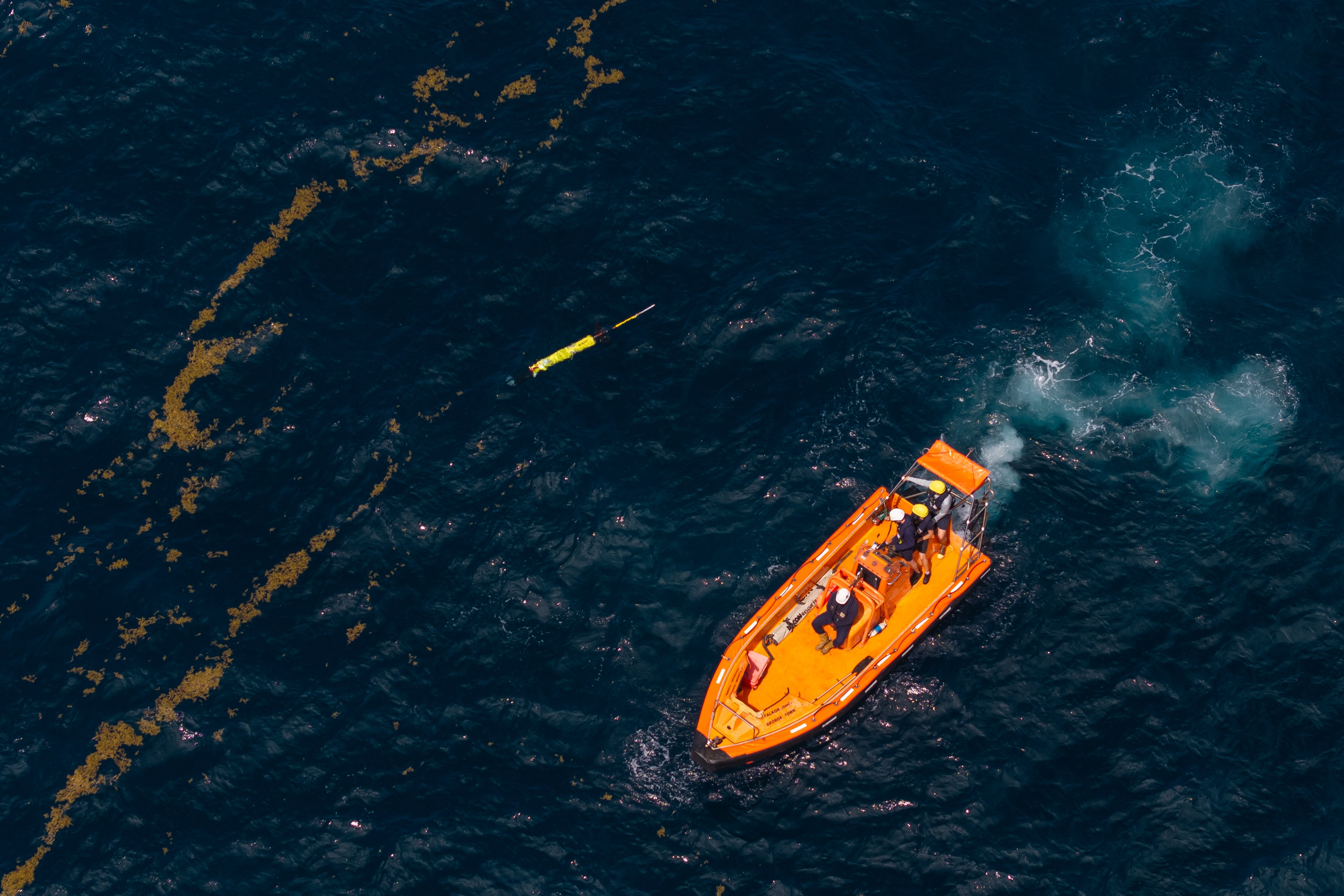
Drs. Scott Wankel and Peter Girguis (Harvard) have developed an innovative in situ mass spectrometer (ISMS) that measures gas concentrations. The ISMS will be coupled to a discrete bubble capture system to examine bubbles while underwater at various depths. The ISMS will be used in concert with laser spectrometers developed in collaboration with Dr. Anna Michel for isotopic analyses. The expedition will also provide an opportunity to test and refine an instrumented seafloor lander, the ABISS, that will also be used on future Falkor expeditions. The lander will help enable a more comprehensive characterization of methane dynamics in the deep sea. Additionally, the ChemYak, an autonomous surface vehicle outfit with a suite of chemical sensors, will be utilized for surface water analysis, examining the distribution of methane in the surface ocean above bubble sites. Finally, investigation of sediment hosted biogeochemical processes, microbial diversity and macrofaunal biological communities will also help to shed light on the fate of methane release from the ocean deep. Outcomes of this technology-based expedition will span the fields of chemistry, physics, and biology; increase our understanding of the influence of the deep sea on the Earth’s climate; and support technological innovation in deep-sea research.
Team and Collaborators




Explore
Updates from the Ship
All Ship Updates
- 01
Bubbles Found
25 September 2018
Read
- 02
Hunting Bubbles ~ Week Four Video
20 September 2018
Read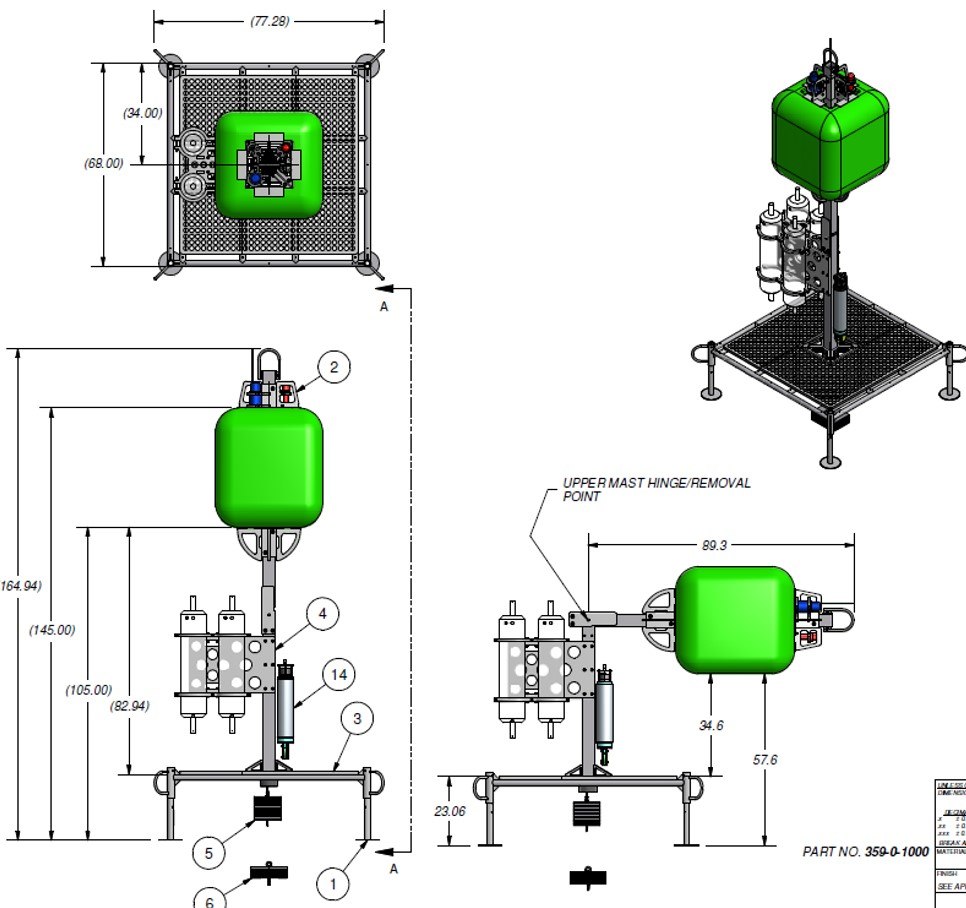
- 03
How is a Test Tube Like a Layer Cake?
19 September 2018
Read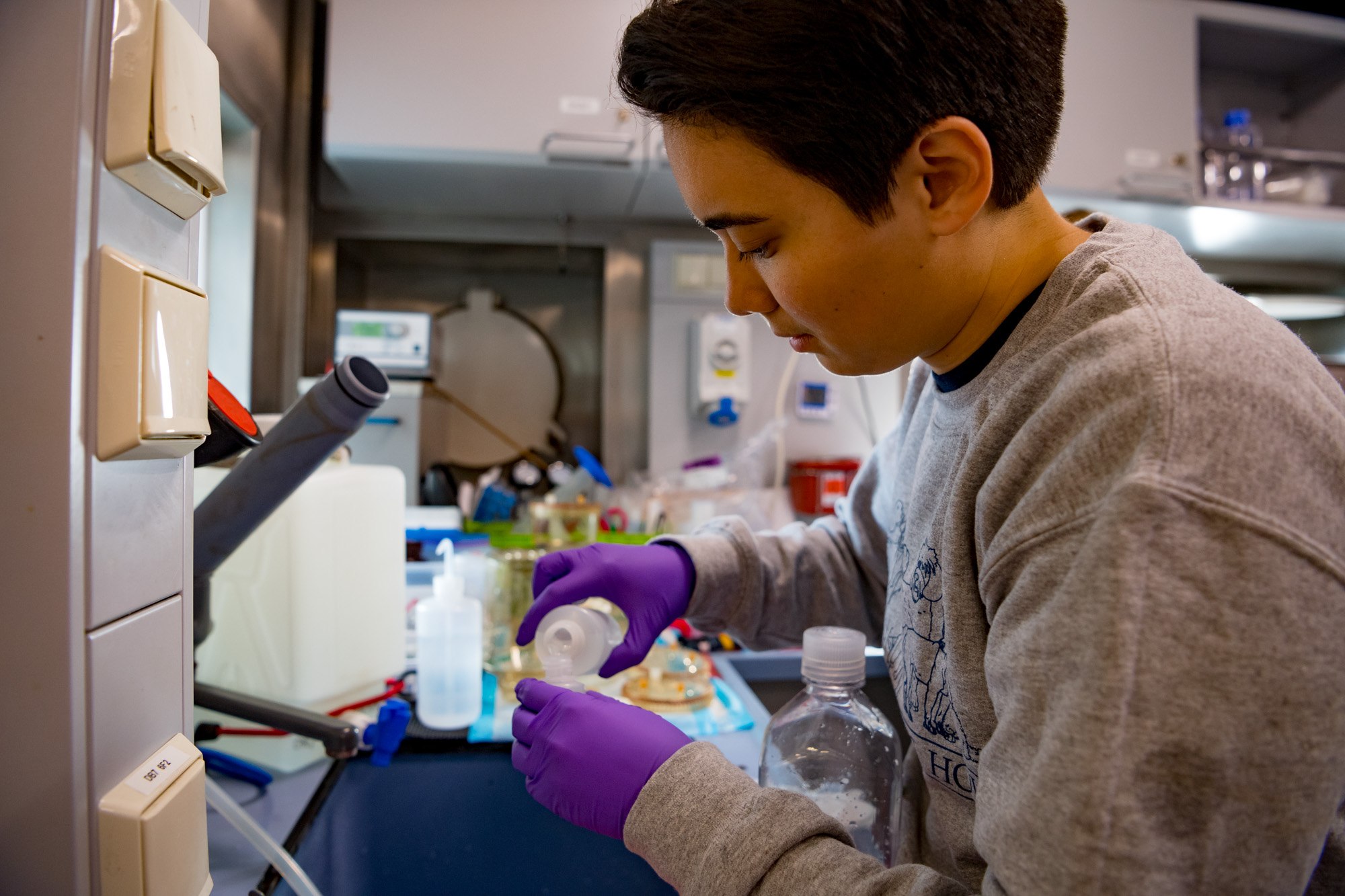
- 04
Hunting Bubbles ~ Week Three Video
19 September 2018
Read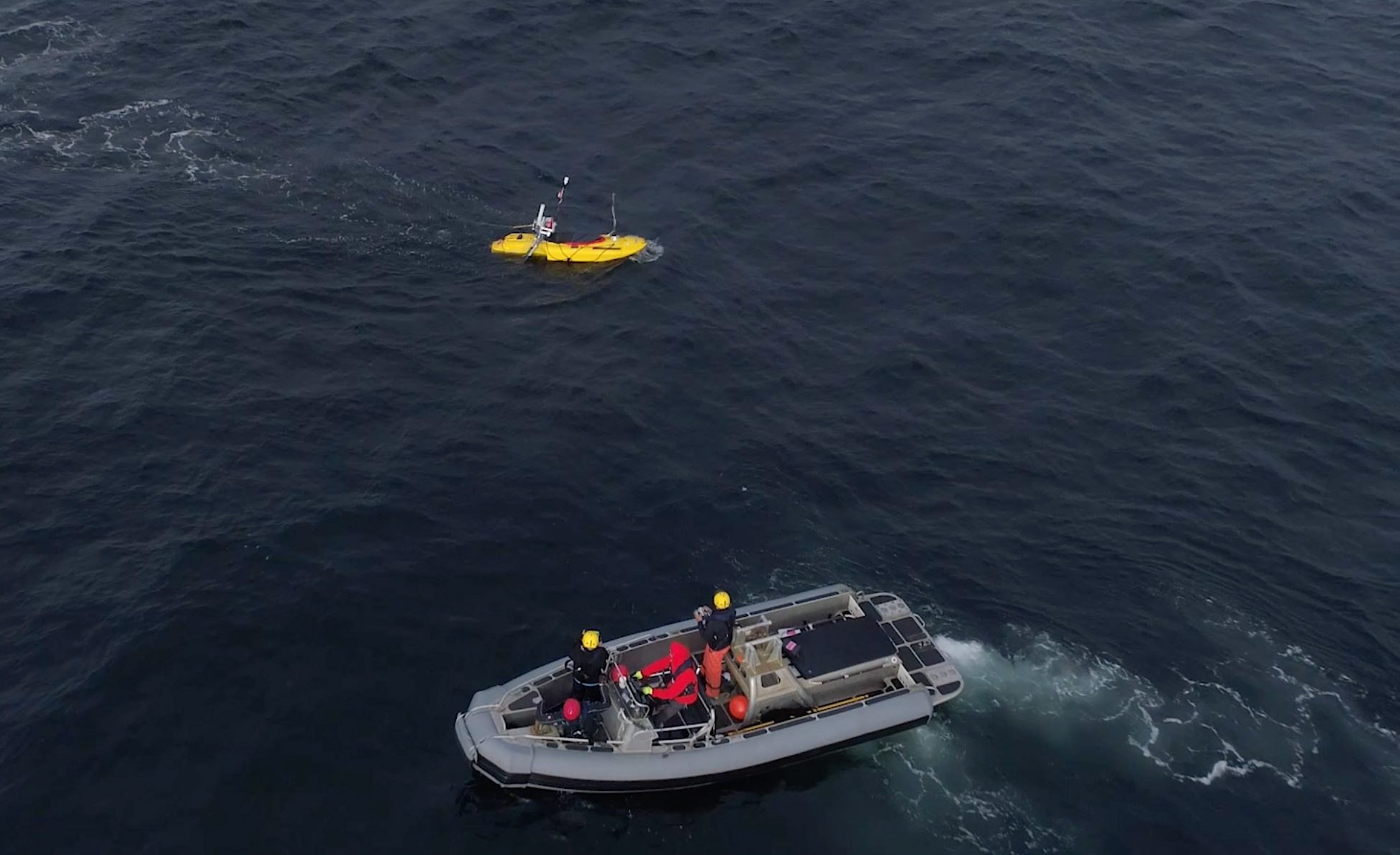
- 05
Metals - Key Players in the Past, Present, and Future!
16 September 2018
Read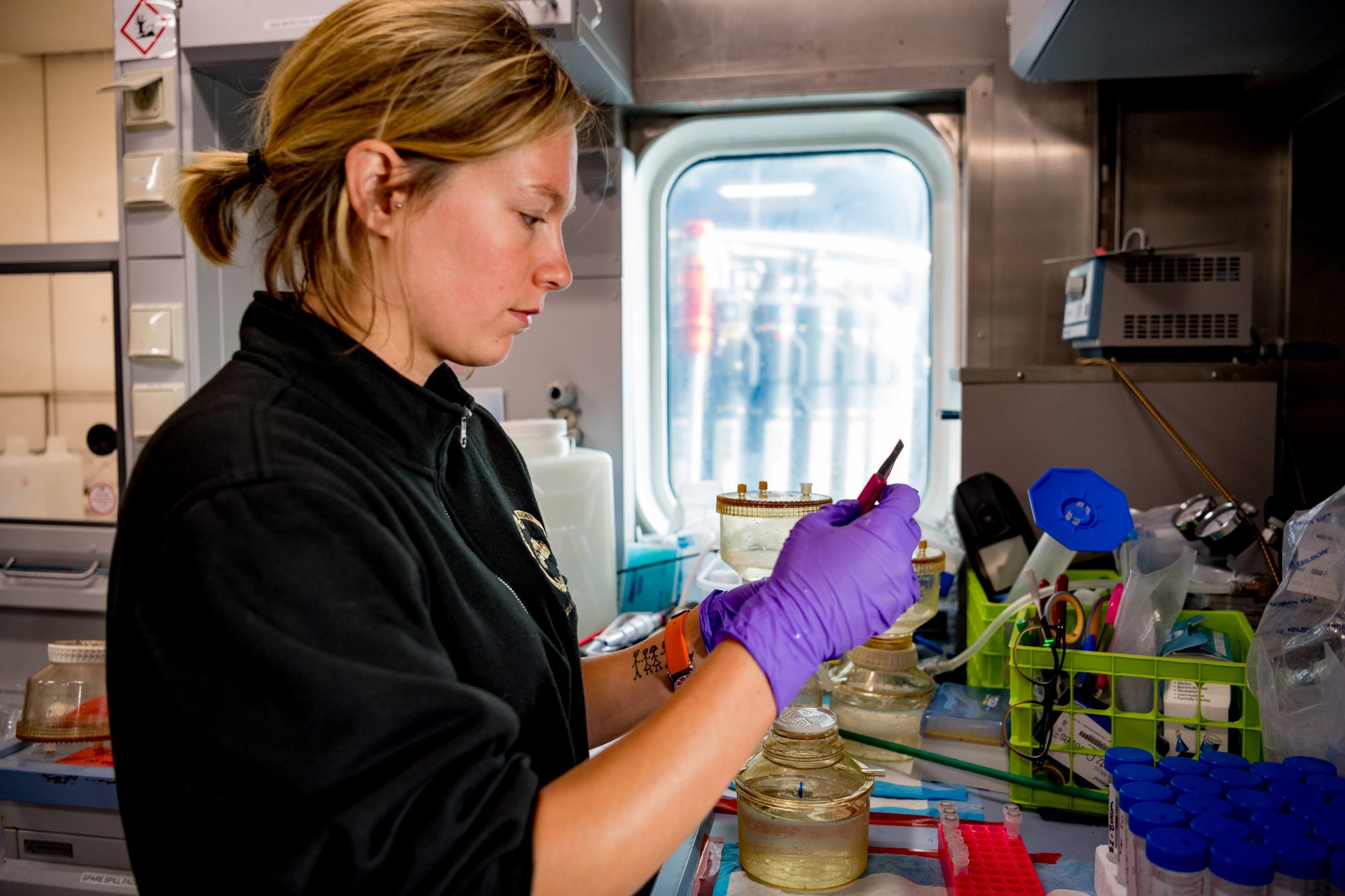
- 06
Drawing Conclusions About Hydrates ~ Video
15 September 2018
Read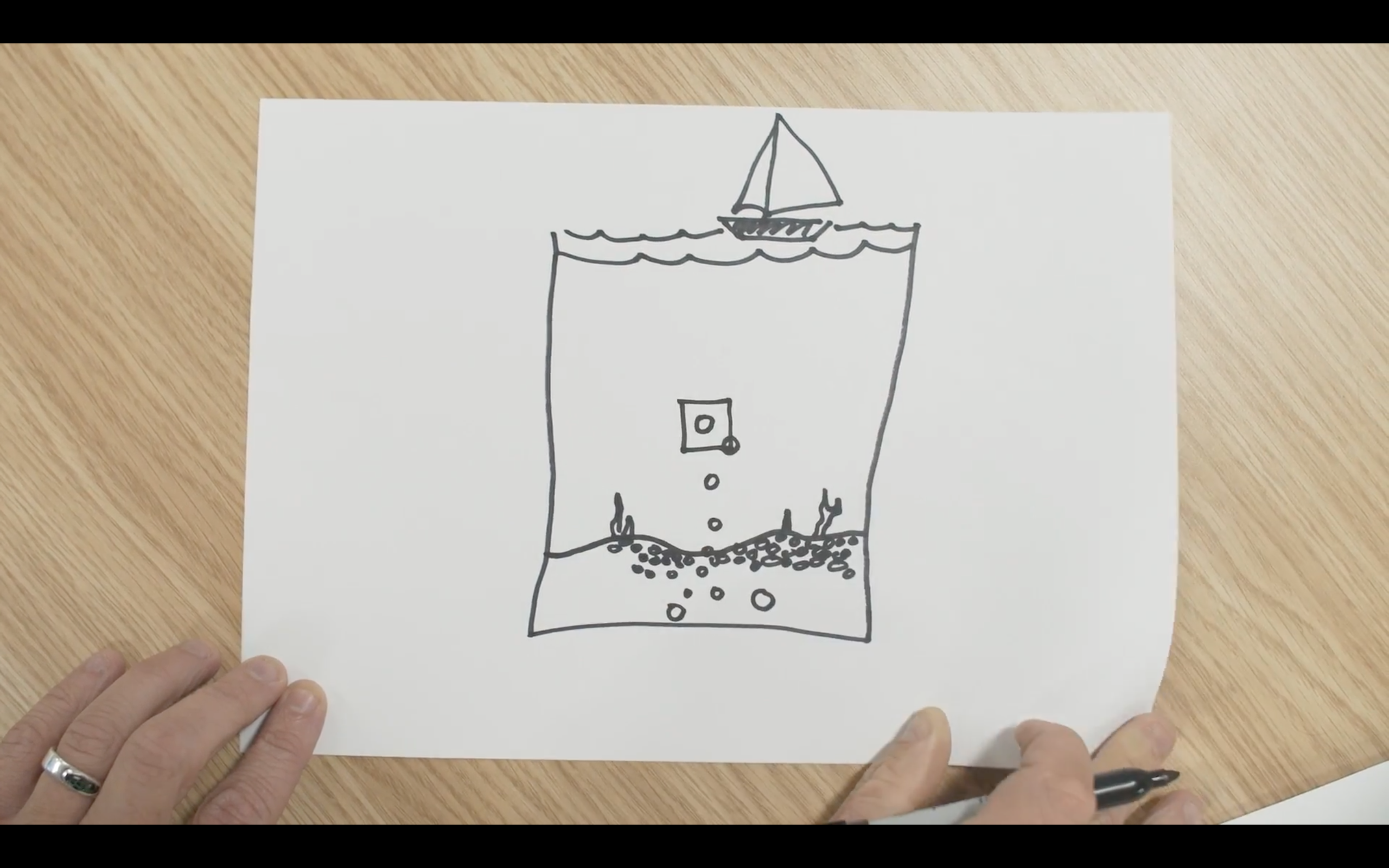
- 07
Rapid Prototyping for the Deep Sea
13 September 2018
Read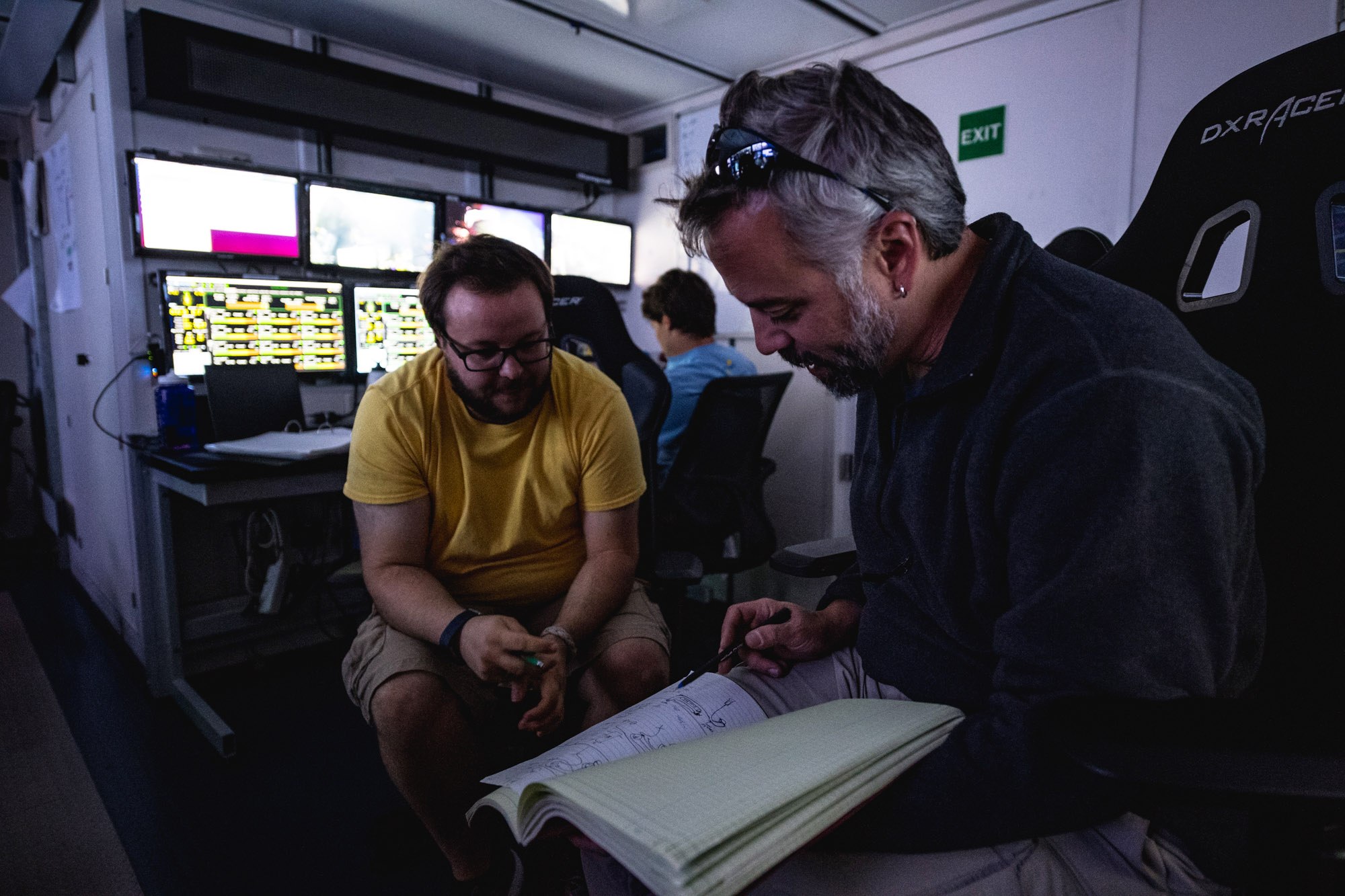
- 08
Hunting Bubbles ~ Week Two Video
13 September 2018
Read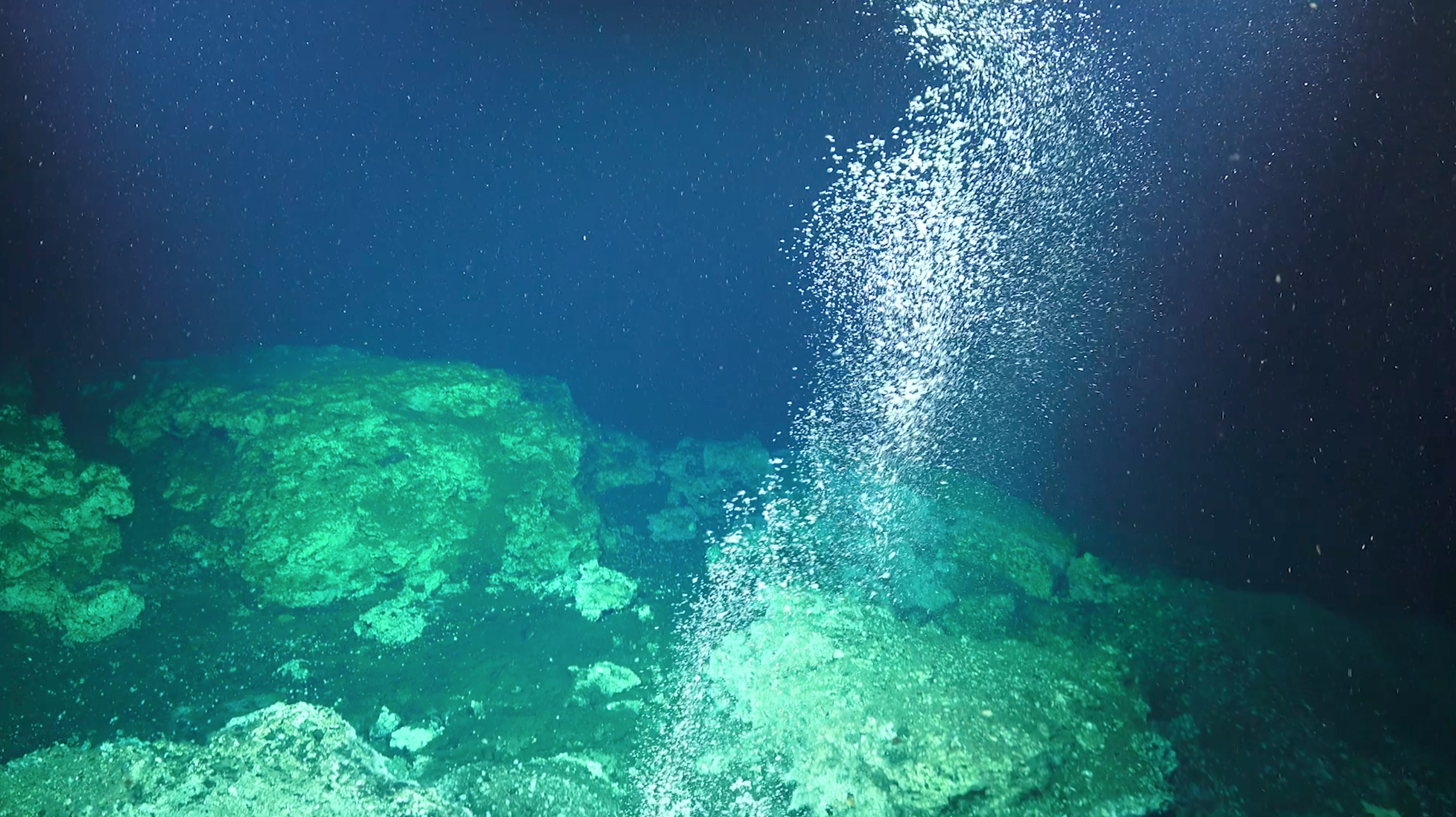
- 09
In-Situ Observations of Methane Bubbles from Natural Seeps
11 September 2018
Read
- 10
The Tiny Extremists in Deep Sea Mud
5 September 2018
Read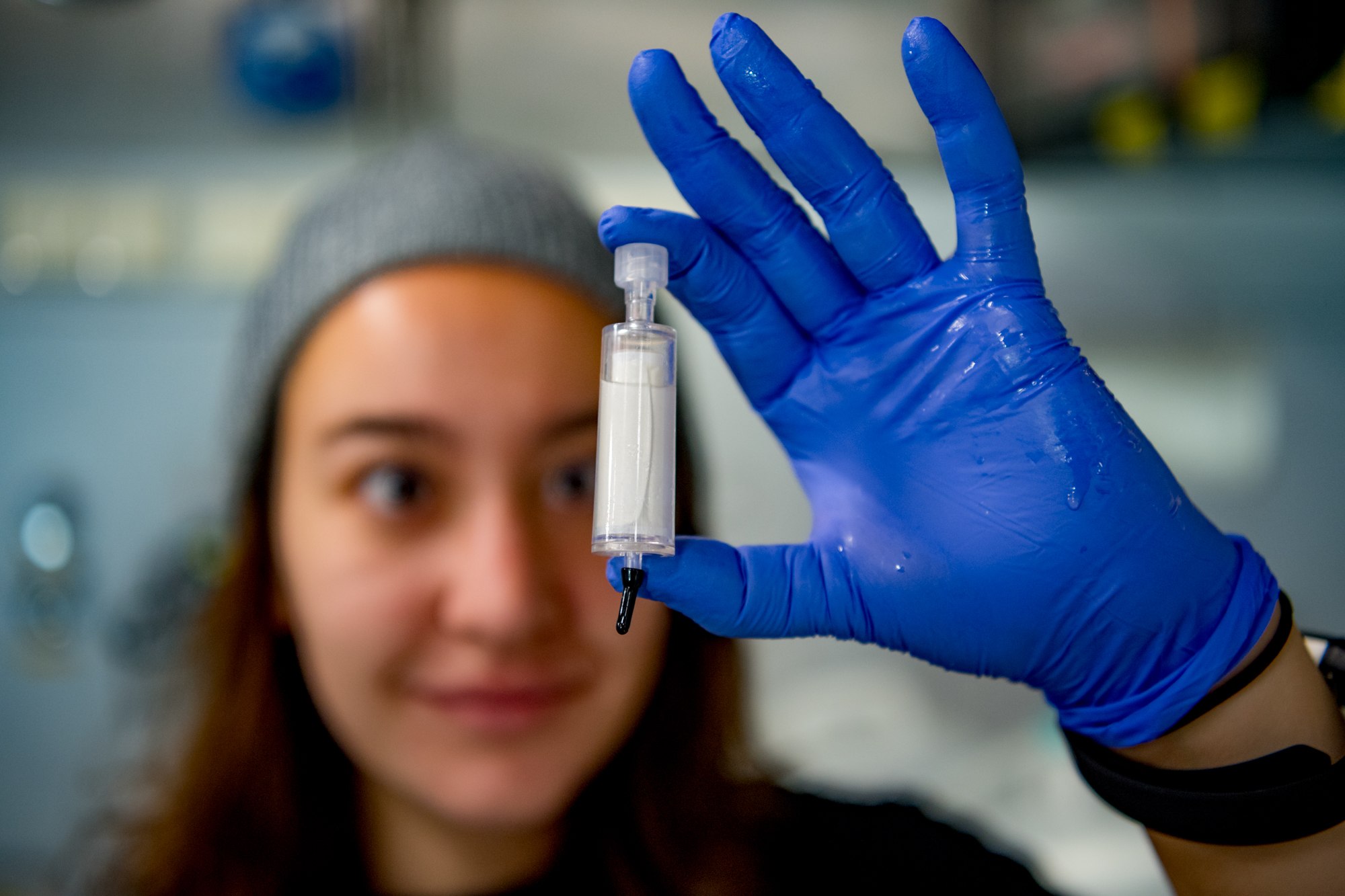
- 11
Hunting Bubbles ~ Week One Video
3 September 2018
Read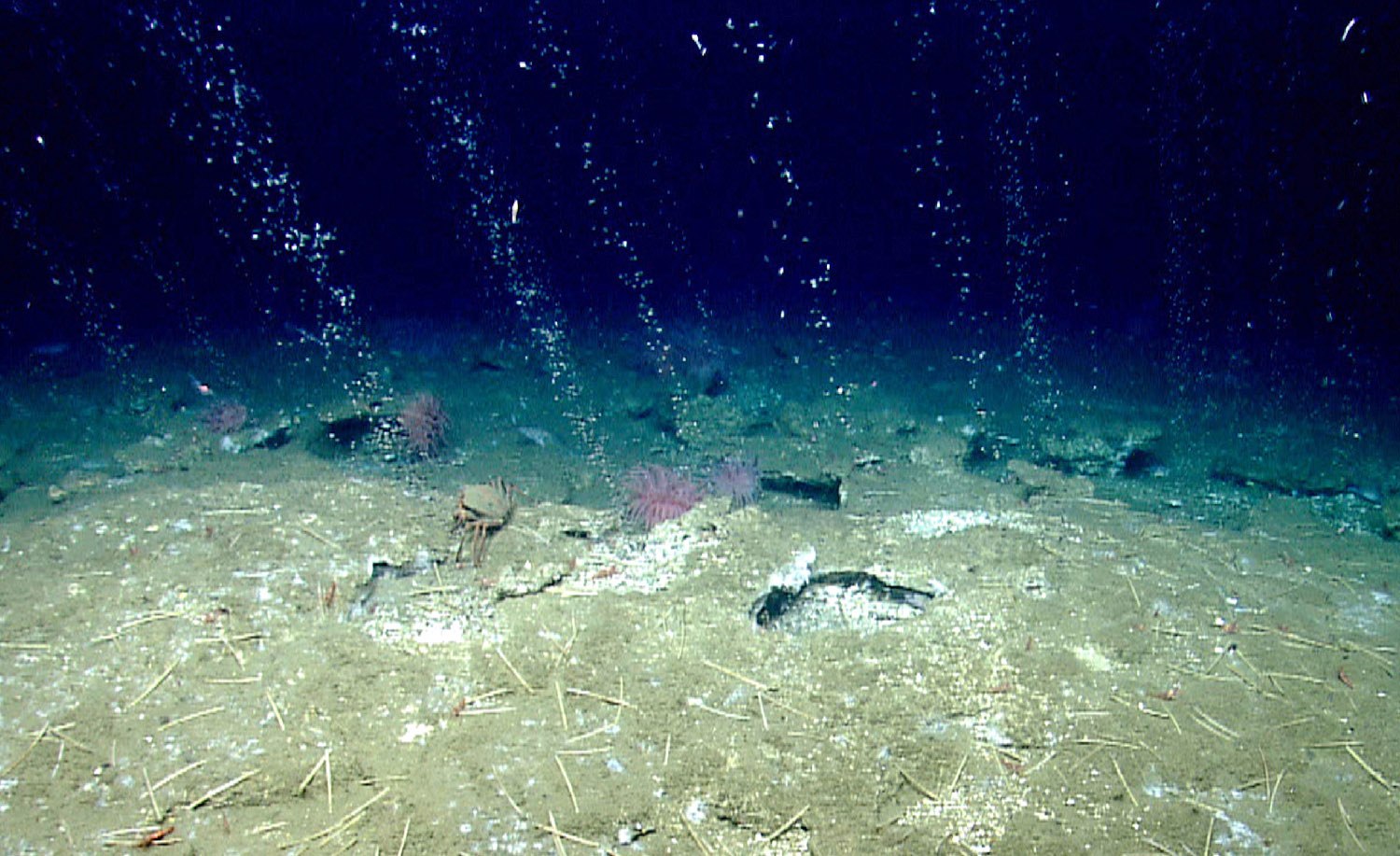
- 12
Methane Support Systems of Deep Sea Ecosystems
30 August 2018
Read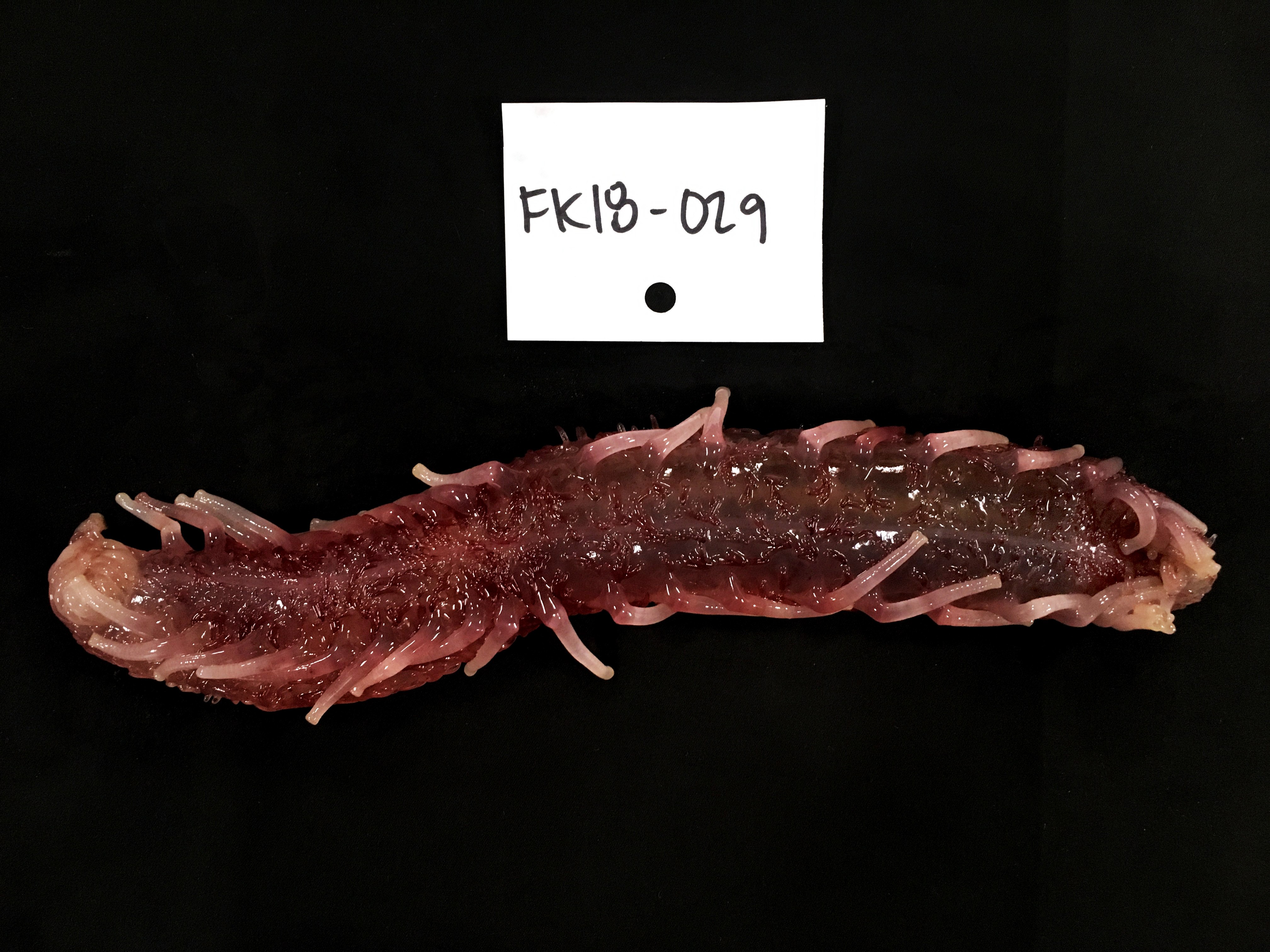
- 13
Art Asks Questions, Science Seeks Answers
28 August 2018
Read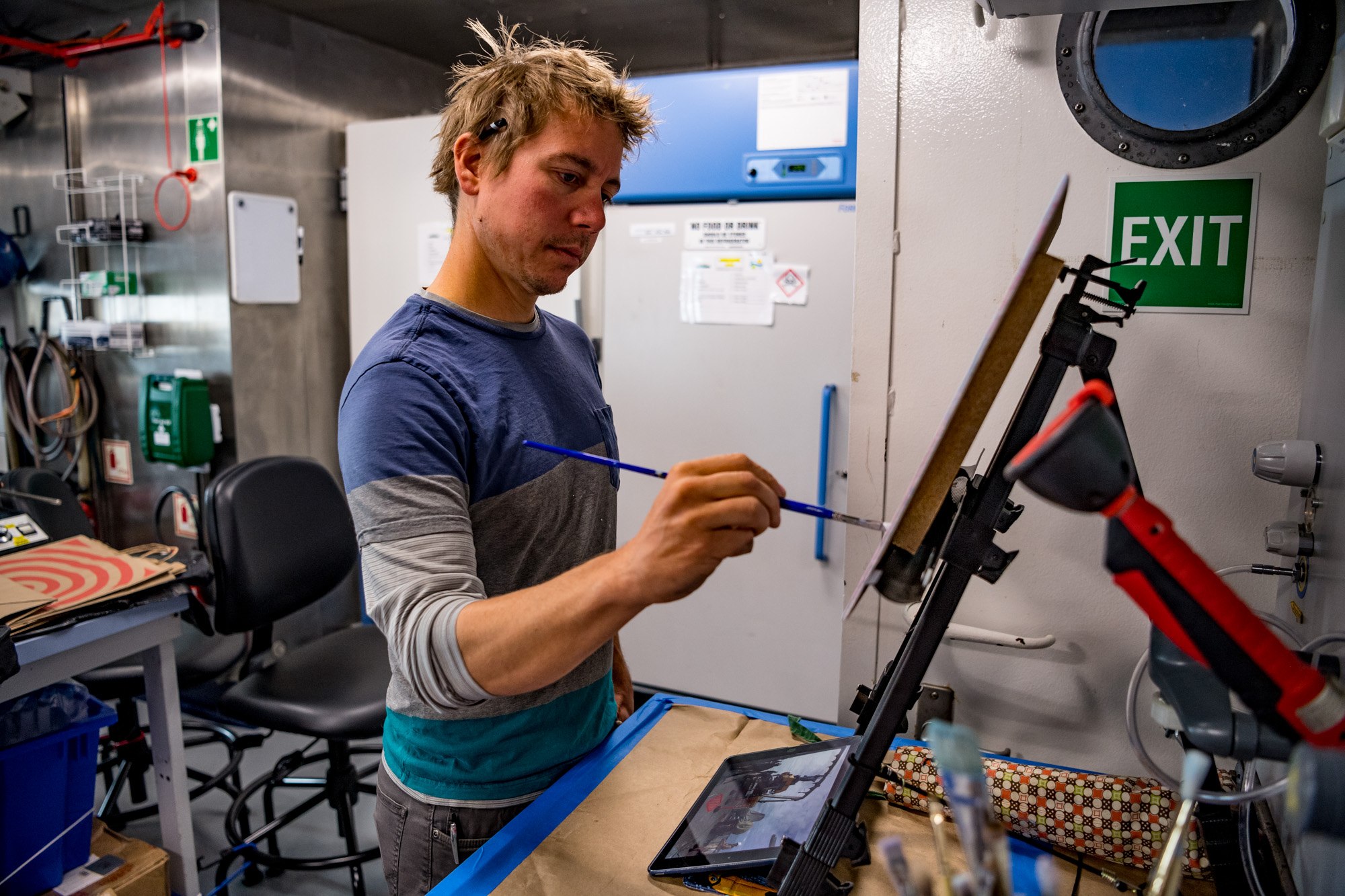
- 14
Details.
26 August 2018
Read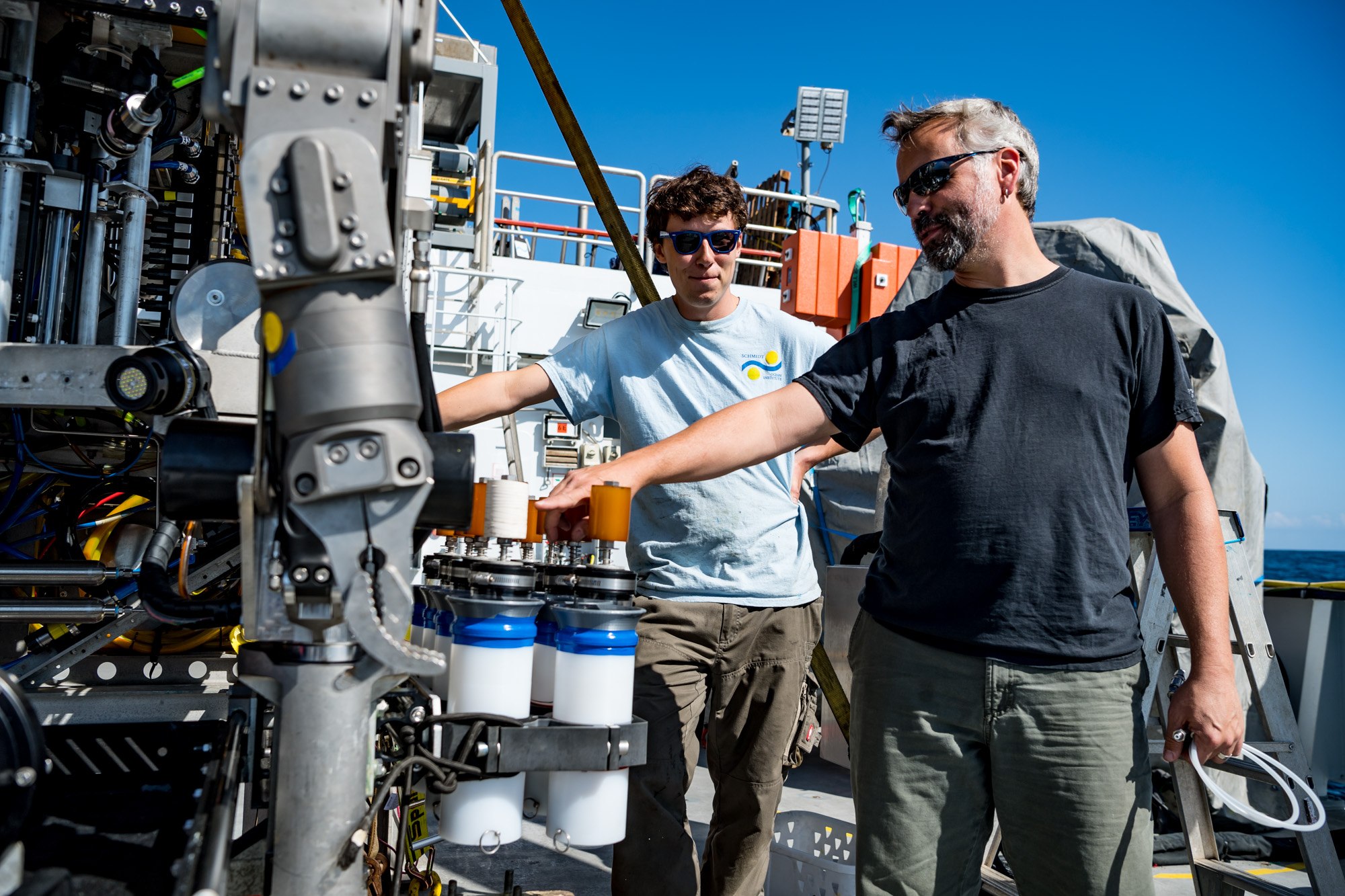
- 15
First Hunting Bubbles Blog
1 January 1970
Read
Divestreams
View all Divestreams
Weekly Videos
View all Weekly VideosDiscover More
Expedition Data
Title  | Type | Repository |
|---|---|---|
| Vessel Underway data | Oceanographic Property Data | Rolling Deck to Repository (R2R) |
| ROV sensor based geoscience data | Oceanographic Property Data, Navigation Data | Marine Geoscience Data System (MGDS) |
| Bubble characterization data | Other | MBLWHOI Library |
| Raw EM710 AND EM302 Bathymetry, Backscatter, and Navigation | Sonar Data | Other |
| ADCP data | Oceanographic Property Data | University of Hawaii SOEST |
Publications from This Expedition
Michel, A. (2019). Laser-based Sensing in Aqueous Environments. Invited Seminar at Wellesley College, Wellesley, MA, USA.
Johnson, A., Michel, A., and S. Wankel. (2019). Development of a Novel Deep-sea in situ Bubble Sampling Instrument: SeaBAT. Poster Presentation at Oceans 2019 Conference, Marseille, France.
Oldham, V., et. al. (2019). Dissolved and Solid-phase Fe and Mn Speciation in Marine Sediments. Oral Presentation at Goldschmidt Meeting, Barcelona, Spain.
Oldham, V., et. al. (2019). On the Origin of Species: Why Mn Speciation Matters. Invited Seminar at University of Rhode Island, Narragansett, RI, USA.
Johnson, A. (2019). Development of a Deep-sea in situ Bubble Sampling Insturment. MS Thesis, MIT-WHOI Joint Program, MA, USA.
Preston, V. (2019). Adaptive Sampling of Transient Environmental Phenomenon with Autonomous Mobile Platforms. MS Thesis, MIT-WHOI Joint Program, MA, USA.
Michel, A., Preston, P., Fauria, V., and Nicholson, D. (2021). Observations of Shallow Methane Bubble Emissions from Cascadia Margin. Front. In Earth Sci., 9, 285, doi: 10.3389/feart.2021.613234.
[This Article was published OPEN ACCESS]Baker, I., and Girguis, P. (2024). Sulfur cycling likely obscures dynamic biologically-driven iron redox cycling in contemporary methane seep environments. Environmental microbiology reports, 16 (3), doi: 10.1111/1758-2229.13263.
[This Article was published OPEN ACCESS]