


Dive In
About the Expedition
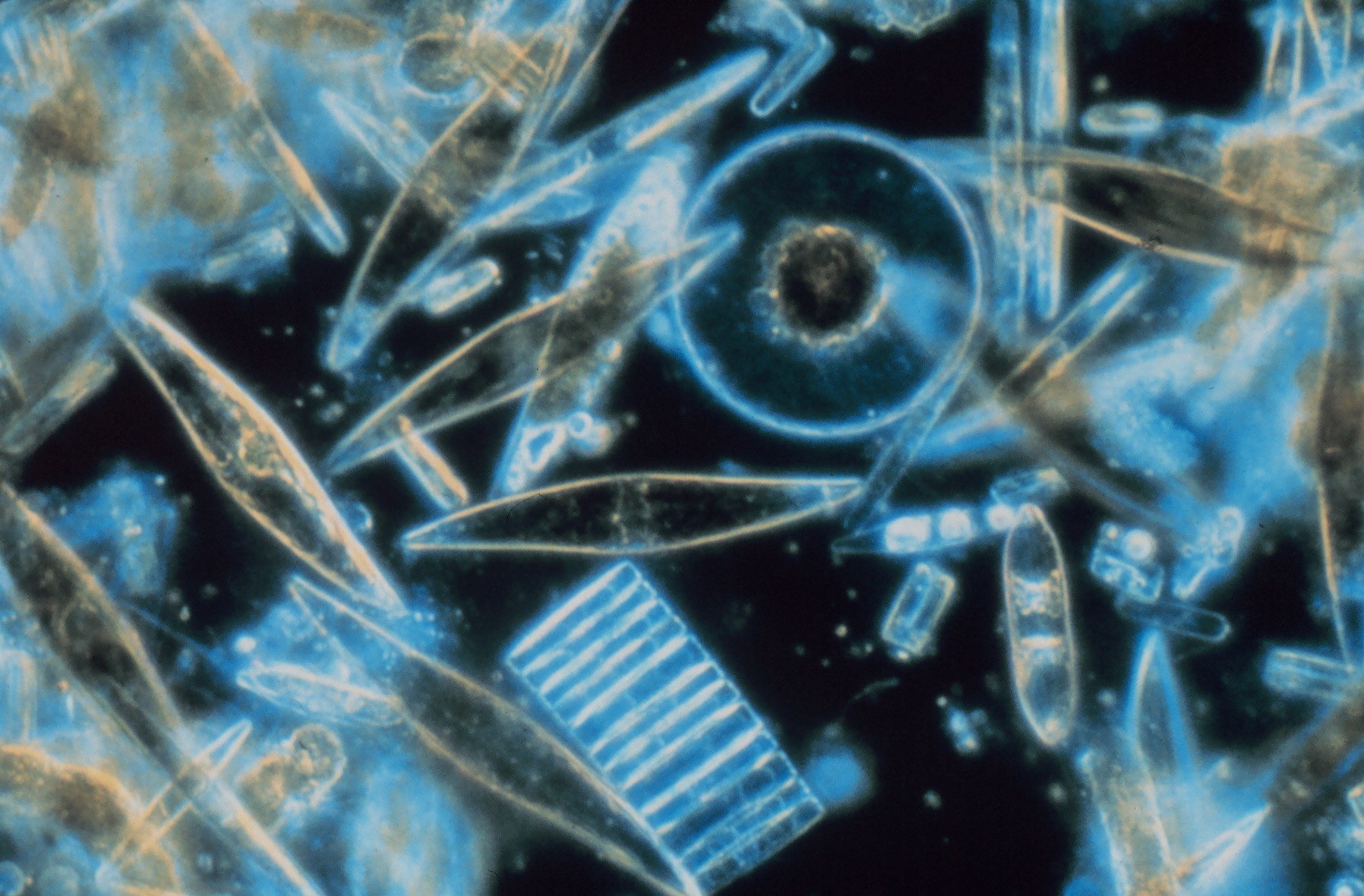
Phytoplankton form the base of the marine food web. These microscopic, single-celled organisms float in seawater, taking in carbon dioxide and using light energy to make carbohydrates. Like land plants, phytoplankton need other elements and compounds (fertilizer) to perform photosynthesis in order to survive and thrive: Nitrogen is one of these key ingredients for phytoplankton growth.
Nitrogen is fascinating and somewhat unique because it cycles through many oxygenation states. This means that there is plenty of energy for organisms to harness and the nitrogen cycle can be used as a lens to understand microbial communities. The quantity of “fixed nitrogen” in the ocean, usually nitrate (NO3–) and ammonium (NH4+), is critical for the existence and development of phytoplankton, and plays a role in the biological carbon pump sequestering carbon dioxide from the atmosphere.
- Dive Markers
- Trackline
The Mission
Being able to recognize the role of fixed nitrogen in ocean processes is important for understanding low-oxygen areas in the world's oceans. Insight into microbial interactions in oxygen deficient waters will allow researchers to better predict the marine response to increased nutrient runoff, eutrophication, and hypoxia - all of which currently threaten the livelihoods of many coastal communities as a warming climate leads to the expansion of low oxygen “dead” zones.
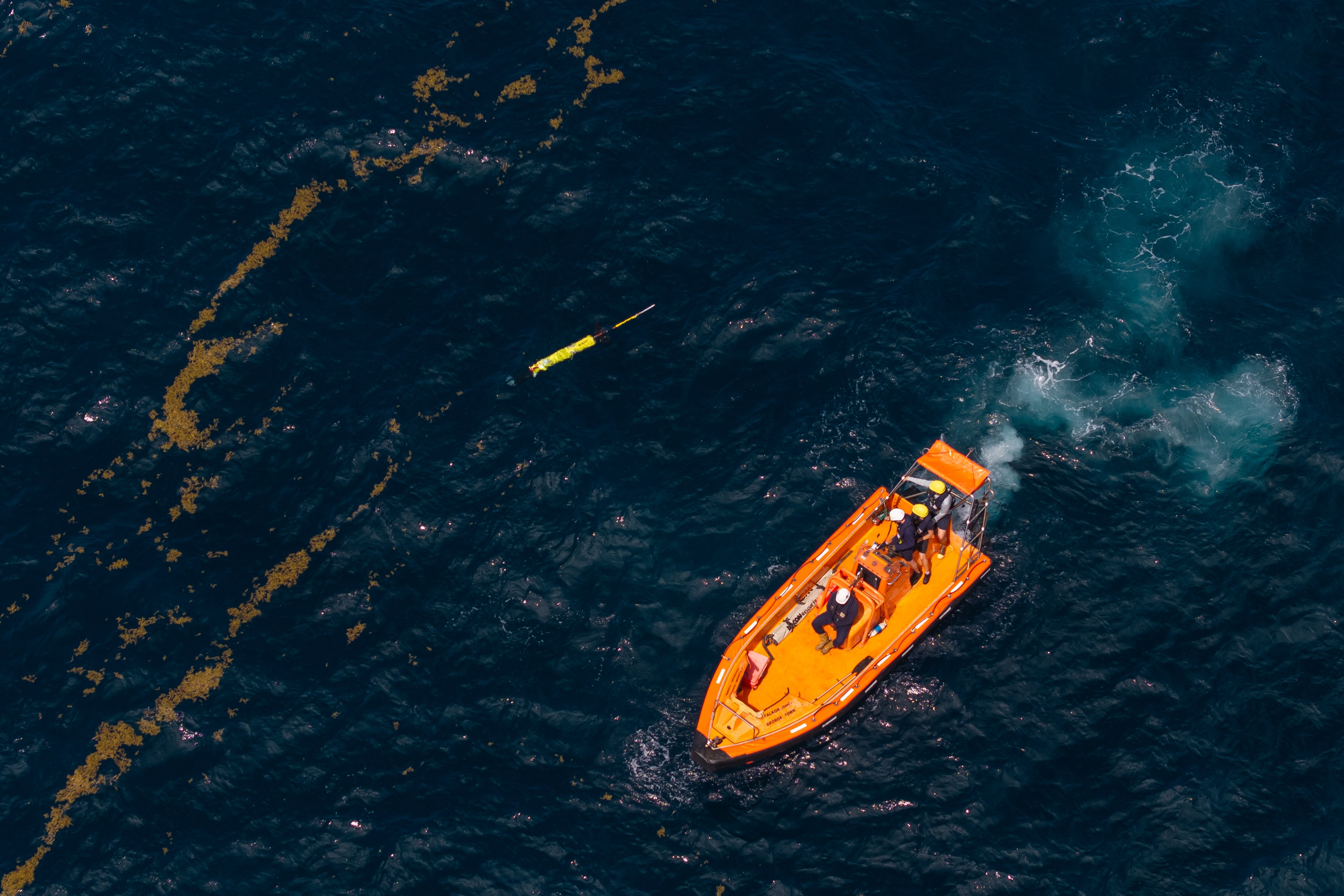
Oxygen Deficient Zones (ODZs) are critical for the carbon, nitrogen, and energy balances in the ocean. In order to examine this on a detailed scale, scientists need to collect water samples that contain these compounds. However, it is difficult to sample, move, and incubate seawater from ODZs without oxygen contamination – until now. During a three-week expedition aboard Falkor, to one of the largest ODZs in the Eastern Tropical North Pacific, Professor Karen Casciotti, Stanford University, and Professor Andrew Babbin, Massachusetts Institute of Technology, will attempt to find a solution with new technology.
Collaboration between oceanographers, chemists, microbial experts, and mechanical engineers will allow the team to develop technology that autonomously incubates and documents microbial processes. These measurements are traditionally conducted shipboard using water samples that are placed in simulated conditions to where they were obtained. The team aboard Falkor will assess the new device’s performance against traditional methods, with state of the art incubations on the ship to determine accuracy, and measure the rates of nitrogen transformation in the region.
In-Water Incubation Devices – A Good Thing
A new generation of autonomous in situ incubation devices that take measurements and record data will be tested and modified by the science team. Prototyped by McLane Research and in collaboration with Dr. Craig Taylor and Dr. Ginny Edgcomb, Woods Hole Oceanographic Institution, the new devices have been designed to autonomously fill an incubation chamber with seawater, conduct experimental treatments, and subsample the incubation at set intervals. Only a few tests have been able to capture water and incubate it at the same depth, and rarely in ODZs.
The team anticipates that oxygen will be leached out of the incubator when first deployed in the ODZ, so that after an initial “soak”, the scientists will be able to initiate experiments in truly oxygen-free conditions. The system can then be used to measure the rates of Nitrogen cycle processes at a variety of depths and corresponding levels of oxygen, nitrite, and ammonium in the water column.
By creating devices that carry out instructions underwater, efficiency will be increased, while preventing topside atmospheric contamination of samples. It will also help scientists to understand altered nitrogen content in a changing ocean and answer fundamental questions about microbes in these regions. Once refined, this technology will be applicable to a wide variety of important questions in marine science, and has the potential to be an irreplaceable tool in future studies.
Team and Collaborators

Andrew Babbin
Co-Principal Investigator
Karen Casciotti
Co-Principal Investigator

Jarek Kwiecinski

Susan Mullen
Diana Dumit

Dalton Hardisty

Ryan Woosley

Natalya Evans

Nicole M. Travis
Elisabeth Boles

Colette Kelly

Tyler Tamasi
Justine Albers
Mary Lide Parker
Multimedia Correspondent
Jessica Orfe
Artist-at-Sea
Martin Wolf

Rin Moriyasu


Explore
Updates from the Ship
All Ship Updates
- 01
A Whirlwind
19 July 2018
Read
- 02
Wrapping Up MicrOMZs - Video Update 3
17 July 2018
Read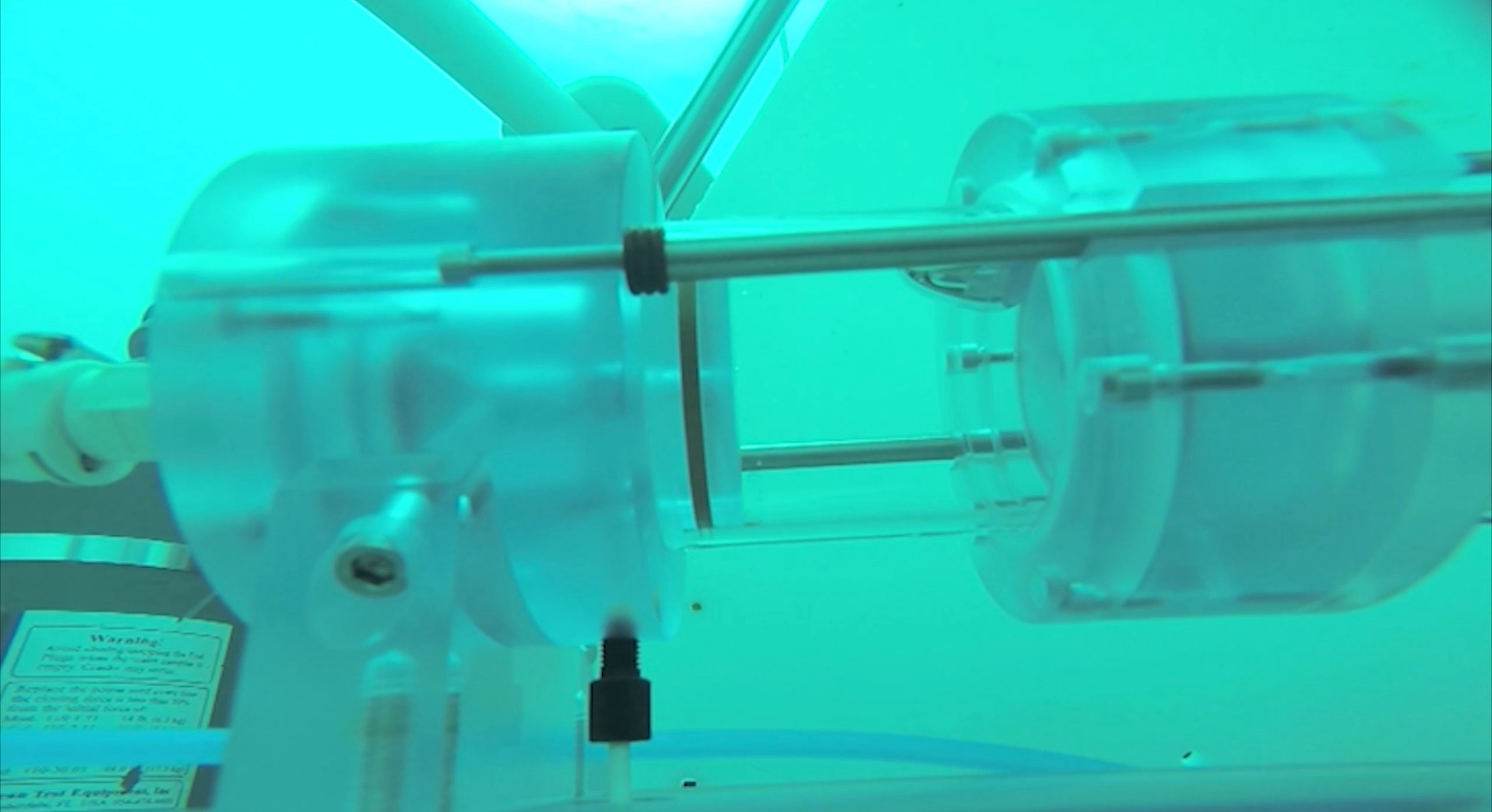
- 03
An Exquisite Dataset
17 July 2018
Read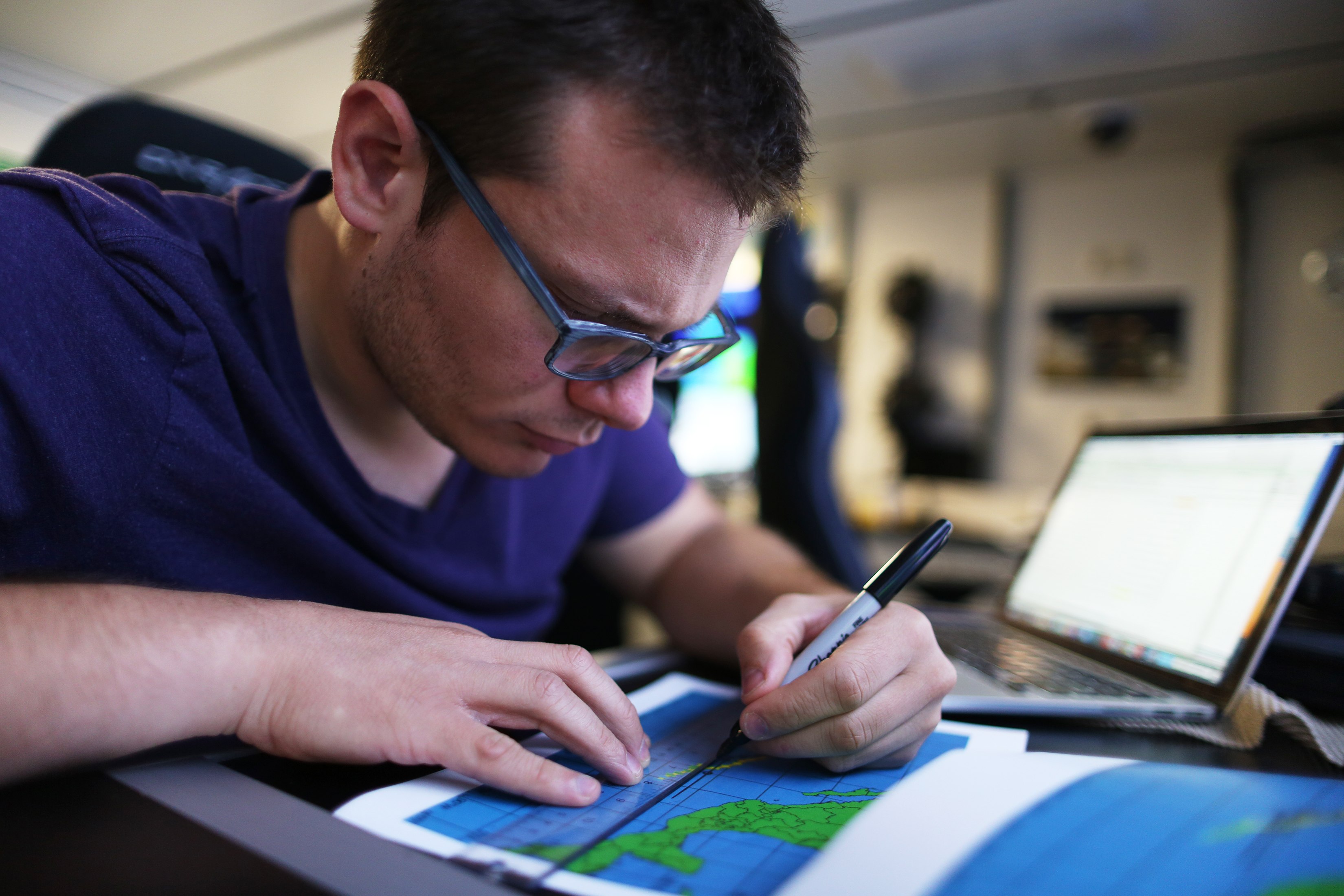
- 04
In The Flow
12 July 2018
Read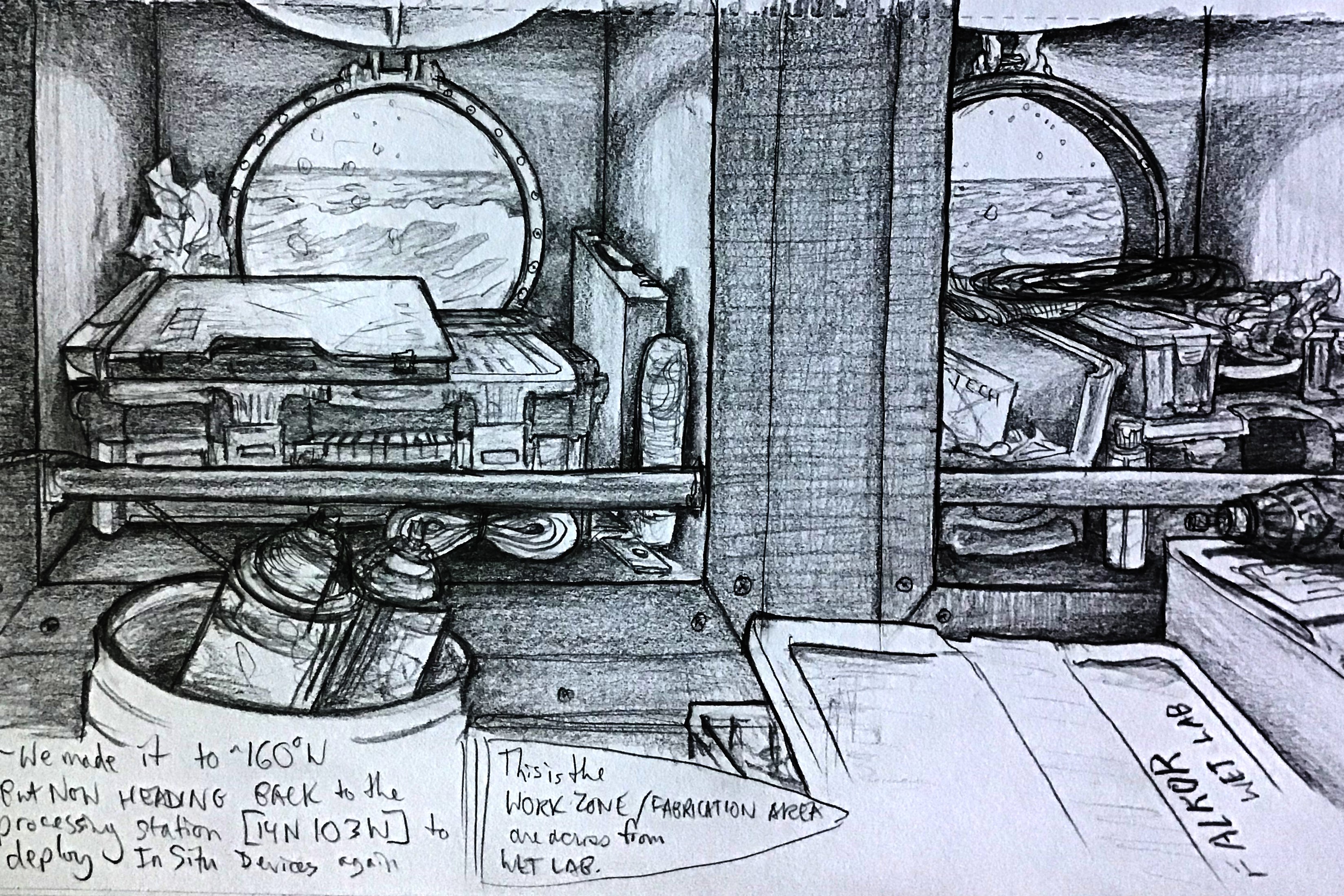
- 05
Studying the Oxygen Minimum Zone - Video Update 2
9 July 2018
Read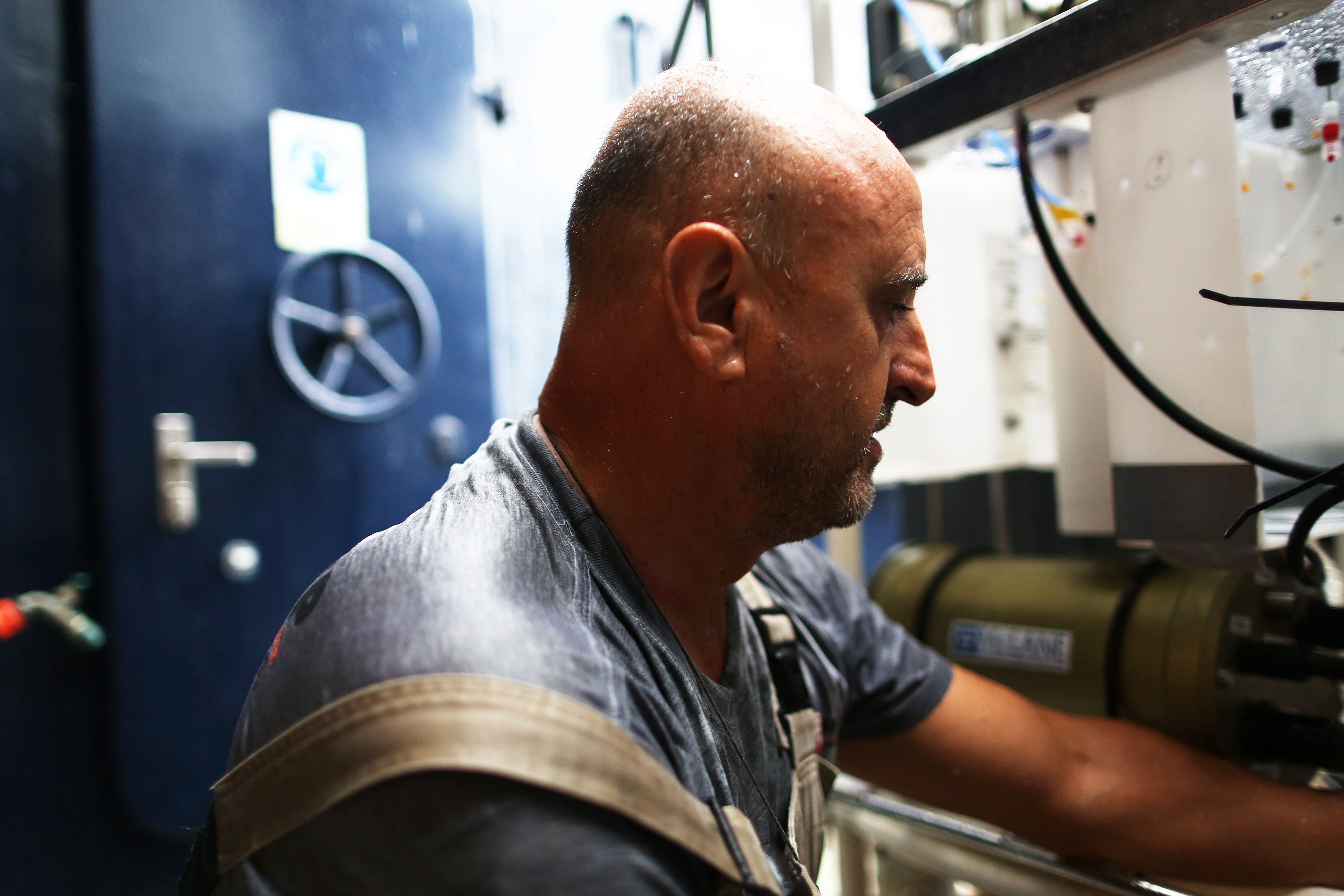
- 06
Meal Time for Microbes
8 July 2018
Read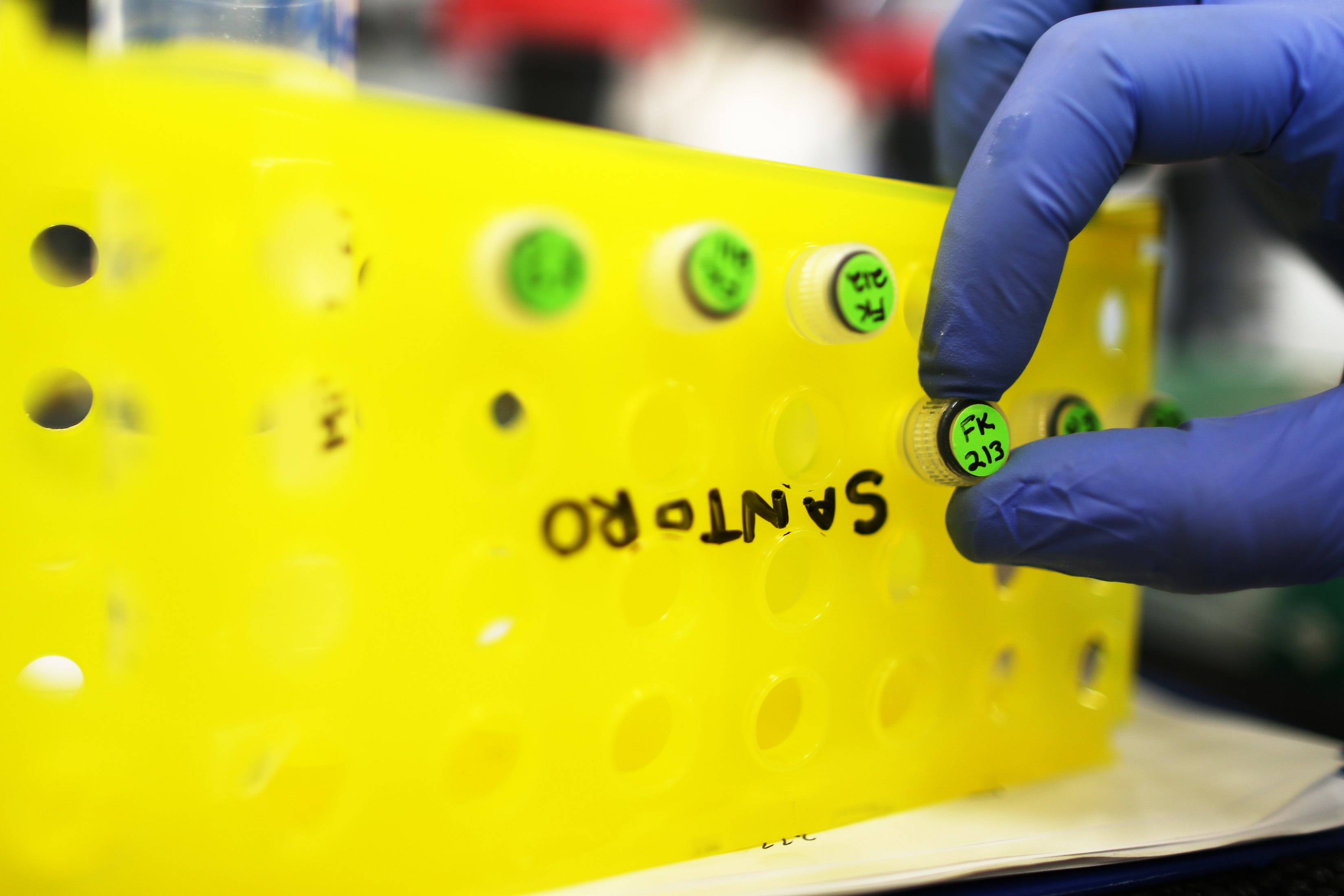
- 07
Head in the Clouds
5 July 2018
Read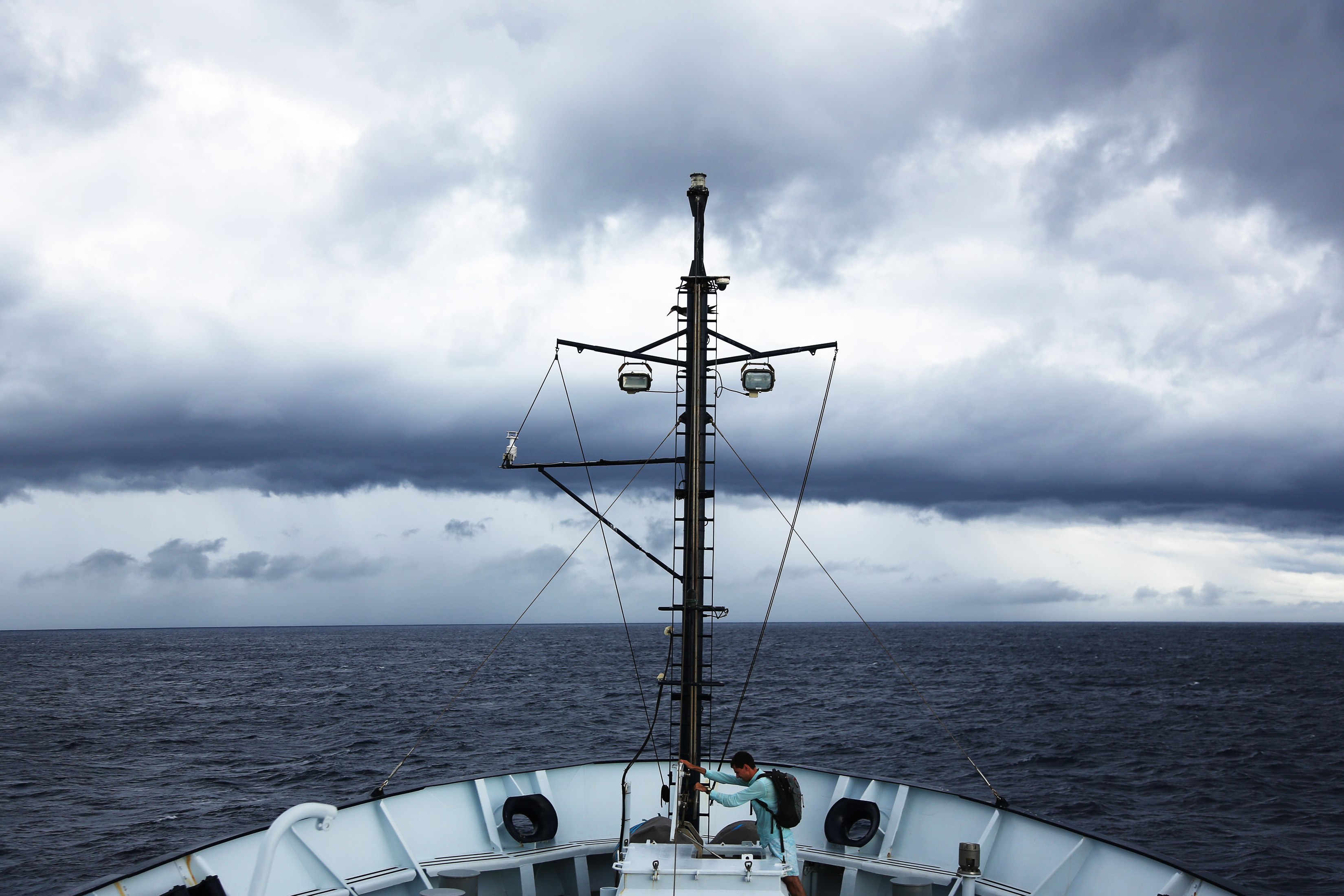
- 08
Studying the Oxygen Minimum Zone - Video Update
3 July 2018
Read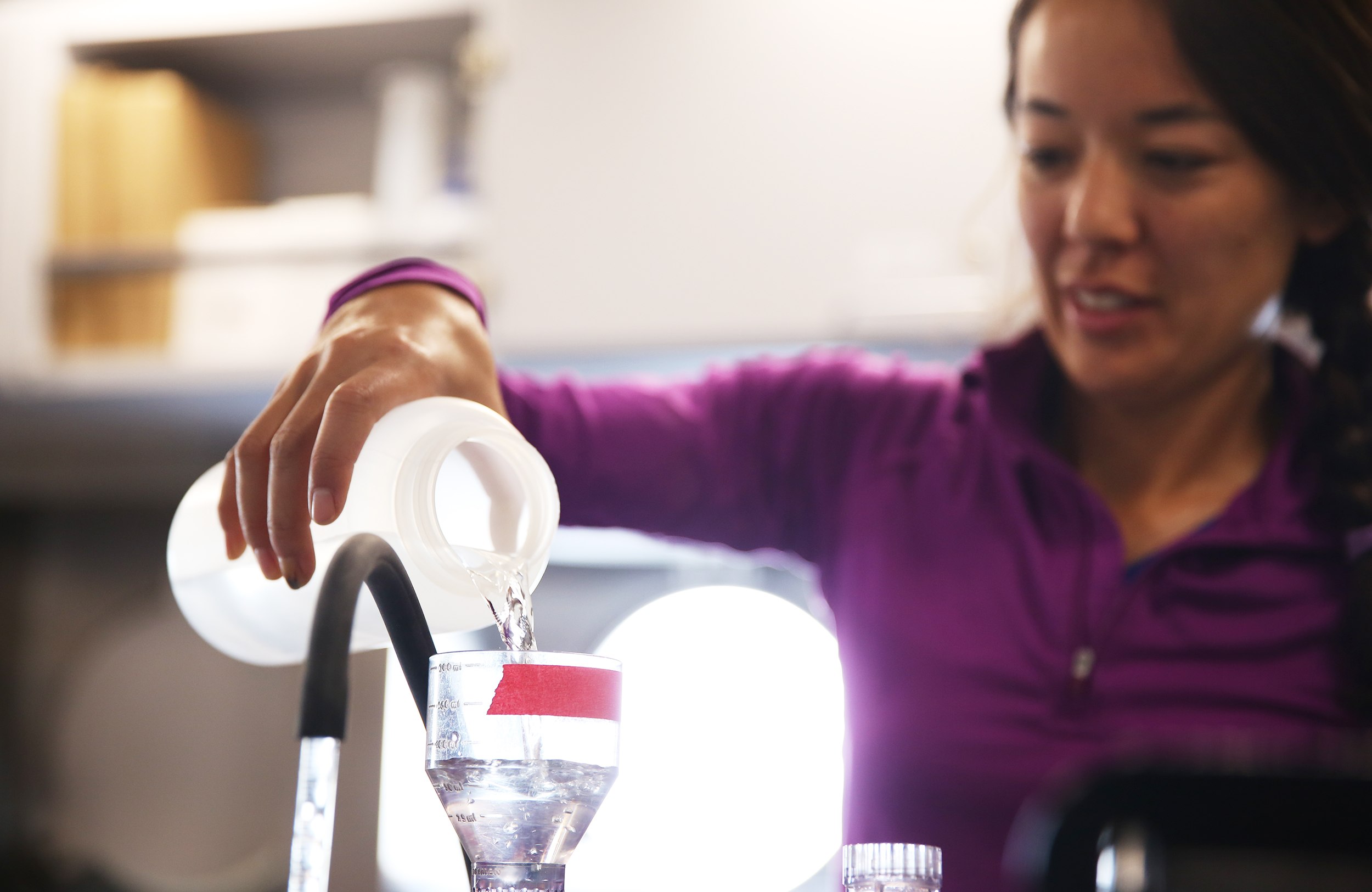
- 09
Building Microbe Homes
1 July 2018
Read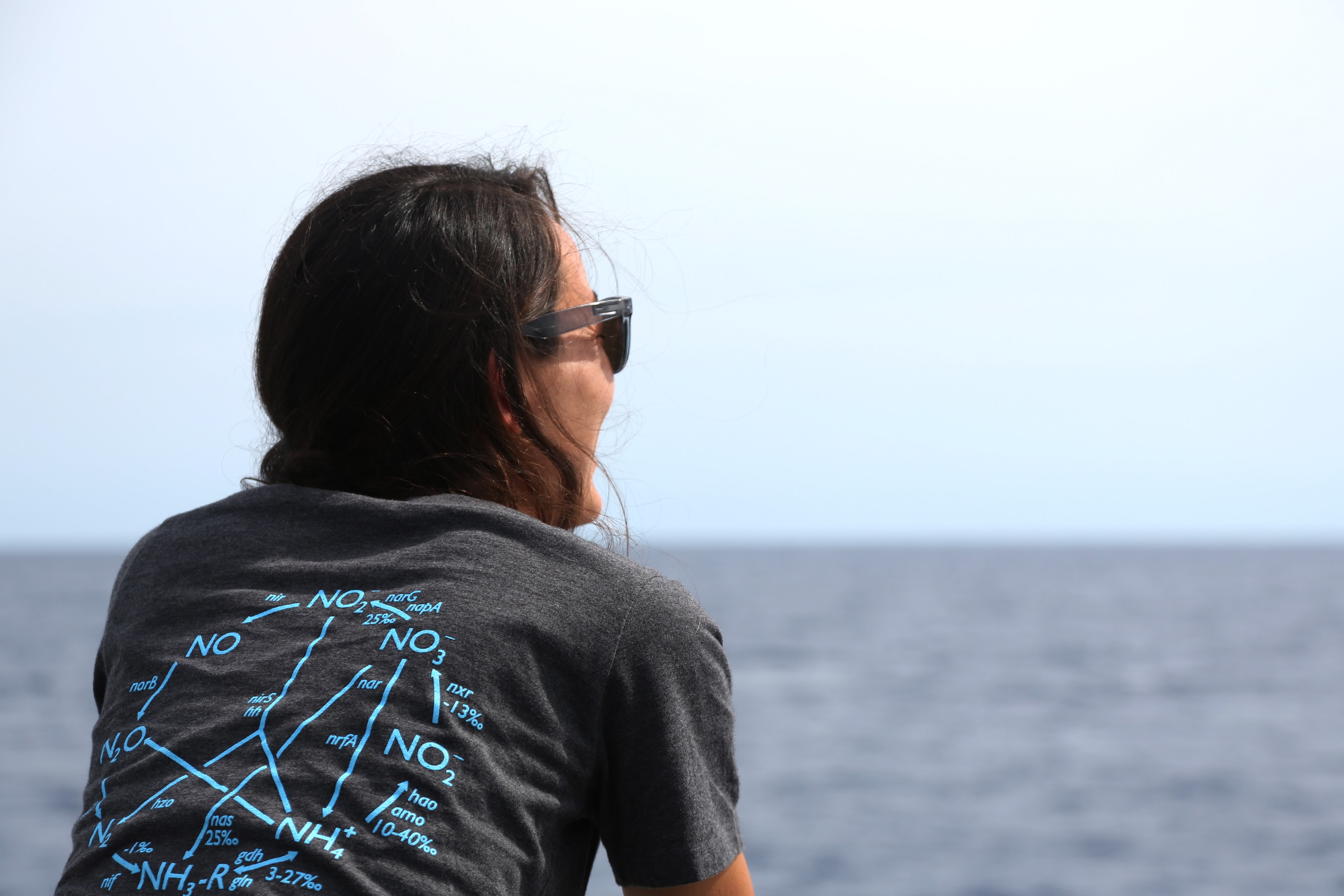
- 10
Embarking and Immersion
29 June 2018
Read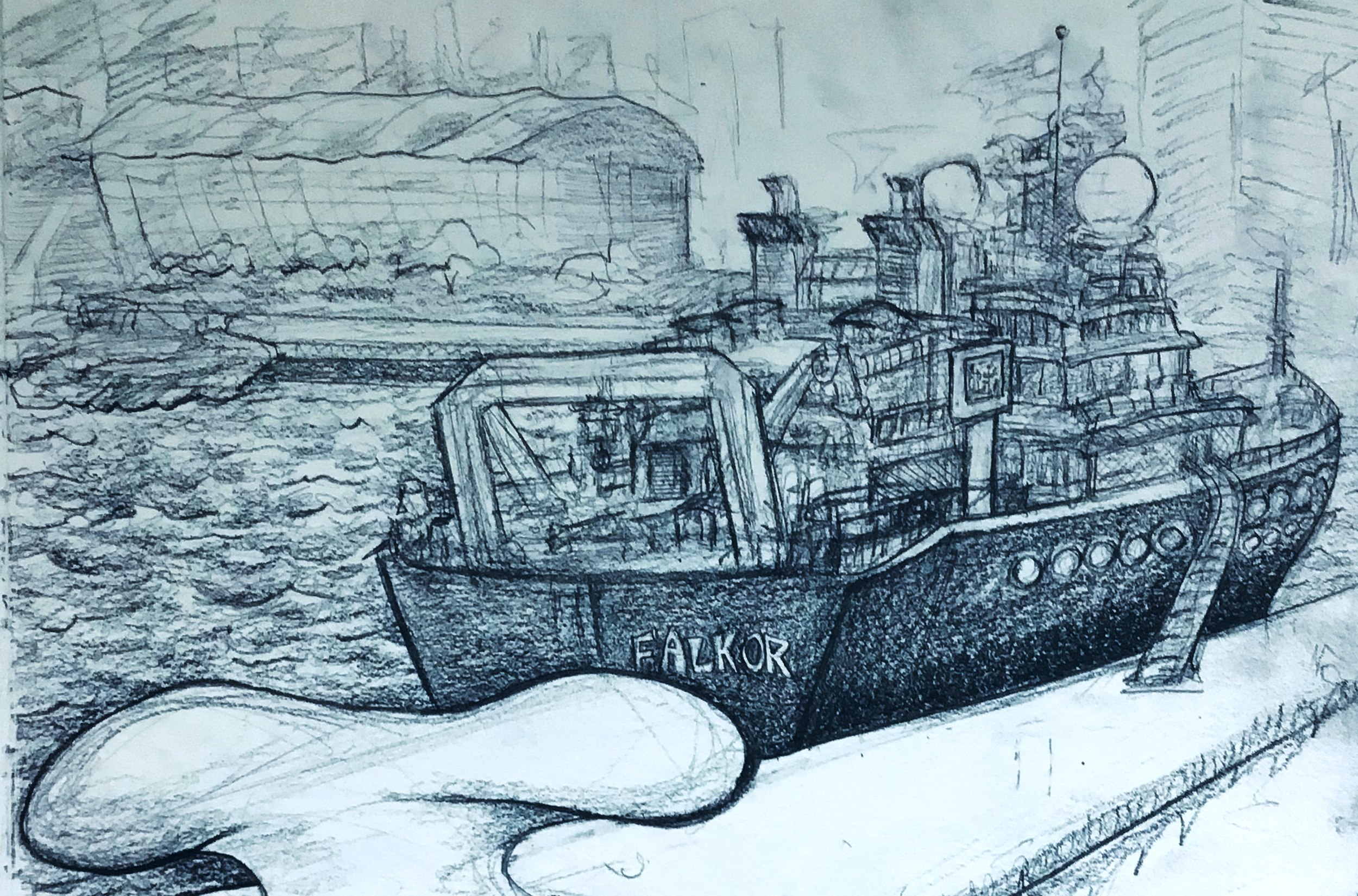
- 11
The Nails
28 June 2018
Read
- 12
The Transformers
26 June 2018
Read
- 13
Backstage
2 February 2018
Read
Discover More
Publications from This Expedition
Babbin, A. (2019) Direct Measurements of Microbial Nitrogen Transformations in Suboxic Waters. Oral Presentation at Gordon Research Conference in Chemical Oceanography, Holderness, NH, USA.
Evans, N., Boles, E., Kwiecinksi, J., Mullen, S., Wolf, M., Devol, A. et. al. (2020). The role of water masses in shaping the distribution of redox active compounds in the Eastern Tropical North Pacific oxygen deficient zone and influencing low oxygen concentrations in the eastern Pacific Ocean. Limn. and Ocean. 65(8), doi: 10.1002/lno.11412.
Hardisty, D., Horner, T., Evans, N., Moriyasu, R., Babbin, A., Wankel, S., et. al. (2021). Limited iodate reduction in shipboard seawater incubations from the Eastern Tropical North Pacific oxygen deficient zone. Earth and Planetary Sci. Letters, Vol. 554, doi: 10.1016/j.epsl.2020.116676.
Moriyasu, R., Evans, N., Bolster, K., Hardisty, D., and Moffett, J. (2020). The Distribution and Redox Speciation of Iodine in the Eastern Tropical North Pacific Ocean. Global Biogeochemical Cycles, 34(2), doi: 10.1029/2019GB006302.
Wolf, M., Goodell, M., Dong, E., Dove, L., Zhang, C., Franco, L., et. al. (2020). A link between the ice nucleation activity and the biogeochemistry of seawater. Atmos. Chem. and Physics, 20(23), doi: 10.5194-acp-20-15341-2020.
[This Article was published OPEN ACCESS]Cinay, T., Dumit, D., Woosley, R., Boles, E., Kwiecinski, J., Mullen, S., et al. (2022). Coincident Biogenic Nitrate and pH Maxima Arise in the Upper Anoxic Layer in the Eastern Tropical North Pacific. Global Biogeochemical Cycles, doi: 10.1029/2022GB007470.
[This Article was published OPEN ACCESS]