


0 results for
- Type in the search bar to begin searching the site.
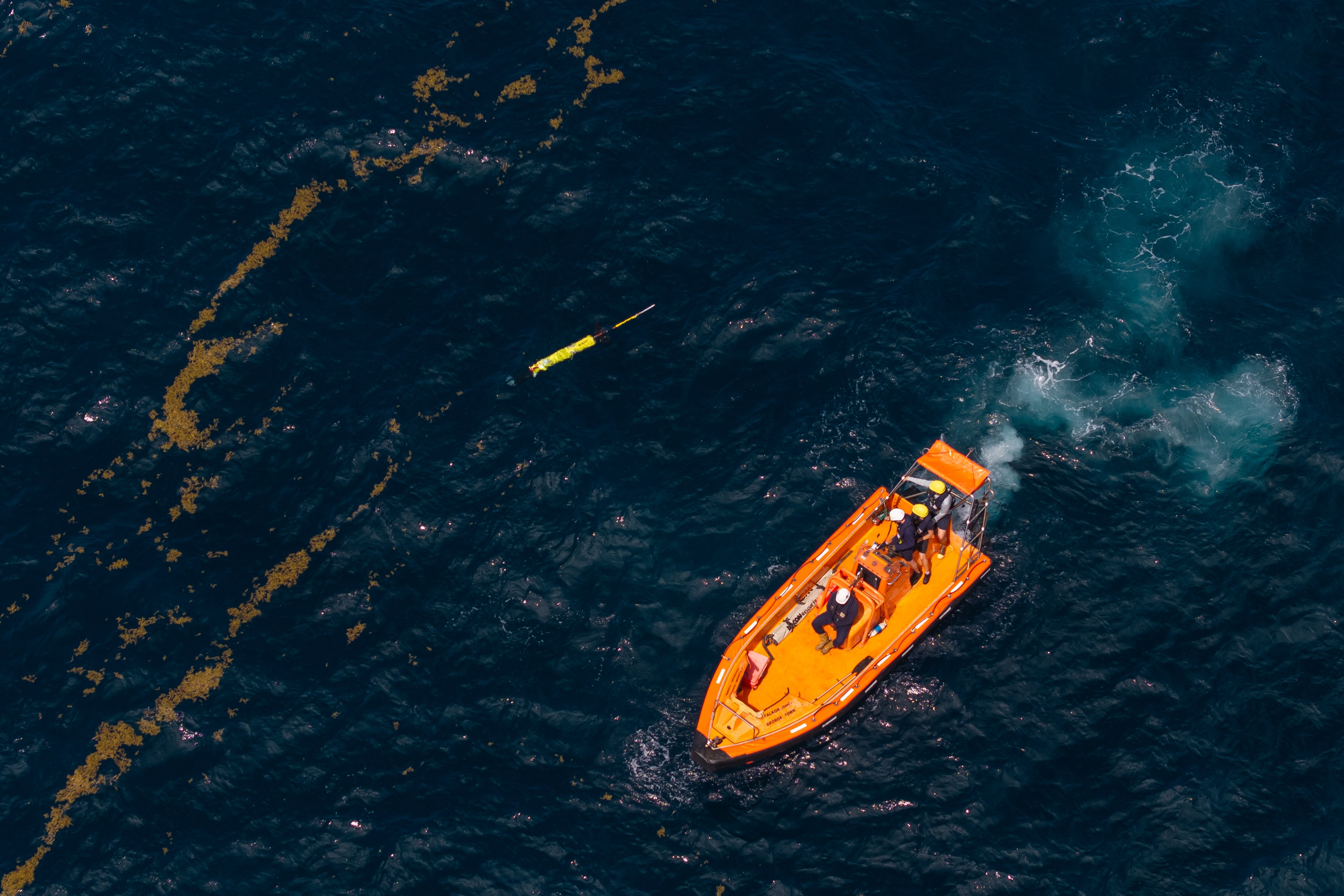
Expeditions
In the coming years, our expeditions will explore understudied regions around all seven continents in our global Ocean.
Latest Expedition
See all
Programs
From grants for caregivers to an artist-at-sea residency, our programs strive to deepen knowledge and inspire a connection with our planet’s life support system.
Latest Expedition
See all
Science Team Resources
To help you plan for your expedition, this hub includes information about outreach, technical specifications for our robotic platforms, a list of lab equipment, information about accessing data repositories, and more.
Latest Expedition
See all
- Our Team

Expeditions & Roles
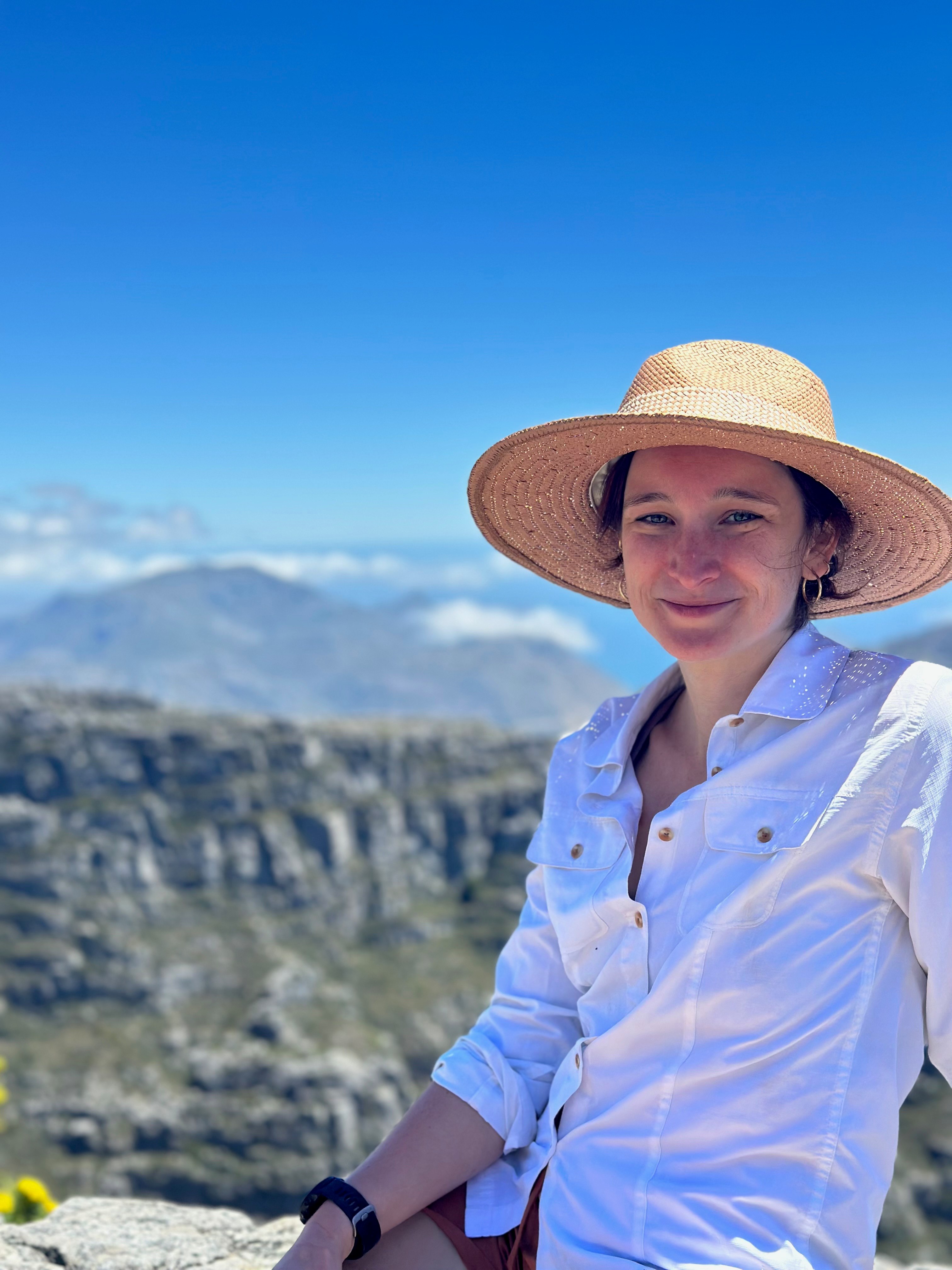
Corday Selden
Co-Chief Scientist
Dr. Corday Selden is Co-Chief Scientist for this expedition and an Assistant Professor in the Department of Marine and Coastal Sciences at Rutgers University. Her research group, the Rutgers University Marine Biogeochemistry Lab (RUMBL), works at the intersection of ocean chemistry, microbial ecology, and climate change science.Nitrogen is the growth-limiting nutrient across most of the ocean. A central theme in Dr. Selden’s research has been to understand how microbial ecophysiology shapes the demand and supply of nitrogen and other nutrients. Recent work has demonstrated that mesoscale physical dynamics on the continental shelf can drive quantitatively important inputs of new nitrogen to the North Atlantic via N2 fixation, and that ocean warming can increase growth in cold iron-limited waters. RUMBL research combines ship-based observations, targeted laboratory experiments, and modeling, applying analytical tools from (isotope) geochemistry and molecular biology.
Dr. Selden received her Ph.D. in Oceanography from Old Dominion University in 2020, for which she earned the Entsminger Outstanding Dissertation award. She subsequently moved to Rutgers where she was selected as a Presidential Postdoctoral Fellow. In 2026, Dr. Selden received The Oceanography Society (TOS) Early Career Award for her contributions to our understanding of how marine microbes regulate ocean chemistry and Earth system function.