


0 results for
- Type in the search bar to begin searching the site.
Expeditions
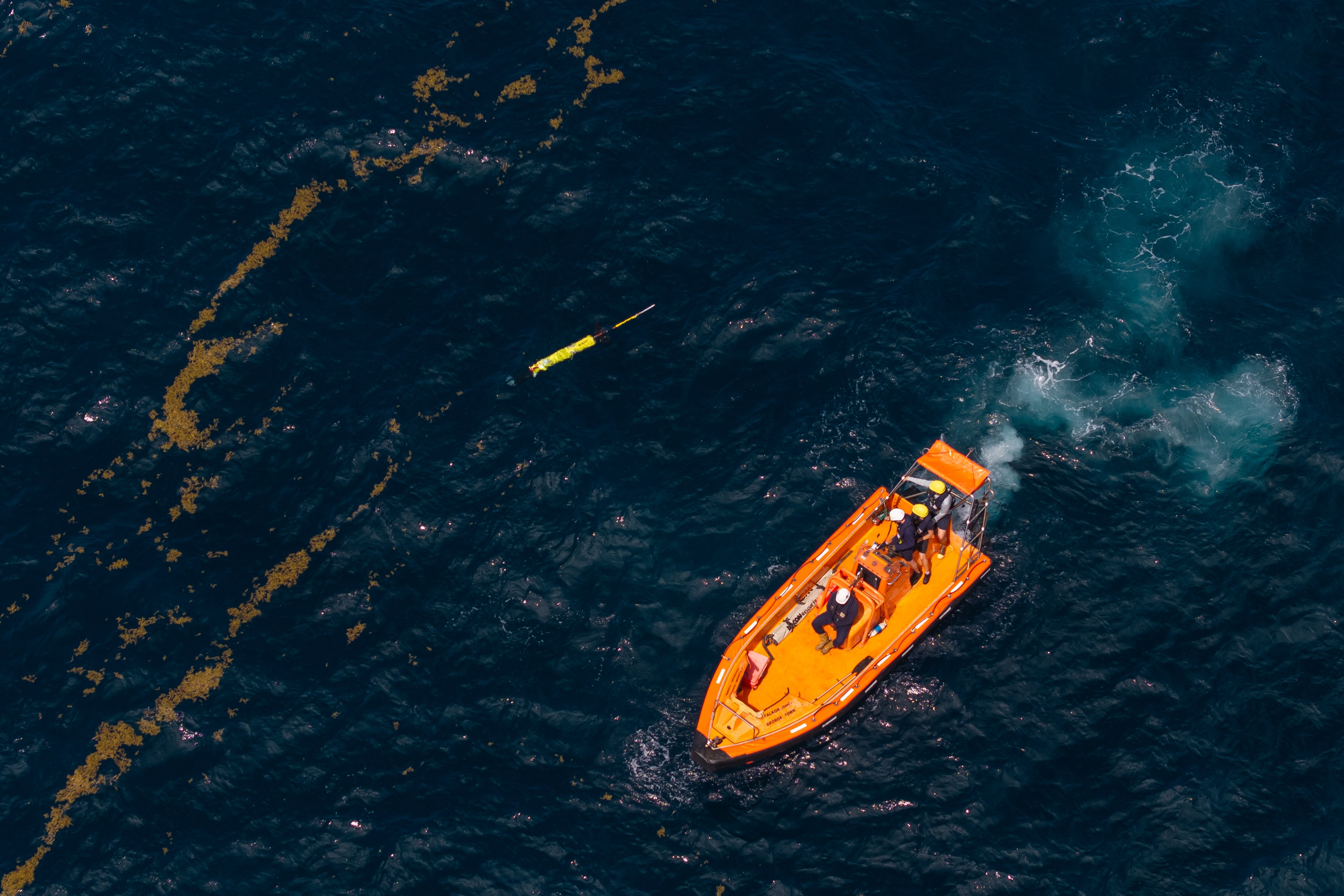
In the coming years, our expeditions will explore understudied regions around all seven continents in our global Ocean.
Latest Expedition
See all
Programs
From grants for caregivers to an artist-at-sea residency, our programs strive to deepen knowledge and inspire a connection with our planet’s life support system.
Latest Expedition
See all
Science Team Resources
To help you plan for your expedition, this hub includes information about outreach, technical specifications for our robotic platforms, a list of lab equipment, information about accessing data repositories, and more.
Latest Expedition
See all
- Our Team

Expeditions & Roles
David Gruber
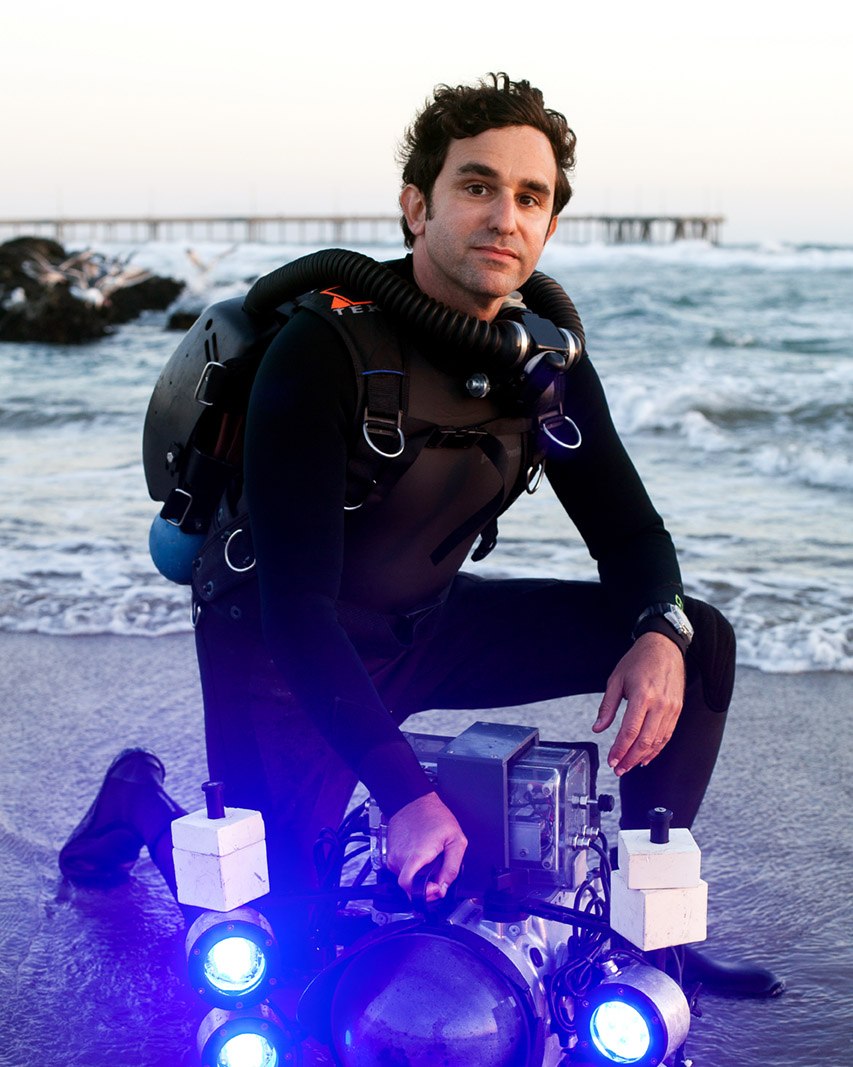
David Gruber is Professor of Biology at City University of New York, Baruch College & The CUNY Graduate Center; Emerging Explorer at the National Geographic Society and Research Associate in Invertebrate Zoology at the American Museum of Natural History. His research pertains to marine biology, photosynthesis genomics and biofluorescence/bioluminescence on coral reefs. He and his collaborators have discovered scores of novel fluorescent compounds from marine animals. Several of these compounds have been deployed as tools to study cancer drugs and to understand the brain. David was recently awarded the National Geographic Innovation Challenge grant with Harvard roboticist Rob Wood to develop new "soft" and "delicate" deep sea sampling tools, a project that the National Science Foundation is now funding to develop “squishy robot arms.” He developed a “Shark-Eye” camera to gain a shark’s perspective of their marine environment. On the Discovering Deep Sea Corals of the Phoenix Islands expedition, he worked with Erik Cordes to explore the depth range of biofluorescence on mesophotic reef corals and sharks; and with Daniel Vogt of the Harvard Microrobotics Laboratory to test and utilize soft robots that can delicately interact and examine deep sea marine life of the Phoenix Islands.
Expeditions & Roles