


0 results for
- Type in the search bar to begin searching the site.
Expeditions
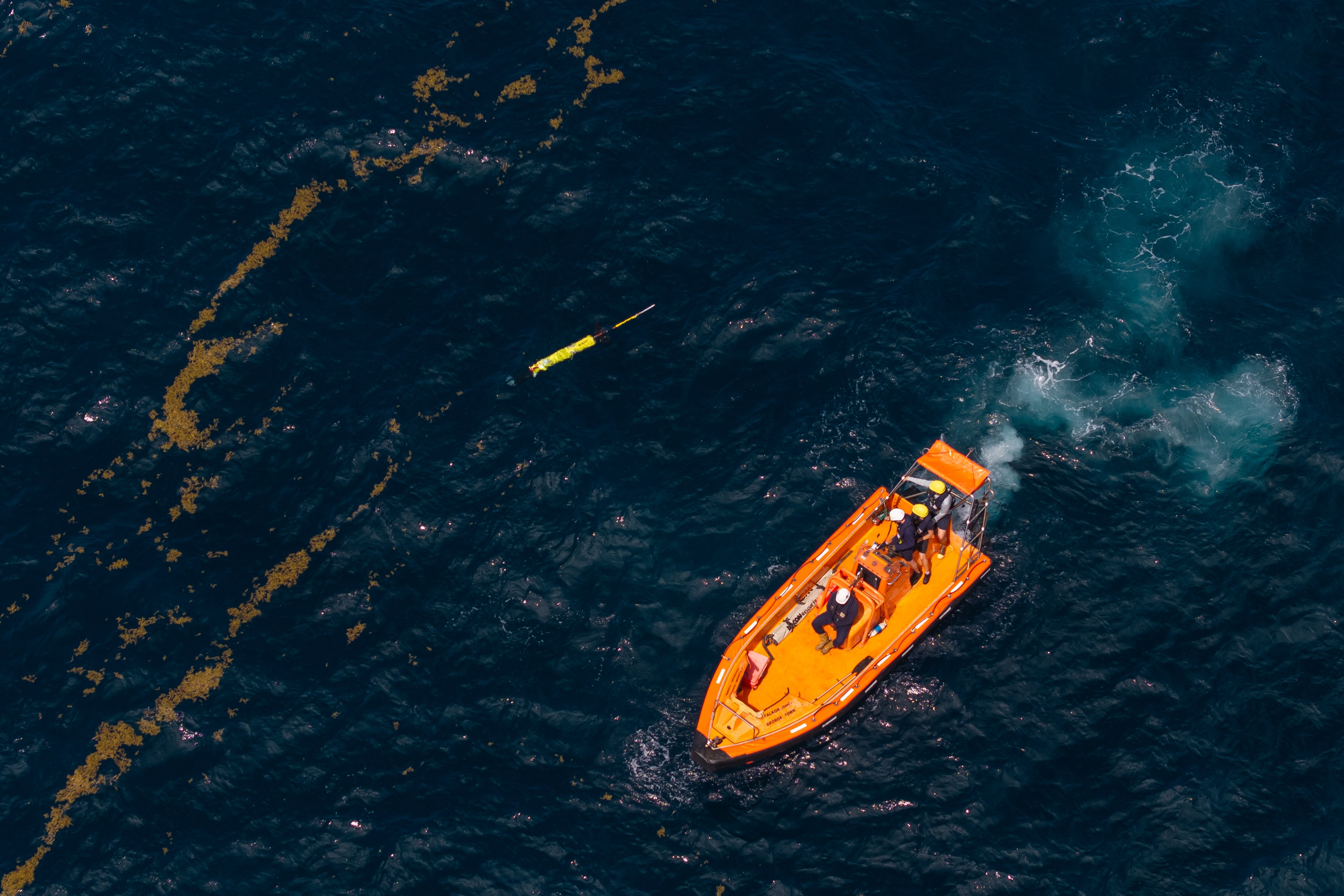
In the coming years, our expeditions will explore understudied regions around all seven continents in our global Ocean.
Latest Expedition
See all
Programs
From grants for caregivers to an artist-at-sea residency, our programs strive to deepen knowledge and inspire a connection with our planet’s life support system.
Latest Expedition
See all
Science Team Resources
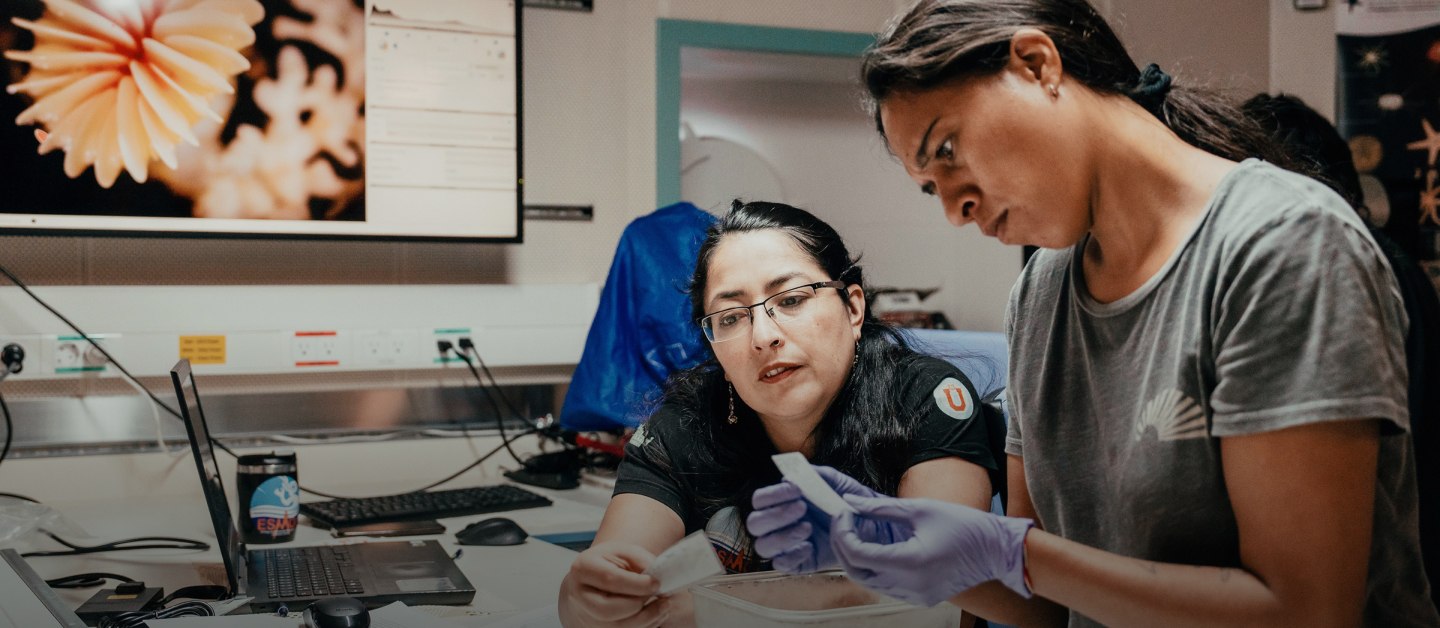
To help you plan for your expedition, this hub includes information about outreach, technical specifications for our robotic platforms, a list of lab equipment, information about accessing data repositories, and more.
Latest Expedition
See all
- Our Team

Expeditions & Roles
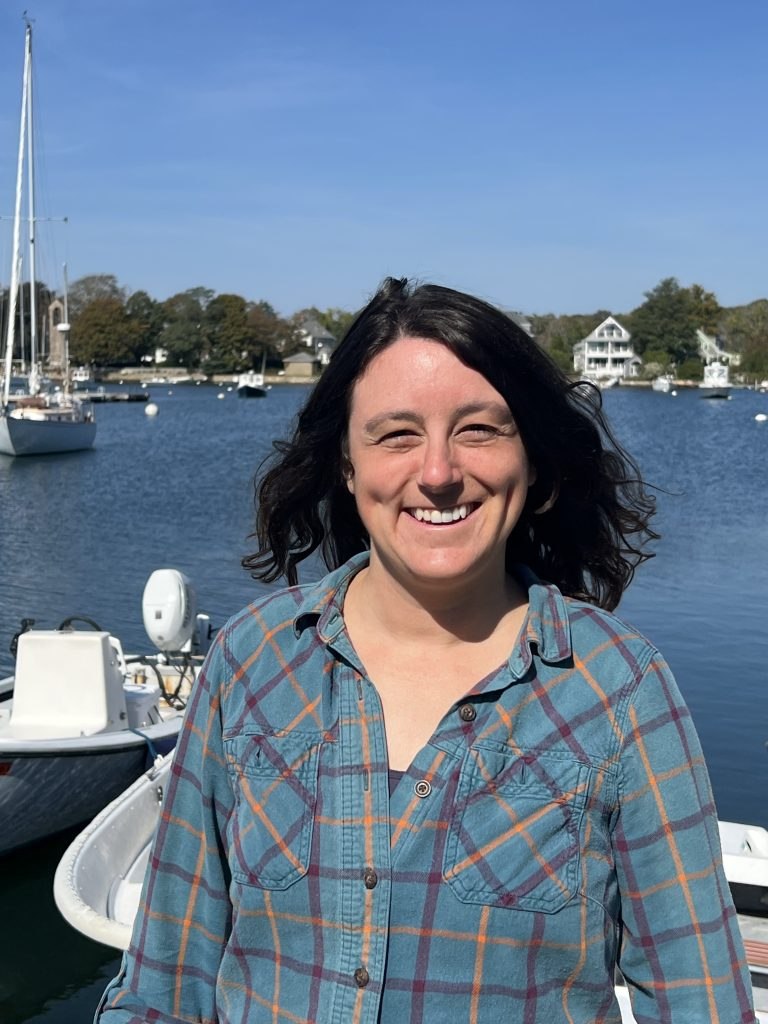
Johanna Weston
Johanna Weston is a postdoctoral investigator at the Woods Hole Oceanographic Institution. Her research seeks to understand how biodiversity and connectivity shape ecosystem resilience in the deep ocean—an environment that provides critical ecosystem services but remains understudied—and is increasingly threatened by climate change and human activity. Her research investigates the ecological connections between fragmented, island-like habitats, hadal depth subduction trenches, hydrothermal vents, and seeps. Dr. Weston uses amphipods, the highly diverse and abundant crustacean order, to test how the environment shapes communities and drives genetic connectivity, how past conditions shape diversity and distribution, and how human actions impact the deep ocean. To tackle these urgent questions about marine biodiversity at different scales, Dr. Weston integrates principles from ecology, natural history, geosciences, and engineering and uses cutting-edge tools such as deep-ocean vehicles, genomics, and 3D x-ray imaging. From her work, she has participated in six expeditions, published papers about crustaceans in all five oceans, led the naming of five new species (including two new genera), and invented a novel all-ocean depth zooplankton sampler.