


0 results for
- Type in the search bar to begin searching the site.
Expeditions
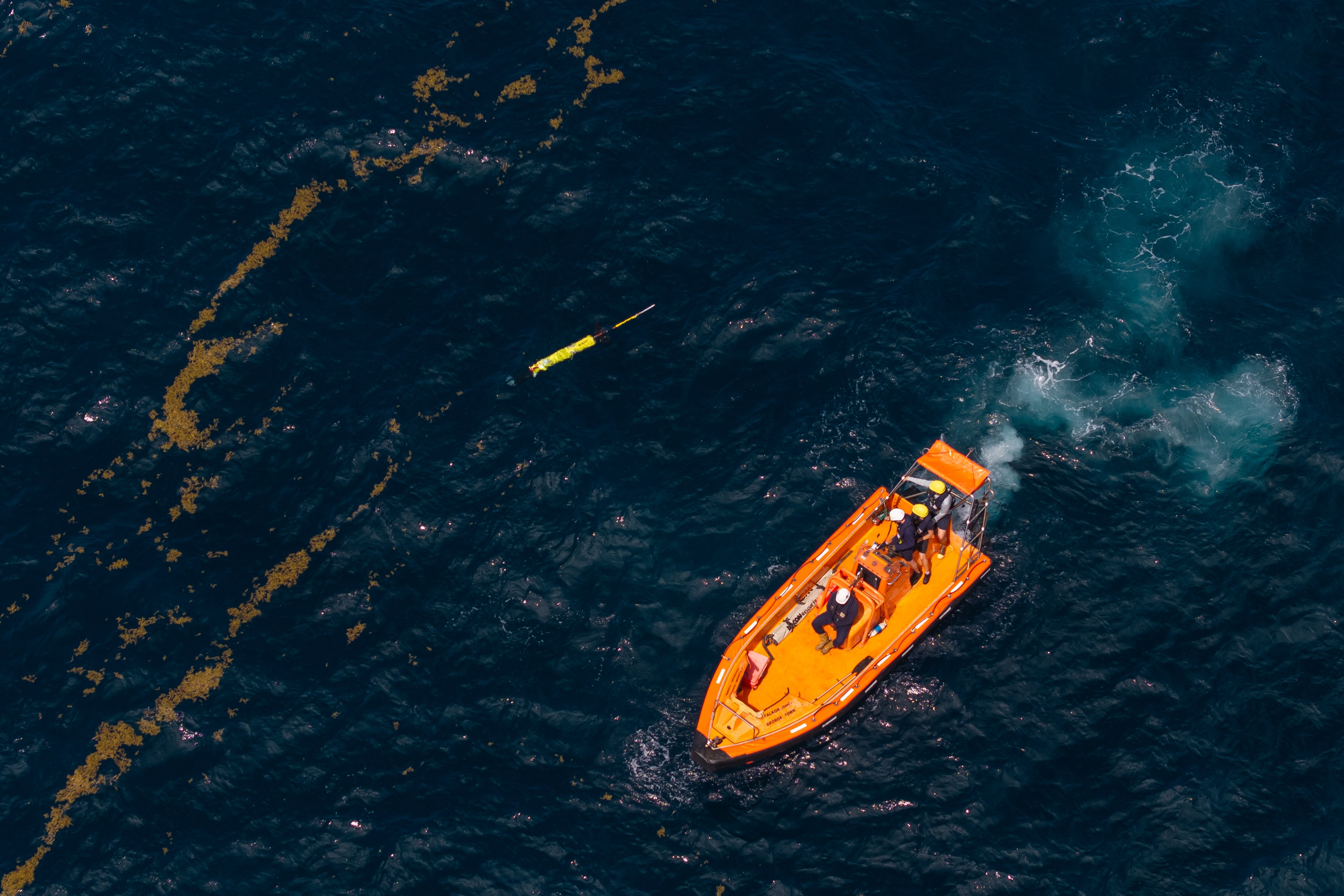
In the coming years, our expeditions will explore understudied regions around all seven continents in our global Ocean.
Latest Expedition
See all
Programs
From grants for caregivers to an artist-at-sea residency, our programs strive to deepen knowledge and inspire a connection with our planet’s life support system.
Latest Expedition
See all
Science Team Resources
To help you plan for your expedition, this hub includes information about outreach, technical specifications for our robotic platforms, a list of lab equipment, information about accessing data repositories, and more.
Latest Expedition
See all
- Our Team


Expeditions & Roles
Lucia Cancelada
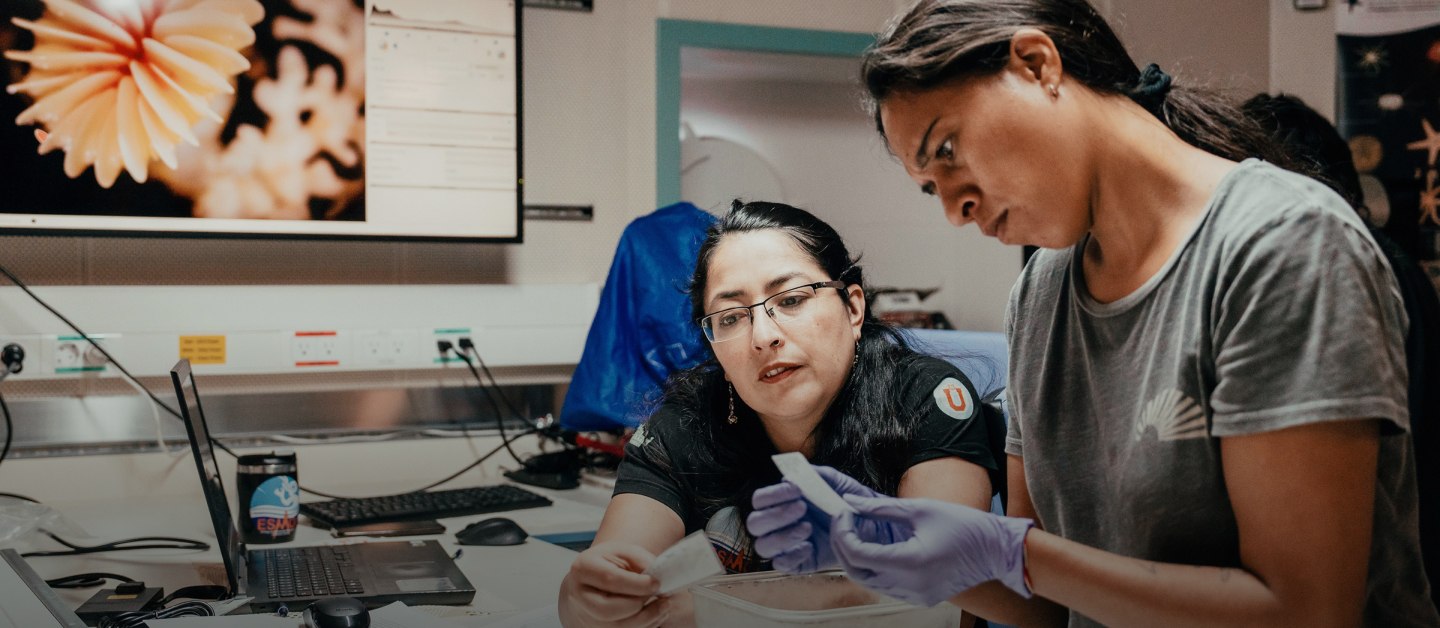
I’m an Argentinian analytical chemist (PhD‘25, UC San Diego) with a particular interest in applying metabolomics and mass spectrometry tools to understand microbial carbon processing in marine environments. I’m currently a postdoctoral researcher in the Ingalls lab at University of Washington and part of the Bioreactors team at the Ocean Biogeochemistry Virtual Institute (OBVI), which aims to examine how bacterial metabolic pathways in fish gut microbiomes control the fate of oceanic carbon on a scale of global significance.
My PhD research explored how human activities alter the journey of organic carbon from land into coastal waters. I developed a new approach combining laboratory experiments and data analysis to identify thousands of organic molecules in seawater. I tested it in three very different regions: peatlands in Borneo, where iron controls sunlight‑driven carbon breakdown; melting Patagonian glaciers, which introduce unique chemical compounds into the global carbon cycle; and the Tijuana River Estuary in Southern California, where emerging pollutants linked to wastewater appear.