


0 results for
- Type in the search bar to begin searching the site.
Expeditions
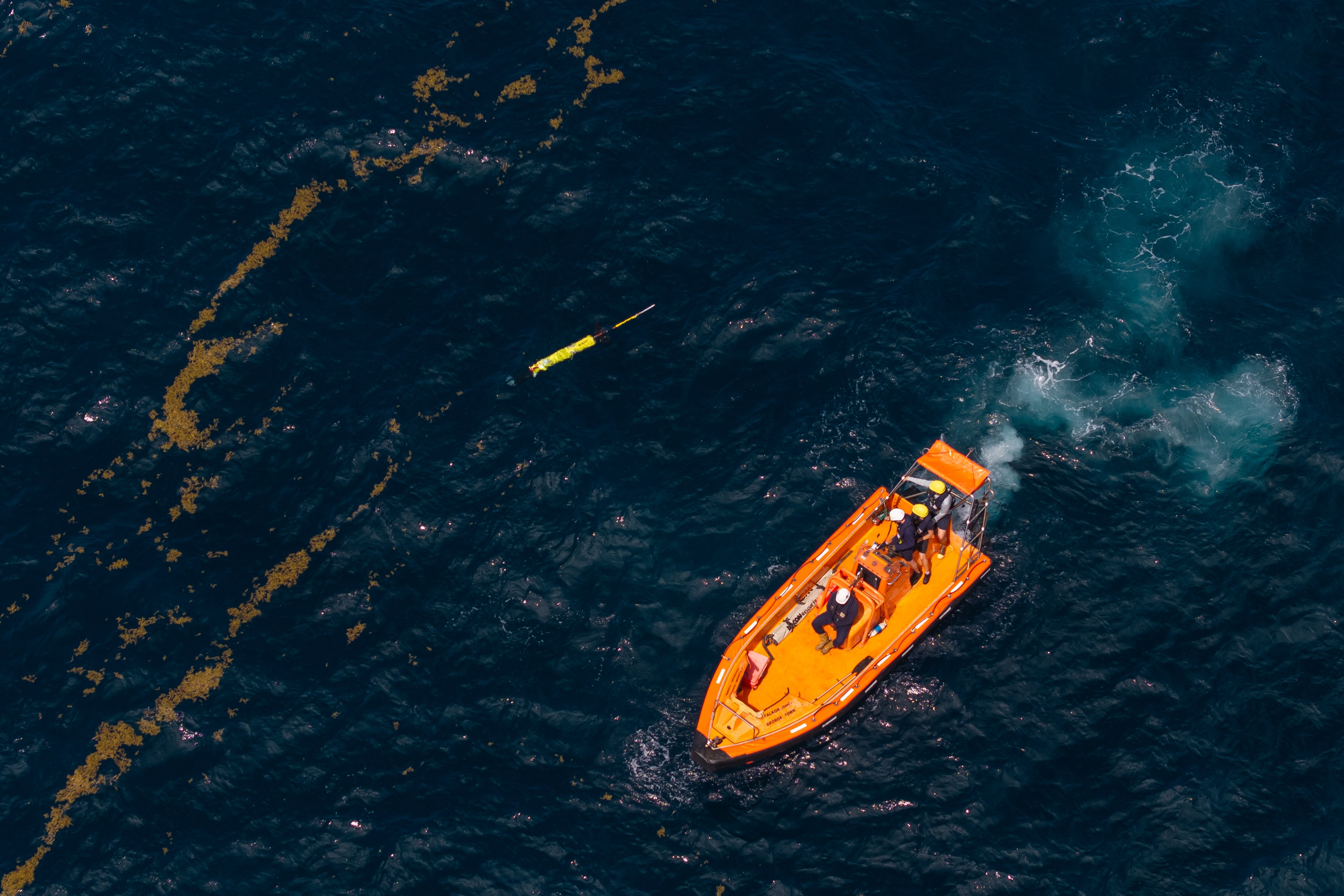
In the coming years, our expeditions will explore understudied regions around all seven continents in our global Ocean.
Latest Expedition
See all
Programs
From grants for caregivers to an artist-at-sea residency, our programs strive to deepen knowledge and inspire a connection with our planet’s life support system.
Latest Expedition
See all
Science Team Resources
To help you plan for your expedition, this hub includes information about outreach, technical specifications for our robotic platforms, a list of lab equipment, information about accessing data repositories, and more.
Latest Expedition
See all
- Our Team

Expeditions & Roles
Maressa De Oliveira Costa
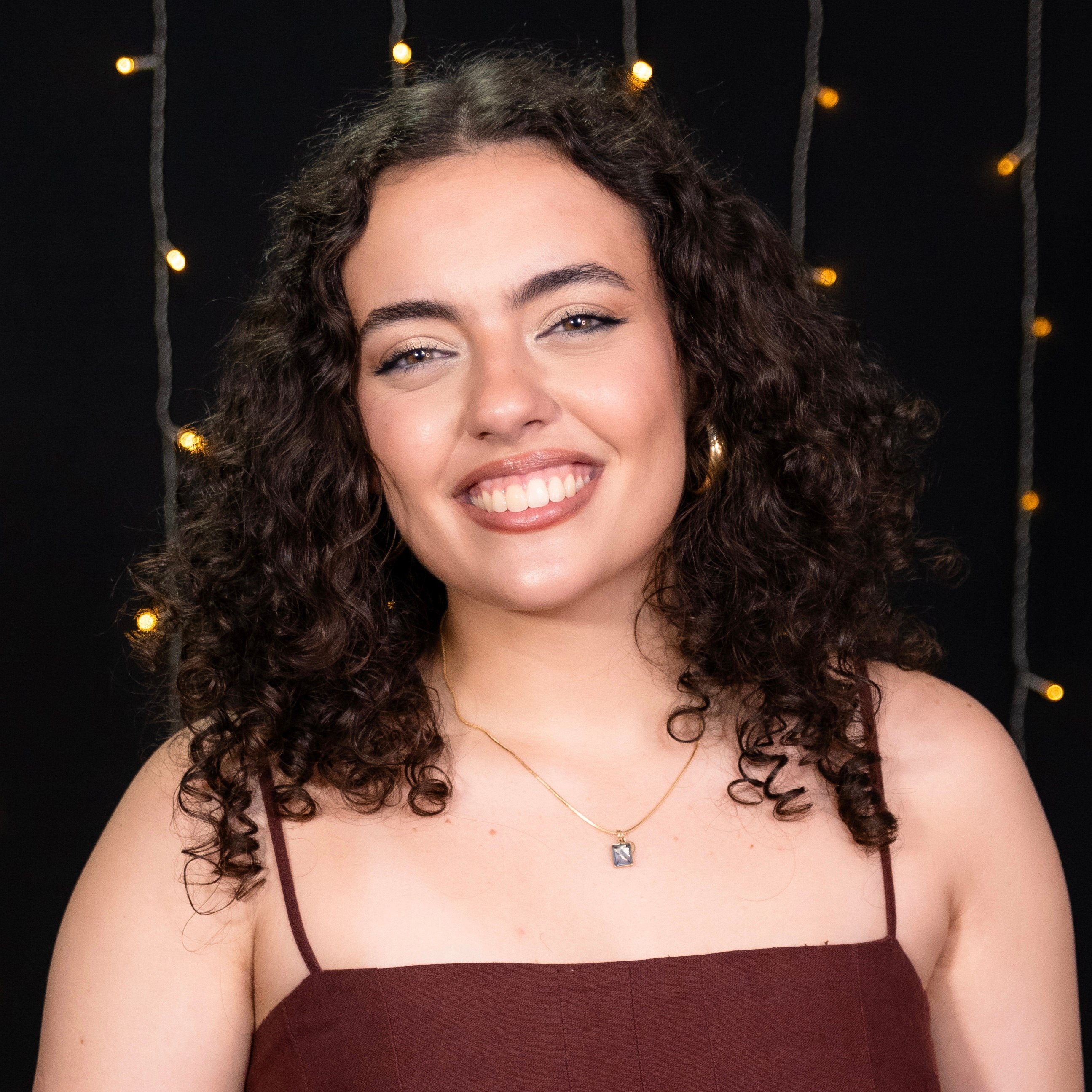
Maressa de Oliveira Costa is a Master’s student in the Grupo de Ecologia Bêntica at the Department of Oceanography and Ecology, Universidade Federal do Espírito Santo (UFES), where she also obtained her Bachelor’s degree in Oceanography. During her undergraduate studies, she worked for three years on the sorting and analysis of marine zooplankton samples, developing her thesis on the dispersal of bryozoan larvae in adjacent oceanic regions.For the past two years, she has been a member of the Grupo de Ecologia Bêntica, contributing to a range of research activities. She has experience in the taxonomic sorting of benthic macrofauna, as well as in field sampling and environmental data collection in rocky shore environments. Currently, in her Master’s research, she focuses on mangrove ecosystems, investigating carbon balance through field sampling and experimental approaches.In addition, she is a third-semester student in the Geoprocessing technical program at the Instituto Federal do Espírito Santo (IFES), focusing on map development to support laboratory research.