


0 results for
- Type in the search bar to begin searching the site.
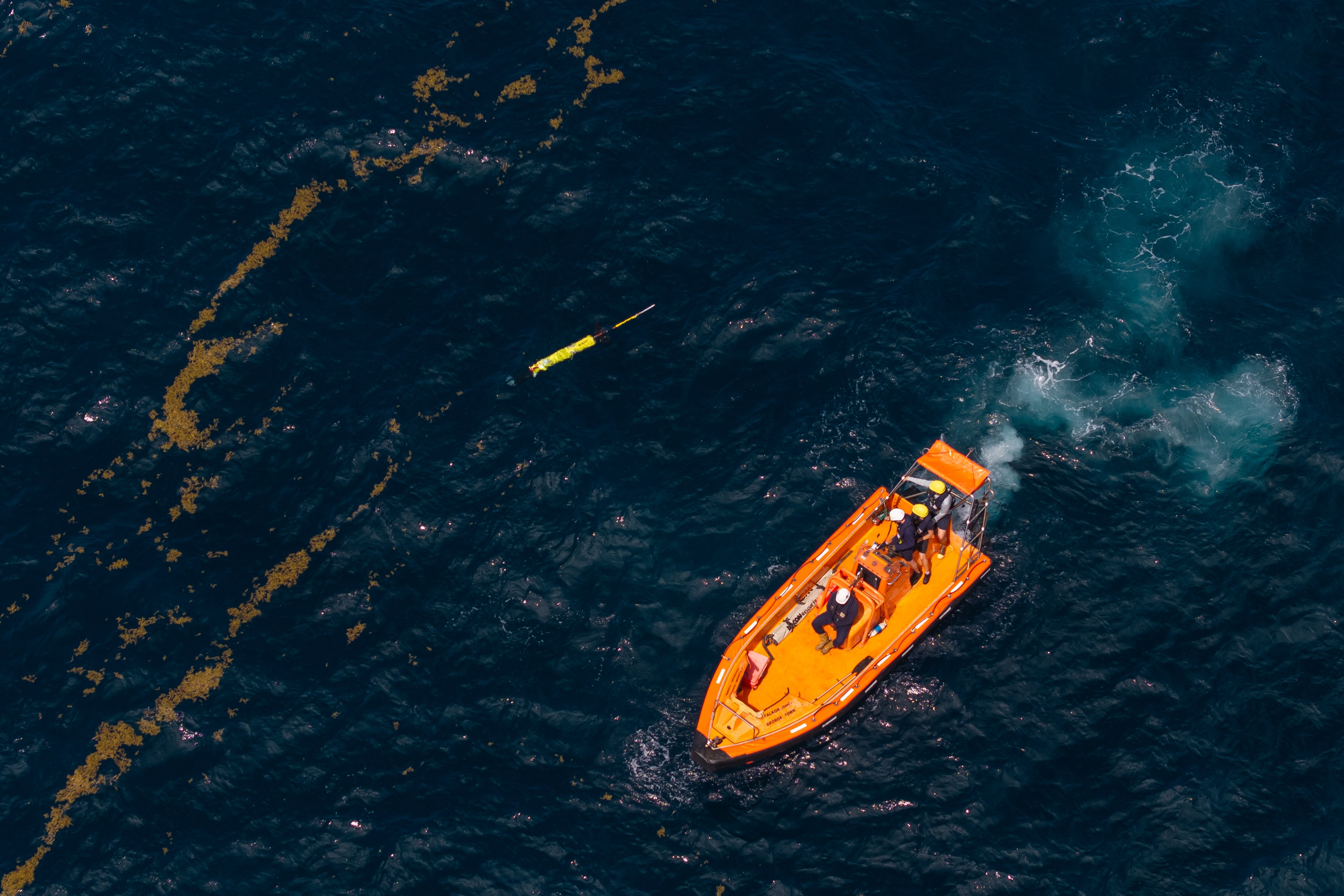
Expeditions
In the coming years, our expeditions will explore understudied regions around all seven continents in our global Ocean.
Latest Expedition
See all
Programs
From grants for caregivers to an artist-at-sea residency, our programs strive to deepen knowledge and inspire a connection with our planet’s life support system.
Latest Expedition
See all
Science Team Resources
To help you plan for your expedition, this hub includes information about outreach, technical specifications for our robotic platforms, a list of lab equipment, information about accessing data repositories, and more.
Latest Expedition
See all
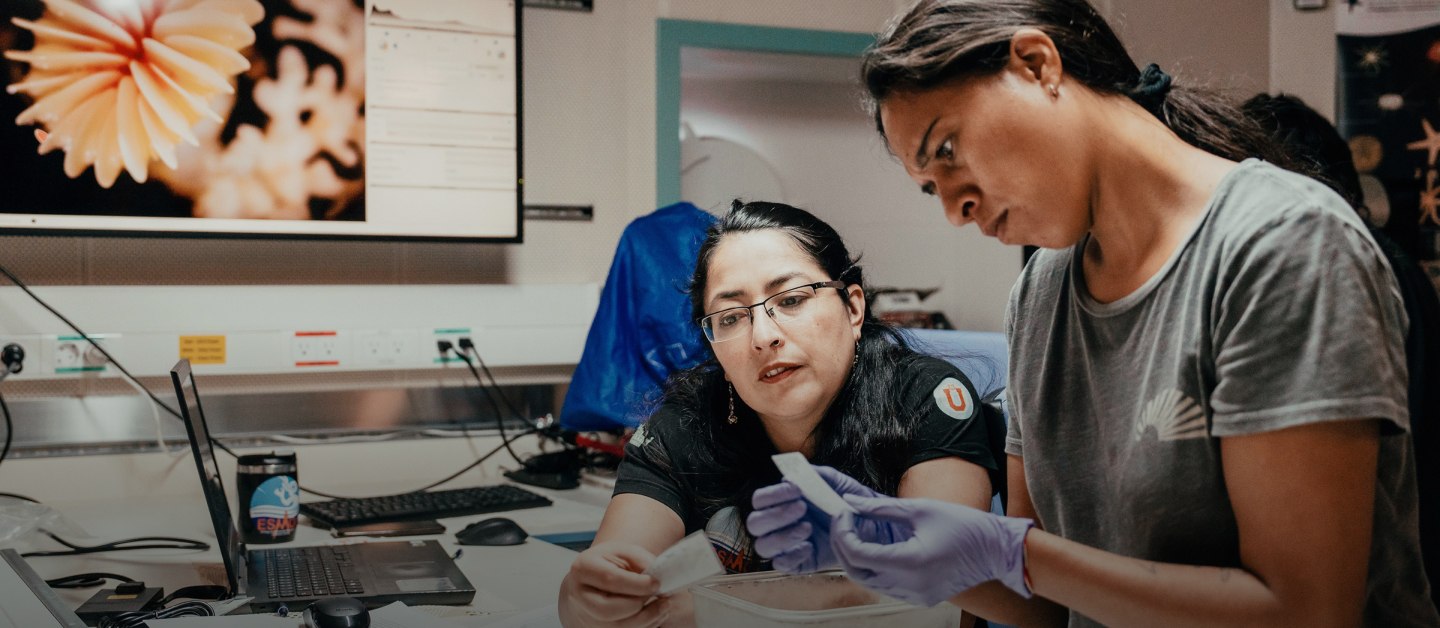
- Our Team


Expeditions & Roles
María Emilia Bravo
Chief Scientist
Dr. María Emilia Bravo is a marine biologist who holds a permanent position as a scientific researcher at IGeBA (CONICET) and the Faculty of Exact and Natural Sciences, University of Buenos Aires (FCEN-UBA).
Dr. Bravo specializes in the benthic ecology of invertebrates and pioneered the first discoveries of chemosynthetic ecosystems in Argentina, both in coastal and deep waters. She also works on chemosynthetic ecosystems off Southern California and Alaska. Her research focuses on the drivers shaping biological diversity, ecological functioning, biogeochemical interactions, and their intersection with environmental management.
She has spent over a year at sea on multiple research cruises and has received several international fellowships, including those from Fulbright, POGO-SCOR, and the Smithsonian Institution, through which she trained at leading research centers. She currently co-leads a CORDAP-funded project. Dr. Bravo is co-leader in DOSI and an active member of multiple international networks, including DOOS-ECOP and Challenger 150.
She earned her Ph.D. in 2019 from Universidad Nacional del Sur in Bahía Blanca and completed her postdoctoral training in Buenos Aires, where she now holds a permanent researcher position. She serves as Chief Scientist and Principal Investigator of the Falkor (Too) cruise project “Life in Extremes”.