


0 results for
- Type in the search bar to begin searching the site.
Expeditions
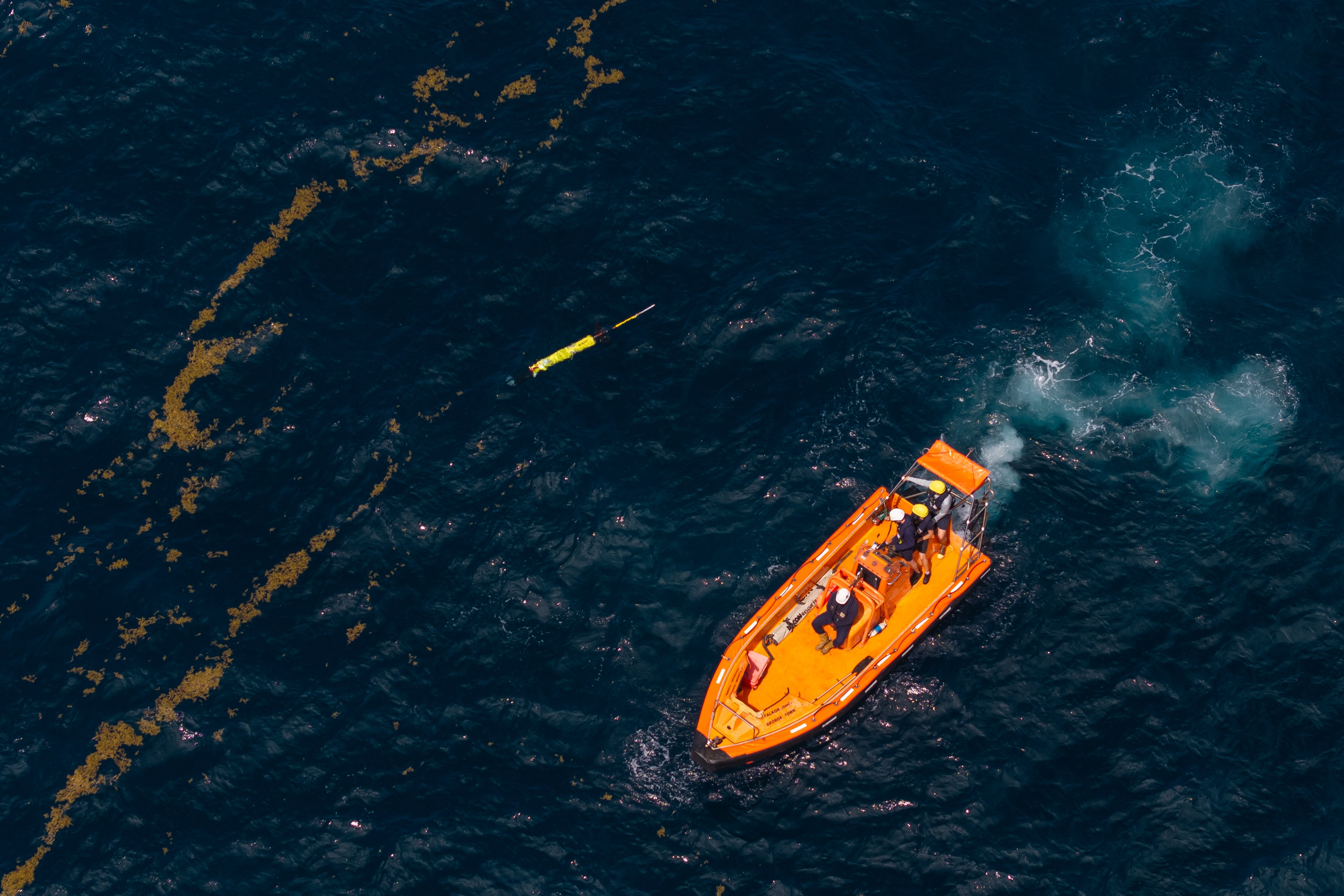
In the coming years, our expeditions will explore understudied regions around all seven continents in our global Ocean.
Latest Expedition
See all
Programs
From grants for caregivers to an artist-at-sea residency, our programs strive to deepen knowledge and inspire a connection with our planet’s life support system.
Latest Expedition
See all
Science Team Resources
To help you plan for your expedition, this hub includes information about outreach, technical specifications for our robotic platforms, a list of lab equipment, information about accessing data repositories, and more.
Latest Expedition
See all
- Our Team

Expeditions & Roles
Paul Kanive
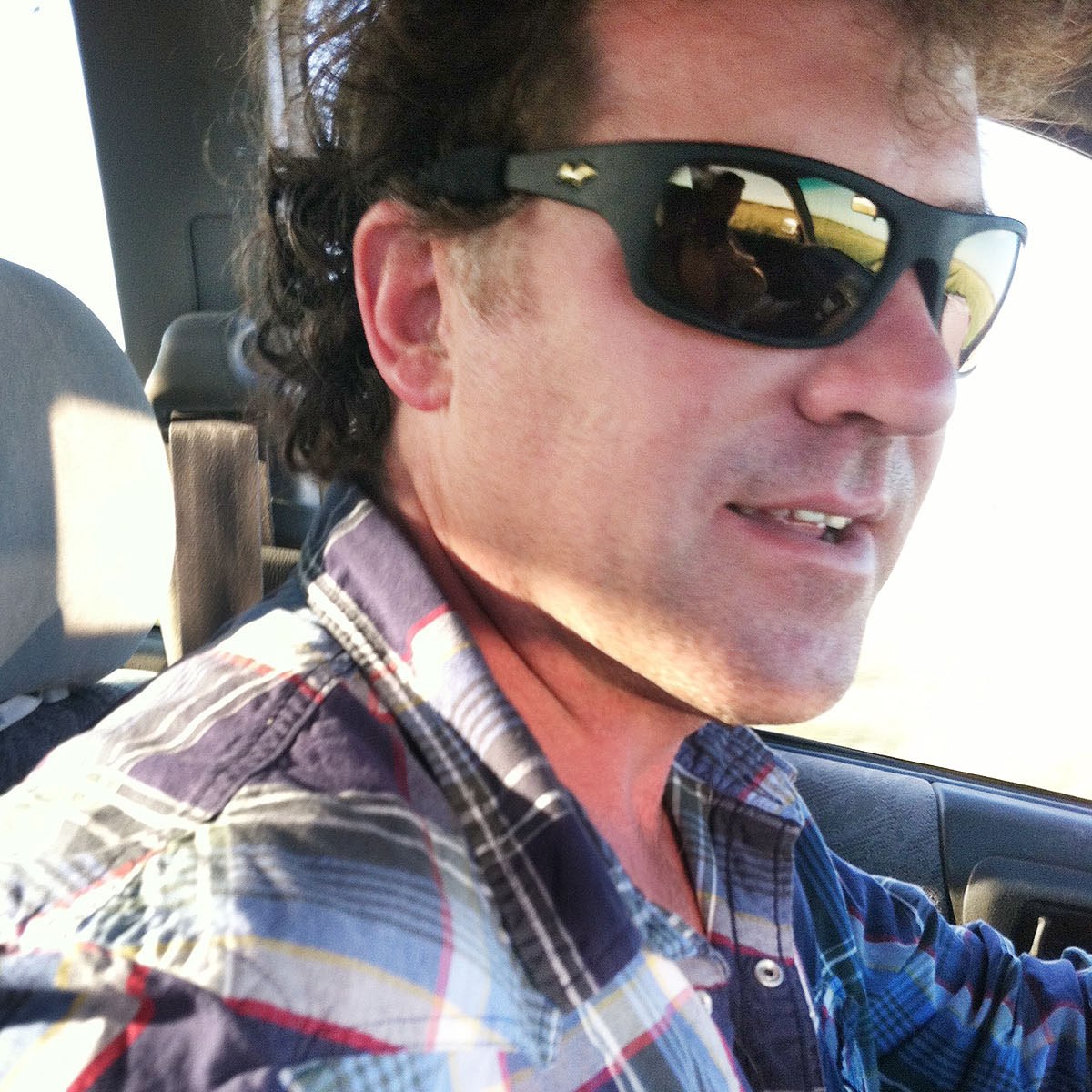
Originally from Rhode Island, Paul Kanive has worked and played on the ocean most of his life. After getting his B.S. from the University of Rhode Island, he worked several contracts as a NOAA groundfish observer in Alaska. During this time Paul learned firsthand the plight of sharks, as they were discarded as dead bycatch in many fisheries. Currently, Paul is a PhD candidate at Montana State University and has been a member of the California white shark tagging team for 10 years. His research focuses on using mark-recapture methods to understand population dynamics of the white sharks in central California that also migrate to the Café. Specifically, he has estimated important vital rates, such as length-based survival rates that will better inform population assessments. Additionally, Paul is working on estimating annual abundance and population growth rates for sub-adult and adult white sharks that comprise the central California population.
As a member of the White Shark Café expedition, Paul will help deploy Baited Remote Underwater Video Stations (BRUVS) that will help document species composition in the region. He will also participate in tagging efforts and retrieval of non-invasive bio-logging camera tags that will provide insight in how white sharks are using the Café.