


0 results for
- Type in the search bar to begin searching the site.
Expeditions
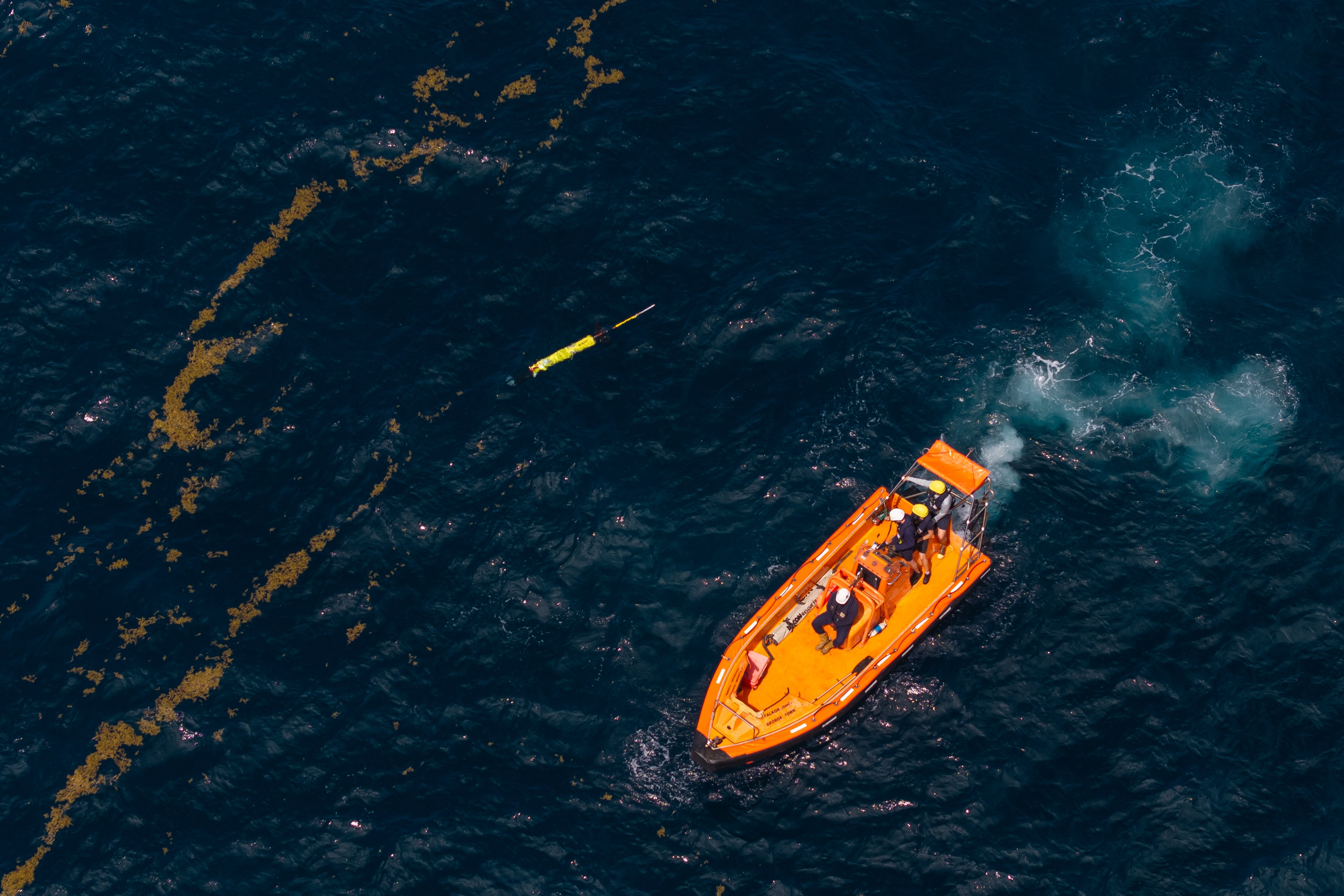
In the coming years, our expeditions will explore understudied regions around all seven continents in our global Ocean.
Latest Expedition
See all
Programs
From grants for caregivers to an artist-at-sea residency, our programs strive to deepen knowledge and inspire a connection with our planet’s life support system.
Latest Expedition
See all
Science Team Resources
To help you plan for your expedition, this hub includes information about outreach, technical specifications for our robotic platforms, a list of lab equipment, information about accessing data repositories, and more.
Latest Expedition
See all
- Our Team


Expeditions & Roles
Teresa Amaro
Dr Teresa Amaro is a researcher in the Department of Biology and the Centre for Environmental and Marine Studies (CESAM) at the University of Aveiro, Portugal. She is a deep-sea ecologist with a broad interest in understanding trophic ecology across various deep-sea ecosystems, including submarine canyons, abyssal plains, and seamounts in contrasting ocean basins such as the Atlantic, Pacific, and Mediterranean.Dr Amaro is deeply interested in exploring how biological processes within the oceans contribute to global climate change. Specifically, she aspires to investigate global biochemical cycles to enable future research on the potential consequences for deep-sea biota should projected shifts in primary producers occur as a result of climate change.Currently, Dr Amaro is engaged in collaborative projects aimed at understanding the effects of suspended and resettled sediment plumes on the remineralisation of organic matter by benthic communities, encompassing microorganisms, meiofauna, macrofauna, and megafauna. Her work utilises in situ experiments, moored instrumentation, sediment cores, and seafloor imagery.During the Schmidt Ocean Institute’s expeditions to the Bellingshausen Sea, Dr Amaro will focus on providing new insights into the role of deep-sea holothurians in Bellingshausen Sea ecosystem functioning. Her findings are expected to enhance our understanding of the dynamics of Antarctic ecosystems.