


0 results for
- Type in the search bar to begin searching the site.
Expeditions
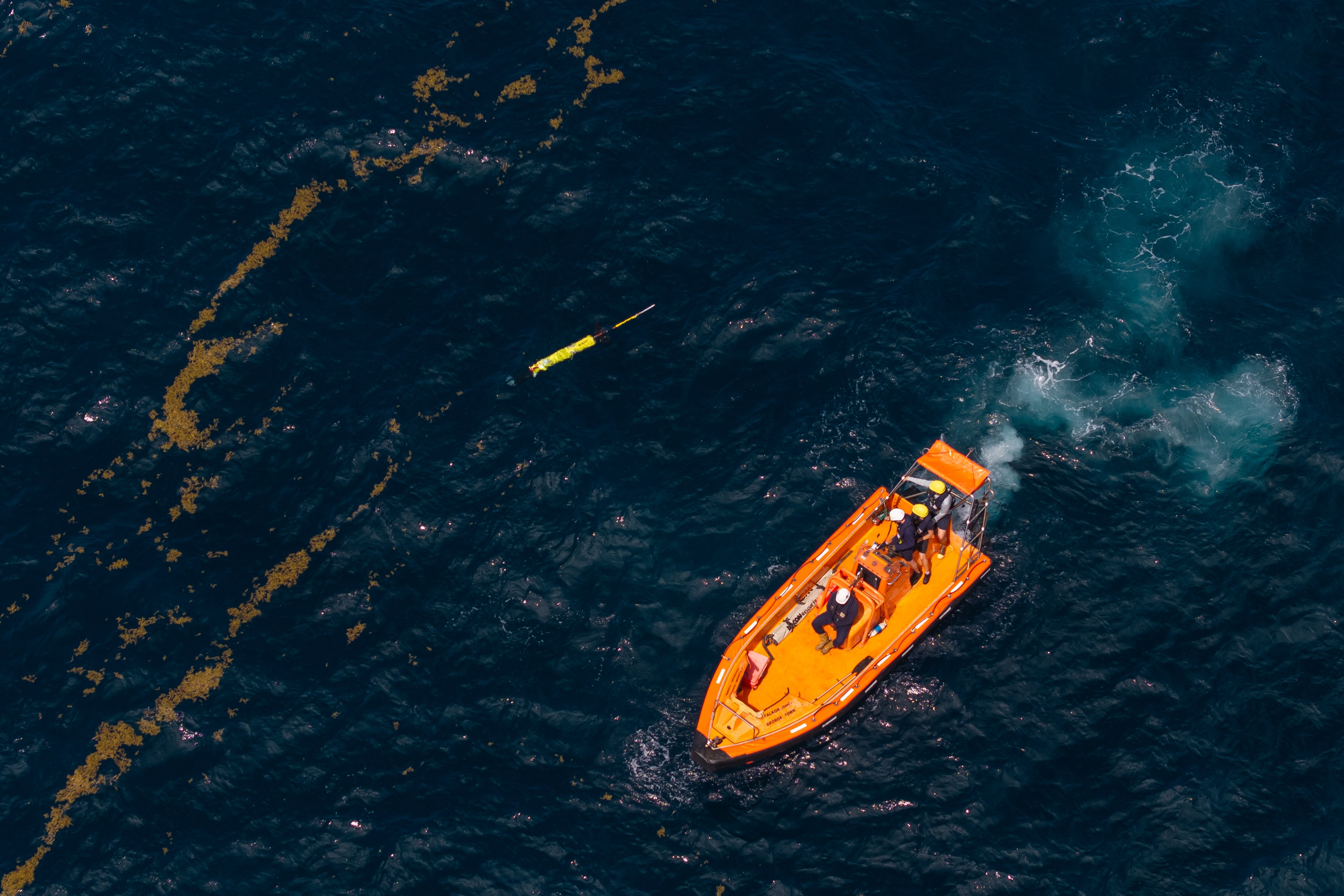
In the coming years, our expeditions will explore understudied regions around all seven continents in our global Ocean.
Latest Expedition
See all
Programs
From grants for caregivers to an artist-at-sea residency, our programs strive to deepen knowledge and inspire a connection with our planet’s life support system.
Latest Expedition
See all
Science Team Resources
To help you plan for your expedition, this hub includes information about outreach, technical specifications for our robotic platforms, a list of lab equipment, information about accessing data repositories, and more.
Latest Expedition
See all
- Our Team

Expeditions & Roles
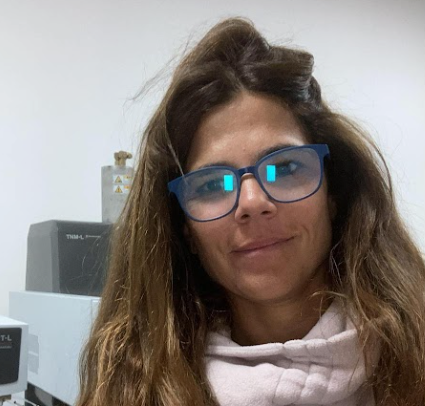
Valentina Amaral Acosta
Valentina Amaral Acosta is a researcher and assistant professor at the Centro Universitario Regional Este (CURE), Universidad de la República (Uruguay), where she has worked since 2012. She is also a member of the research group “Oceanography and Coastal Pollution” at the University of Cádiz (Spain). She holds a Ph.D. in Marine Sciences and Technologies from the University of Cádiz, Spain (2022), a M.Sc. in Geosciences from PEDECIBA (2015), and a B.Sc. in Biological Sciences from Universidad de la República, Uruguay (2011). She was awarded national scholarships from Uruguay’s National Research and Innovation Agency (ANII) for both her master’s and doctoral studies, and received the Extraordinary Doctoral Thesis Award from the University of Cádiz. Her research focuses on the biogeochemistry of organic matter in aquatic systems, with a particular emphasis on dissolved organic matter to better understand its role in carbon cycling and climate regulation. More recently, her work has expanded to include the study of greenhouse gas emissions (CO₂, CH₄, N₂O) and ocean acidification in marine environments. She has onboard experience from research campaigns in the Gulf of Cádiz and is involved—both as a participant and coordinator—in several national and international research initiatives related to her areas of expertise.