


0 results for
- Type in the search bar to begin searching the site.
Expeditions
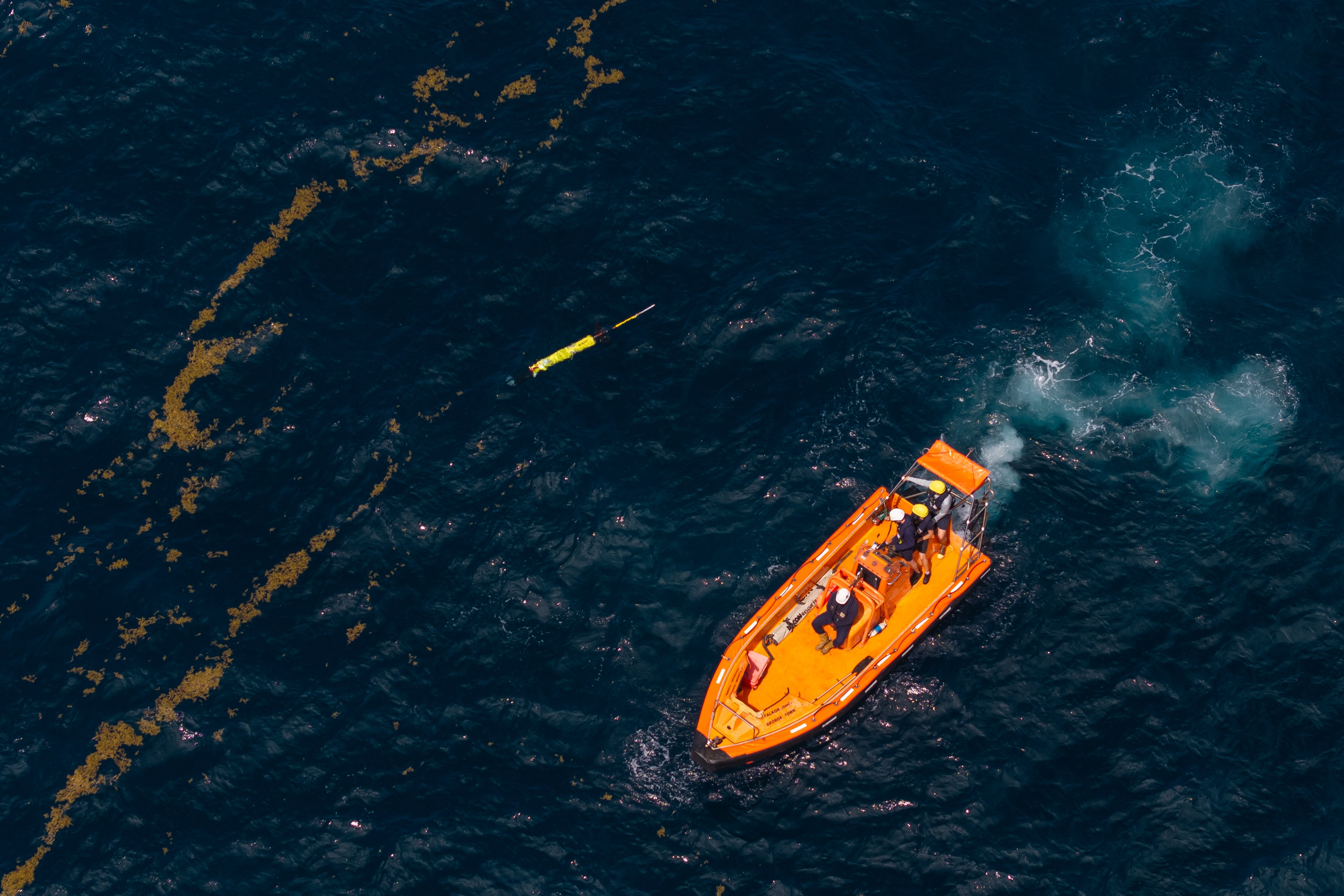
In the coming years, our expeditions will explore understudied regions around all seven continents in our global Ocean.
Latest Expedition
See all
Programs
From grants for caregivers to an artist-at-sea residency, our programs strive to deepen knowledge and inspire a connection with our planet’s life support system.
Latest Expedition
See all
Science Team Resources
To help you plan for your expedition, this hub includes information about outreach, technical specifications for our robotic platforms, a list of lab equipment, information about accessing data repositories, and more.
Latest Expedition
See all
- Our Team

Expeditions & Roles
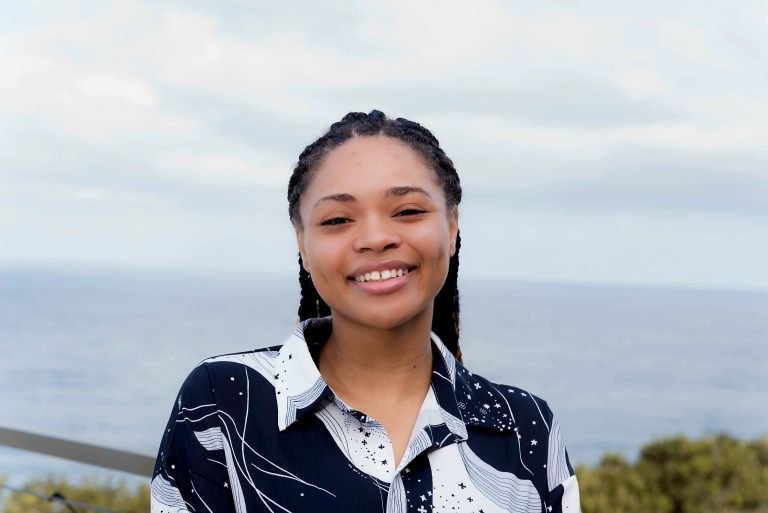
Xenia Barnes
Currently, Xenia Barnes is a graduate scholar at the University of California, San Diego, studying phylogenetics and the factors that drive species evolution while pursuing a Master’s degree in Biological Oceanography. She is studying at the Scripps Institution of Oceanography under the Rouse Spineless Lab, which focuses on identifying benthic invertebrates worldwide. As for her M.S. thesis, it involves identifying and describing new species of terebellids (spaghetti worms) using phylogenetic, taxonomic, and morphological methods. Additionally, her project will touch on the biomechanics of polychaetes.
Xenia graduated from Hawaii Pacific University with a Bachelor’s in Biological Oceanography, where she studied climatology and its impact on marine fauna and coral health.
While attending Hawaii Pacific University, she gained skills in microscopy, microbiological culturing, research design, survey analysis, and mapping anomalous conditions at sea. She has also designed mock Marine Protected Areas (MPAs) and conducted climatological research using R and MATLAB. Towards the end of her B.S, she led several research projects exploring climate change, two of which were presented at the IOA-LSAMP Student Symposium in Hilo, Hawaii. Xenia is excited to take part in the Falkor research expedition and to continue to bring insight into the world of marine benthic diversity.