



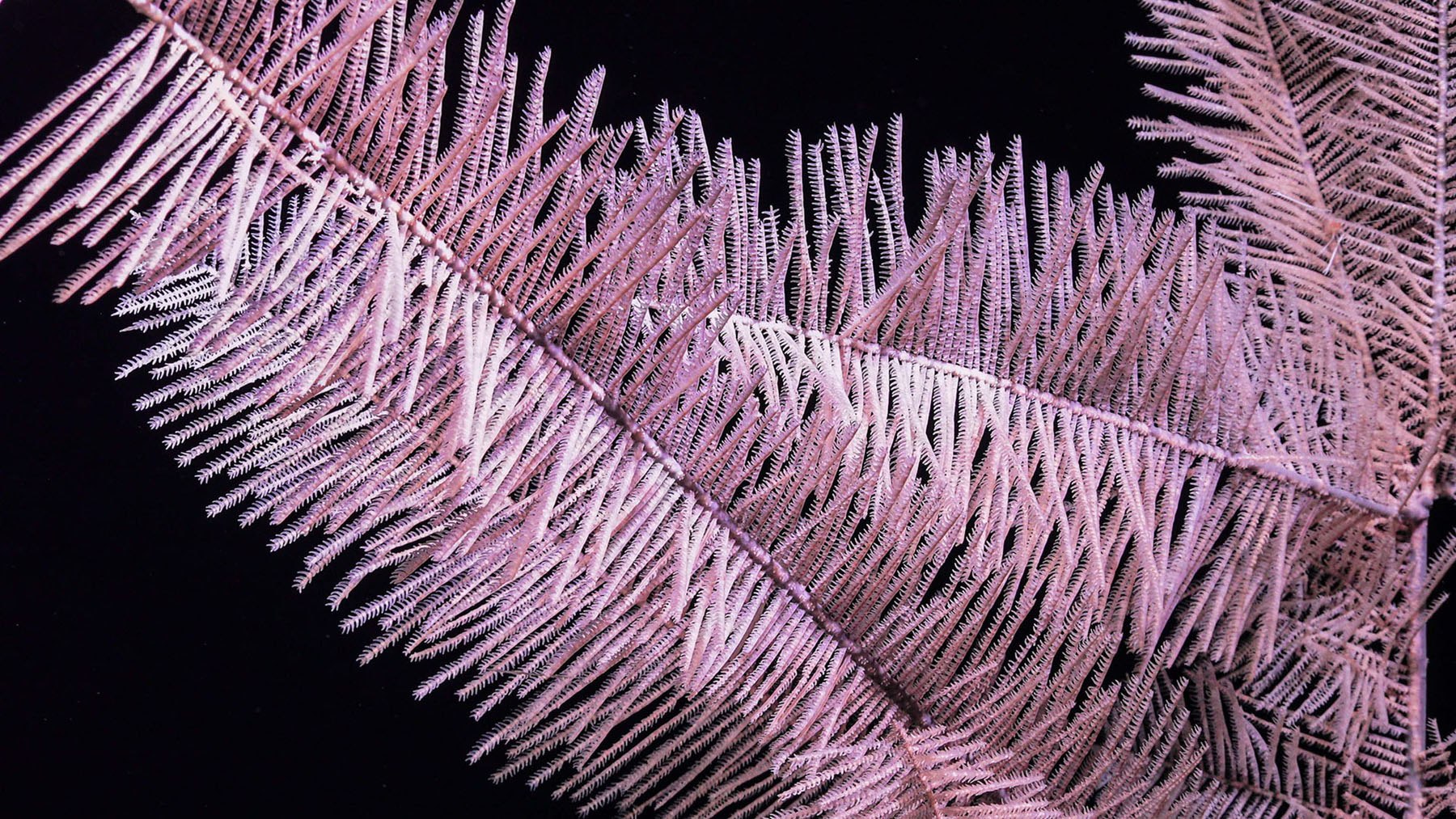

Three years ago, I started my PhD aimed at overcoming knowledge gaps pertaining to the taxonomy and the evolutionary history of black corals. Black corals consist of a proteinaceous black skeleton (hence their name) making them different than hard corals that are made of calcium carbonate. With the taxonomy and evolutionary history of this coral group being generally unknown, I first visited museums around the world to look at different black coral species. Three weeks and three countries later I had 100 black corals. However, museum samples can be broken and incomplete, which makes it hard to know if the species I am working on is what the species typically looks like when alive.
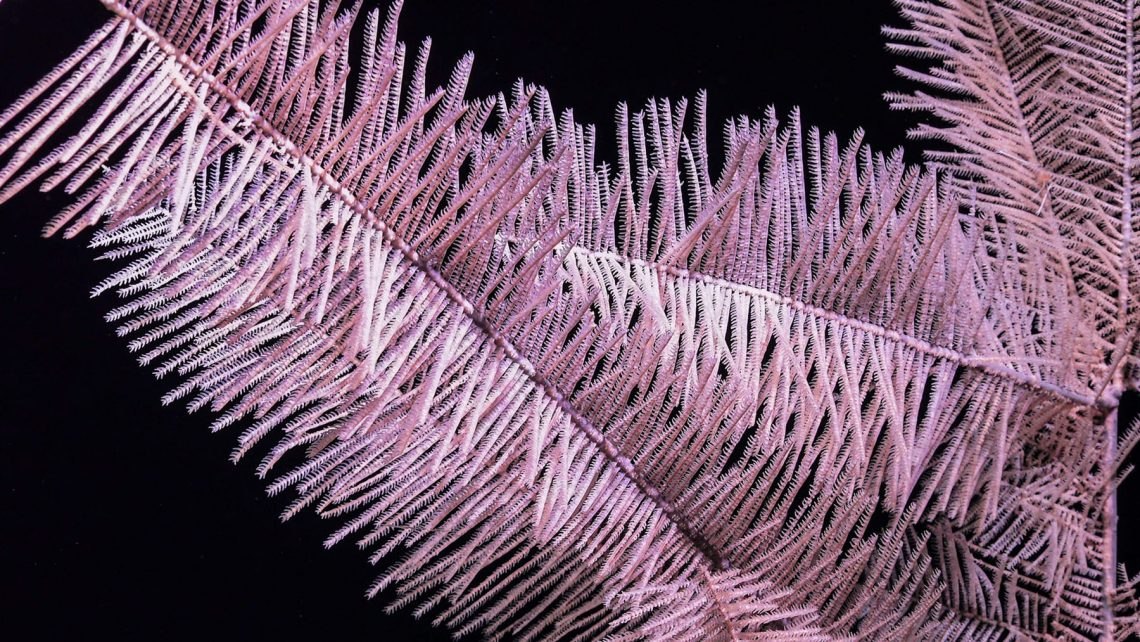
A year later, I joined RV Investigator to dredge rocks and corals in the Coral Sea. Three weeks and 55 dredges later I had collected about 150 corals. However, like museum specimens, dredged-up corals are knocked around and ground against rocks. When they reach the deck, the question remains: Is what I am seeing typical of the species?
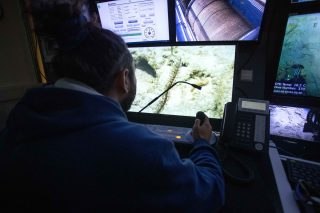
Fast forward to now, on board RV Falkor. Another three weeks at sea; however, this time we have ROV SuBastian