



Dive In
About the Expedition
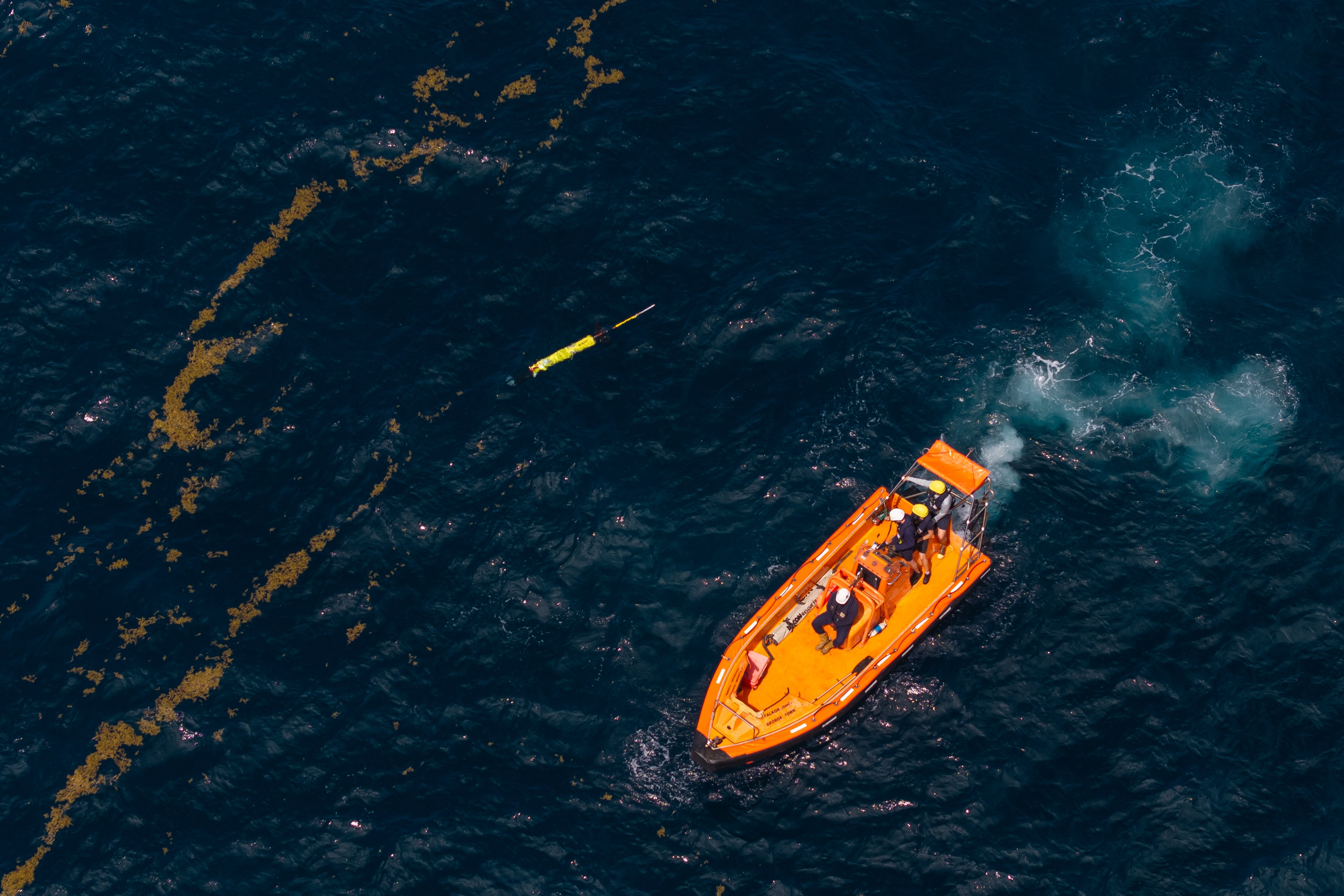
As ocean temperatures increase, a pressing global challenge in marine science is to better understand the distribution and characteristics of the critical habitats that support mesophotic and deep-water coral communities. Following the previous Visioning the Coral Sea Marine Park expedition, a similar team of scientists led by Drs. Brendan Brooke, Geoscience Australia, Robin Beaman, James Cook University, and Scott Nichol, Geoscience Australia, will return to this frontier region applying a suite of cutting-edge technologies to explore the remote canyons, platform reefs and seamounts of the Coral Sea and Great Barrier Reef Marine Parks. The goals of this expedition are to understand the biodiversity supported by these large-scale features and the role they may play as refuges for coral as well as other animal communities in a warming ocean. The science team on board R/V Falkor will continue to map and characterize underwater features, the habitats they provide, and the biota they support. This will enable predictions of similar environments that support critical deep-water biological communities. The surveys will greatly expand the knowledge base for sustainable management of these unique features and establish environmental baselines by building on previous mapping in the Marine Parks.
- Dive Markers
- Trackline
The Mission
Characterizing the Canyons
The Great Barrier Reef (GBR) is one of the world’s best-known reef systems, however its deep reef and canyon ecosystems are largely a mystery. Scientists will employ a suite of advanced marine technology – including unmanned aerial vehicles, autonomous underwater vehicles (AUV), and remotely operated vehicles (ROV) – to collect and analyze geological and biological data of the GBR and the adjacent Coral Sea Marine Park. R/V Falkor’s advanced multibeam systems will be used to map the structure of the reefs, canyons, and seamounts, illuminating their formative processes. In parallel, ROV SuBastian will collect samples, sediment cores, and high-resolution imagery of the deep canyons and reefs that extend down to 2,500m. ROV SuBastian will also be outfitted with a high-resolution camera from JAMSTEC to image plankton throughout the water column. Seabed environments in less than 200 m depth will be imaged using the advance camera system on the University of Sydney’s AUV Sirius.
This data will greatly improve understanding of the sedimentary processes that influence biodiversity patterns, including how canyons may provide a pathway for sediment to travel from coastal and shelf water to deep filter feeders. The deep and irregular canyon topography also leads to direct upwelling of nutrient-rich deep waters, including Subtropical Mode Water in the northern GBR. ROV SuBastian’s sensors will be used to track water mass changes, helping to identify the impact of upwelling of these cooler waters onto the shelf.
An important goal of the expedition is to study the mesophotic and deeper reefs in the region.This work will highlight the importance of high-relief features globally for marine biodiversity conservation and provide a template for a survey approach to effectively inform management of high-value, remote areas. These deeper reefs may play a key role by providing a refuge for surface and other marine species that are negatively affected by climate change. Identifying the role of deeper reefs is crucial as bleaching events in the GBR and surrounding surface reefs are increasing as the ocean warms.
The expedition will create a rich dataset of seafloor biological and geophysical data enabling researchers to understand the habitat provided by large-scale seabed features in the region. The expedition will provide key insights that will determine if various geologic features host different biological communities, and if there are species endemic to the region. Furthermore, the information resulting from the expedition will greatly improve knowledge of these highly-valued ecosystems and is essential for their responsible management and protection.
Team and Collaborators
Scott Nichol
Principal Investigator

Robin Beaman
Principal Investigator

Brendan Brooke
Co-Principal Investigator
Mardi McNeil
Co-Principal Investigator
Tom Bridge
Co-Principal Investigator
Merrick Ekins
Co-Principal Investigator
Jody Webster
Co-Principal Investigator
Jacquomo Monk

Alix Post

Jeremy Horowitz
Jackson Shields
David Henderson
Ben Cresswell
Alysha Johnson
Dhugal Lindsay
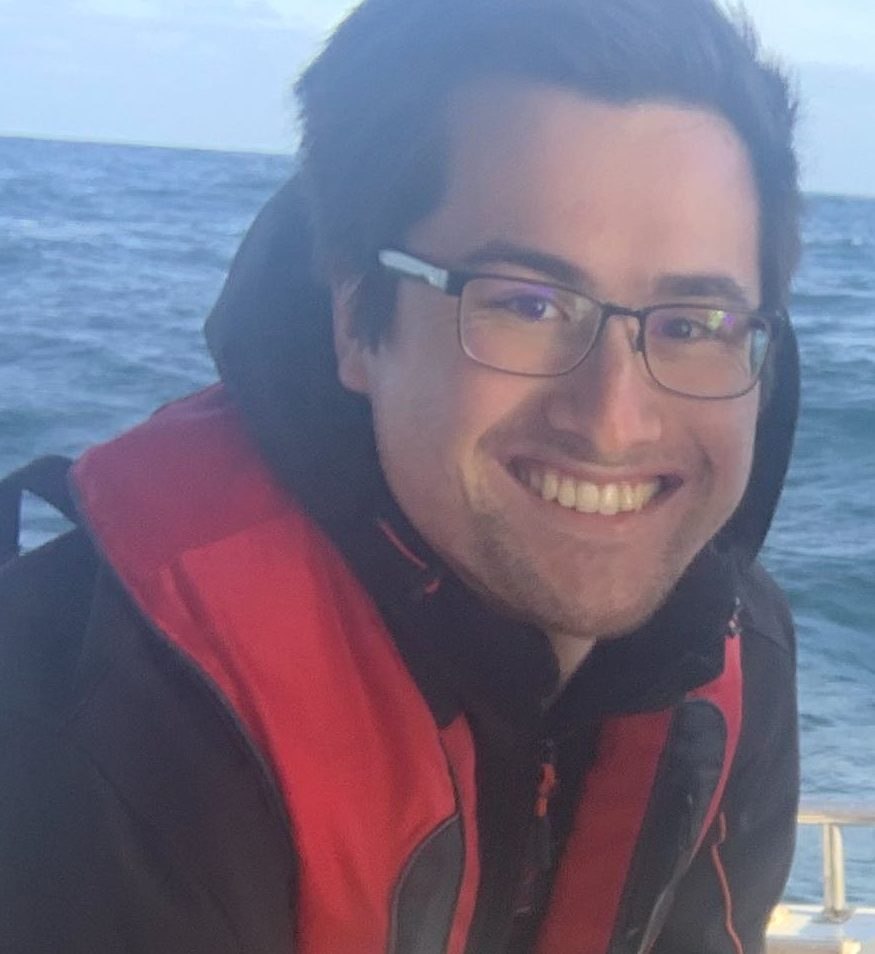
Christian Reeks
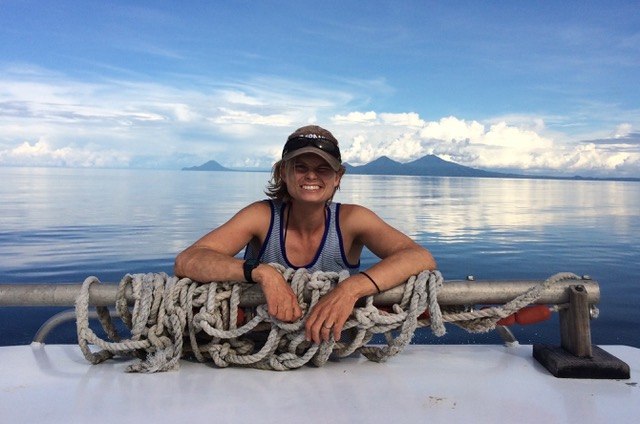
Gemma Galbraith
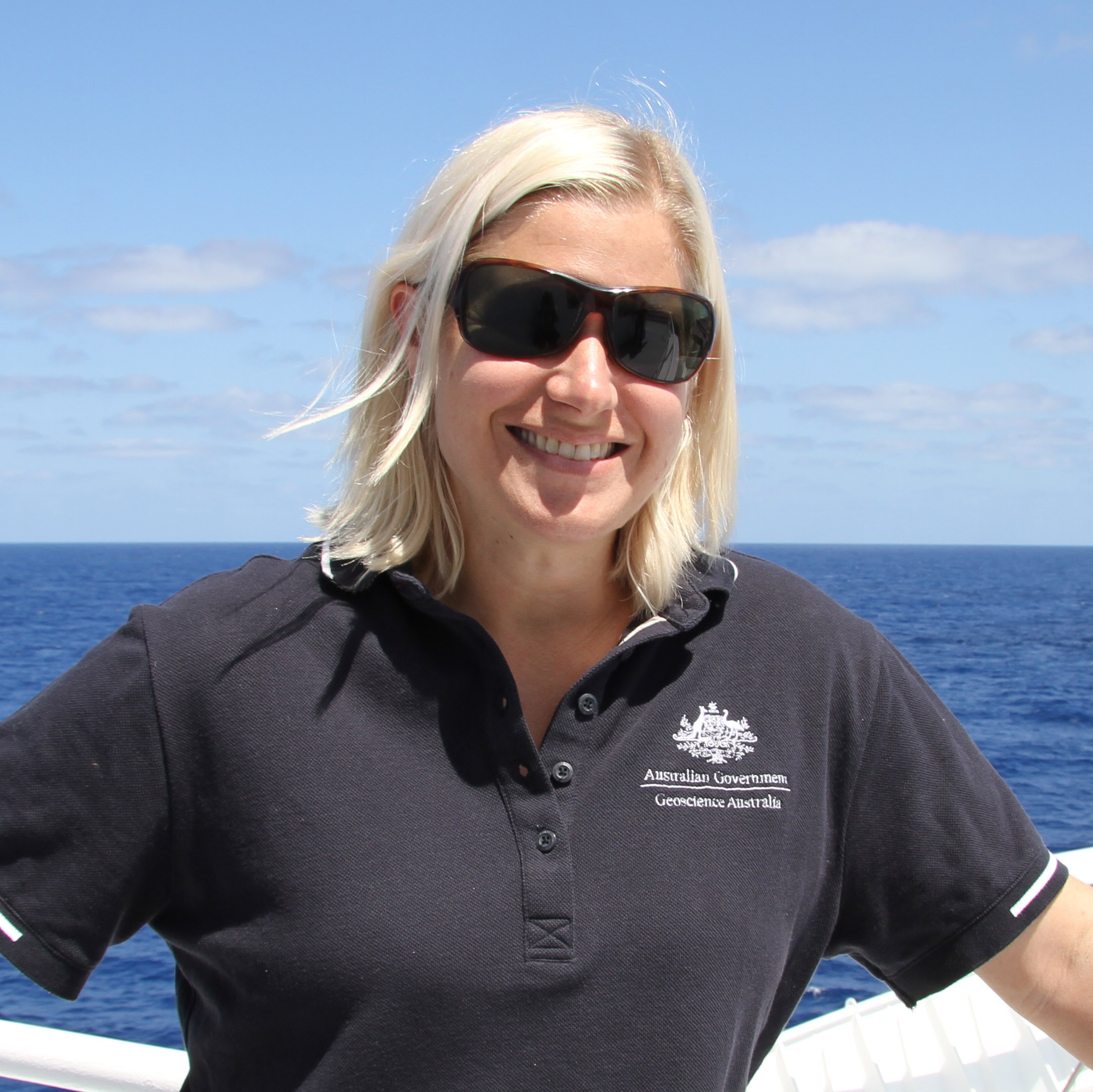
Rachel Przeslawski
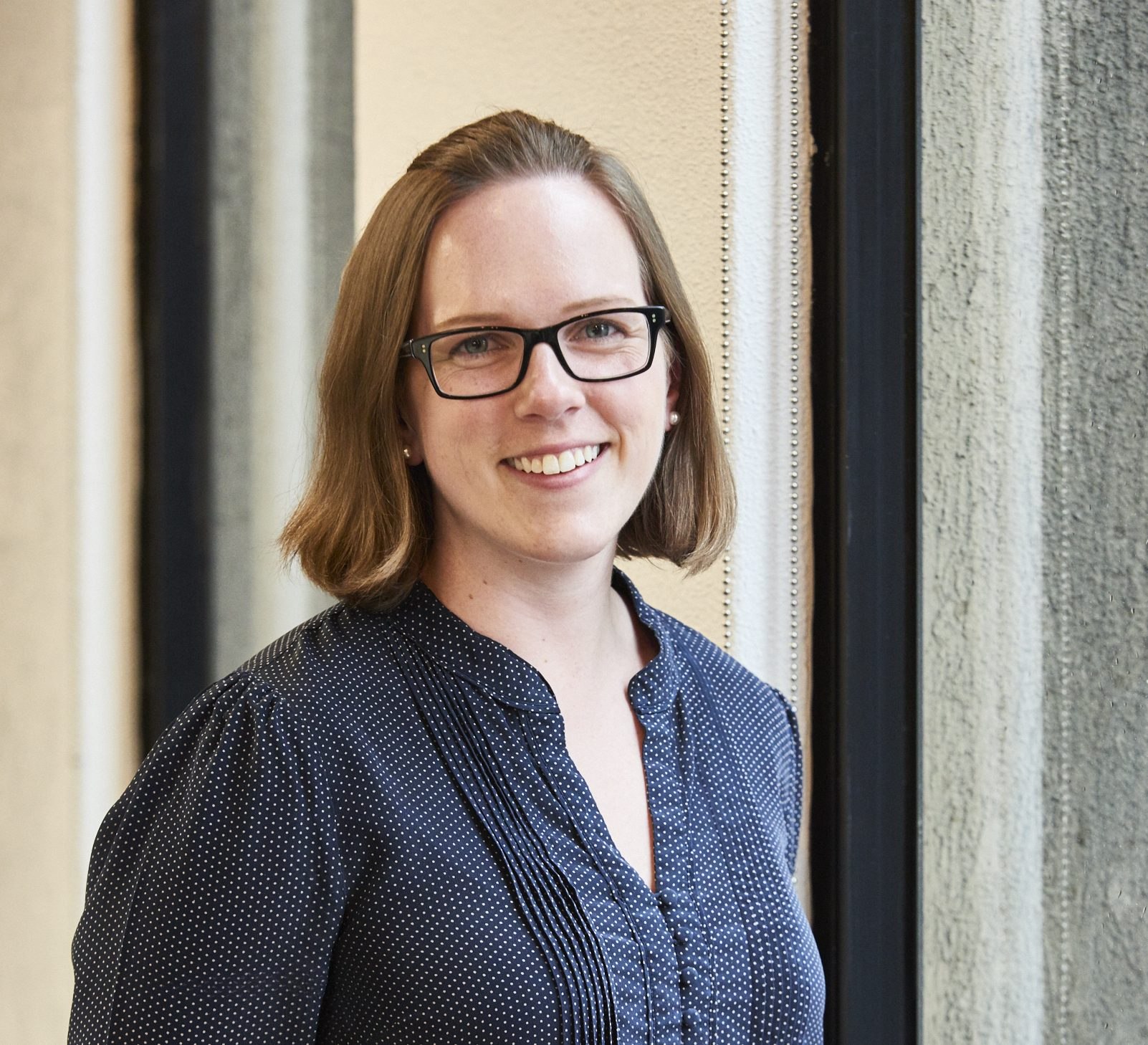
Steph McLennan
Zhi Huang
Colin Woodroffe
Dean Miller
Multimedia Correspondent

Andrew Carroll
Oscar Pizarro



Explore
Updates from the Ship
All Ship Updates
- 01
4K Video Highlights - Video Update
31 August 2020
Read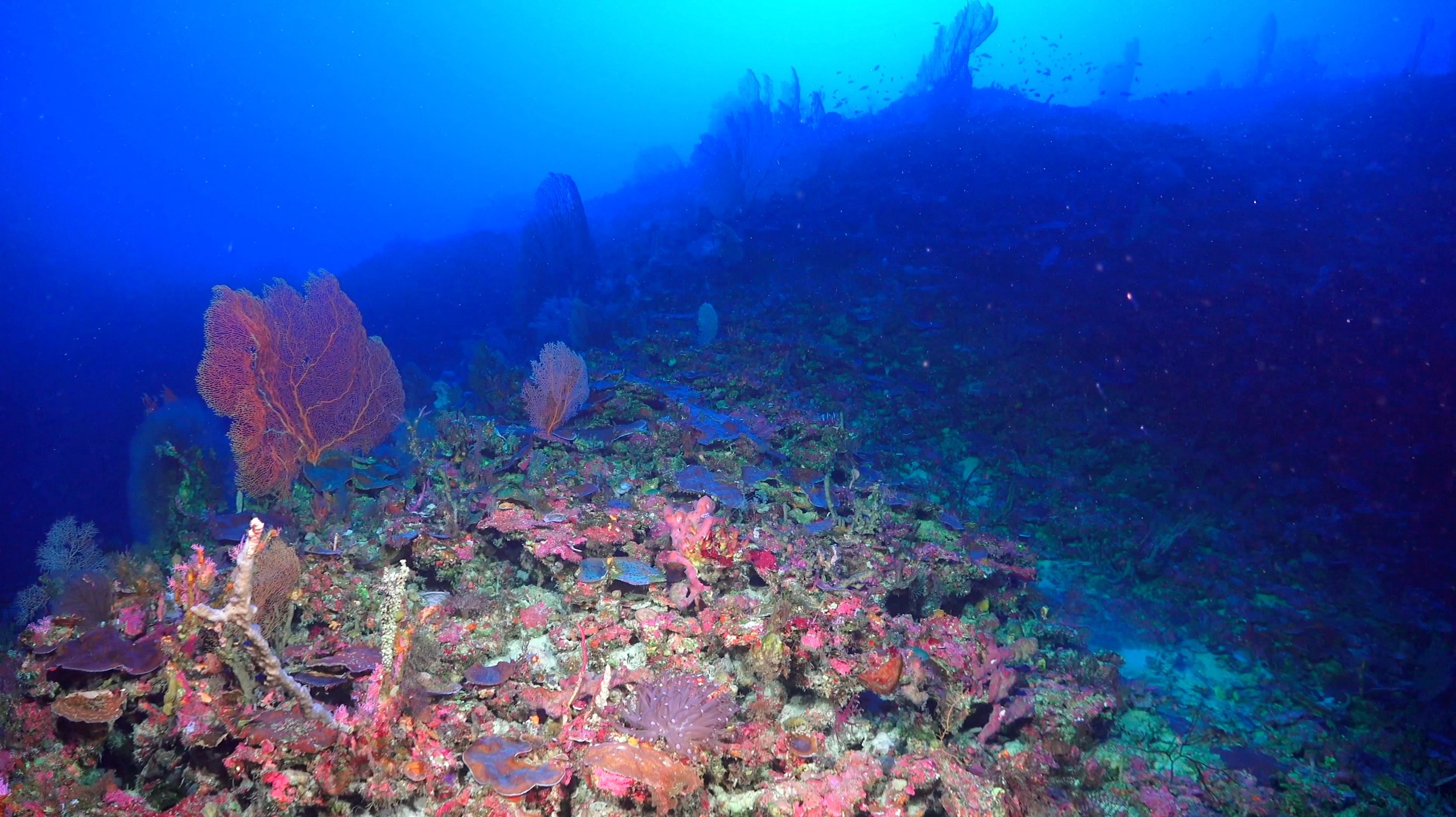
- 02
From Deep to Shallow
29 August 2020
Read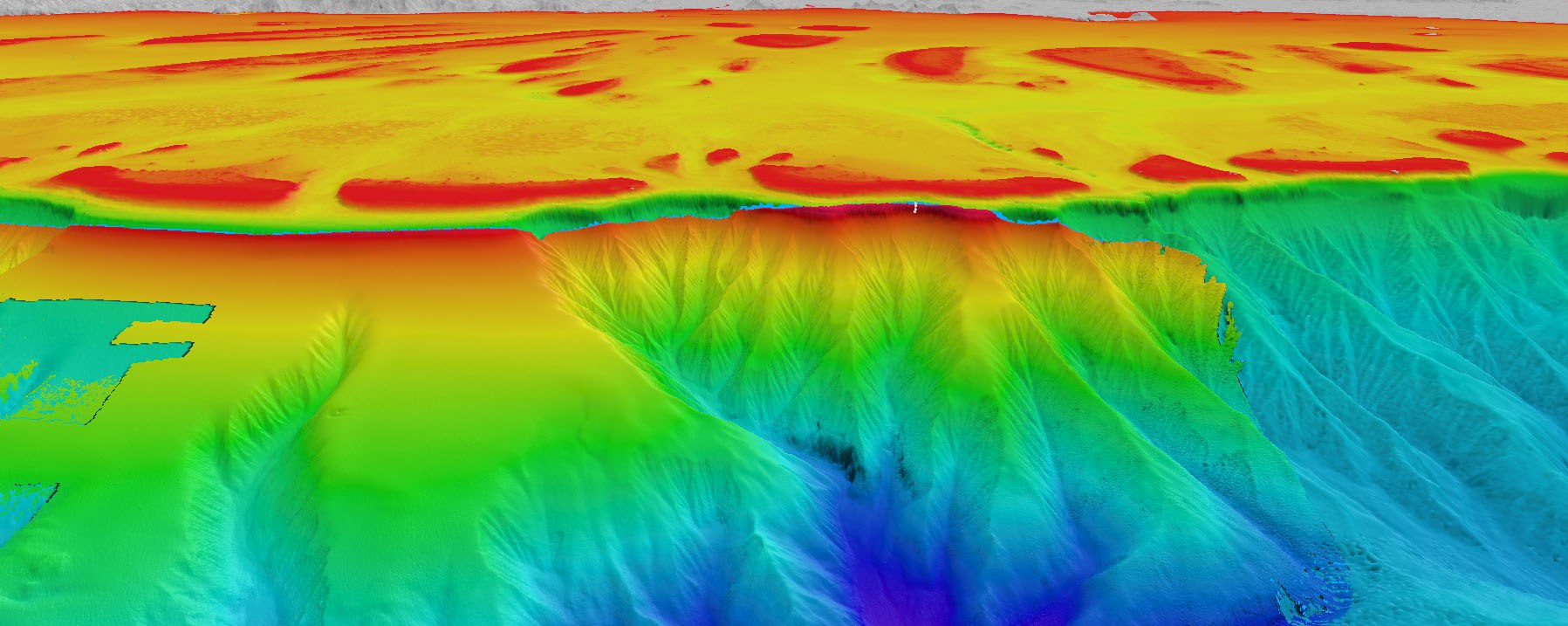
- 03
Voyage of Discovery - Video Update
27 August 2020
Read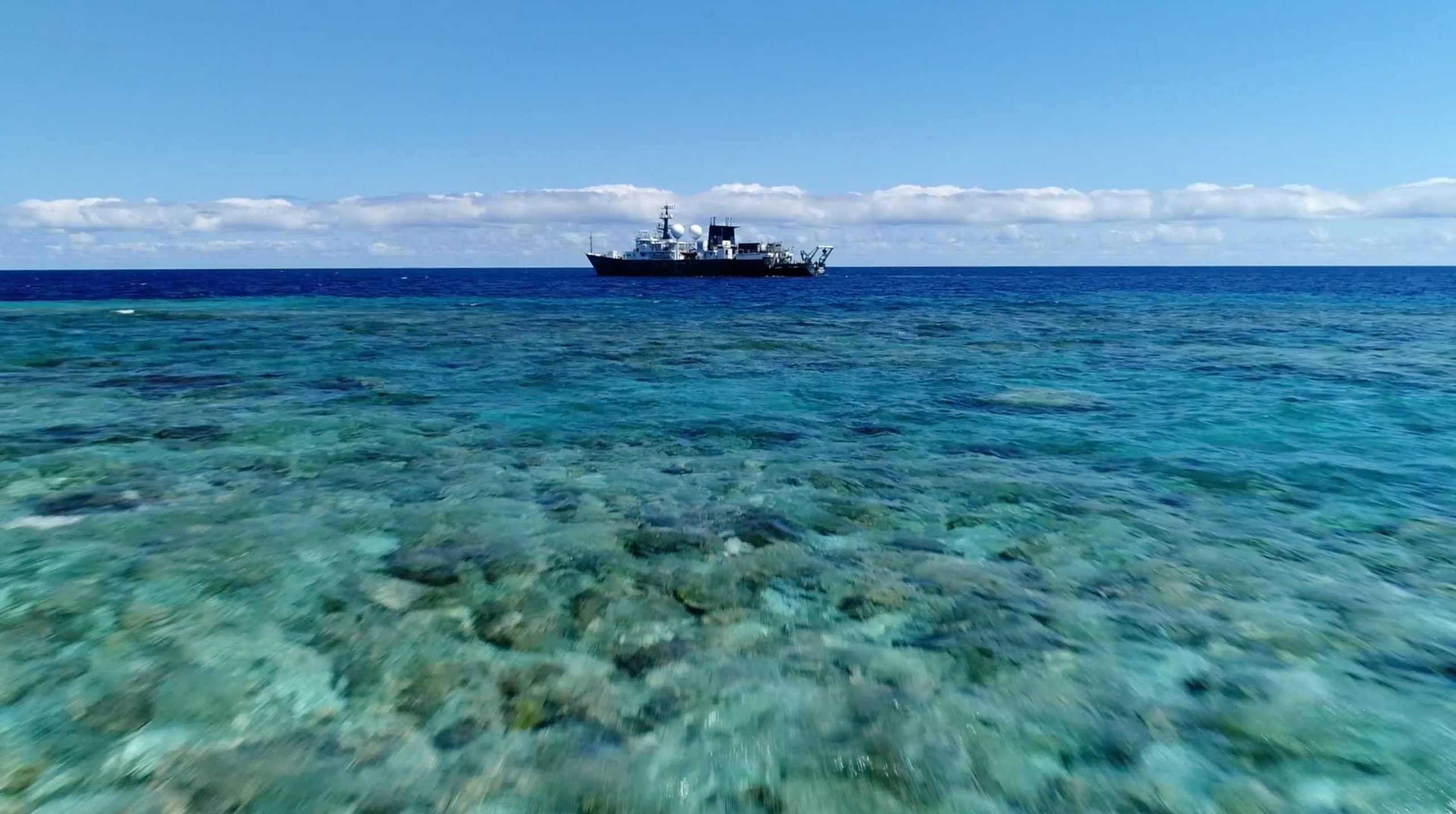
- 04
Xenophyophores
26 August 2020
Read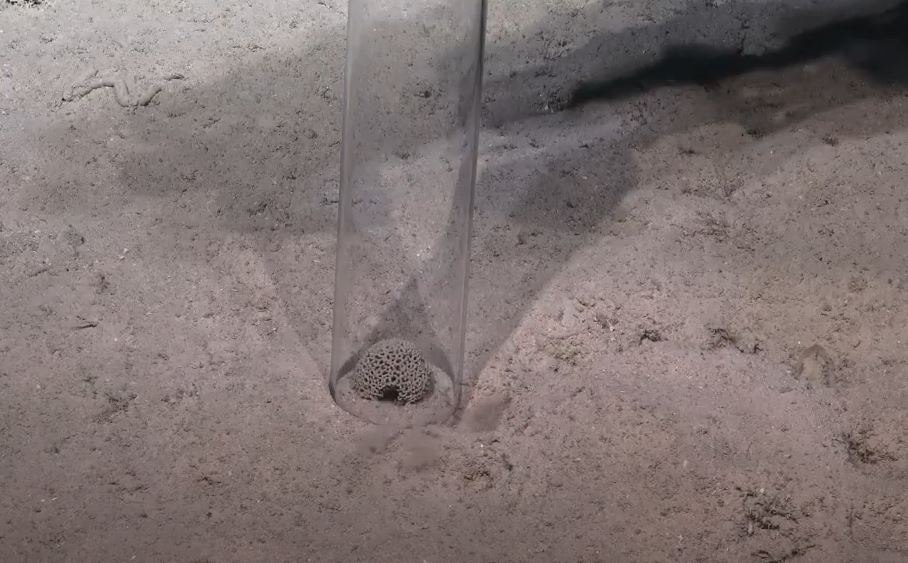
- 05
Learning Lessons of Long-Term History - Video Update
24 August 2020
Read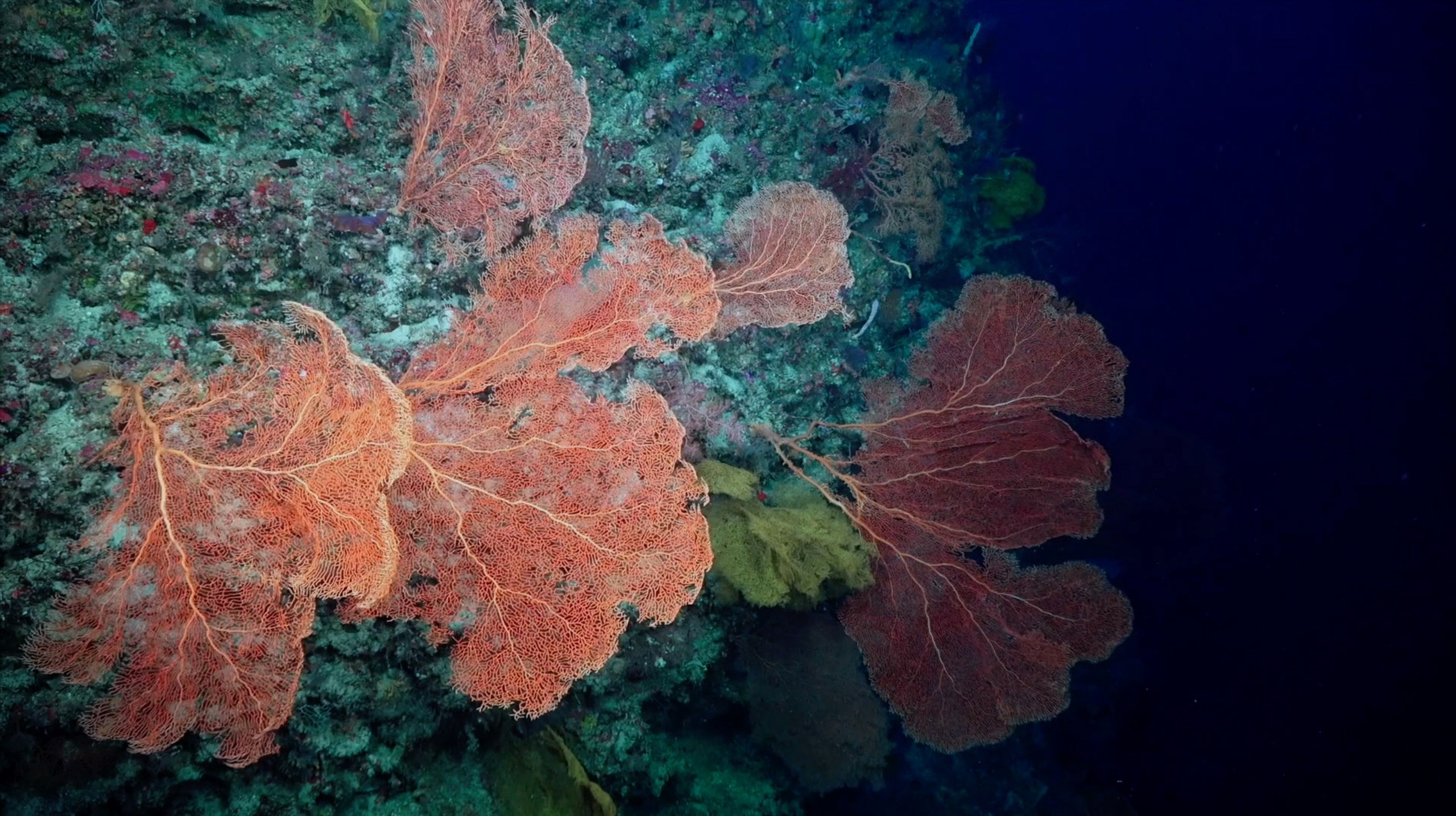
- 06
Delayed Gratification
23 August 2020
Read
- 07
Into the unknown
20 August 2020
Read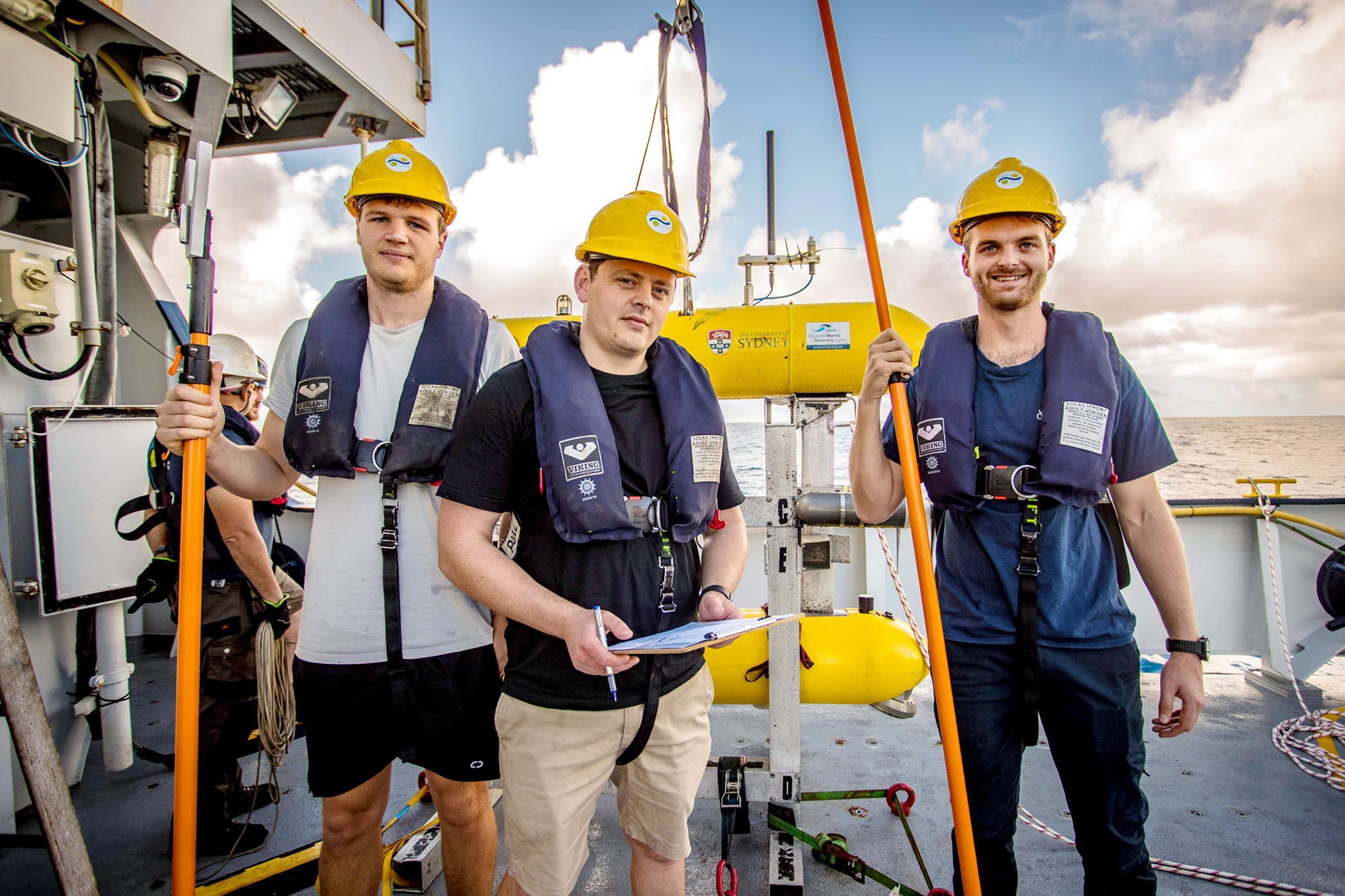
- 08
Rapid Transformation - Video Update
19 August 2020
Read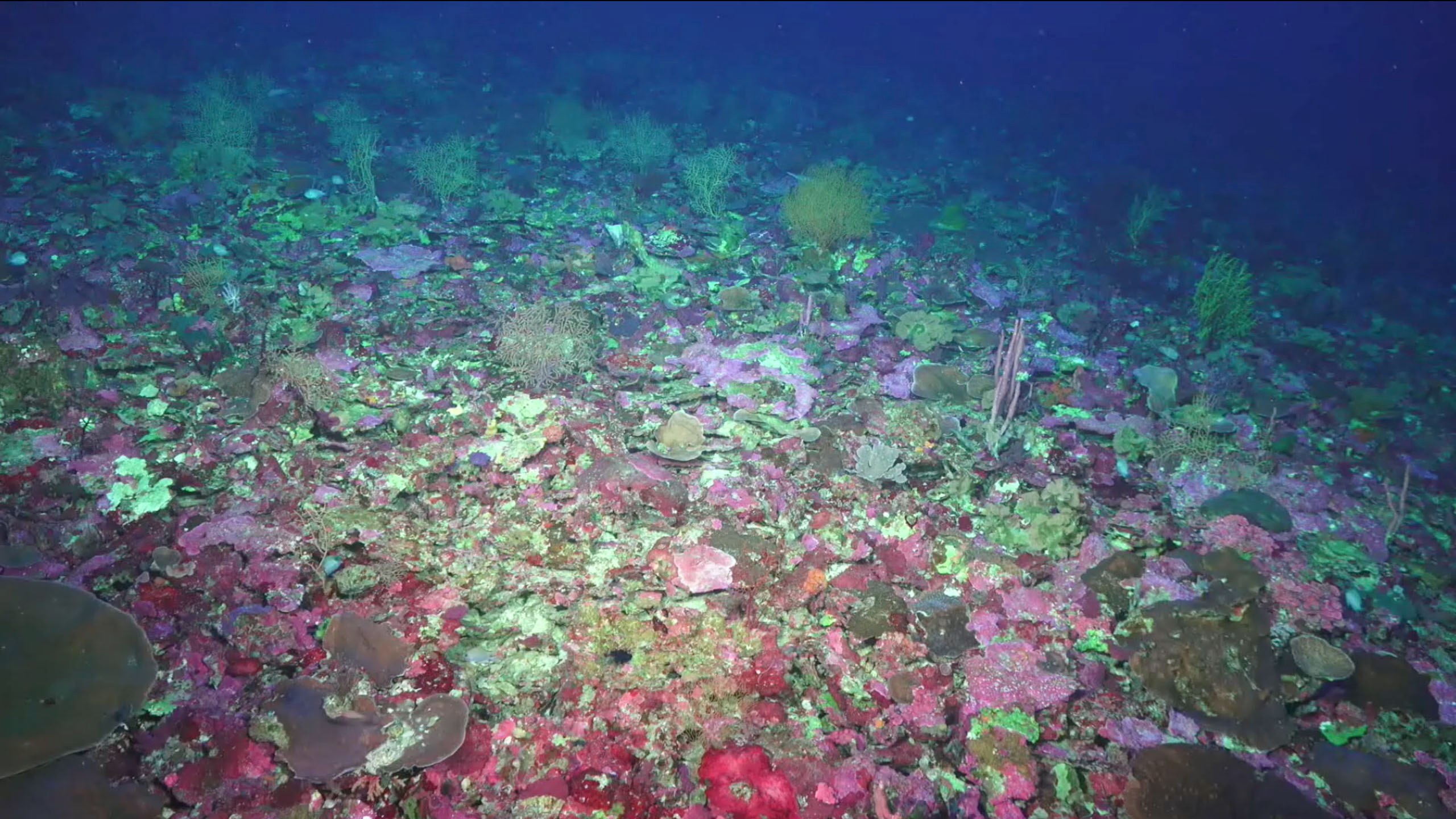
- 09
Science Stories - Video Update
18 August 2020
Read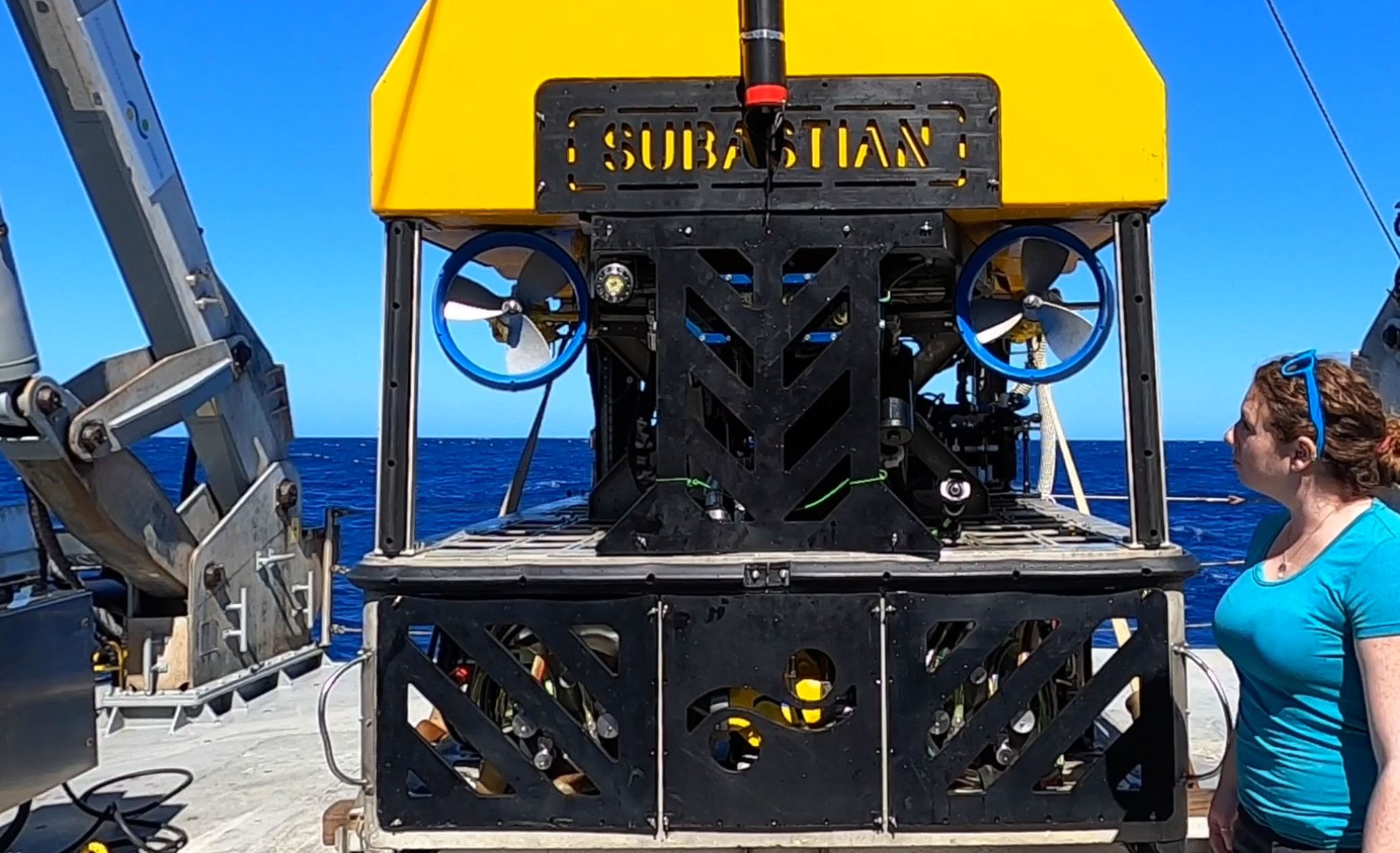
- 10
Science Stories - Video Update
18 August 2020
Read
- 11
From Modelling to Diving with SuBastian
15 August 2020
Read
- 12
Black Corals and Leaps Forward
14 August 2020
Read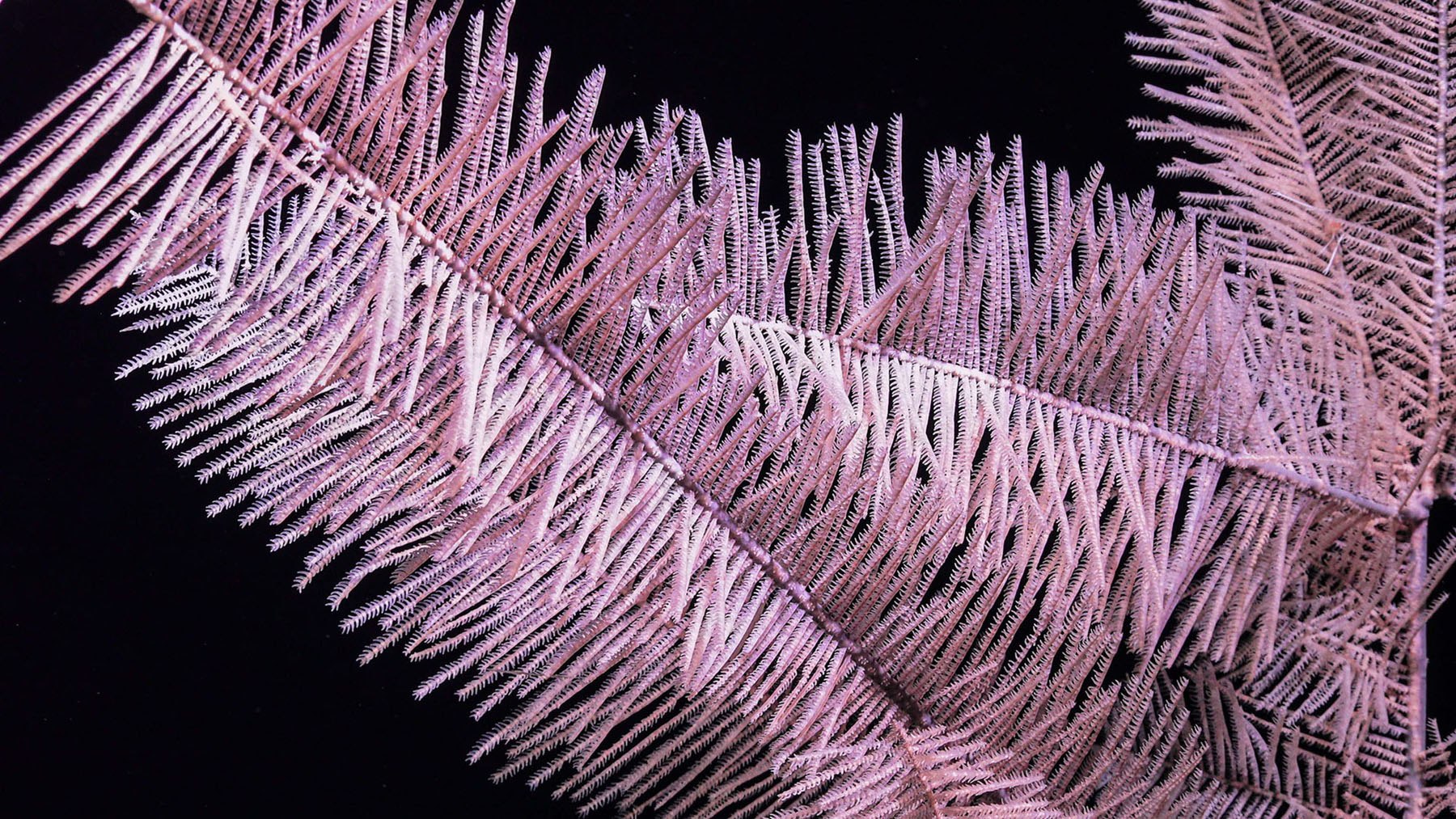
- 13
Lebensspuren – More Than Just a Fancy Word for Deep-Sea Poo
12 August 2020
Read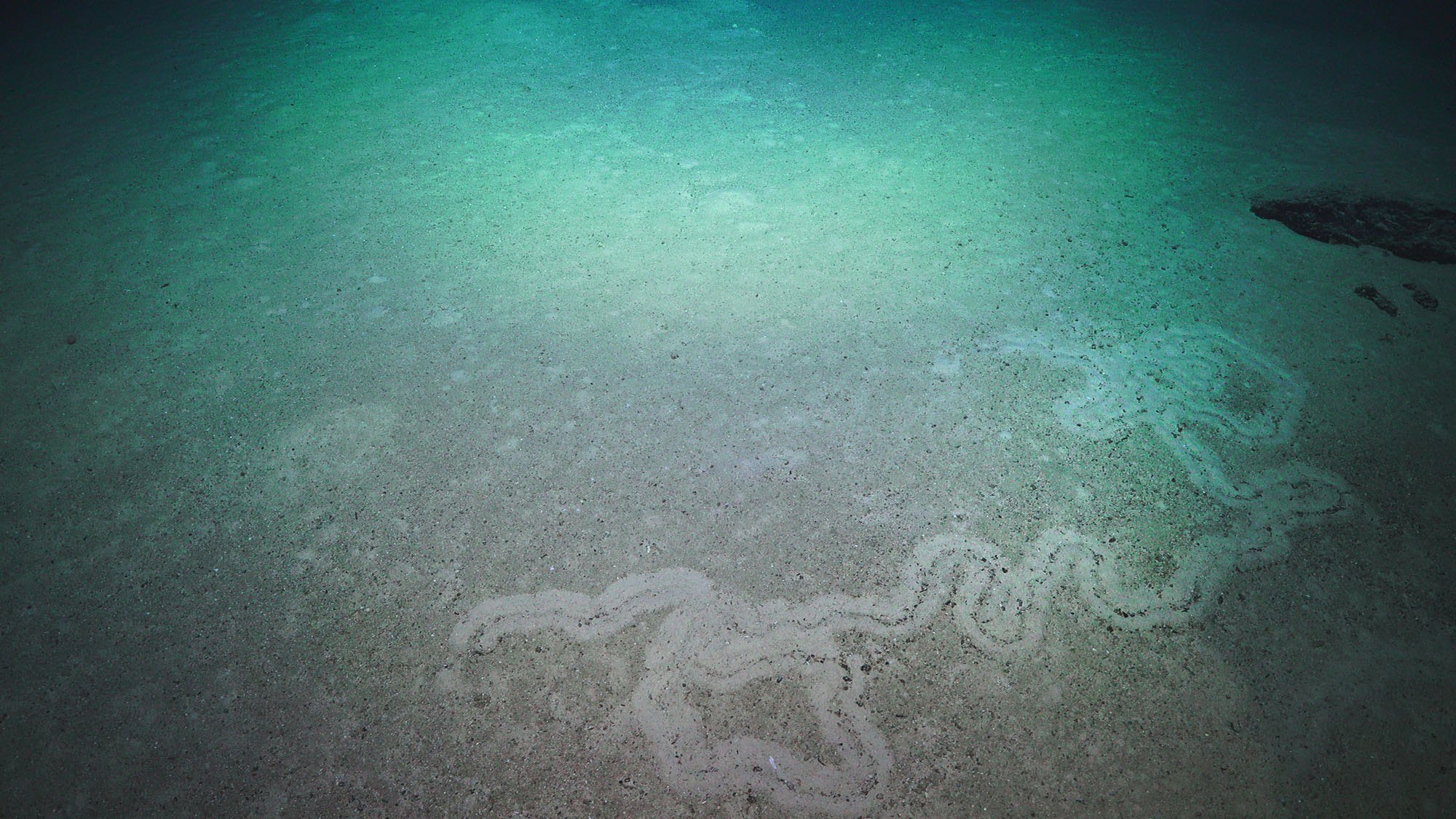
- 14
Data and Tools - Video Update
11 August 2020
Read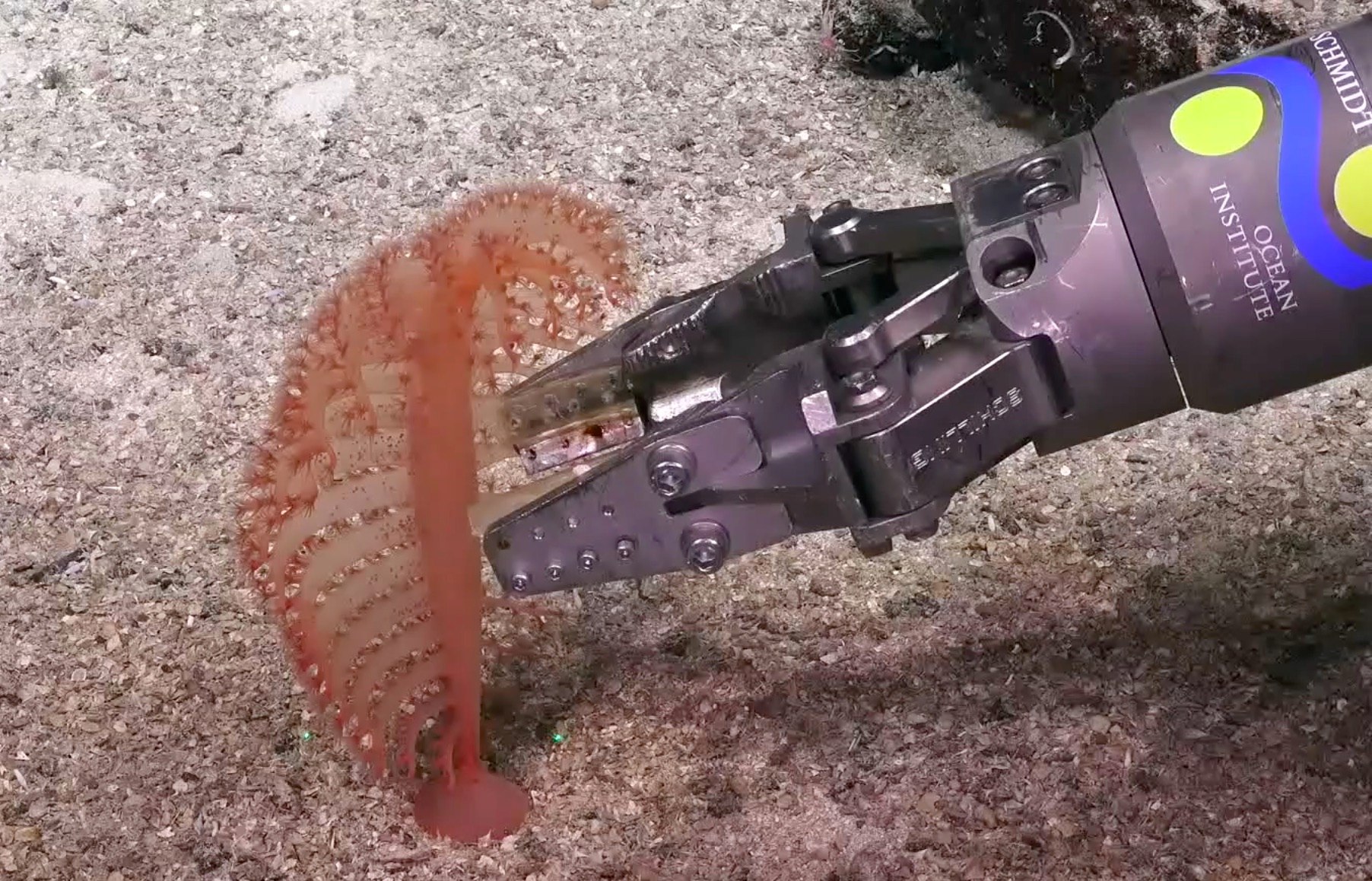
- 15
Video Update - Science Stories
6 August 2020
Read
- 16
When Opportunity Knocks
4 August 2020
Read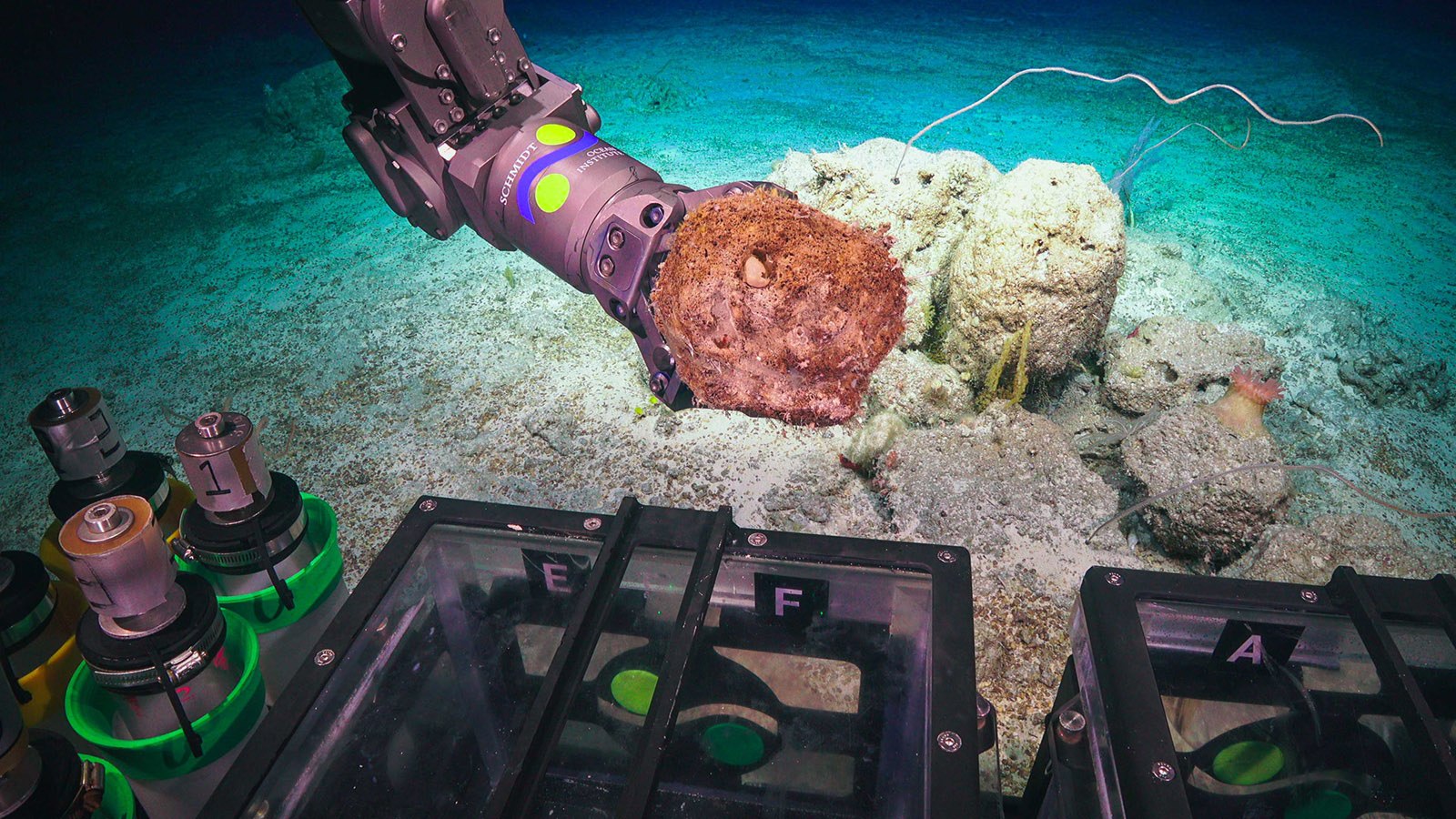
- 17
Deep Diving in the Coral Sea
2 August 2020
Read
Related Galleries
View AllWe are happy to offer a streamlined request process when usage falls within the parameters outlined in the Creative Commons Attribution-Noncommercial-ShareAlike 4.0 International (CC BY-NC-SA 4.0) License. However, due to our legal status as a 501(c)(3) private operating foundation, no media produced by Schmidt Ocean Institute may be used in attempting to influence legislation or lobbying.
Attribution-NonCommercial-ShareAlike | CC BY-NC-SA
Under this Creative Commons License, you are free to:
Share — copy and redistribute the material in any medium or format
Adapt — remix, transform, and build upon the material
Under the following terms:
Attribution. You must give appropriate credit, provide a link to the license, and indicate if changes were made. You may do so in any reasonable manner, but not in any way that suggests the licensor endorses you or your use.
NonCommercial. You may not use the material for commercial purposes.
ShareAlike. If you remix, transform, or build upon the material, you must distribute your contributions under the same license as the original.
Not sure this license fits your use? Head over to our Image Requests page to learn more
Divestreams
View all Divestreams

Weekly Videos
View all Weekly VideosDiscover More
Expedition Data
Title  | Type | Repository |
|---|---|---|
| Preliminary bathymetric grids | Sonar Data | AusSeaBed |
| Sediment and rock sample metadata | Sediment Samples, Rock Samples | Geoscience Australia |
| 3D models and flythrough animations of seamounts | Imaging and Modeling Techniques | YouTube |
| AUV Sirius Images | Captured Image/Video | Australian Ocean Data Network (AODN) |
| ROV video and imagery catalog | Captured Image/Video | National Computational Infrastructure |
| Metadata description | Other | Geoscience Australia |
Processed Acoustic backscatter, swath bathymetry and sidescan data from Falkor and CTD, navigation, event log and select imagery from ROV SuBastian | Sonar Data, Oceanographic Property Data, Navigation Data | Marine Geoscience Data System (MGDS) |
| ADCP Data | Oceanographic Property Data | University of Hawaii SOEST |
| Vessel Underway Data | Oceanographic Property Data | Rolling Deck to Repository (R2R) |
| Annotated Imagery | Annotated Imagery | Squidle+ |
| Bathymetry Survey | Sonar Data | Geoscience Australia |
| ArcGIS StoryMap | Mapping Data | Other |
| New carnivorous sponges | Biological Analysis Data | Ocean Biodiversity Information System (OBIS) |
Publications from This Expedition
30 Day Preliminary Cruise Report: Seamounts, Canyons, and Reefs of the Coral Sea
Beaman, R. (2021) Schmidt Ocean Institute R/V Falkor Australia Campaign 2020-2021. Oral Presentation and Conference Paper, Sub-Committee on Regional Undersea Mapping, General Bathymetric Chart of the Oceans, Virtual from Paris, France.
McNeil, M. (2021). No Pandemic-pause for Multi-disciplinary Reef Exploration in 2020. Reef in Review, 50, 8-10.
Beaman, R., Picard, K., and Miller, A. (2022). RV Falkor Surveys in Australia 2020-2021. Oral Presentation and Conference Paper, Hydrospatial 2021 Conference, Australasian Hydrographic Society, Cairns, Australia.
[This Article was published OPEN ACCESS]Horowitz, J., Opresko, D., Molodtsova, T., Beaman, R., Cowman, P., and Bridge, T. (2022). Five new species of black coral (Anthozoa; Antipatharia) from the Great Barrier Reef and Coral Sea, Australia. Zootaxa, 5213 (1), doi: 10.1164/zootaxa.5213.1.1.
[This Article was published OPEN ACCESS]Ekins, M., and Hooper, J. (2023). New carnivorous sponges from the Great Barrier Reef, Queensland, Australia collected by ROV from the RV FALKOR. Zootaxa, doi: 10.11646/zootaxa.5293.3.2.
Huang, Z., Feng, M., Dalton, S., and Carroll, A. (2023). Marine heatwaves in the Great Barrier Reef and Coral Sea: their mechanisms and impacts on shallow and mesophotic coral ecosystems. Sci. of the Total Env. (908), doi: 10.1016/j.scitotenv.2023.168063.
[This Article was published OPEN ACCESS]Ricci, F., Leggat, W., Pasella, M., Bridge, T., Horowitz, J., Girguis, P. and Ainsworth, T. (2024). Deep sea treasures - Insights from museum archives shed light on coral microbial diversity within deepest ocean ecosystems. Heliyon, 10 (5), doi: 10.1016/j.heliyon.2024.e27513.
[This Article was published OPEN ACCESS]Tea, Y-K., Sih, T., Walsh, F., Bennett, T., Rocha, L., Bardout, G., et al. (2025). New records of fishes from the Coral Sea Marine Park, Australia. Coral Reefs, doi: 10.1007/s00338-025-02664-3.
[This Article was published OPEN ACCESS]Lindhorst, S., Budke, L., Beaman, R., Eisermann, J.O., Hübscher, C., Lahajnar, N., Lüdmann, T., Webster, J., and Betzler, C. (2026). Deep-water canyon-channel systems of the Queensland Plateau, Northeast Australia. Marine Geology, 491, doi: 10.1016/j.margeo.2025.107678.
[This Article was published OPEN ACCESS]