



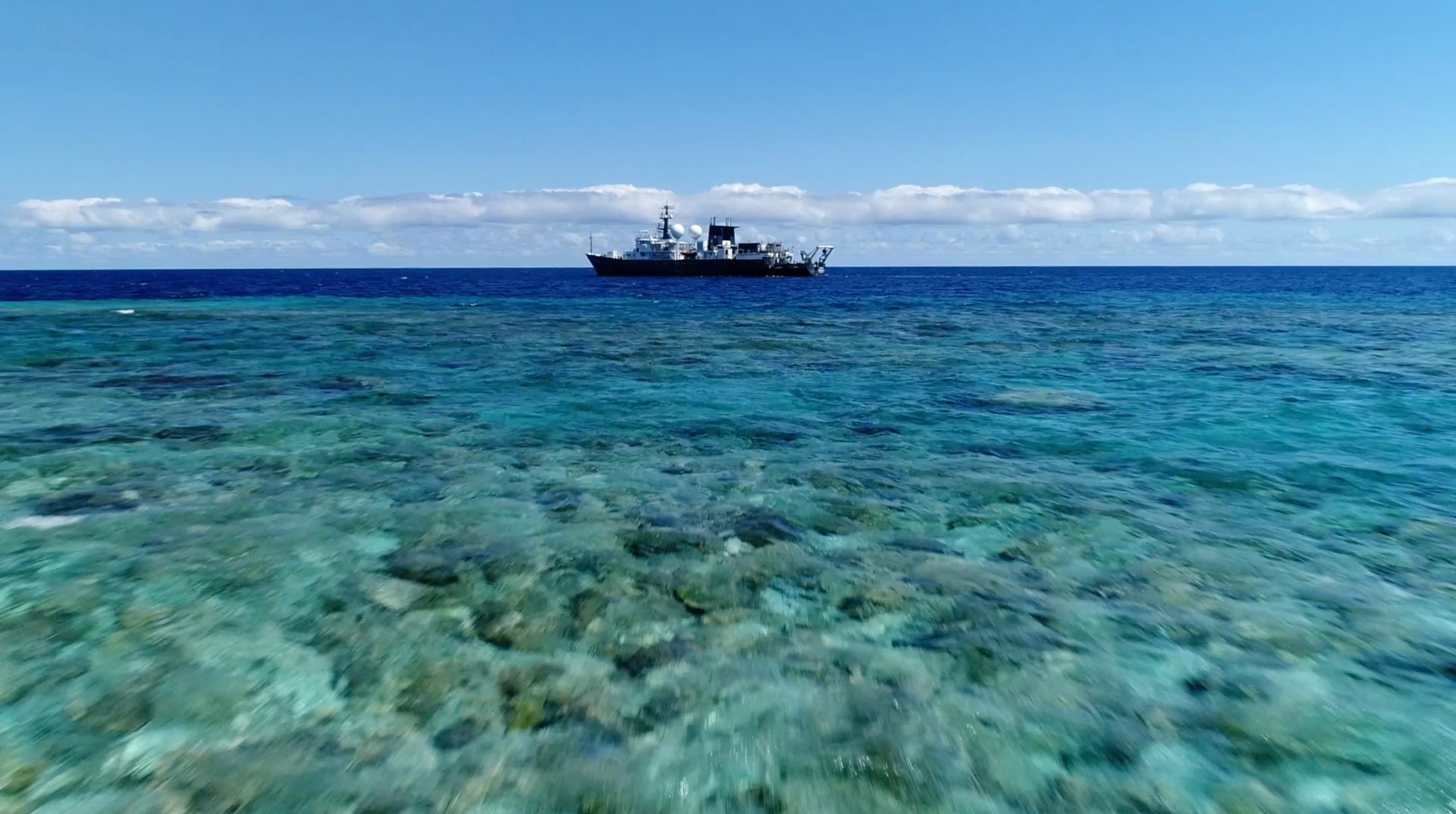

The seafloor is the least understood part of the Earth - with only 20 percent previously mapped in detail, there is still 80 percent unknown. The seafloor is made up of many different features, including plateaux and basins, ridges and canyons, underwater landslides, earthquake faults, and submarine volcanoes. We still have so much to learn about the complexity of the seafloor, and we are always discovering new features every time we go out to map the ocean floor.
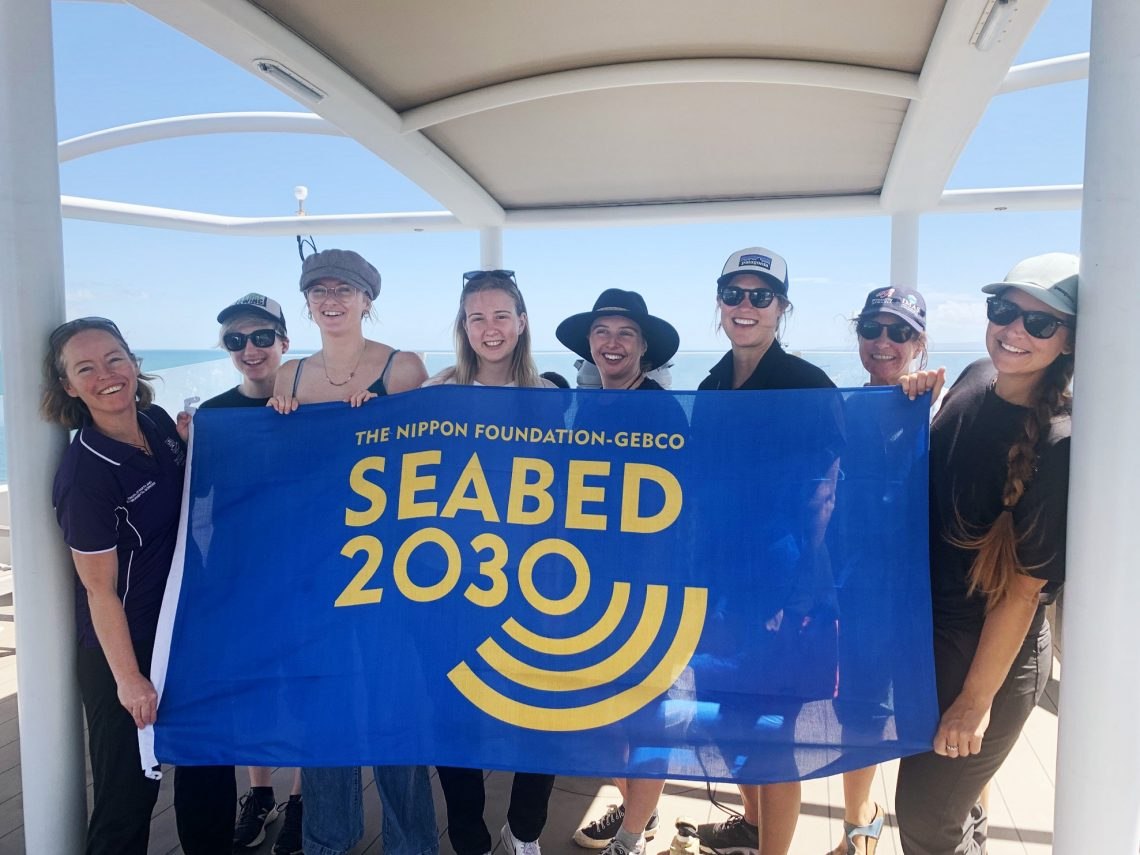
Over the next month, the aim of this voyage is to undertake broad-scale mapping of the seafloor offshore eastern Australia. The expedition is a collaboration between Schmidt Ocean Institute, Nippon Foundation-GEBCO Seabed 2030 Project
My name is Dr Helen Bostock
The new, detailed seafloor maps will provide information about tectonic plate movements over the long geological past that could explain how the oceans and continents formed in this part of the world. This voyage will map the western edge of Zealandia, the recently discovered collection of micro-continents that includes New Zealand. The shape of the seafloor also has major implications for the flow of ocean currents—often blocking the flow of deep water, but also influencing intermediate and shallow water currents. These ocean currents are a significant modulator of the Earth’s climate.
The seafloor is also the largest habitat on Earth, covering 70 percent of the globe, and we still know very little about vast areas - especially the deep ocean below about 1500 m depth. Mapping the seafloor is also important to provide information on suitable habitat for deep marine ecosystems that support deep-sea corals, sponges, and many invertebrates (many still undiscovered). These ecosystems provide the nurseries of deep-sea fish that are important fisheries.
Upwelling of nutrient-rich waters around volcanic seamounts further supports productive marine ecosystems, including food for marine mammals and seabirds. As part of this expedition, we will have scientists on board undertaking seabird and whale observation surveys to understand spatial patterns as an indicator for the health of the ocean ecosystems.
We are also excited to have Artist-At-Sea Jessica Leitmanis, a sculpture artist, on the Falkor. Jess has a strong connection to the ocean, and her primary medium is marine debris rope that has been salvaged from remote coasts around Australia.