



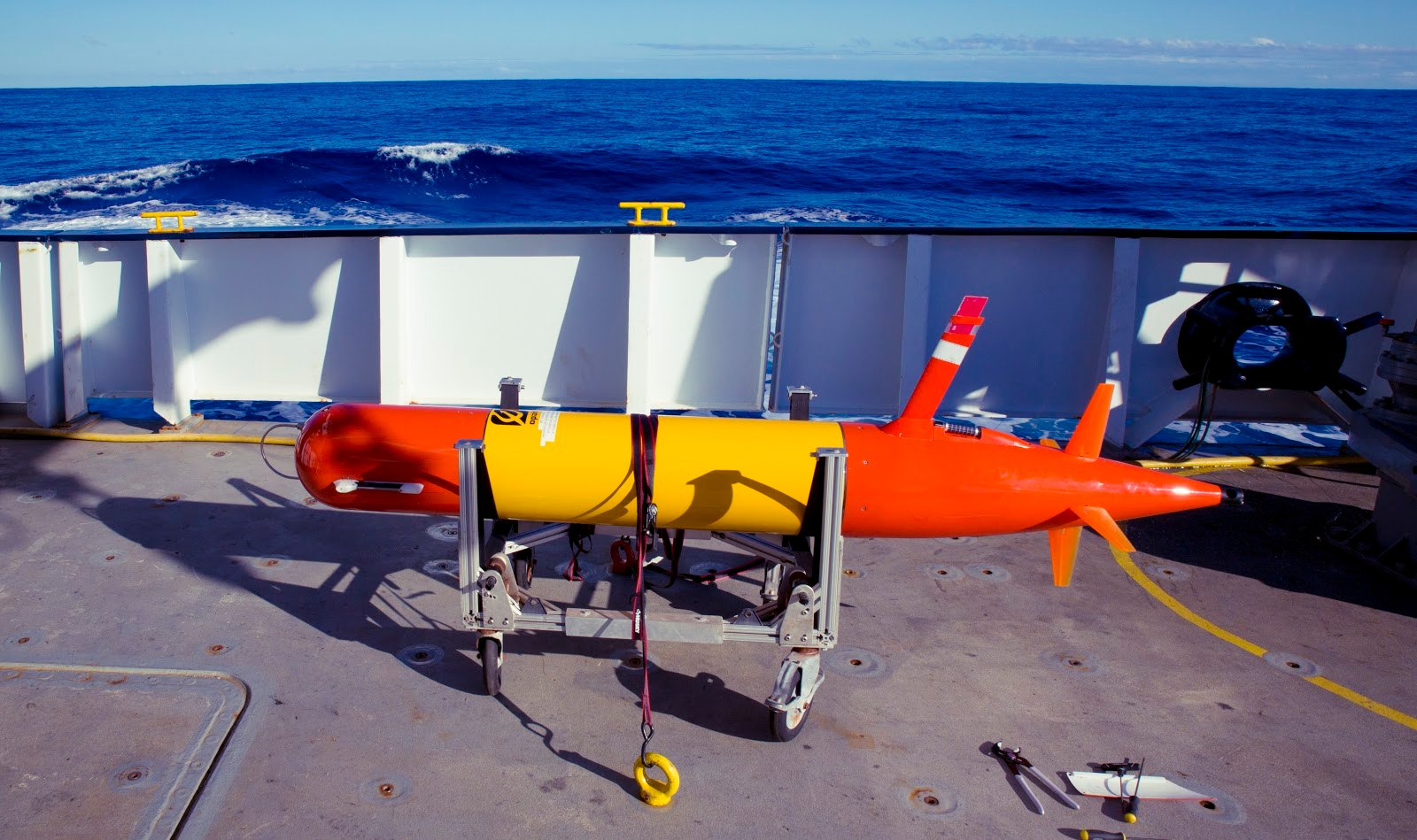

It is an amazing sight to see: water 360 degrees around you and nothing else. However, taking repetitive measurements every day in the middle of the Pacific Ocean for weeks at a time can take its toll, especially when the majority of our sampling consists of pushing water through a filter. A seemingly simple task becomes exponentially more difficult as more filter types, water depths, and rough weather are added to the situation.
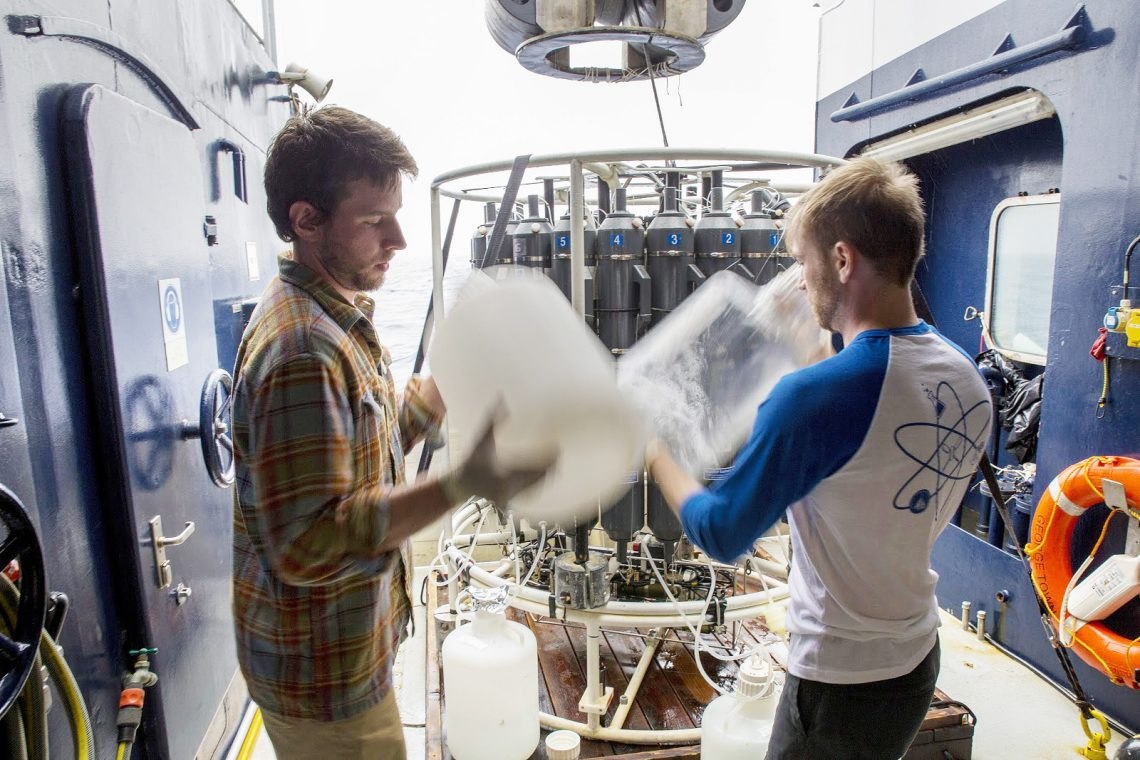
We are filtering water to collect DNA and RNA of microbial life in the ocean. DNA can be thought of as an organism’s genetic instruction guide, while RNA reflects which instructions are being used at any moment. Processing microbes at sea is often done by collecting microbes onto filters with very small pores (like mini-fishnets), then preserving the microbial biomass for further analyses on land. Both DNA and RNA can be isolated from these samples once back in the lab on shore and then analyzed through genomics, offering a snapshot into the microbial communities and their activity. These days, that often entails genomic analysis of the entire microbial community: information is referenced to different gene databases, telling us what organisms we have collected, what the organisms are doing at this moment, and what the organisms can potentially do.
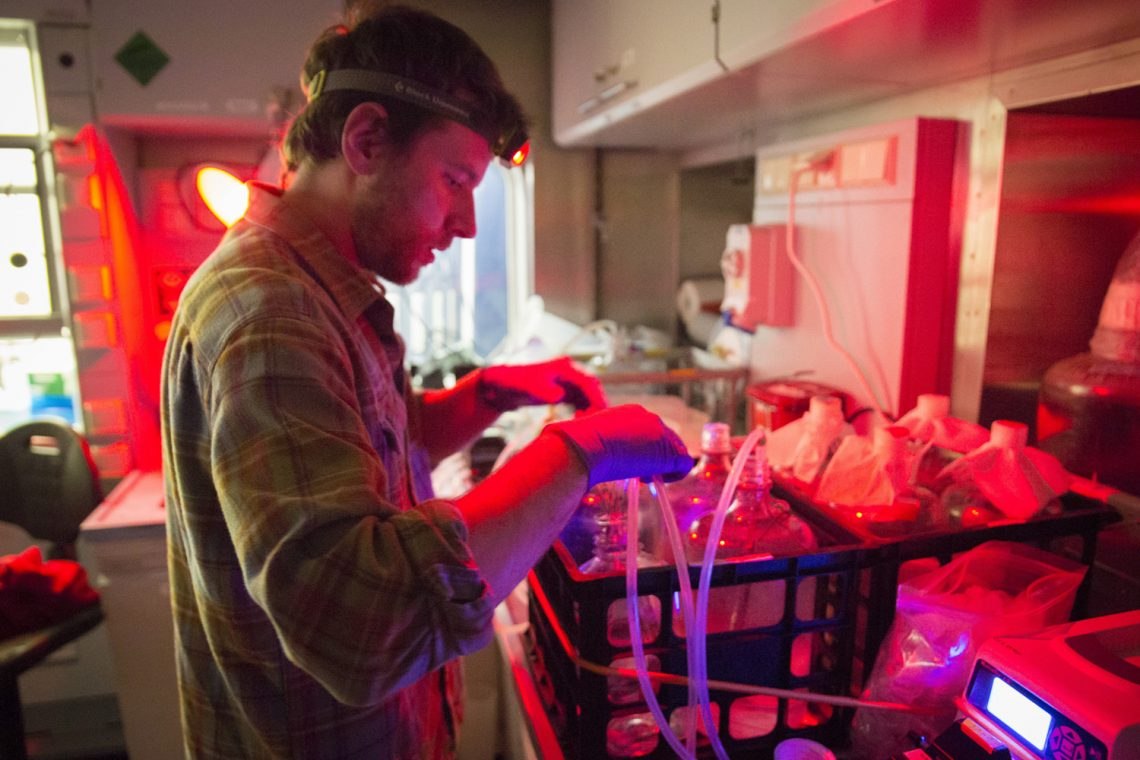
Thanks to our partnership with MBARI
For the past five days, I have been taking samples at 6am, Noon, and 6pm from various depths: 50m, approximately 100m (DCM), and 250m. In contrast, the ESP has been taking samples every three hours, a process that would be impossible – or at least unhealthy – for a human to attempt. When we return with these samples, each one will go through the sample post-processing steps, eventually sequencing and analyzing the genetic information collected. I like to think of this cruise as a competition between the quality of data collected by traditional sampling methods and that of the ESP. Everyone is hoping for this competition to be a tie, where both of the sampling methods result in exactly the same data.
Ultimately, this comparison will provide further grounds for trusting the ESP sampler in the same conditions of the North Pacific Subtropical Gyre the DeLong lab has been sampling for years. This assurance of quality data will bring many benefits, including decreased reliance on ship time (the LRAUVs may be able to directly go to many of our most common sampling locations), an ability for higher resolution sampling across time, and even more reliable sampling (as human error may be reduced). I know not every profession always feels this way, but I am happy that my new colleague is a robot.