


Dive In
About the Expedition
If you have ever flown over the Pacific and looked down from the window seat, the water seems still. Viewed from this distance, the water appears stagnant with unmoving dashes of waves.
- Dive Markers
- Trackline
The Mission
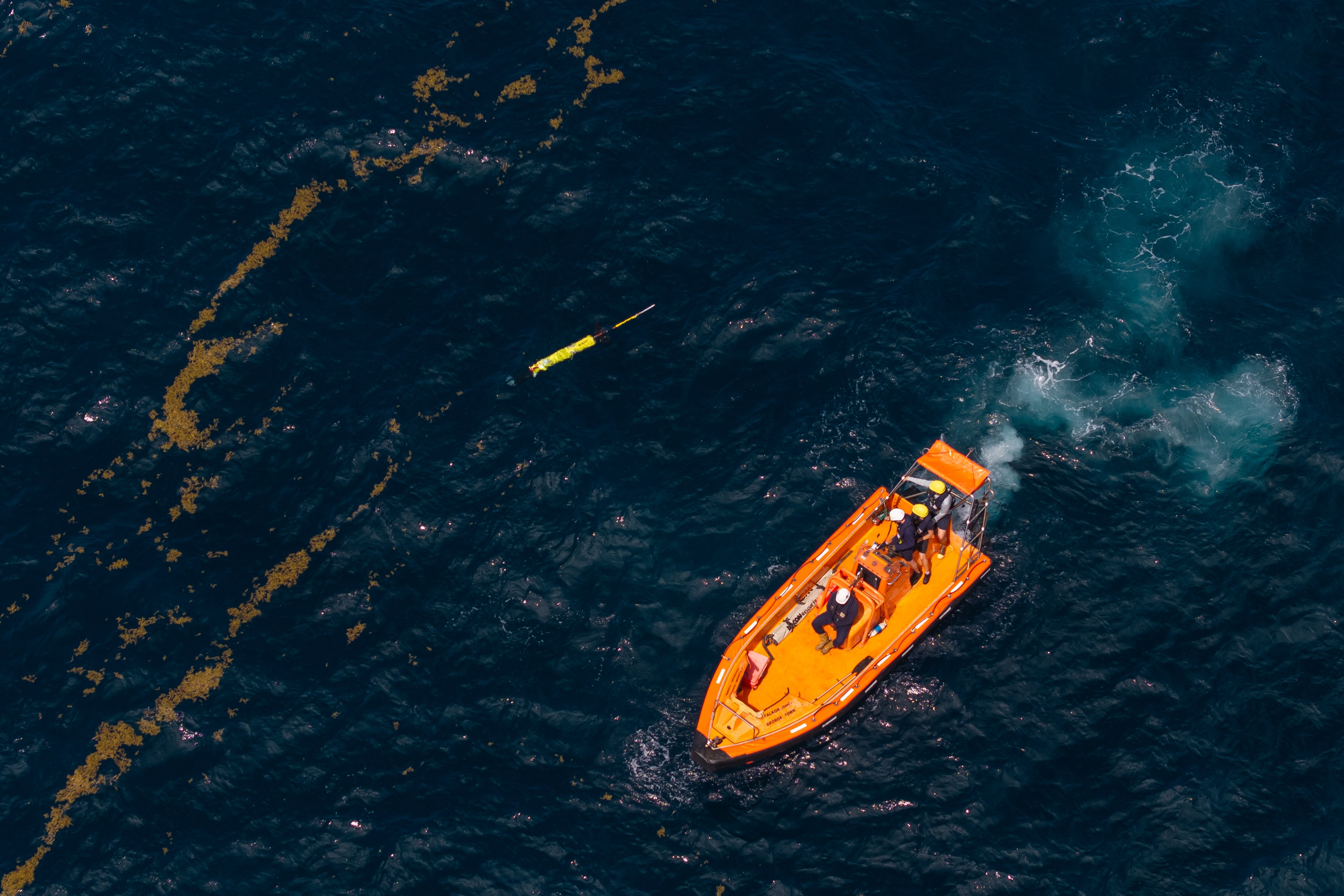
If you have ever flown over the Pacific and looked down from the window seat, the water seems still. Viewed from this distance, the water appears stagnant with unmoving dashes of waves. This picture strikes discordantly with the imagination - it fails to capture the flux of ocean dynamics, giving little evidence to the diverse and numerous systems moving perpetually below the ocean’s surface. No matter one’s proximity, there’s only so much that can be discerned with human eyes. Cue the robots! This February, Principal Investigators and co-directors for the Simons Collaboration on Ocean Processes and Ecology (SCOPE) Drs. David Karl and Edward DeLong, their SCOPE team from the University of Hawai’i, and engineers from the Monterey Bay Aquarium Research Institute (MBARI) will be working together to test new ways of adaptively sampling oceanographic features with an exciting suite of autonomous underwater vehicles.
This expedition will use a suite of oceanographic instruments to survey and track systems of currents – called “mesoscale eddies” – that exist within the North Pacific Subtropical Gyre (NPSG). Eddies are water systems that move in opposition to the main current of the greater ecosystem, creating a circular, swirling dynamic like a whirlpool. A mesoscale eddy is a medium-sized system defined by the team as a “closed circulation field with a diameter of 100-200 km.” One important result of this dynamic is the vertical mixing of oceanic layers within defined water columns. Because each of a given water column’s layers (i.e. Epipelagic, Mesopelagic, Bathypelagic, Abyssopelagic, in descending order) comprises different physical characteristics, patterned movements of water masses between these otherwise separate habitats have important consequences for the productivity and biological structure of the ecosystem.
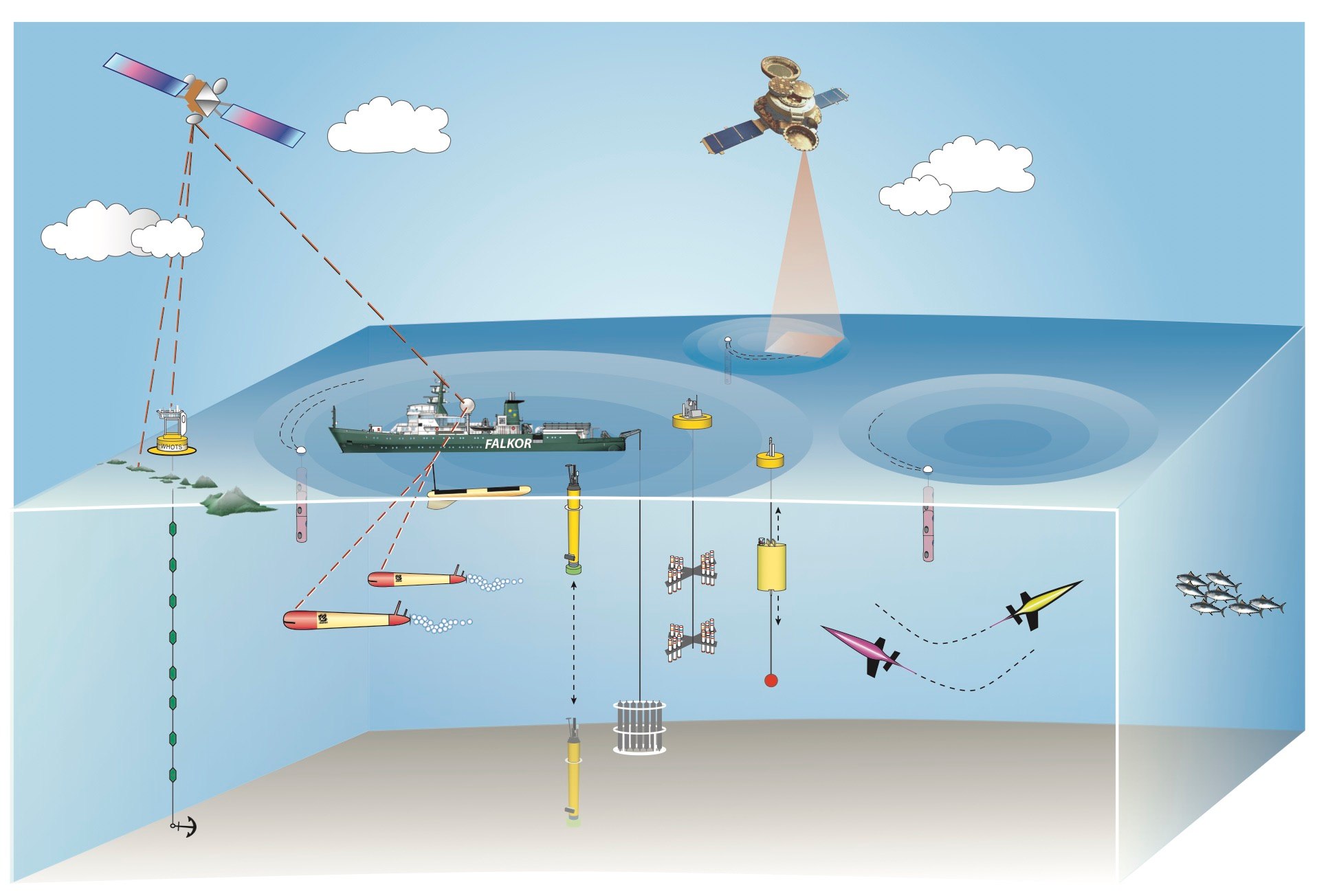
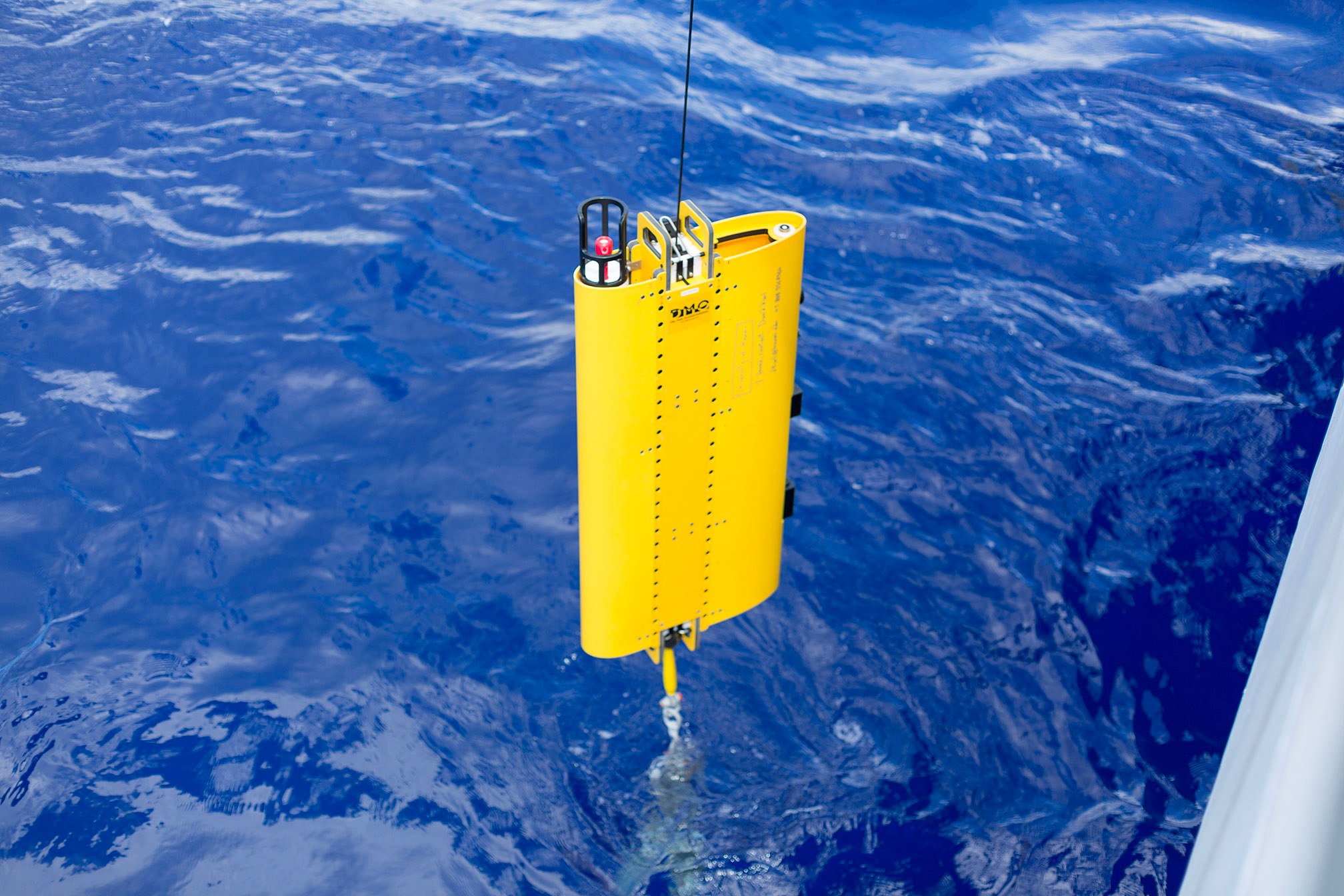
These eddy systems create vortices and change properties of the ocean environment inside as they move westward, impacting the productivity and cycling of the NPSG, an important open ocean ecosystem. The SCOPE team will deploy three seawater-sampling Long-Range Autonomous Underwater Vehicles (LRAUVs) from Falkor that will operate in tandem with a Wave Walker, a SeaGlider, a Wire Walkers, and other robotic platforms. The LRAUVs will first characterize the eddy system, then perform high resolution mapping of depths where just enough light penetrates for photosynthesis. The mapping phase will include the collection of chemical and biological samples from these low-light adapted microbial communities, providing a unique insight into the influence of eddies on ocean ecosystems. This information will be used to improve current ocean models, which are critical for developing expectations on the health of future oceans.
Why Eddies?
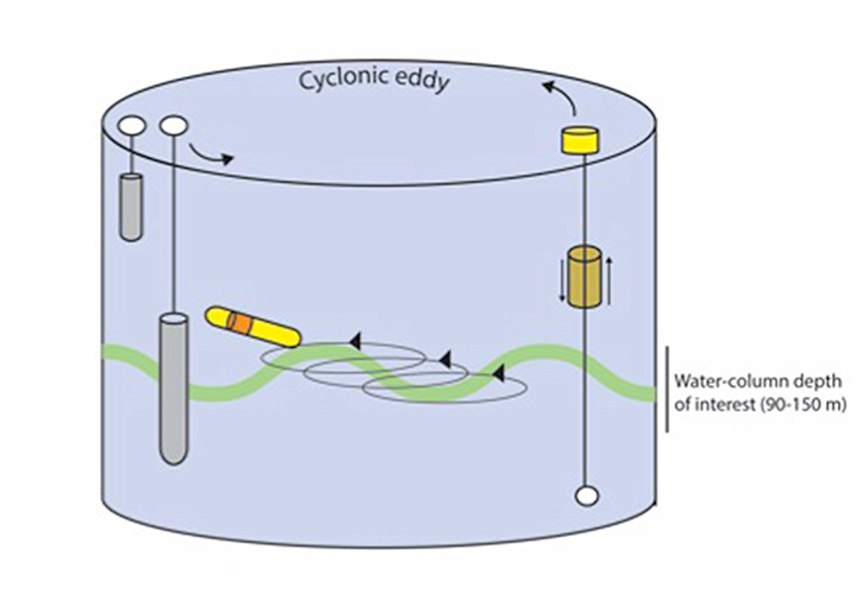
Within eddy systems, water masses can interchange within a vertical range of up to 100 meters, moving seawater from upper to lower layers in the column, and vice versa. This is important because each layer has different physical, chemical, and biological characteristics, and their mixing can produce sudden and long-term changes in the structure of an ecosystem. For instance, there is a significant increase in levels of nutrients at 150 meters below sea level, but light decreases exponentially with depth. Therefore, the vertical interchange of water masses could have a profound impact on organisms that are reliant on photosynthesis and the products of this process for survival. Eddies are important features in these systems because a cyclonic (counter clockwise rotating) eddy can bring the deep nutrient layer to shallower depth, exposing the low-light community to both light and nutrients.
Scientists have long observed the influence of mesoscale eddies upon the community structures and productivity of oceanic ecosystems. The fact that they have such an impact is not a recent revelation. However, little has been established with regard to these systems within the NPSG. While there is infrastructure in place to measure their influence in the region over long periods of time (months, years), there is currently no capacity to measure short-term patterns of change over periods of hours, days, or even weeks. That is about to change. The fleet of LRAUVs developed at MBARI will allow the SCOPE team to record data and collect sample at the same time in greater detail than ever before. Finally, we will be able to detect short term patterns of change influenced by mesoscale eddies.
This expedition has important implications, not only for learning more about the influence of eddy systems upon the world’s largest ecosystem - the NPSG - but for the way scientists conduct research in the open ocean. One of the biggest challenges this team faces will be to learn how to best optimize the tools of the robotics suite. In addition to characterizing eddy system patterns, another intended outcome is the development of a single platform that brings together all the data collected by AUVs in the water and various shipboard instruments. Their hope is that this platform, referred to as “Data Situational Awareness,” will ultimately make all in situ research projects such as theirs much more efficient, and establish an infrastructure that will finally make it possible to characterize detailed features of mesoscale eddies and their influence upon ecosystem dynamics.

Team and Collaborators
Steve Poulos
Chief Scientist
Sam Wilson
Chief Scientist

David Karl
Principal Investigator

Edward DeLong
Principal Investigator

Ryan Tabata
Gabe Foreman
Elisha Wood-Charlson
Thom Hoffman
Multimedia Correspondent

Eric Shimabukuro

Paul Den Uyl
Brent Roman
Ana Maria Cabello
Roman Marin III
Blake Watkins
Chris Preston

Tom O’Reilly
Anna Romano

Tristy Vick-Majors

Tim Burrell
Brett Hobson

Kevin Becker
Mathilde Dugenne
Yanwu Zhang
Brian Kieft
Morgan Linney
Fernanda Henderikx
Angel White
Nick Hawco

Tara Clemente
Rosie Gradoville
Julia Weissenbach

Hans Ramm
Emma Wear
John Ryan



Explore
Updates from the Ship
All Ship Updates
- 01
A Greater Understanding
14 April 2018
Read
- 02
Technology, Courage, and Next Steps
13 April 2018
Read
- 03
Wrapping Up the #MicrobeEddyBots Expedition ~ Week 04 Video
12 April 2018
Read
- 04
An Ocean’s Breath
11 April 2018
Read
- 05
How To Spy On Nitrogen-Fixing Bacteria
9 April 2018
Read
- 06
Can’t Stop Moving
7 April 2018
Read
- 07
Microbes and Machines ~ Week 03 Video
6 April 2018
Read
- 08
My New Colleague Is a Robot
4 April 2018
Read
- 09
Rhythm in the Eddy
3 April 2018
Read
- 10
Behind the MicrobeEddyBots
30 March 2018
Read
- 11
The 'Bots are Back! ~ Week 2 Video
27 March 2018
Read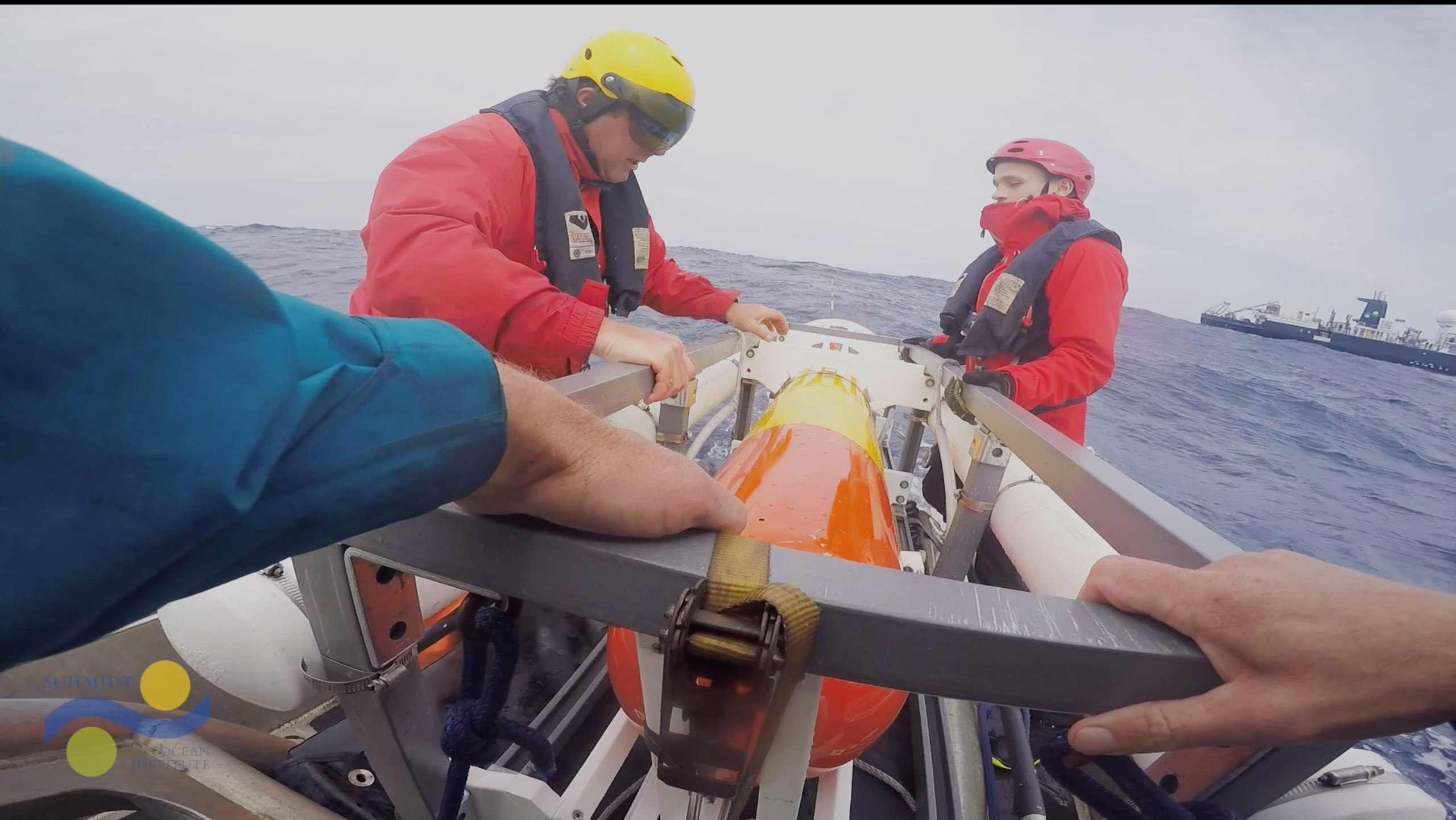
- 12
Underway CTD’s - The Struggle is 'Reel'
25 March 2018
Read
- 13
Sampling Eddies
22 March 2018
Read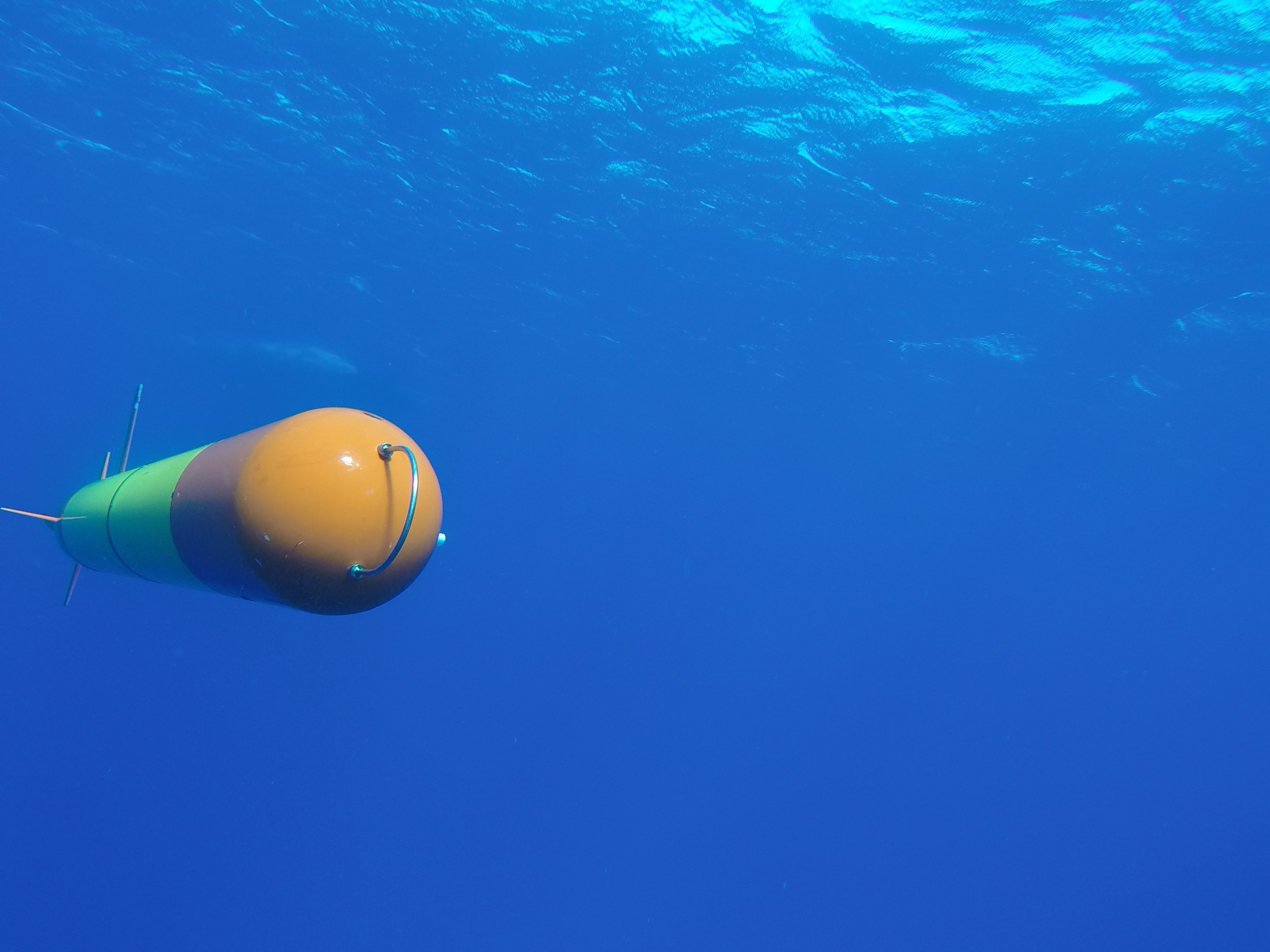
- 14
Tracking Eddies
21 March 2018
Read
- 15
Autonomous Vehicles: The Future of Eddy Exploration ~ Week 1 Video
18 March 2018
Read
- 16
Characterizing Eddies
17 March 2018
Read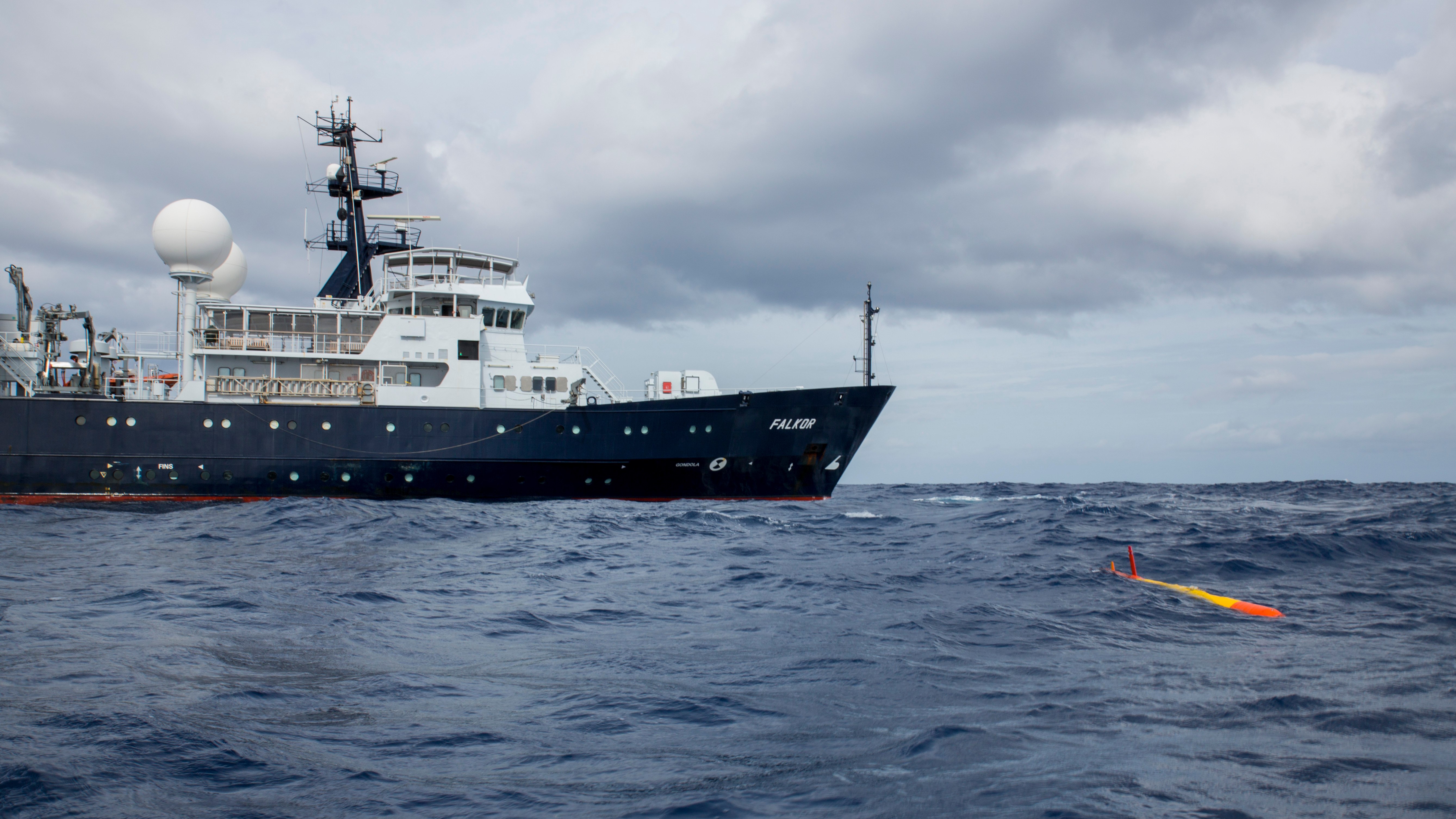
- 17
Chasing Eddies
15 March 2018
Read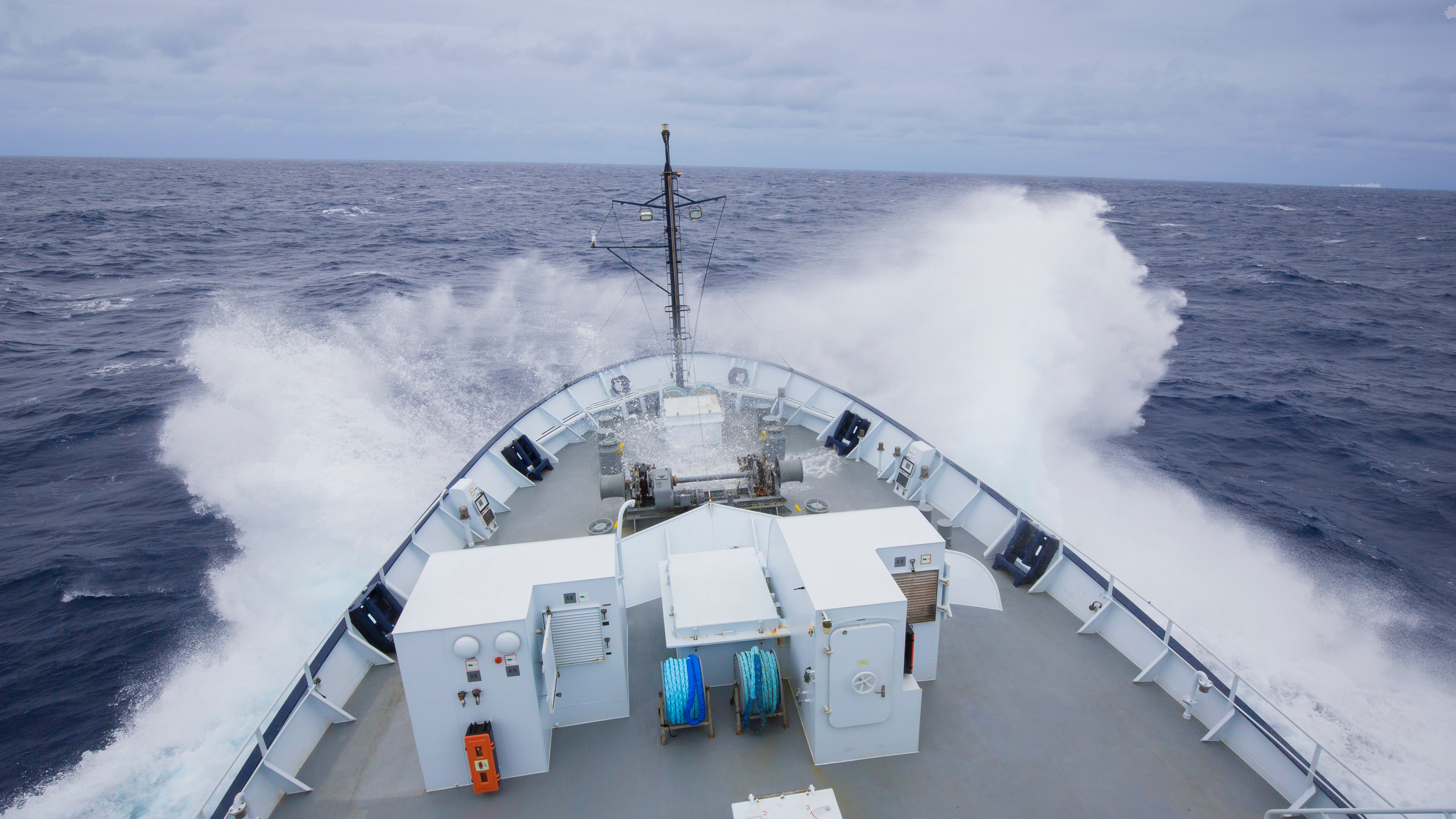
- 18
Setting Off to Explore Eddies
13 March 2018
Read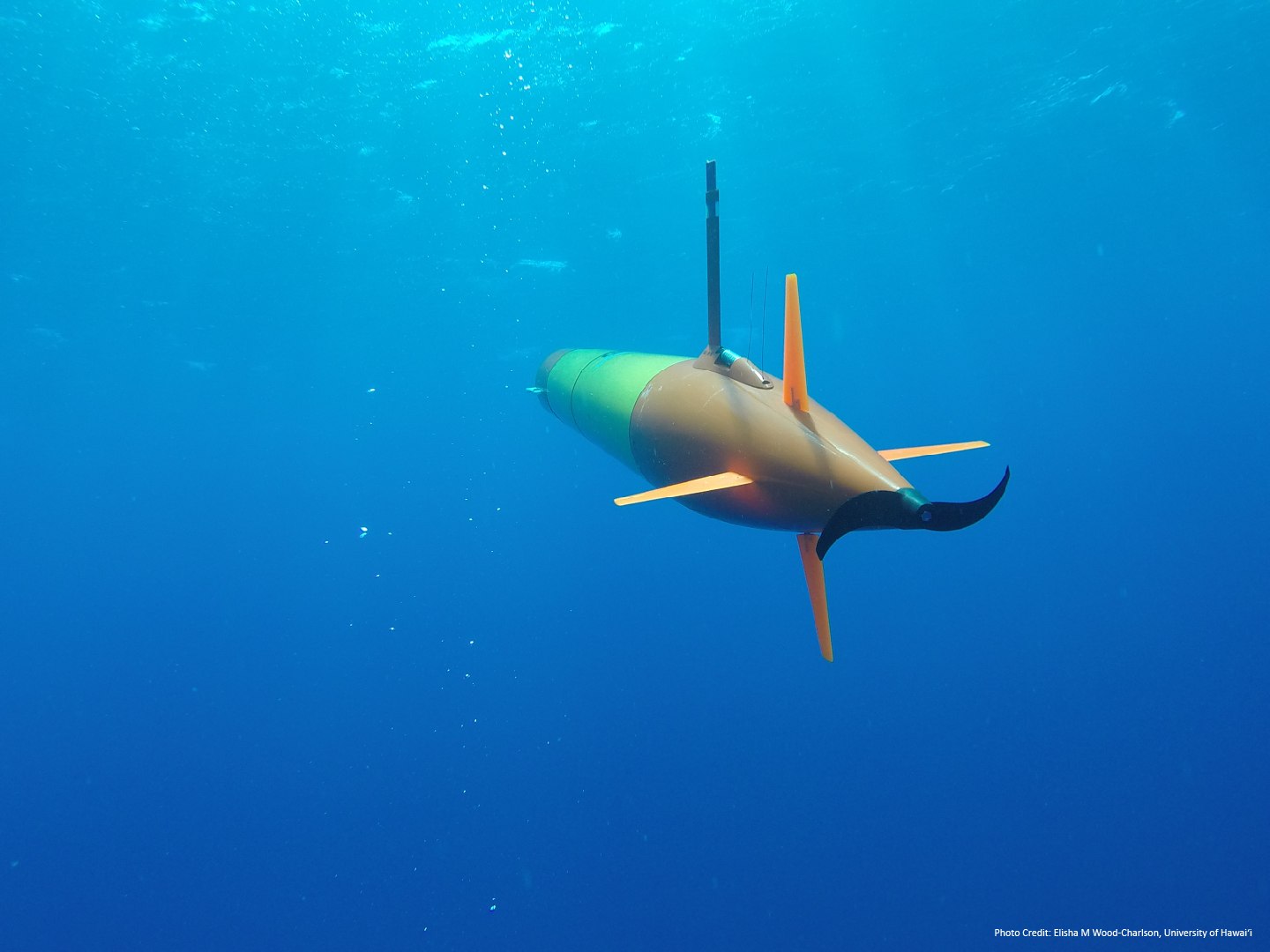
- 19
Pumping Iron
9 December 2015
Read
Weekly Videos
View all Weekly Videos
Discover More
Expedition Data
Title  | Type | Repository |
|---|---|---|
| Vessel Underway data | Oceanographic Property Data | Rolling Deck to Repository (R2R) |
| Autonomous sensors onboard LRAUVs and Seagliders | Oceanographic Property Data | University of Hawaii SOEST |
| Water column data | Oceanographic Property Data | Other |
| Water-column biogeochemistry | Water Samples | University of Hawaii SOEST |
| All cruise data | Other | Other |
Publications from This Expedition
30 Day Preliminary Cruise Report: Eddy Exploration and Ecosystem Dynamics
Informal Cruise Report: Eddy Exploration and Ecosystem Dynamics
Zhang, Y., Ryan, J., Kieft, B., Hobson, B., McEwen, R., Godin, M., Harvey, J., Barone, B., Bellingham, J., Birch, J., Scholin, C., and Chavez, F. (2019). Targeted Sampling by Autonomous Underwater Vehicles. Front. Mar. Sci. 6:415, doi: 10.3389/fmars.2019.00415.
Zhang, Y., Kieft, B., Hobson, B., Ryan, J., Barone, B., Preston, C., et. al. (2020). Autonomous Tracking and Sampling of the Deep Chlorophyll Maximum Layer in an Open-ocean Eddy by a Long Range Autonomous Underwater Vehicle. IEEE Journal of Oceanic Engineering, 45(4), doi: 10.1109/JOE.2019.2920217.
[This Article was published OPEN ACCESS]Wear, E., Carlson, C., and Church, M. (2020). Bacterioplankton metabolism of phytoplankton lysates across a cyclone-anticyclone eddy dipole impacts the cycling of semi-labile organic matter in the photic zone. Limnol. and Ocean, 65 (7), doi: 10.1002/lno.11409.
[This Article was published OPEN ACCESS]Zhang, Y., Ryan, J., Hobson, B., Kieft, B., Romano, A., Barone, B., et. al. (2021). A system of coordinated autonomous robots for Lagrangian studies of microbes in the oceanic deep chlorophyll maximum. Science Robotics, 6(50), doi: 10.1126/scirobotics.abb9138.
Weissenbach, J., Goldin, S., Hulata, Y., Lindell, D. (2024). Differences in cyanophage and virioplankton production dynamics in eddies of opposite polarity in the North Pacific Subtropical Gyre. Frontiers in Mar. Sci, 11, doi: 10.3389/fmars.2024.1442290.
[This Article was published OPEN ACCESS]