


0 results for
- Type in the search bar to begin searching the site.
Expeditions
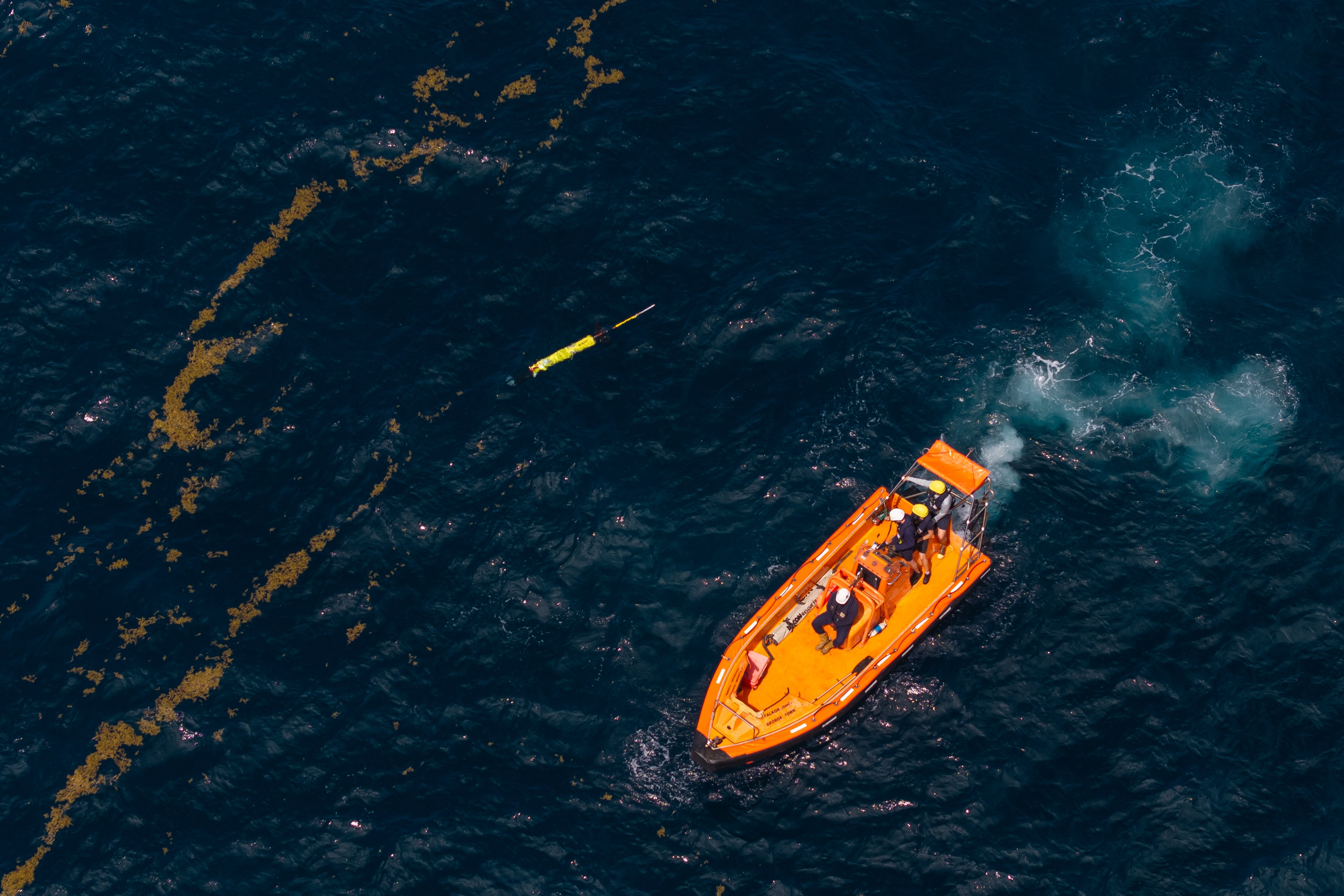
In the coming years, our expeditions will explore understudied regions around all seven continents in our global Ocean.
Latest Expedition
See all
Programs
From grants for caregivers to an artist-at-sea residency, our programs strive to deepen knowledge and inspire a connection with our planet’s life support system.
Latest Expedition
See all
Science Team Resources
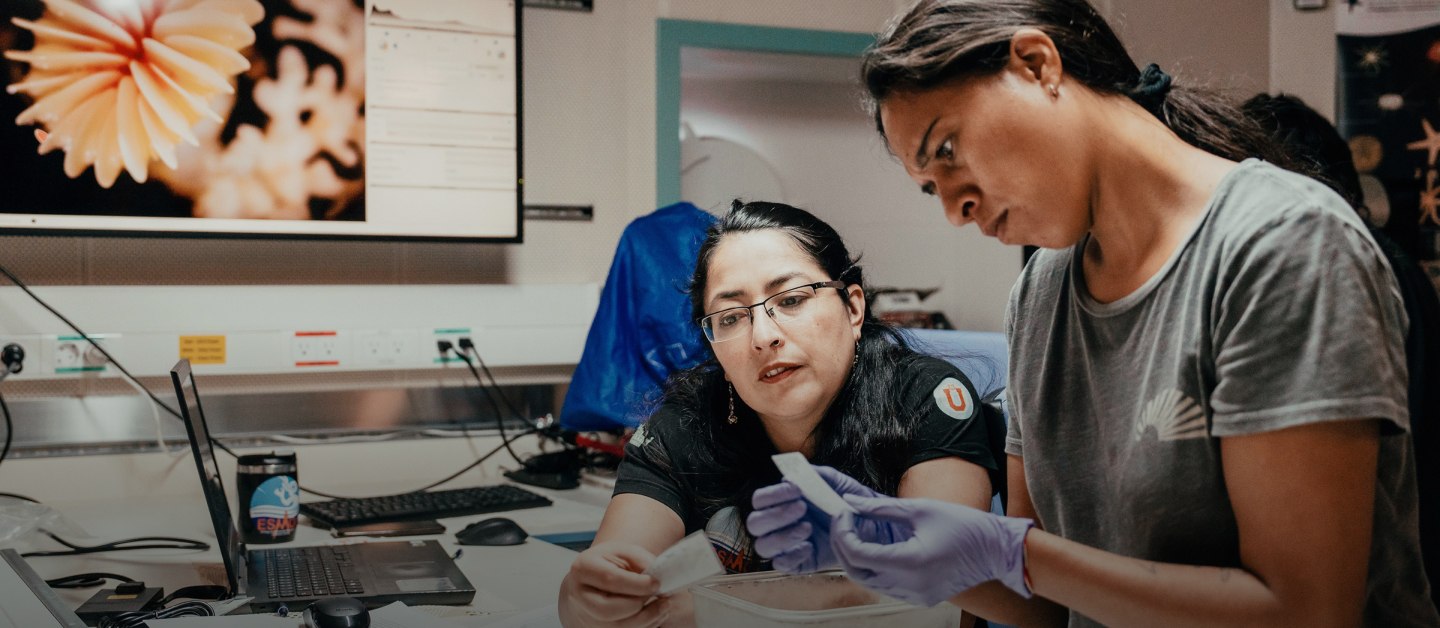
To help you plan for your expedition, this hub includes information about outreach, technical specifications for our robotic platforms, a list of lab equipment, information about accessing data repositories, and more.
Latest Expedition
See all
- Our Team

Expeditions & Roles
Rosie Gradoville
Rosie joined the Zehr lab at the University of California, Santa Cruz in spring 2017 after finishing her Ph.D in Ocean Ecology and Biogeochemistry at Oregon State University. As part of her postdoctoral research, Rosie is examining the abundance, diversity, and activity of nitrogen-fixing microorganisms in the North Pacific These nitrogen-fixers are especially important in the North Pacific Subtropical Gyre, where they help to fertilize the open ocean with bioavailable nitrogen. Onboard the R/V Falkor, Rosie will be collecting samples for nanoSIMS to investigate how nitrogen fixation by the cyanobacterium UCYN-A varies with depth and light conditions. joined the Zehr lab at the University of California, Santa Cruz in spring 2017 after finishing her Ph.D in Ocean Ecology and Biogeochemistry at Oregon State University. As part of her postdoctoral research, Rosie is examining the abundance, diversity, and activity of nitrogen-fixing microorganisms in the North Pacific These nitrogen-fixers are especially important in the North Pacific Subtropical Gyre, where they help to fertilize the open ocean with bioavailable nitrogen. Onboard the R/V Falkor, Rosie will be collecting samples for nanoSIMS to investigate how nitrogen fixation by the cyanobacterium UCYN-A varies with depth and light conditions.