




One of my favorite memories of sailing with Schmidt Ocean Institute was in 2016 when we were using the ROV SuBastian to explore volcanoes of the Mariana Arc and Backarc in the western Pacific. We live-streamed seafloor video from this amazing sulfur-rich underwater volcano
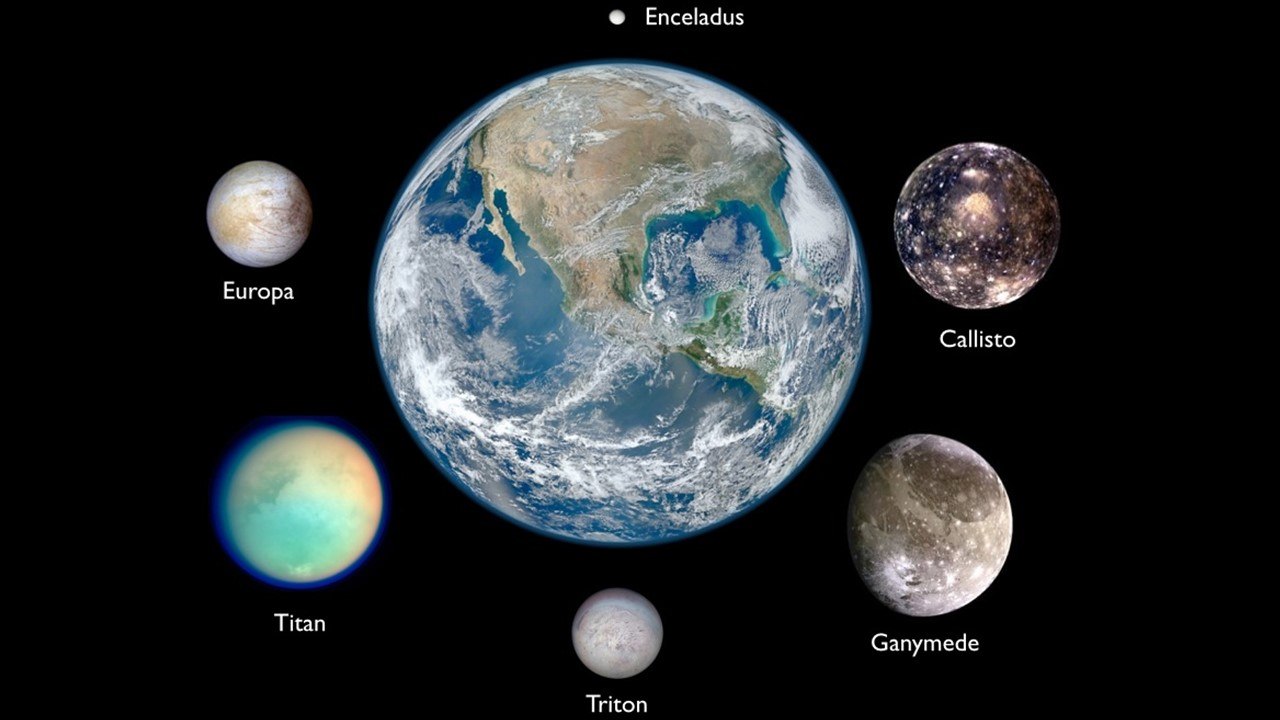
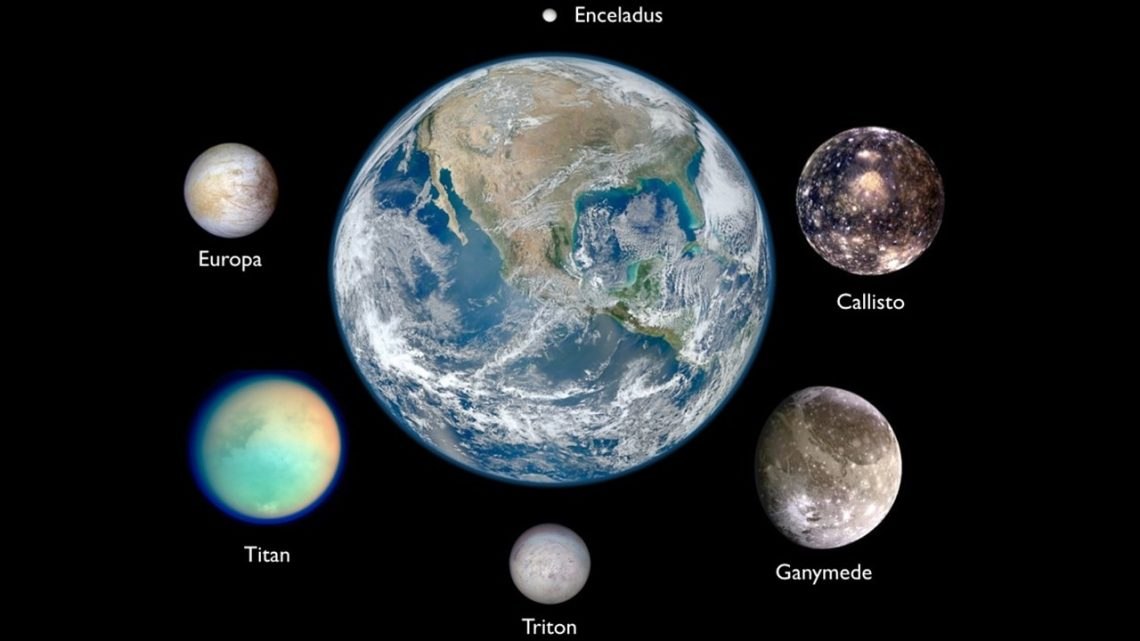
In fact, over the last 20+ years, we have learned that Earth is not unique in our solar system for hosting an ocean. Ocean worlds are a group of planetary bodies in our outer solar system known to have a liquid water ocean (IMG 1). Many of these contain vast oceans beneath a thick ice crust, and some of them also have rocky seafloors much like we have on Earth. This raises the possibility that they could support chemosynthetic microbial life similar to what we find at deep-sea hydrothermal vents and other forms of seafloor fluid here on Earth- both known and yet-to-be discovered.
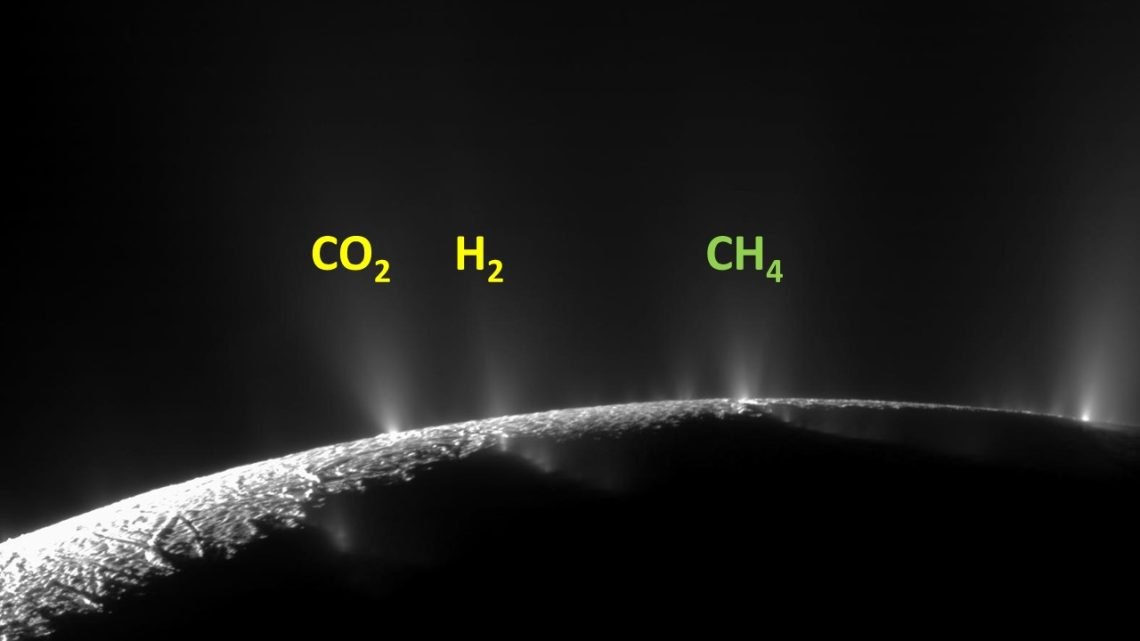
Examples of such ocean worlds include Jupiter’s moon Europa and Saturn’s moon Enceladus. NASA has sent a number of missions to fly by these bodies, and in 2005, the Cassini spacecraft discovered that icy water particles and gas gush from Encaldus’ surface (IMG 2). A number of instruments on the spacecraft measured the contents of the plume and its particles and found grains of silica, which likely formed when hot water carrying dissolved minerals emerged from the seafloor into the cold ocean. In addition, scientists found hydrogen, carbon dioxide, and methane in that plume. If you’ve been reading any of our blogs or watching our live streams, you will recognize that these are key components of hydrothermal systems here on Earth, and perhaps even more importantly, chemical compounds that microbial life on Earth uses to grow in these environments.
We have also been talking a lot about the geological processes that create these chemical compounds- namely the hydration and alteration of ultramafic rocks in Earth’s oceanic crust through serpentinization (As explained in the first blog
Such analog research is important when we launch missions to Europa and Enceladus and try to capture ocean samples, for as challenging as it is to do our work on the seafloor here on Earth, we have the luxury of bringing samples from the seafloor to our laboratories for analysis. In the outer solar system, where all of these ocean worlds reside, we will have to detect life and its biosignatures out there, which means we really need to get it right here on Earth before we do it out there!
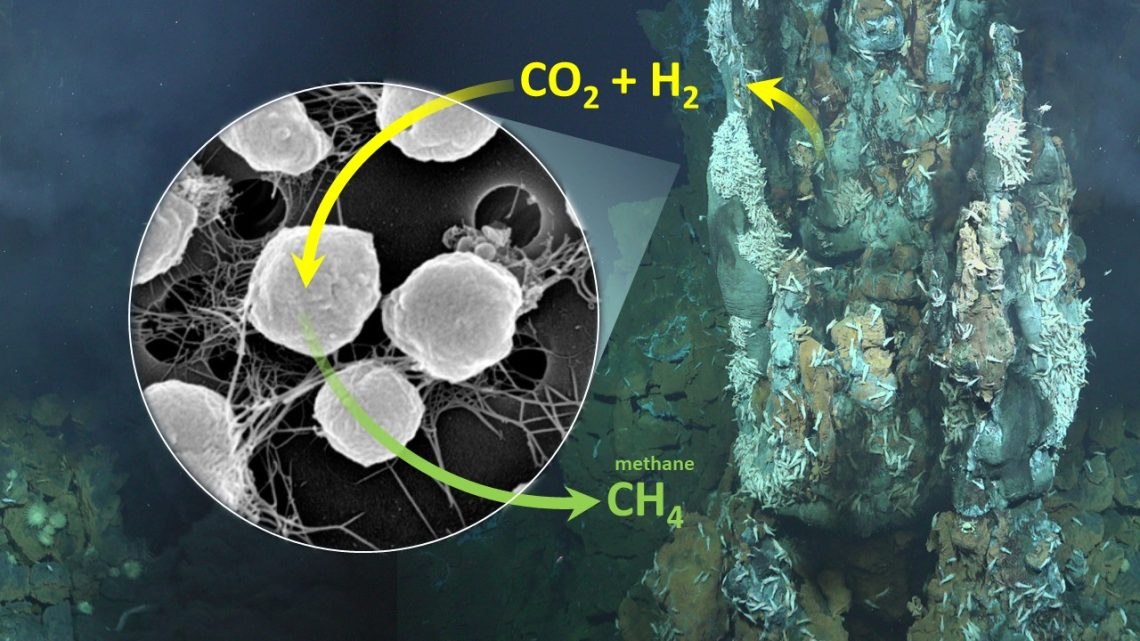
Given the interaction between and alternation of water and rocks is likely a universal process across the solar system, our work aboard the Falkor(too) identifying new sites of hydrothermal venting, measuring its chemical constituents, and detecting the activity of diverse microbes will help constrain not only the limits to life on Earth, but also what life could exist beyond Earth on these fascinating ocean worlds.
Below: StarTalk episode about ocean worlds with author Julie Huber.
[embed]https://m.youtube.com/watch?v=E-32BZNyf40[/embed]