


Dive In
About the Expedition
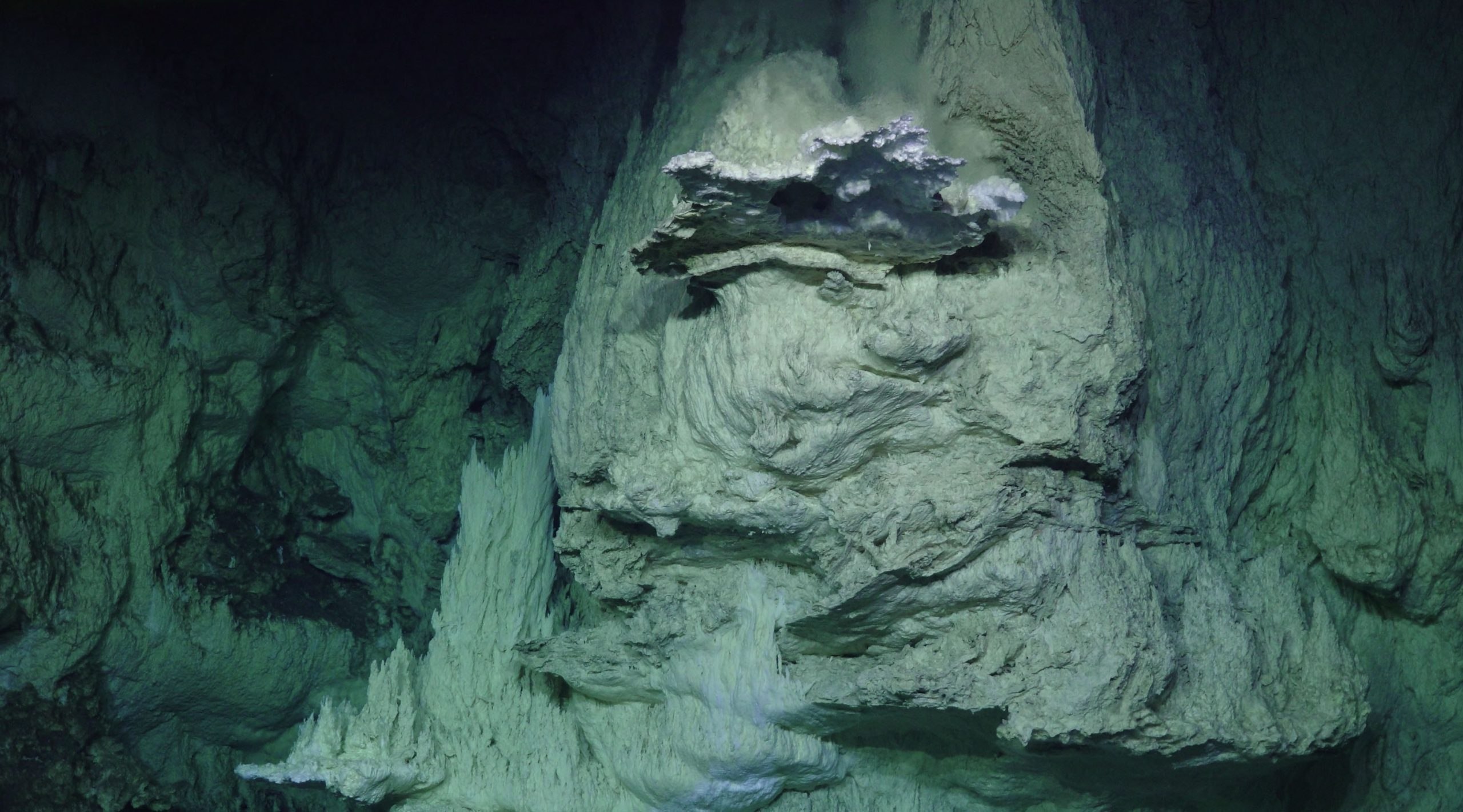
On its inaugural expedition, Falkor (too) will head to the Mid-Atlantic Ridge with Chief Scientist Dr. David Butterfield from the NOAA Pacific Marine Environmental Laboratory - University of Washington, and his team to search for hydrothermal lost cities. In 2000, scientists found a hydrothermal vent system on the Atlantis Massif unlike any seen before. Ghostly towers made of limestone sprang from the seafloor, spewing clear liquid, and very few creatures dwelled among the vents. When the scientists sampled the chemistry, they found it vastly different from black smoker vents on the nearby Mid-Atlantic Ridge volcanoes. The scientists named the new, alkaline vent system, “Lost City.” They determined the reaction creating this new type of vent occurs on a geologic formation known as an oceanic core complex, where mantle rock is exposed to cold seawater. These carbonate vents form when the seawater and mantle rock react in a process known as serpentinization.
Since 2000, scientists have discovered only a few other vents like Lost City, and none that rival the size of the original. During this expedition, Butterfield and his team will search for more vent fields like Lost City— alkaline vents created by serpentinization. Finding them is imperative to science, as their chemical makeup is suspected to be closest to the conditions that facilitated life’s origin on our planet. The microbes living in these depths may provide insight into the circumstances that facilitated the beginning of life on Earth—and possibly other planets.
- Dive Markers
- Trackline
The Mission
Lost and Found: Finding Life’s Origins in Lost City Vents
While the exact origins of life on Earth are unknown, the process necessitates two things: organic molecules and a stable environment to preserve them. The chemical process that creates Lost City-style vents meets both requirements. It takes place in oceanic core complexes—areas of the seafloor where mantle rock meets the ocean through cracks and fissures in the earth's crust. When mantle minerals are exposed to seawater, they undergo a chemical reaction known as “serpentinization”. This process creates the rock serpentinite, prized in jewelry and sculpture for its lustrous green color and scale-like patterning, along with other minerals and molecules. It also produces abundant hydrogen and methane, the simplest hydrocarbon, and highly alkaline waters that transform carbon dioxide in seawater to solid carbonate minerals.
The chemical environment of alkaline vents is favorable to forming and preserving the organic chemical building blocks of life. Microbes, the first life on Earth, may have originated in conditions like those found in Lost City-style vents. Studying the microbes that utilize the hydrogen and methane at these vents may reveal clues about the origin of life on our planet. It may also provide insight into where to look for life on other ocean worlds in our solar system.
Seeking Another Lost City
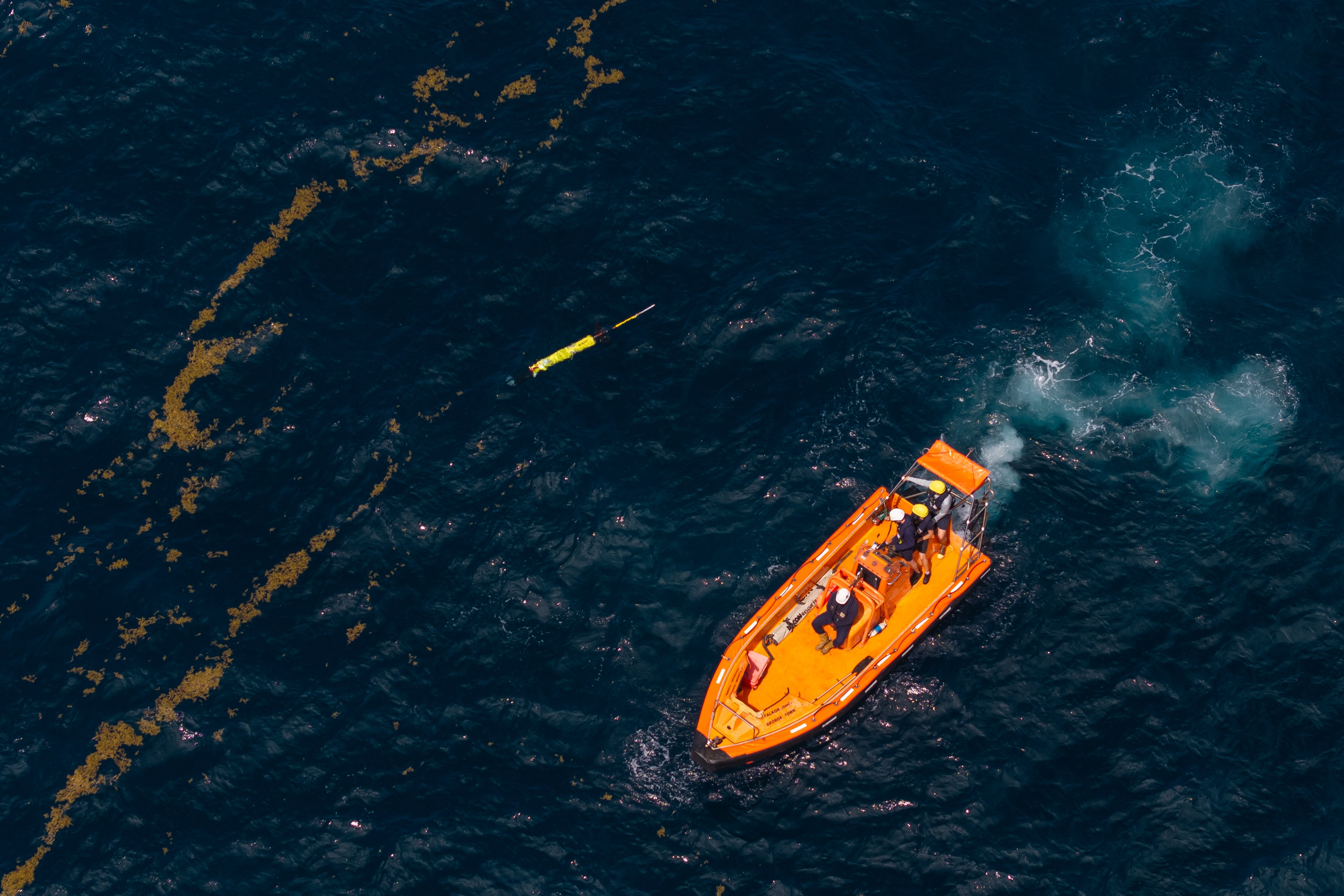
Warm, alkaline vents like Lost City are harder to find than hot, ‘black smoker’ type vents because they don’t produce intense particle plumes that can be detected with optical sensors. However, they do produce plumes of hydrogen and methane. On this expedition, after mapping an oceanic core complex using Falkor (too)’s multibeam sonar, the team will usethe ship’s CTD to find plumes and collect deep water samples to analyze on board. Two AUVs from MBARI outfitted with oxygen reduction potential sensors and magnetometers will produce super-high resolution seafloor maps and plume signals that point to source areas. Finally, the ROV SuBastian will use cameras to hunt for bright, white carbonate features on the dark rocky seafloor. The team will also utilize a newly developed in-situ methane laser absorption spectrometer integrated onto ROV SuBastian to help home in on venting sources and map how much methane is in the surrounding waters. Using these strategies, the team seeks to discover if this type of vent is truly rare or commonly found at oceanic core complexes.
The First Expedition
The expedition will be the first to test the capabilities of R/V Falkor (too). Ten new labs will finally have scientists to fill them and the gondola will be fired up to create its first seafloor maps. ROV SuBastian dives will once again be livestreamed to the public, allowing everyone onshore to engage with the science as it happens in real time. Joining the expedition will be SOI’s first Berth of Opportunity participant, Marc Fontanez Ortiz of Arizona State University, who will be working with the microbiology team and providing Spanish narration during ROV dives. The luck dragon finally returns as it aids scientists in their search for lost cities.
Team and Collaborators

David Caress
Chief Scientist
David Butterfield
Principal Investigator
Tamara Baumberger
Monika Neufeld
Pamela Barrett
Erik Trauschke
Cécile Cathalot
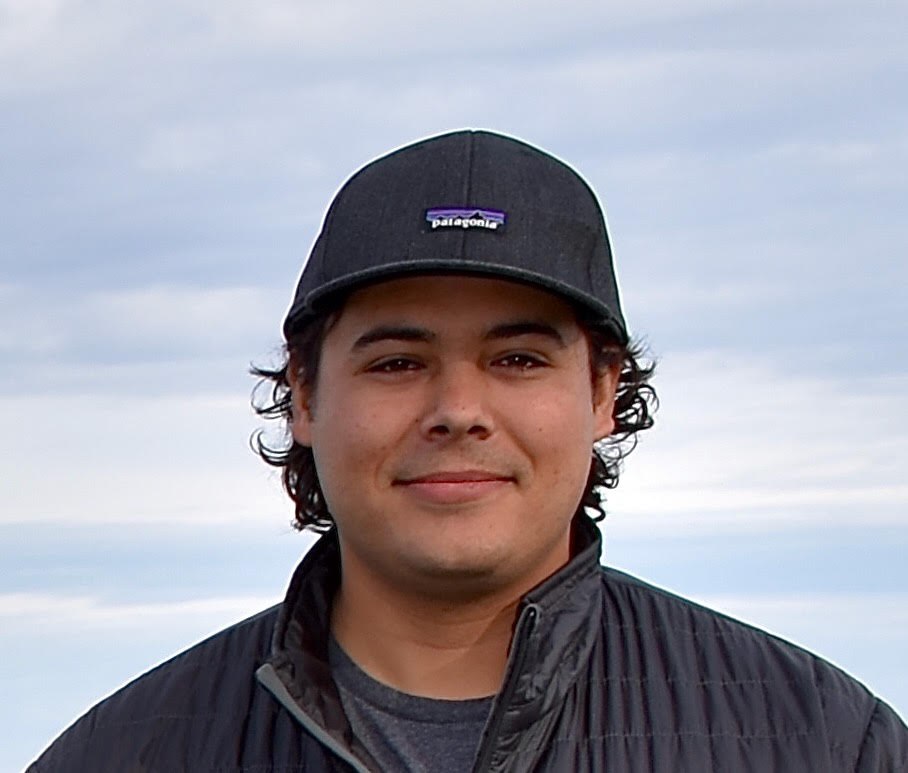
Jordan Caress
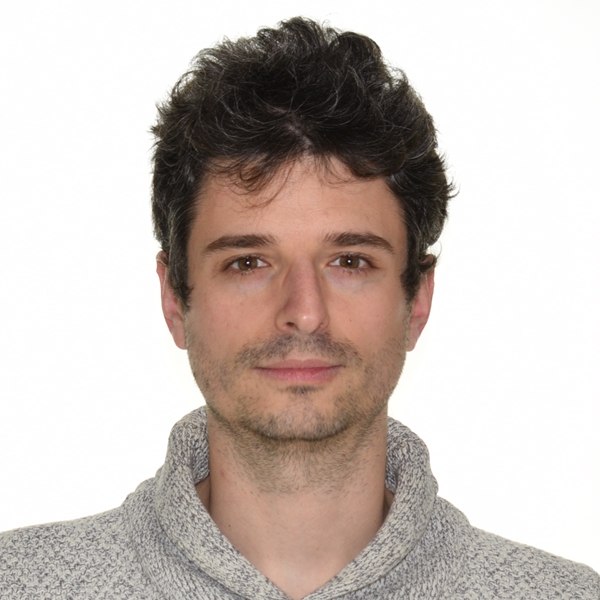
Joan Alfaro-Lucas
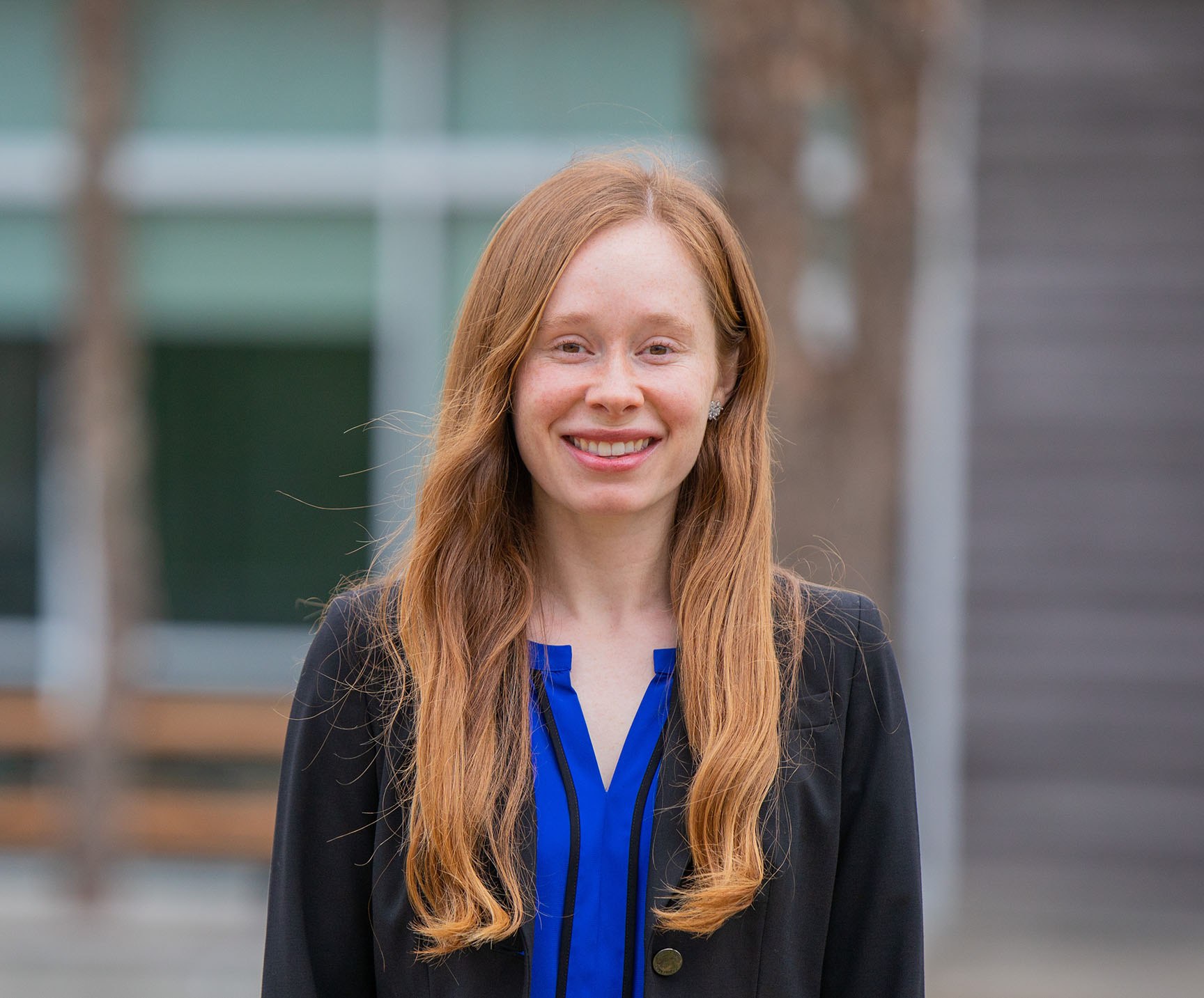
Bayleigh Benner
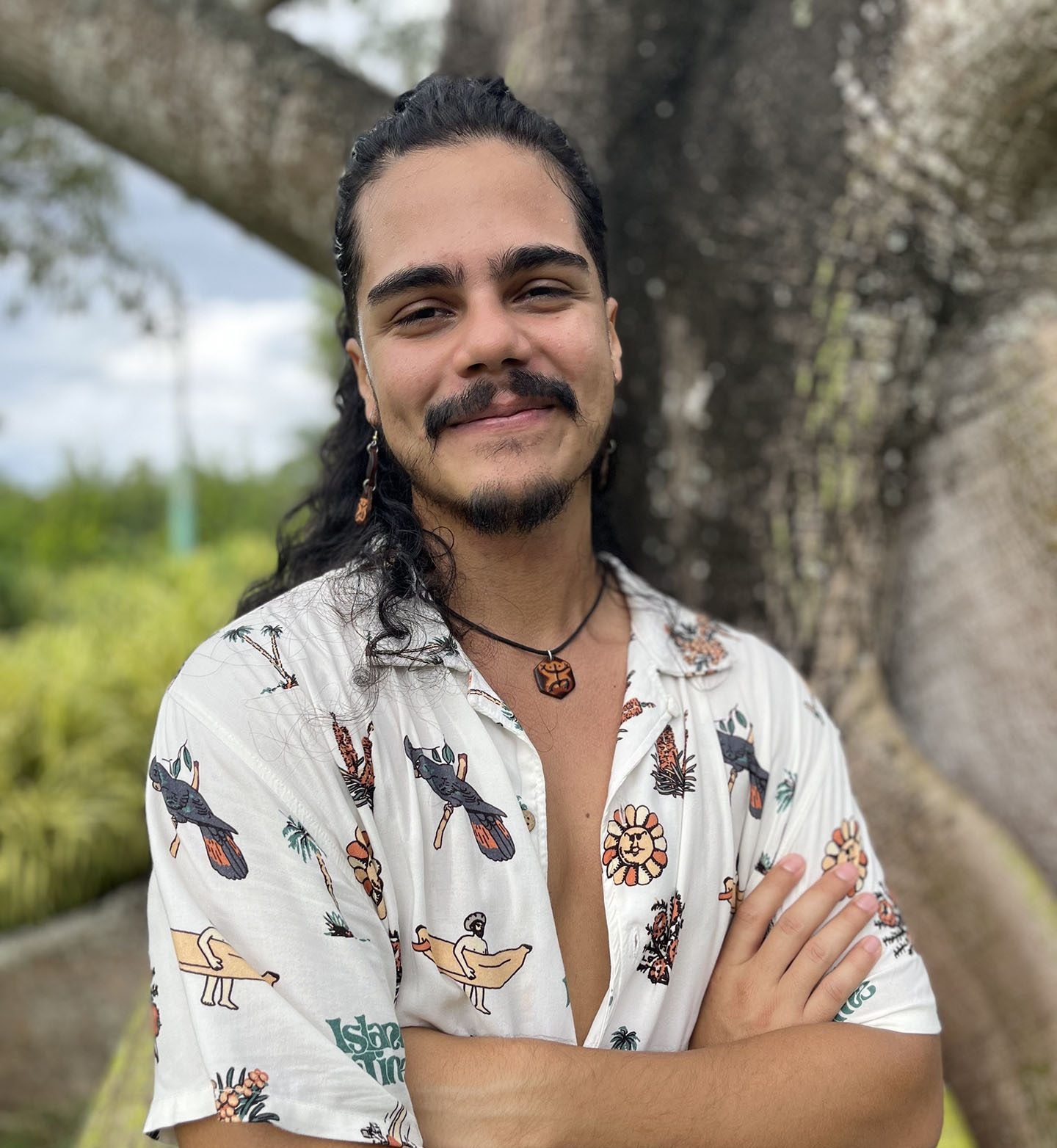
Marc A. Fontánez Ortiz
Berth of Opportunity
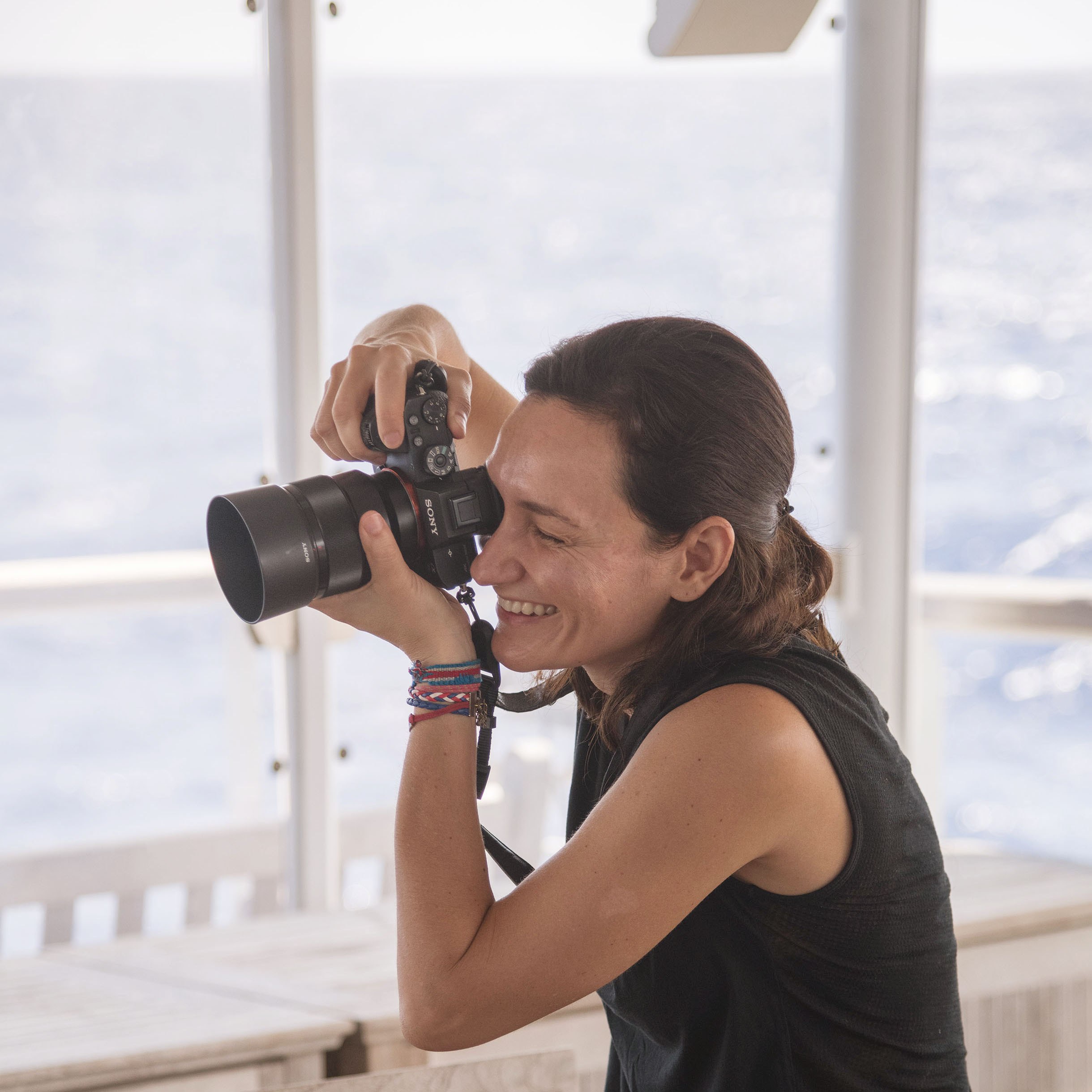
Mónika Naranjo-Shepherd
Multimedia Correspondent
Sabrina Elkassas
Melissa Anderson
Jeff Beeson
Joseph Resing
Jennifer Paduan
Sharon Walker
Megan Davies
Kevin Roe
Amanda E Bates

Sean McAllister
Julie Huber







Explore
Updates from the Ship
All Ship Updates
- 01
Lost and Found ~ Video Update
12 April 2023
Read
- 02
4K Highlights ~ Video Update
11 April 2023
Read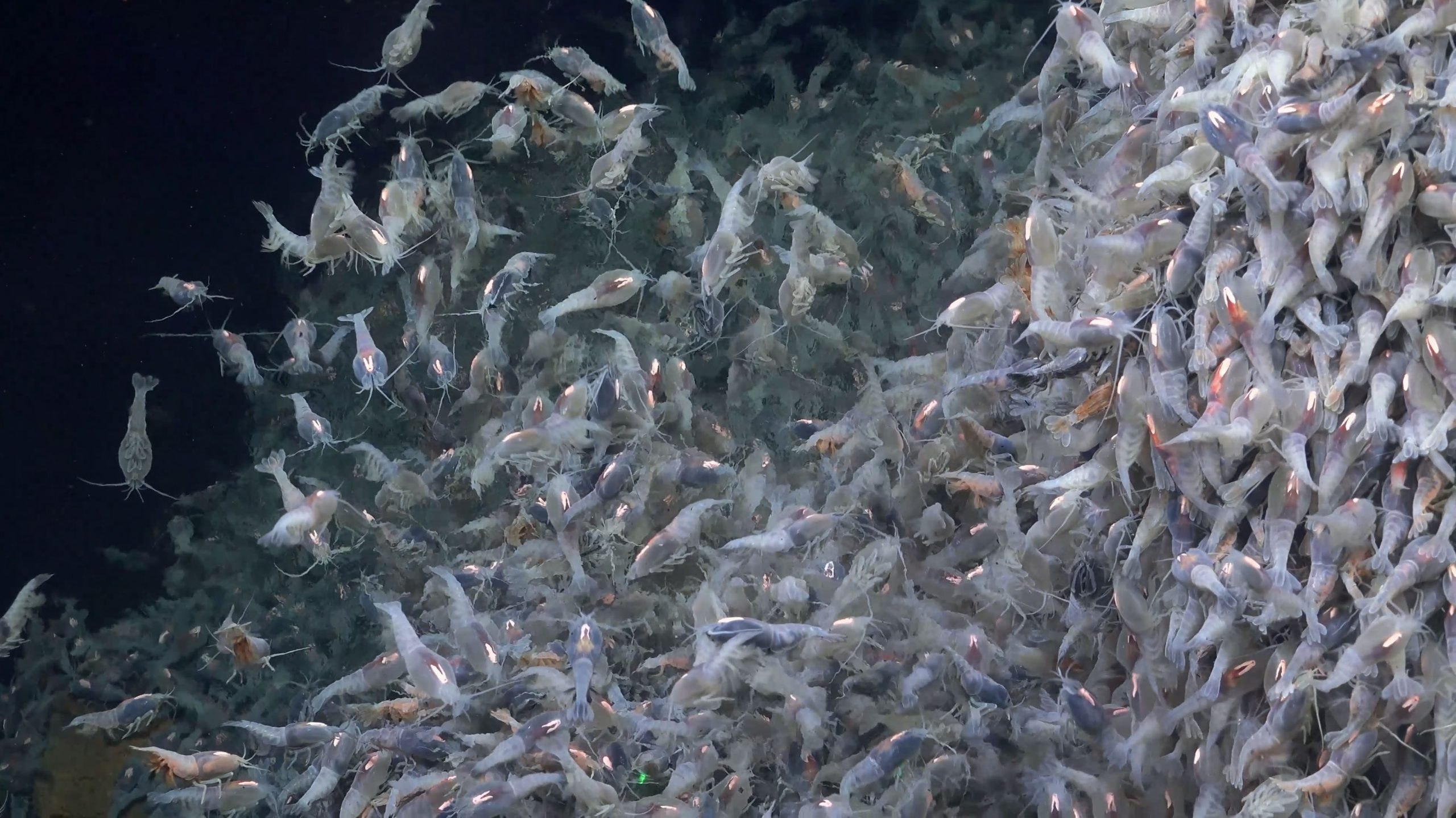
- 03
Ocean Worlds Beyond Earth
6 April 2023
Read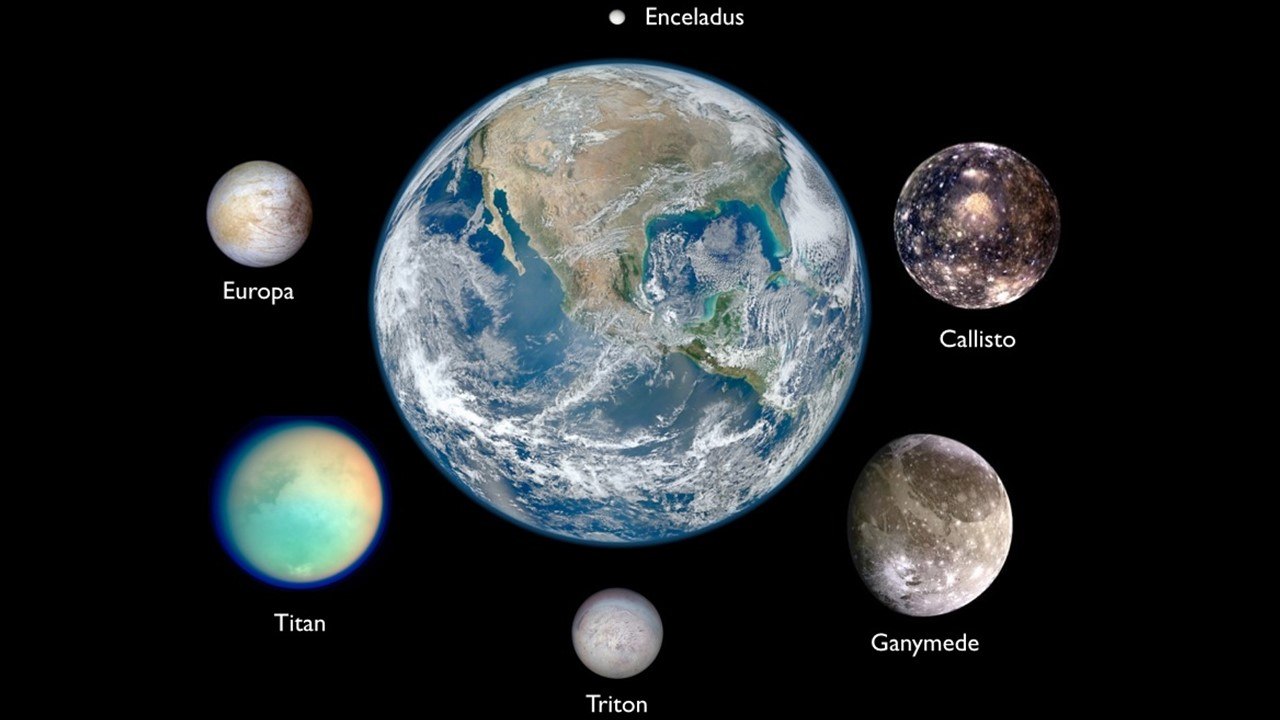
- 04
Beautiful Unknowns ~ Video Update Week 3
4 April 2023
Read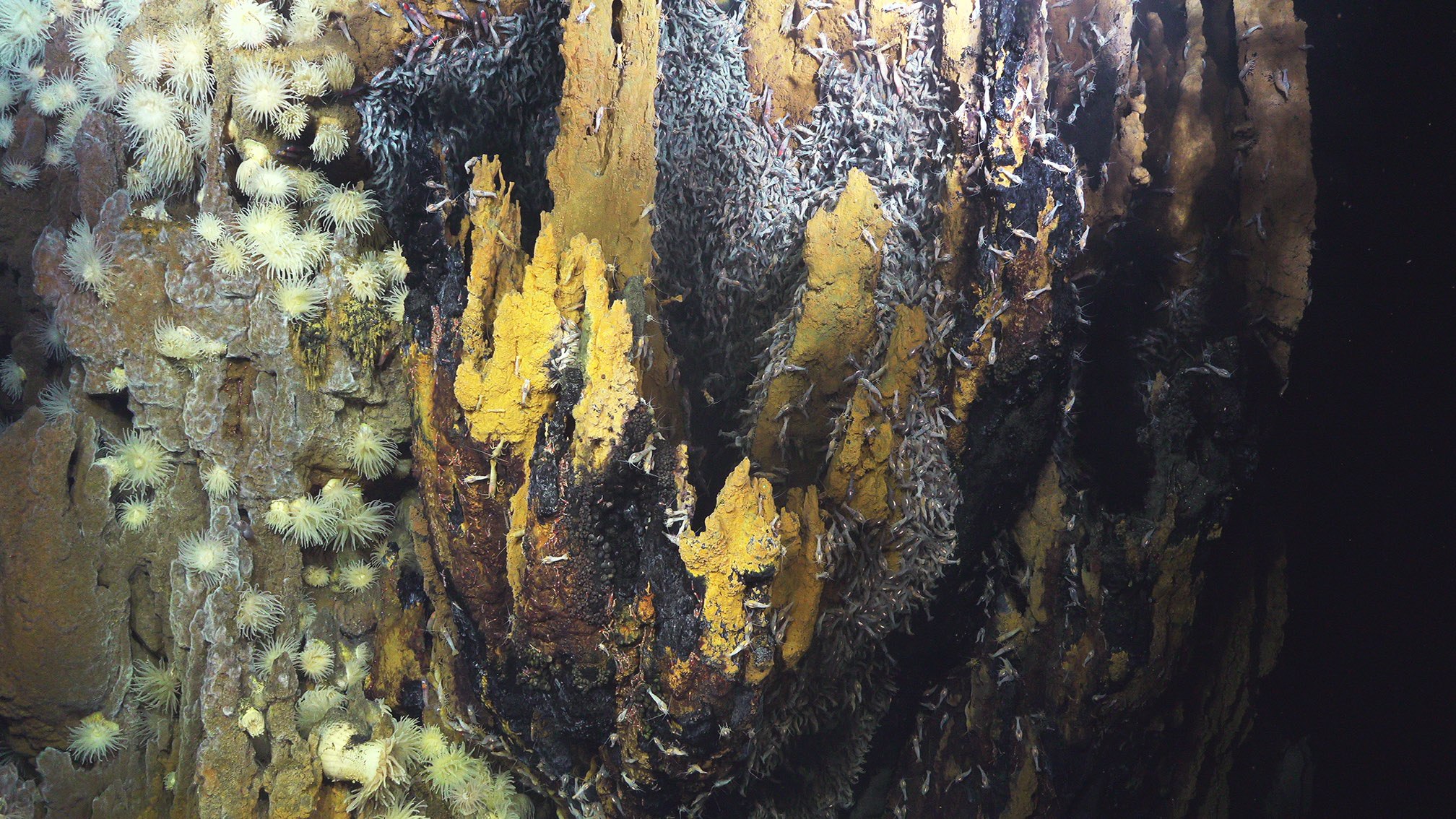
- 05
Nace la curiosidad ~ Science Stories
4 April 2023
Read
- 06
Biology of Deep-Sea Hydrothermal Vents
31 March 2023
Read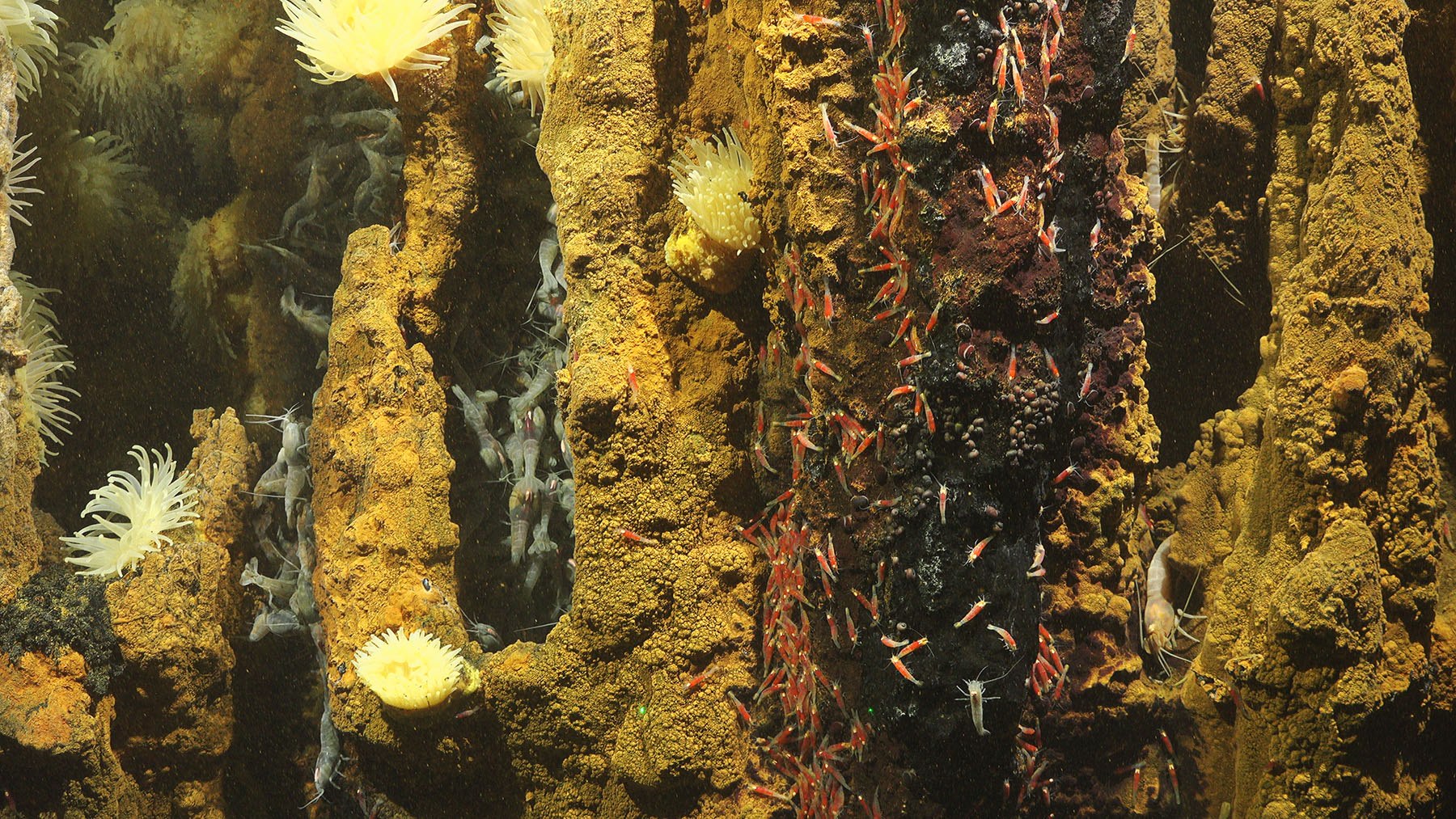
- 07
When a Plan Comes Together ~ Video Update Week 2
30 March 2023
Read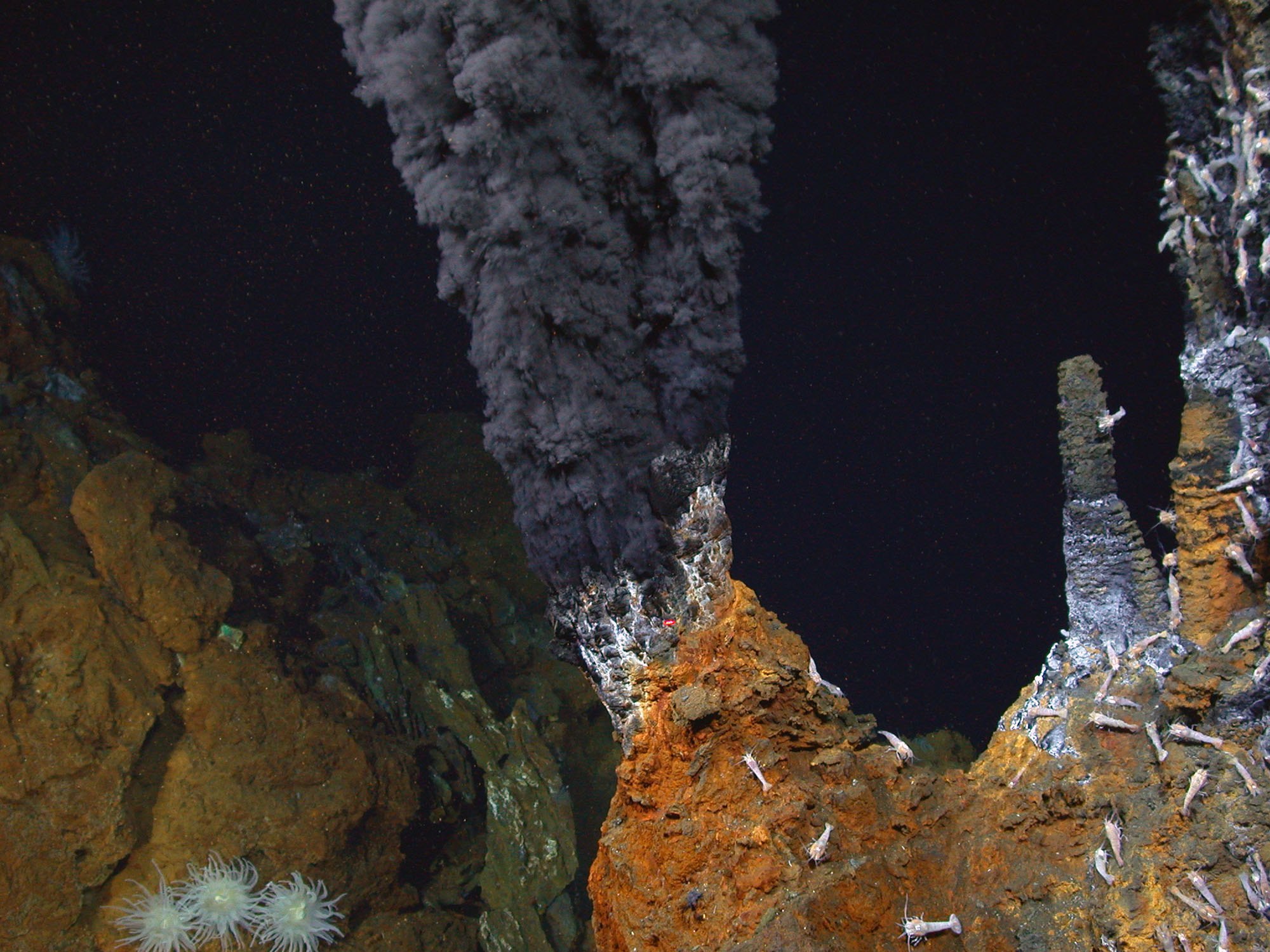
- 08
Origins and Life: Going deep to study Earth’s tiniest organisms
25 March 2023
Read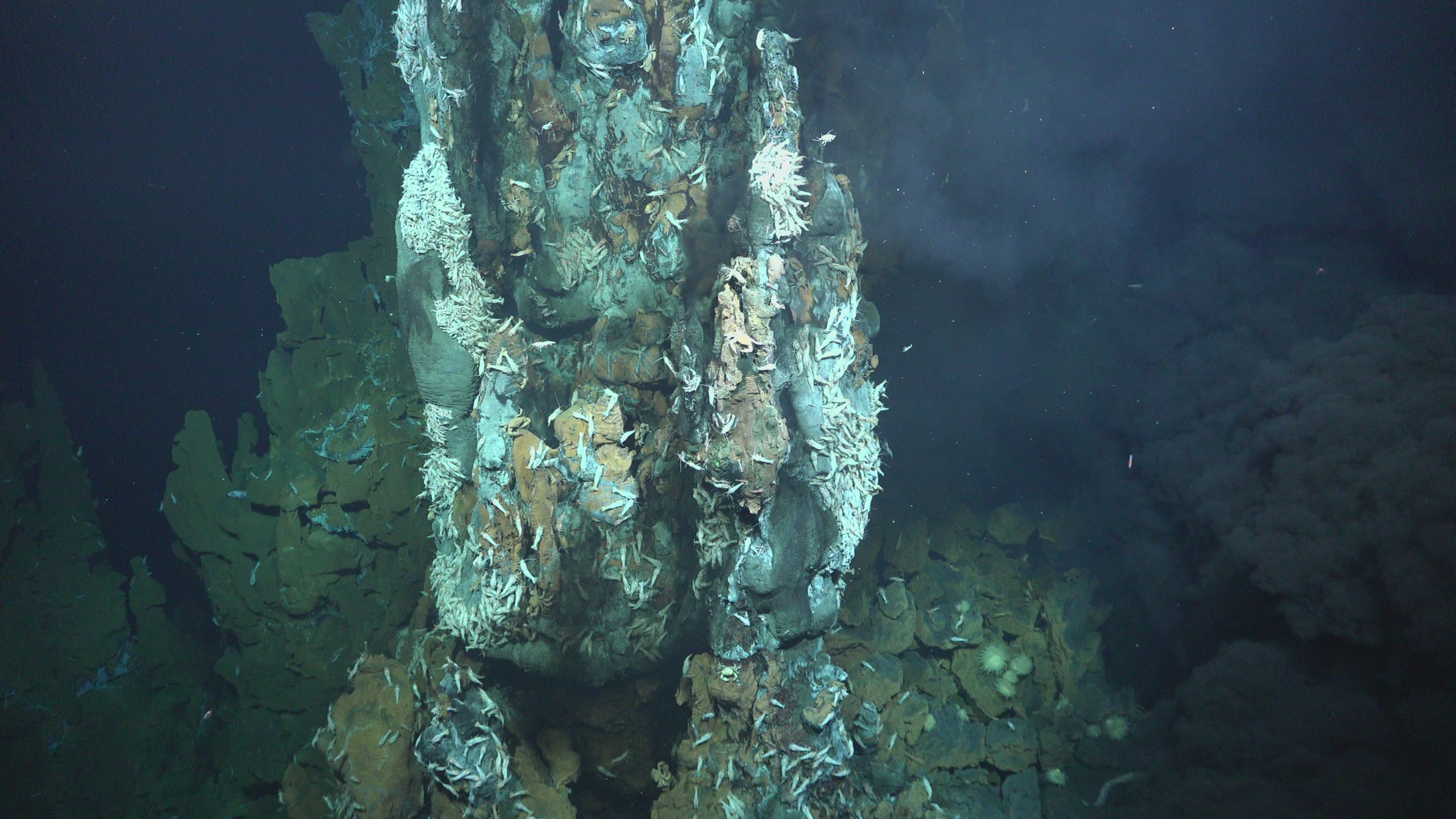
- 09
The Strategy for Finding Hydrothermal Vents
16 March 2023
Read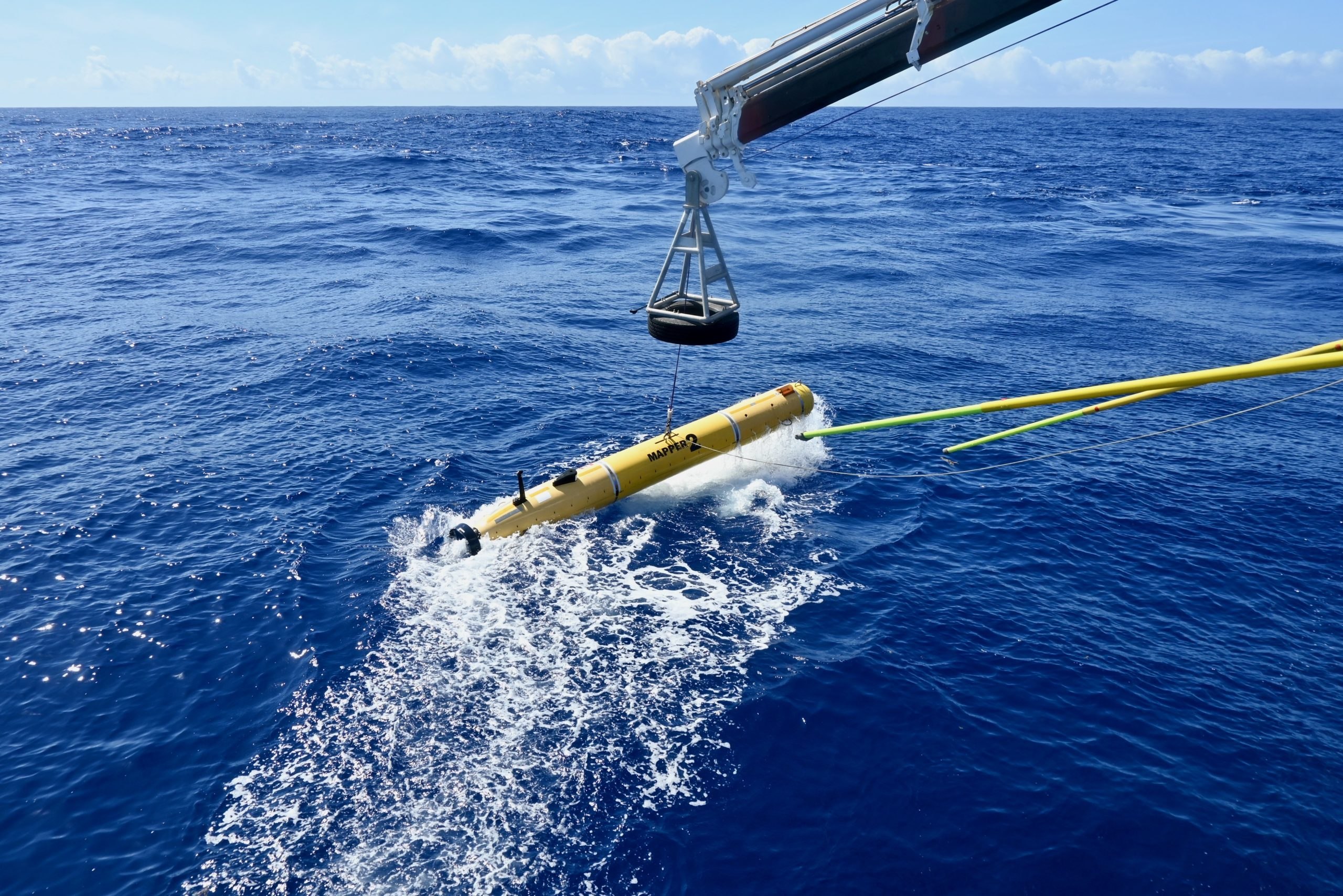
- 10
Starting the Expedition: Serpentinization on the Seafloor
6 March 2023
Read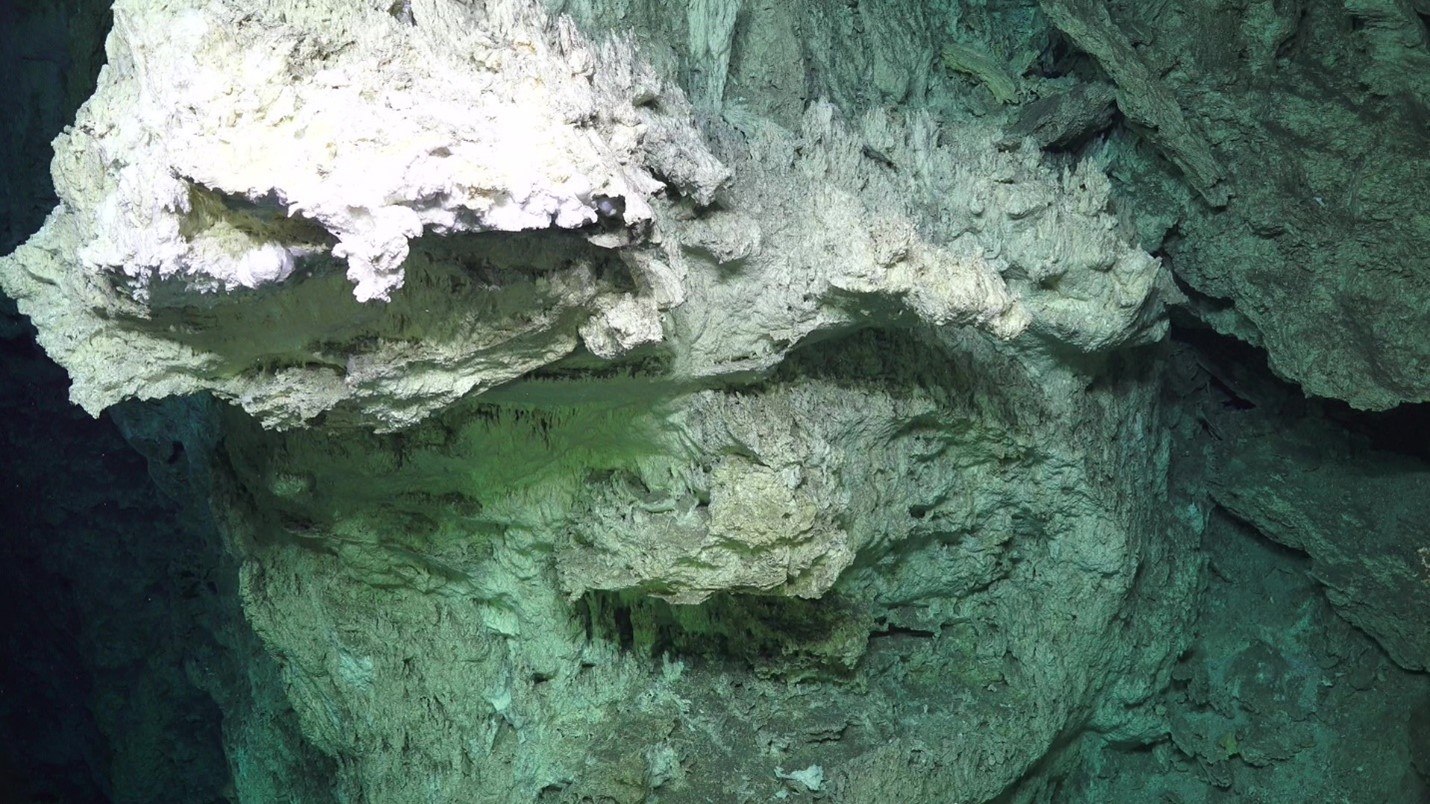
Related Galleries
View AllWe are happy to offer a streamlined request process when usage falls within the parameters outlined in the Creative Commons Attribution-Noncommercial-ShareAlike 4.0 International (CC BY-NC-SA 4.0) License. However, due to our legal status as a 501(c)(3) private operating foundation, no media produced by Schmidt Ocean Institute may be used in attempting to influence legislation or lobbying.
Attribution-NonCommercial-ShareAlike | CC BY-NC-SA
Under this Creative Commons License, you are free to:
Share — copy and redistribute the material in any medium or format
Adapt — remix, transform, and build upon the material
Under the following terms:
Attribution. You must give appropriate credit, provide a link to the license, and indicate if changes were made. You may do so in any reasonable manner, but not in any way that suggests the licensor endorses you or your use.
NonCommercial. You may not use the material for commercial purposes.
ShareAlike. If you remix, transform, or build upon the material, you must distribute your contributions under the same license as the original.
Not sure this license fits your use? Head over to our Image Requests page to learn more
Divestreams
View all Divestreams

Weekly Videos
View all Weekly Videos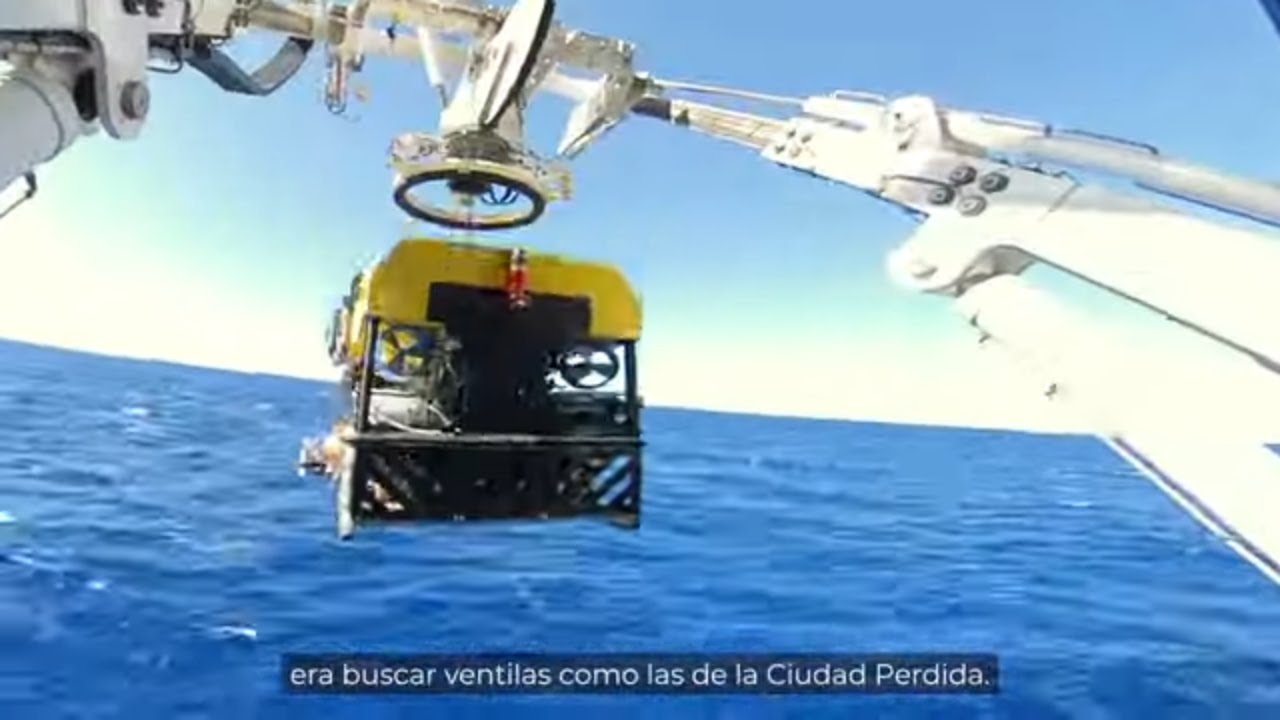
Discover More
Expedition Data
Title  | Type | Repository |
|---|---|---|
| Vent fluid and CTD water column chemistry | Water Samples | Rolling Deck to Repository (R2R) |
| Vessel Underway Data | Oceanographic Property Data | Rolling Deck to Repository (R2R) |
| ADCP Data | Oceanographic Property Data | University of Hawaii SOEST |
Processed Multibeam and Sidescan Sonar from Falkor (too) | Captured Image/Video, Oceanographic Property Data, Navigation Data | Marine Geoscience Data System (MGDS) |
| Magnetometer data fro mROV SuBastian | Navigation Data | Marine Geoscience Data System (MGDS) |
| Gas samples | Chemical Samples | Zenodo |
| Rock samples, metadata, and their International Geosample Numbers (IGSN) | Rock Samples | Zenodo |
| ROV SuBastian Sensor Data | Oceanographic Property Data | Marine Geoscience Data System (MGDS) |
| ROV Image Data | Captured Image/Video | Marine Geoscience Data System (MGDS) |
| ROV Event Log Data | Other | Marine Geoscience Data System (MGDS) |
Publications from This Expedition
Chen, C., Pradillon, F., Diaz-Recio Lorenzo, C., Manel Alfaro-Lucas, J. (2025). Integrative taxonomy of two new peltospirid gastropods from Mid-Atlantic Ridge hot vents, including a potentially symbiotic species, Zoological Journal, 204(2), doi: 10.1093/zoolinnean/zlaf055.
[This Article was published OPEN ACCESS]Preliminary Expedition Report: In Search of Lost Hydrothermal Cities
[This Article was published OPEN ACCESS]