


0 results for
- Type in the search bar to begin searching the site.
Expeditions
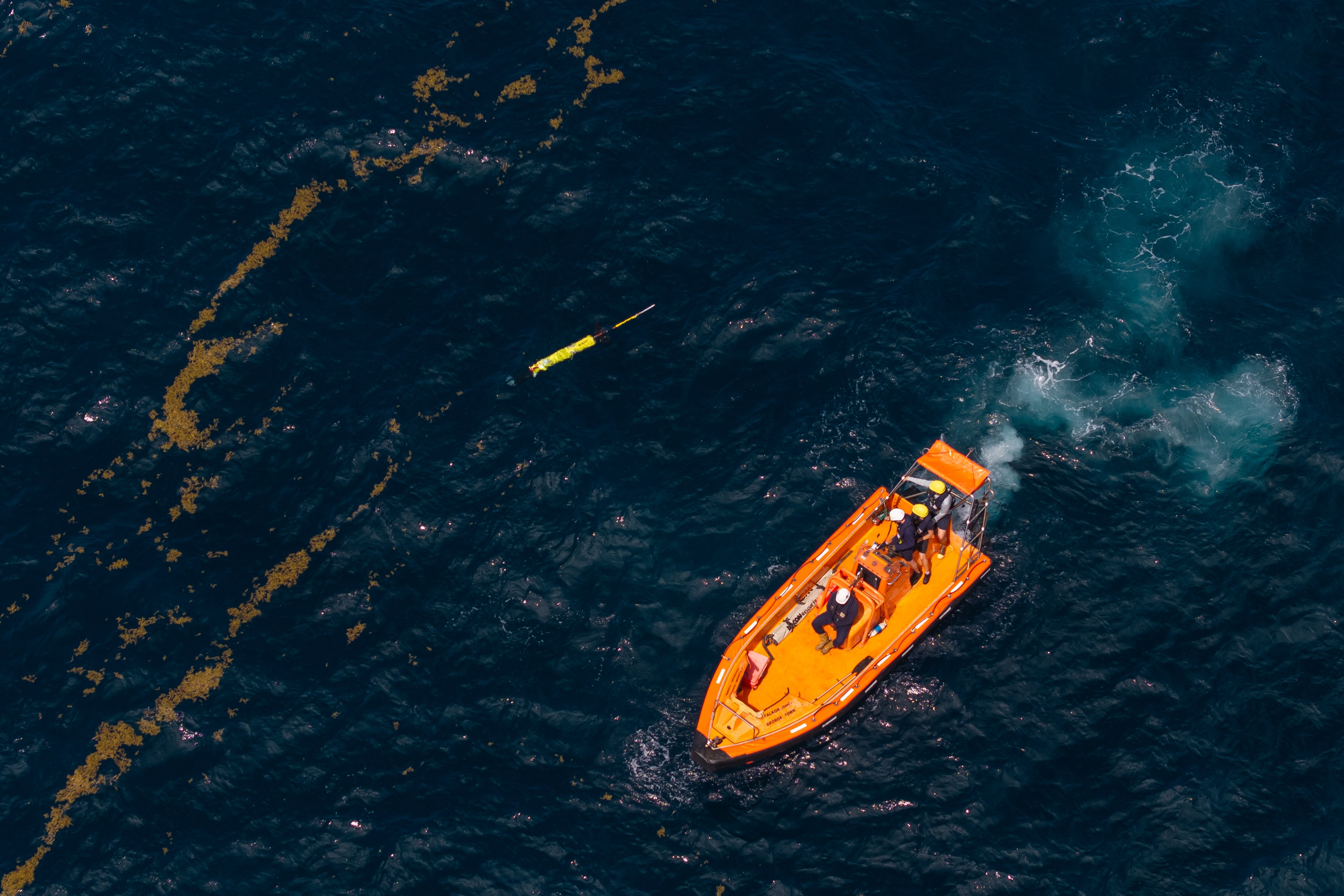
In the coming years, our expeditions will explore understudied regions around all seven continents in our global Ocean.
Latest Expedition
See all
Programs
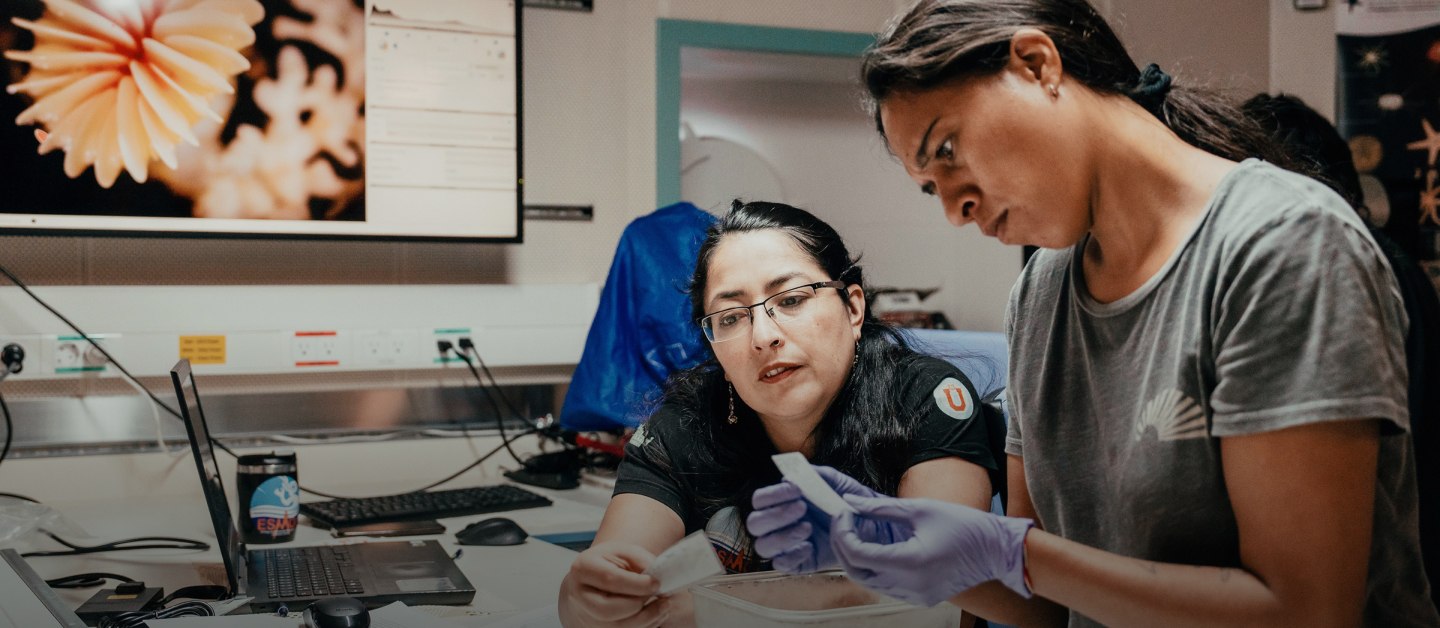
From grants for caregivers to an artist-at-sea residency, our programs strive to deepen knowledge and inspire a connection with our planet’s life support system.
Latest Expedition
See all
Science Team Resources
To help you plan for your expedition, this hub includes information about outreach, technical specifications for our robotic platforms, a list of lab equipment, information about accessing data repositories, and more.
Latest Expedition
See all
- Our Team

Expeditions & Roles
Sharon Walker
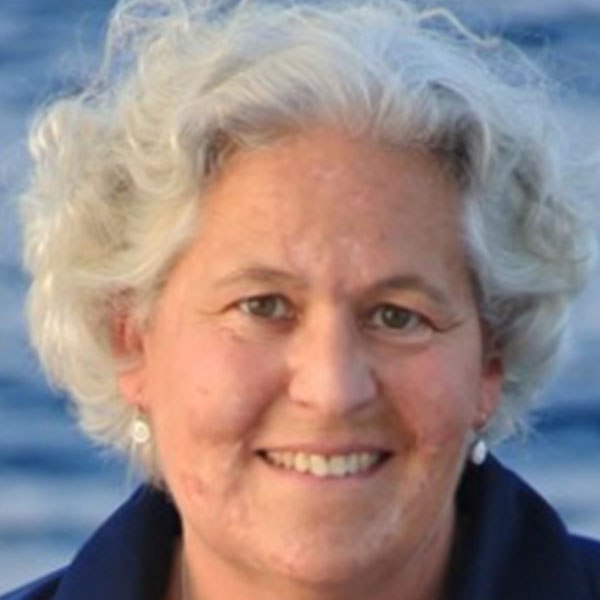
Sharon is an Oceanographer at NOAA’s Pacific Marine Environmental Laboratory (Earth-Ocean Interactions Program) in Seattle, Washington. She specializes in the development of methods and instrumentation for the detection, mapping and monitoring of hydrothermal plumes in the ocean above mid-ocean ridges and submarine volcanoes. She has participated in numerous research cruises to previously unexplored sections of mid-ocean ridge, submarine volcanic arcs and back-arc spreading centers around the world using the same plume-hunting technologies that will be employed during this cruise. These exploration strategies have to lead to the discovery of many unique and highly diverse active hydrothermal vent sites on the seafloor, as well as the first directly-observed active submarine volcanic eruptions. During the "Hydrothermal Hunt at Mariana" cruise she analyzed the hydrographic, optical and chemical characteristics of above-bottom plumes, in combination with detailed maps, to identify sites for targeted seafloor exploration using ROV SuBastain in 2016. In the "Underwater Fire: Studying the Submarine Volcanoes of Tonga" expedition, she will help characterize plumes generated at active vent sites by analyzing their hydrographic, optical and chemical signals in the water column above the seafloor.