


Dive In
About the Expedition
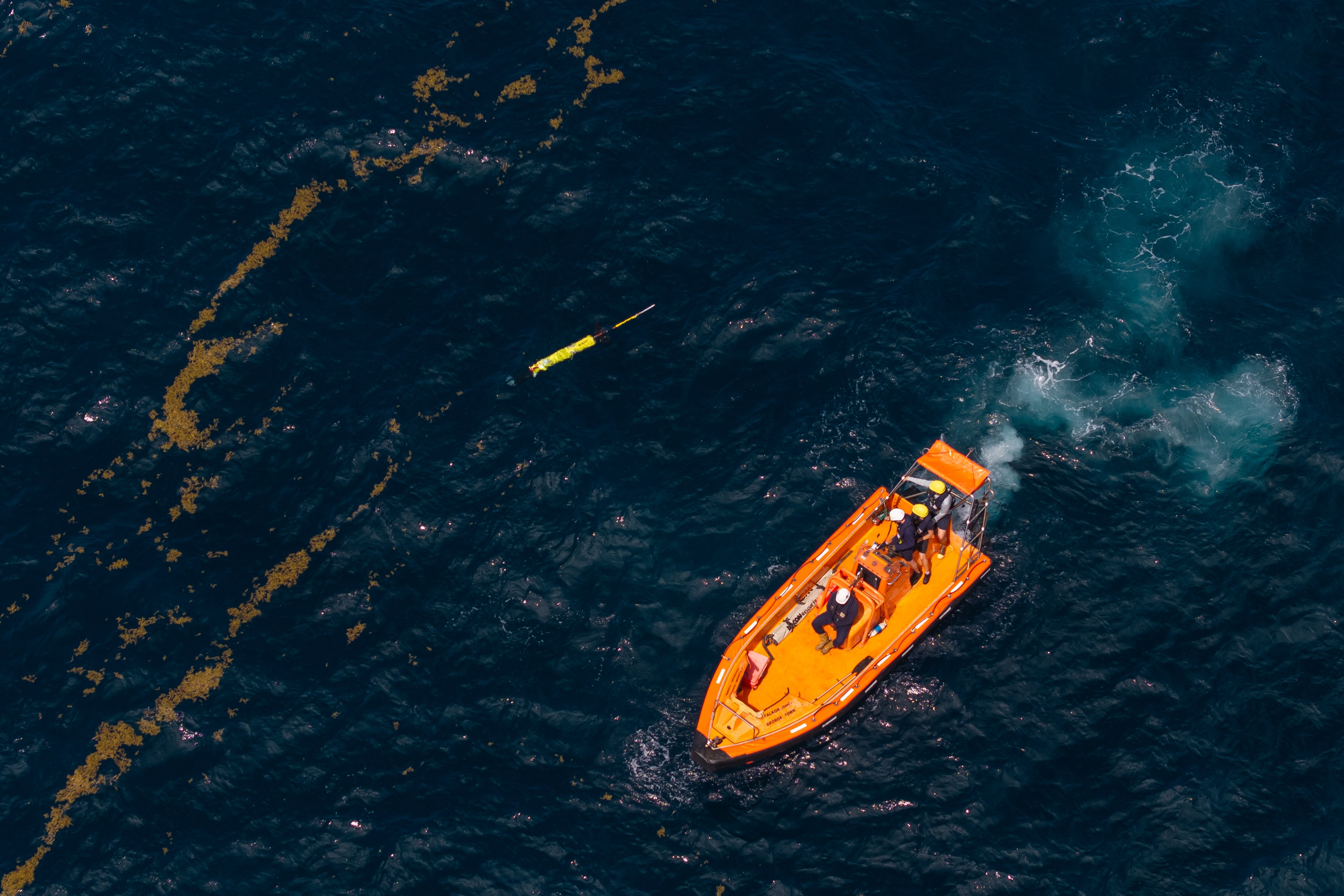
Aboard R/V Falkor, Dr. Ken Rubin and his research team will visit one of the most active underwater volcano sites in the world, the Meta Volcano group. There they will work to obtain a detailed geological understanding of up to 12 different submarine volcanoes, attempting to do this across a suite of volcanos for the very first time.
- Dive Markers
- Trackline
The Mission
Volcanoes are awesome. Above water they are imposing and strong, but put them under the ocean and their spectacle is simply hypnotic. Thousands of submarine mountains lay scattered throughout the deep oceans and nearly all of them are volcanoes. It may not come as a surprise that very few active or recently active submarine volcanoes have been studied, especially in the deep sea, due to the remote and difficult conditions in which they are found. This November, Dr. Rubin and the research team will get the opportunity to return to one of the most active underwater volcano sites in the world, the Mata Volcano group. Located in the Pacific in waters off of Tonga, the Northeast Lau basin and adjacent Tofua arc are an excellent natural laboratory containing perhaps the largest number of individual, closely-spaced volcanoes globally (an estimated 30 discrete volcanoes in a 50 x 50 km area).
A Chain of Volcanoes
Aboard R/V Falkor, the group will head straight to the volcanic region to obtain a detailed geological understanding of up to 12 different submarine volcanoes. What makes this expedition unique is that the team will attempt to do this across a suite of volcanos for the very first time. The idea is that neighboring volcanoes eject larvae or produce refugea, so that when one is erupting species move between the volcanoes. The goal is to reveal the interplay between volcanic and hydrothermal activity, and the evolving seafloor ecology. The team will construct a recent history of each volcano and how it has been colonized, identifying why each submarine volcano is present, how long it took to form, and how it developed and maintains hydrothermal activity.

Robot Discoveries
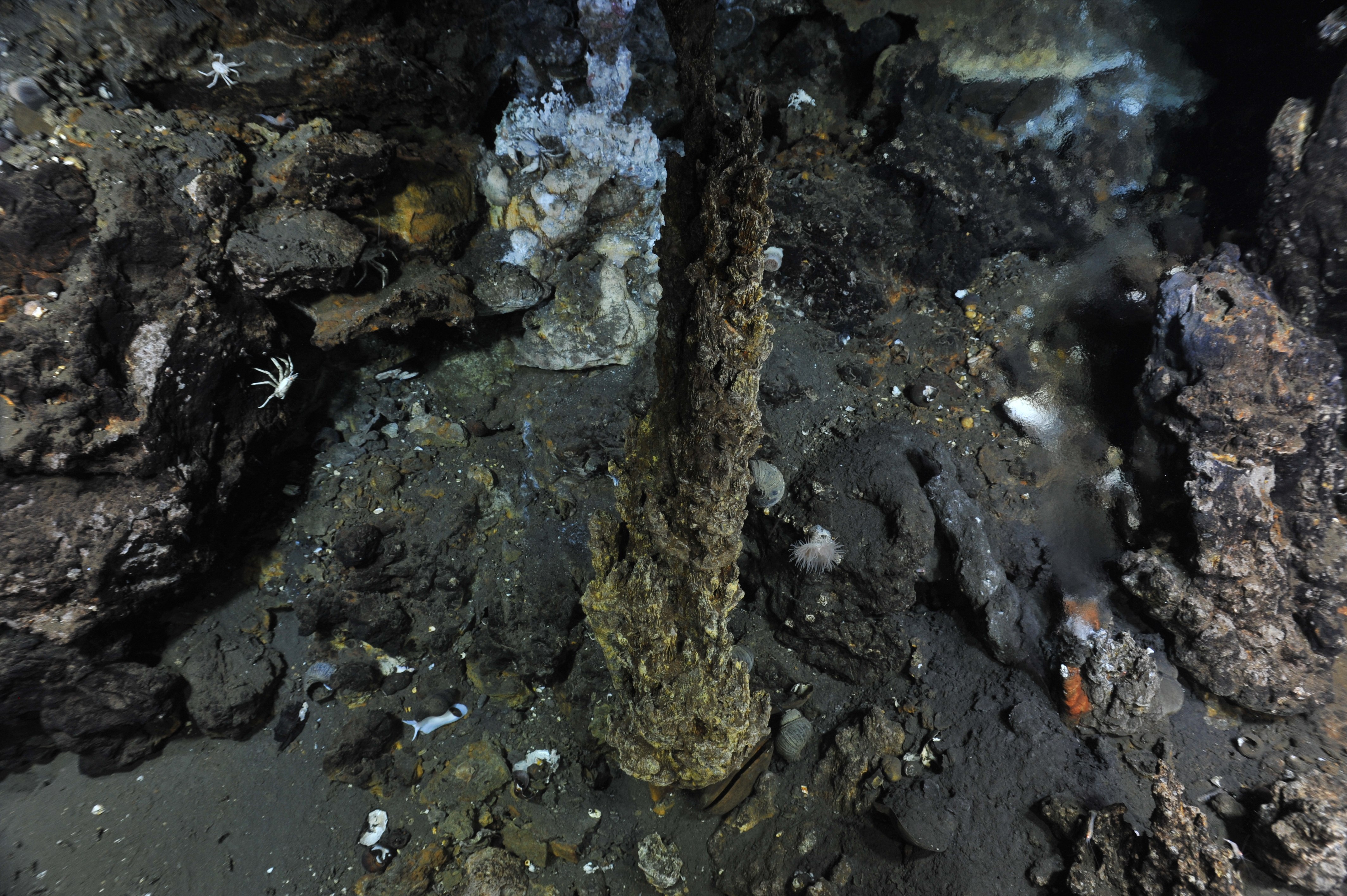
West Mata and the volcanoes around it offer a rare opportunity to examine active volcanic processes and this multidisciplinary study will be there to document them with several tools for exploration. The scientists will get an in-depth look at the products of volcanic eruptions, including lava flows, broken fragments, and hydrothermal chimneys.
The first step will be to create high resolution bathymetric and backscatter maps to identify dive targets. Backscatter is the amount of acoustic energy being received by the sonar, which gives insight into the seafloor composition. Falkor’s multi-beam mapping capabilities will uncover details of volcanic, tectonic and hydrothermal structures. The maps will be used to guide underwater robotic vehicles on the bottom of the ocean and in the water column, and to compile information to examine hydrothermal plumes.
Using an Autonomous Underwater Vehicle (AUV), geophysical and water chemistry data will be collected as well as higher resolution imagery so that the team can target selected chimneys. Fluid temperature and chemistry play a major role in determining which organisms, both microbes and macro-fauna, live in certain areas. Measuring water properties such as temperature, pH, and oxygen concentration provides critical insight into the tectonics, magma geochemistry, and fluid chemistry.
Following the AUV leg, scientists will go back and dive on selected vents with Remotely Operated Vehicle (ROV) SuBastian. Taking high 4K video and samples of lava and pyrocalsts (volcanic fragments) will allow the team to reconstruct eruption conditions and magma properties. Biological and chemical samples will provide a better look at the microbiology of the vent fluids and biota. Expedition scientists will use the chimney and biota sampling to understand geographic, tectonic, and rock chemistry influences on the various vents and their associated fauna.
Underwater Surprises
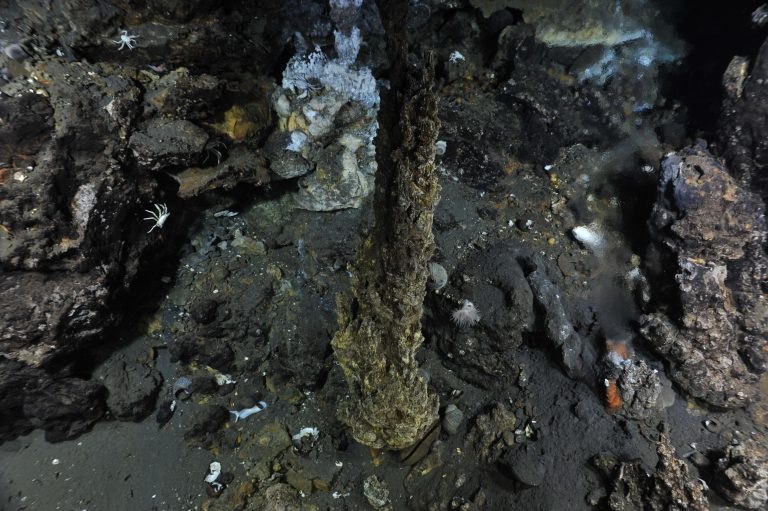
What makes this expedition extra special is the chance of seeing an erupting underwater volcano in real time. There is a small chance that West Mata will be going off during the expedition, and so far is the only place globally where scientists have seen lava flowing across the sea bed. Regardless of the volcanic activity, this research will make important strides in building an integrated ecosystem level history of several volcanoes. Five weeks might seem like a long time, but scientists and crew will need every second to follow the volcanic clues that the Tongan Sea has scattered along Falkor’s route.
Partial support for this expedition comes from the NOAA Ocean Exploration and Research Program and the NOAA Pacific Marine Environmental Laboratory.
Team and Collaborators
Tamara Baumberger
Principal Investigator

Kenna Rubin
Principal Investigator
Susan Merle
Principal Investigator
Tim Shank
Camilla Maya Wilkinson
Mónika Naranjo-Shepherd
Multimedia Correspondent

Val Finlayson
Nathaniel Buck
Christian Timm
David Butterfield
Terry Naumann
Joseph Resing
Sharon Walker
Hu Wang
Kevin Roe

Walter Cho

Bill Chadwick
David Butterfield





Explore
Updates from the Ship
All Ship Updates
- 01
We Have All Been Here
21 December 2017
Read
- 02
Underwater Fire ~ Wrapping Up ~ Week 05 Video
19 December 2017
Read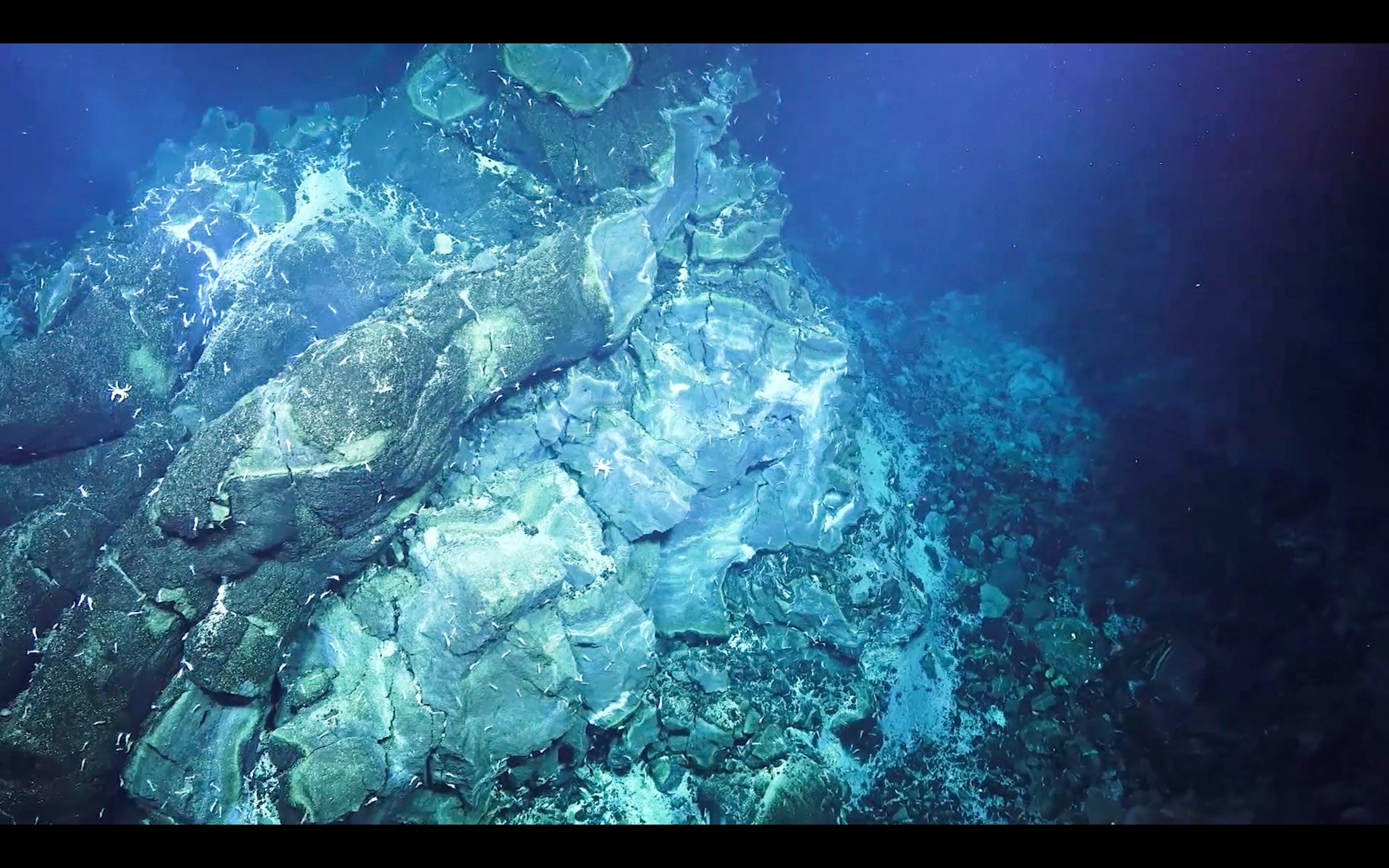
- 03
Rocking Around
18 December 2017
Read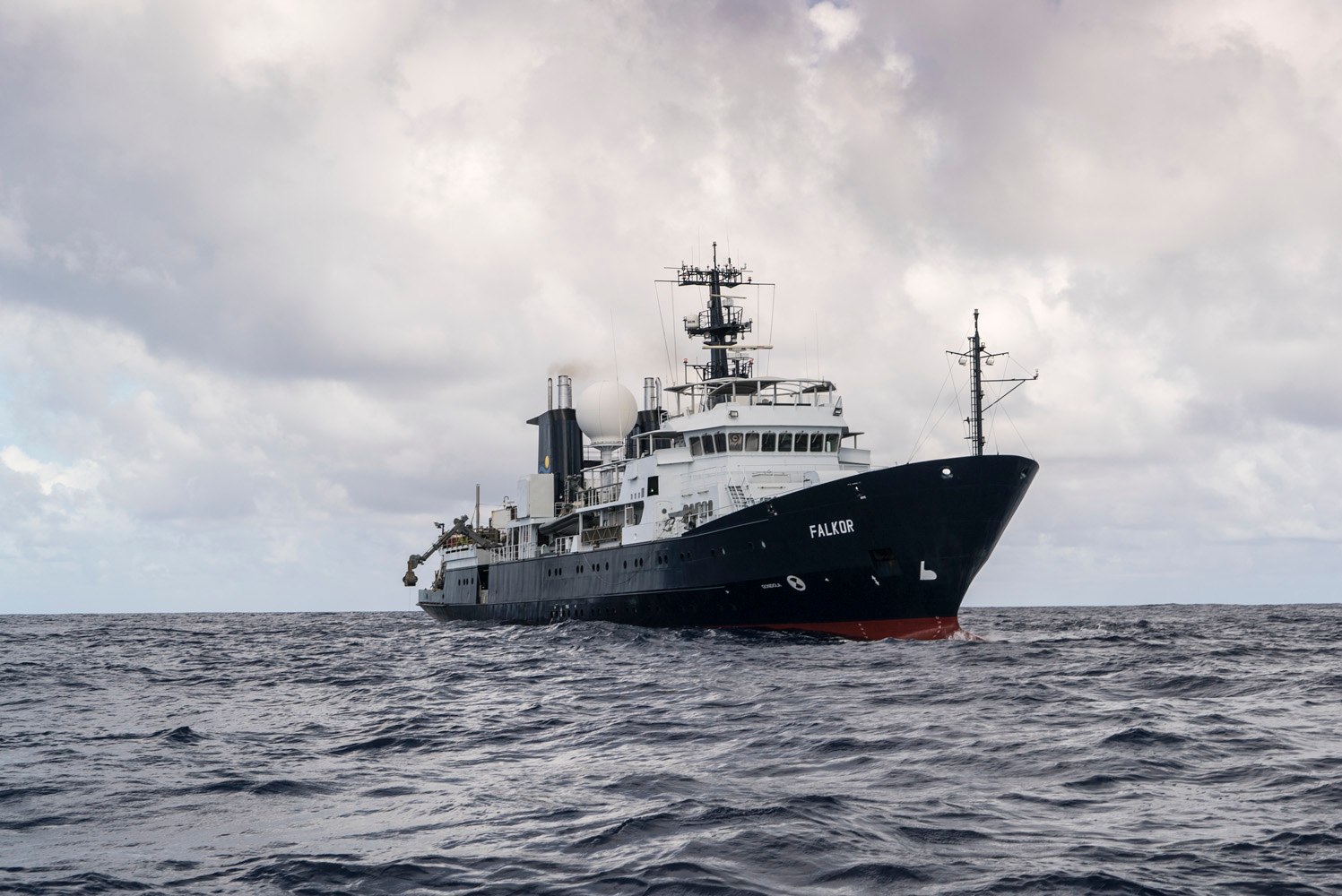
- 04
The Expedition is Just the Beginning.
14 December 2017
Read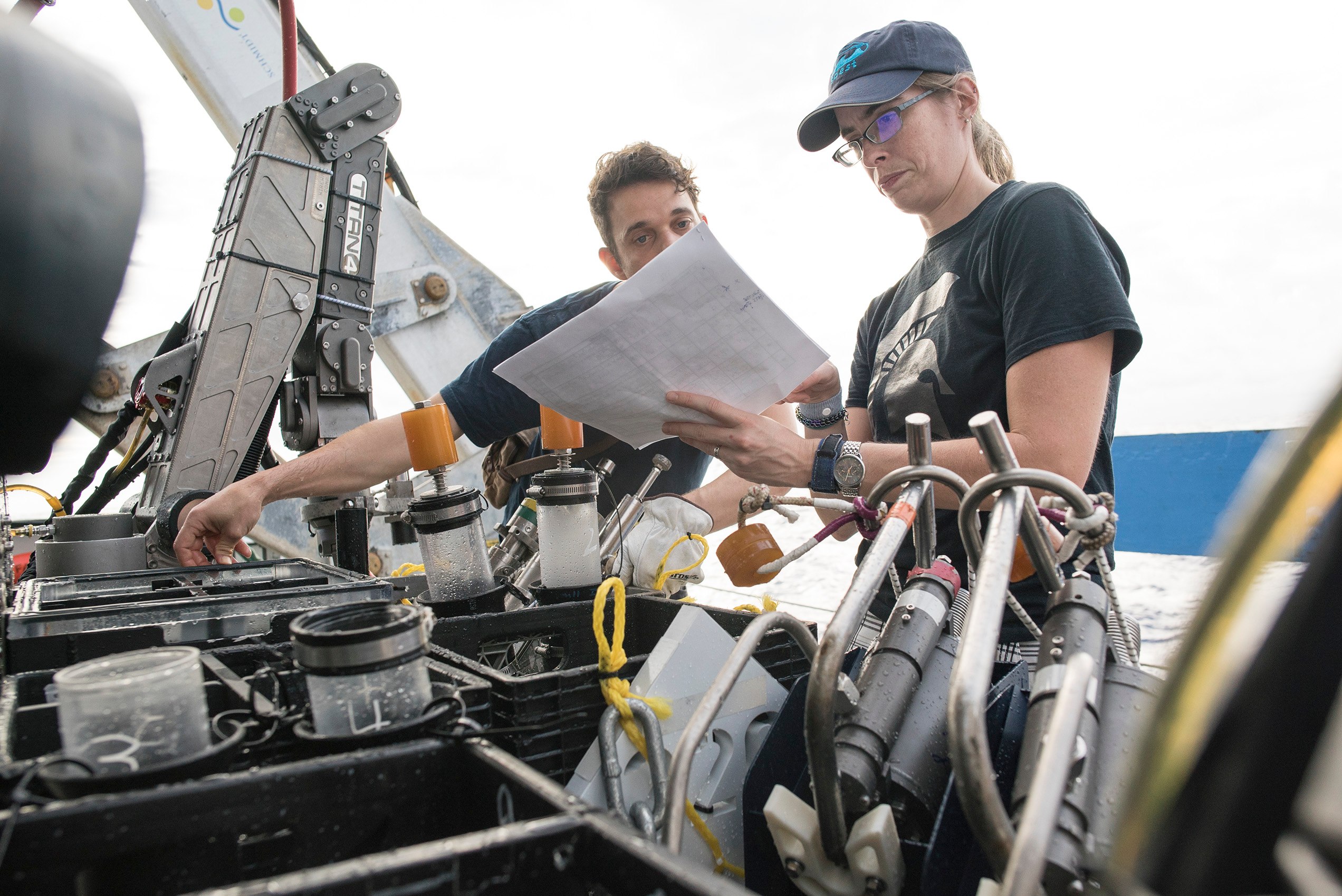
- 05
4K Highlights ~ Biology ~ Underwater Fire
14 December 2017
Read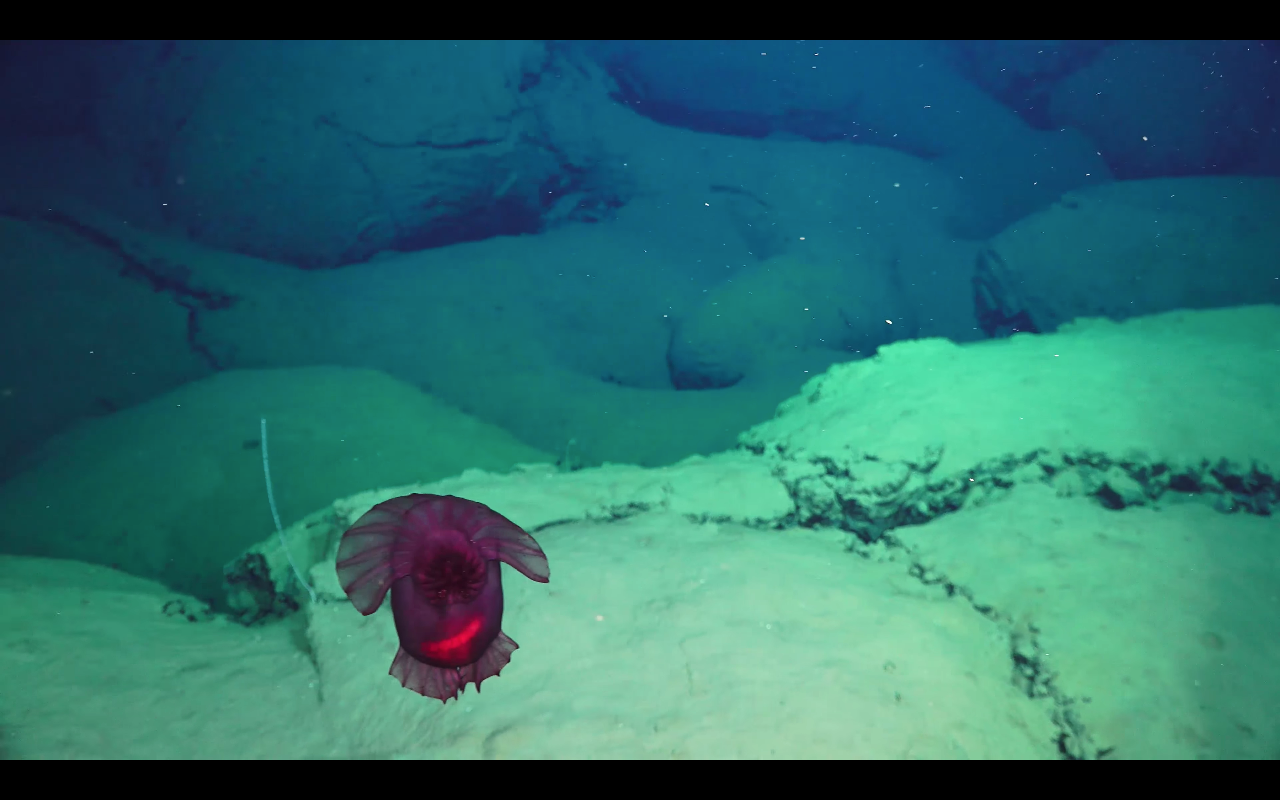
- 06
Where Are All These Matas?
12 December 2017
Read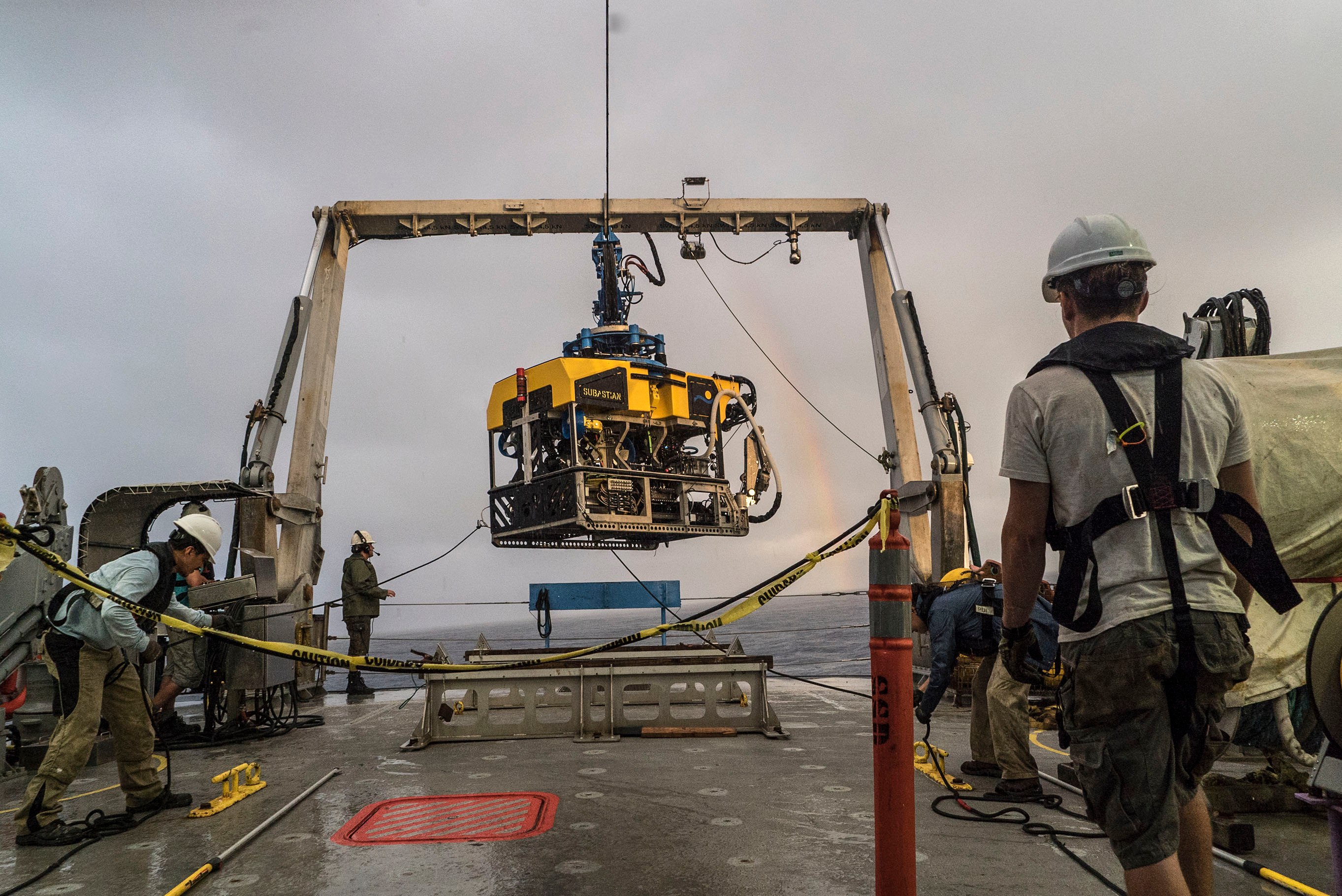
- 07
4K Highlights ~ Geology ~ Underwater Fire
12 December 2017
Read
- 08
Exploring a Recent Eruption Site
10 December 2017
Read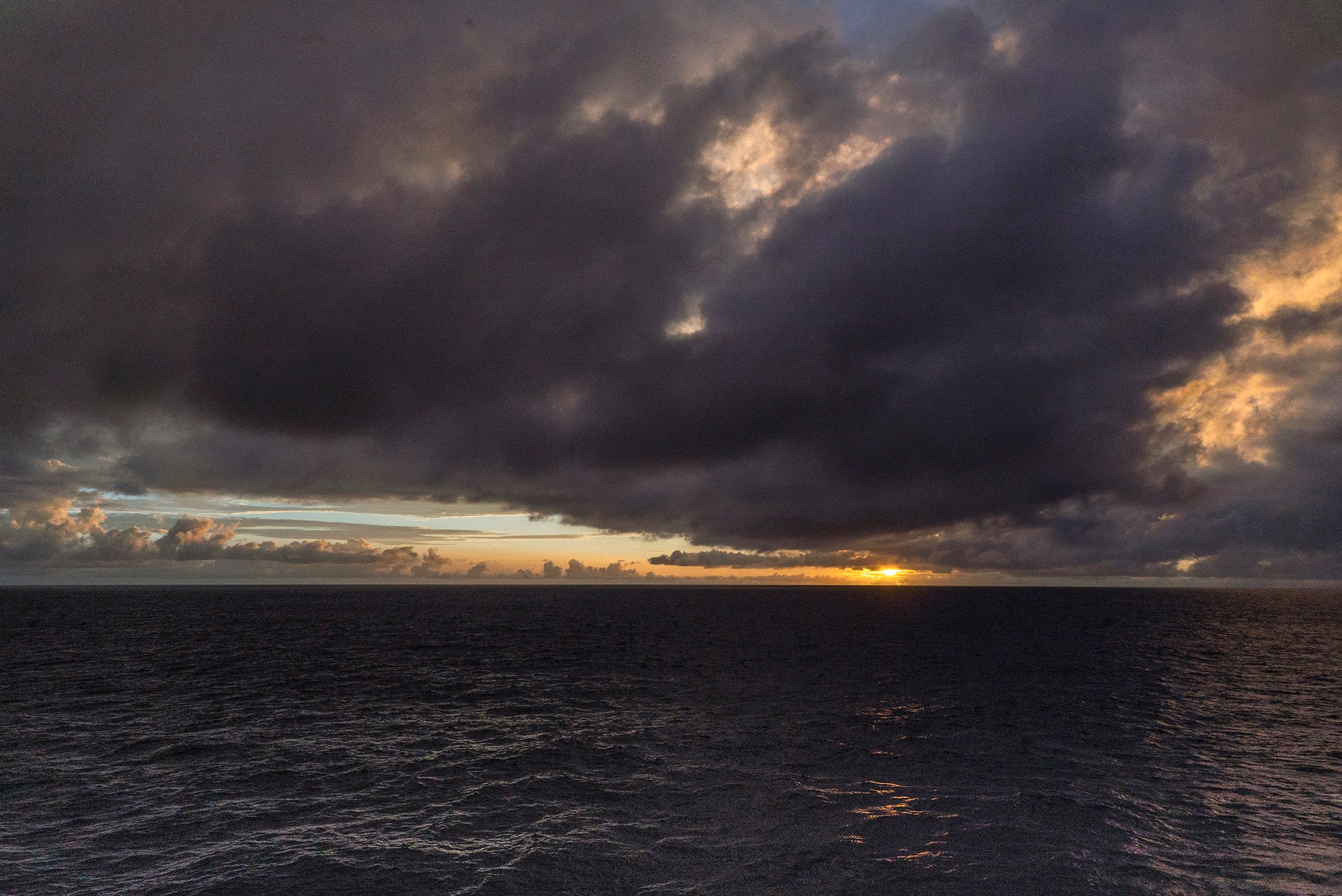
- 09
Dive 92
7 December 2017
Read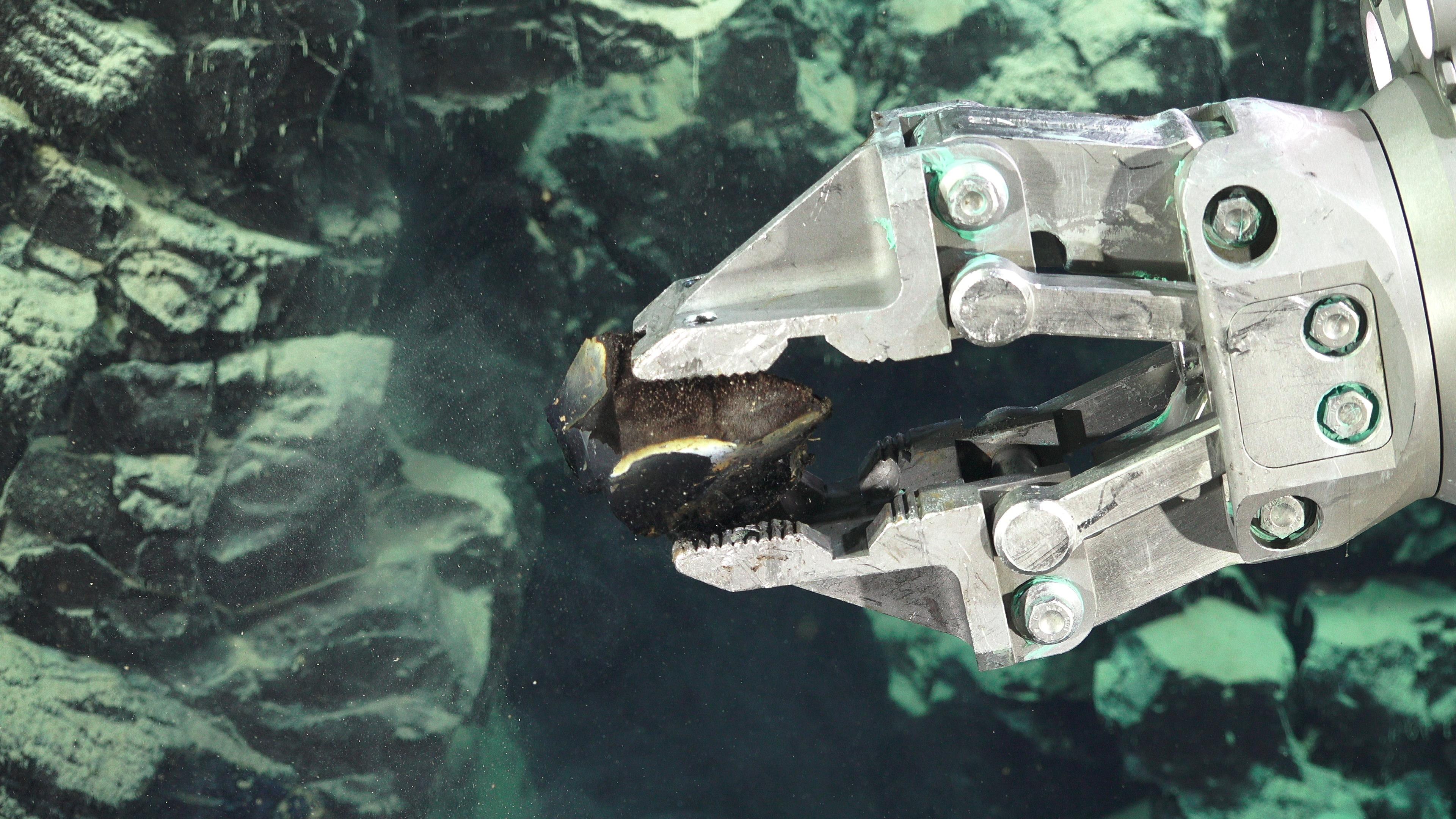
- 10
Local Residents: A Closer Look
5 December 2017
Read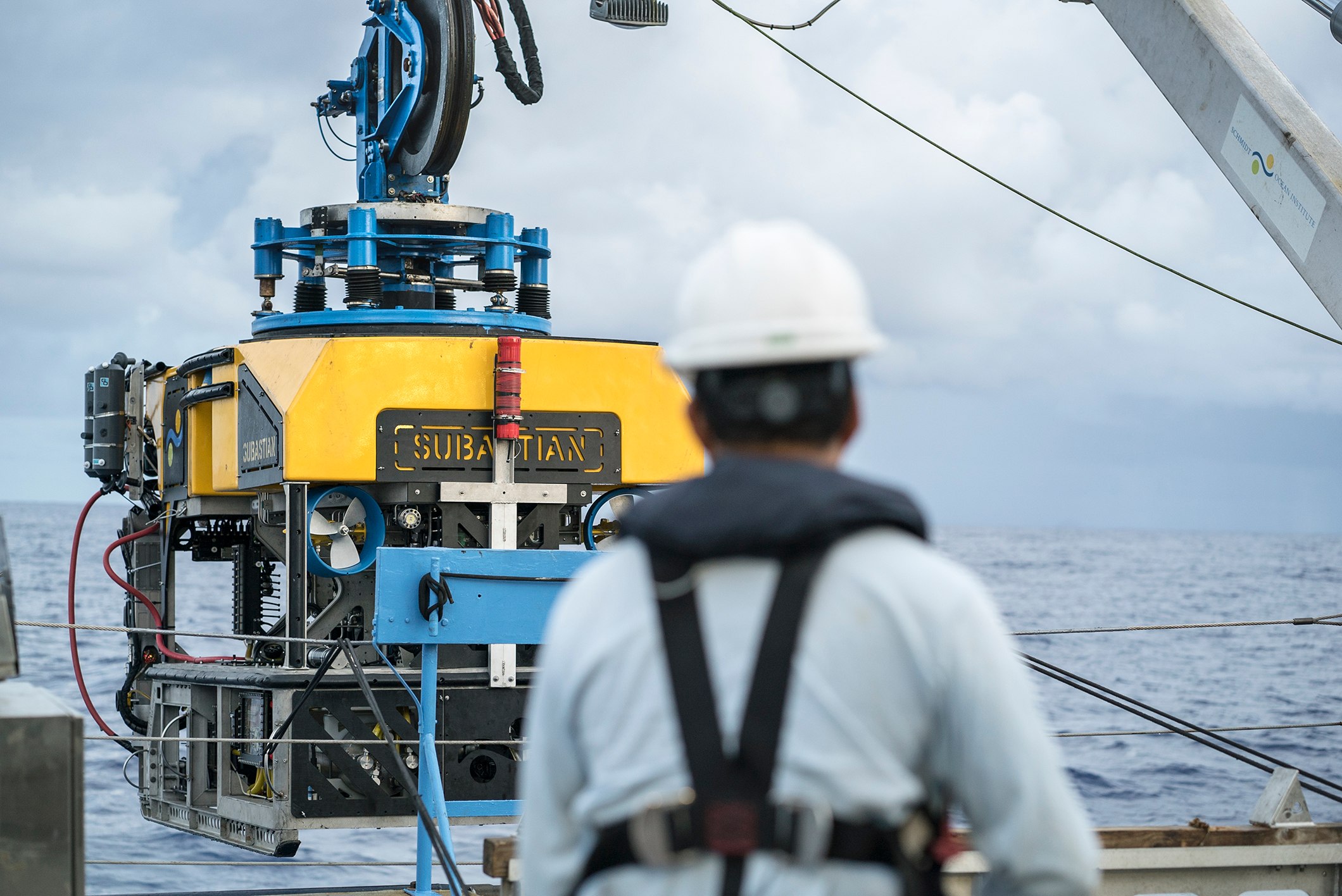
- 11
Underwater Fire ~ Uncovering ~ Week 04 Video
4 December 2017
Read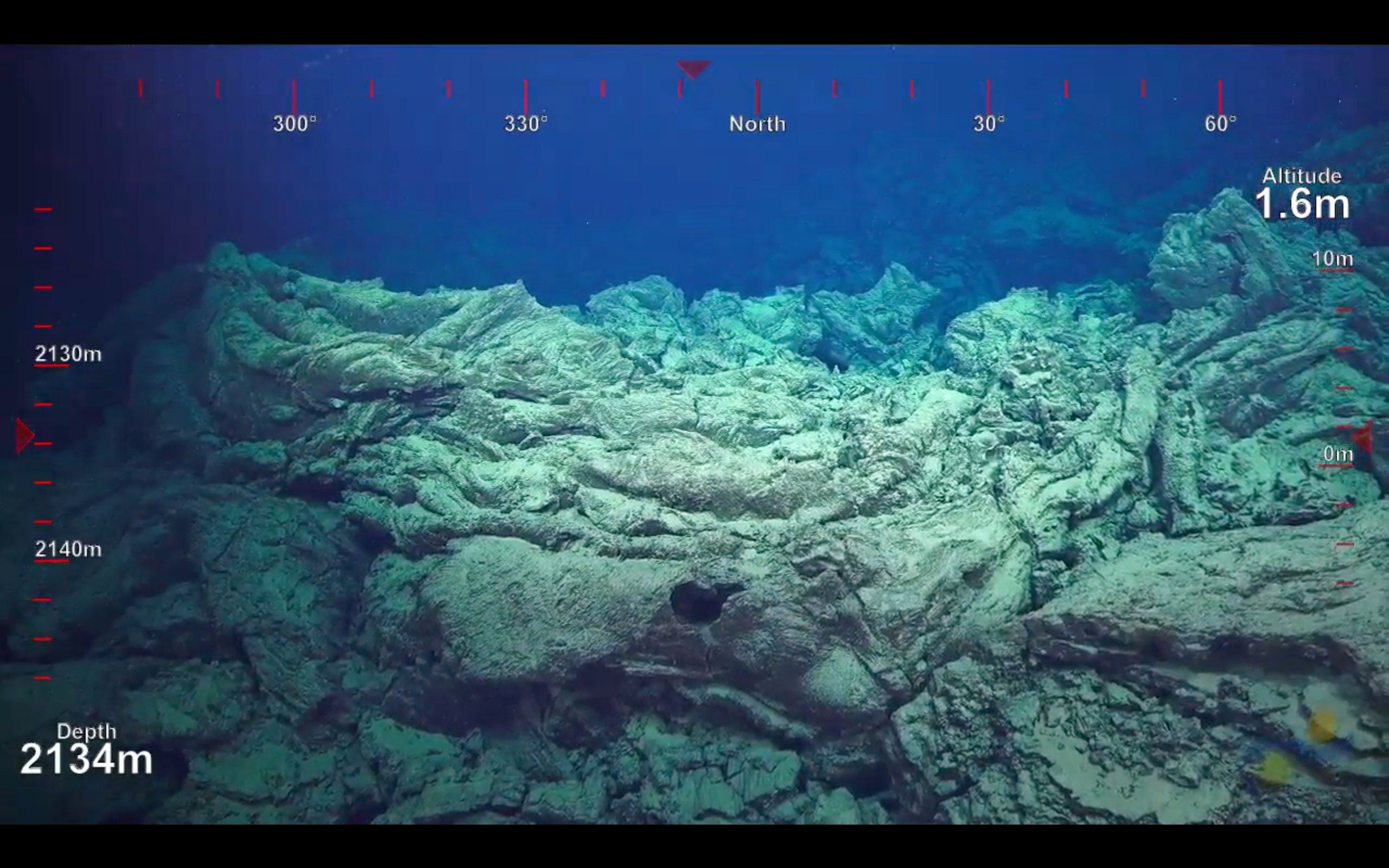
- 12
No Stone Unturned
2 December 2017
Read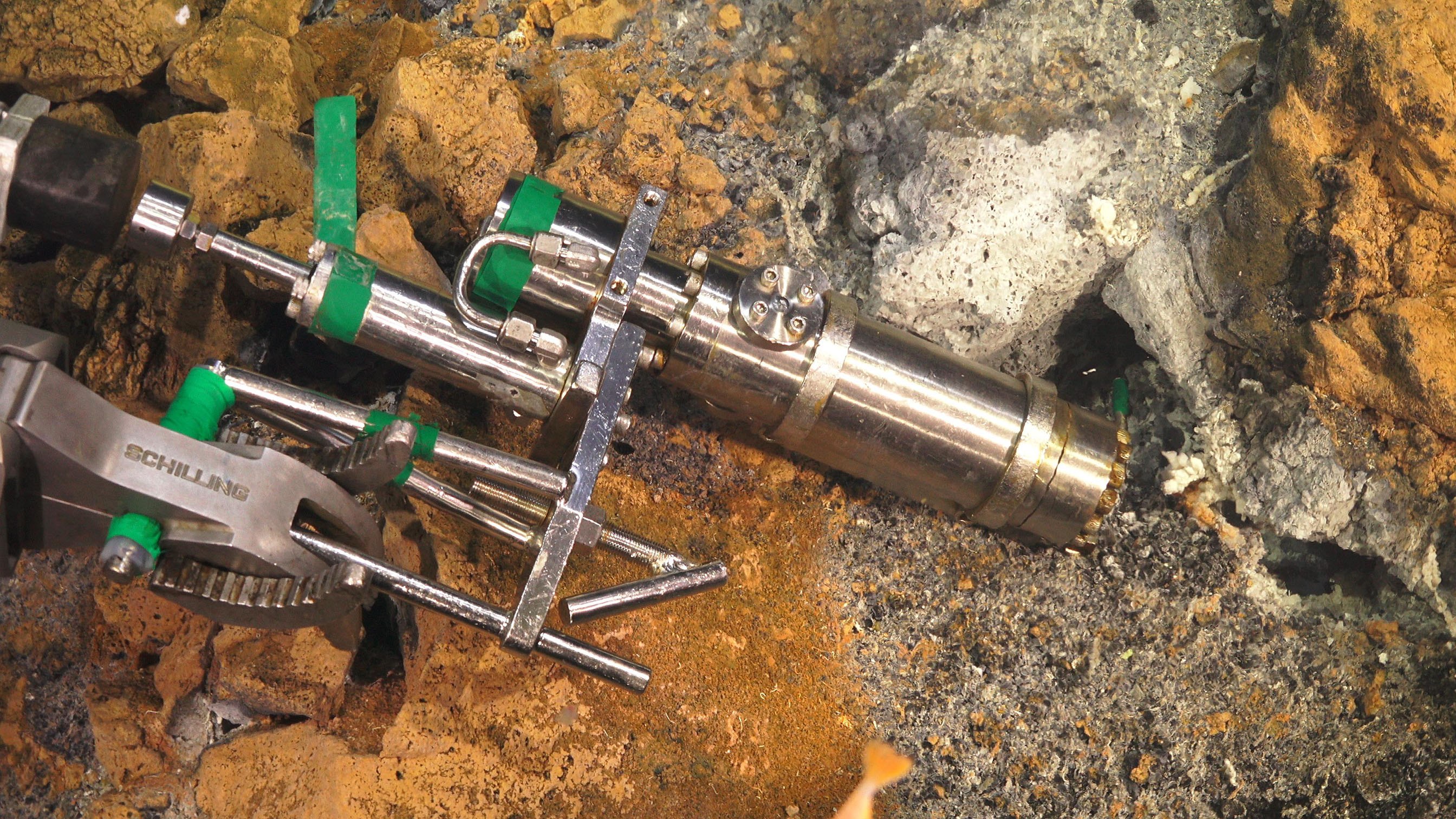
- 13
Rocking it
29 November 2017
Read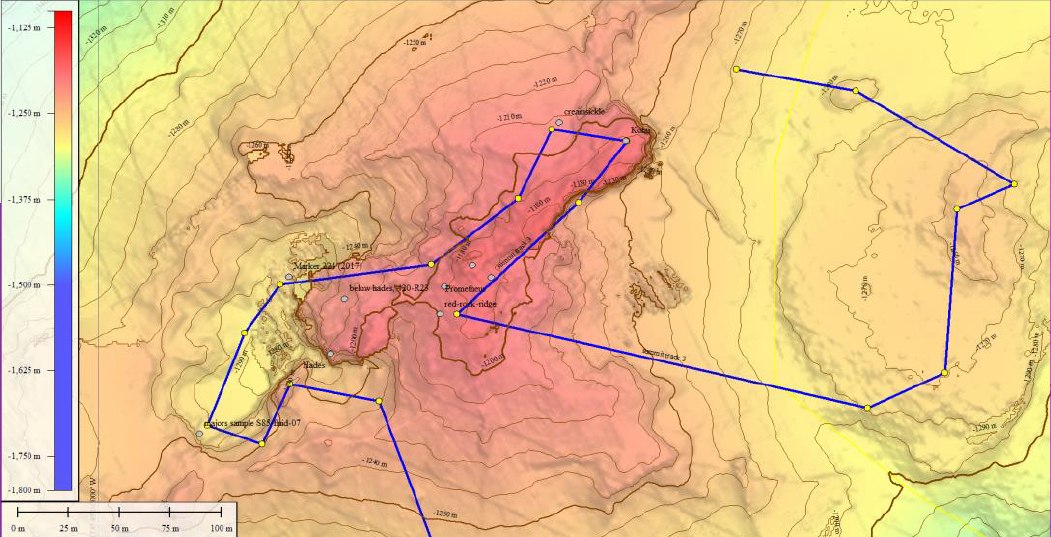
- 14
Underwater Fire ~ Searching ~ Week 03 Video
27 November 2017
Read
- 15
The Art and Science of Submersible Dive Planning
26 November 2017
Read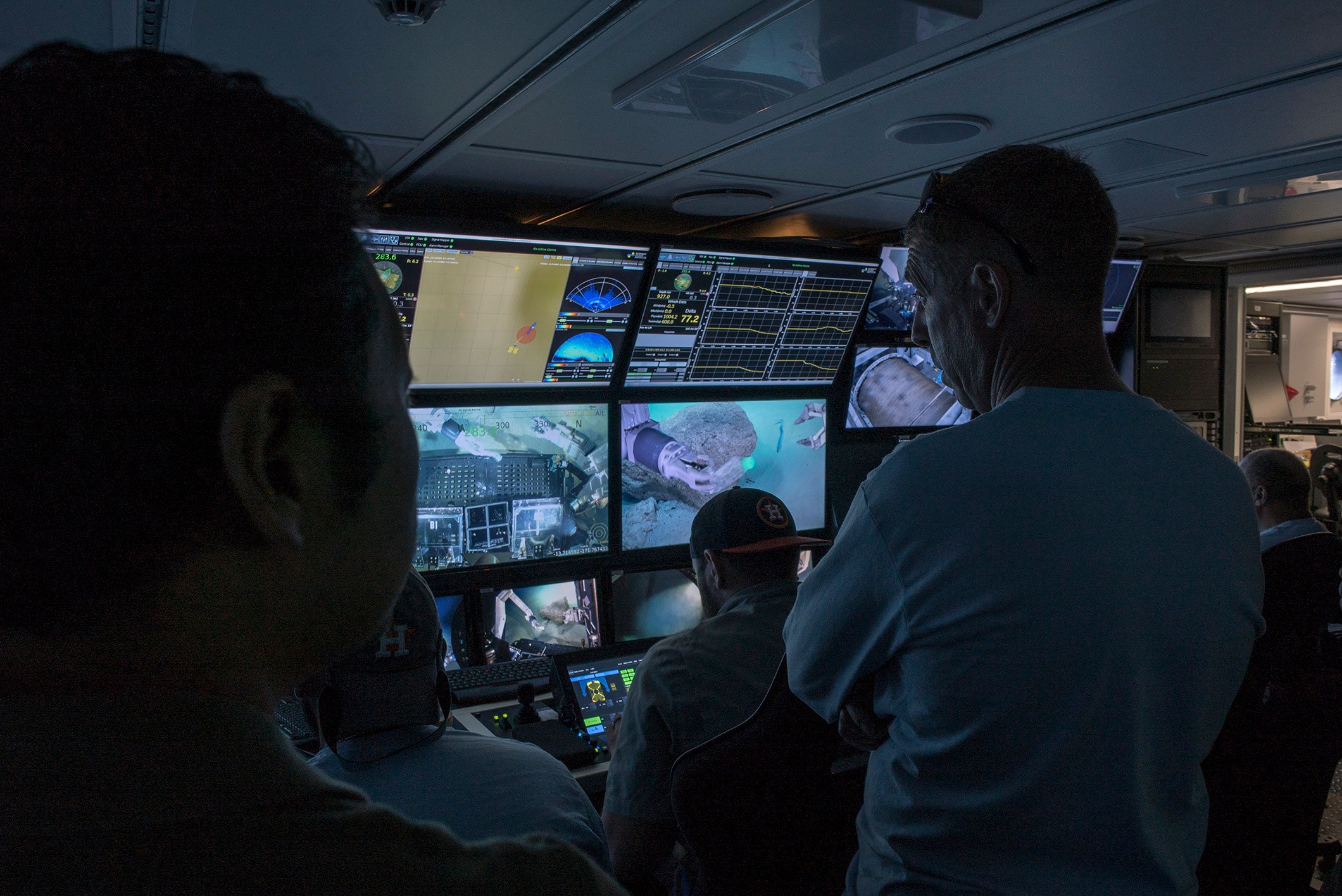
- 16
What is the point?
25 November 2017
Read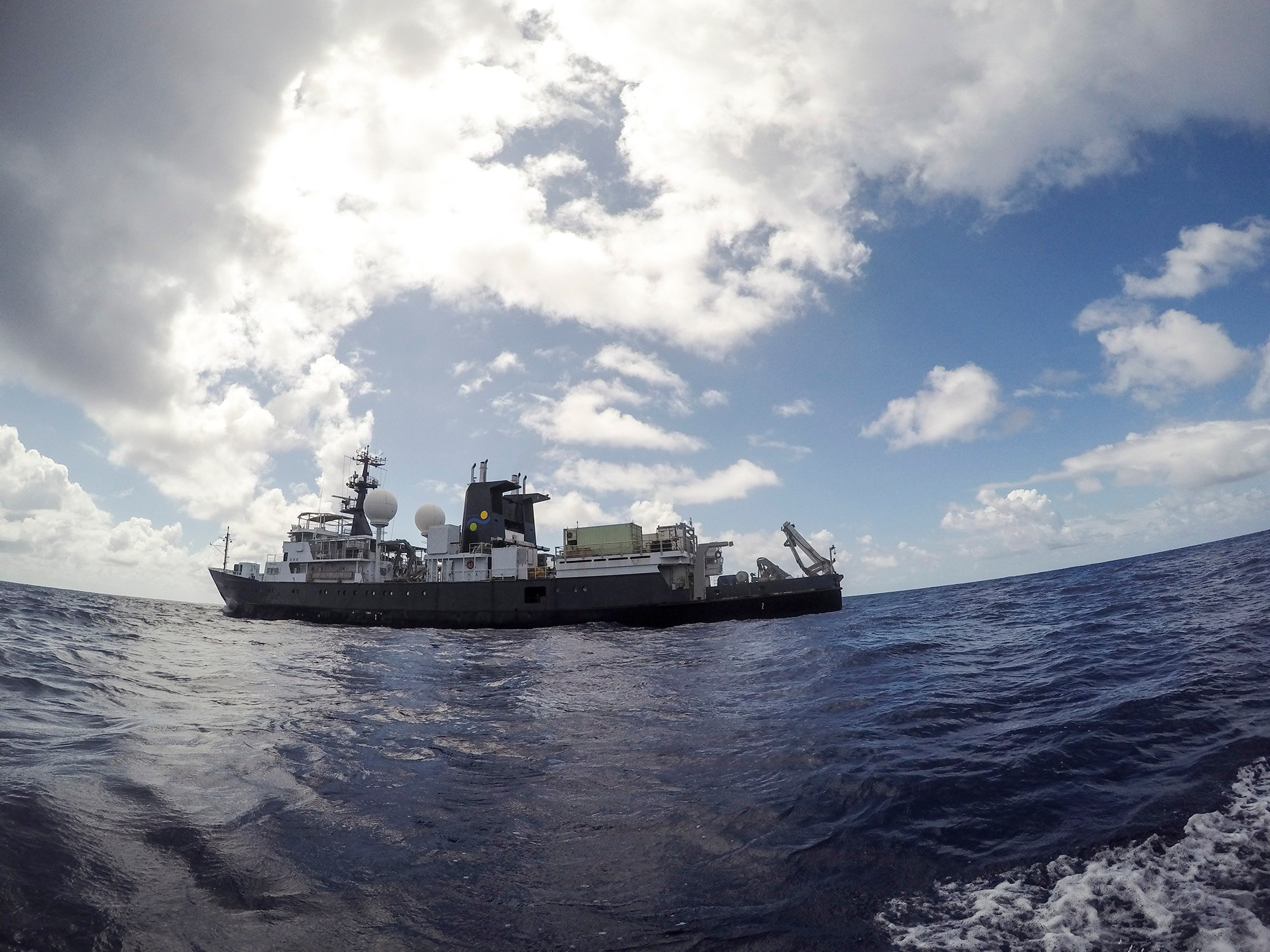
- 17
Underwater Fire ~ Week 02 Video
23 November 2017
Read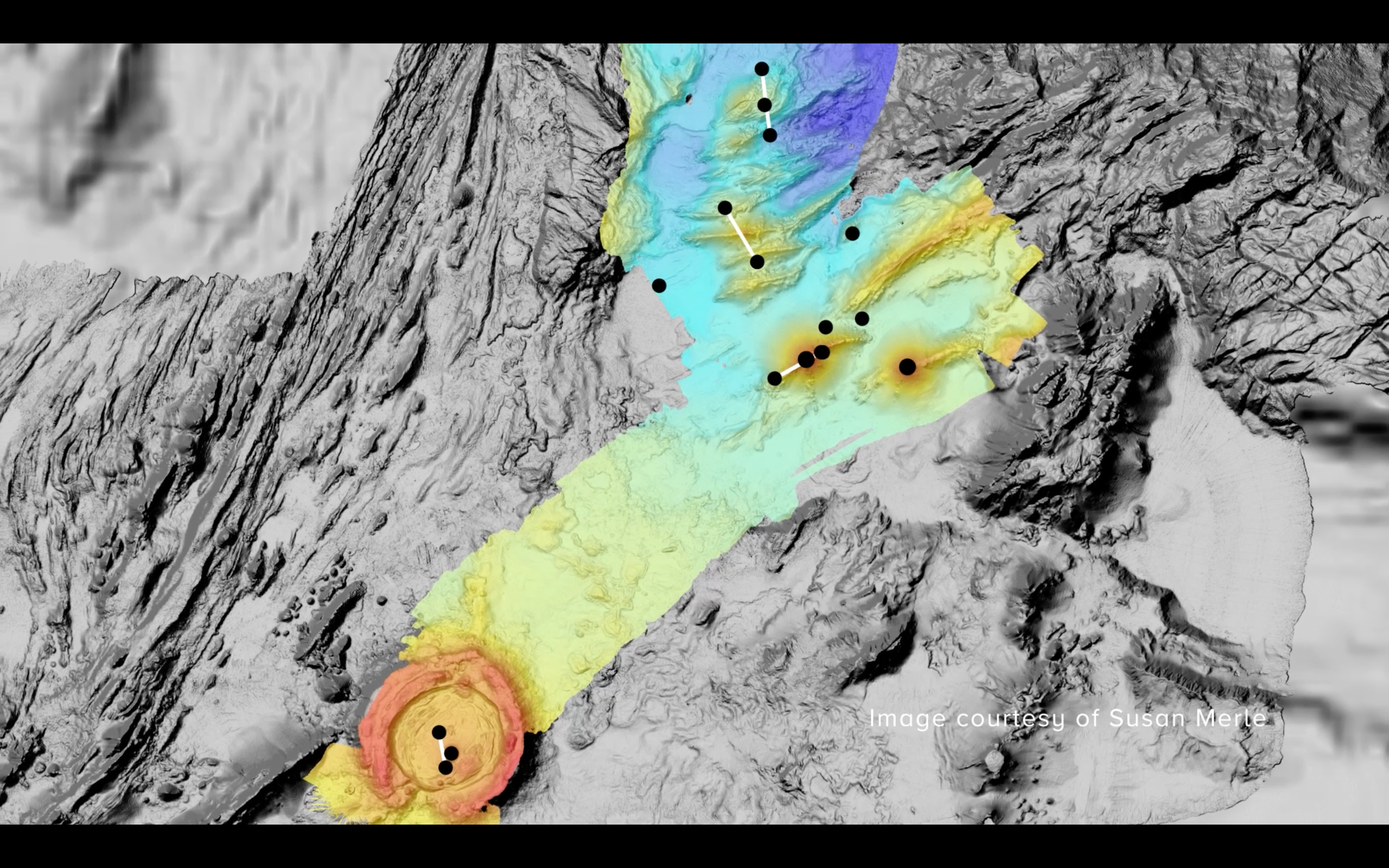
- 18
New Views of the Seafloor
22 November 2017
Read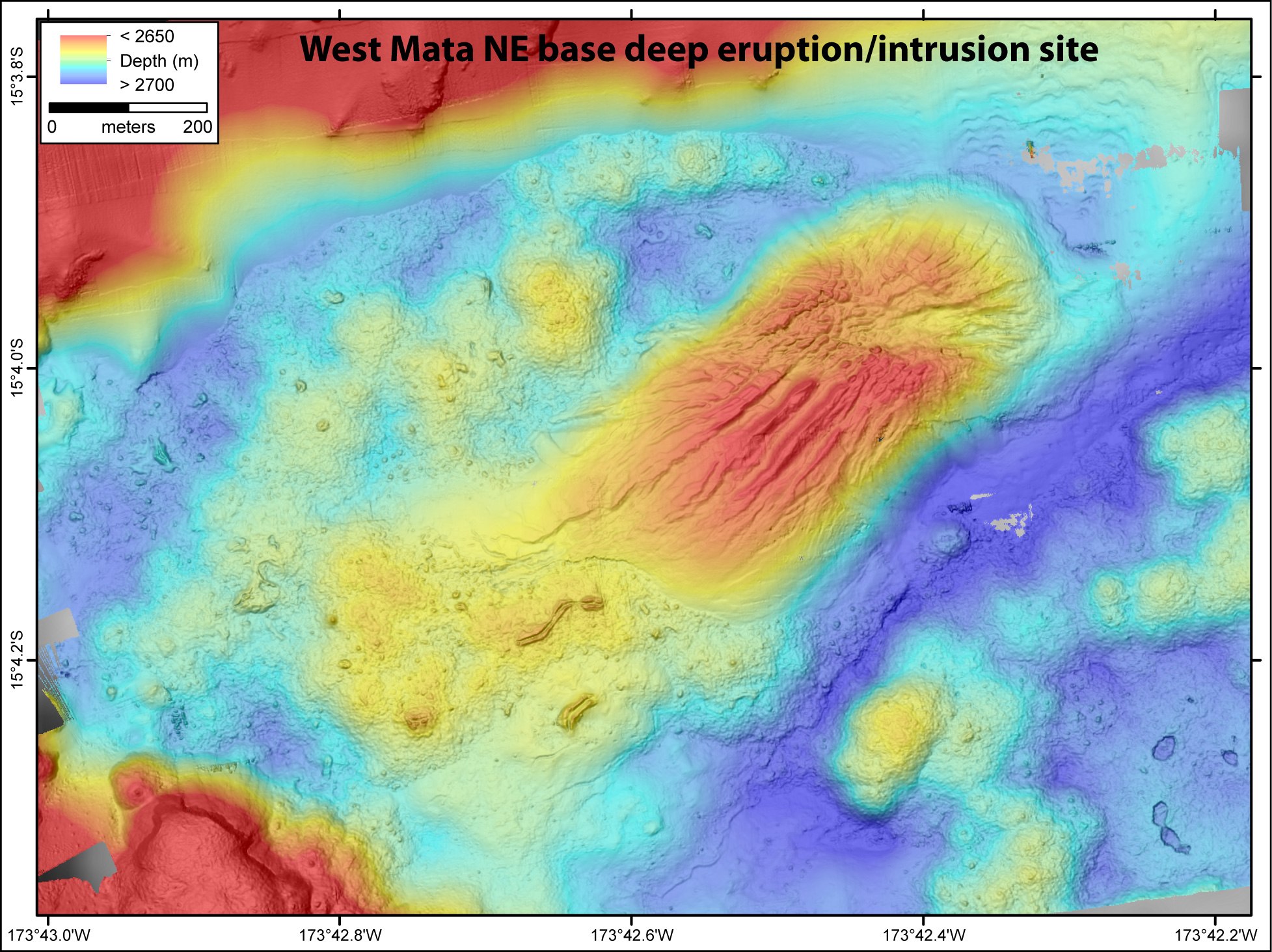
- 19
Where there is smoke…
21 November 2017
Read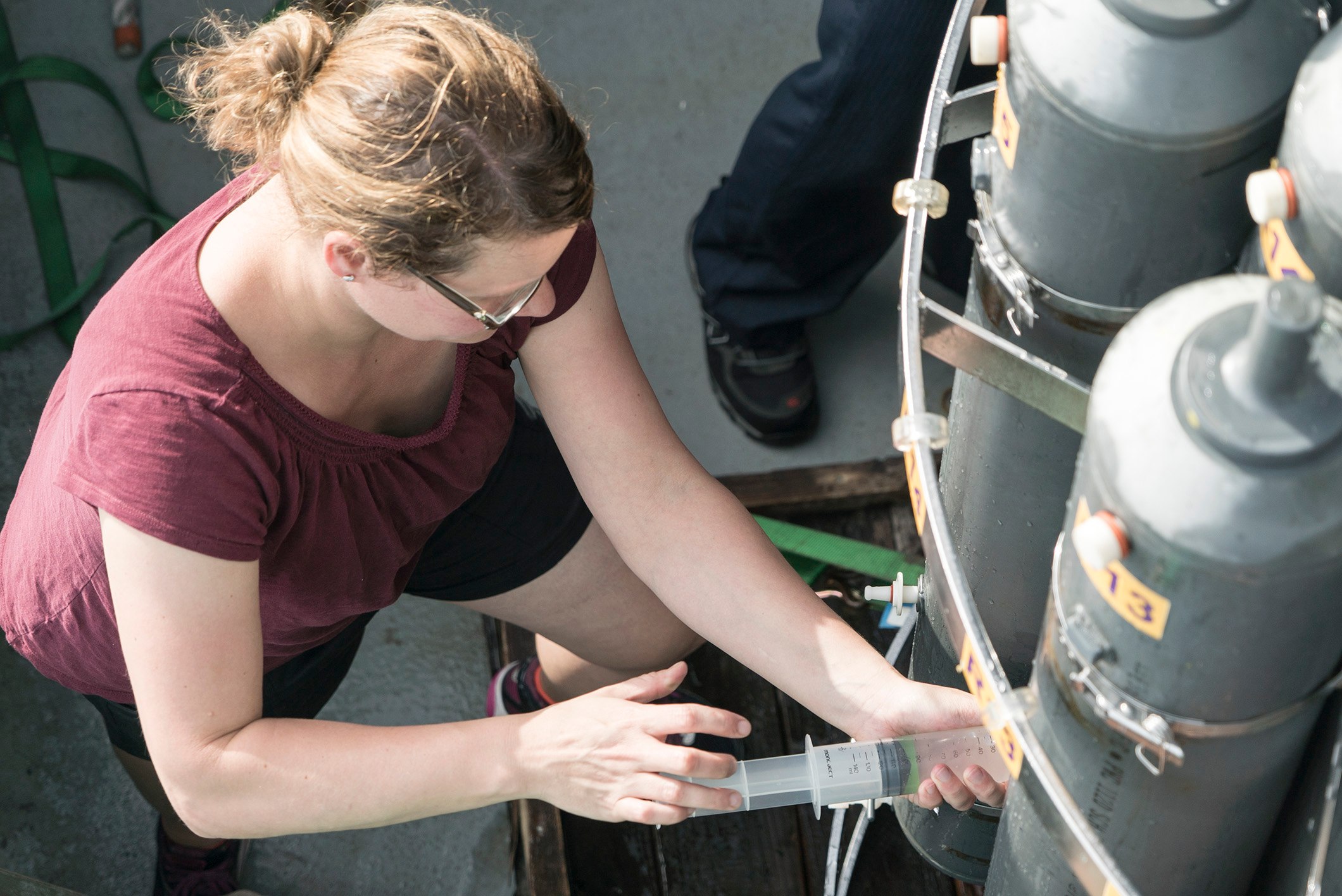
- 20
Fire Meets Water
20 November 2017
Read
- 21
What is so interesting about Submarine volcanoes?
17 November 2017
Read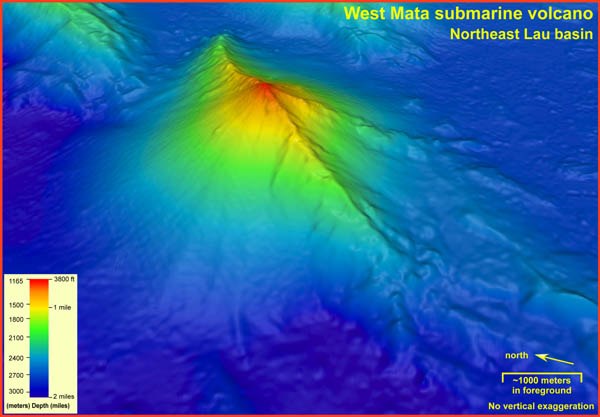
- 22
Our First Discovery!
15 November 2017
Read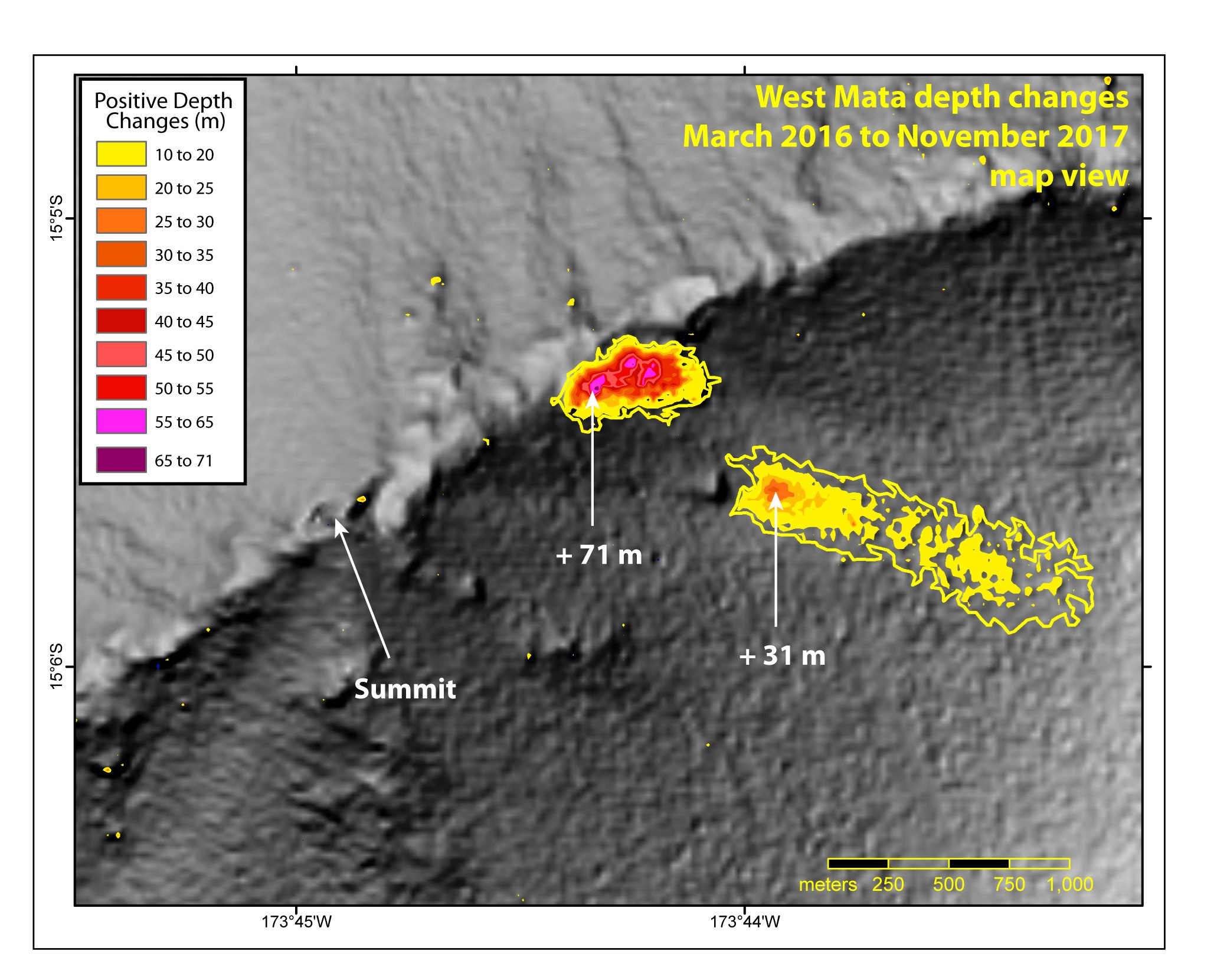
- 23
A Changing Landscape
14 November 2017
Read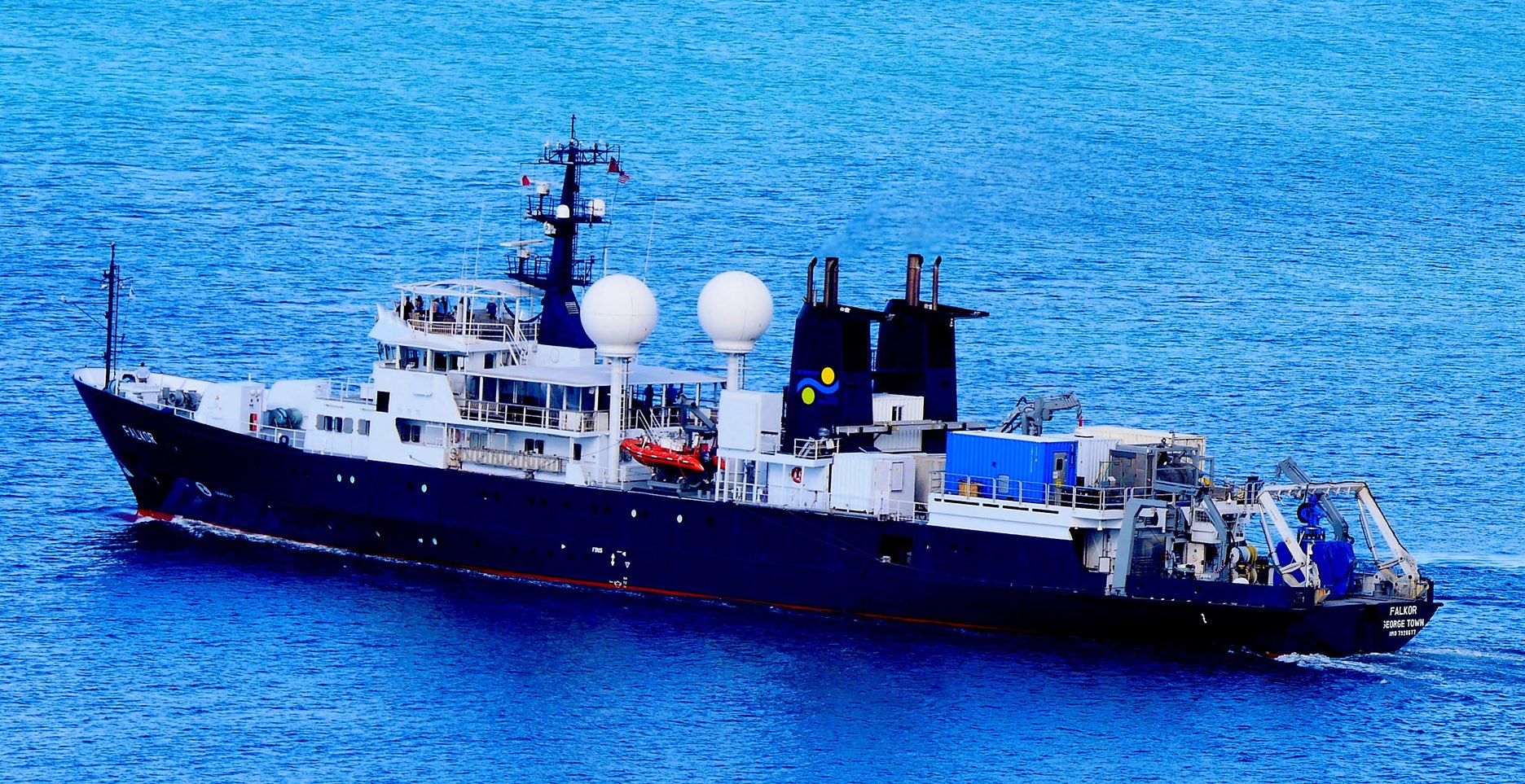
- 24
Underwater Fire ~ Week 01 Video
13 November 2017
Read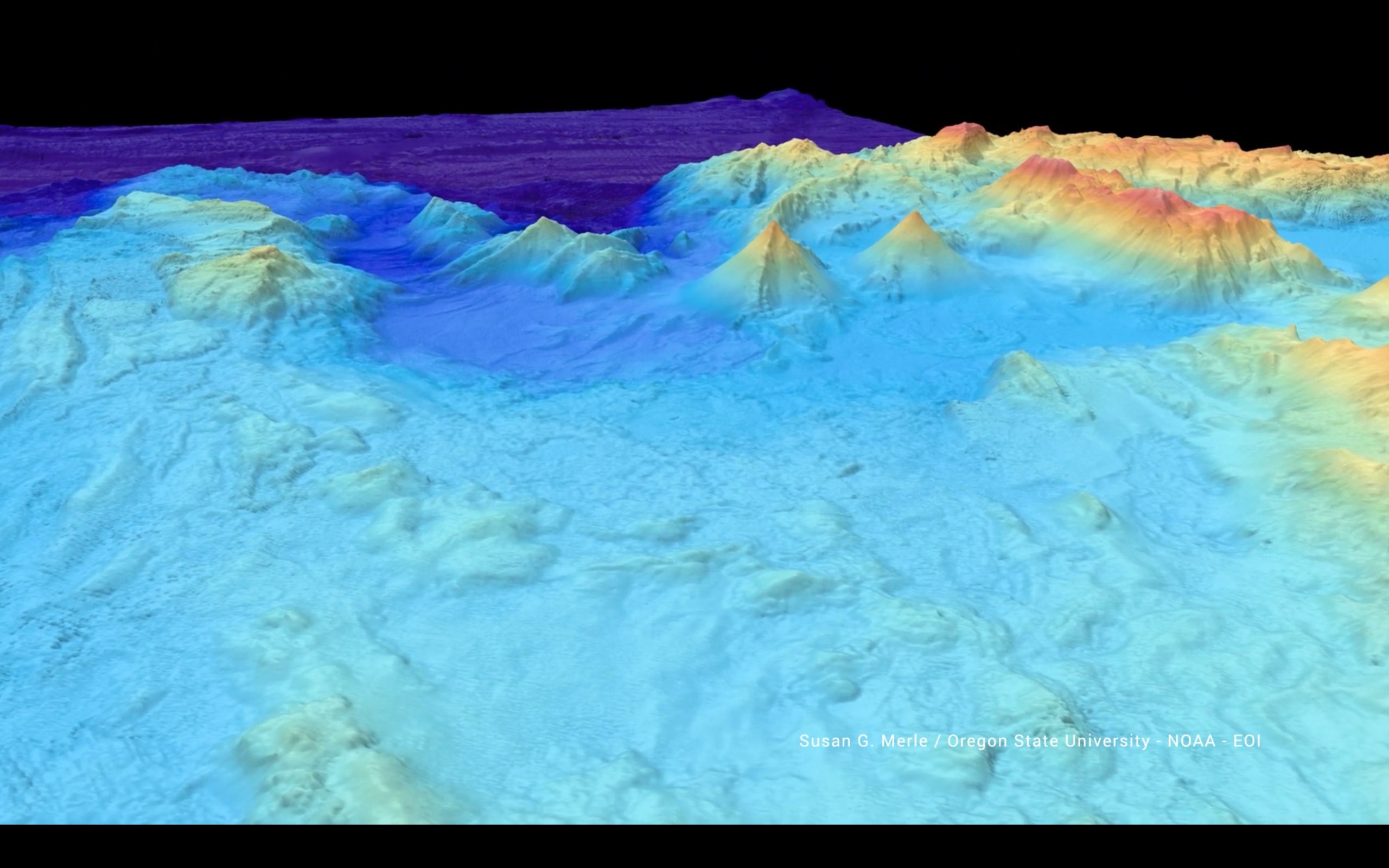
- 25
Exceptional Setting, Unusual Questions
12 November 2017
Read
- 26
Underwater Fire Essentials
11 November 2017
Read
Divestreams
View all Divestreams

Weekly Videos
View all Weekly VideosDiscover More
Expedition Data
Title  | Type | Repository |
|---|---|---|
| Processed Gridded Near-Bottom AUV Sentry Bathymetric Sonar | Sonar Data | Marine Geoscience Data System (MGDS) |
| Physical rock specimens (Material: Rock, Field Program/Cruise: FK171110) | Rock Samples | SESAR |
| Physical hydrothermal chimney specimens (Material: Sediment, Field Program/Cruise: FK171110) | Sediment Samples | SESAR |
| Macrofauna specimens (Field Program/Cruise: FK171110) | Biological Samples | SESAR |
| CTD cast water sample chemistry data | Water Samples | National Center for Oceanographic Data of Chile (CENDOC) |
| Hydrothermal fluid data | Water Samples | Zenodo |
| Raw Near-Bottom AUV Sentry Magnetic Field, Navigation, Optical Backscatter, Pressure, Redox Potential and Temperature Data | Sonar Data, Navigation Data, Oceanographic Property Data | Marine Geoscience Data System (MGDS) |
R/V Falkor processed Acoustic Backscatter and Swath Bathymetry Data | Sonar Data | Marine Geoscience Data System (MGDS) |
| Vessel Underway data | Oceanographic Property Data | Rolling Deck to Repository (R2R) |
| ADCP data | Oceanographic Property Data | University of Hawaii SOEST |
Publications from This Expedition
30 day Preliminary Cruise Report: Underwater Fire
Final Cruise Report: Underwater Fire: studying the submarine volcanoes of Tonga
Chadwick, Jr., W., Rubin, K., Merle, S., Bobbitt, A., Kwasnitschka, T., and R. Embley. (2019). Recent Eruptions Between 2012 and 2018 Discovered at West Mata Submarine Volcano (NE Lau Basin, SW Pacific) and Characterized by New Ship, AUV, and ROV Data. Front. in Mar. Sci. 6:495, doi: 10.3389/fmars.2019.00495.
Walker, S., Baker, E., Lupton, J., and J. Resing. (2019). Patterns of Fine Ash Dispersal Related to Volcanic Activity at West Mata Volcano, NE Lau Basin. Front. Mar. Sci., 6:593, doi: 10.3389/fmars.2019.00593.
Embley, R., and Rubin, K. (2018). Extensive young silicic volcanism produces large deep submarine lava flows in the NE Lau Basin. Bulletin of Volcanology, 80:36, pp23, doi: 10.1007/s00445-018-1211-7.
Anderson, M., Norris-Julseth, C., Rubin, K., Haase, K., Hannington, M., Baxter, A., and Stewart, M. (2021). Geologic and Structural Evolution of the NE Lau Basin, Tonga: Morphotectonic Analysis and Classification of Structures Using Shallow Seismicity. Frontiers in Earth Science, 9:665185, doi: 10.3389/feart.2021.665185.
[This Article was published OPEN ACCESS]Wang, H., Wang, W., Liu, M., Zhou, H., Ellwood, M., Butterfield, D., et al. (2022). Iron ligands and isotopes in hydrothermal plumes over backarc volcanoes in the Northeast Lau Basin, Southwest Pacific Ocean. Geochimica et Cosmochimica Acta, 336, doi: 10.1016/j.gca.2022.09.026.
Wang, H., Wang, W., Ellwood, M., Li, J., Zhou, H., Butterfield, D., Buck, N., Maharaj, P. and Resing, J. (2024). Dissolved Cu isotope compositions in hydrothermal plumes over back-arc volcanoes in the NE Lau Basin, Southwest Pacific Ocean, Geochimica et Cosmochimica Acta (381), doi: 10.1016/j.gca.2024.07.033.