



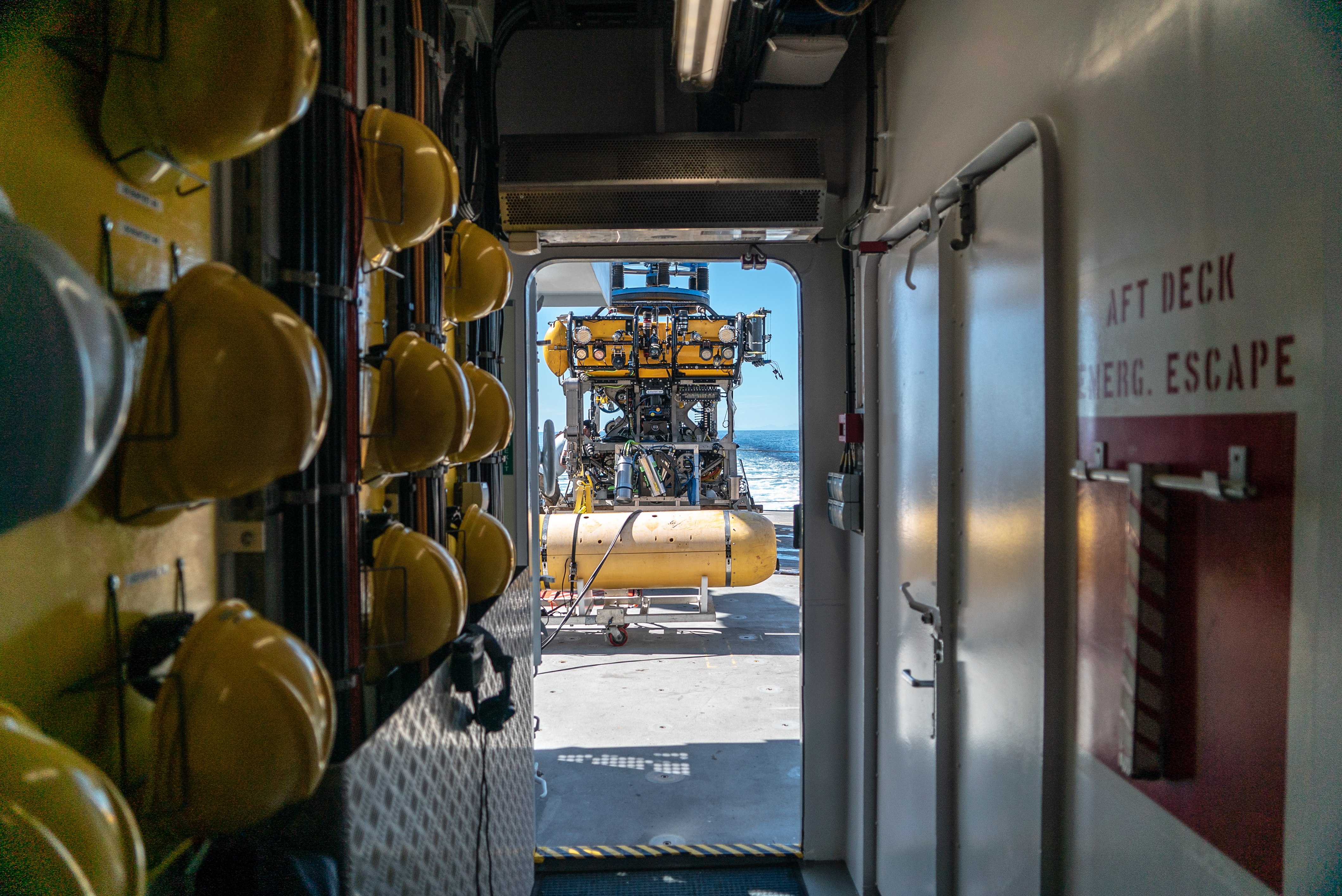

Exploration is in our nature. We began as wanderers, and we are wanderers still. We have lingered long enough on the shores of the cosmic ocean. We are ready at last to set sail for the stars. Carl Sagan’s words could not explain any better how I feel about this expedition. You see, as a little kid I dreamed of becoming an astronomer. The call always felt like the mesmerizing song of a mermaid. Little did I know that my path would take me so far - and yet so close - to my childhood dreams. Taking a 3000+ meter leap into the deep ocean is exactly like space exploration: what awaits at the bottom of the ocean is the most bizarre collection of highly adapted organisms, the kind we might encounter one day with our exploration robots in a distant planet. This is amazing.

My lifelong science interest is understanding how the Earth works and, ultimately, trying to keep the Earth a healthy system.I have always been fascinated by volcanoes and the liberation of thermal energy from the Earth’s interior. Heat (energy) and temperature are fundamental to many Earth processes that control its internal dynamics.
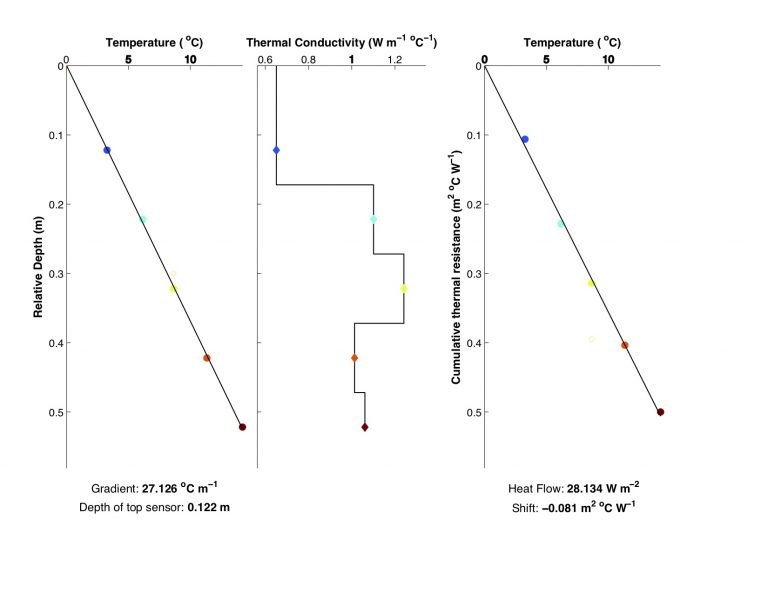
Moreover, energy is at the cornerstone of human development. Firewood and coal provided early humans with the means for cooking raw foods and kept them warm in winter. Then steam, oil, and natural gas propelled the development of new technologies with which we have reached the remotest places on Earth and the edge of the Solar System. However, environmental problems associated with their use began to appear at the beginning of the 20th century in the form of soaring temperatures worldwide, which is becoming critical in the 21st century. One of the ways to solve this contradiction is searching for new, clean energy sources like solar, aeolian (wind)