


Dive In
About the Expedition
Scientists are always interested where hydrothermal vents are located. However, when a new field is discovered with properties not previously seen, the excitement reaches a whole new level. This occurred during a 2015 Monterey Bay Aquarium Research Institute (MBARI) expedition in the Gulf of California, when the science team found a unique and distinctive hydrothermal field. This November a team of scientists led by Dr. Robert Zierenberg, Dr. David Caress, and Dr. Victoria Orphan, will return to the site, with an interdisciplinary team ready to tackle a full investigation of the tectonic, geochemistry, and associated microbial communities and life forms around these recently discovered hydrothermal vents.
- Dive Markers
- Trackline
The Mission
Strange New Vents
The new vent field was discovered sitting atop a fault scarp at more than 3,600 meter depth in the Southern Pescadero Basin (SPB), the southernmost sediment-covered pull-apart basin in the Gulf of California. The limits of this vent field have yet to be defined and many features have yet to be explored, but what is clear is that these vents are unusual physically, chemically, and biologically.
The more commonly observed hydrothermal vents are polymetallic sulfide chimneys, also known as “white and black smokers.” This is because they release hydrothermal fluids that resemble smoke plumes rising from chimneys. The vents at SPB are uniquely comprised of hydrothermal carbonates and are venting clear, shimmering water around 290 degrees Celsius. These fluids have a higher pH and produce different mineral deposits than most commonly observed vents. Hot water reacting with sediment forms organic gases and hydrothermal petroleum, a process that usually requires deep burial of organic-rich sediment and millions of years. These organic compounds provide an alternative source of energy for microbial life in addition to the hydrogen and hydrogen sulfide gases dissolved in the hydrothermal fluid.
Using new technology, scientists will be able to explore the sediments and their associated microbes to possibly validate the presence of subsurface metal and the critical community of life surrounding this habitat.
Interdisciplinary Exploration of SPB
The vents at SPB offer a unique opportunity to compare microbial and animal community compositions between vents with different chemistries and mineral deposits. To fully investigate both the geochemical and biological sides of the story, this 21-day cruise will be split into two legs with an interdisciplinary team of geologists, chemists, microbiologists and biologists on board the R/V Falkor.
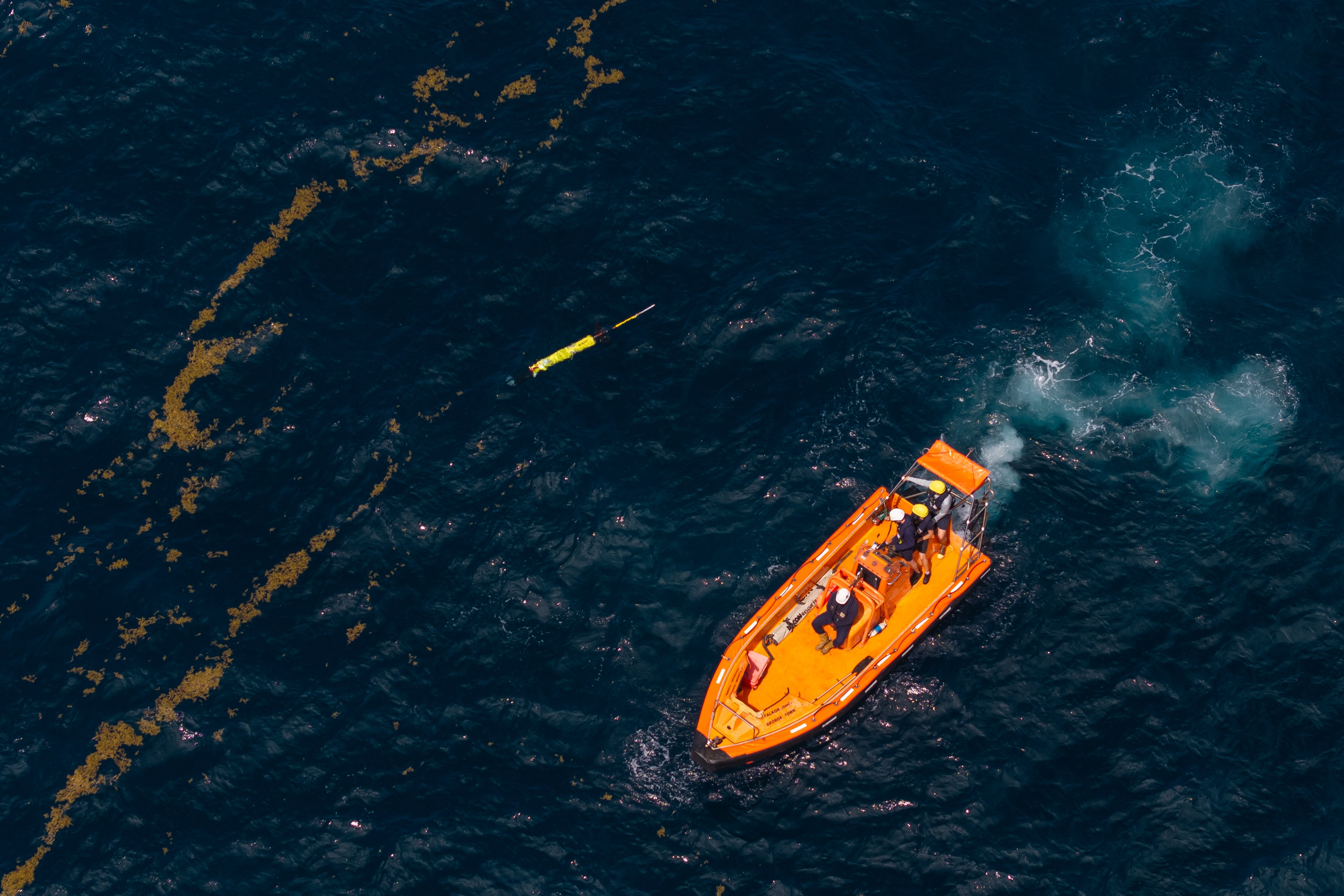
First a “big picture” will be formed with R/V Falkor’s shipboard multibeam mapping and magnetic instruments to determine the regional tectonic setting. Then, an Autonomous Underwater Vehicle (AUV) equipped with sonar and seismic sensors will fill in areas of interest with high resolution bathymetry data on a meter scale while collecting data on water temperature and salinity. This finer-scale mapping will identify targets for later dives with the Remotely Operated Vehicle (ROV) SuBastian. The most detailed mapping will be done in the known vent field using a low attitude survey system mounted onto the ROV for centimeter-scale mapping using a new Lidar system. This will be tested down to 3,800 meters for the first time. Mapping at this scale will provide an unprecedented view of the geological and geochemical controls on vent faunal communities.
Once the entire vent field has been mapped, the team will use the new AUV maps to explore for new hydrothermal fields using the ROV to collect chimneys, vent fluids, sediment, and rock samples. The geological and chemical insights from these data will allow the team to compare the composition and inner workings of vents within the SPB field and establish a tectonic context for the site. These dives will also retrieve and live-stream high definition 4K video of never-before-seen areas of the SPB field providing potential targets for the biological team on leg two.
On the second leg, the team will focus on biological research questions aimed at investigating the density, distribution, diversity, and metabolism of organisms on and around the vents. They will use a heat flow probe to quantify the thermal setting in and around the animal communities. This will allow the scientists to compare between vents at SPB and with other known hydrothermal vent sites. ROV SuBastian will sample extensively along a series of transects from low activity areas into the main vent field exploring unusual assemblages of tubeworms, polychaetes, and of course the microbes. In an environment where there is no sunlight to provide energy to plants, the food chain is reliant on these tiny but important chemosynthetic microbes. Connecting the type, diversity, and lifestyle of microbes associated with different mineral deposits, chemical components dissolve in the vent fluids, and associated hydrothermal hydrocarbons will reveal new, exciting insights into the alien world of hydrothermal vents.
Linking the Deep Sea to Space
This cruise promises to be filled with discovery as diverse researchers come together to collect and analyze data at multiple scales, from multiple disciplines. Technology will be key: for example, one-centimeter-scale topographic mapping will be created using a specialized Lidar mounted on ROV SuBastian. Combined with seismic measurements, water samples, and 4K imaging of animals in their habitats, this research will allow for an unprecedented integration of geological, chemical, and biological data.
This research will have important implications for the deep sea research community, and for conservation of the hydrothermal vent habitats. There is still so little that we know about the microbial community and these vent systems, and what kind of impact they may have on the rest of the oceans. The discovery of chemosynthetic communities associated with hydrothermal vents has changed the way we think of life, both on Earth and in our search for life on other planets. We know that hydrogen, hydrogen sulfide, and methane are present on other planets, and the moon Titan has oceans of hydrocarbon. If there is a source of available electrons, such as oxygen gas, then there are potential energy sources which could support life. Do the microbial communities in the Pescadero Basin hold clues to life elsewhere? We do not know, but we are certainly looking forward to trying to answer questions such as these while aboard Falkor!
Permit Information:
• Permiso de Pesca de Fomento a Extrajeros No. PPFE/DGOPA-200/18
• Authorization EG00122018 granted by Direccion General de Geografia y Medio Ambiente del Instituto Nacional de Estadistica y Geografia (INEGI)
General Geographical Direction and Environment of the National Institute of Statistics and Geography
Team and Collaborators
Shana Goffredi
Co-Chief Scientist
Raquel Negrete-Aranda
Co-Chief Scientist
Victoria Orphan
Co-Chief Scientist
Ronald M. Spelz-Madero
Co-Chief Scientist

David Caress
Co-Chief Scientist
Robert Zierenberg
Principal Investigator
Giancarlo Troni
Florian Neumann
Greg Rouse

John Magyar
Néstor Ramírez-Zerpa
Bekah Shepard
Dawn Cardace
Emery Nolasco
Mónika Naranjo-Shepherd
Multimedia Correspondent

Ekin Tilic
Jennifer Paduan
Dave Clague
Eric Martin
Rob Harris
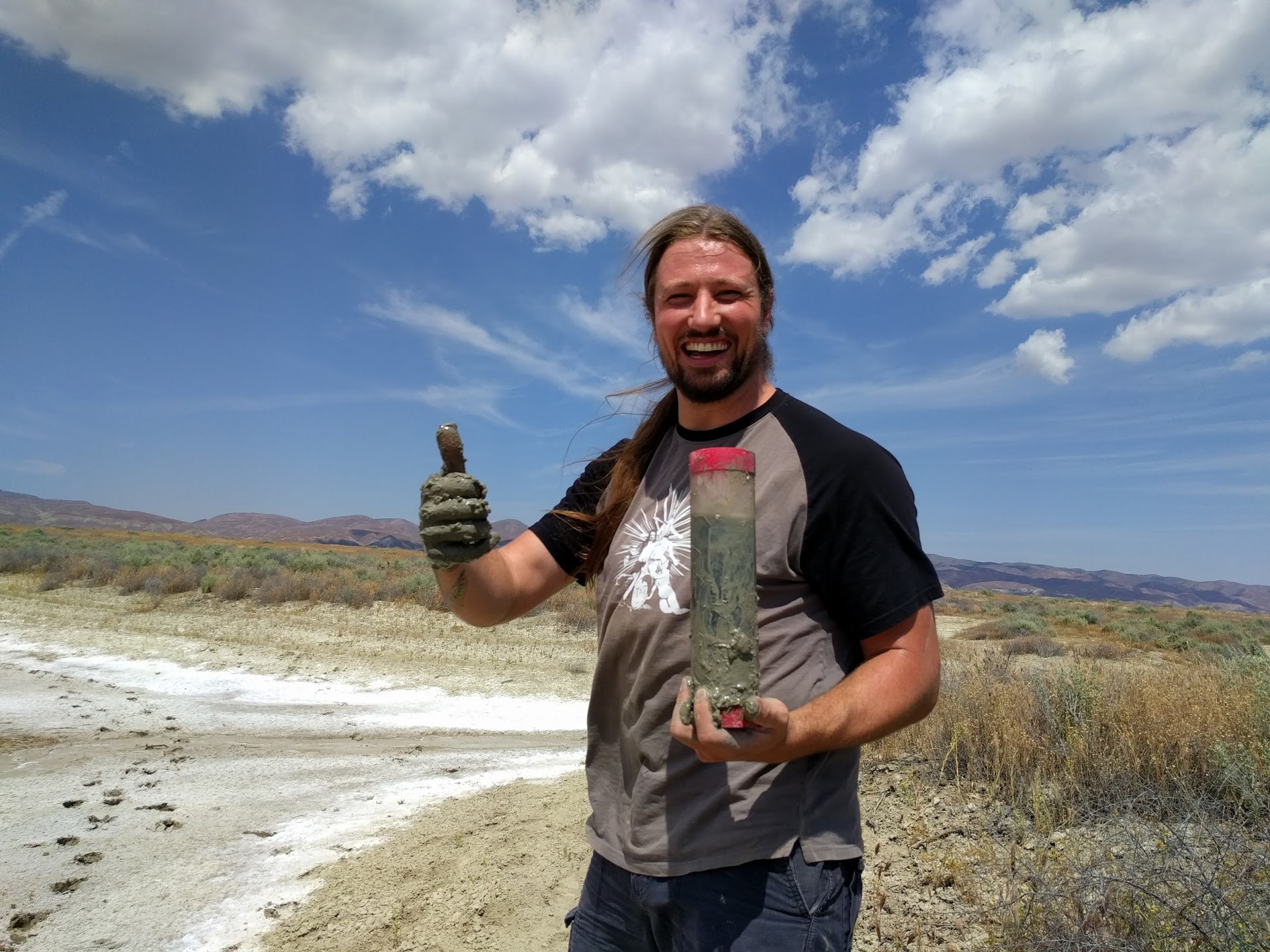
Daan Speth










Explore
Updates from the Ship
All Ship Updates
- 01
Conclusión: nuevos descubrimientos y nuevas preguntas
29 November 2018
Read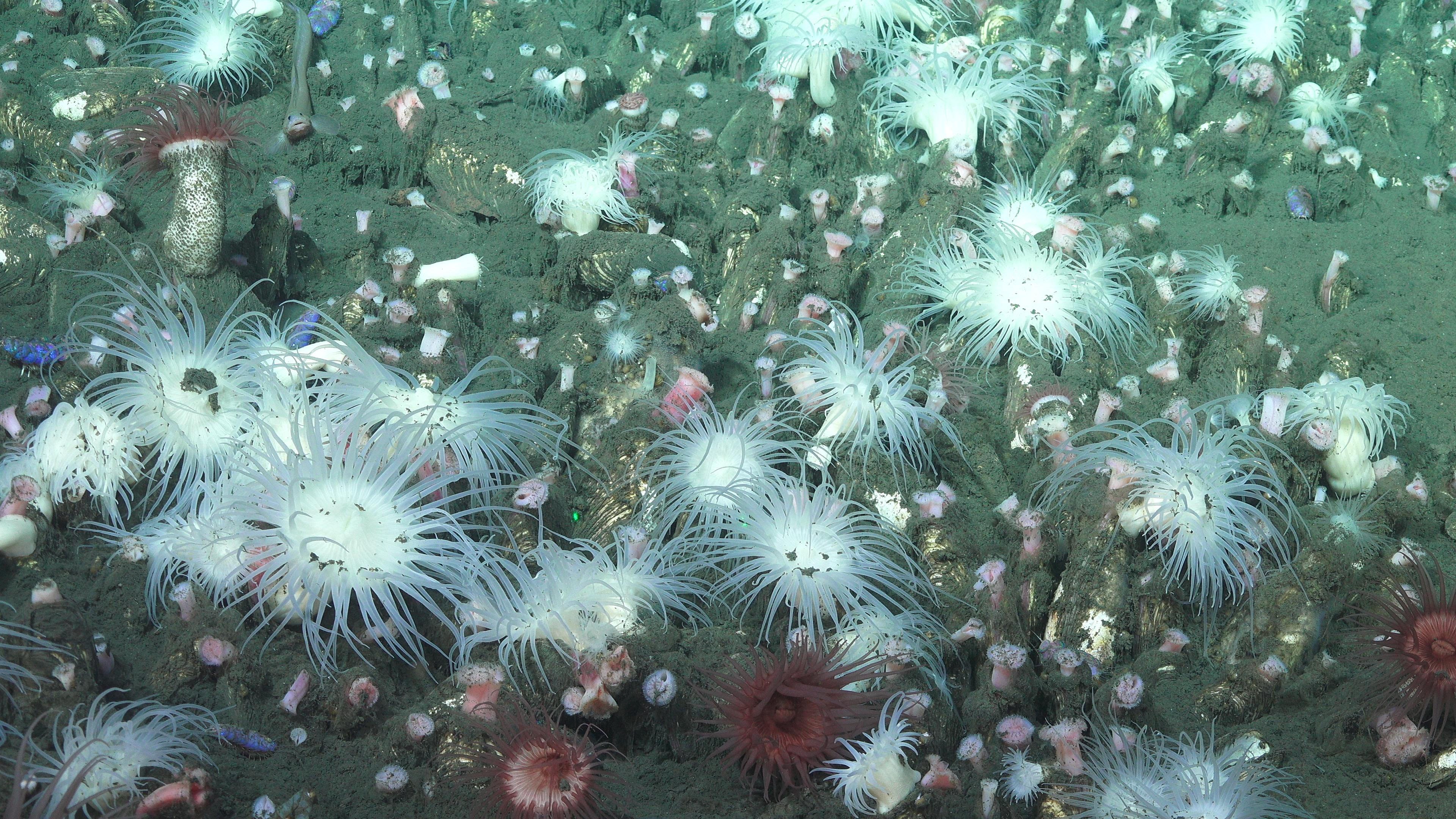
- 02
It's a Wrap: New Discoveries and New Questions
29 November 2018
Read - 03
Pescadero Vent Diving - Wrap Up Video
27 November 2018
Read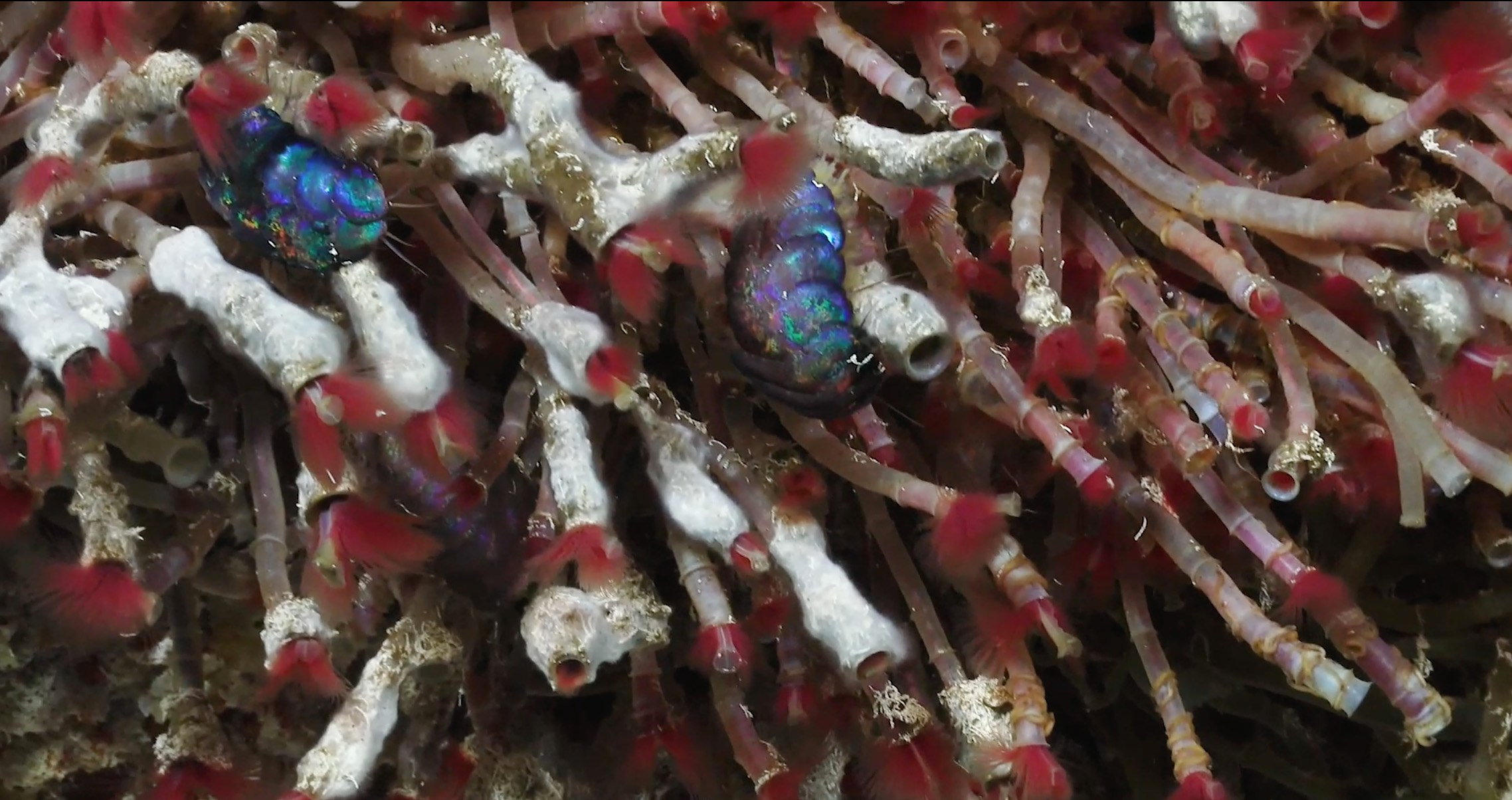
- 04
Primeras impresiones y viejos amigos
27 November 2018
Read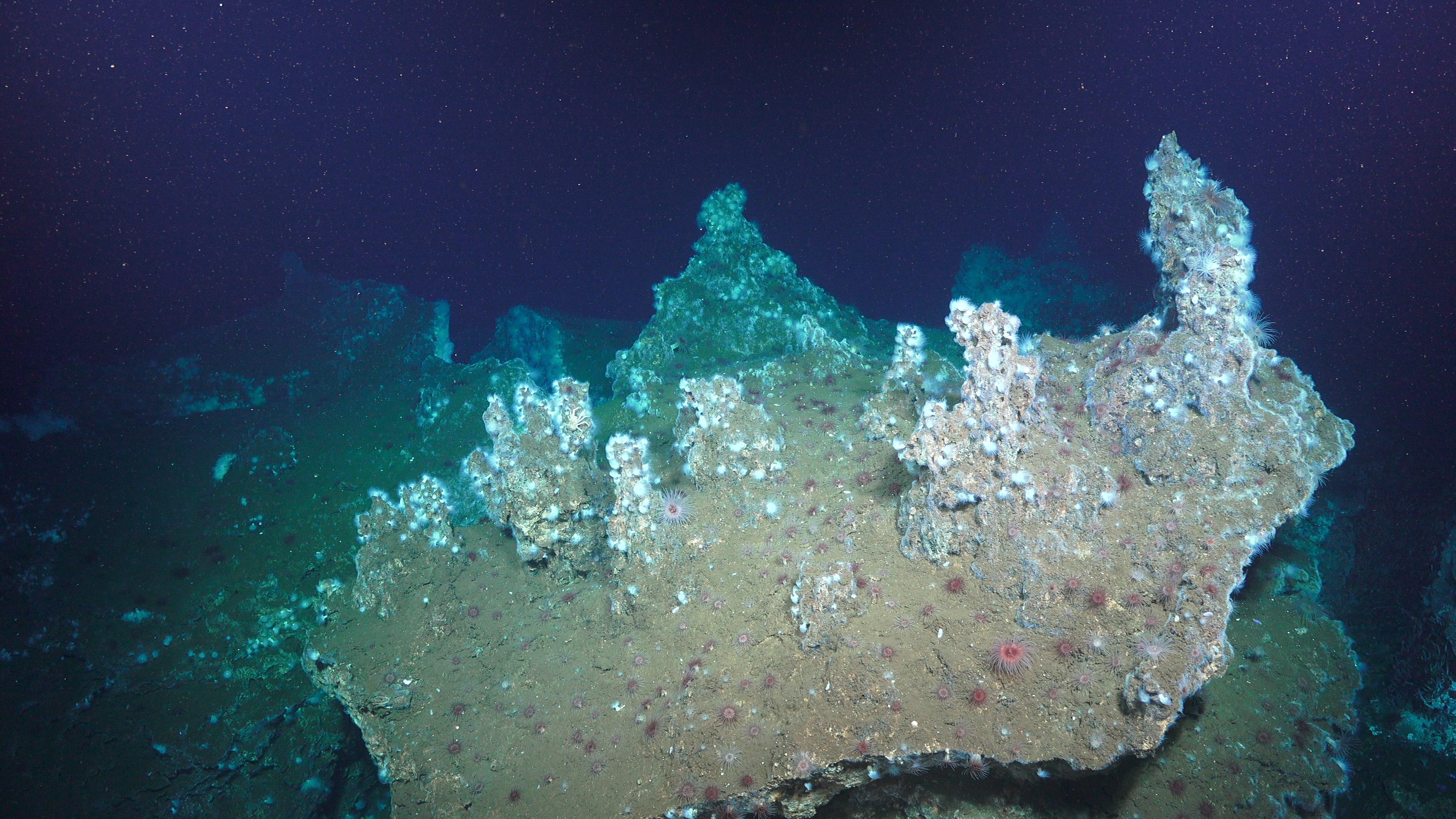
- 05
First Impressions and Old Friends
27 November 2018
Read - 06
Fuentes de energía para el futuro
26 November 2018
Read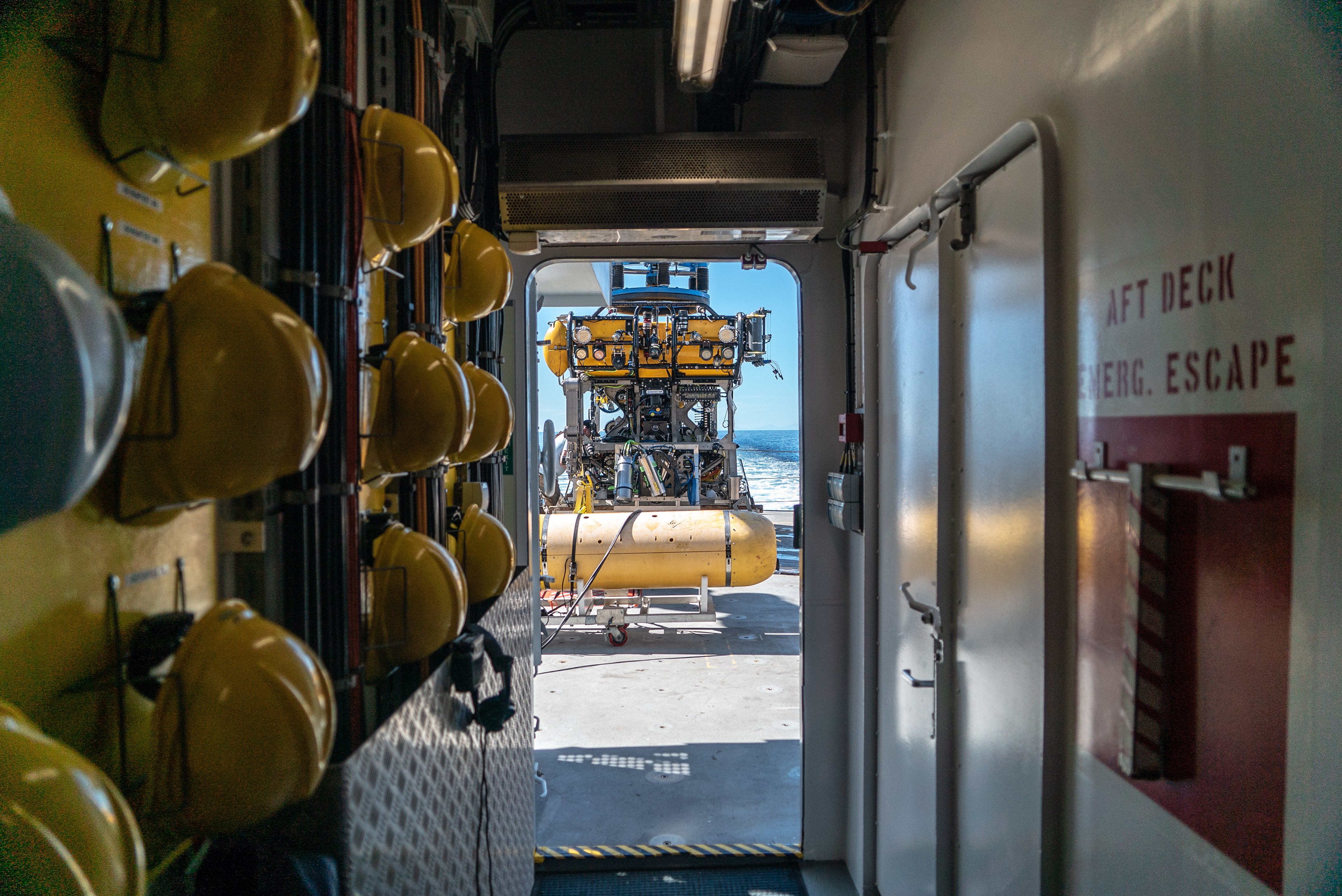
- 07
Sources of Power for the Future
26 November 2018
Read - 08
Mapeo del fondo marino y localización de vehículos submarinos
26 November 2018
Read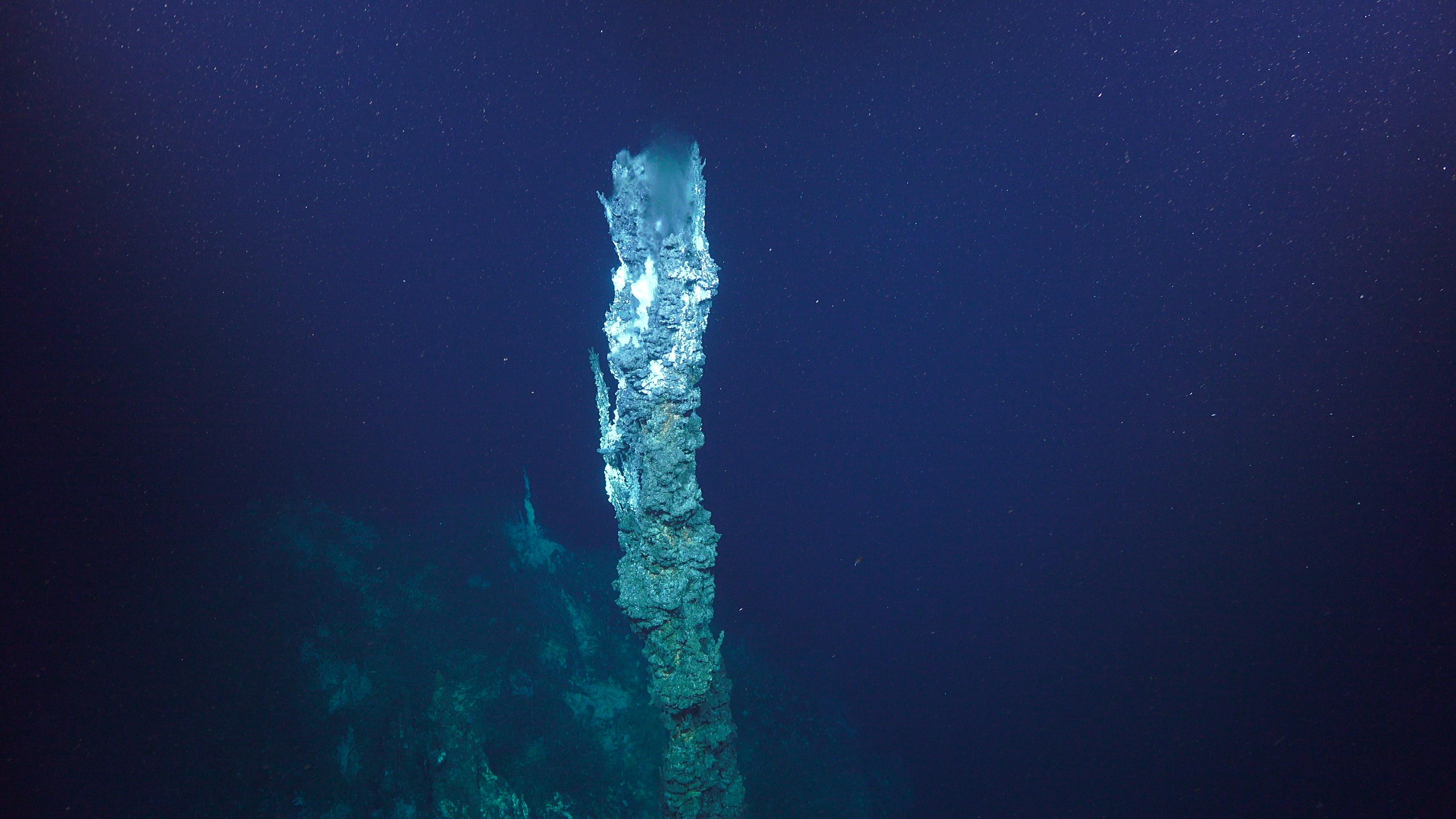
- 09
Seafloor Mapping and Underwater Vehicle Localization
26 November 2018
Read - 10
11/21/18 en FK181031
25 November 2018
Read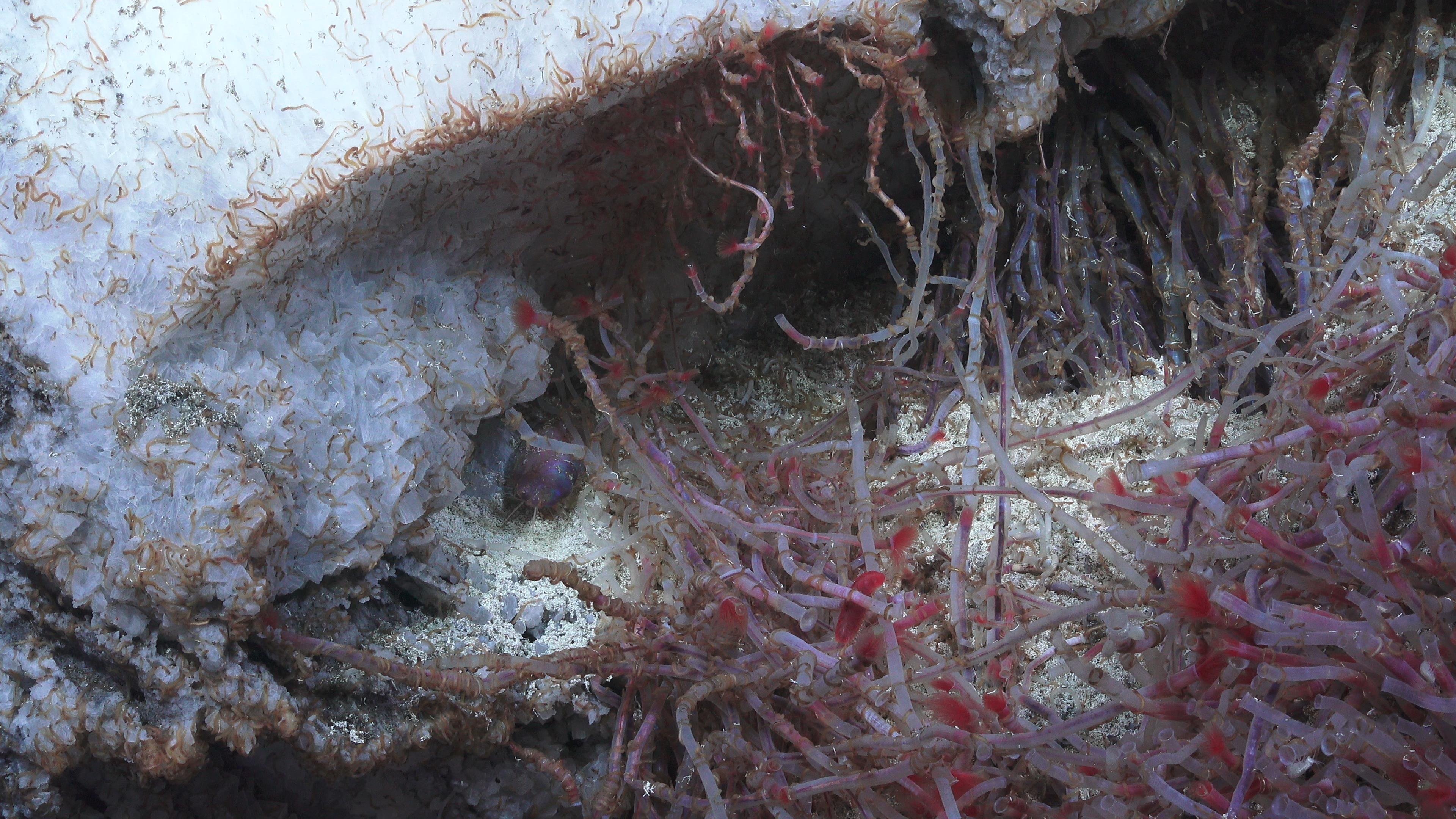
- 11
11/21/18 on FK181031
24 November 2018
Read - 12
Covered in Mud, but with a Big Grin
23 November 2018
Read
- 13
Cubierto de lodo, pero con una gran sonrisa
23 November 2018
Read - 14
Pescadero Vent Diving - Week Three Video
21 November 2018
Read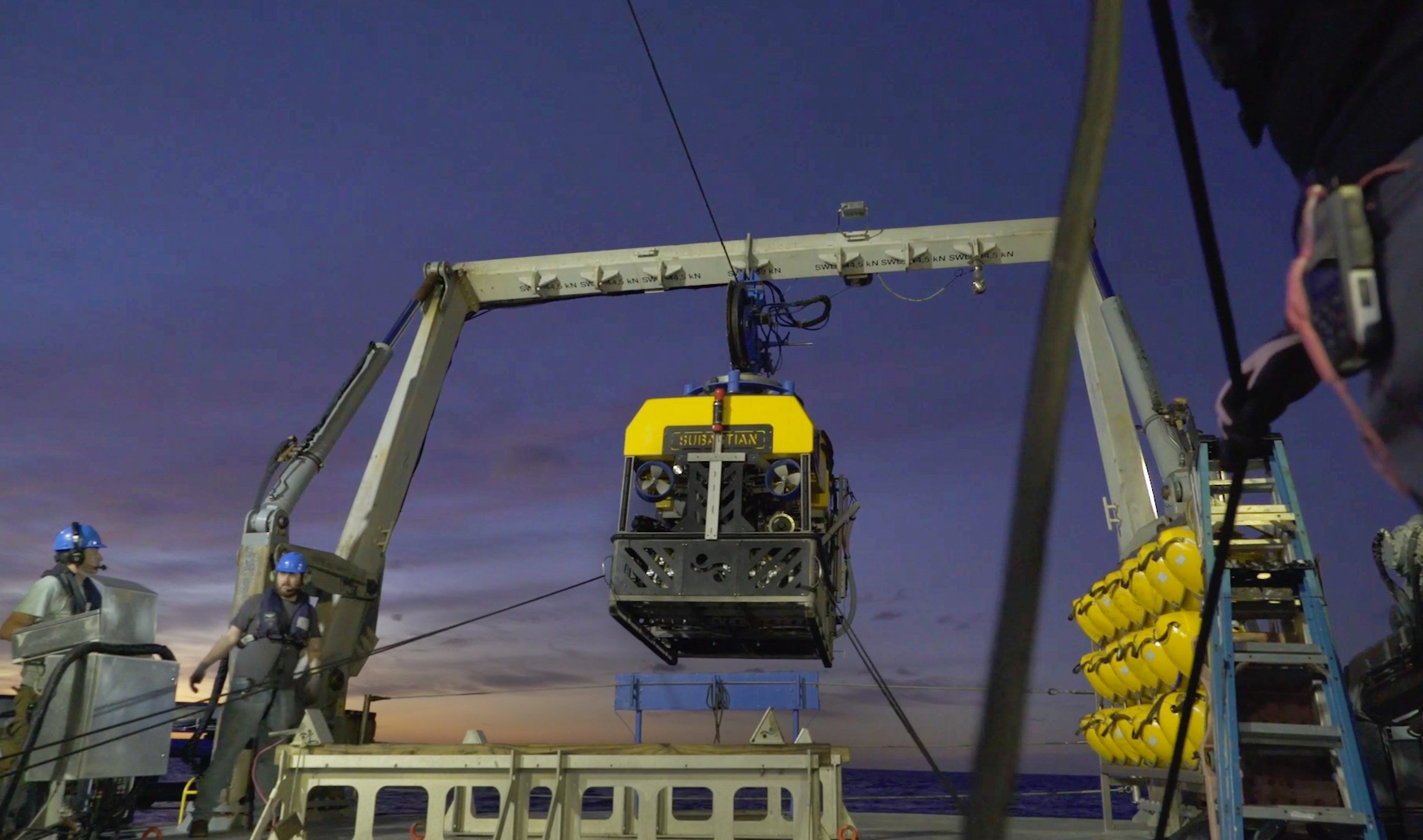
- 15
Mirando a gusanos hacer cosas de gusanos
21 November 2018
Read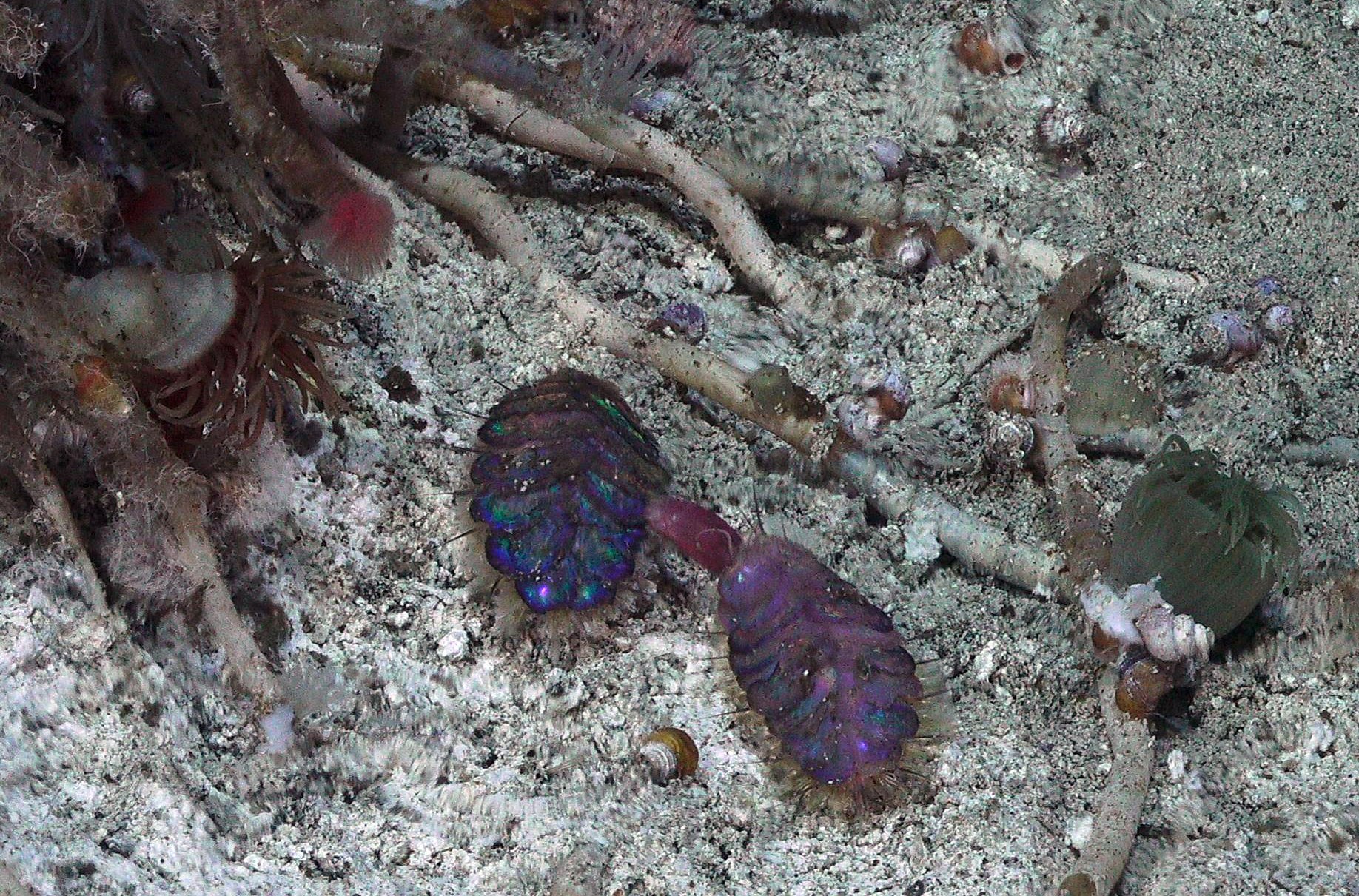
- 16
Watching Worms Do Wormy Things
21 November 2018
Read - 17
Pescadero Vent Diving - 4K Highlight Video
20 November 2018
Read
- 18
¿Quién vive en los lugares más profundos de La Tierra?
20 November 2018
Read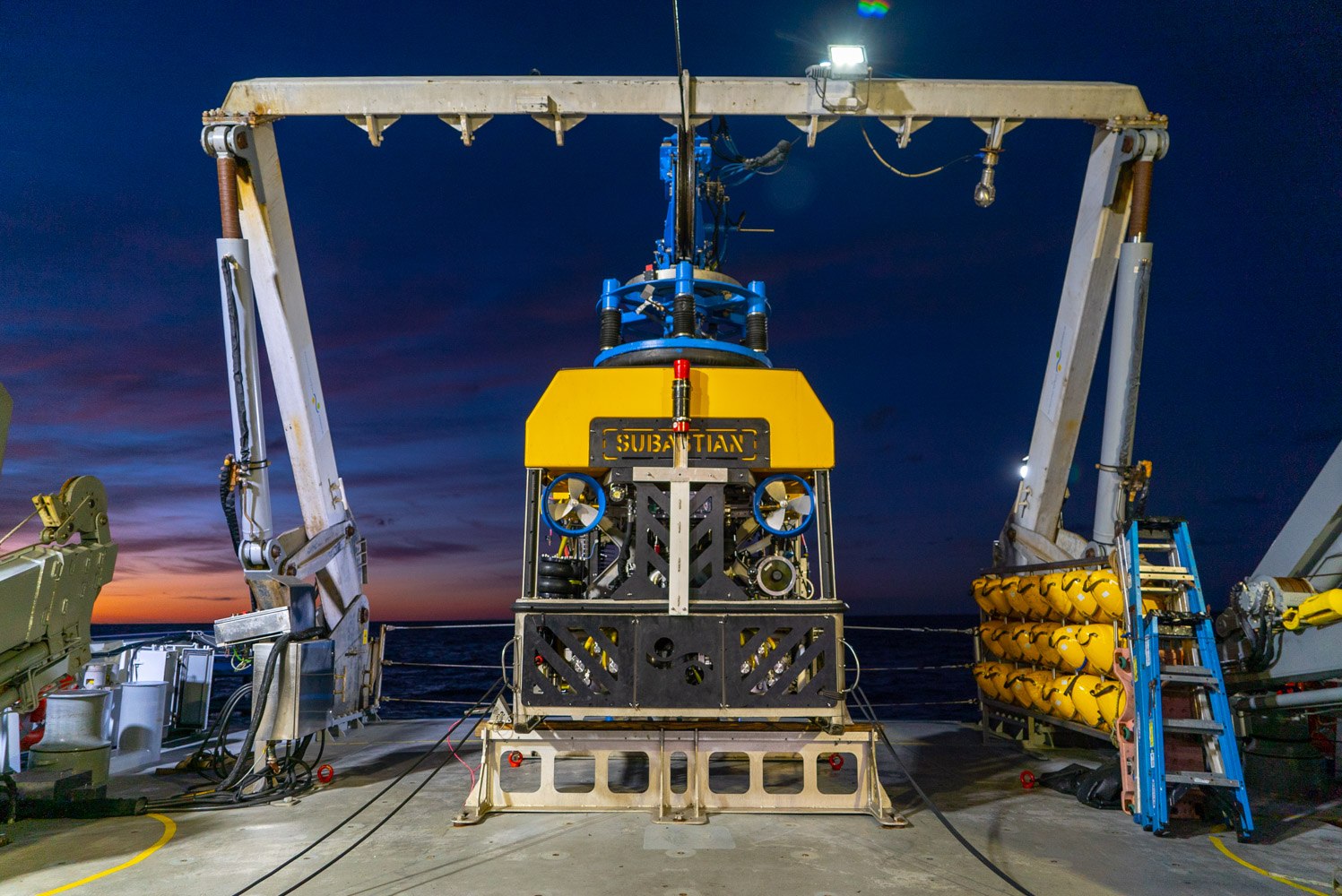
- 19
What Lives At Earth's Deepest Places?
20 November 2018
Read - 20
Auka from Jenny! Some Mysteries Solved
18 November 2018
Read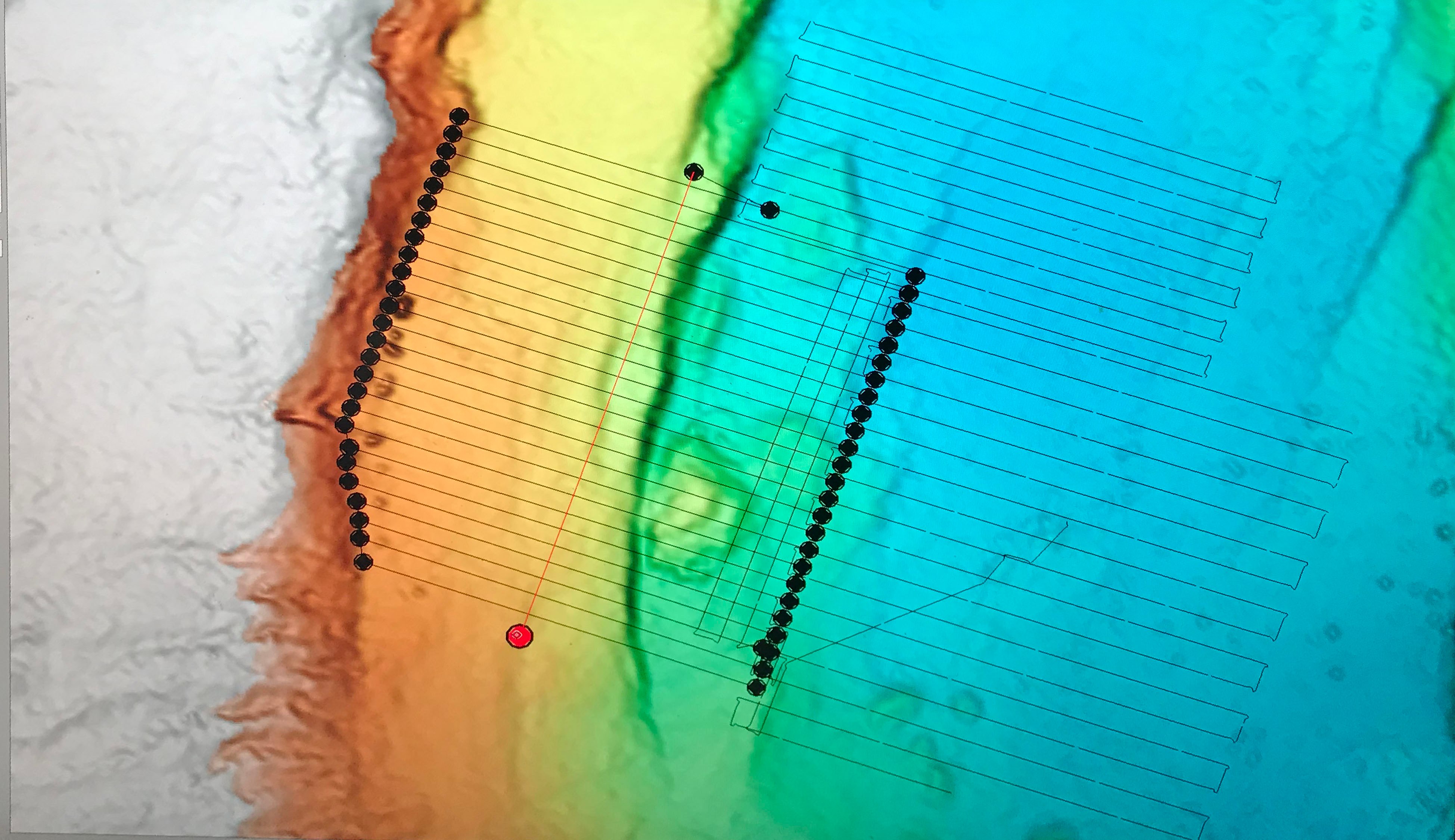
- 21
¡Auka de Jenny! Algunos misterios resueltos
18 November 2018
Read - 22
De La Historia Sin Fin a la aventura sin fin de la exploración moderna del océano
16 November 2018
Read
- 23
From the NeverEnding Story to the NeverEnding Quest in Modern Ocean Exploration
16 November 2018
Read - 24
Pescadero Vent Diving - Week Two Video
15 November 2018
Read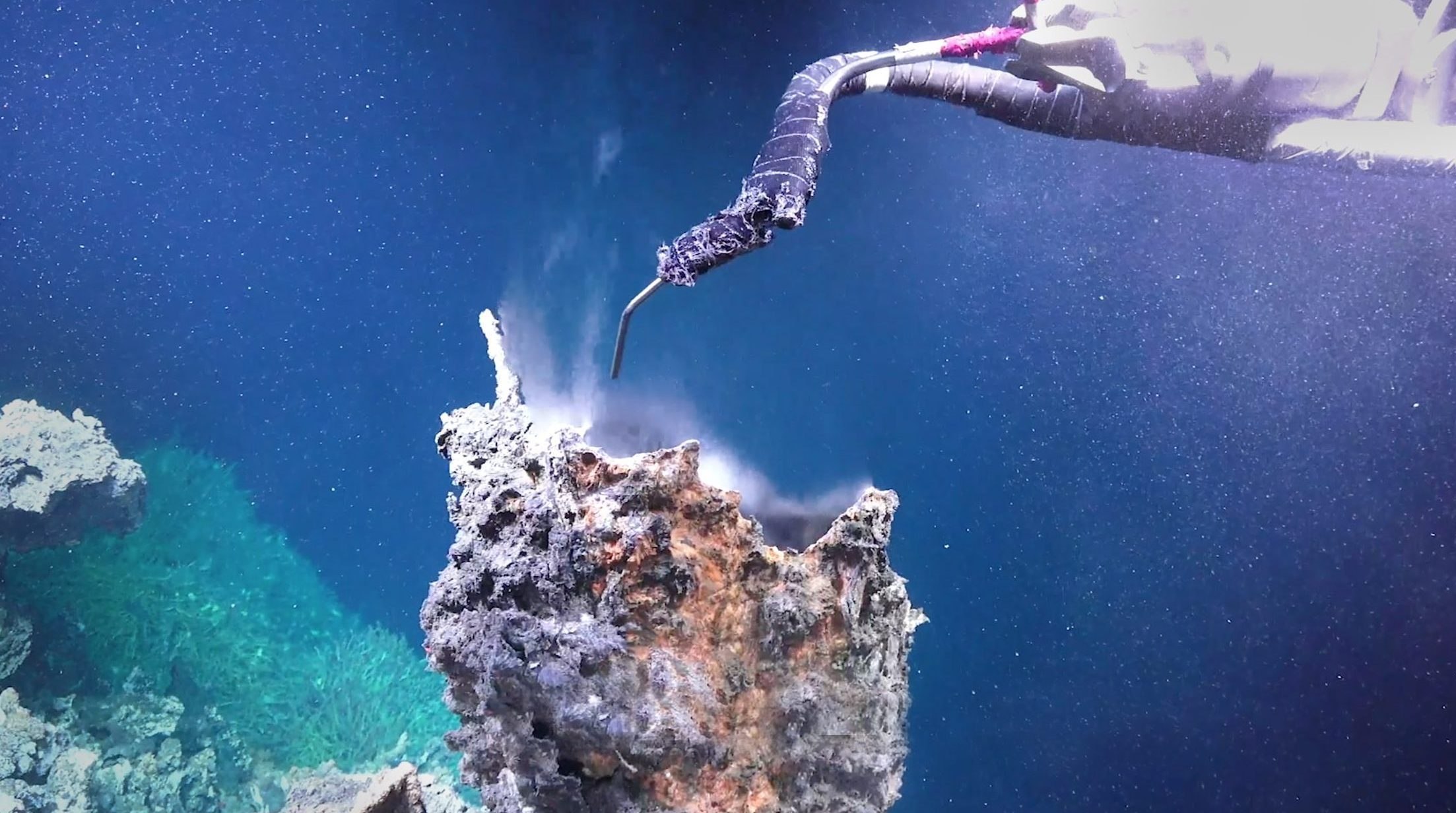
- 25
Mirando a Través de Tres Ojos
14 November 2018
Read
- 26
Looking Through Three Eyes
14 November 2018
Read - 27
Mejores Datos, Mayores Retos
13 November 2018
Read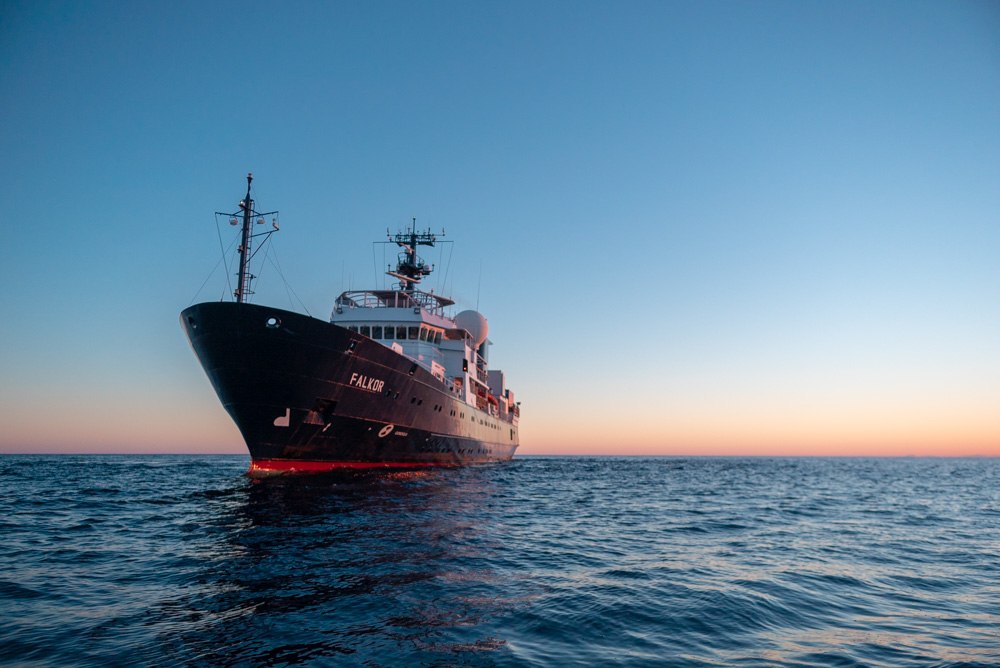
- 28
Better Data, Bigger Challenges
13 November 2018
Read - 29
Pescadero Vent Diving - Week One Video
11 November 2018
Read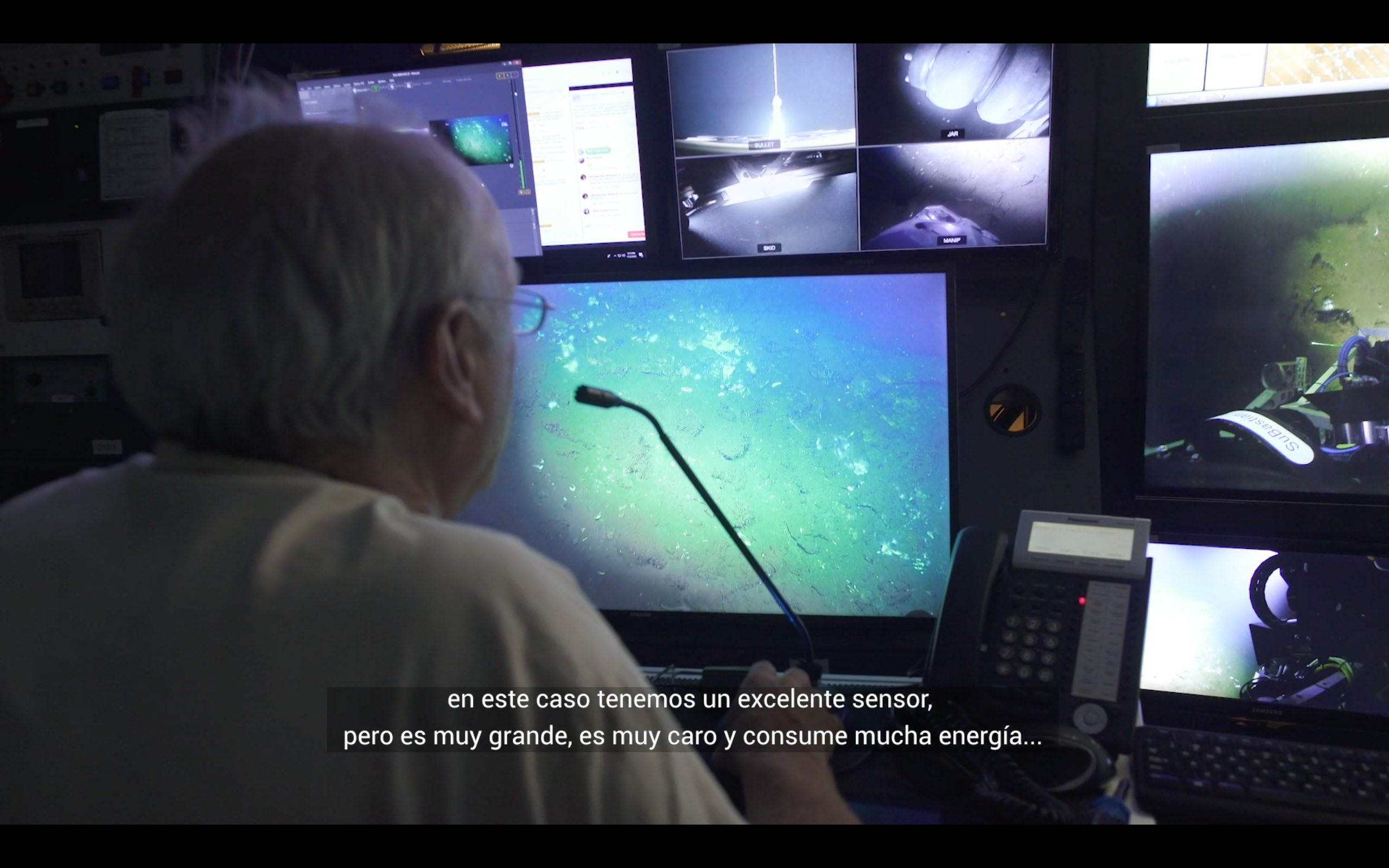
- 30
Campos falleciendo y rocas misteriosas
9 November 2018
Read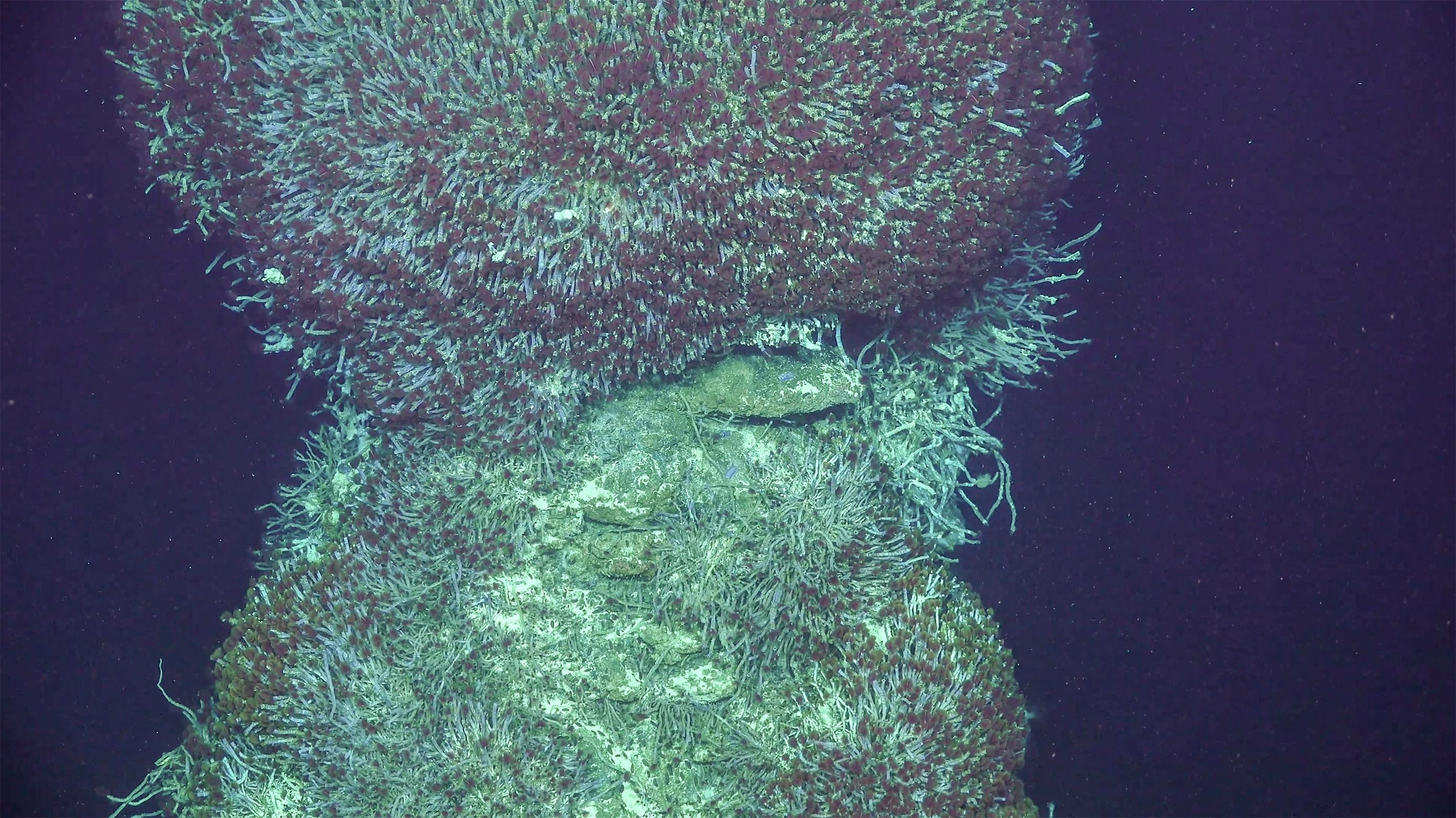
- 31
Dying Fields and Mystery Rocks
9 November 2018
Read - 32
Todos Mis Sombreros
7 November 2018
Read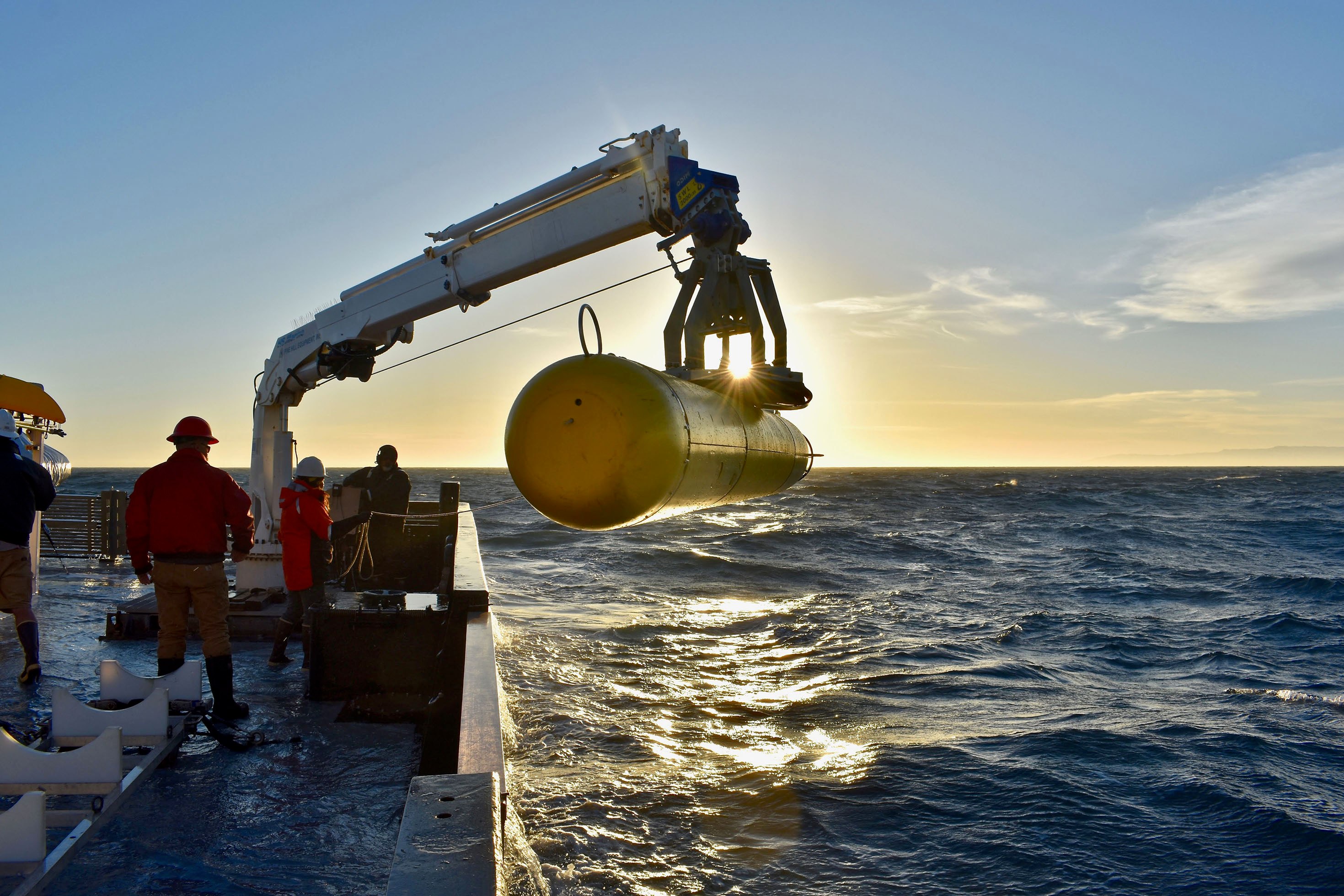
- 33
All My Hats
7 November 2018
Read - 34
Mi Primera Experiencia en un Crucero Oceanográfico
6 November 2018
Read
- 35
My First Experience on an Oceanographic Cruise
6 November 2018
Read - 36
Cinco Cosas Que Debes Saber Sobre Esta Expedición
4 November 2018
Read
- 37
Five Things To Know About This Expedition
4 November 2018
Read - 38
Exploring the Hydrothermal Vents of the Pescadero Basin
2 November 2018
Read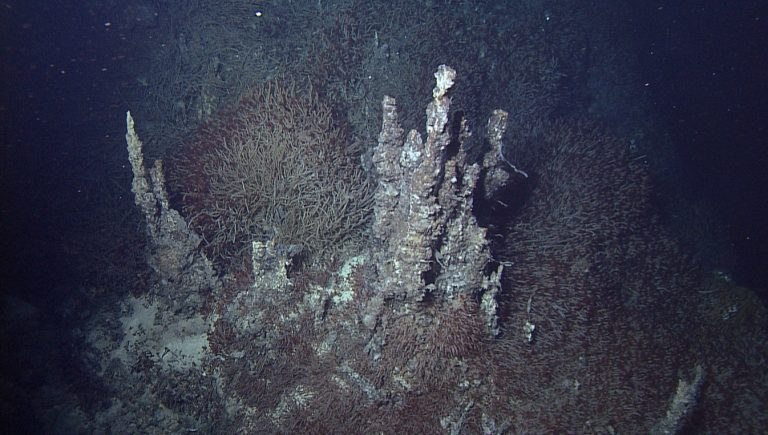
Divestreams
View all Divestreams
Weekly Videos
View all Weekly Videos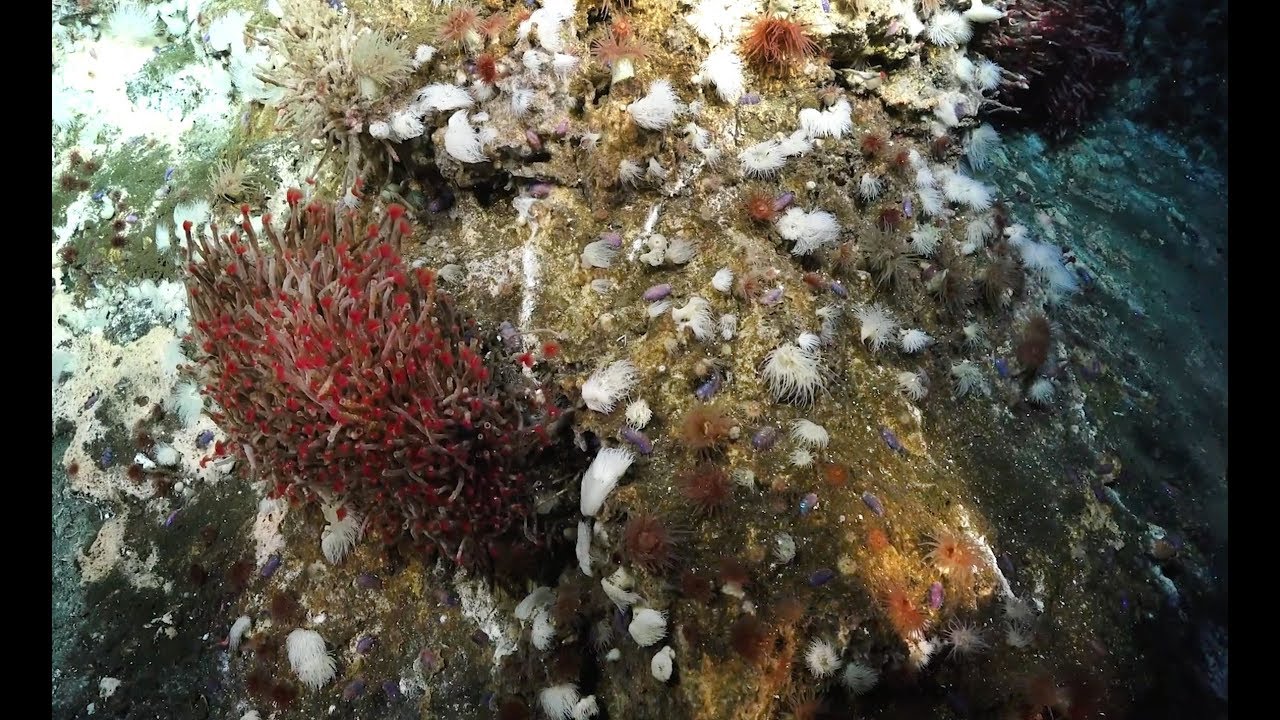
Discover More
Expedition Data
Title  | Type | Repository |
|---|---|---|
| Vessel Underway data | Oceanographic Property Data | Rolling Deck to Repository (R2R) |
| Sensor-based ROV data | Oceanographic Property Data, Sonar Data | Marine Geoscience Data System (MGDS) |
| All biological and biogeochemical specimens | Biological Samples | Scripps Benthic Invertebrate Collection |
| Deep-sea anemone associated microbiome -chemosynthetic symbiosis between the sea anemone Ositioctis pearseae and introcellular bacteria. (Accension numbers are: MW148236, MS148237, MW148238, MW158740, MW165066, MW172213, MW172214 and MW172220, MW172221) | Genetic Analysis Data | GenBank/NCBI |
| ADCP data | Oceanographic Property Data | University of Hawaii SOEST |
| Complete genomes and Metagenome-assembled genomes of bacteria and archaea from Pescadero Basin | Genetic Analysis Data | GenBank/NCBI |
| Genome sequencing and assembly of the microbial community of sediments at Auka hydrothermal vent field in Pescadero Basin | Genetic Analysis Data | GenBank/NCBI |
| Complete genomes and Metagenome-assembled genomes of bacteria and archaea from Pescadero Basin, including a new species of microbe | Genetic Analysis Data | GenBank/NCBI |
| Processed sequence data, as well as representative sequences, of the newly discovered chemosynthetic anemone, Ostiactis pearseae | Species Description | Dryad Digital Repository |
Acoustic Backscatter from Falkor , and CTD, and heatflow taken from ROV SuBastian | Oceanographic Property Data | Marine Geoscience Data System (MGDS) |
| Near-Bottom ROV SuBastian Dive Photograph | Captured Image/Video | Marine Geoscience Data System (MGDS) |
| Sample list and physicochemical data | Oceanographic Property Data | Other |
Publications from This Expedition
Paduan, J., et. al. (2019). Mapping Pescadero Basin Hydrothermal Vent Fields at Multiple Scales. Poster Presentation at AGU Fall Meeting, San Francisco, CA, USA.
Caress, D., et al. (2019). Use of 1-m Scale AUV and 1-cm Scale ROV Surveys to Guide Exploration and Sampling of the Auka Hydrothermal Vent Field, South Pescadero Basin, Gulf of California. Poster Presentation at AGU Fall Meeting, San Francisco, CA, USA.
Orphan, V., et. al. (2019). Genomic Diversity and Microbial Activities Fueled by Deep Fluids. Poster Presentation at AGU Fall Meeting, San Francisco, CA, USA.
Negrete-Aranda, R., et. al. (2019). First Heat Flow Measurements in the Auka and JaichMaa ja'ag vent fields, Pescadero Basin, Southern Gulf of California. Poster Presentation at AGU Fall Meeting, San Francisco, CA, USA.
Hatch, A., Liew, H., Hourdez, S., and G. Rouse. (2020). Hungry scale worms: Phylogenics of Peinaleopolynoe (Polynoidae, Annelida), with four new species. Zookeys 932:27-74, doi: 10.3897/zookeys.932.48532.
Goffredi, S., Motooka, C., Fike, D., Gusmao, L., Tilic, E., Rouse, G., and Rodriguez, E. (2021). Mixotrophic chemosynthesis in a deep-sea anemone from hydrothermal vents in the Pescadero Basin, Gulf of California. BMC Biology, 19(8), doi: 10.1186/s12915-020-00921-1.
[This Article was published OPEN ACCESS]Speth, D., Yu, F., Connon, S., Lim, S., Magyar, J., Pena, M. et al. (2021). Microbial community of recently discovered Auka vent field sheds light on vent biogeography and evolutionary history of thermophily. BioRxiv, doi: 10.1101/2021.08.02.454472.
[This Article was published OPEN ACCESS]Negrete-Aranda, R., Neumann, F., Contreras, J., Harris, R., Spelz, R., Zierenberg, R., and Caress, D. (2021). Transport of Heat by Hyrothermal Circulation in a Young Rift Setting: Observations from the Auka and JaichMaa Ja'ag' Vent Field in the Pescadero Basin, Southern Gulf of California. Journal of Geophysical Research: Solid Earth, 126, doi: 10.1029/2021JB022300.
Vega-Ramirez, L., Spelz, R., Negrete-Aranda, R., Neumann, F., Caress, D., Clague, D., et al. (2021). A New Method for Fault-scarp Detection using Linear Discriminant Analysis in High-resolution Bathymetry Data from the Alarcon Rise and Pescadero Basin. Tectonics, 40 (12), doi: 10.1029/2021TC006925.
Wu, F., Speth, D., Philosof, A., Cremiere, A., Narayanan, A., Barco, R., et al. (2022). Unique Mobile Elements and Scalable Gene Flow at the Prokaryote-Eurkaryote Boundary Revealed by Circularized Asgard arcahaea Genomes. Nature Microbiology, doi: 10.1038/s41564-021-01039-y.
[This Article was published OPEN ACCESS]Ramirez-Zerpa, N., Spelz, R., Yarbuh, I., Negrete-Aranda, R., Contreras, J., Clague, D., et al. (2022). Architechture and Tectonostratigraphic Evolution of the Pescadero Basin Complex, Southern Gulf of California: Analysis of High-resolution Bathymetry and Seismic Reflection Profiles, Journal of South American Earth Sciences, 114, doi: 10.1016/j.jsames.2021.103678.
Laso-Pérez, R., Wu, F., Crémière, A., Speth, D., Magyar, J., Zhao, K., et al. (2023). Evolutionary diversification of methanotrophic ANME-1 archaea and their expansive virome. Nature Microbiology, doi: 10.1038/s41564-022-01297-4.
[This Article was published OPEN ACCESS]McCowin, M., Collins, P., and Rouse, G. (2023). Updated phylogeny of Vestimentifera (Siboglinidae, Polychaeta, Annelida) based on mitochondrial genomes, with a new species. Molecular Phylogenetics and Evolution, 187. doi: 10.1016/j.ympev.2023.107872.
[This Article was published OPEN ACCESS]Moggioli, G., Panossian, B., Sun, Y., Thiel, D., Martin-Zamora, F., Tran, M., et al. (2023). Distinct genomic routes underlie transitions to specialised symbiotic lifestyles in deep-sea annelida worms. Nature Communications, 14 (2814), doi: s41469-023-38521-6.
Zhang, D., Zhou, Y., Yen, N., Hiley, A., and Rouse, G. (2023). Ophryotrocha (Dorvilleidae, Polychaeta, Annelida) from deep-sea hydrothermal vents, with the description of five new species, Euoropean Journal of Taxonomy, 864 (1), doi: 10.5852/ejt.2023.864.2101.
[This Article was published OPEN ACCESS]Hiley, A., Mongiardino Koch, N., and Rouse, G. (2024), Phylogenetics of Lepidonotopodini (Macellicephalinae, Polynoidae, Annelida), and Comparative Mitogenetics of Shallow-Water vs. Deep-Sea Scaleworms (Aphroditiformia). Biology, 13(12), doi: 10.3390/biology13120979.
[This Article was published OPEN ACCESS]Hiley, A., Green, K., and Rouse, G. (2025). Seven new species of scaleworms (Lepidonotopodini, Polynoidae, Plychaeta, Annelida) from deep-sea chemosynthetic-based ecosystems. Marine Biodiversity, 55 (106), doi: 10.1007/s12526-025-01580.
[This Article was published OPEN ACCESS]Kroesche, R., and Rouse, G. (2025). Four New Species of Hesionidae (Annelida, Polychaeta, Phyllodocida) from Eastern Pacific Chemosynthetic Habitats and Reinstatement of Vrijenhoekia. Diversity, 17(2), doi: 10.3390/d17020121.
[This Article was published OPEN ACCESS]