


0 results for
- Type in the search bar to begin searching the site.
Expeditions
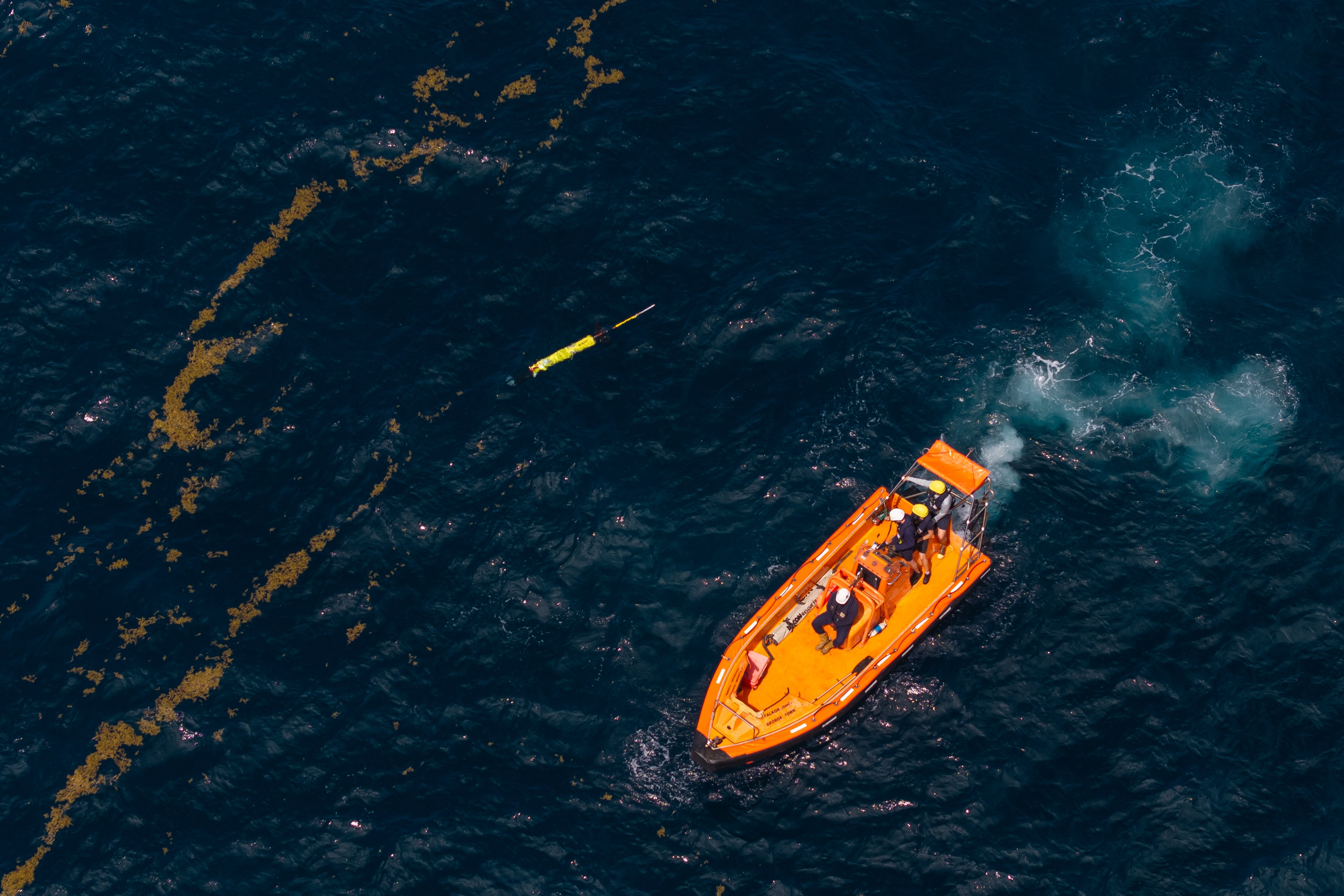
In the coming years, our expeditions will explore understudied regions around all seven continents in our global Ocean.
Latest Expedition
See all
Programs
From grants for caregivers to an artist-at-sea residency, our programs strive to deepen knowledge and inspire a connection with our planet’s life support system.
Latest Expedition
See all
Science Team Resources
To help you plan for your expedition, this hub includes information about outreach, technical specifications for our robotic platforms, a list of lab equipment, information about accessing data repositories, and more.
Latest Expedition
See all
- Our Team

Expeditions & Roles
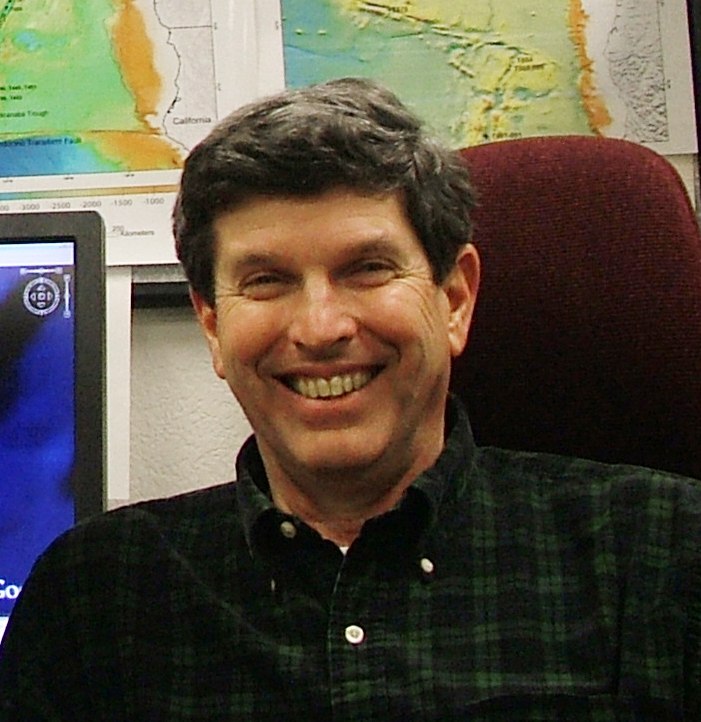
Dave Clague
Dave Clague is a marine geologist who studies volcanoes, both on land and under the sea. He is a senior research scientist at MBARI, where he has worked for 22 years. He is also a veteran of 65 oceanographic cruises, with about 2/3 of them using manned submersibles or remotely operated vehicles to observe volcanic features and collect lava and sediment samples. His areas of research include Hawaiian volcanoes, seamounts, and mid-ocean ridges, and he is most interested in how these volcanoes change through time as they grow and eventually become inactive and degrade. To Dave, hydrothermal circulation is mainly of interest as it is the way volcanoes cool down, which affects the magma stored inside and the chemistry and physical properties of the lava that erupts. At Pescadero Basin, the volcano providing the heat to drive the hydrothermal vents is buried beneath thick sediment that fills the basin. Dave is an author of about 250 scientific papers and has edited two books on explosive submarine volcanism and the biology and geology of islands. On this cruise, he will be working mainly with the multibeam and lidar mapping data collected by the autonomous underwater vehicle and the ocean imaging package mounted on the ROV.