




Kiribati Language (English Below)
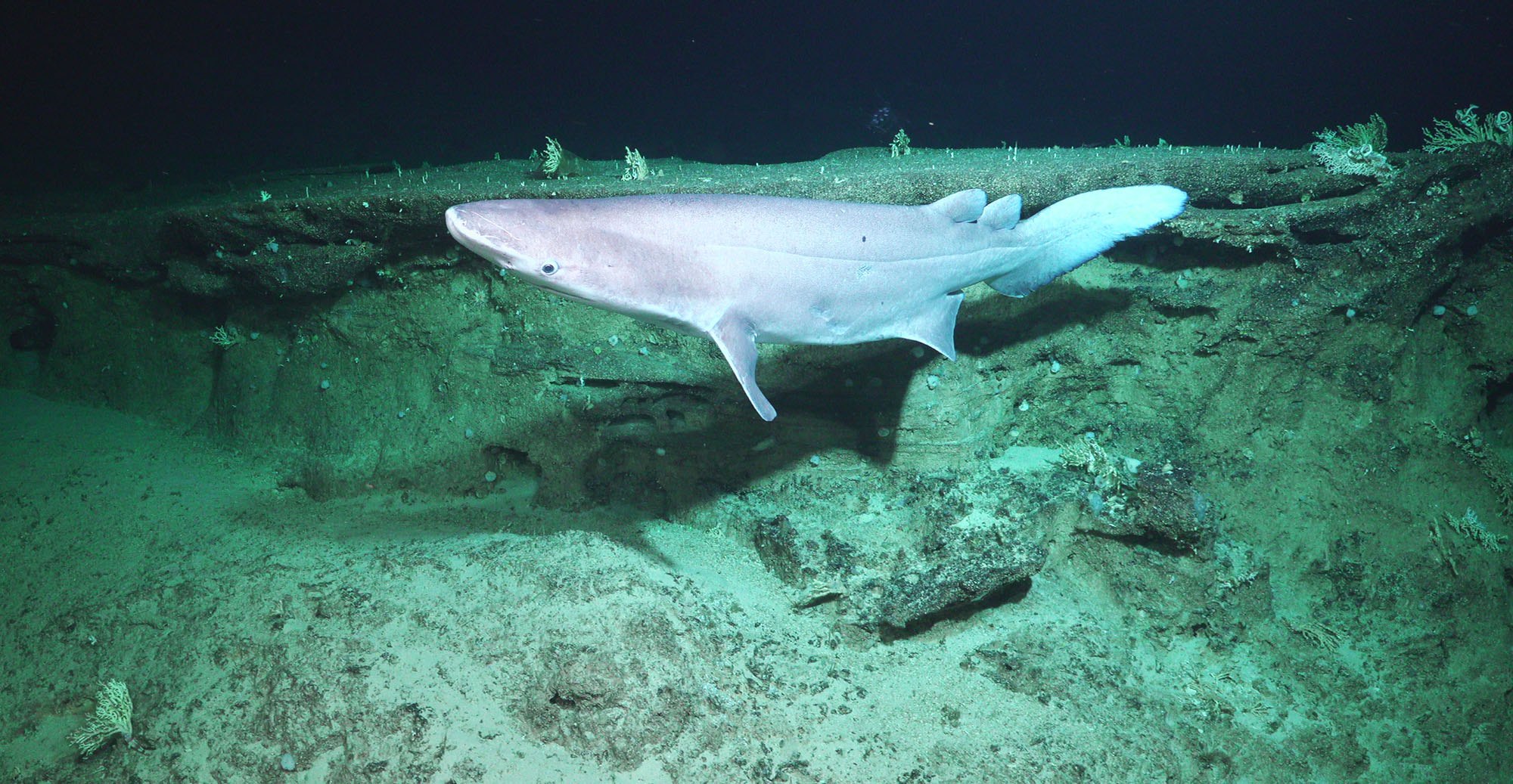
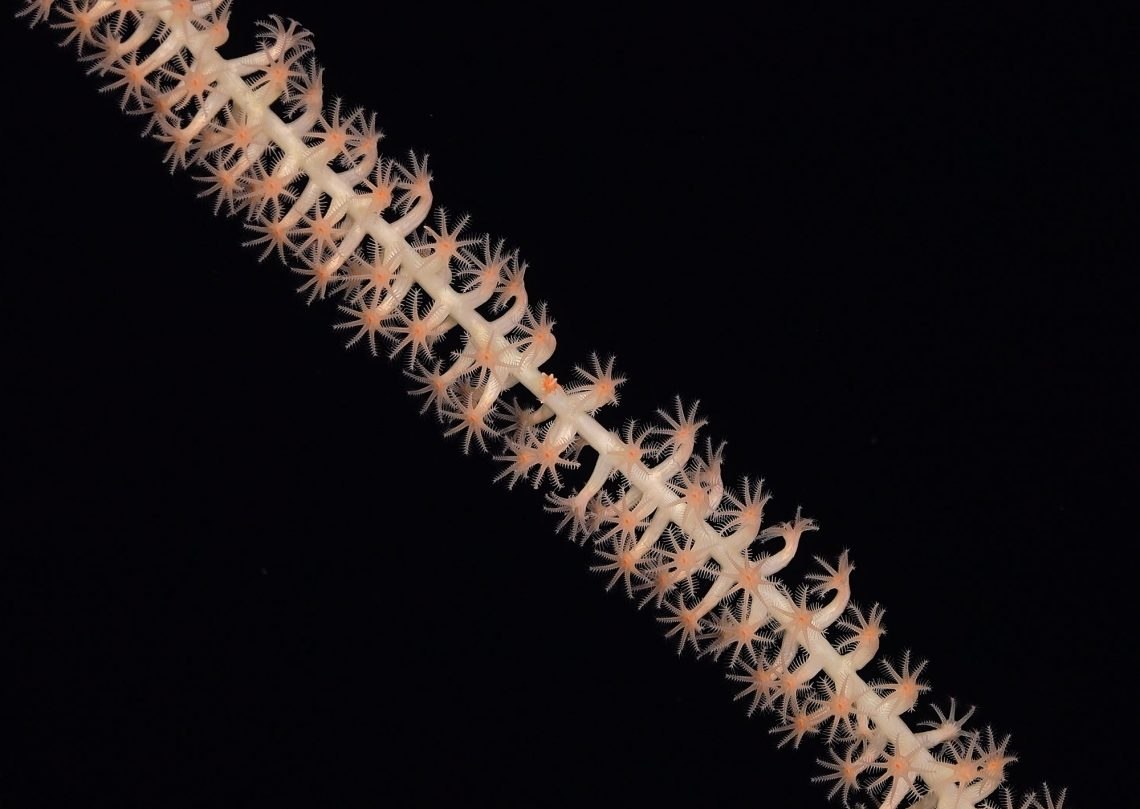
Imwain tokau n te kaibuke ni ira te kamatebwai ae e karaoaki ni marawa aika a kakaoro ao e nang uarereke au atatai ibukin bwain taari ma manina nako. I ataia ae iai ikana n aron te bakoa ao a maiti riki ao n aki nangn ataia bwa bukin tera raoi ba e kakawaki ba ana riai ni kamanoaki manin taari ao ni kakawaki karaoakin te kamatebwai ibukiia. Te marawa bon teaonnaba teuana are e kakai ni manina aika a mwaiti are n tabetai e uarereke ara atatai bwa taian raa aekakini maan aika a maeka iai irairkin ake ti tataneiai n noori ke n ongongo. Ma manin taari aikai bon irekerekera ma maura. Ara marawa bon te bwai ae e nang kakawaki riki ibukira kain Kiribati kioina ngkai bon ngaia teauan kaubwaira.E nag kakawaki bwa bwa tin a ria ni tararua ara marawa ibukina bwa ti amwarake mai iai, ti kainnaoia ibukin maeura. Ngkana ti tararuaira raoi ao e na bon tararuaiara naba man anganiira te maruurng kioina ngkai maeura e boboto iaon kanakin bwain taari. Kawakinakin ara marawa ma bwaina nako n aron te coral a nang kakawaki. Ngkana tiaki taruai coral aikai ao ana bon kanganga aron manga karurungiakiia. Kioina ngkai maan aika n aron te coral ma te sponge bon manin taari aika a nang maan ni maeka iaan tare n te marawa ao a nang kakawaki kamanoakiia n taai nako. Te marawa bon ara past, ma ao ngaia naba ana moan history te aonnaba. Ara marawa bon kaubwaira ibukin taai aika ana roko.
English Translation
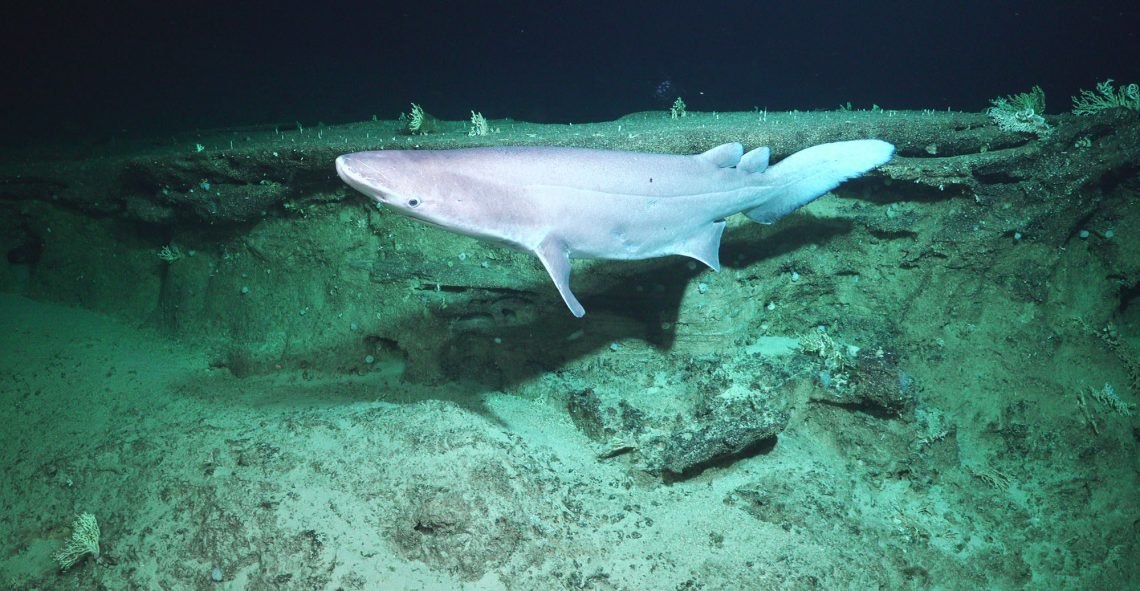
I did not know anything about the deep sea before I came on this trip. I knew there were sharks, but I did not realize how special these animals were and how much they needed to be protected. A deep ocean is a different world: even though deep-sea animals live far away from humans, they need protection from us because what we do can affect them. All life is connected together. The deep ocean in Kiribati matters because the ocean is our only resource. Deep ocean conservation matters because we eat from it. We need it - we need to protect it to keep it healthy and keep us healthy. Also, the deep ocean is very old, very ancient. If we destroy it now, it cannot heal itself quickly. Corals and sponges live for hundreds, sometimes thousands of years. The ocean is our past. It represents all of earth's history. But, the ocean is also our future.
This ship is full of people from many different countries: Kiribati, the United States, England, Philippines, Germany, Finland, Scotland, Canada, Spain, and many others. Together, all 39 people on this ship are collaborating to make this expedition happen. But the point is that collaboration is essential to success. It is important to collaborate with people from other backgrounds, experiences, expertise, and countries - it is a win-win for everyone involved.
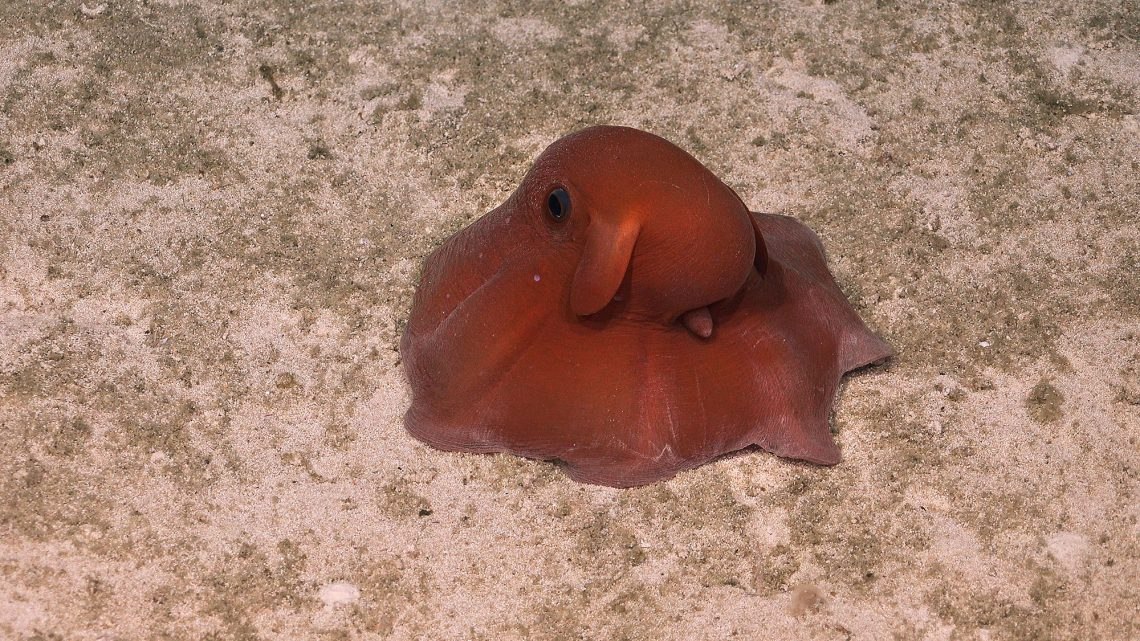
on Dive 433
Learning in school is different - it is all about textbooks and grades. But being a practicing marine biologist on a ship is very different - it is all about doing! Here, we learn with experience - we map, make decisions, work underwater, and work in the lab. And we learn from the animals themselves. So far, I have learned how to filter water for eDNA analyses, I have learned how to sample organisms and prepare them for microbiome analysis (characterizing the bacteria associated with each sample), I’ve learned about coral and sponge taxonomy, and a little bit about geology. I have also learned how to prepare corals for respirometry analyses, and have stood watches in the control room and helped to narrate dives and drive the science camera. I’ve learned what a CTD-cast is (conductivity-temperature-depth), which gives an oceanographic profile of the water column from the surface down to 2000m deep. I’ve learned different things from each scientist onboard. Everyone has their own knowledge and their own expertise, yet they work together as a team. One thing I have noticed is that everyone on the ship is always learning - even if you have a PhD, there is always more to learn.
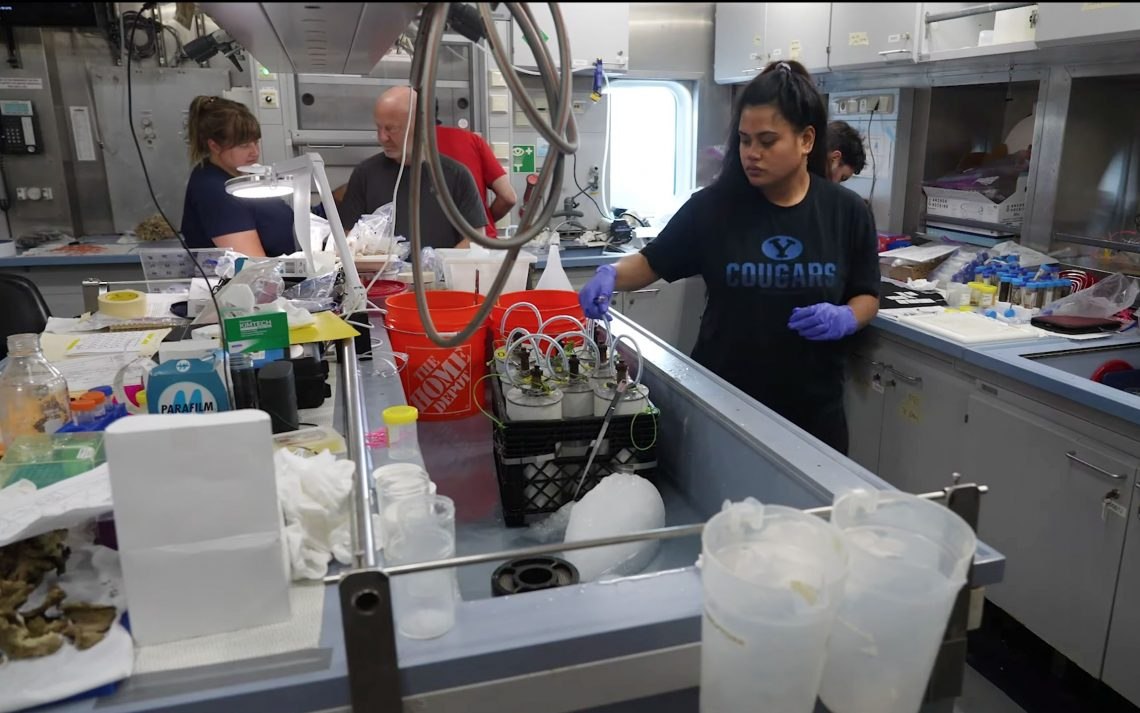
So far, if I had one piece of advice to give friends and family interested in marine science, it would be to reach out to professionals in the field you want to be in. Talk to people, don’t be scared to ask questions. People want to help. Just be yourself; don’t worry about English or anything else, be yourself and become a future leader. Adventure awaits!