


Dive In
About the Expedition
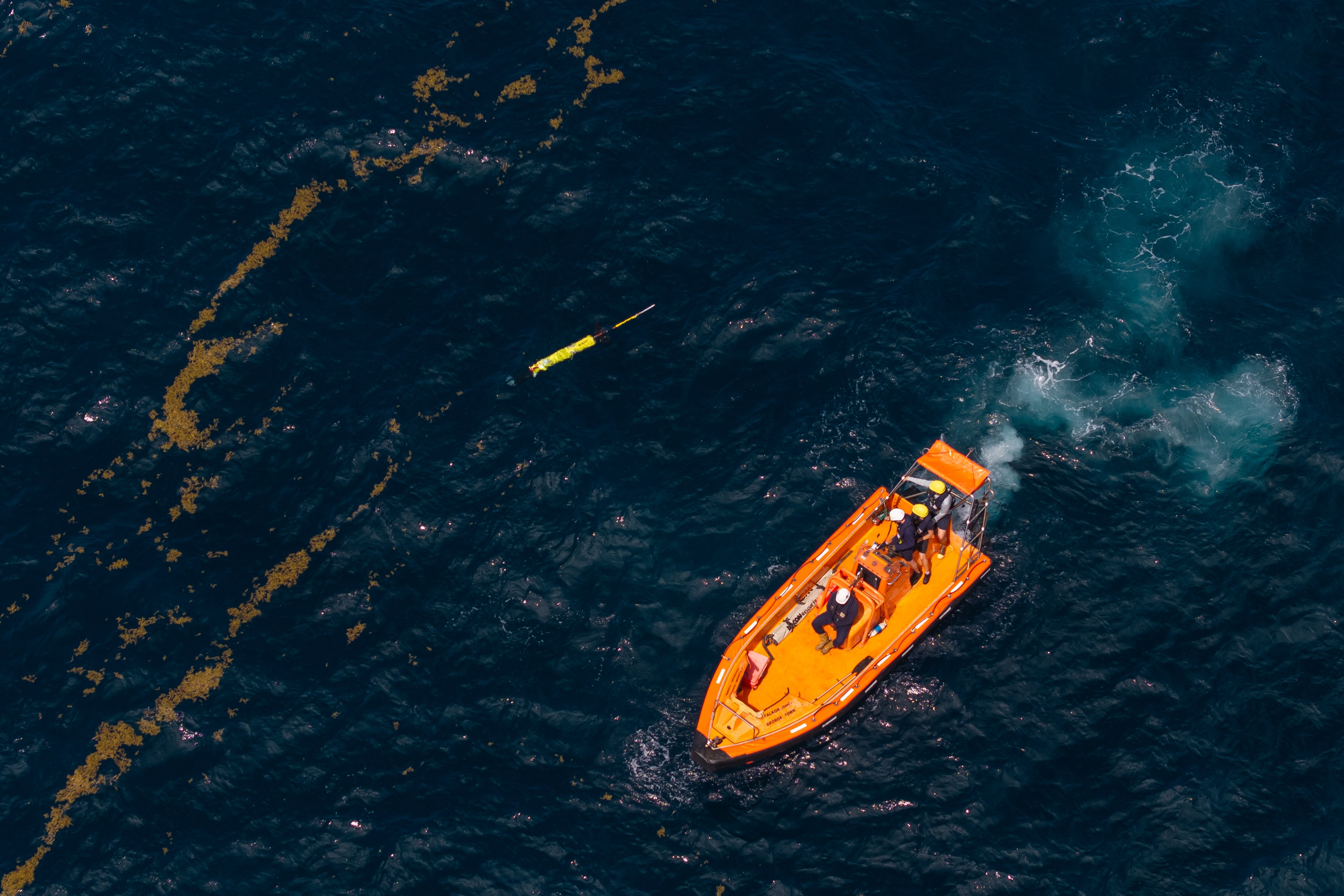
In 2017, Falkor voyaged to the southern half of the Phoenix Islands Archipelago, to the Phoenix Islands Protected Area (PIPA) with an interdisciplinary team of scientists. The goal was to explore and document never before seen deep-sea ecosystems of PIPA. PIPA is the largest and deepest of the UNESCO World Heritage sites and the first internationally recognized Marine Protected Area (MPA) to be established by a least developed nation-- The Republic of Kiribati. The team of scientists worked alongside Kiribati to classify the abundance of deep-sea biodiversity that PIPA holds. The revelations the science team made with the data they collected in PIPA were plentiful.
Falkor returned to the Phoenix Islands Archipelago under Chief Scientist Randi Rotjan, this time working in the Northern section of the Phoenix Islands in US waters: the Howland and Baker unit of the Pacific Remote Islands Marine National Monument (PRIMNM). Rotjan’s team brimmed with questions and their scientific objectives include continuing to investigate deep-sea microbes’; examining how ancient cold water corals survive predation by corallivores; and enquiring into the equator’s effect on the ecology of deep coral and sponge communities. The Howland and Baker unit of the United States Pacific Remote Islands National Marine Monument (PRIMNM) is a neighboring MPA to PIPA and part of the same archipelago. The Phoenix Archipelago (both PIPA and PRIMNM) straddles equatorial waters. Both PIPA and PRINMN offer a glimpse into the deep sea's natural processes in a relatively untouched part of the ocean, given their status as remote marine protected areas.
To fully complement the exploration of the Phoenix Islands, the team also ventured into Areas Beyond National Jurisdiction (ABNJs)-- parts of the ocean which no one country controls. Their goal was to map and dive on unexplored seamounts, and investigate the biodiversity that the High Seas may hold.
- Dive Markers
- Trackline
The Mission
Healing from Open Wounds
Corallivory is the term for predation upon live corals. Organisms like fish and invertebrates can eat the tissue, skeleton, and mucus of the coral colony. The coral usually survives the interaction but is left with an open wound. While these encounters are well studied in shallow coral reefs, little is known about how deep-sea corals respond to wound infliction by their predators.
Deep-sea corals are slow-growing, adapted to thrive under incredible pressure and darkness, and live for hundreds to thousands of years. How they are able to do so while also sustaining external damage and fending off microbial infection is a question Rotjan and her team hope to answer. Understanding how deep-sea corals’ immune systems respond to physical damage from their predators will provide insight into deep-sea coral health and is important knowledge that may give insight into the evolution of our own immune systems.
Benign Bacteria
During the 2017 expedition, Anna Gauthier, a Ph.D. student on the science team co-mentored by Rotjan and Kagan, attempted to culture microbes found during the ROV dives in PIPA while on-ship. Her culture collection included bacteria from the sediment, the corals, the water column, and even the intestine of a seastar. Her efforts yielded over 200 new species of bacteria; an incredible and important discovery because all 200 of them have novel lipopolysaccharide (LPS) structures. LPS structures make up the fatty outer membrane of cell-walled bacteria and are commonly used in the development of novel human therapeutics.
Innate immunity is the immune system mammals are born with and is the first line of defense in protecting the body against pathogens. The rules of mammalian innate immunity state that humans should be able to universally detect microbes in our environment unless they are specifically co-evolved to evade detection, for example, microbes that are either beneficial or harmful. Co-evolved microbes include gut bacteria which help us digest our food and Streptococcus bacteria which causes strep throat.
A New Discovery
Until the discovery by Gauthier, Kagan, Tekiau, Rotjan, and others, scientists believed microbes were globally detectable by mammalian immune systems. However, when these deep-sea microbial LPS were tested on mice and human cells, the cells were unable to detect them. In laboratory tests, mammalian immune systems treated them as if they were as benign as a water molecule, which has massive implications for the development of novel therapeutics and necessitates a revision of mammalian innate immunity. It is now clear that the rules of mammalian innate immunity are locally (not globally) defined. In other words, mammals will detect the microbes we interact with, but may not universally be able to detect microbes from foreign environments like the deep-sea.
The investigation into deep-sea microbes will continue on this expedition; this time the team will culture and test the response of deep-sea corals to diverse bacteria while at sea. They will continue to question the universality of immune theory by examining how deep-sea microbes interact with novel cells. The potential outcomes help to further justify the importance of marine conservation for the future of healthy ecosystems, and healthy humans.
A Truly Collaborative Team
PIPA was originally conceived as a “gift to humanity” from Kiribati, but until 2017, the deep sea remained a wrapped present. Now, several deep-sea expeditions later, and with previous work in the region by Rotjan, Shank, Auscavitch, Kennedy, Gauthier, Cordes, and others, it is clear that PIPA harbors a stunning diversity of colorful deepwater corals, sponges, and other invertebrates, as well as a suite of unknown bacteria with transformative potential for human medicine. The science team on Falkor will be working to achieve complementary goals that include describing new species of coral and invertebrates that live among them; characterizing patterns of corallivory from deep-sea transects; at-sea microbial and corallivory experiments; and simultaneously characterize the deep-sea environment of the full Phoenix Islands archipelago.
Though the team will be working only in US waters this trip, the team also includes a Kiribati collaborator on board, who will assist with the science. The relationship with this special no-take MPA genuinely showcases the importance and value of scientific collaboration and international partnership. It is in this collaborative spirit that the US-Kiribati team heads to United States waters to complement previous work in Kiribati waters, with a long science to-do list that will shed light on this critical ecosystem.
Team and Collaborators










Explore
Updates from the Ship
All Ship Updates
- 01
Crunching Corals in the Deep Sea
22 July 2021
Read
- 02
244 Coral Samples, 14 Seamounts, and 2 Glass Octopuses
19 July 2021
Read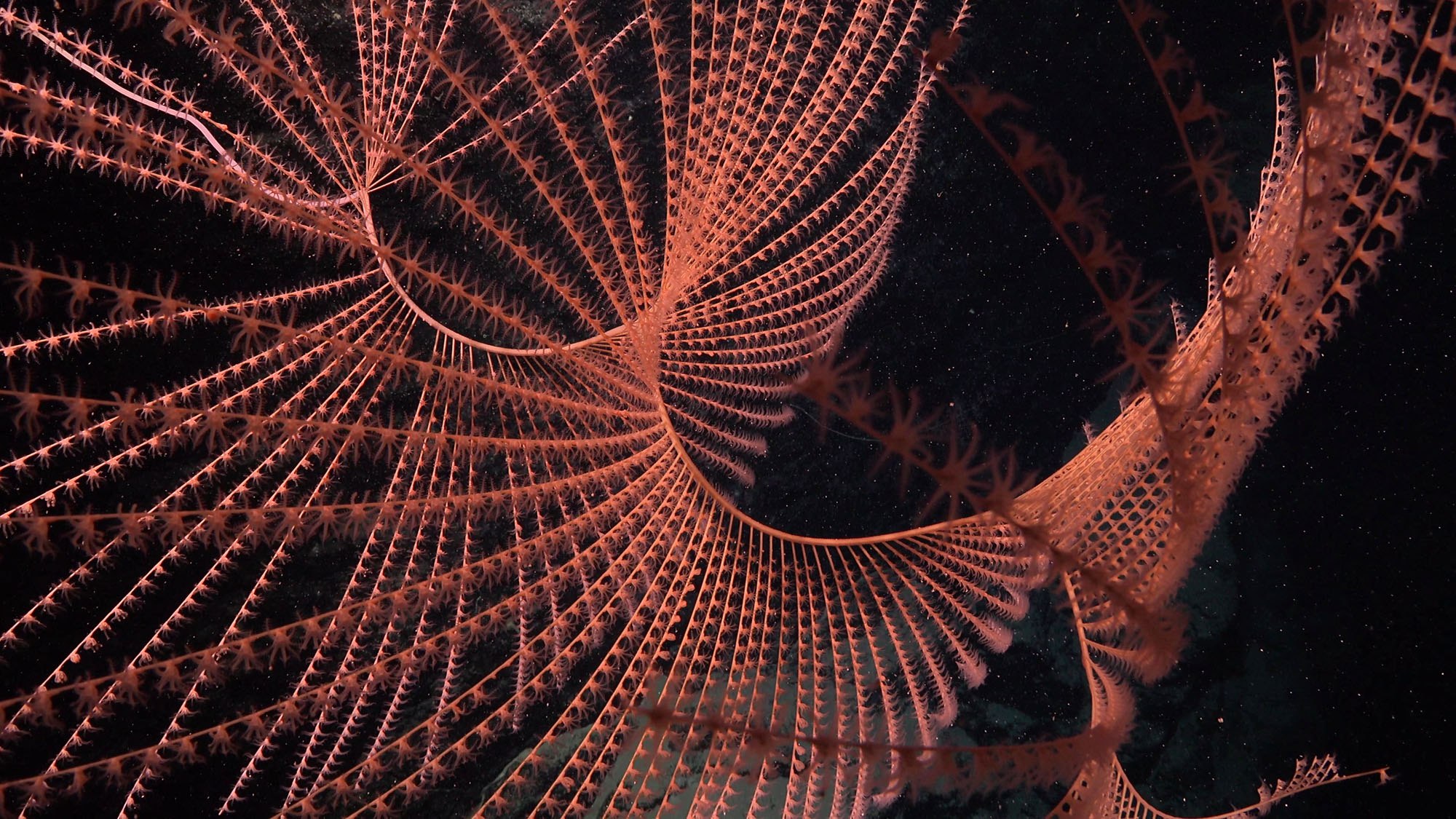
- 03
The Beauty of Learning
16 July 2021
Read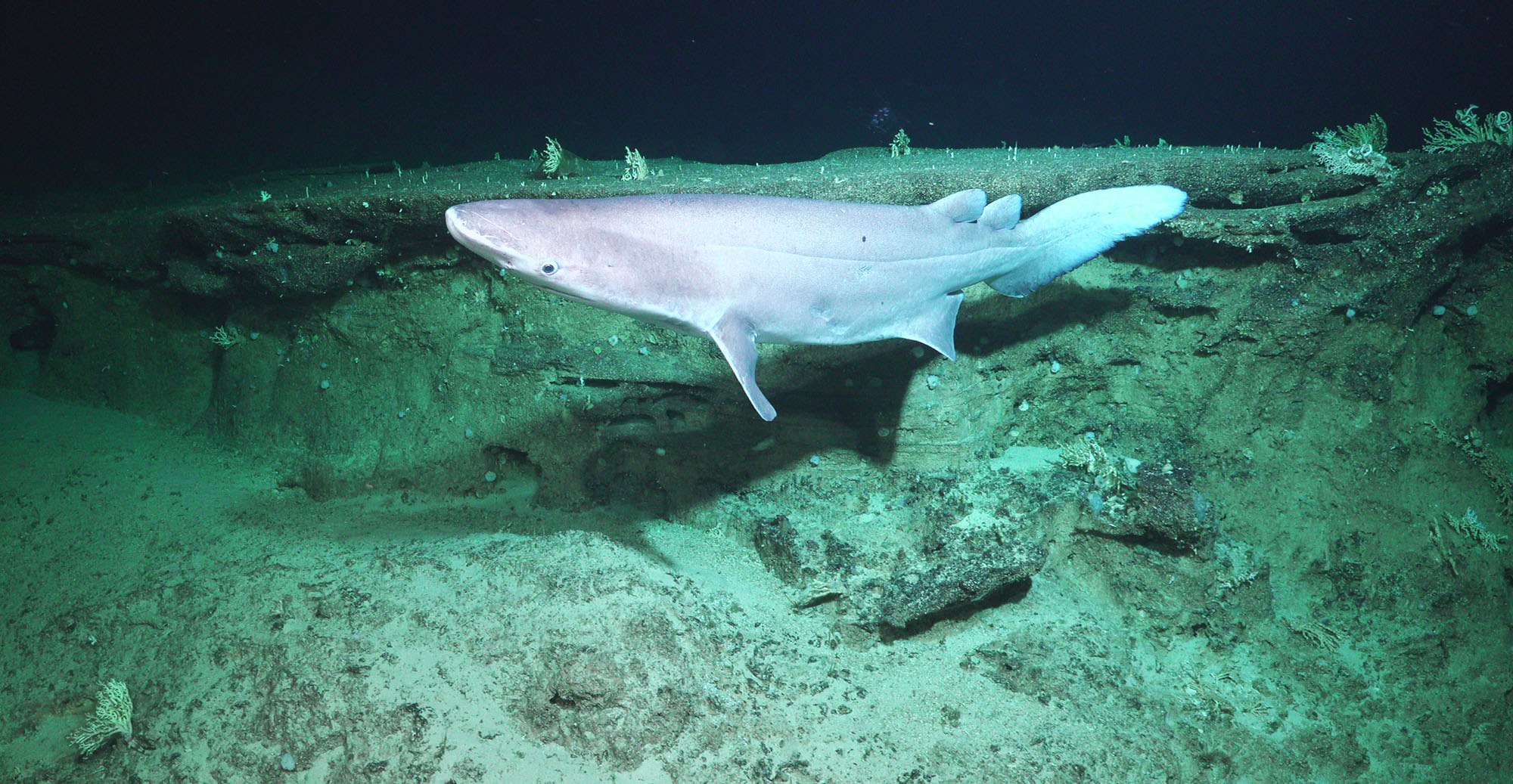
- 04
Phoenix Islands Coral 4K ROV Highlights - Video Update
12 July 2021
Read
- 05
The Transit Back
9 July 2021
Read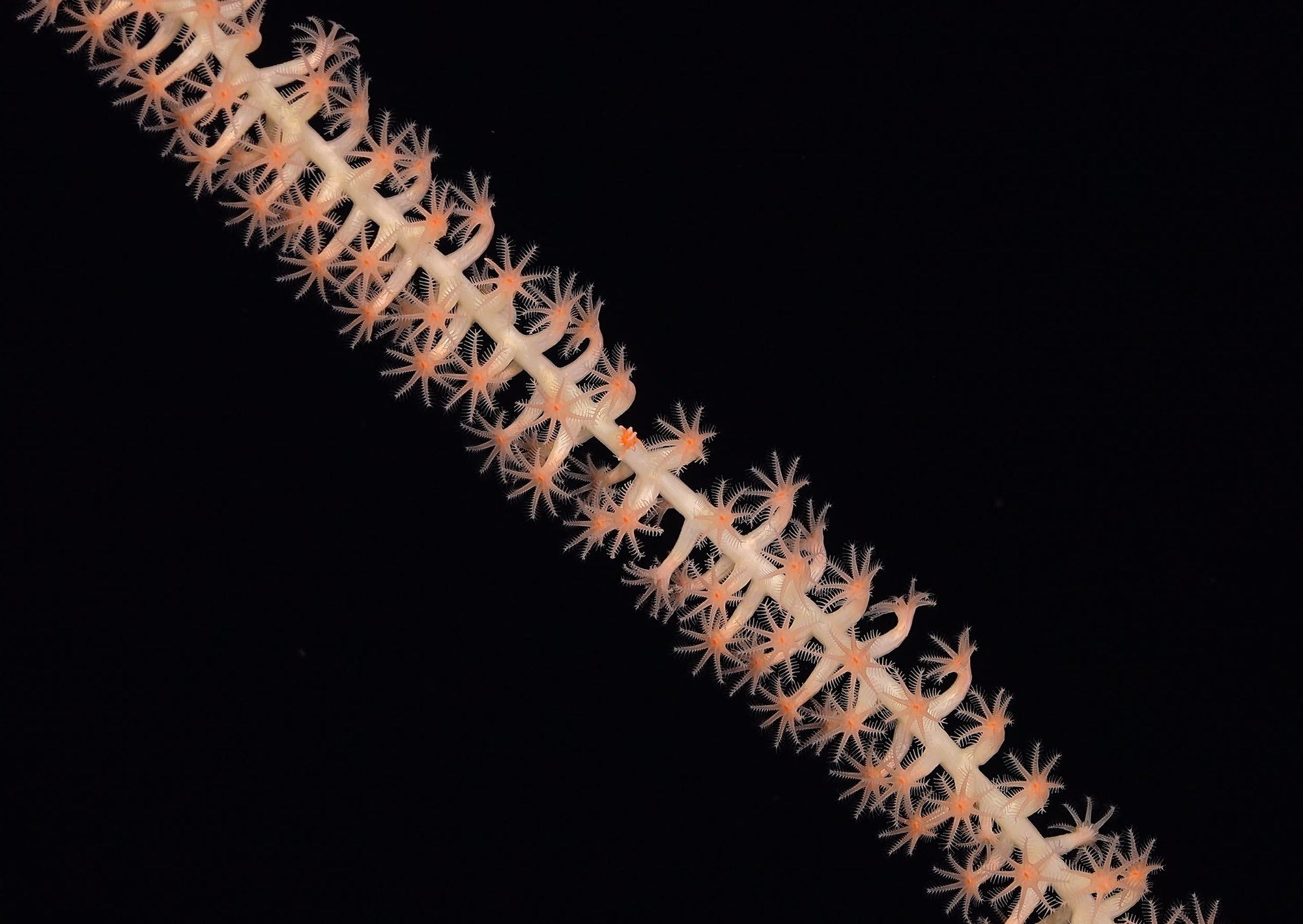
- 06
Communities Above and Below - Video Update
9 July 2021
Read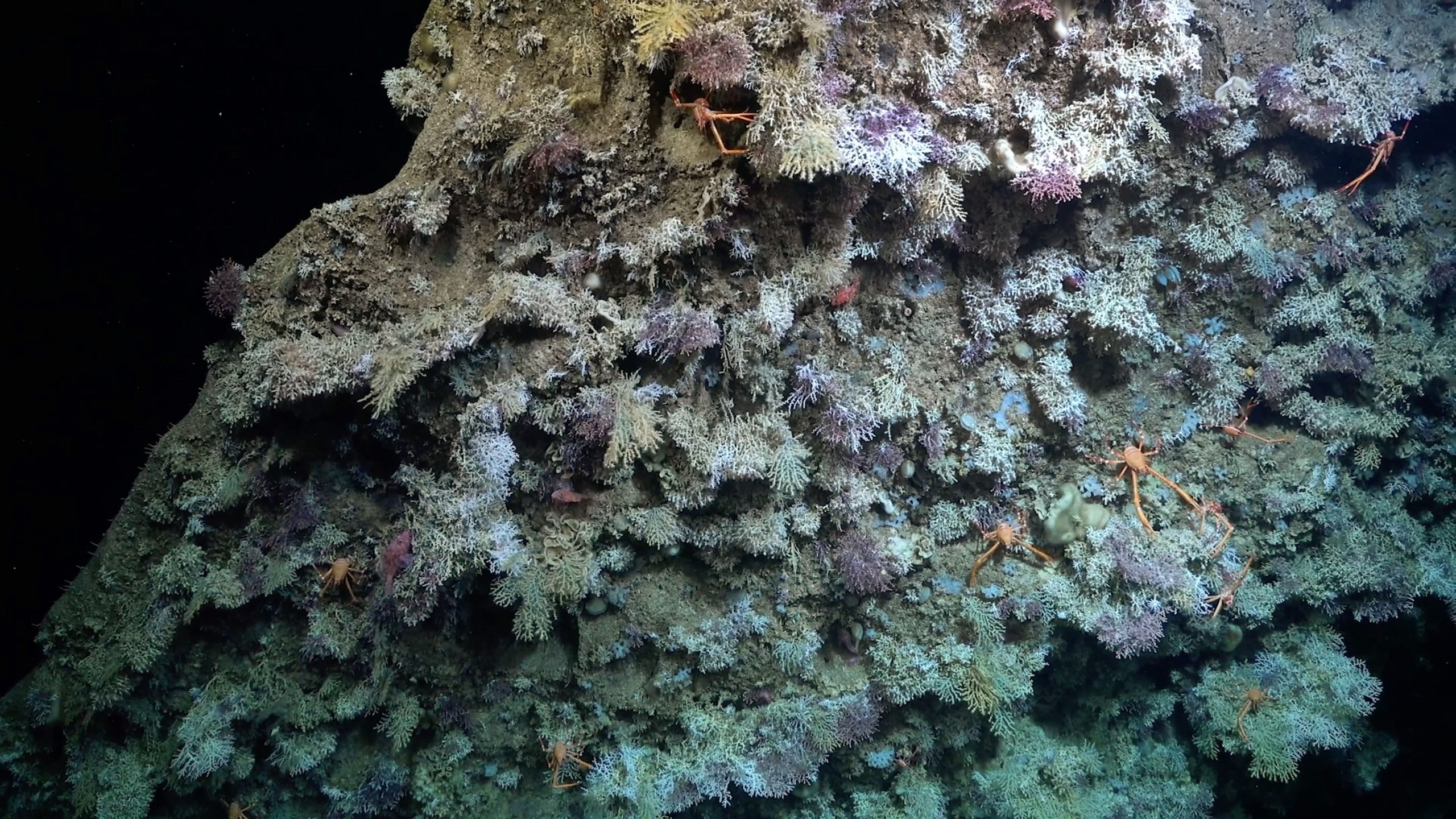
- 07
Local vs. Global Immunity
8 July 2021
Read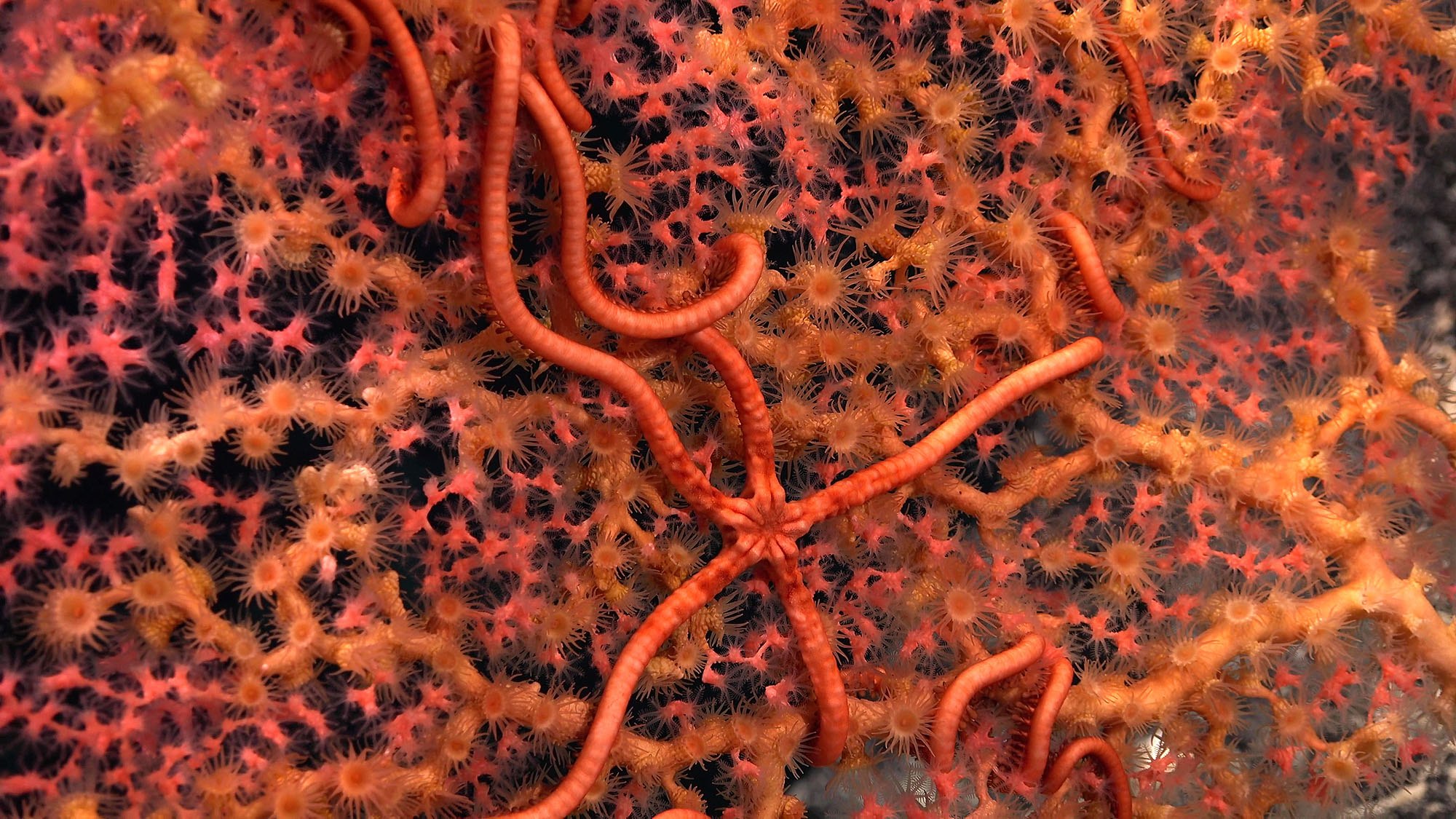
- 08
History of Deep-Sea Exploration in the Phoenix Islands
5 July 2021
Read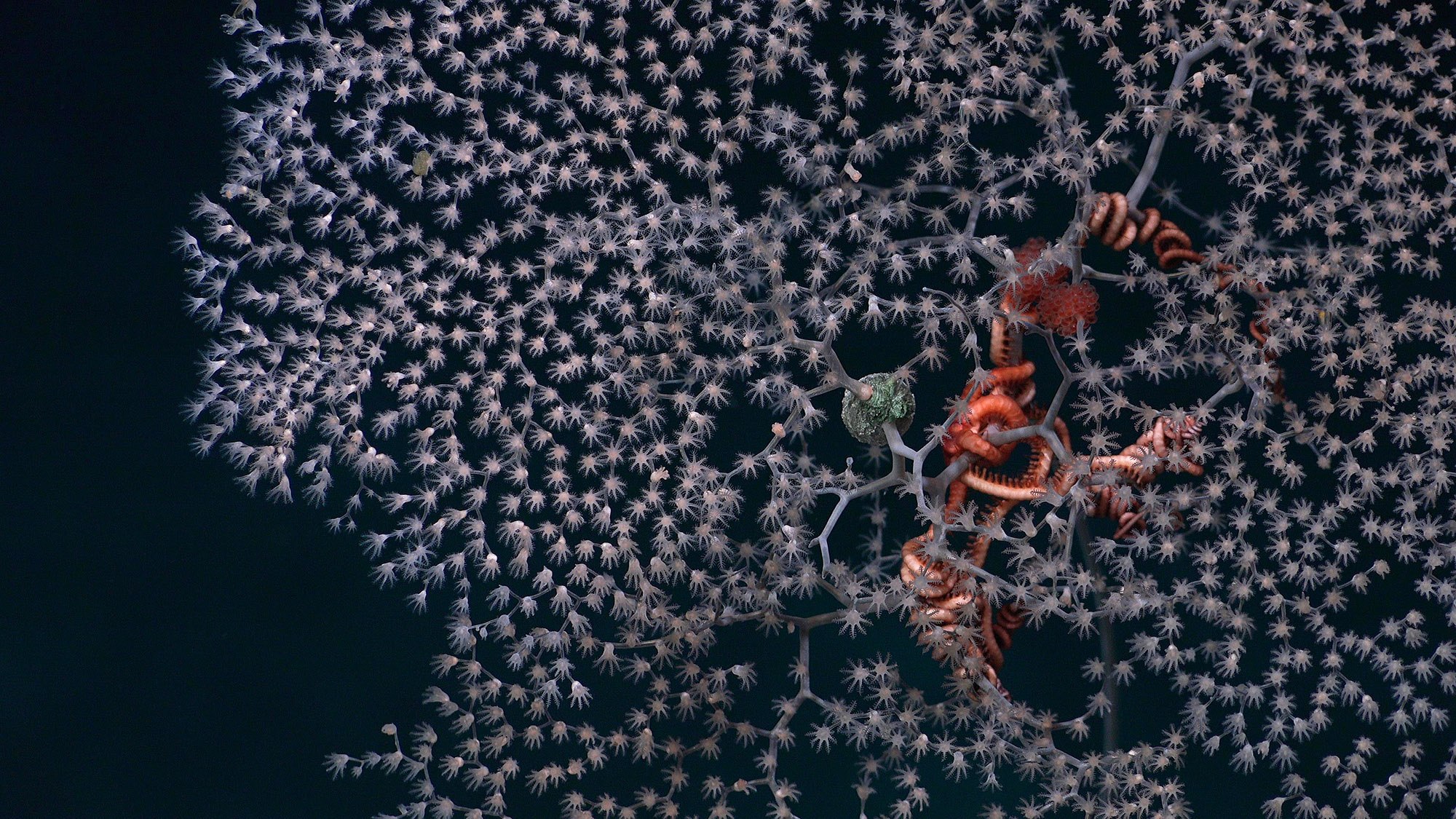
- 09
Ocean Science and Collage Artistry - Video Update
3 July 2021
Read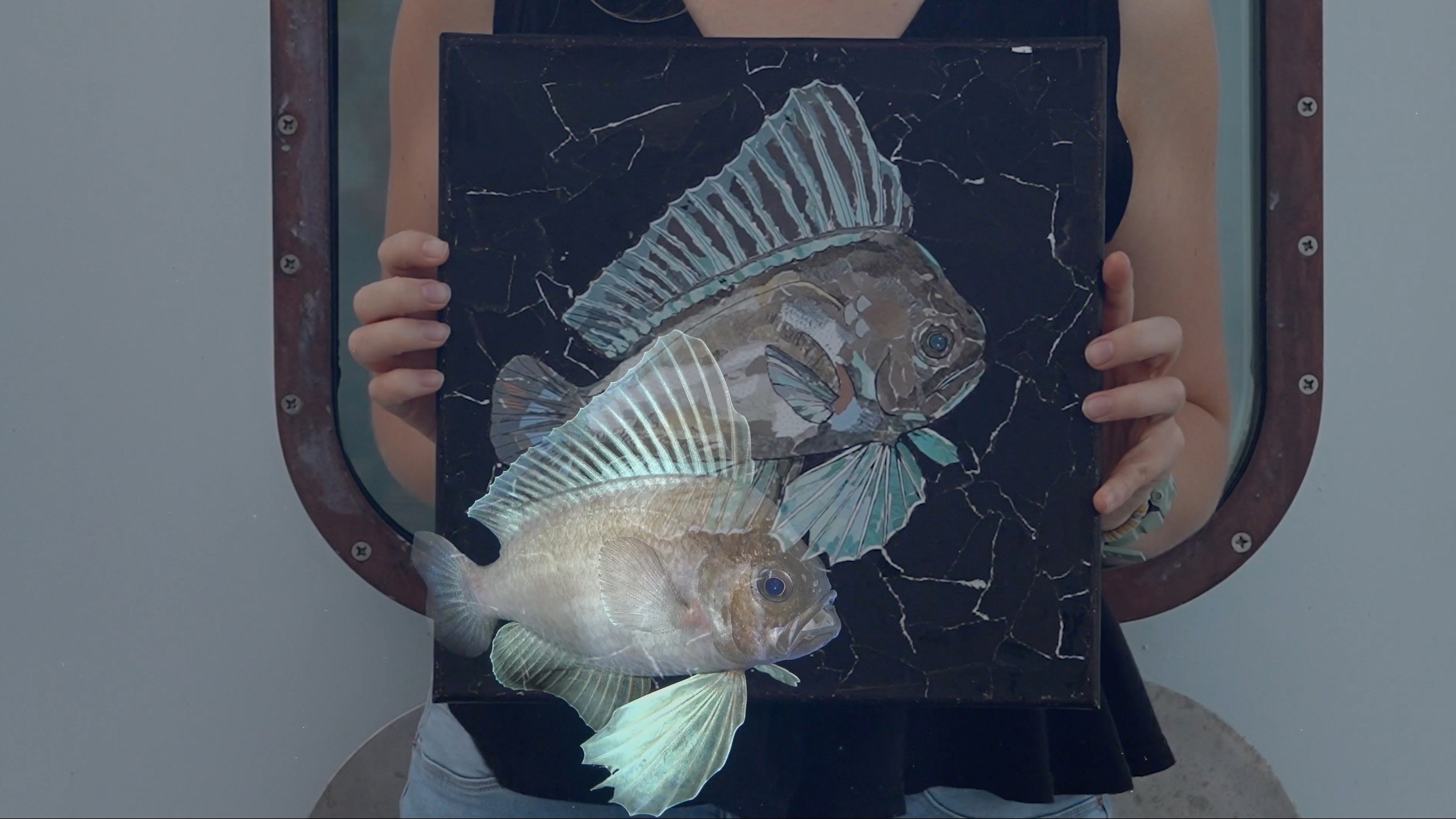
- 10
Illuminating Coral Environments from Shallow to Deep
29 June 2021
Read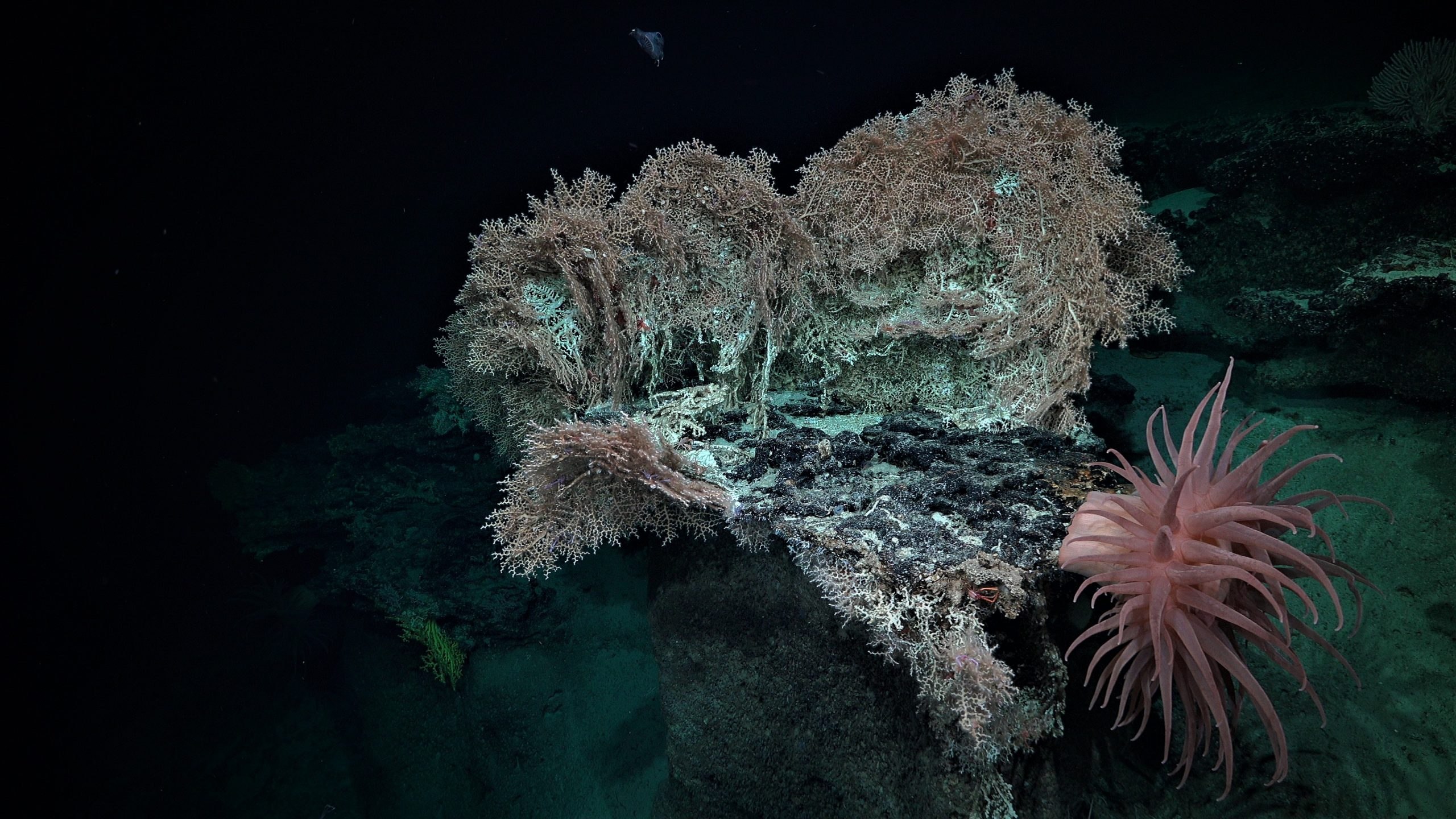
- 11
Searching for the Origin of Immunity - Video Update
27 June 2021
Read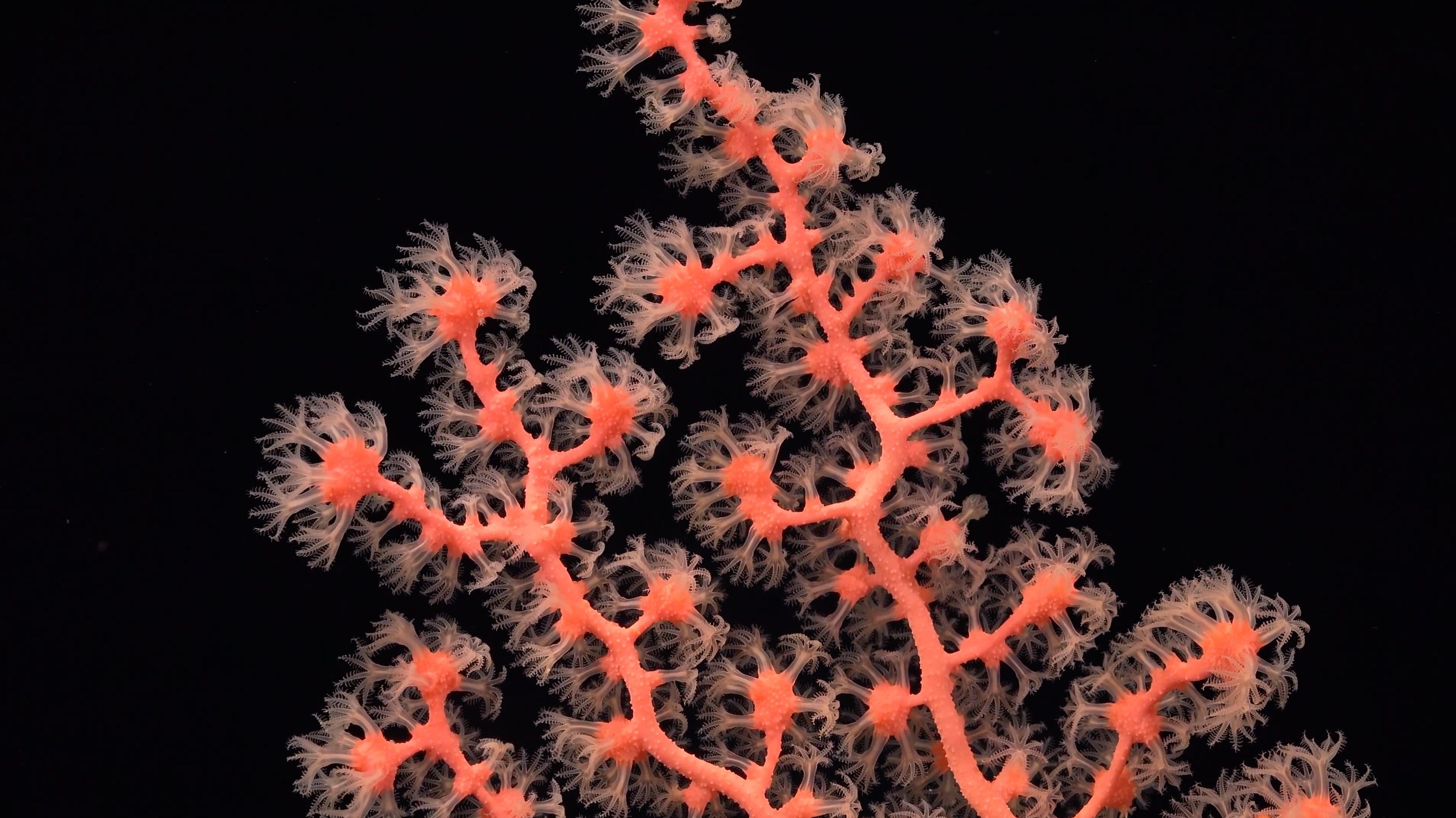
- 12
Seeing Through SuBastian 's Eyes
25 June 2021
Read
- 13
The Ties that Bind Us
23 June 2021
Read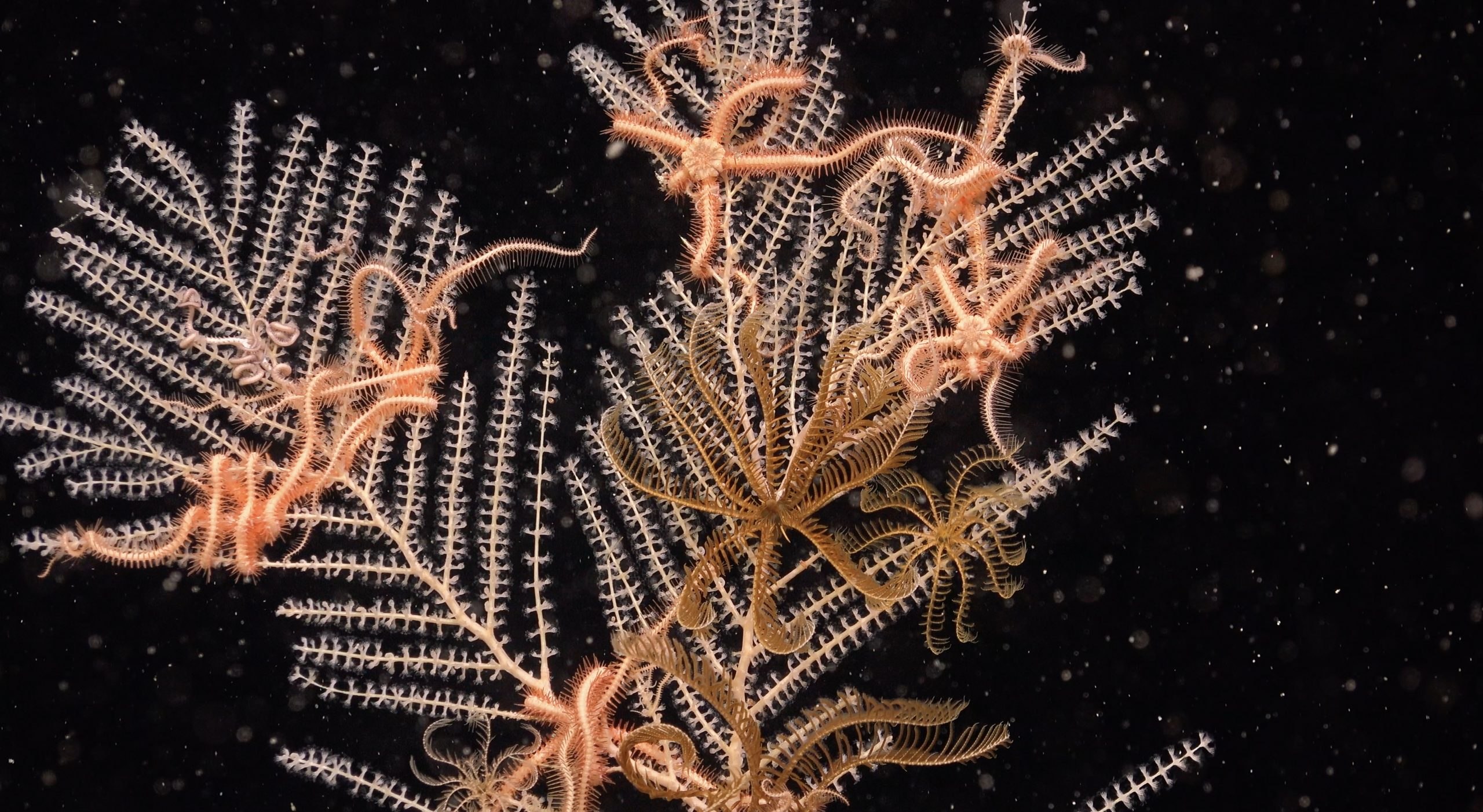
- 14
Father's Day - Video Update
20 June 2021
Read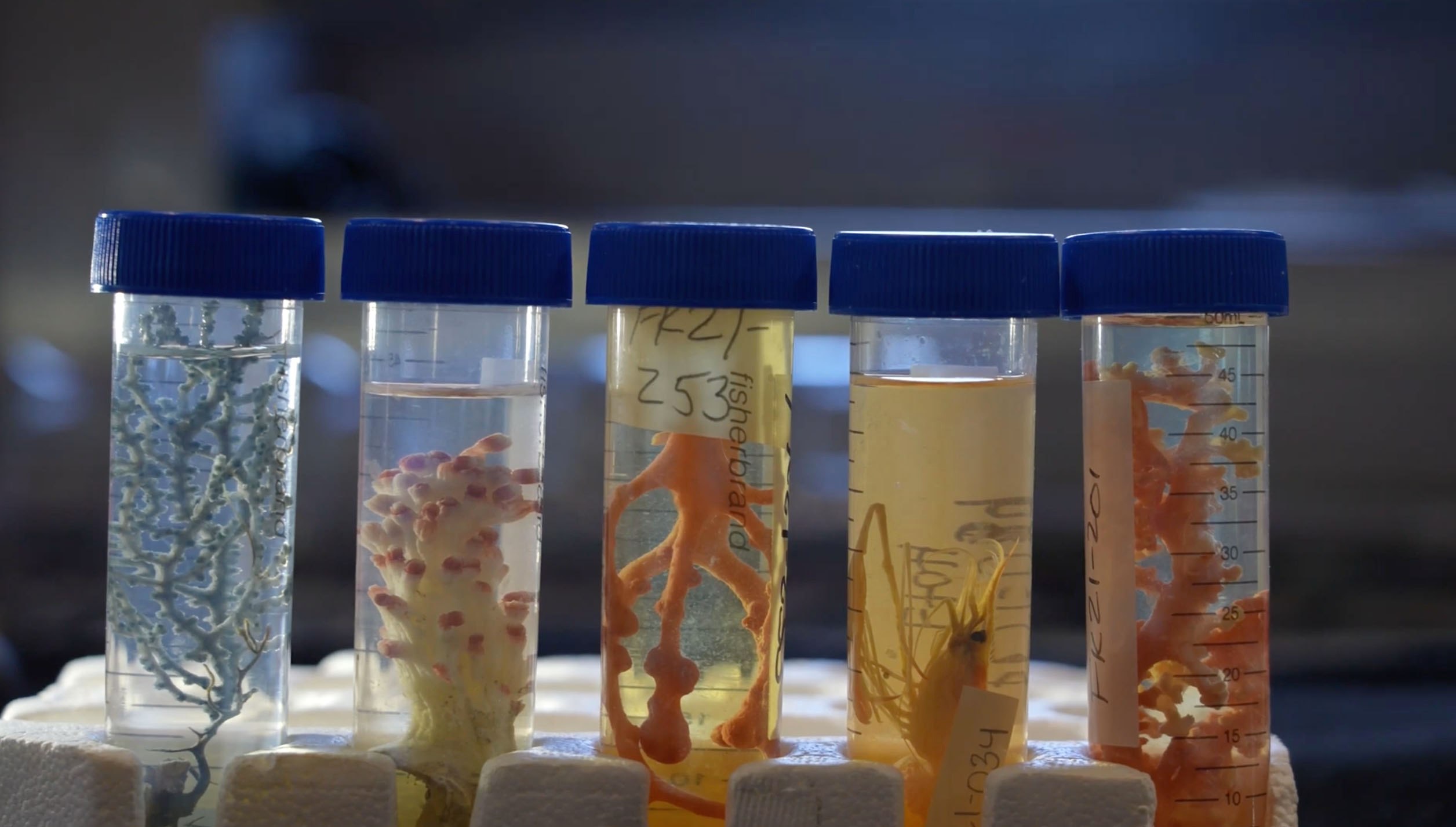
- 15
Mechanisms for Characterizing Deep-Sea Coral Biodiversity
17 June 2021
Read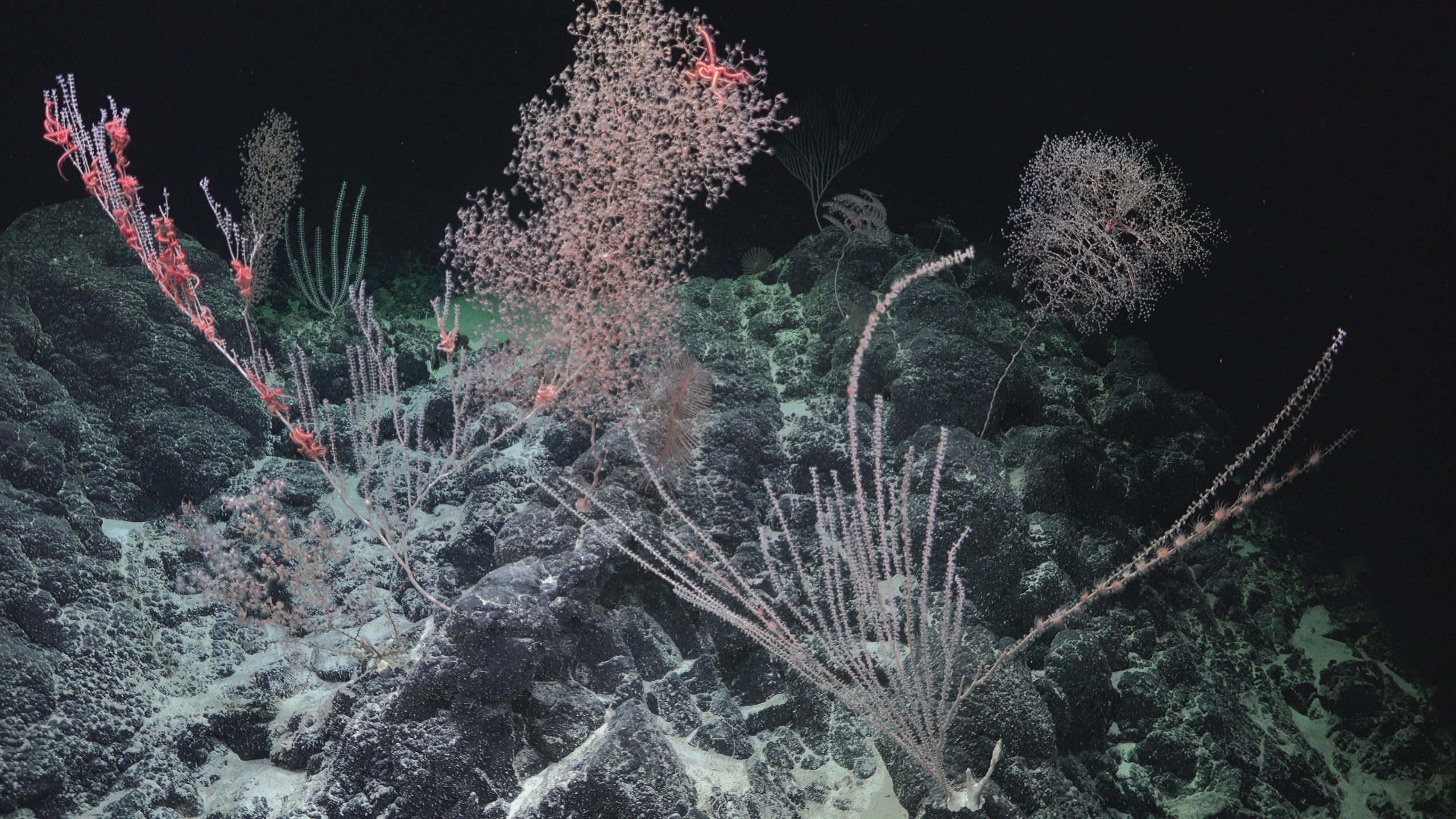
- 16
Finding Answers in the High Seas - Video Update
16 June 2021
Read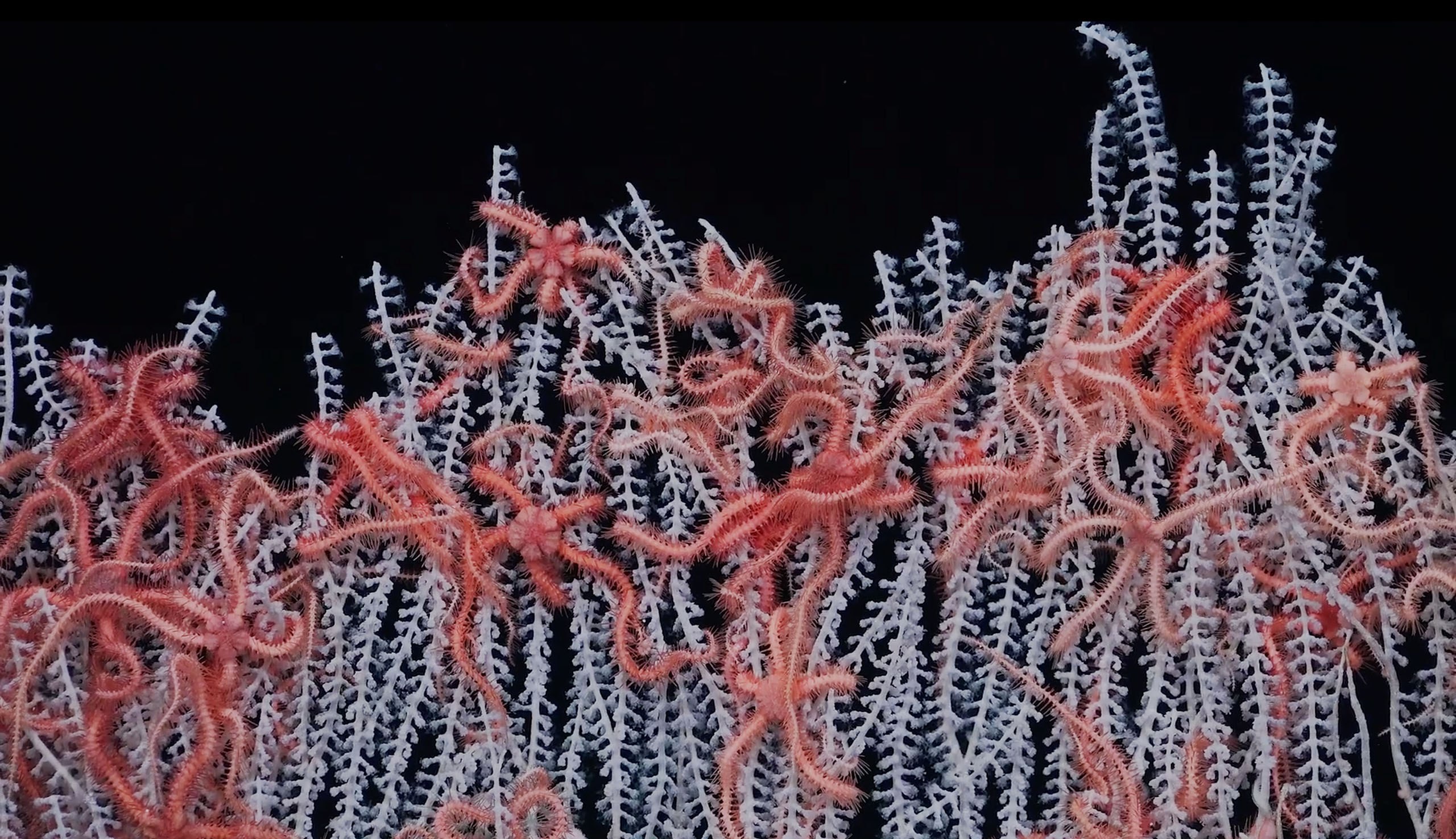
- 17
Collages of Corals
12 June 2021
Read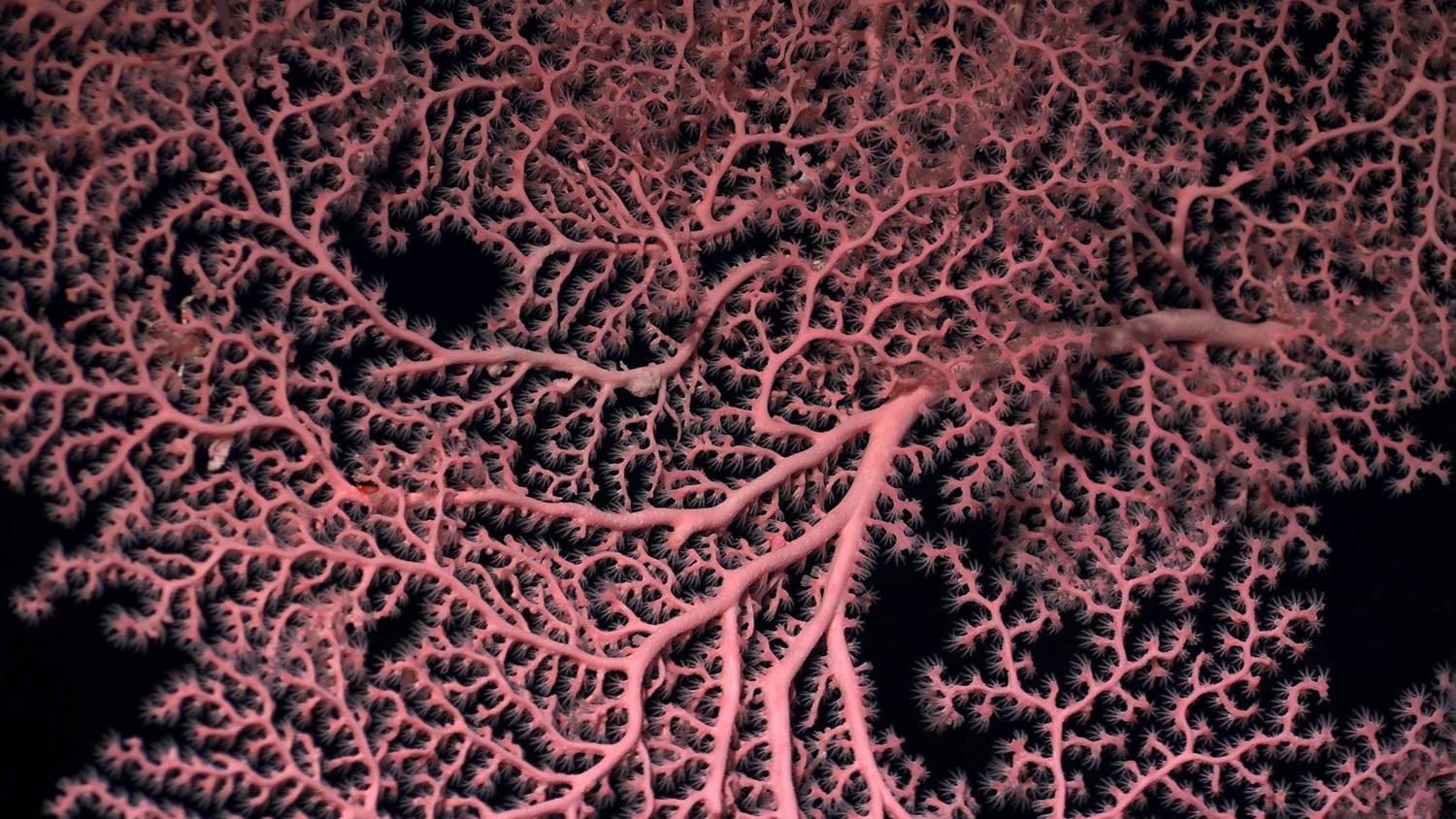
- 18
Luck Favors the Prepared
7 June 2021
Read
Related Galleries
View AllWe are happy to offer a streamlined request process when usage falls within the parameters outlined in the Creative Commons Attribution-Noncommercial-ShareAlike 4.0 International (CC BY-NC-SA 4.0) License. However, due to our legal status as a 501(c)(3) private operating foundation, no media produced by Schmidt Ocean Institute may be used in attempting to influence legislation or lobbying.
Attribution-NonCommercial-ShareAlike | CC BY-NC-SA
Under this Creative Commons License, you are free to:
Share — copy and redistribute the material in any medium or format
Adapt — remix, transform, and build upon the material
Under the following terms:
Attribution. You must give appropriate credit, provide a link to the license, and indicate if changes were made. You may do so in any reasonable manner, but not in any way that suggests the licensor endorses you or your use.
NonCommercial. You may not use the material for commercial purposes.
ShareAlike. If you remix, transform, or build upon the material, you must distribute your contributions under the same license as the original.
Not sure this license fits your use? Head over to our Image Requests page to learn more
Divestreams
View all Divestreams

Weekly Videos
View all Weekly Videos
Discover More
Expedition Data
Title  | Type | Repository |
|---|---|---|
| Voucher specimens and respective metadata | Biological Samples | Museum of Comparative Zoology, Harvard University |
| Raw genetic sequence data on the microbial community structure and composition across depths at sites in the vicinity of the Phoenix Islands | Genetic Analysis Data | GenBank/NCBI |
| Vessel Underway Data | Oceanographic Property Data | Rolling Deck to Repository (R2R) |
| Processed acoustic Backscatter | Sonar Data | Marine Geoscience Data System (MGDS) |
| CTD, imagery, and navigation data | Navigation Data, Captured Image/Video | Marine Geoscience Data System (MGDS) |
Publications from This Expedition
30 Day Preliminary Cruise Report: Discovering Deep-sea Corals of the Phoenix Islands 2
Young, H., Murphy, JWA., Friedlander, A., Rotjan, R., Kennedy, BRC., Kikiloi, KS., McCauley, D., Richmond, RH., Maxwell, S., Schaffer, S., Kahoohalahala, S., and Morgan, L. (2022). The Biological and Cultural Significance of Expanding the Pacific Remote Island Marine National Monument.
Kennedy, B., Auscavitch, S., Shank, T., Sartor, C., Tennaba, A., Weinning, A., and Rotjan, R. (2025). Multi-faceted examination of a deepwater seamount reveals ecological patterns among coral and sponge communities in the equatorial Pacific. Scientific reports, 15, 2270 doi: 10.1038/s41598-025-86163-z.
[This Article was published OPEN ACCESS]Gauthier, A., Rotjan, R., and Kagan, J. (2022). Lipopolysaccharide detection by the innate immune system may be an uncommon defence strategy used in nature. Open Biology, 12(10), doi: 10.1098/rsob.220146.
[This Article was published OPEN ACCESS]Rotjan, R.D., Gauthier, A., Tekiau, A. and Kagan, J.C., Ministry Of Fisheries, Marine Resources Development, Children's Medical Center Corp, and Boston University, 2024. Immunomodulatory lipopolysaccharide compositions. U.S. Patent 11,878,057.
[This Article was published OPEN ACCESS]