


Dive In
About the Expedition
In the deep sea, hydrothermal vents are biologically important, harboring massive animal communities at densities that make them one of the most productive ecosystems on Earth.
- Dive Markers
- Trackline
The Mission
In the deep sea, hydrothermal vents are biologically important, harboring massive animal communities at densities that make them one of the most productive ecosystems on Earth. All this biomass exists thousands of feet below the sea surface and, unlike most communities, which rely on sunlight, the food web of hydrothermal vents is based on tiny chemosynthetic microbes (bacteria) which derive their energy from "breathing" vented chemicals. Hydrothermal vents typically arise where the movement of the plates that make up the surface of the Earth split and fissure, allowing geothermally heated water to escape through the planet’s crust (chemically enriched water that may reach temperatures of over 640°F).
Spreading centers in Western Pacific back-arc basins are geologically unique and the frequency of their tectonic or volcanic events are not well documented. The hydrothermal vent communities in these regions are also distinct, hosting endemic fauna, which are species that are not found anywhere else. Recent studies have further shown that these communities may harbor cryptic species that have yet to be described.
Mining and the need for research
Potential environmental impacts of industrial mining in deep sea environments remains poorly constrained, and our limited knowledge about hydrothermal vent ecosystems in the Western Pacific back-arc basins makes it difficult to create conservation strategies to effectively manage anthropogenic effects in this area. To date, Papua New Guinea, Fiji, and the Kingdom of Tonga have granted exploration licenses in their territorial waters for industrial mining of polymetallic sulfide deposits around hydrothermal vents. Current mining strategies and management plans are largely based on patterns and predictions derived from studies and observations at mid-ocean ridge vents in the Pacific (i.e., East Pacific Rise), which are likely not relevant to the geologically and biologically distinct hydrothermal vents of the Western Pacific. This is one of the primary reasons why the research vessel Falkor traveled to Fiji in April 2016, and embarked on an expedition to obtain new knowledge necessary for sustainable management of these natural resources.
The Vent Life expedition
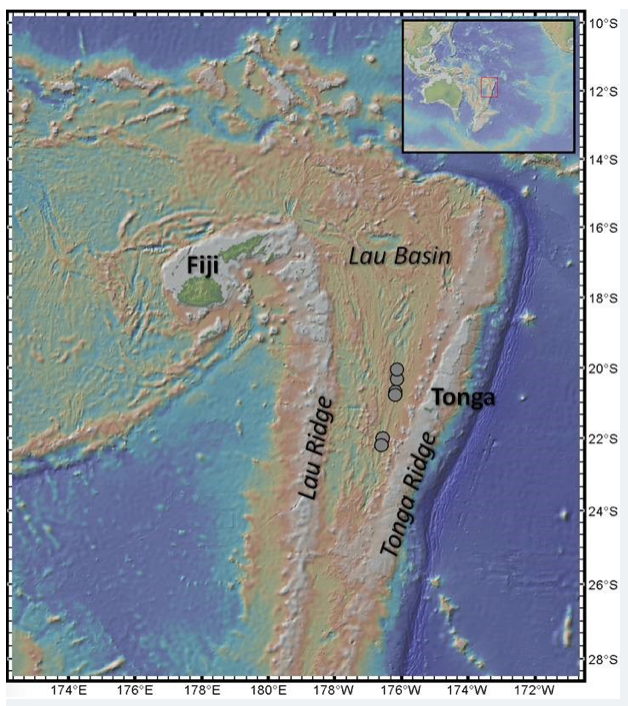
The regional bathymetry between Fiji and Tonga and the six hydrothermal vent fields that were studied during the Vent Life expedition (grey circles; include long-term study sites). Insert shows global location.[/caption]
A team of interdisciplinary scientists led by principal investigators Dr Charles Fisher from Pennsylvania State University, Dr Peter Girguis from Harvard University, Dr Vicki Ferrini from Columbia University’s Lamont Doherty Earth Observatory, and Dr Roxanne A. Beinart from Woods Hole Oceanographic Institution embarked on a 28-day expedition onboard the R/V Falkor. The team revisited long-term study sites (some established over a decade ago) as well as newly discovered hydrothermal vent fields on the Eastern Lau Spreading Center and Valu Fa Ridge between Fiji and the Kingdom of Tonga.
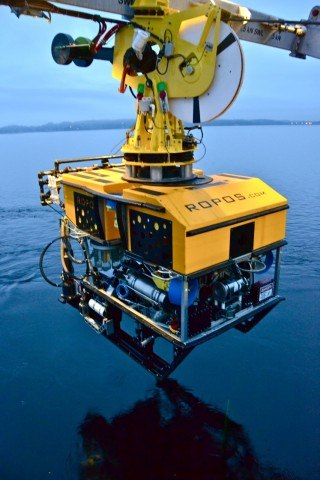
The remotely operated vehicle (ROV) ROPOS traveled up to nine thousand feet to the deep seafloor of the Lau Basin. Once on the bottom, the extremely versatile ROV performed a range of scientific tasks including visual and sonar surveys, collecting specimens and samples, and taking environmental measurements.[/caption]
The remotely operated vehicle (ROV) ROPOS traveled up to nine thousand feet to the deep seafloor of the Lau Basin. Once on the bottom, the extremely versatile ROV performed a range of scientific tasks including visual and sonar surveys, collecting specimens and samples, and taking environmental measurements. All the research conducted on this hydrothermal vent expedition was facilitated by the remotely operated vehicle (ROV) ROPOS. From a sensor onboard ROPOS, scientists conducted high-resolution bathymetric surveys at six hydrothermal vent fields and looked for evidence of tectonic or volcanic events that alter the environment. These high-resolution bathymetric maps also provided insight into geological processes for more than two dozen long-term study sites members of the team established in 2005 and 2006. At each site, high-resolution two- and three-dimensional mosaicsand advanced in situ chemical and temperature sensors were used to document the fine-scale spatial ecology of hydrothermal vents, the effect vent animals have on the local water chemistry, and temporal ecosystem changes.
In conjunction with the field surveys and samples, scientists studied several of the most abundant vent species using high pressure aquaria and molecular tools to better understand the influence of particulate load on respiration (a potential influence of deep sea mining), symbiont activity, and survival. The observations contributed to predictive models for species-specific tolerance to changing conditions.
Benefits of this research
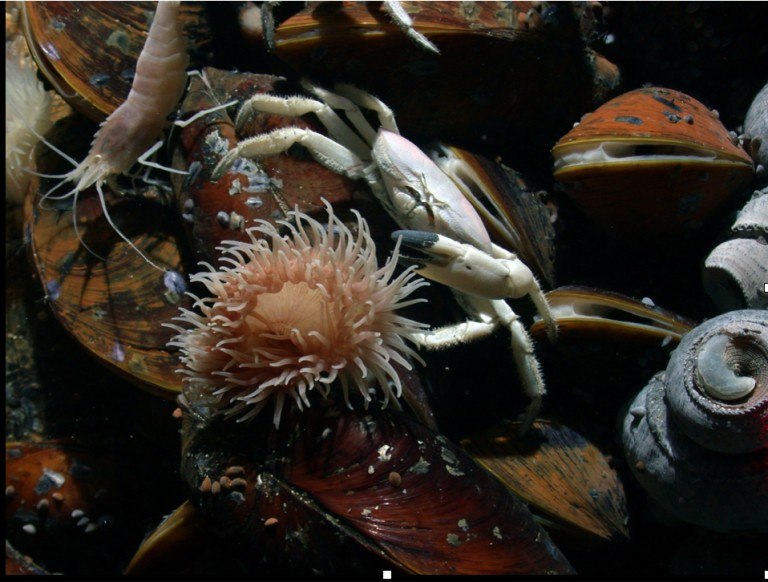
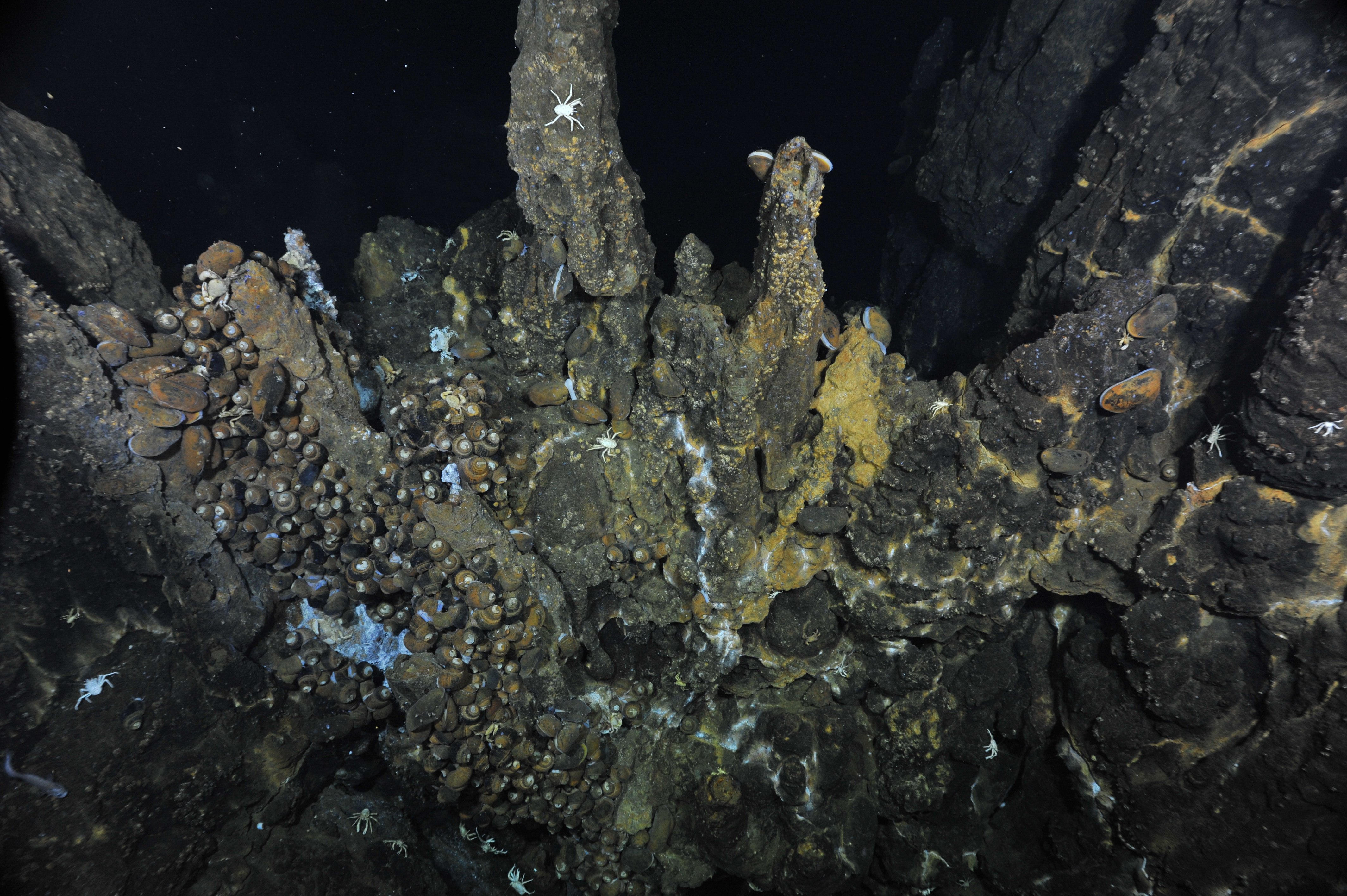
A close look at the diversity of life thriving on and around deep sea hydrothermal vents in the Lau Basin back-arc.[/caption]
This extensive study provided new insights into the level of volcanic and tectonic activity in the Lau basin, the ecology of hydrothermal vent communities, and the sensitivity of vent animals to potential anthropogenic stressors. The unique longevity of research at these study sites by the team provides a baseline with which to compare their findings, allowing them to make a more informed assessment of the potential impact of mining in the region, and provide a baseline for robust interpretation of post-mining monitoring of environmental impacts. Fisher, Girguis, Ferrini and Beinart believe that the results from these studies can inform impact assessment protocols and policies at deep sea sites in the Western Pacific biogeographic province that may be the target of future mining.
by Monika Naranjo González
Team and Collaborators
Chuck Fisher
Chief Scientist

Roxanne Beinart
Principal Investigator
Peter R. Girguis
Principal Investigator

Vicki Ferrini

Fanny Girard
Emily Estes
Jonathan Lee
Sam Vohsen

Keith Shepherd

Arunima Sen
Sean Sylva
Raymond Morgan

Peter Milne
Cherisse Du Preez

Michael Hannaford

Monika Bright

Ian Murdock
Jenny Delaney
Jessica Panzarino

Keith Tamburri




Explore
Updates from the Ship
All Ship Updates
- 01
Cruise Fantasy Plan
10 May 2016
Read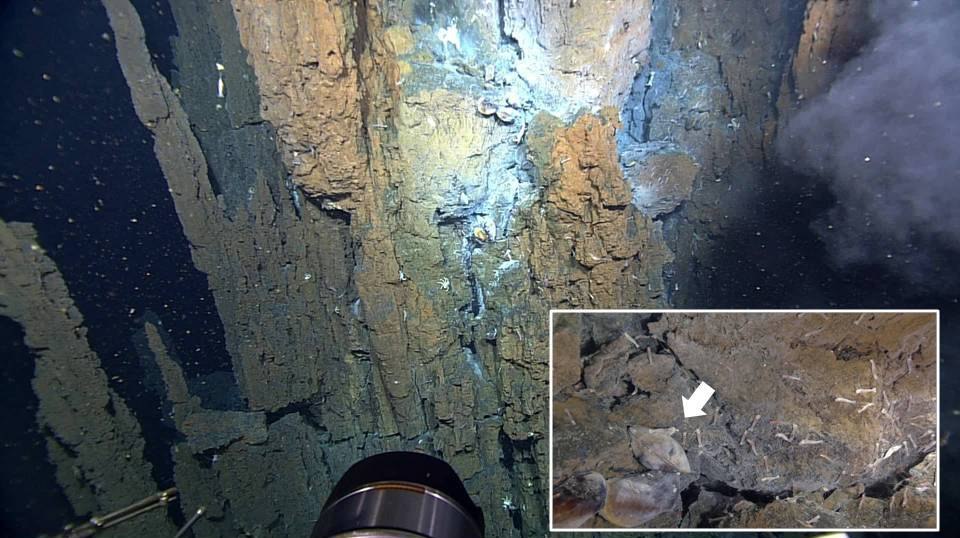
- 02
Under Pressure
6 May 2016
Read
- 03
Imaging the Deep Sea
3 May 2016
Read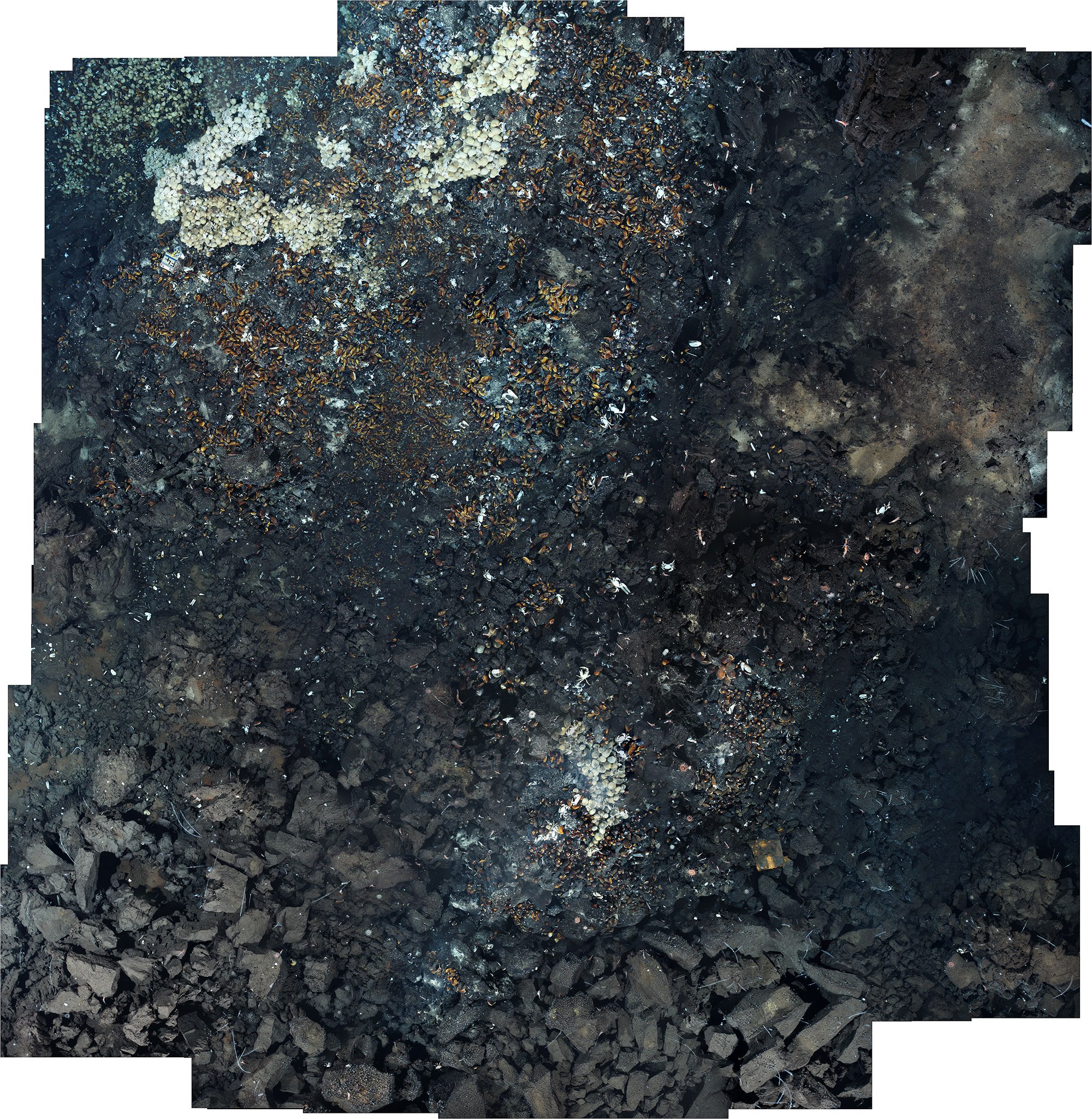
- 04
Imaging the Deep Sea
3 May 2016
Read - 05
How Do We Know What We Know?
1 May 2016
Read
- 06
Too Hot To Handle?
29 April 2016
Read
- 07
All Aboard!
26 April 2016
Read
- 08
Back Again
24 April 2016
Read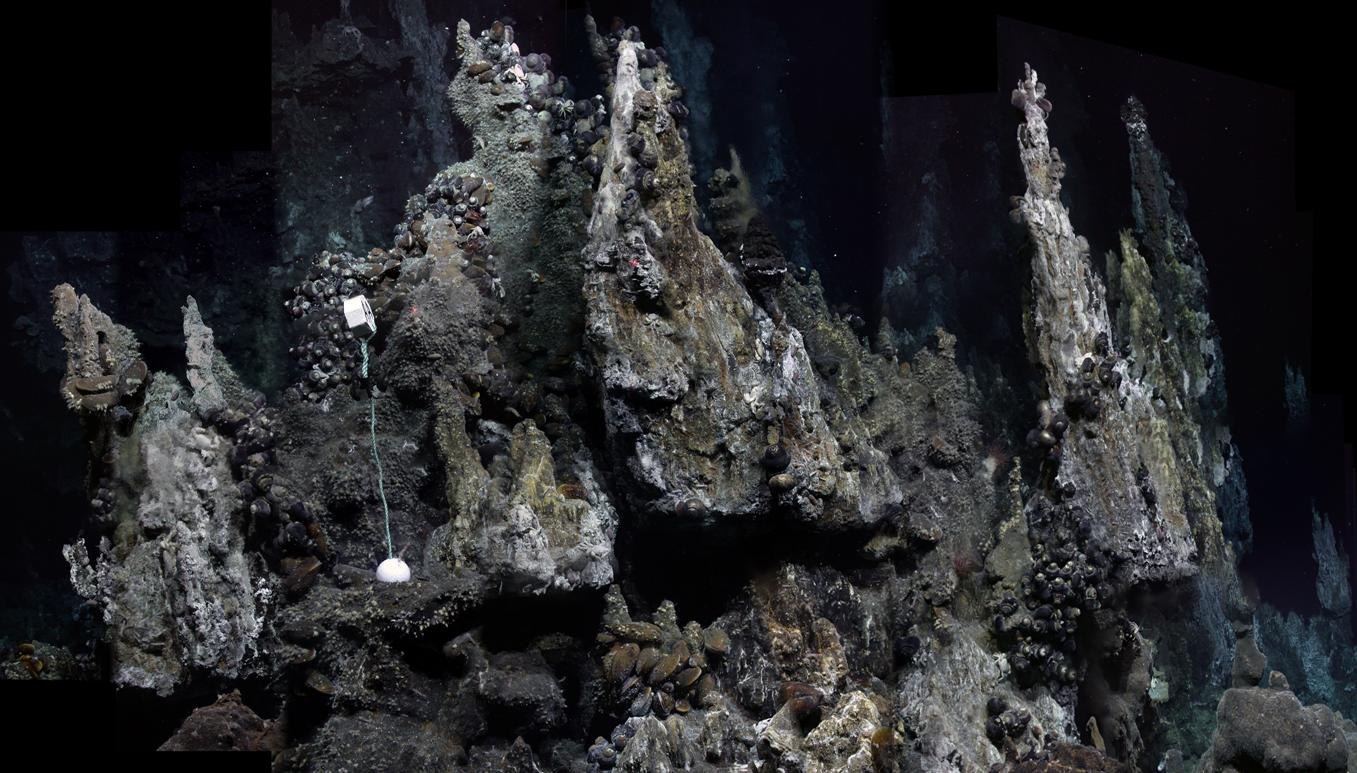
- 09
Among Waves and Whirlwinds: A Mid-Cruise Account
22 April 2016
Read
- 10
Among Waves and Whirlwinds: A Mid-Cruise Account
22 April 2016
Read - 11
Living Together in the Deep Sea
17 April 2016
Read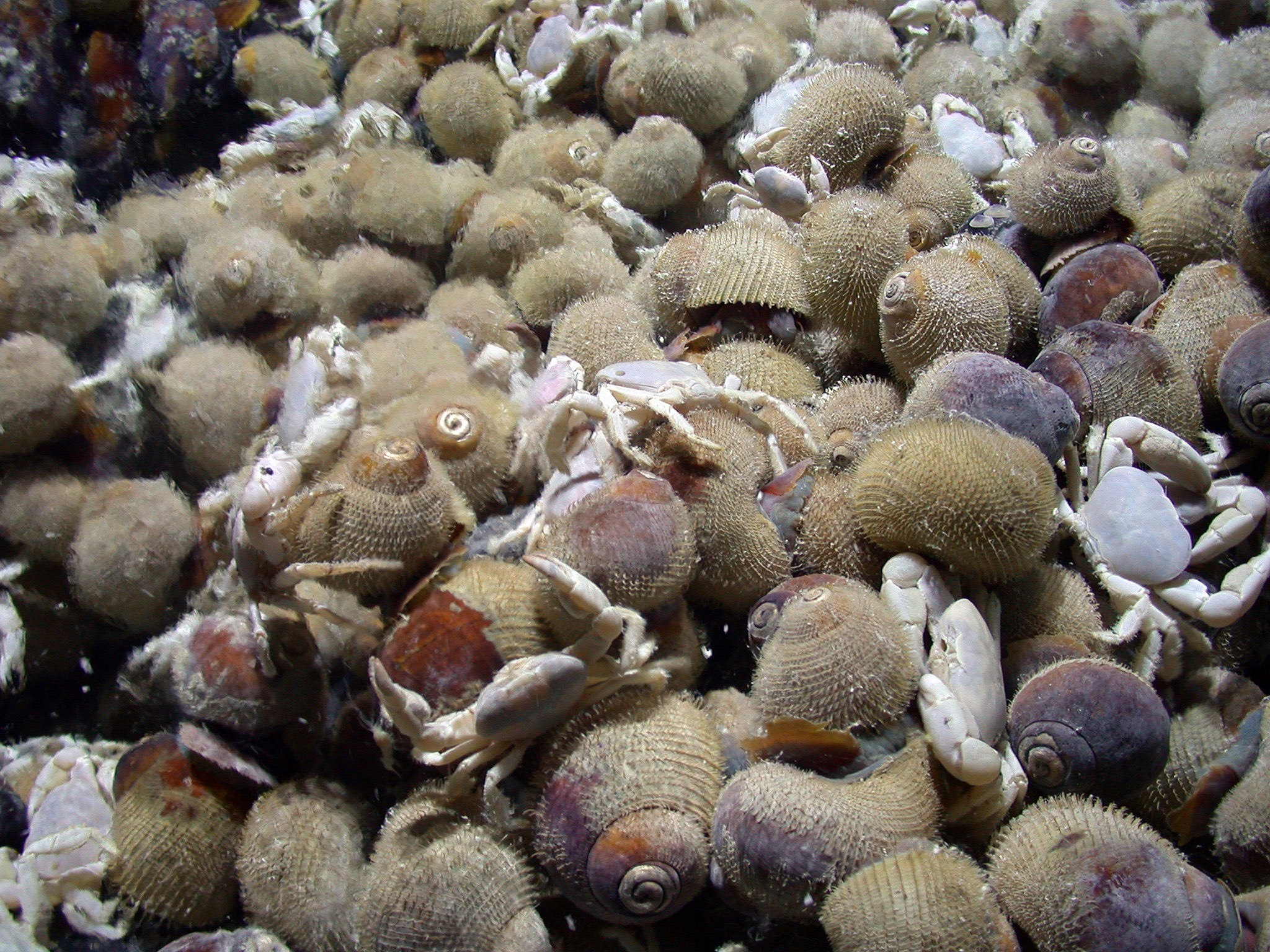
- 12
The Struggle to Survive
15 April 2016
Read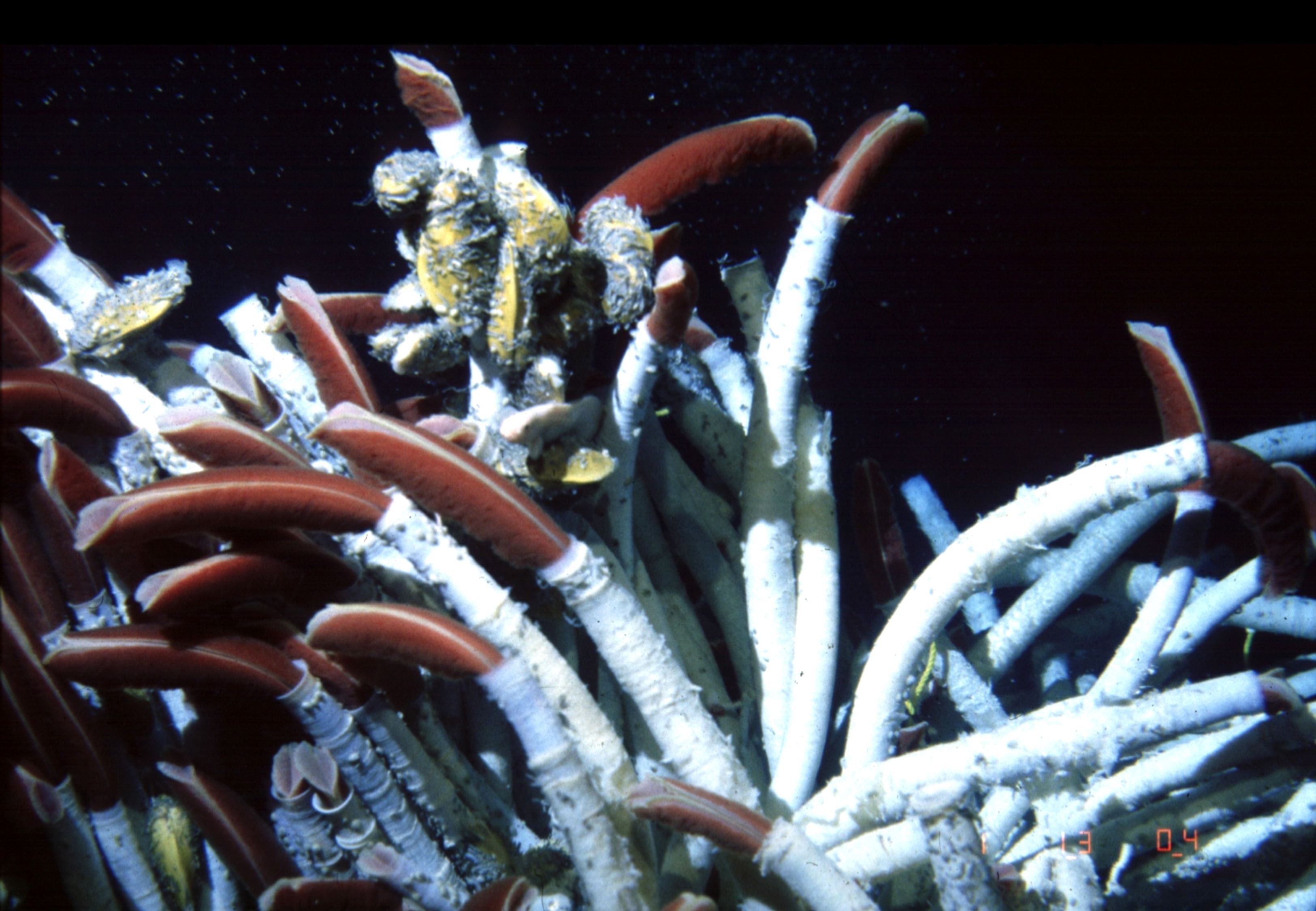
- 13
Bringing the Seafloor into Focus
12 April 2016
Read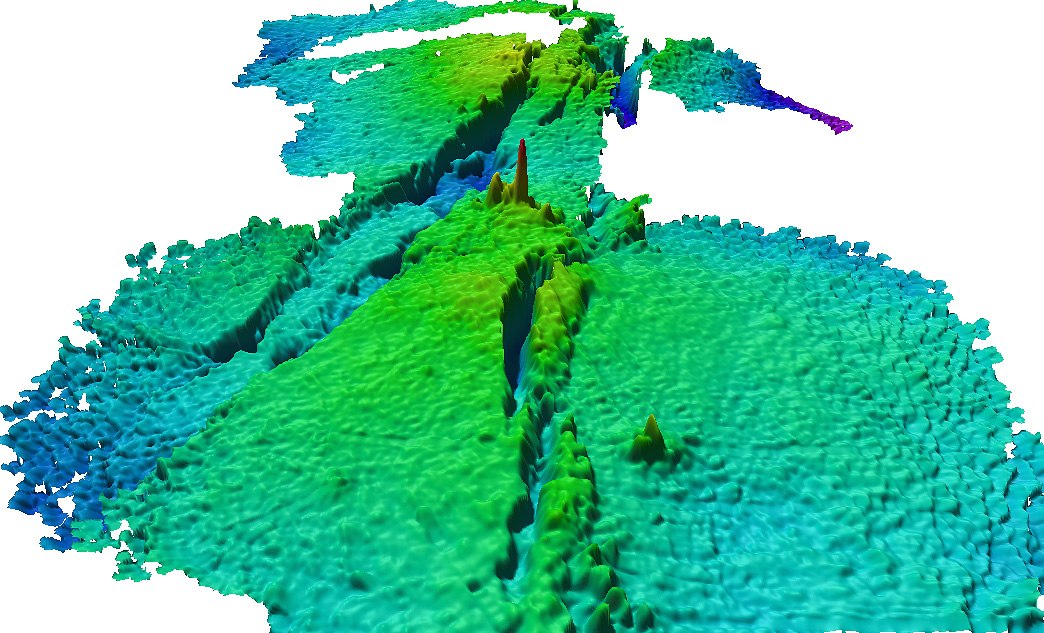
- 14
Inside the Box: Bringing Vent Life to the Surface
10 April 2016
Read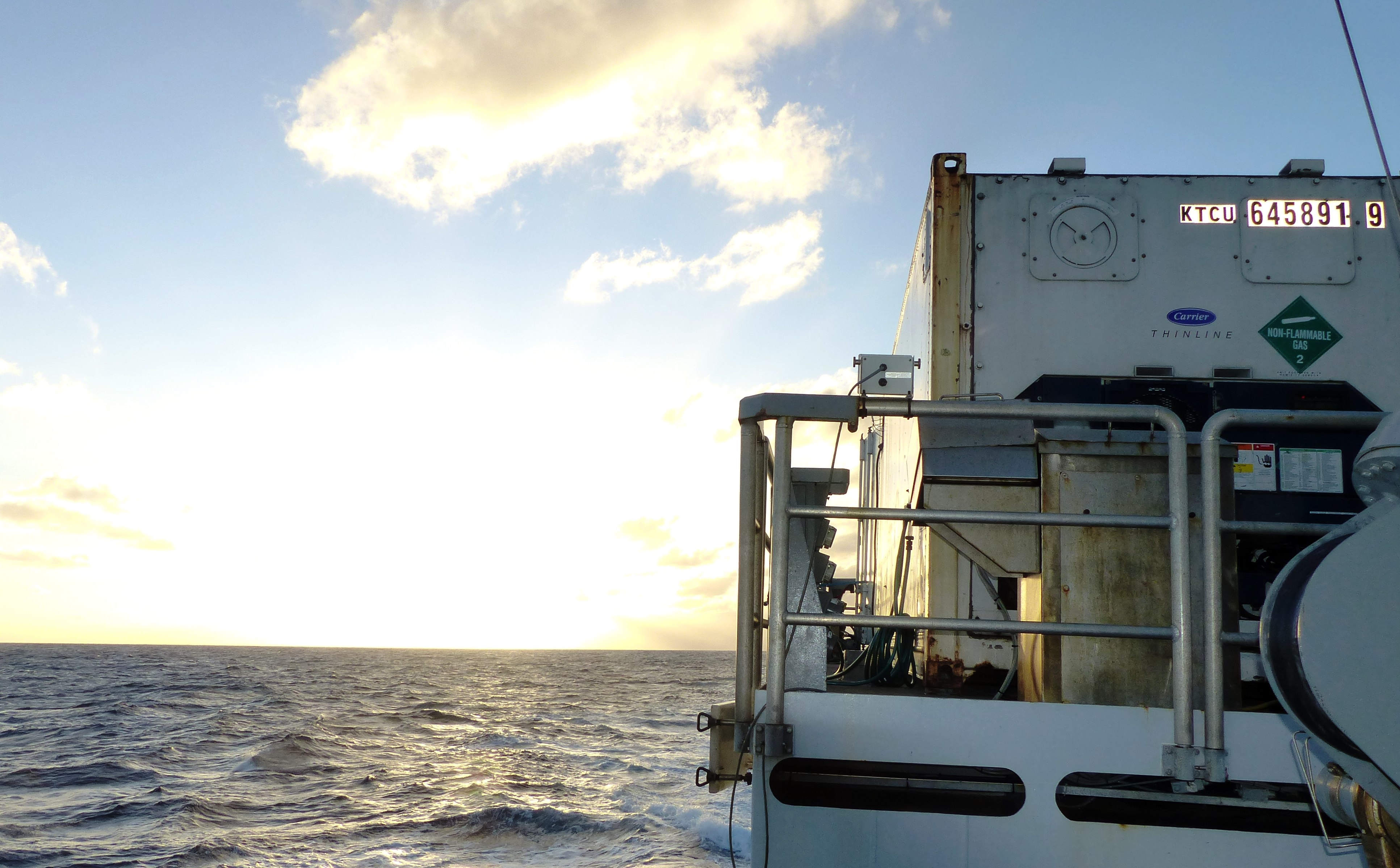
- 15
Welcome to the Vent Life Expedition
7 April 2016
Read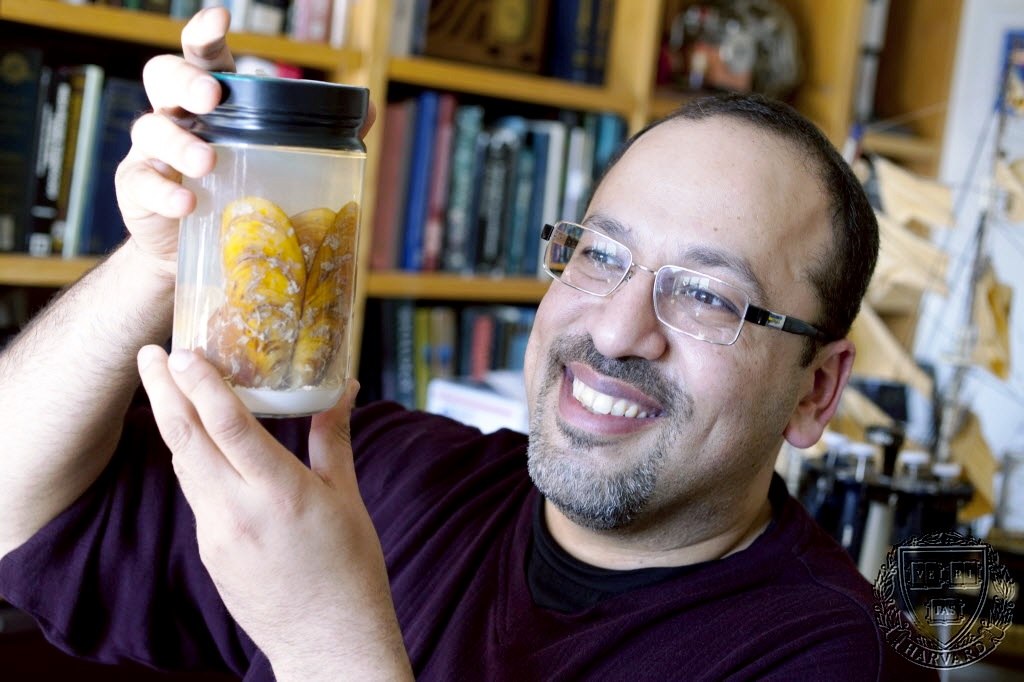
Divestreams
View all DivestreamsDiscover More
Expedition Data
Title  | Type | Repository |
|---|---|---|
| Vessel Underway data | Oceanographic Property Data | Rolling Deck to Repository (R2R) |
| ROV ROPOS metadata | Oceanographic Property Data, Sonar Data, Captured Image/Video | Marine Geoscience Data System (MGDS) |
| Collection of high quality uncompressed digital still imagery | Captured Image/Video | Marine Geoscience Data System (MGDS) |
| Processed bathymetric data | Sonar Data | Marine Geoscience Data System (MGDS) |
| Reserved voucher specimens | Biological Samples | Schmidt Ocean Institute (SOI) |
| Sub-samples and photodocuments of a representative subset of the biological specimens | Biological Samples | Schmidt Ocean Institute (SOI) |
| Biological contextual data and associated metadata | Biological Samples | Biological and Chemical Oceanography Data Management Office (BCO-DMO) |
| All photomosaic of communities | Captured Image/Video | Marine Geoscience Data System (MGDS) |
| GIS data products including Near-Bottom Photomosaics, Temperature Measurements, and In Situ Mass Spectrometer | Mapping Data, Navigation Data | Marine Geoscience Data System (MGDS) |
| Assembled and annotated genetic and transcriptomic data (PRJNA523619, PRJNA526236, PRJNA473256, PRJNA473257, PRJNA610289, PRJNA610290, PRJNA763784 and PRJNA767887.) | Genetic Analysis Data | GenBank/NCBI |
| 16s rRNA gene amplicon sequencing data of the bacterial symbionts associated with Ifremeria nautilei from hydrothermal vents in the Lau Basin (Tonga) | Genetic Analysis Data | GenBank/NCBI |
| 16s rRNA gene amplicon sequencing data of the bacterial symbionts associated with Alviniconcha species from hydrothermal vents in the Lau Basin (Tonga) | Genetic Analysis Data | GenBank/NCBI |
| Nucleotide Accension Numbers: MT131487–MT131781 (COI), MT130994–MT131149 (12S), MT146898–MT147385 (H3), MT148092–MT148633 (ATPSa), MT148634–MT149209 (ATPSb), MT147386–MT148091 (EF1a), and MT137388–MT137420 (16S). | Genetic Analysis Data | GenBank/NCBI |
Publications from This Expedition
Cruise Report: Ecosystem Dynamics of Hydrothermal Vent Communities
Du Preez, C. (2017). Deep Sea Exploration: Filming Battles, Behavior, Bangs, & Bacon. Invited Lecture to Harvard University, Cambridge, MA, USA.
Du Preez, C. and C. Fisher. (2017). Remarkable Decadal Stability at Lau Basin Hydrothermal Vents (Southwest Pacific). Oral Presentation at 6th International Symposium on Chemosynthesis-Based Ecosystems, Woods Hole, MA, USA.
Du Preez, C., and C. Fisher. (2017). Monitoring Spatial and Temporal Variability at Hydrothermal Vents: A Decade of Repeated Centimeter-scale Mapping. Oral Presentation at Marine Imaging Workshop, Kiel, GERMANY.
Du Preez, C. and C. Fisher. (2018). Long-Term Stability of Back-Arc Basin Hydrothermal Vents. Frontiers of Marine Science, 5:54, doi: 10.3389/fmars.2018.00054.
[This Article was published OPEN ACCESS]Garvin, J., Slayback, D., Ferrini, V., Frawley, J., Giguere, C., Asrar, G., and Anderson, K. (2018). Monitoring and Modeling the Rapid Evolution of Earth's Newest Volcanic Island: Hunga Tonga Hunga Ha'apai (Tonga) Using High Spatial Resolution Satellite Observations. Geophysical Research Letters, 45, doi: 10.1002/2017GL076621.
[This Article was published OPEN ACCESS]Russell, S., Pepper-Tunick, E., Svedberg, J., Byrne, A., Ruelas Castillo, J., Vollmers, C., et. al. (2020). Horizontal transmission and recombination maintain forever young bacterial symbiont genomes. PLOS Genetics, 16(8): e1008935, doi:10.1371/journal.pgen.1008935.
[This Article was published OPEN ACCESS]Breusing, C., Johnson, S., Tunnicliffe, V., Clague, D., Vrijenhoek, R., and Beinart, R. (2020). Allopatric and Sympatric Drivers of Speciation in Alviniconcha Hydrothermal Vent Snails. Molecular Biology and Evolution, 37(12), 3469-3484, doi: 10.1093/molbev/msaa177.
[This Article was published OPEN ACCESS]Breusing, C., Mitchell, J., Delaney, J., Sylva, S., Seewald, J., Girguis, P. and Beinart, R. (2020). Physiological dynamics of chemosynthetic symbionts in hydrothermal vent snails. The ISME Journal, 14, 2568-2579, doi: 10.1038/s41396-020-0707-2.
[This Article was published OPEN ACCESS]Breusing, C., Johnson, S., Mitarai, S., Beinart, R. and Tunnicliffe, V. (2021). Differential Patterns of Connectivity in Western Pacific Hydrothermal Vent Metapopulations: A Comparison of Biophysical and Genetic Models. Evolutionary Applications, 00, 1-14, doi: 10.1111/eva.13326.
[This Article was published OPEN ACCESS]Breusing, C., Castel, J., Yang, Y., Broquet, T., Sun, J., Jollivet, D., et al. (2022). Global 16S rRNA Diversity of Provannid Snail Endosymbionts from Indo-Pacific Deep-sea Hydrothermal Vents. Environmental Microbiology Reports, doi: 10.1111/1758-229.13051.
[This Article was published OPEN ACCESS]Breusing, C., Genetti, M., Russel, S., Corbett-Detig, R., and Beinart, R. (2022). Horizontal Transmission Enables Flexible Associations with Locally Adapted Symbiont Straints in Deep-sea Hydrothermal Vent Symbioses, PNAS, 119 (14), doi: 10.1073/pnas.2115608119.
[This Article was published OPEN ACCESS]Breusing, C., Hagen Klobusnik, N., Hauer, M., Beinart, R. (2022). Genome Assembly of the Chemosynthetic Endosymbiont of the Hydrothermal Vent Snail Aliviniconcha adamantis from the Mariana Arc. G3 (Bethesda), 12 (10), doi: 10.1093/g3journal/jkac220.
[This Article was published OPEN ACCESS]Breusing, C., Xiao, Y., Russel, S., Corbett-Detig, R., Li, S., Sun, J., et al. (2023). Ecological differences among hydrothermal vent symbioses may drive contrasting patterns of symbiont population differentiation. mSystems 8(4), doi: 10.1128/msystems.00284-23.
[This Article was published OPEN ACCESS]Breusing, C., Hauer, M., Hughes, I., Becker, J., Casagrande, D., Phillips, B., Girguis, P., and Beinart, R. (2025). Contrasting Genomic Responses of Hydrothermal Vent Animals and Their Symbionts to Population Decline After the Hunga Volcano Eruption. Molecular Ecology, 34(21), doi: 10.111/mec.70126.
[This Article was published OPEN ACCESS]Hauer, M., Klier, K., Langwig, M., Anantharaman, K., and Beinart, R. (2025). Phage interactions may contribute to the population structure and dynamics of hydrothermal vent microbial symbionts. bioRxiv, preprint, doi: 10.1101/2025.02.21.639545.
[This Article was published OPEN ACCESS]