


0 results for
- Type in the search bar to begin searching the site.
Expeditions
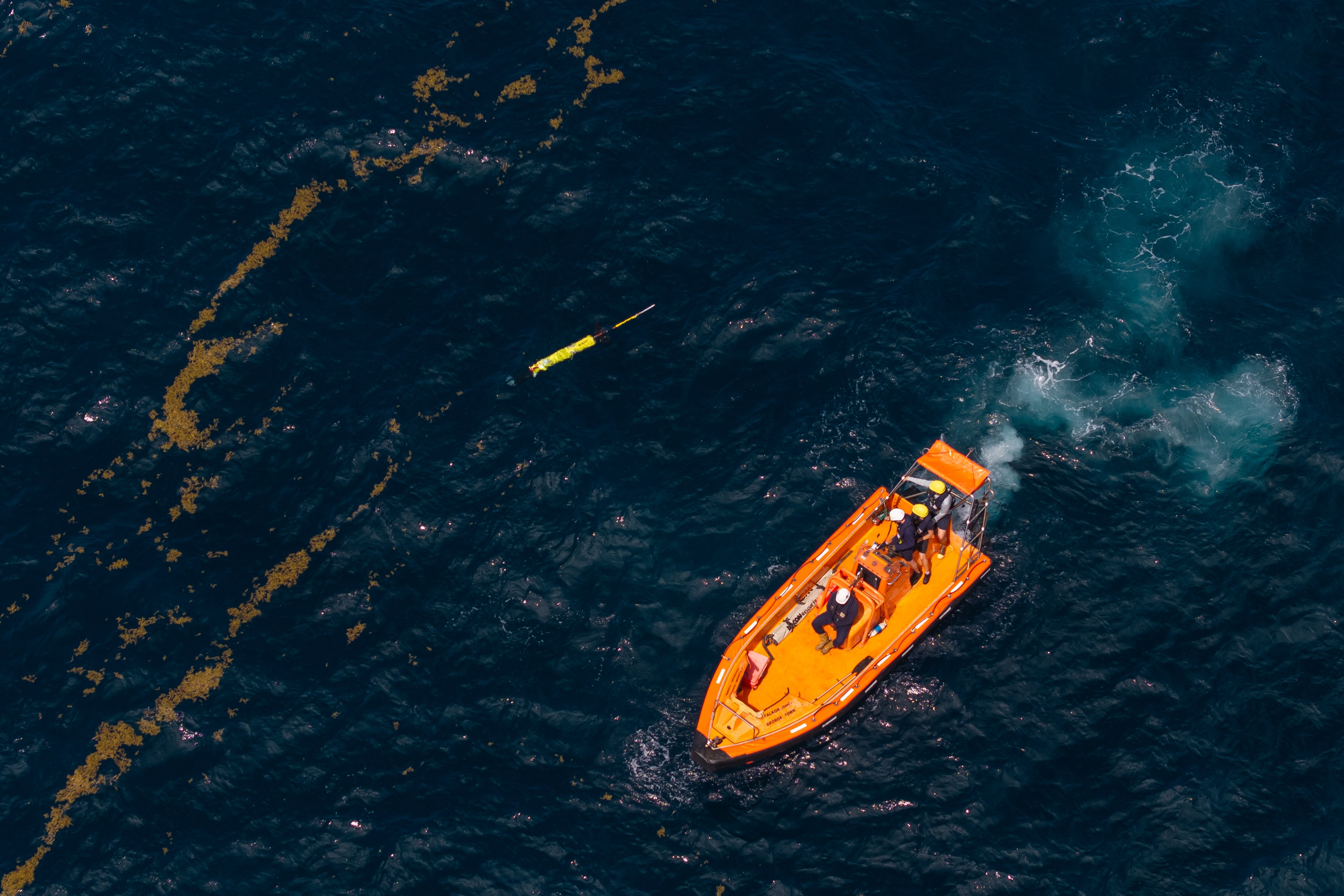
In the coming years, our expeditions will explore understudied regions around all seven continents in our global Ocean.
Latest Expedition
See all
Programs
From grants for caregivers to an artist-at-sea residency, our programs strive to deepen knowledge and inspire a connection with our planet’s life support system.
Latest Expedition
See all
Science Team Resources
To help you plan for your expedition, this hub includes information about outreach, technical specifications for our robotic platforms, a list of lab equipment, information about accessing data repositories, and more.
Latest Expedition
See all
- Our Team

Expeditions & Roles
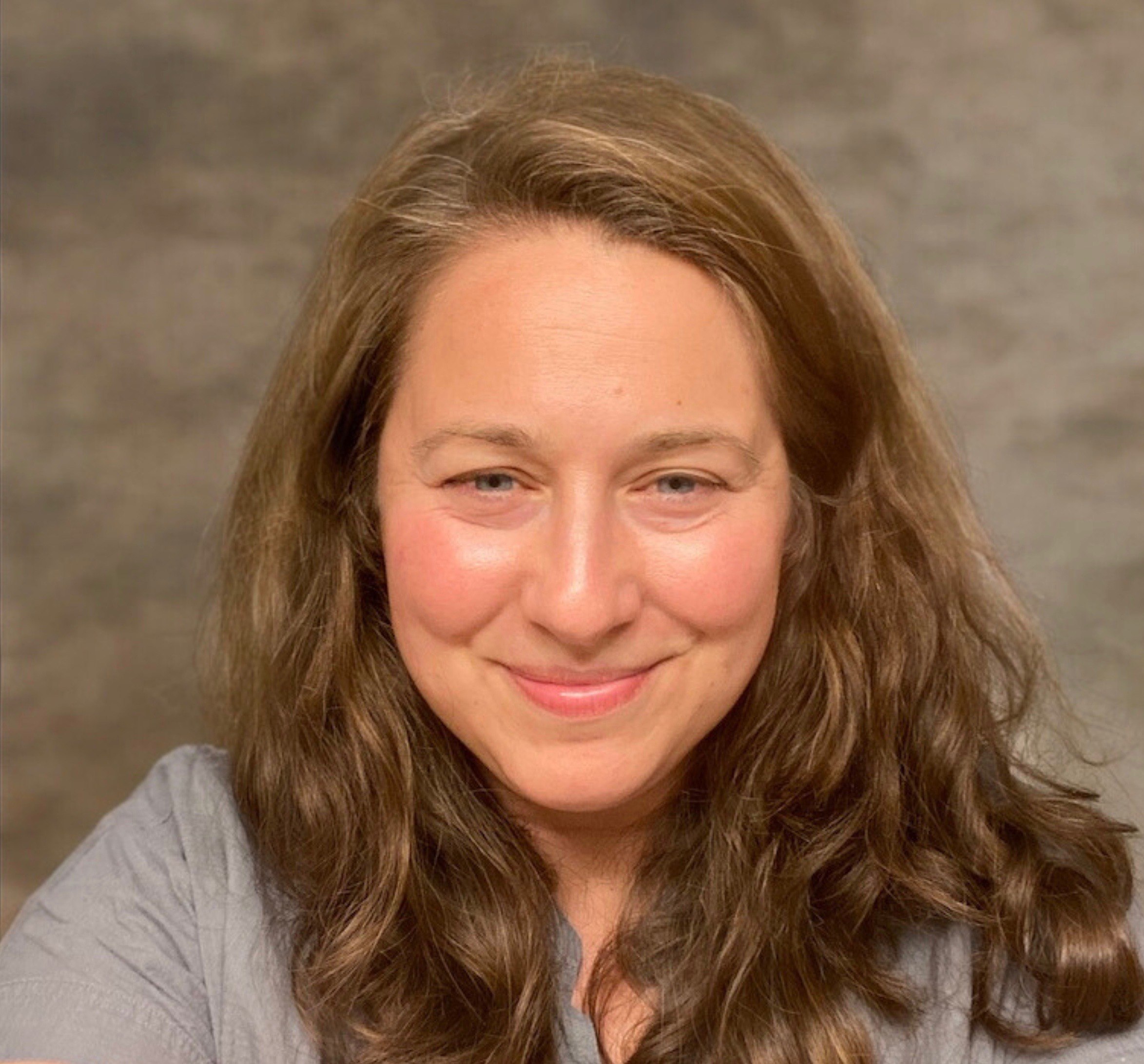
Roxanne Beinart
Roxanne Beinart is an associate professor at University of Rhode Island’s Graduate School of Oceanography. Beinart received a B.S. in Biology from Cornell University and a Ph.D. in Biology from Harvard University. She carried out postdoctoral research at the Woods Hole Oceanographic Institution as a National Science Foundation Ocean Sciences Postdoctoral Fellow and a WHOI Coastal Ocean Institute Scholar. Marine microbes critically influence global primary productivity, biogeochemical cycling, and oceanic food webs. Additionally, the overwhelming majority of marine animals are colonized by microbes. Roxanne’s research unites these two important ideas to understand how microbes influence marine ecosystems through their symbiosis with animals and other organisms. Her work focuses on deep-sea and coastal habitats including hydrothermal vents and salt marshes. Employing an integrative approach that brings together modern genomic tools, physiological experiments, and environmental data, she has 15 years of experience studying animal-microbe symbioses at hydrothermal vents in the Pacific. Roxanne was a Principal Investigator on the Ecosystem Dynamics of Hydrothermal Vent Communities expedition.
Expeditions & Roles