


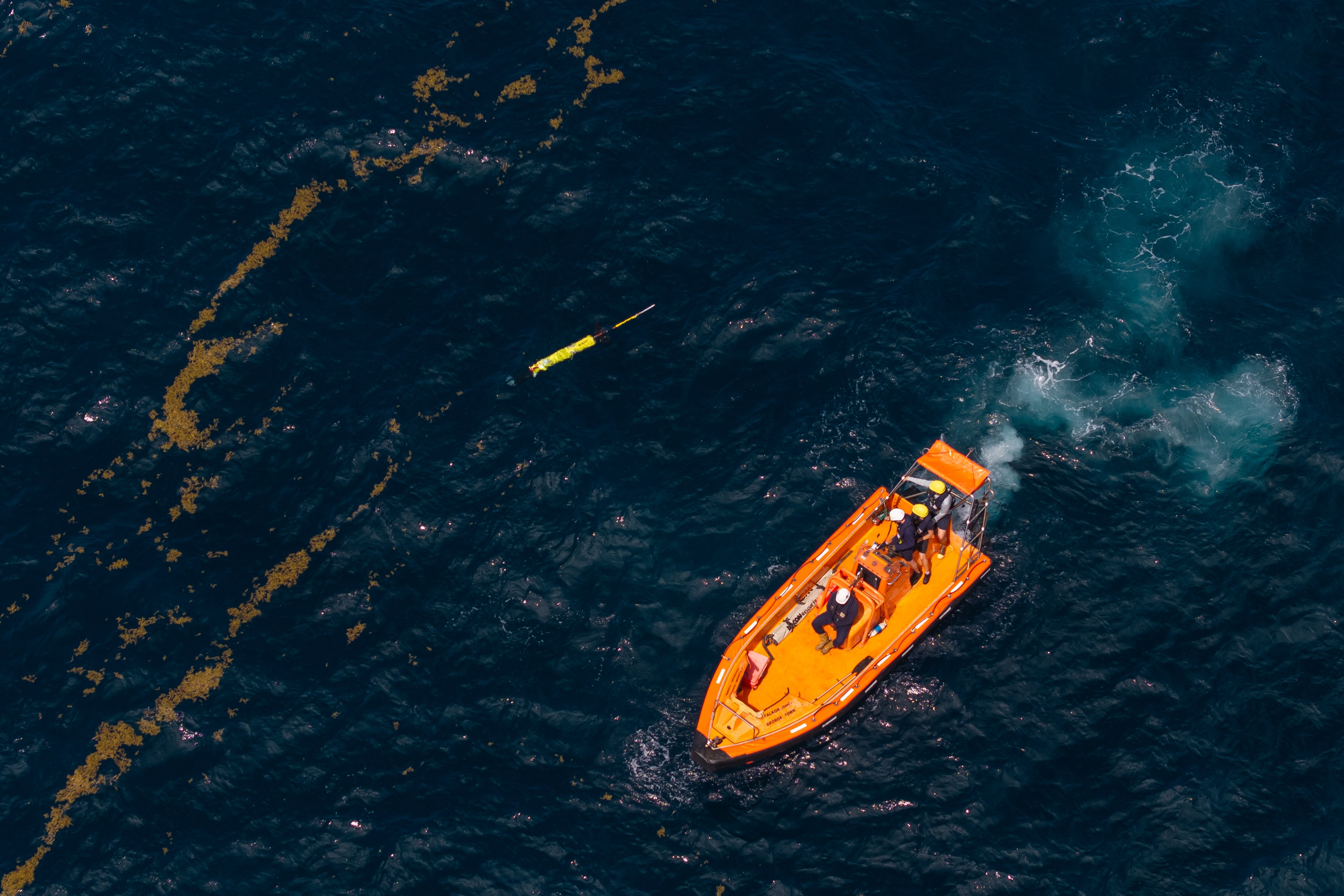

Dive In
About the Expedition
In 1977, scientists at the Eastern Galápagos Spreading Center uncovered an ecosystem that changed our conception of life—hydrothermal vents. In the crushing darkness of the deep sea, life thrives on these vents as bacteria facilitate a whole food web by converting chemicals, rather than sunlight, into energy. Hydrothermal vents threw open the door to new scientific possibilities and have been found and explored across the Ocean for decades. Now, Chief Scientist Roxanne Beinart and her team will voyage to the Galápagos, not to revisit the original discovery site, but to uncover the mysteries of unexplored hydrothermal vents at the Western Galápagos Spreading Center. Each discovery will be an opportunity to study a site’s unique chemistry, geology, and biology—revealing variations from nearby vents on the Eastern Spreading Center and across the eastern Pacific.
- Dive Markers
- Trackline
The Mission
“The 13-Frame Discovery"
In February 1977, aboard the R/V Knorr, Dr. Robert Ballard and a team of scientists pored over some 3,000 photographs taken by a deep-sea sensor sled towed across the Eastern Galálapagos Spreading Center (EGSC). The team were exploring the region after Dr. Kathleen Crane had detected a temperature anomaly on a previous expedition, providing strong evidence to support the hypothesis of hydrothermal venting. Nearly all the images featured a mostly barren seafloor at 2,500 meters, except in thirteen frames—hundreds of unknown clams and mussels crowded near warm water shimmering out of vents. Up until this moment, photosynthesis was thought to be the only driver of life on Earth. Yet here, well beyond the sun’s reach, these creatures weren’t merely existing. They were thriving.
Over the last forty-five years, hydrothermal vents have been uncovered in all five Ocean basins. Much progress has been made in understanding their inner workings, yet they remain one of Earth’s most mysterious and understudied ecosystems. Scientists believe there are hundreds more active sites yet to be uncovered—with each discovery an opportunity to characterize a distinct ecosystem and understand how these vents vary from one another. Answering this question compels Beinart and her team to explore the Western Galápagos Spreading Center (WGSC), just a few hundred kilometers from the original discovery sites.
At the WGSC, the science team will study two known vent sites, “Iguanas-Pinguinos” and “Navidad,” and search for more undetected hydrothermal vents. Confirmed in 2005, the two known sites feature 40 black smoker vents—unlike the white smokers discovered in 1977. The Navidad site remains unexplored, and three inferred sites flanking it are unconfirmed. These sites, and any unexpected vent discoveries, brim with possibilities for the team to explore, and connect these ecosystems.
Unique Vents, Unique Ecosystems
Examining vents on either side of the Galápagos Spreading Center is like comparing an acoustic and electric guitar—they’re similar, but very distinct.First, magma in the mantle percolates seawater that has seeped into the Earth’s crust. The seawater leaches minerals from the crust before discharging up through the seafloor in a distinctive plume. At the EGSC, there is a warm (2–23° C) calcium-rich plume, while the WGSC ejects metal-laden fluids up to 400° C at high velocity. In both cases, the vent fluid contains hydrogen sulfide that chemosynthetic bacteria convert into energy—kick-starting a food chain that supports one of the most diverse and abundant ecosystems in the Ocean. The bacteria provide energy to some creatures symbiotically by living in their tissues. To others, it serves as free-floating food particles. But just as the vents differ, so do their biological communities. While EGSC vents are dominated by tube worms, giant clams, and white crabs, WGSC vents may feature different chemosynthetic microbes and invertebrates.
A Compact Laboratory of Oceanic Connectivity
Hunting for hydrothermal vents almost three kilometers below the surface requires a double-dose of surveying—using multibeam sonar and CTD hydrocasts—before sending in ROV SuBastian. Once the vents are located and confirmed, Beinart and her multidisciplinary team will target the vents' mineral composition, vent fluid geochemistry, and the animal and microbe populations for sampling and study. Moving beyond simply identifying and characterizing these intertwined components, they will also examine how variations in one impacts the others. For example, since crust thickness varies across locations, they will determine how these fluctuations alter the sites’ specific geochemistry and biological characteristics. Their strategy turns each vent site into a living laboratory to examine environmental cause-and-effect.
The team will also use genetic data from biological samples to drive their understanding of hydrothermal vent “biogeography,” the study of species distribution across geologic time and space. Examining genetic divergences and species dispersal across vent sites will reveal the animals’ movements and adaptations. The next step is to combine this information with the team’s mineralogy and geochemistry data to determine how and why these environmental factors impact the evolution and migration of organisms. Understanding subtle but significant impacts on the ecosystem creates an outwardly expanding circle of knowledge. The data will ultimately aid in creating a big-picture view of how life on vents functions across time and space, reacting to an ever-changing Earth.
Team and Collaborators

Roxanne Beinart
Chief Scientist
Jill McDermott
Co-Chief Scientist
Jada Siverand
Ricardo Visaira Coronel
Observer
Vicki Ferrini
Peter Girguis

Katie Klier
Santiago Herrera
Jessica Rodgers
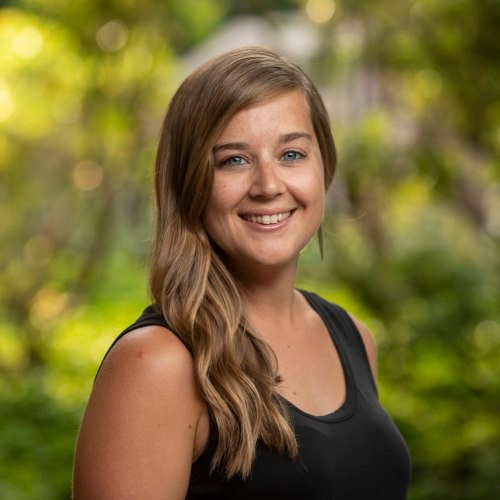
Katlin Bowman Adamczyk
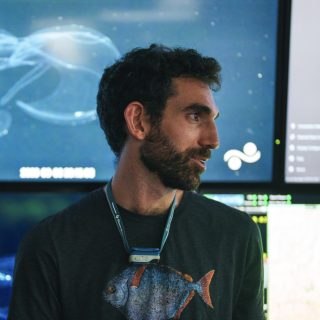
Jacob Winnikoff

Stuart Banks
Observer

Andrea Unzueta Martínez
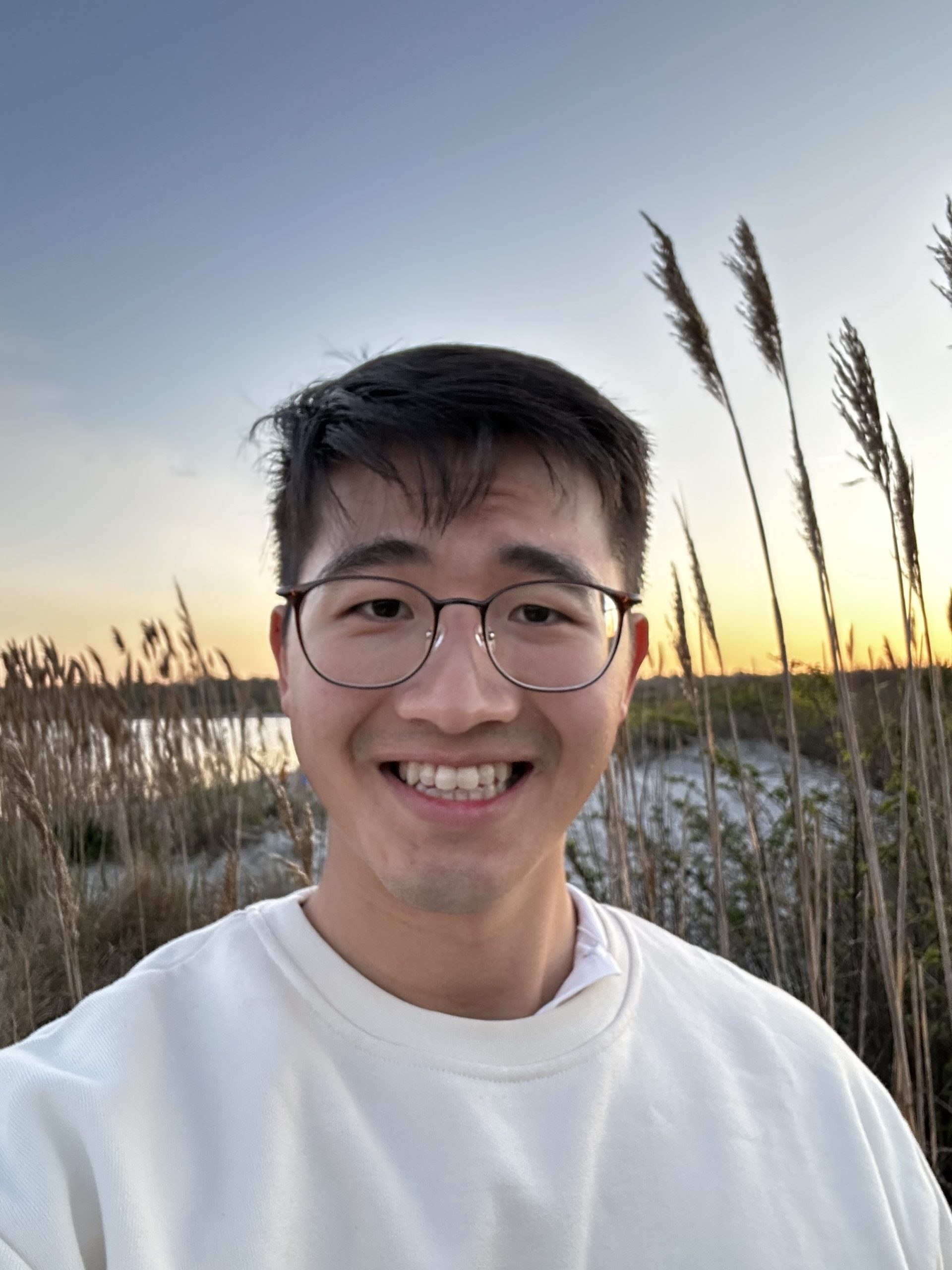
Philip Yang
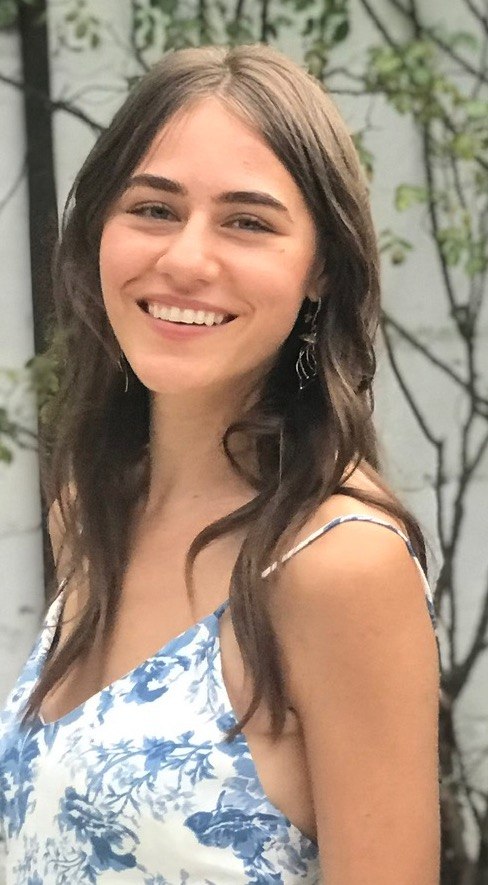
Michelle Hauer
Alex Ingle
Multimedia Correspondent
Marguerite Langwig
Hayley Drennon
Johann Becker
Nicole Pittoors

Jaycee Favela
Dennisse Maldonado Castillo
Observer
Rachel Harris
Corinna Breusing
Esmira Bibaj
Amy Gartman





Explore
Updates from the Ship
All Ship Updates
- 01
Unlike Anything Else on Earth | Video Update
16 September 2023
Read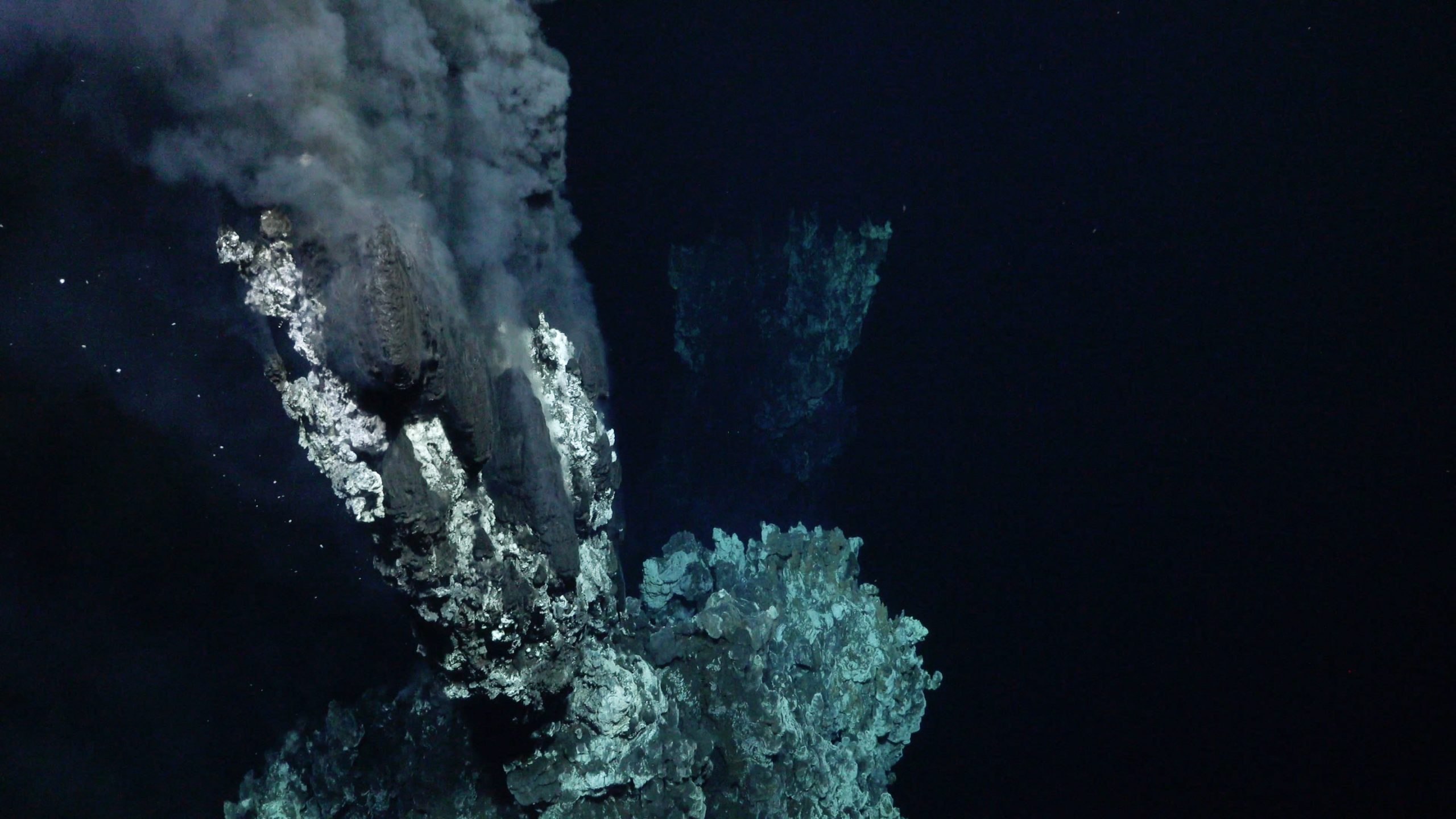
- 02
Cause and Effect: How Ecosystem Elements Affect One Another
9 September 2023
Read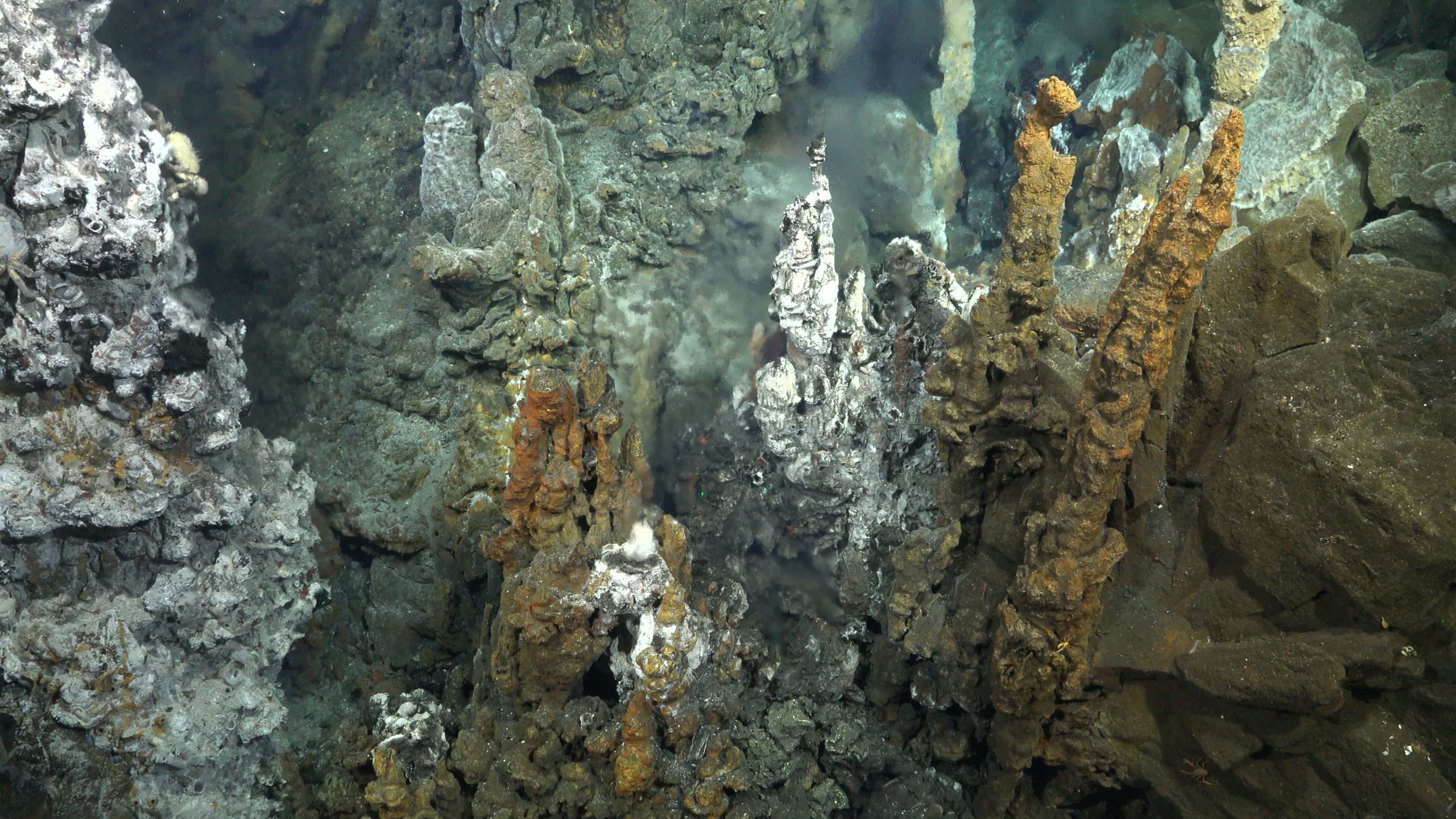
- 03
A History of Interdisciplinary Research | Video Update
6 September 2023
Read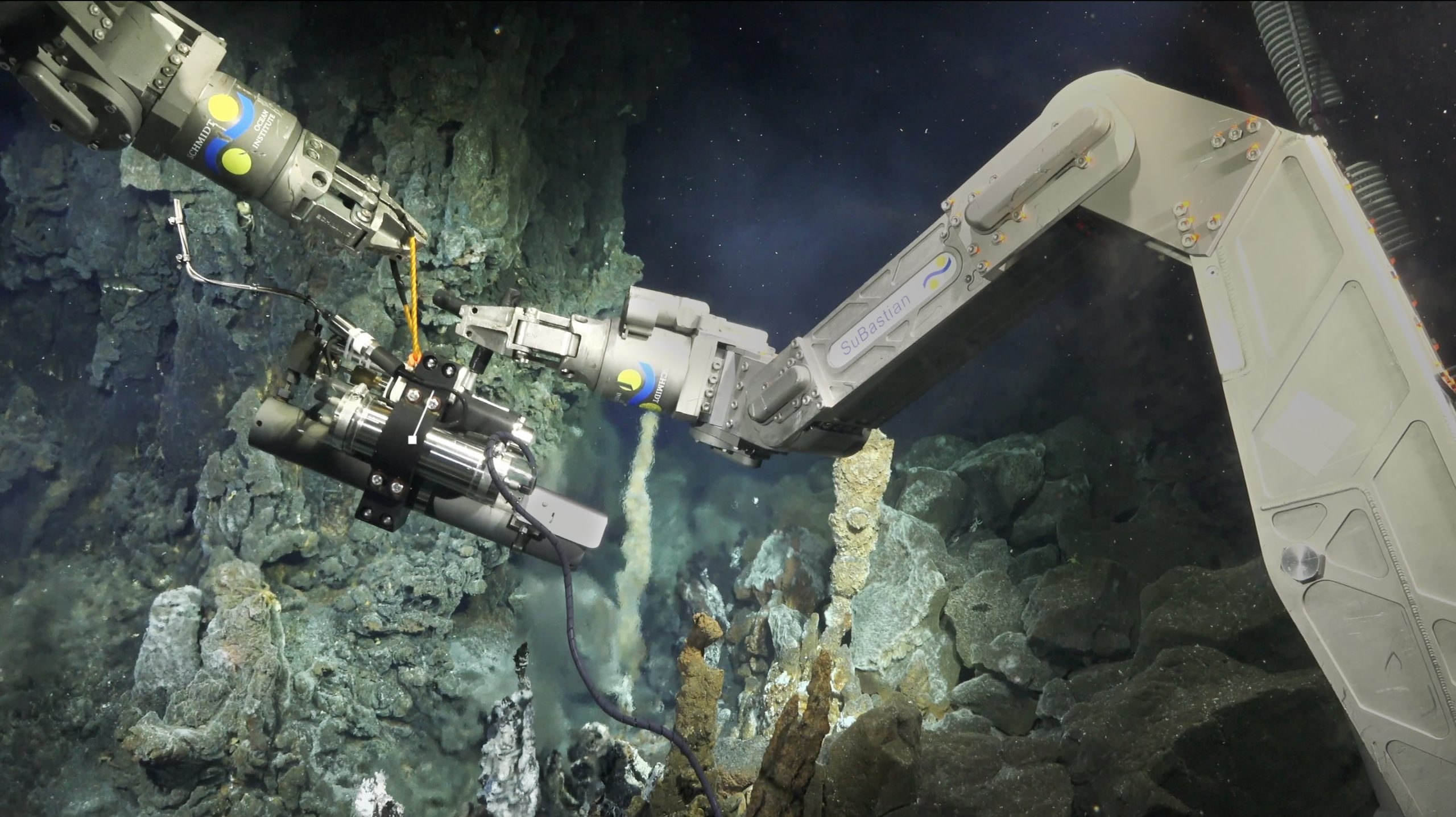
- 04
Obtaining Samples in a Hostile Environment
2 September 2023
Read
- 05
Hunting for Hydrothermal Vents
30 August 2023
Read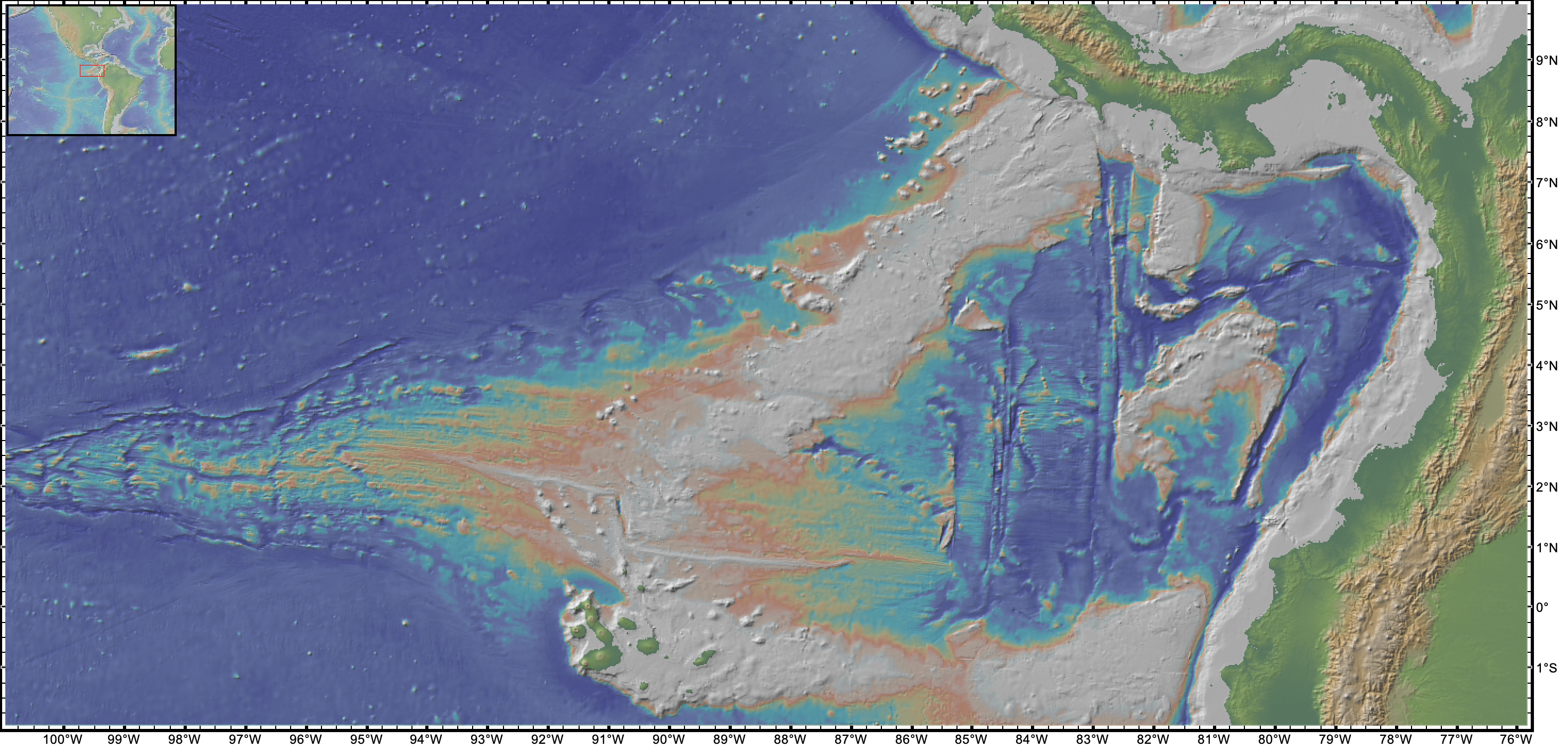
- 06
Venturing to the Western Galápagos Spreading Center
18 August 2023
Read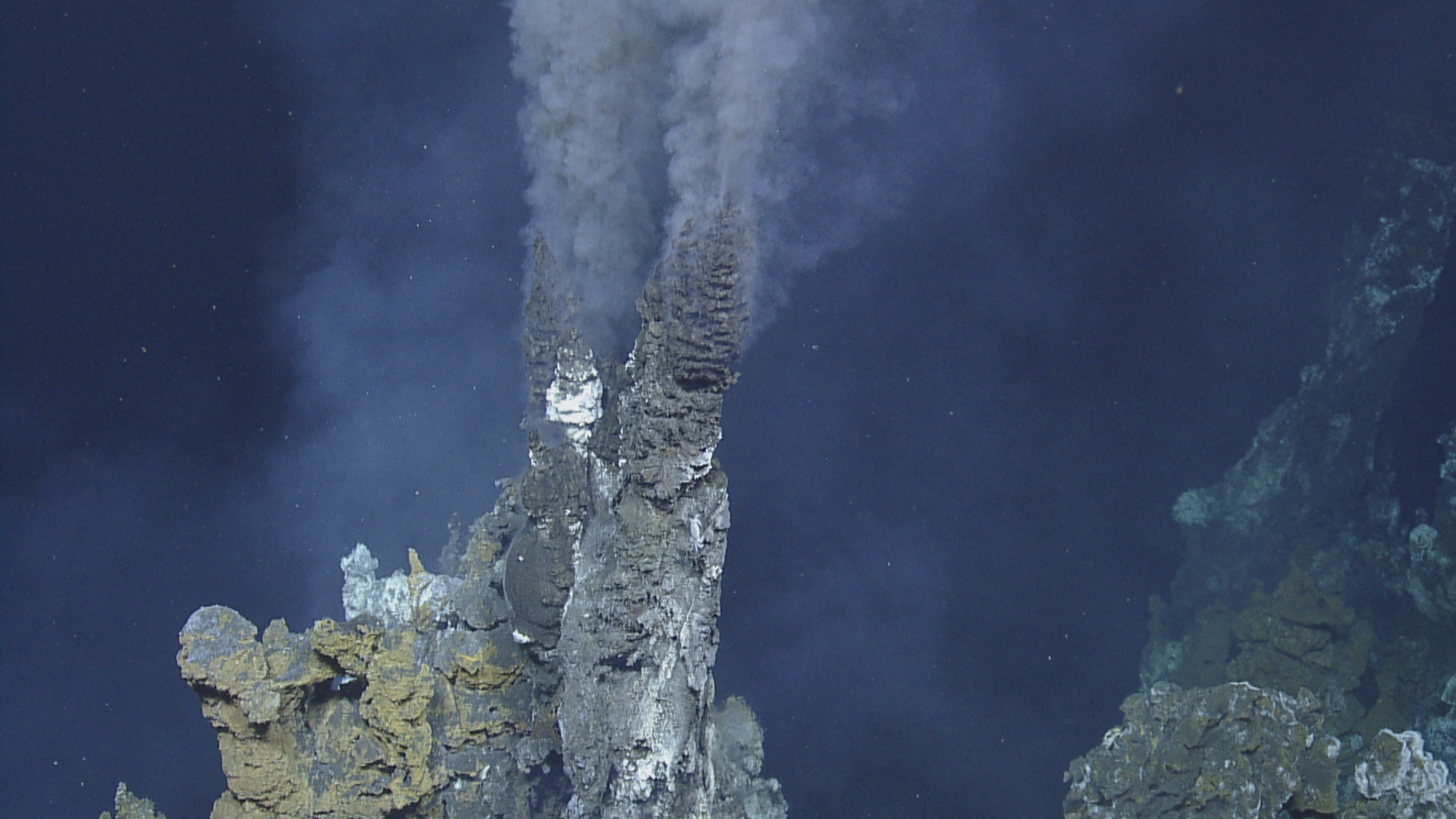
Related Galleries
View AllWe are happy to offer a streamlined request process when usage falls within the parameters outlined in the Creative Commons Attribution-Noncommercial-ShareAlike 4.0 International (CC BY-NC-SA 4.0) License. However, due to our legal status as a 501(c)(3) private operating foundation, no media produced by Schmidt Ocean Institute may be used in attempting to influence legislation or lobbying.
Attribution-NonCommercial-ShareAlike | CC BY-NC-SA
Under this Creative Commons License, you are free to:
Share — copy and redistribute the material in any medium or format
Adapt — remix, transform, and build upon the material
Under the following terms:
Attribution. You must give appropriate credit, provide a link to the license, and indicate if changes were made. You may do so in any reasonable manner, but not in any way that suggests the licensor endorses you or your use.
NonCommercial. You may not use the material for commercial purposes.
ShareAlike. If you remix, transform, or build upon the material, you must distribute your contributions under the same license as the original.
Not sure this license fits your use? Head over to our Image Requests page to learn more
Divestreams
View all Divestreams
Weekly Videos
View all Weekly Videos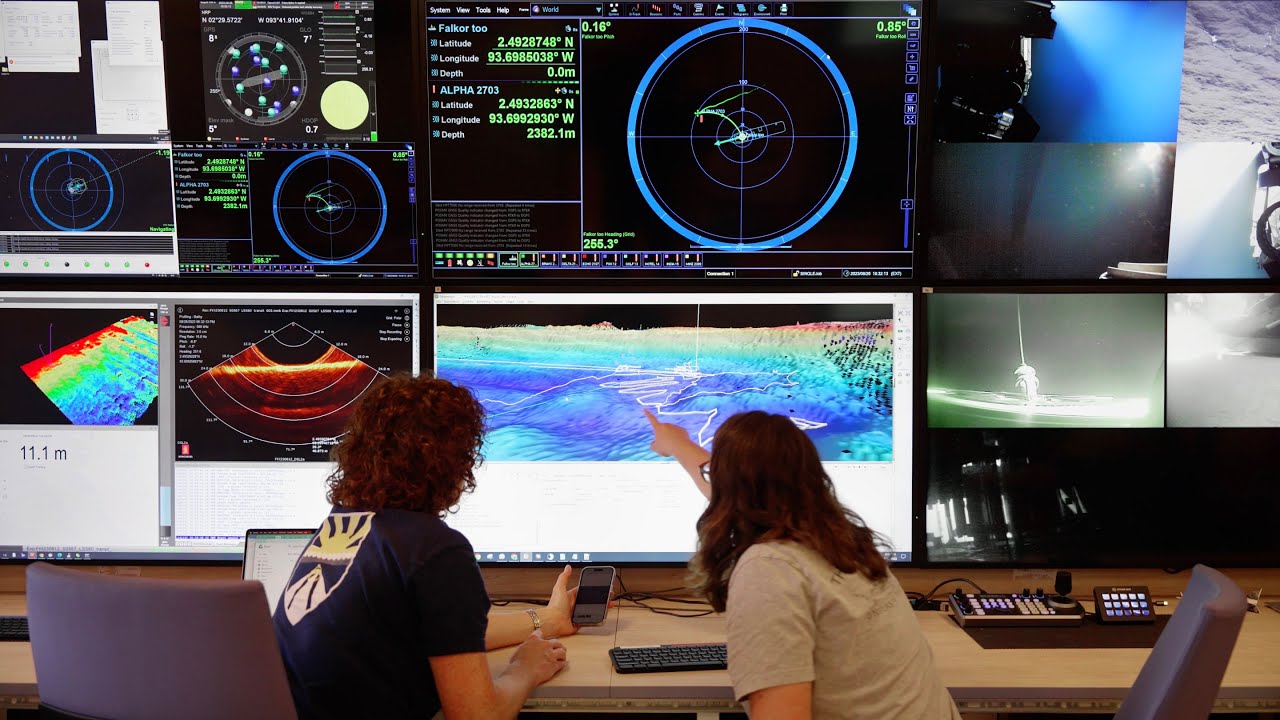
Discover More
Expedition Data
Title  | Type | Repository |
|---|---|---|
| Vessel Underway Data | Oceanographic Property Data | Rolling Deck to Repository (R2R) |
| ADCP Data | Oceanographic Property Data | University of Hawaii SOEST |
Processed Multibeam from Falkor (too) | Sonar Data | Marine Geoscience Data System (MGDS) |
| ROV SuBastian Sensor Data | Oceanographic Property Data | Marine Geoscience Data System (MGDS) |
| ROV Image Data | Captured Image/Video | Marine Geoscience Data System (MGDS) |
| ROV Event Log Data | Other | Marine Geoscience Data System (MGDS) |
Publications from This Expedition
Preliminary Expedition Report: Hydrothermal Vents of the Western Galapagos
[This Article was published OPEN ACCESS]