


Dive In
About the Expedition
The Gulf of California is a young ocean undergoing changes including active seafloor spreading, early rifting, and large-scale hydrothermal activity. The rare combination of geological dynamics present in the Gulf of California makes it an ideal place to advance our understanding of deep ocean hydrothermal ecosystems. The basin offers a natural laboratory for investigating changes in microbial communities and dynamics over meter-scale temperature gradients in hydrothermal habitats and between hydrothermal vents and cold seeps along a larger south to north gradient in thermal regime and sedimentation.
- Dive Markers
- Trackline
The Mission
Dr. Samantha Joye and her multi-national team will compare the biology, geology, chemistry, and microbiology of sites along the southern to the northern Gulf. The northern area is largely unexplored and the geological characteristics, microbiology, and seafloor fauna are unknown, making a portion of the expedition exploratory in nature. We will explore known and new sites in the Guaymas and Pescadero Basins, building on previous work and diving on new sites. The team aims to identify and quantify habitat-specific microbial populations and assess how those microorganisms interact with the geologic structures and megafauna of vents, seeps, and hydrates. The scientists will visit eight areas in the Gulf, seeking to reveal previously unknown areas with shipboard mapping that is followed by collection of sediment, fluid, and microbiology samples collected with ROV SuBastian. In-situ tools including the ABISS autonomous lander and jumbo osmotic fluid samplers will be used to obtain geochemical data under in situ conditions. Together, these data will help us unravel the microbial mysteries of the Gulf of California.
The science team aims to identify and quantify habitat-specific microbial populations and assess how those microorganisms interact with the geologic structures and megafauna of vents and seeps. During the expedition, the team will try a few new things to characterize microbial populations. Genetic sequencing will begin on board the Falkor using an Oxford Nanopore MinION sequencing system. The MinION system allows for genetic sampling using a device the size of a thumb drive. With minimal prep, this amazing sequencer will provide a real-time assessment of microbial-omics data. In addition to -omics data, the science team will assess rates of microbial activity using sensitive isotopic tracer techniques and shipboard incubations, and carry out comprehensive geochemical characterization of each habitat.
Back on land, state-of-the-art sequencing tools will yield additional data of metagenomes (DNA), transcriptomes (RNA), and metabolomes (organic carbon metabolites) of the different habitats. These “-omic” methods will provide thorough and robust characterization of microbial activities, and may reveal new microorganisms, new metabolisms, and new microbe-macrofaunal interactions.
Beyond Microbes
The scientists will visit eight sites in the Gulf, looking for hydrothermal plumes above active vents. These plumes will be sampled using the CTD with transect mapping used to better characterize the vent signatures. ROV SuBastian will be deployed to collect sediment, fluid, microbial mats, and benthic fauna samples. Finally, using the ABISS Lander, a novel biogeochemical seafloor observatory, developed in part by the Girguis lab at Harvard, will be used for in-situ sampling.
Special ROV-mounted Jumbo Rapid OSMO samplers, designed by Dr. Joye and colleague Laura Lapham at Maryland, will allow researchers to recover fluids from the deep ocean to determine in situ concentrations of dissolved constituents. The team will also use microscopy to visualize collected microbes and animals.
This expedition will not only advance our understanding of seafloor spreading dynamics, but inform responsible use and protection of valuable marine resources from these rare and underexplored regions.
Team and Collaborators






Explore
Updates from the Ship
All Ship Updates
- 01
Microbial Mysteries Wrap Up Video Update
4 April 2019
Read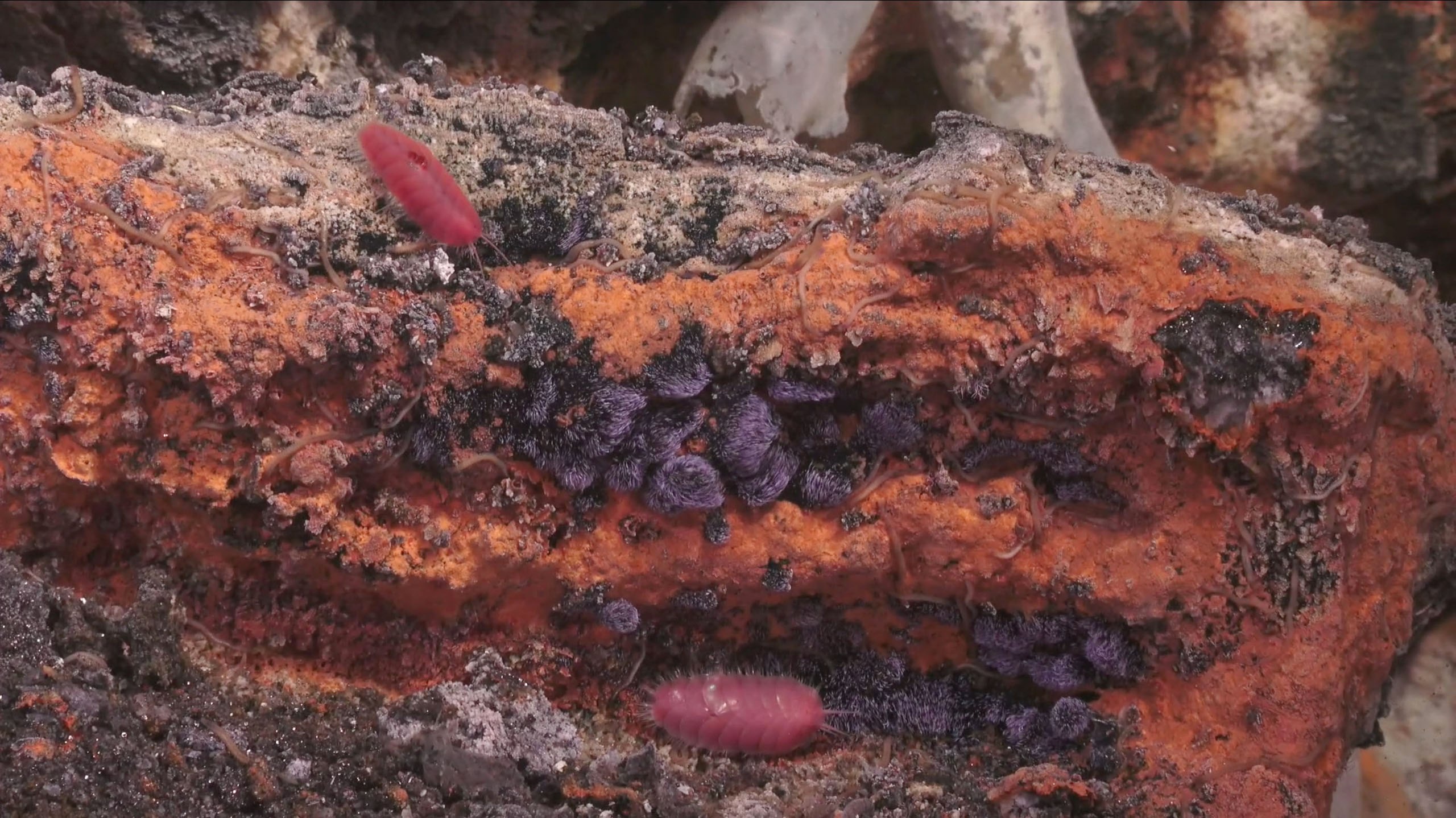
- 02
Deep Ocean Viruses - Video Update
30 March 2019
Read
- 03
The End and the Beginning
29 March 2019
Read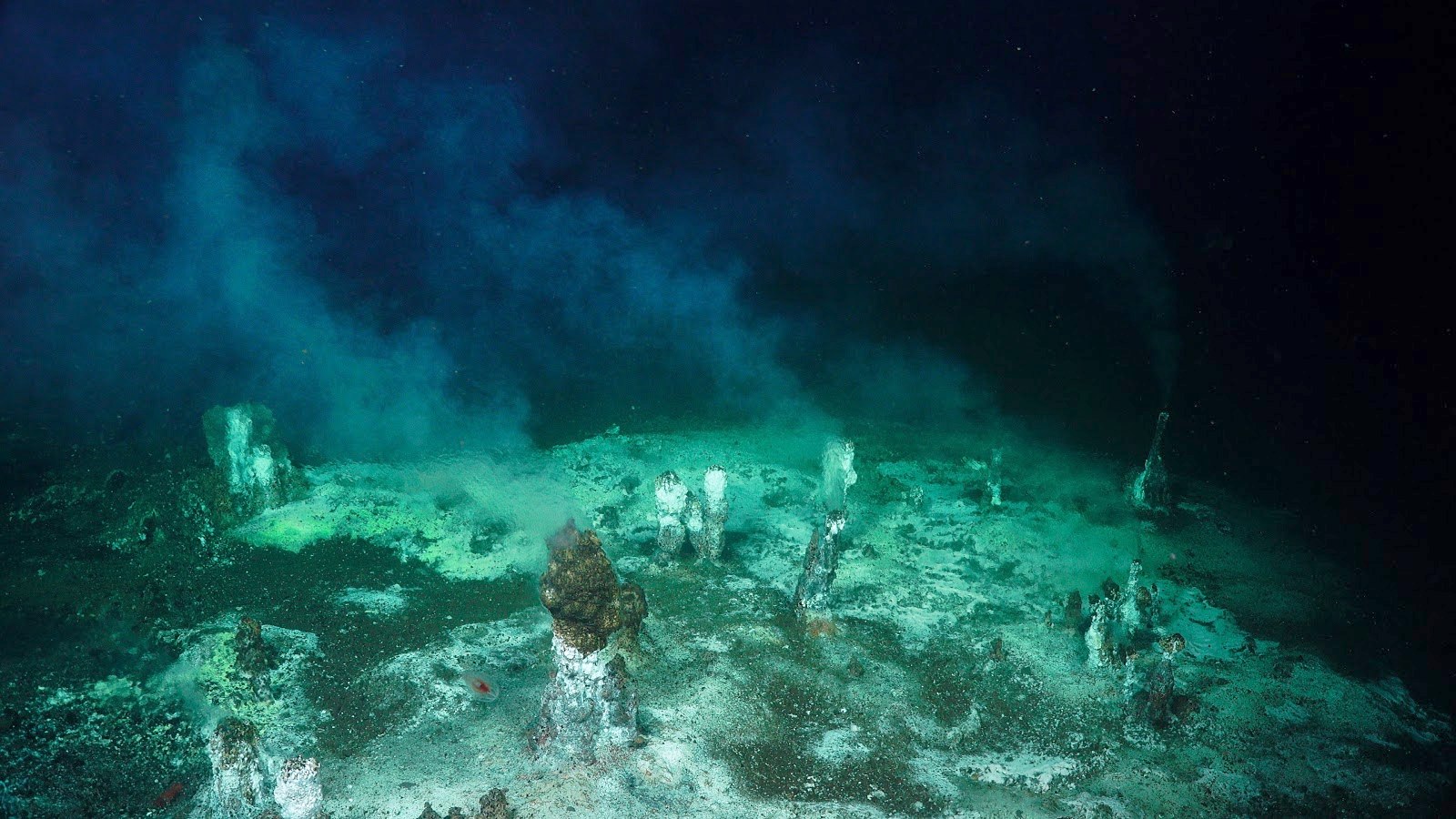
- 04
4K ROV Highlights - Video Update
27 March 2019
Read
- 05
Animation Versus Oil Paint
16 March 2019
Read
- 06
Landers and In Situ Sensors - Video Update
15 March 2019
Read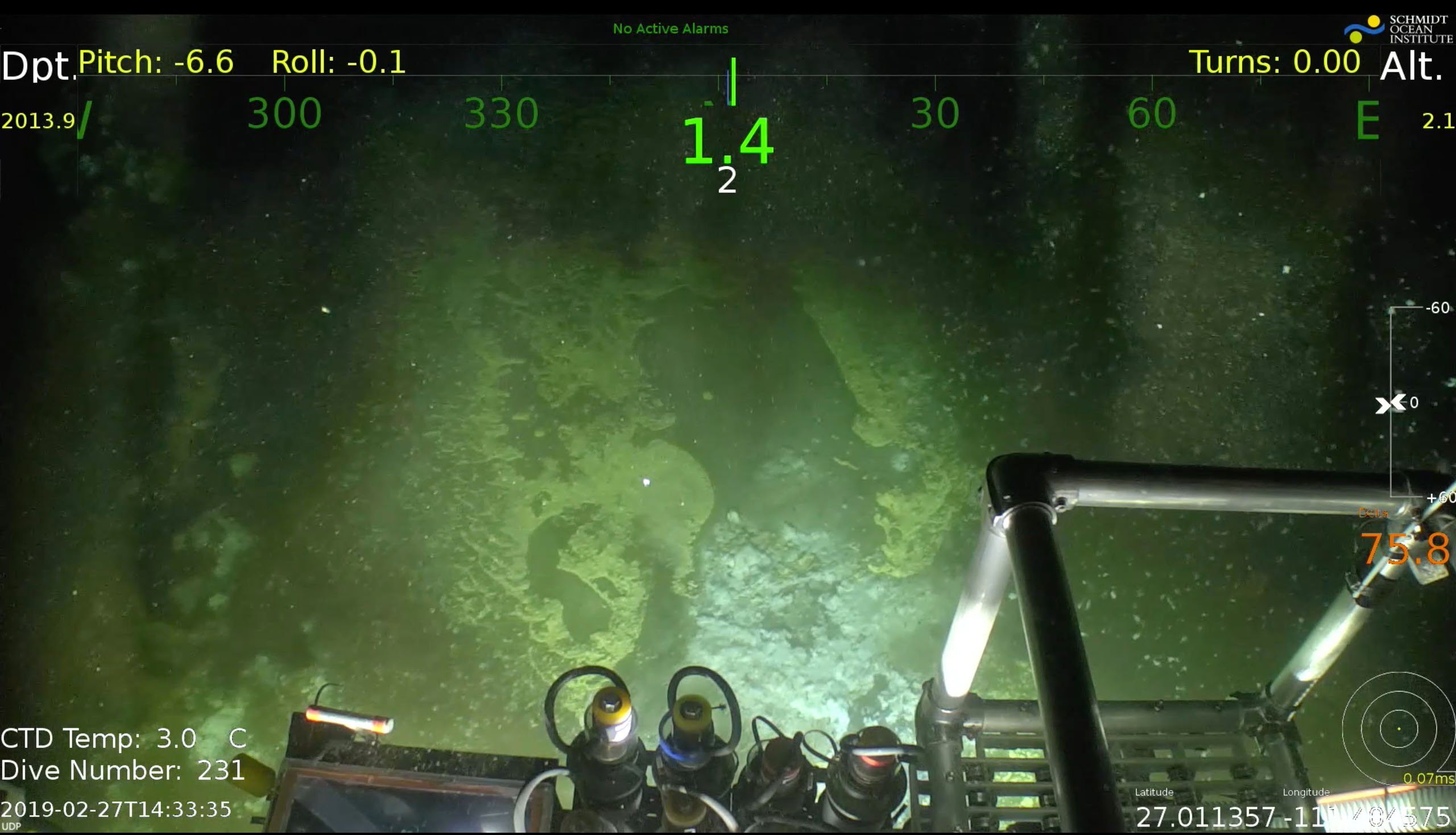
- 07
Tubeworms - Microbial Mysteries Video Update
14 March 2019
Read
- 08
Diving Deeper
12 March 2019
Read
- 09
Crashing a Microbial and Viral Party in the Deep Sea
12 March 2019
Read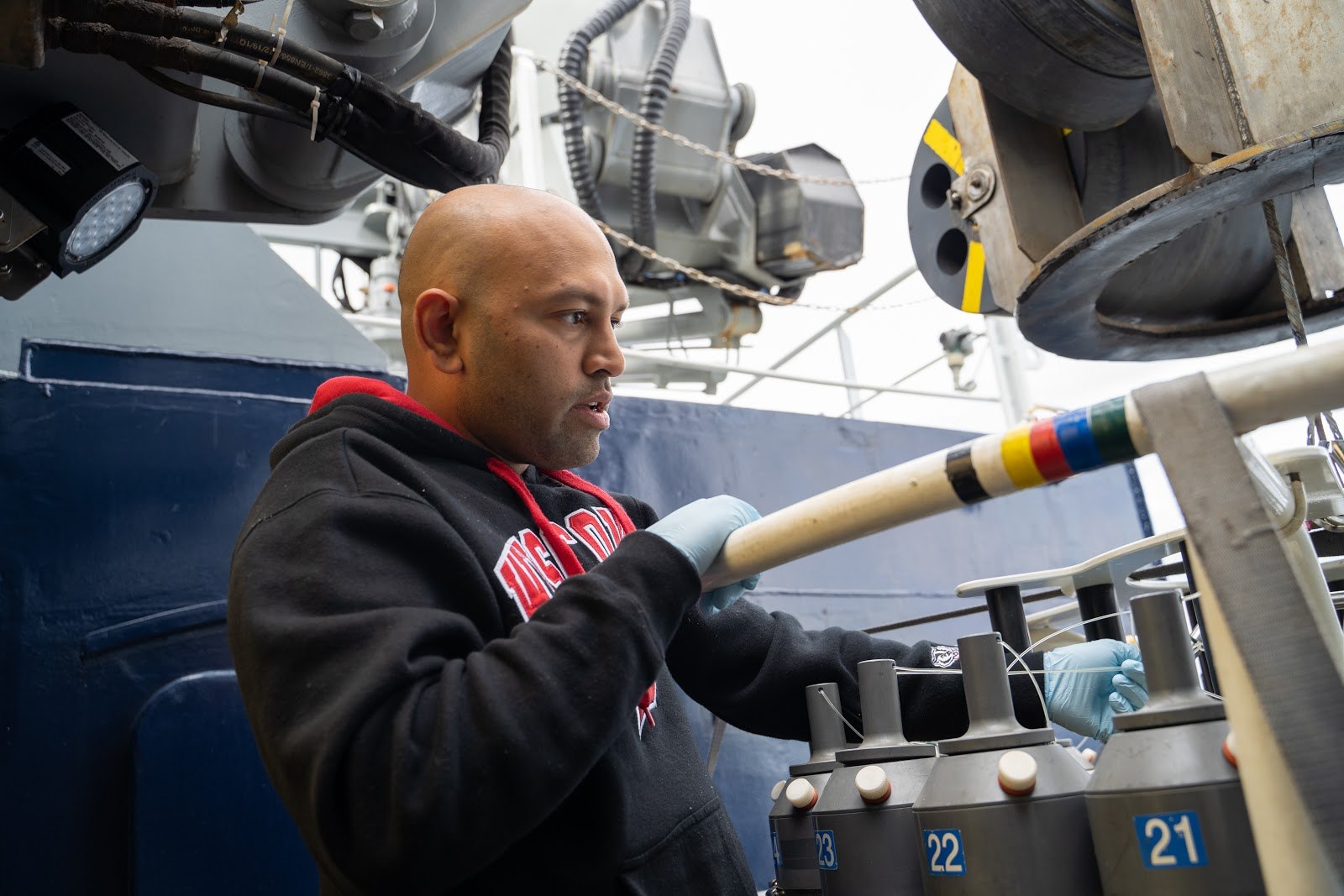
- 10
What You Can Sea
8 March 2019
Read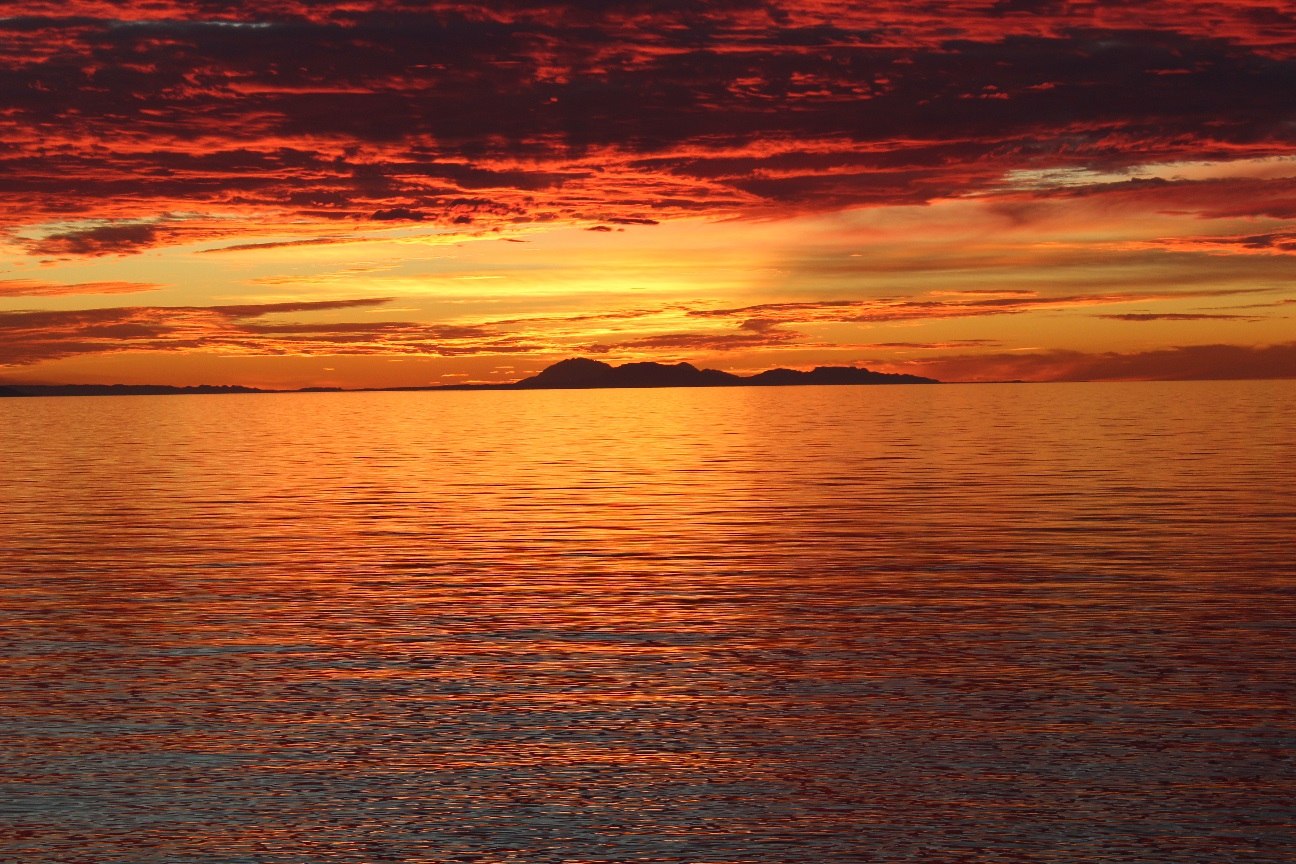
- 11
Mapping the Early Formation of the Oceans
7 March 2019
Read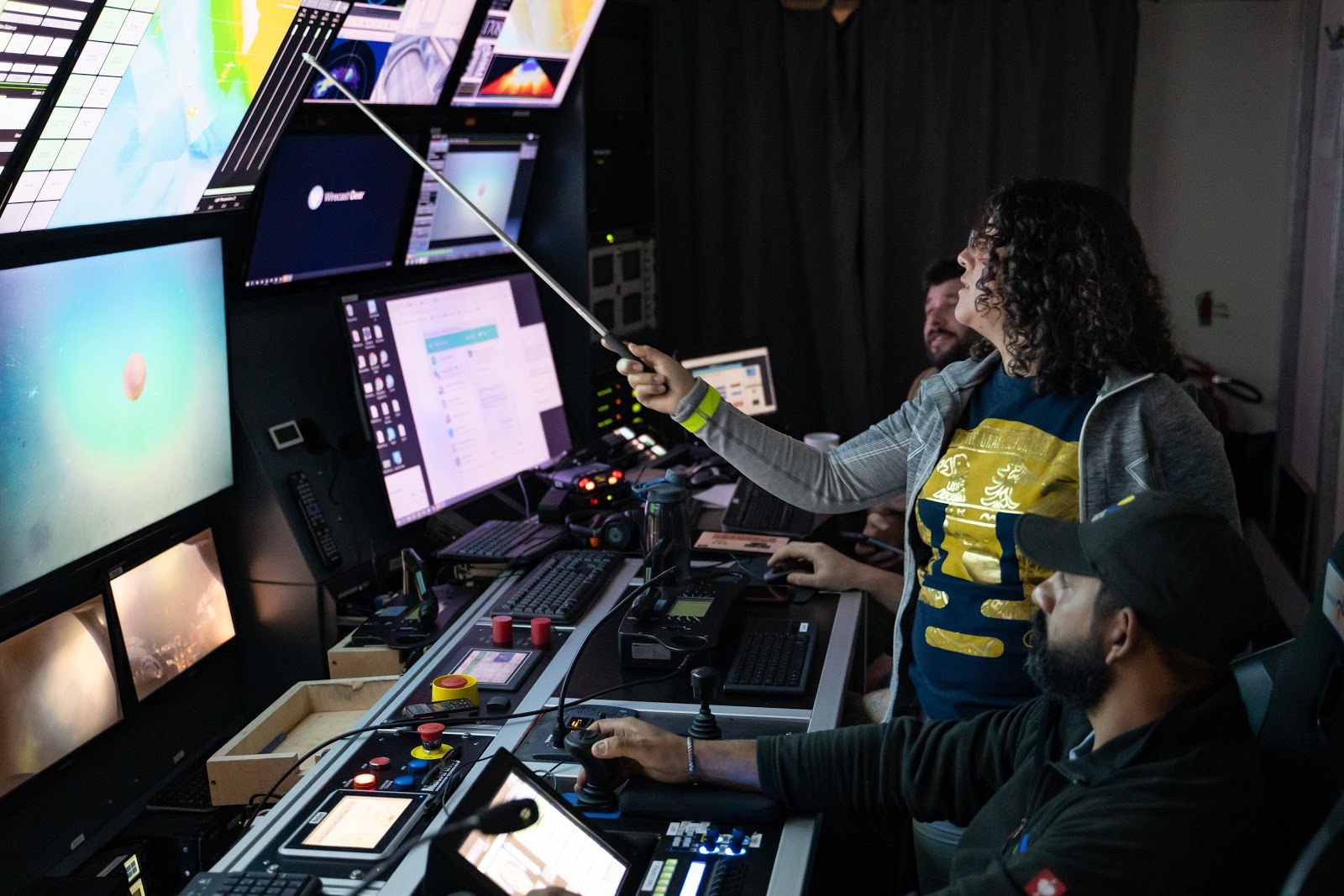
- 12
Big Pagoda Pools - Microbial Mysteries Video Update
7 March 2019
Read
- 13
The Discovery of Riftia
3 March 2019
Read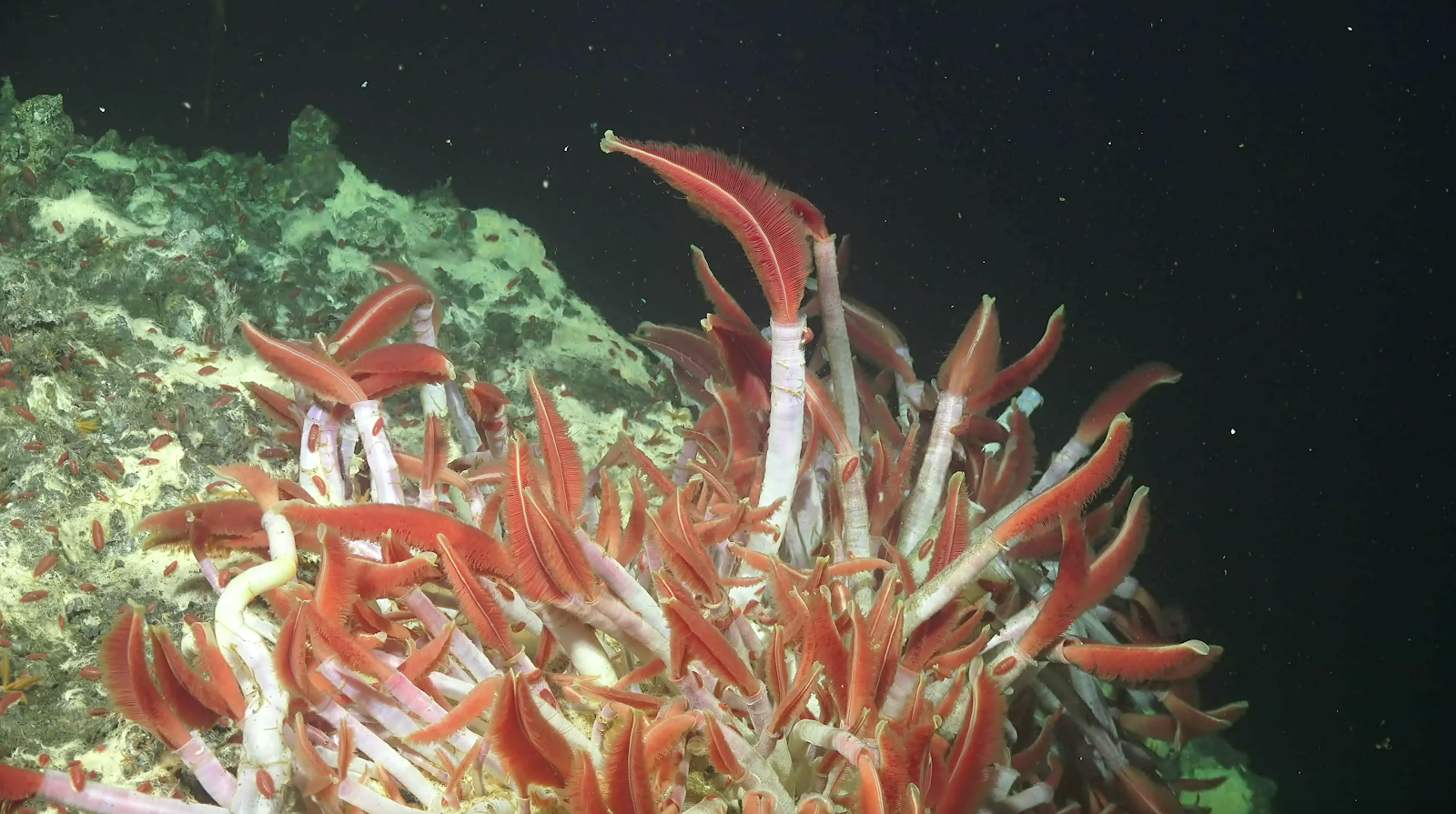
- 14
Microbial Mysteries - Week 01 Video Update
28 February 2019
Read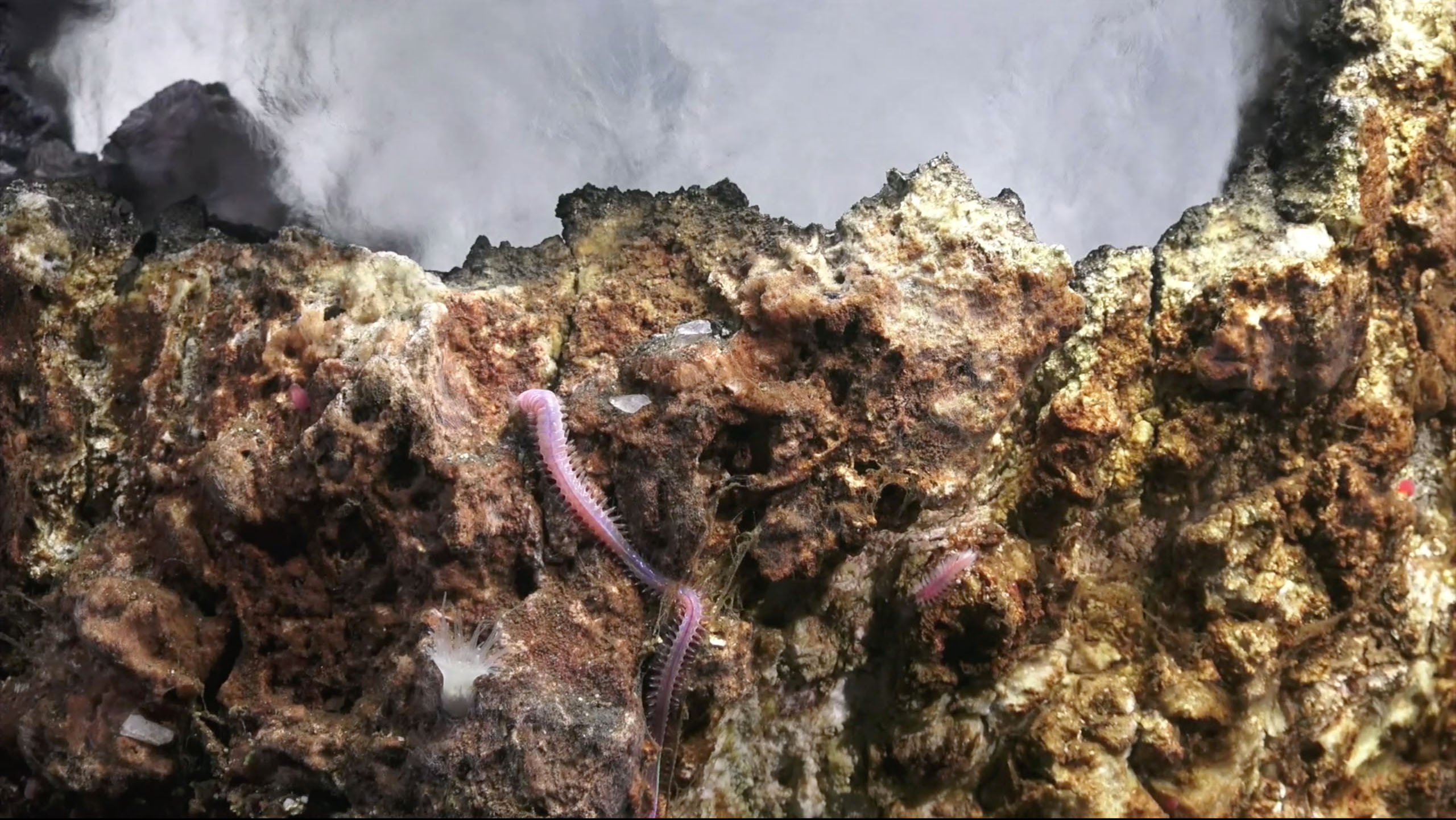
- 15
Using Radium Isotopes to Study Hydrothermal Flow Dynamics in the Gulf of California
27 February 2019
Read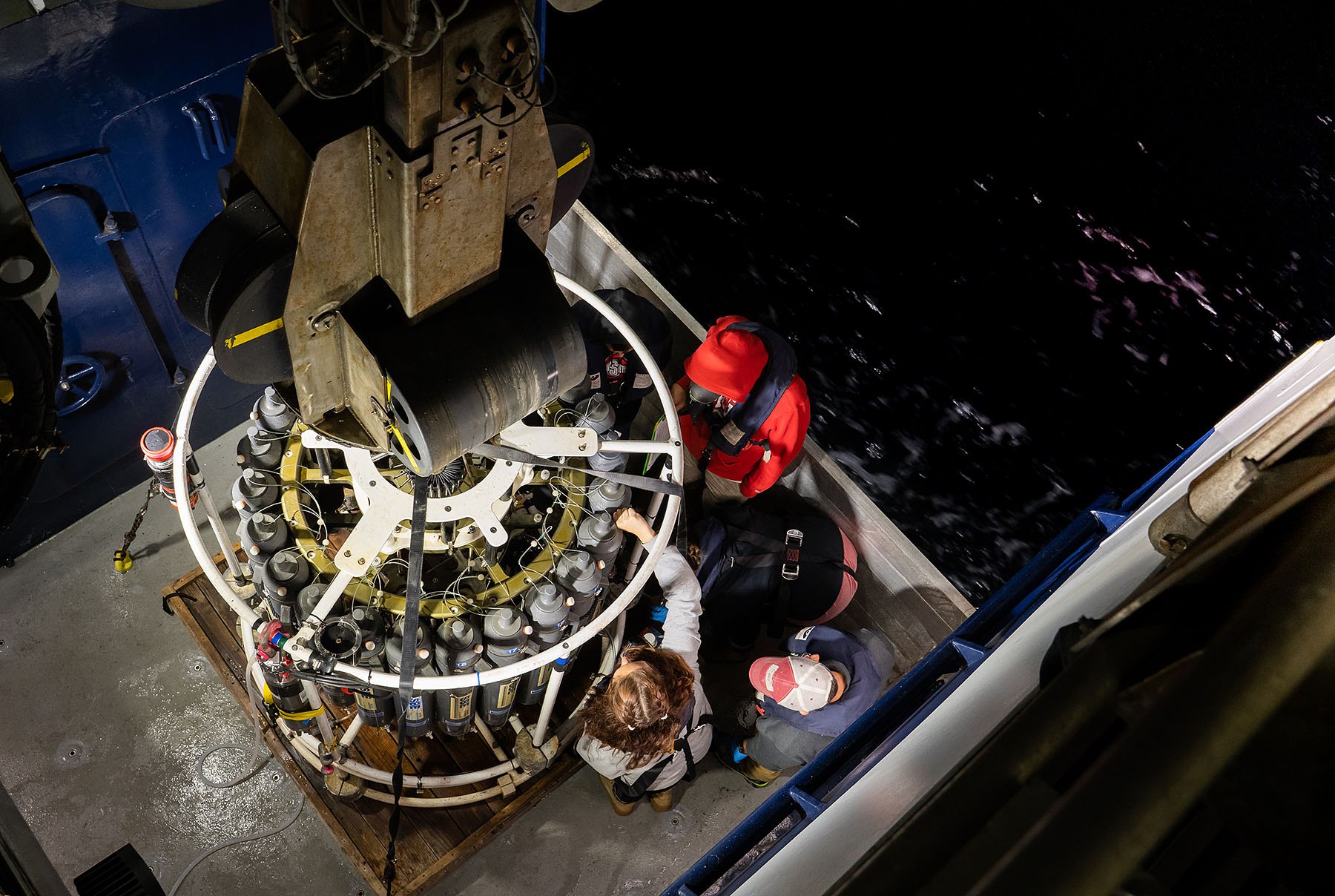
- 16
Underway
25 September 2013
Read
Divestreams
View all Divestreams

Weekly Videos
View all Weekly VideosDiscover More
Expedition Data
Title  | Type | Repository |
|---|---|---|
| Water Column and Sediment Geochemical Data | Sediment Samples | Biological and Chemical Oceanography Data Management Office (BCO-DMO) |
| In situ geochemical analysis of fluid chemistry and flux from sediments and vents | Sediment Samples | Biological and Chemical Oceanography Data Management Office (BCO-DMO) |
| Microbial activity measurements and sediment cores analyses | Water Samples | Biological and Chemical Oceanography Data Management Office (BCO-DMO) |
| Analysis of Microbial Activity In and Out of Plumes and Flares from Water Column Samples | Water Samples | Biological and Chemical Oceanography Data Management Office (BCO-DMO) |
| Microbial Community Structure in Plumes, Flares, Bottom waters, and Off-site | Biological Samples | Biological and Chemical Oceanography Data Management Office (BCO-DMO) |
| Vessel Underway Data | Oceanographic Property Data | Rolling Deck to Repository (R2R) |
| ADCP Data | Oceanographic Property Data | University of Hawaii SOEST |
| Data collected by ROV SuBastian including CTD, photography, navigation, and event logging | Sonar Data, Captured Image/Video, Oceanographic Property Data | Marine Geoscience Data System (MGDS) |
| Benthic Imagery Acquired with ROV SuBastian | Imaging sensors, hyperscpectral, optical data | Marine Geoscience Data System (MGDS) |
Publications from This Expedition
30 day Preliminary Cruise Report: Microbial Mysteries: Linking Microbial Communities and Environmental Drivers
De Oliveira, A., Mitchell, J., Girguis, P., Bright, M. (2021). Novel Insights on Obligate Symbiont Lifestyle and Adaptation to Chemosynthetic Environment as Revealed by the Giant Tubeworm Genome. Molecular Biology and Evolution, 6:msab347, doi: 10.1093/molbev/msab347.
[This Article was published OPEN ACCESS]Montgomery, A., Zhuang, G-C., Zhou, Z., Langwig, M., del Carmen Millán-Motolinía, M. Choi, H., Hunter, K., Mortera-Gutiérrez, C., Hyancinthe, C., Marinelli, Z., Anantharaman, K., Teske, A., and Joye, S. (2025). Elevated heterotrophic activity in Guaymas Basin hydrothermal plumes influences deep-sea carbon cycling. Nature Comms, 16 (4934), doi: 10.1038/s41467-025-59793-0.
[This Article was published OPEN ACCESS]