



Dive In
About the Expedition
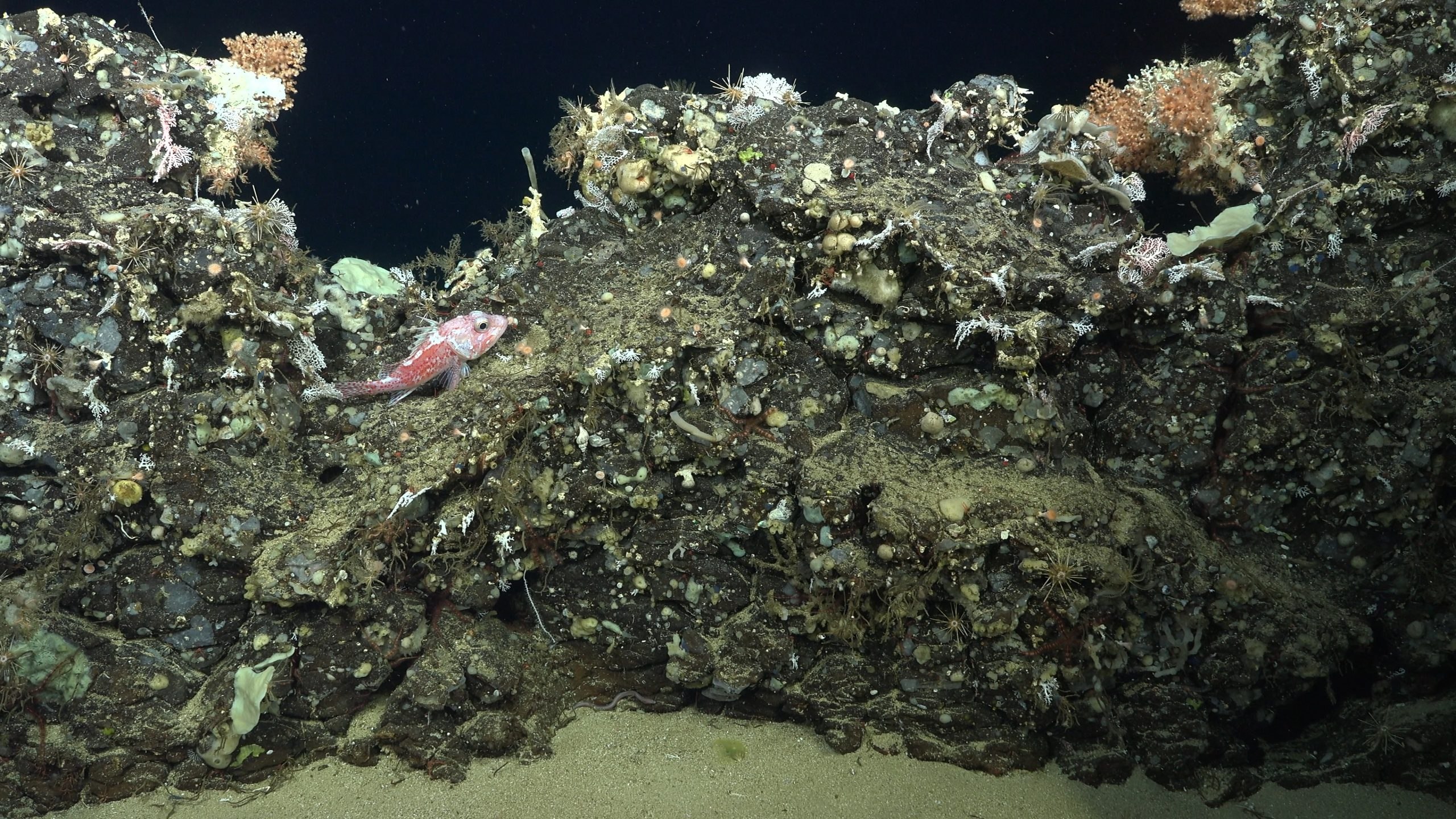
Underwater mountains, or seamounts, are remarkable features on the seafloor, playing an integral role in oceanic processes and connectivity. Rising up from the depths, seamounts create complex current patterns that influence what lives on and above them. They are an oasis for deep-sea communities, providing food, shelter, and a solid surface to cling to.
The Salas y Gómez, Nazca, and Juan Fernandez ridges are underwater mountain ranges, created by volcanic activity, that stretch over 2,900 square kilometers and run perpendicular to South America. The region is further isolated by the Atacama Trench, the Humbolt Current system, and a large oxygen minimum zone or OMZ. These strong influences make the ridges biodiversity hotspots with some of the highest marine endemism globally — nearly half of the species living here exist nowhere else on Earth.
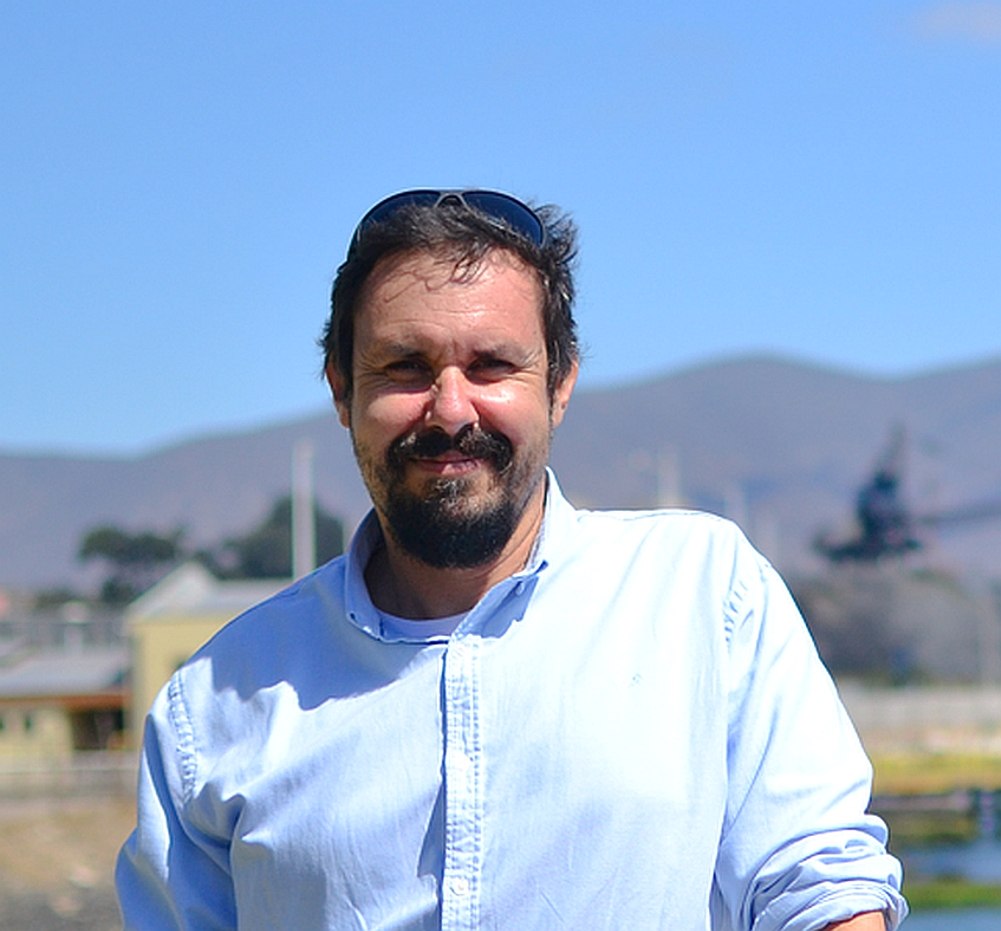
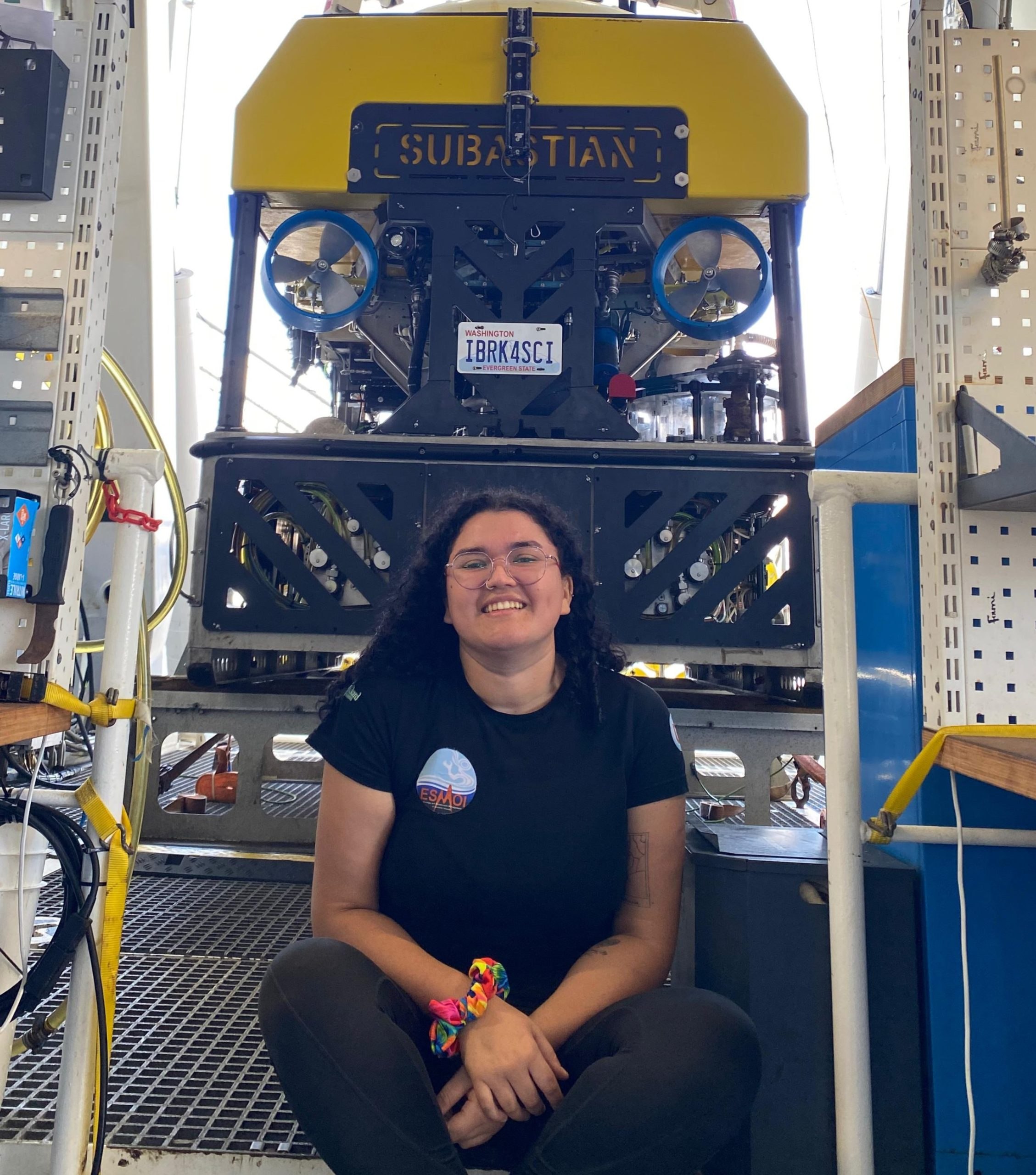
Led by Drs. Javier Sellanes and Erin Easton, this international team will focus on understudied southeast Pacific seamounts, where only a few summits have been studied previously. Using R/V Falkor (too)’s multibeam, CTD, sensors, ROV SuBastian, and a baited camera attached to a lander, the team will study the deep slopes of seamounts on the eastern side of the ridges. Many of the dives will take place in the world's third largest fully protected marine area, the Nazca-Desventuradas Marine Park, a park roughly the size of Italy. They will also visit the Juan Fernández Multiple-uses Marine Protected Area. ROV dives will help scientists create a complete picture of seamount biodiversity from the bottom of the mountain to the top. All of the data collected will contribute to Chile’s effort to establish a high-seas marine protected area along the Nazca and Salas y Gómez ridges.
- Dive Markers
- Trackline
The Mission
Exploring biogeographic boundaries
Physical and biological forces interact, creating distinct biogeographic regions that influence what can live there and how much life an area can support. Scientists have observed and studied a biogeographic boundary impacting what organisms, or fauna, live between the Indo-West Pacific and the East Pacific. A key objective of this expedition is to determine if such a boundary is also present at greater depths and if the deep-sea organisms on the lower slope are related to intensively studied ecosystems elsewhere in the Pacific.
Using the R/V Falkor (too)’s multibeam sonar and subbottom profiler, researchers will create detailed maps of the terrain in order to identify the best locations for ROV dives and sampling. The science team intends to focus on previously unstudied biodiversity — deep-sea corals, sponges, and associated invertebrates, and fishes — along the deep slopes of the seamounts and compare them to known communities between the Indo-West and East Pacific. The team will conduct non-destructive surveys on 10 seamounts of Salas y Gómez, Nazca, and Juan Fernández Ridges, representing complex topographic features with potentially sensitive organisms on the seafloor.
Understanding impact
With less than 1% of the Earth’s seamounts thoroughly mapped and sampled, this research will help scientists better understand how human and oceanic forces are influencing life at some of the least studied seamounts in the Southeast Pacific. Communities living on seamounts usually include long-lived, slow-growing, slow-to-reproduce, and fragile habitat-forming invertebrates. This makes seamounts particularly sensitive and vulnerable to human disturbance and exploitation.
In 2016, Chile banned bottom trawling on seamounts — one of the most destructive fishing methods — because it involves dragging a net along the seafloor or seamount slope to capture fish or crustaceans. The process destroys entire seafloor habitats. Exploring Chile’s seamounts will help scientists examine ecosystem recovery following the ban.
Furthermore, a global alliance of partners whose objective is to protect coral reefs in areas beyond national jurisdiction, the Coral Reefs of the High Seas Coalition or CRHSC, has been working since 2019 to synthesize scientific information and propose conservation measures to protect the Salas y Gómez and Nazca ridges. This work led to the publication of a large number of scientific papers and educational materials over the last four years.
In April 2021, Chile launched an effort to create a high seas marine protected area, known as an MPA, in the Salas y Gómez and Nazca ridges, as a priority measure to address the climate crisis; this was the first political action carried out by a government to protect this area. After the announcement, the proposal was presented to the scientific committee of the South Pacific Regional Fisheries Management Organization in September and in June 2022 it was announced during the UN Ocean Conference in Lisbon. In November 2022, Chile and CRHSC co-hosted the workshop, Pathway to Protect Salas y Gómez and Nazca Ridges, and more recently, in February 2023, they hosted Pathway to Protect Critical High Seas Areas during the International Marine Protected Areas Congress in Vancouver.
The coordinated efforts of Chile and CRHSC include building international political support for the creation of the first High Seas large-scale marine protected area in the waters of the Salas y Gómez and Nazca ridges. The data collected during the expedition will help further clarify challenges and opportunities for future protection. A detailed understanding of biodiversity in and outside Chile’s marine protected areas will give scientists and officials tools for protecting and managing this vital resource, while supporting future marine management plans for the Southeast Pacific.
Team and Collaborators

Erin E. Easton
Chief Scientist
Javier Sellanes
Chief Scientist

Maria de los Angeles Gallardo
Marco Pérez
Maritza Castro
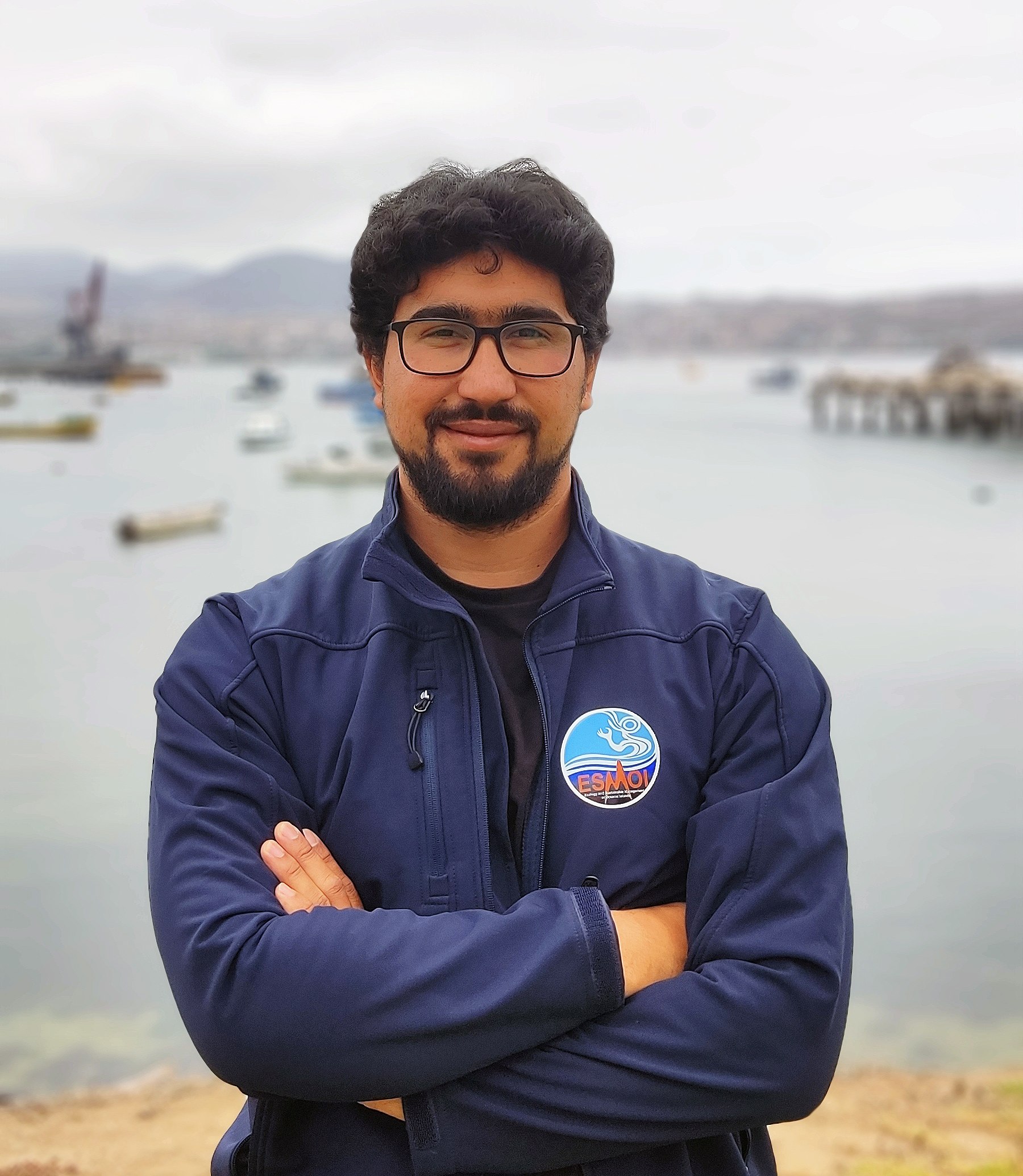
Nicolás Luna Bravo
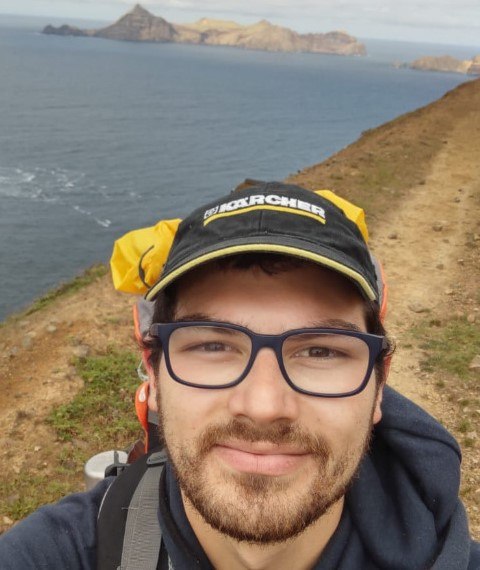
Pablo Fajardo
Berth of Opportunity

Manuel David Chamarro Recabarren
Artist-at-Sea

Francisca Oyanadel
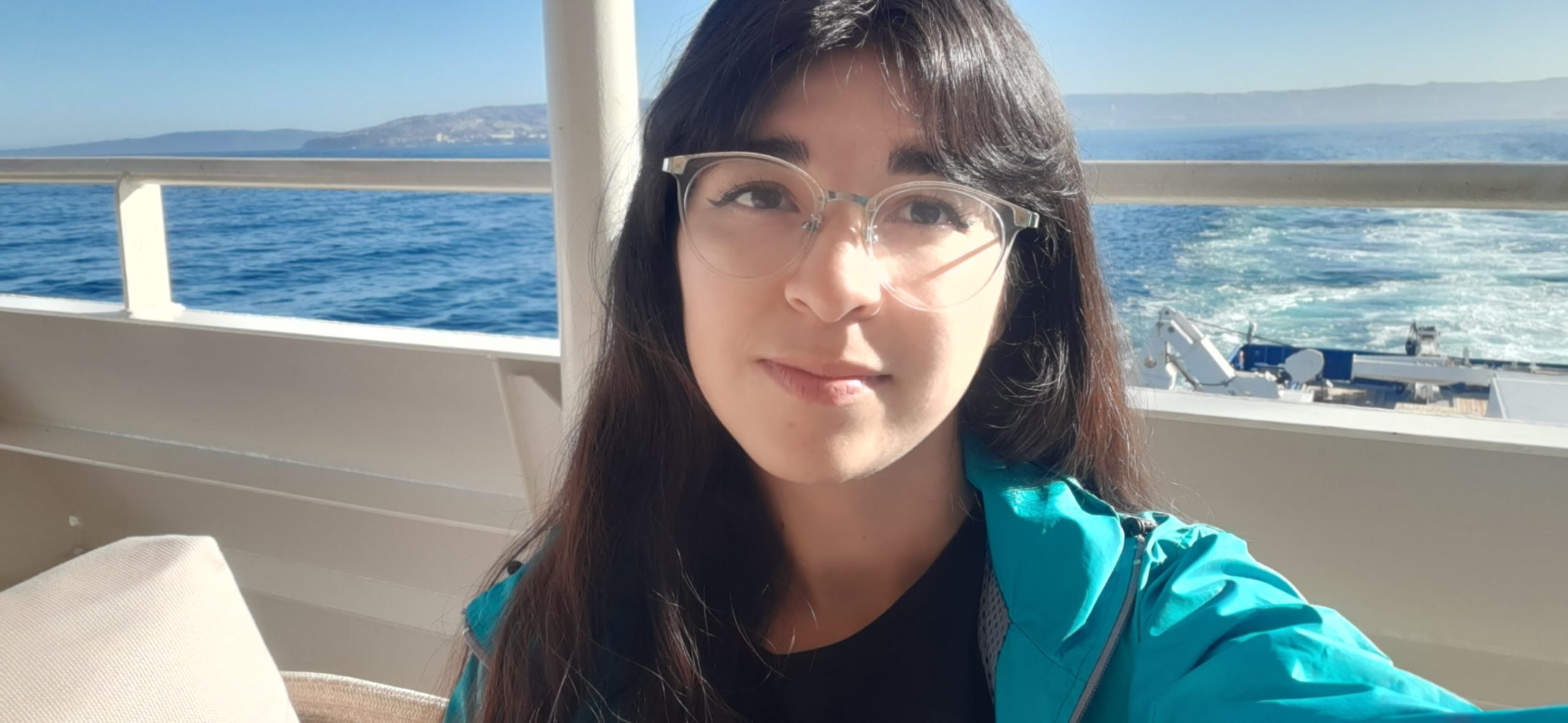
Macarena Pozo Rodríguez
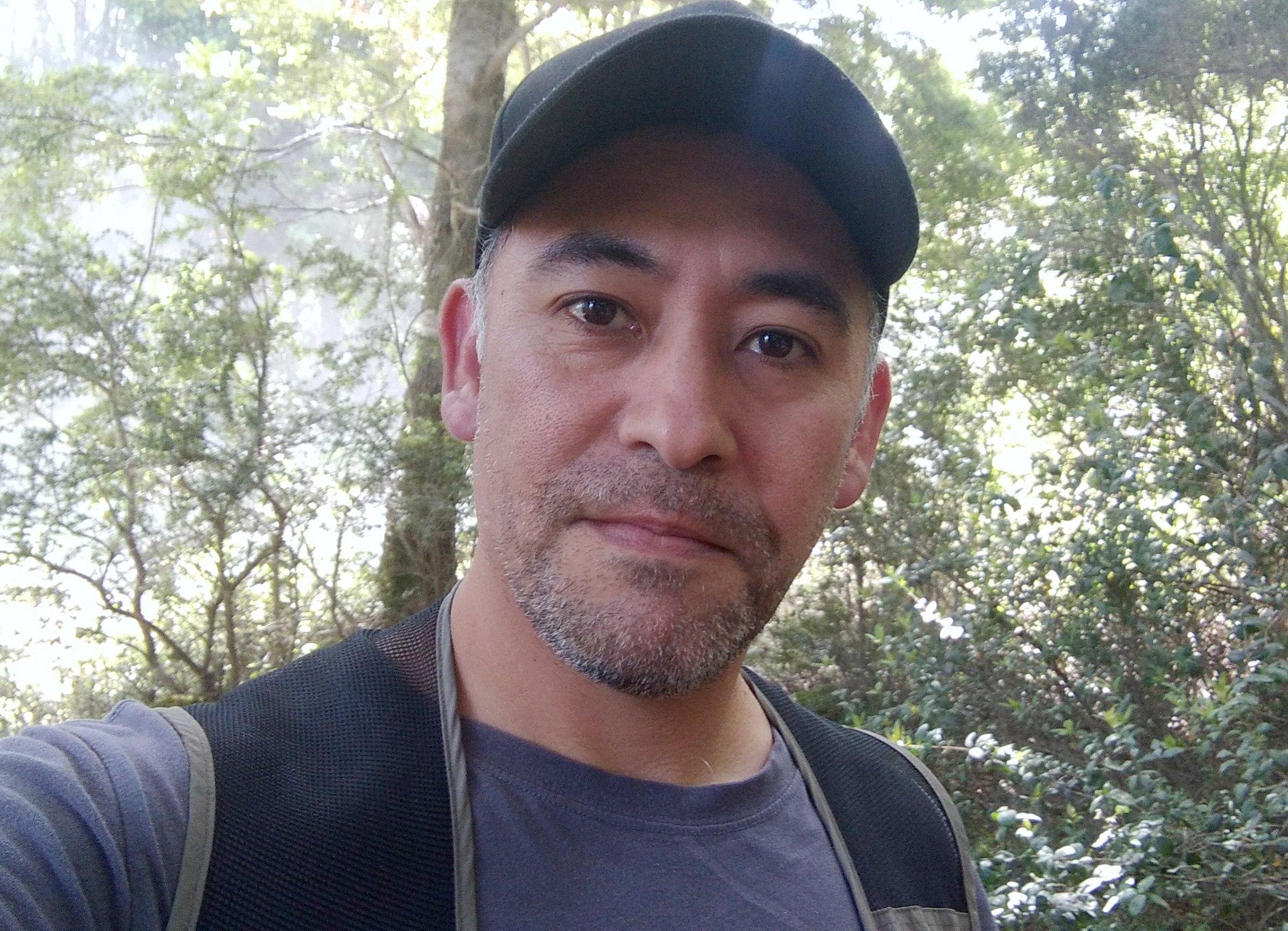
Jorge Pérez-Schultheiss
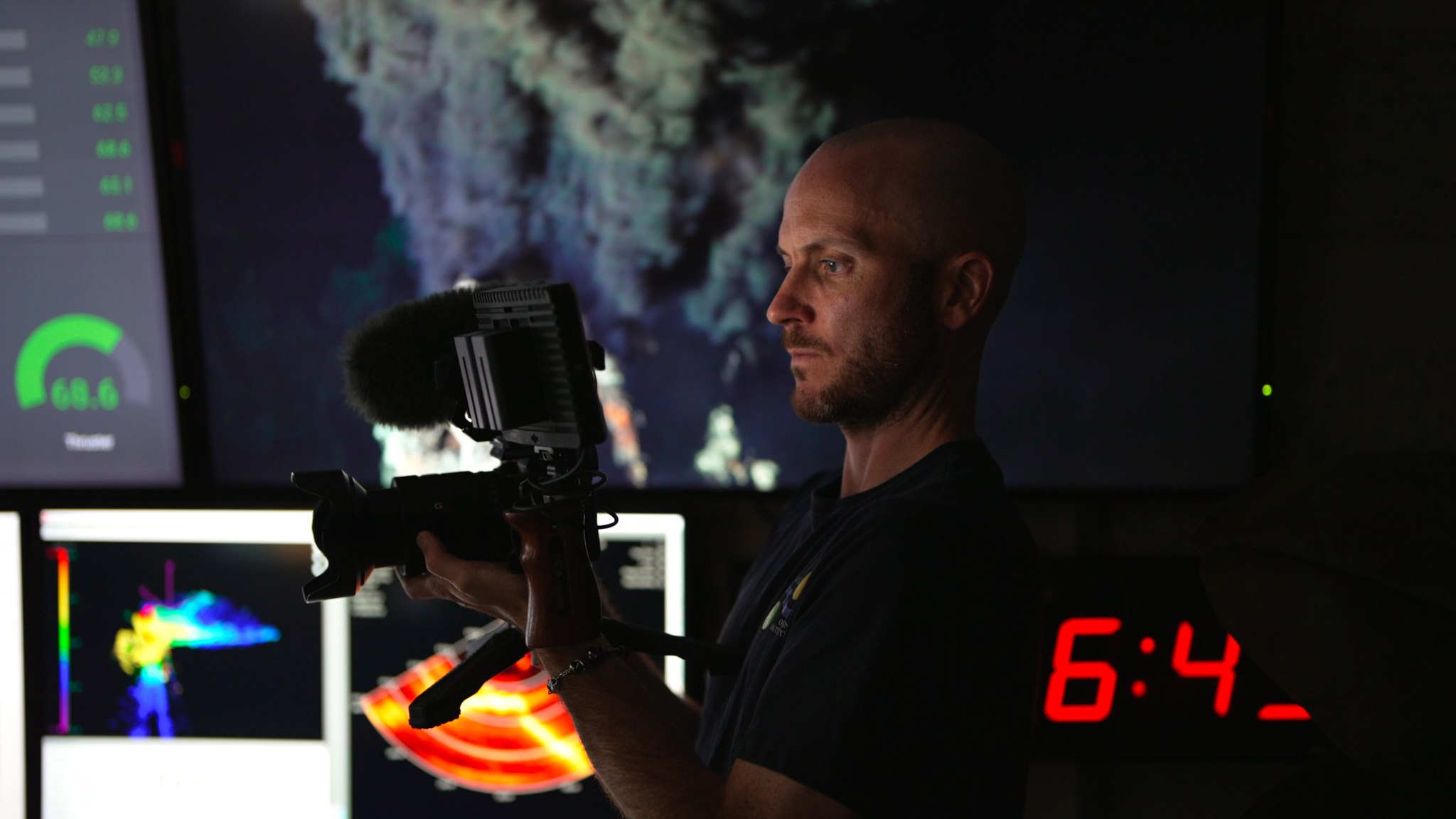
Alex Ingle
Multimedia Correspondent
Celso Domingos

Bernardita Mutschke Lara
Germán Zapata
Jan Maximiliano F. Tapia Guerra
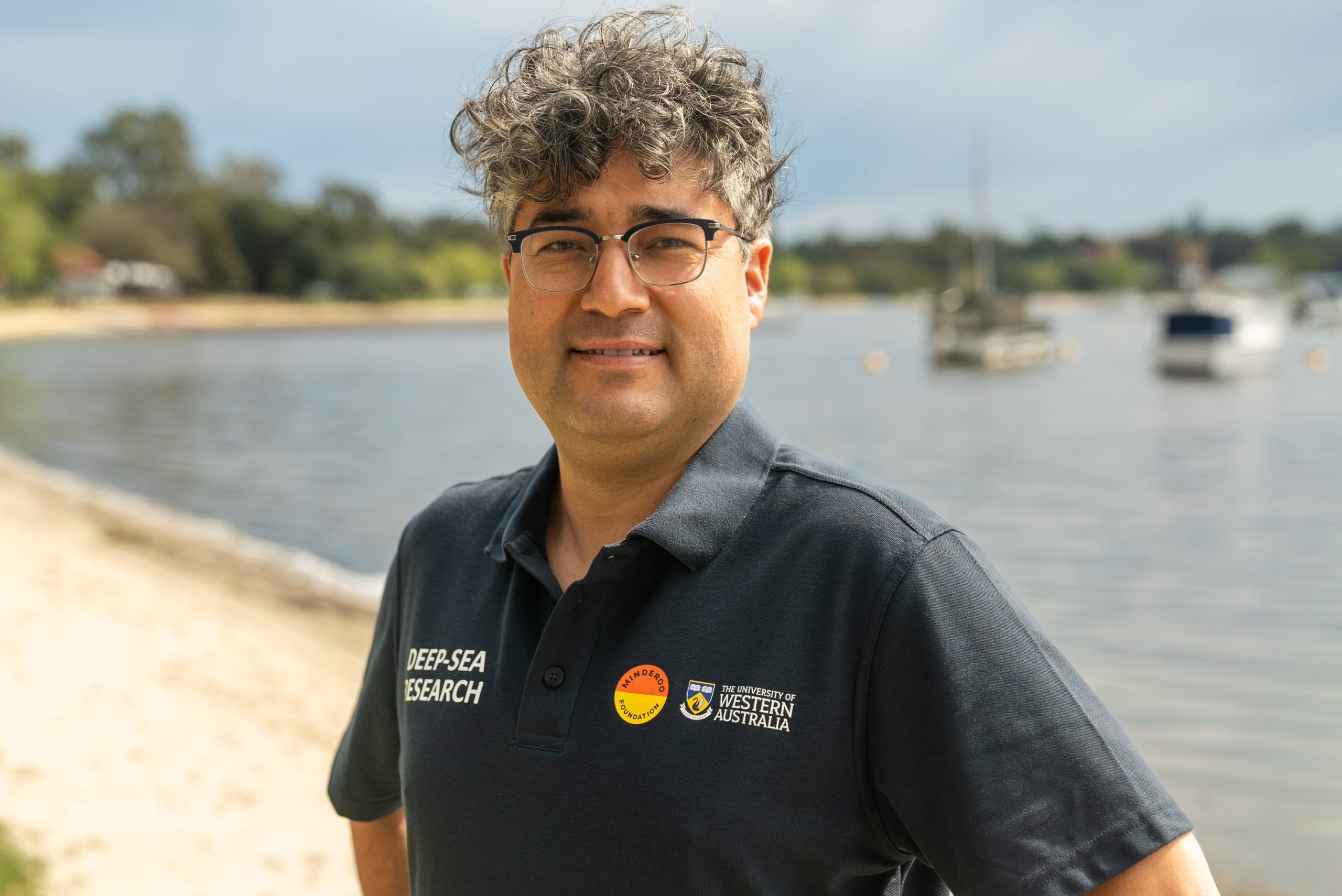
Yakup Niyazi

Elyssia Gonzalez
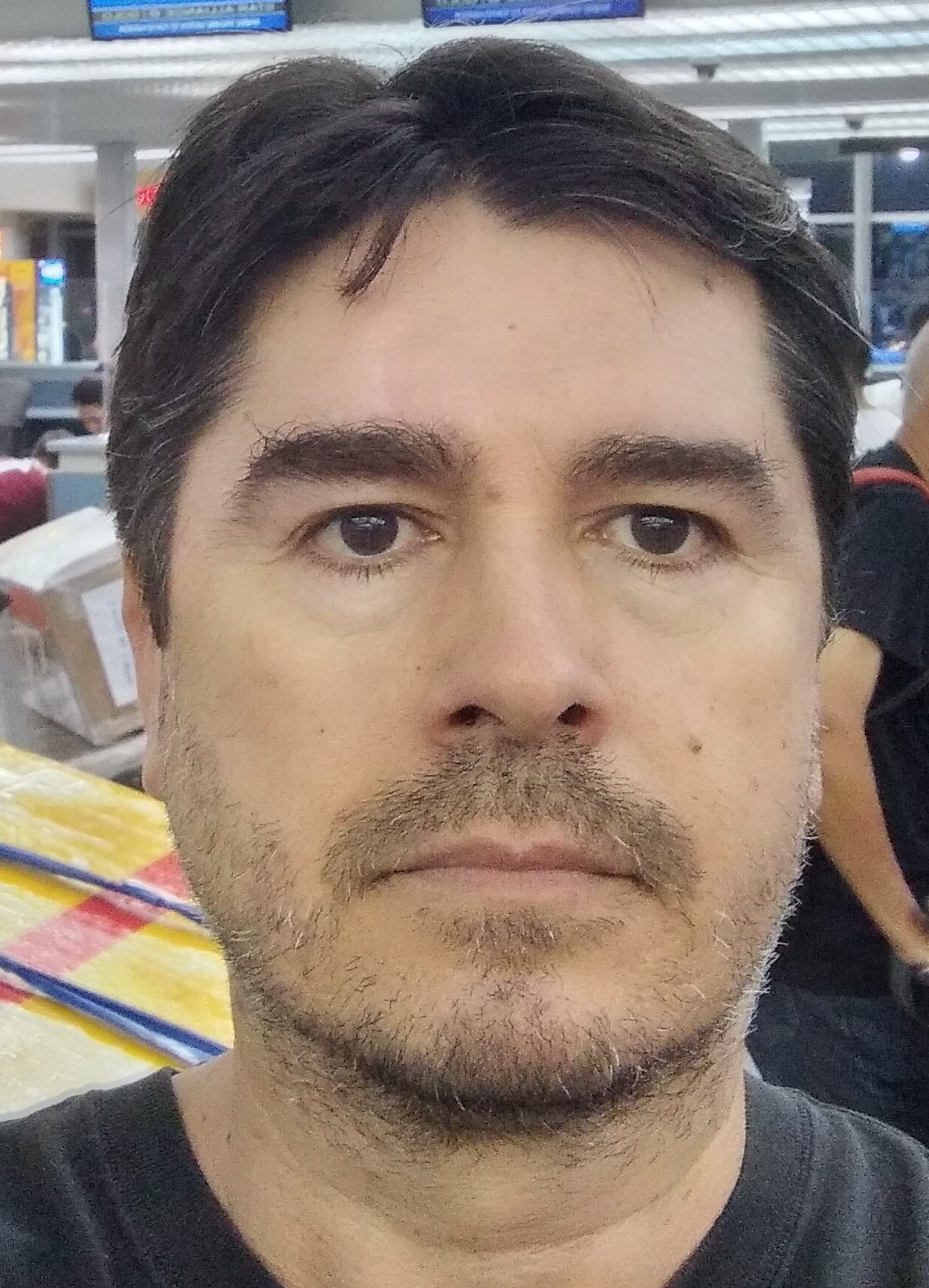
Eulogio Soto
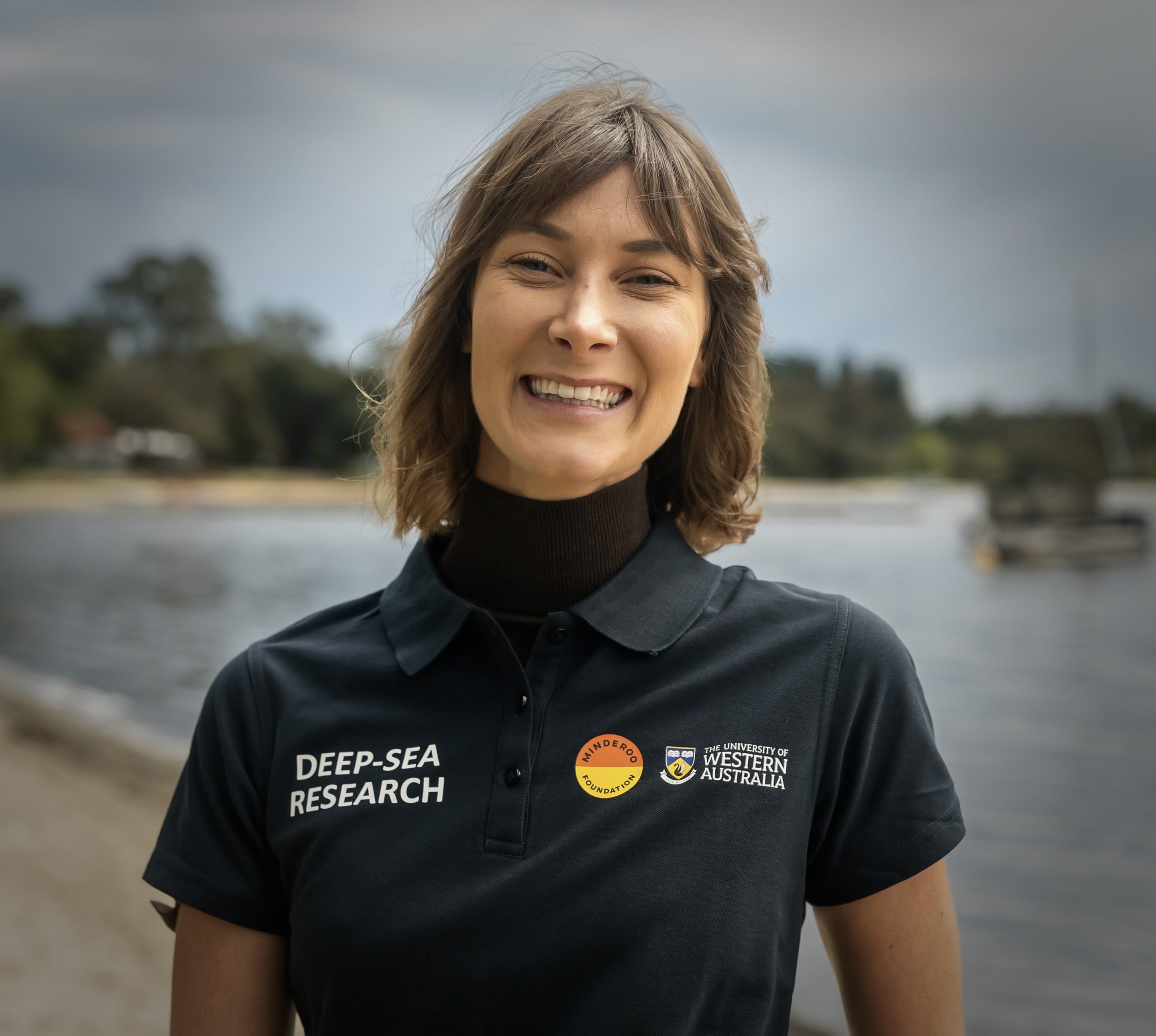
Paige Maroni



Explore
Updates from the Ship
All Ship Updates
Related Galleries
View AllDivestreams
View all Divestreams
Discover More
Expedition Data
Title  | Type | Repository |
|---|---|---|
| List of collected samples | Biological Samples | Zenodo |
| Vessel Underway data | Oceanographic Property Data | Rolling Deck to Repository (R2R) |
| ADCP data | Oceanographic Property Data | University of Hawaii SOEST |
| Stable isotope data | Water Samples | Zenodo, TBD |
| Provisional list of nematode species encountered | Species Description | Other |
| ROV SuBastian Sensor Data | Oceanographic Property Data | Marine Geoscience Data System (MGDS) |
| ROV Image Data | Captured Image/Video | Marine Geoscience Data System (MGDS) |
| ROV Event Log Data | Other | Marine Geoscience Data System (MGDS) |
Processed Multibeam from Falkor (too) | Sonar Data | Marine Geoscience Data System (MGDS) |
Publications from This Expedition
Fernández-Zúñiga, M., Vögler, R., de los Ángeles Gallardo, M., Tapia-Guerra, J., and Sellanes, J. (2025). Spatial ecology of two emblematic deep-sea crustaceans in the Salas y Gomez, Nazca and Juan Fernandez ridges Southeast Pacific, Scientific Reports (15), doi: 10.1038/s41598-025-98820-4.
[This Article was published OPEN ACCESS]Preliminary Expedition Report: Seamounts of the Southeast Pacific
[This Article was published OPEN ACCESS]Mandre, P., and Rouse, G. (2025). Molecular Phylogeny of the Deep-Sea Predatory Octacnemidae (Ascidiacea, Tunicata, Chordata), with Seven New Species. Diversity, 17(12), doi: 10.3390/d17120859.
[This Article was published OPEN ACCESS]Portflitt-Toro, M. (2025). Habitantes de las profundidades: Una exploración a los montes submarinos del Pacífico Sudeste. Zenodo, doi: 10.5281/zenodo.17289608.
[This Article was published OPEN ACCESS]Carrasco, S., Ibáñez, C., Varela, A., Tapia-Guerra, J., Easton, E. y Sellanes, J. (2026). Morphology, Phylogeny and Distribution of Scaeurgus (Cephalopoda: Octopoda) in Southeast Pacific Seamounts. Journal of Marine Science and Engineering, 14(7), doi: 10.3390/jmse14070678.
[This Article was published OPEN ACCESS]