


Dive In
About the Expedition
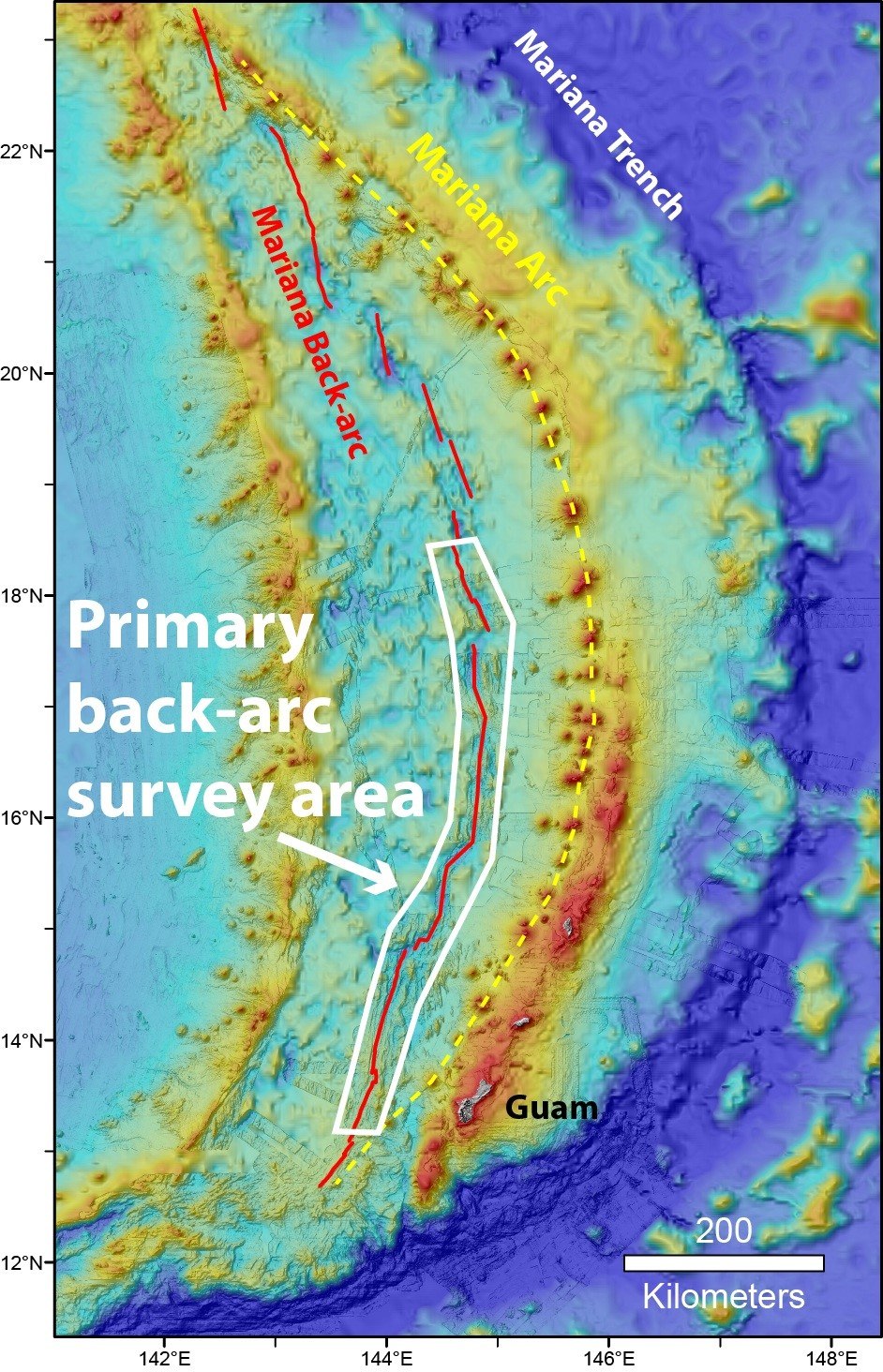
The Mariana region is home to the Mariana subduction system. This November, scientists shed light on the Mariana back-arc spreading center looking for new sites of hydrothermal activity.
- Dive Markers
- Trackline
The Mission
Home of the deepest spot on the planet, the Mariana subduction system serves as a valuable natural laboratory for testing ideas about what governs the distribution of animals at hydrothermal vent systems. The deep trench, shallow to mid-depth volcanic arc, and mid-depth to deep spreading back-arc, provide a wide variety of habitats for research. Of these, more than 600 km of the back-arc has remained relatively unexplored. In December 2016, the science team followed up from a discovery cruise that occurred on Falkor the previous winter. During the 2015 visit, three new hydrothermal vents were discovered; one of them being among the deepest vents in the world. This cruise, the team returned with the 4,500m capable ROV SuBastian to explore the life and activity at the vent sites.
Focusing on the Back-Arc
In November 2015, Principal Investigator Joseph Resing, of the University of Washington, led a team of researchers from the University of Washington, Oregon State University, and NOAA/PMEL, went on a 27 day mission aboard Falkor to shed light on the Mariana Back-arc. The team achieved their goal of finding new hydrothermal sites in the Back-arc spreading center and are now planning to return to better understand the biodiversity that shape these unique chemosynthetic ecosystems.
“Chemosynthesis” refers to organisms that transform carbon dioxide into organic matter in the same manner as plants, but, instead of using the energy from sunlight to do this — as in photosynthesis — they use chemical energy instead, mostly from hydrogen, methane, hydrogen sulfide, and iron. Chemosynthetic ecosystems, like the Mariana Back-arc, exist in locations on the seafloor where chemical energy is present from seafloor hot springs, cold seeps, or other microbiological processes.
The Mariana subduction system offers living organisms a range of conditions unlike any other region on the planet. To the west of the trench in the Mariana Back-arc, is a zone of spreading, where mantle magma wells up and new ocean crust is formed. This tectonic environment creates different geophysical and geochemical conditions for the chemosynthetic organisms, reflecting diversity in biological communities on the seafloor.
Return to the Deep
The research from the 2015 cruise helped test the idea that arc and back-arc sites have distinct ecosystems, controlled by each settings’ geology and unique fluid chemistry. To test this hypothesis, several tasks had to be accomplished. The 2015 science team began by finding and identifying active vent sites along the Mariana Back-arc using AUV Sentry, and characterizing each site by its depth, geologic setting, temperature, chemical composition, and rise height of hydrothermal plumes. This follow-up 2016 expedition allowed scientists to return with Schmidt Ocean Institute's brand-new 4,500 m capable remotely operated vehicle (ROV) SuBastian to visually explore and sample the newly found vent sites on the seafloor.
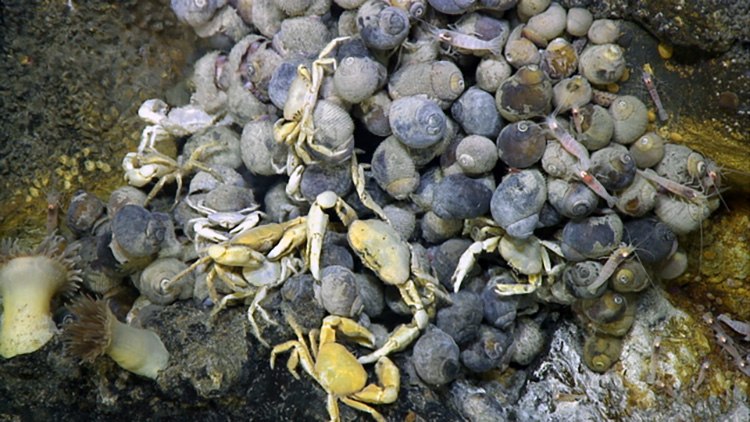
The team combined the 2015 model with biodiversity data from this 2016 cruise to better define the relationships between geologic setting, chemical environment, and biological communities. One basic goal was to catalog the life forms found at these vents, their affinities, and their relation to the regional biogeography. Researchers expected surprises, given how little exploration has been done on the Back-arc -- recent work conducted at other Back-arc sites led researchers to find huge hairy snails never before seen. The team led by Dr. David Butterfield from JISAO, University of Washington, examined the chemistry and geology of the vents, studied their microbiology, and tested ideas to explain the substantial biological differences between the volcanic arc and back-arc vents.
Partial support for this expedition comes from the NOAA Ocean Exploration and Research Program and the NOAA Pacific Marine Environmental Laboratory.Written by: Logan Mock-Bunting
Team and Collaborators










Explore
Updates from the Ship
All Ship Updates
- 01
Searching For Life - Expedition Highlights Review
21 December 2016
Read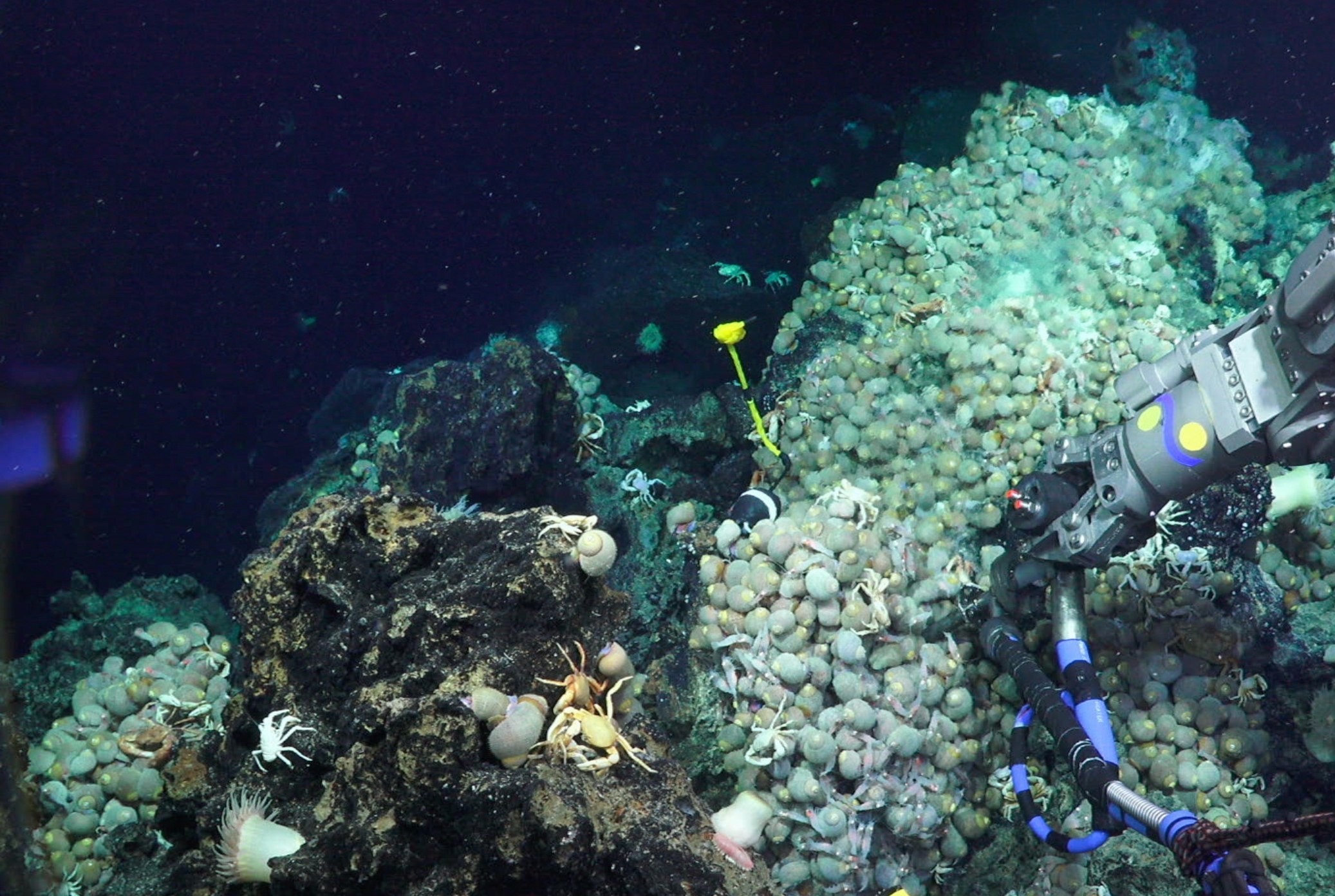
- 02
Hydrothermal Hunt: From 'Wow!' to 'Why?'
17 December 2016
Read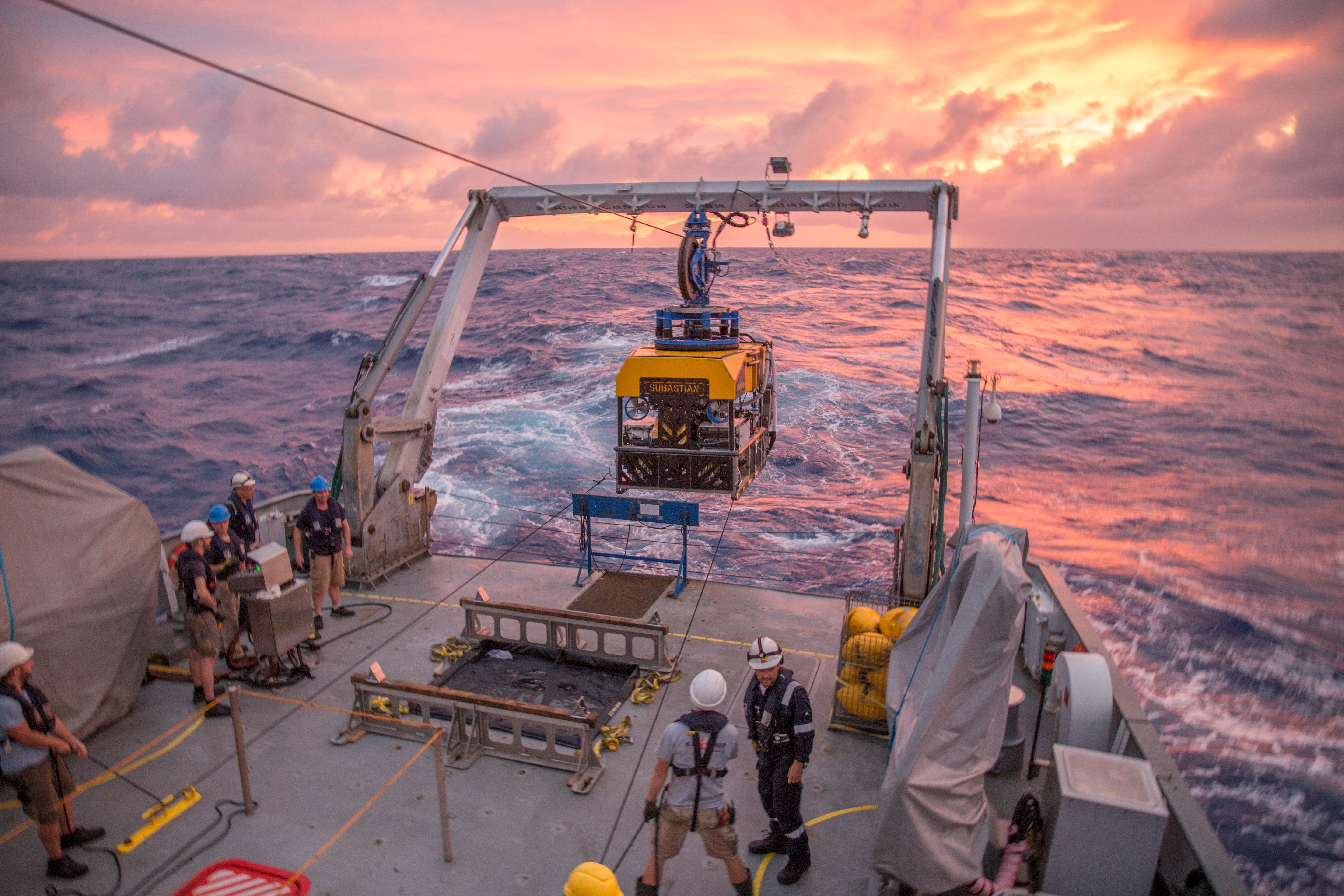
- 03
Mighty Microbes of the Deep Ocean
16 December 2016
Read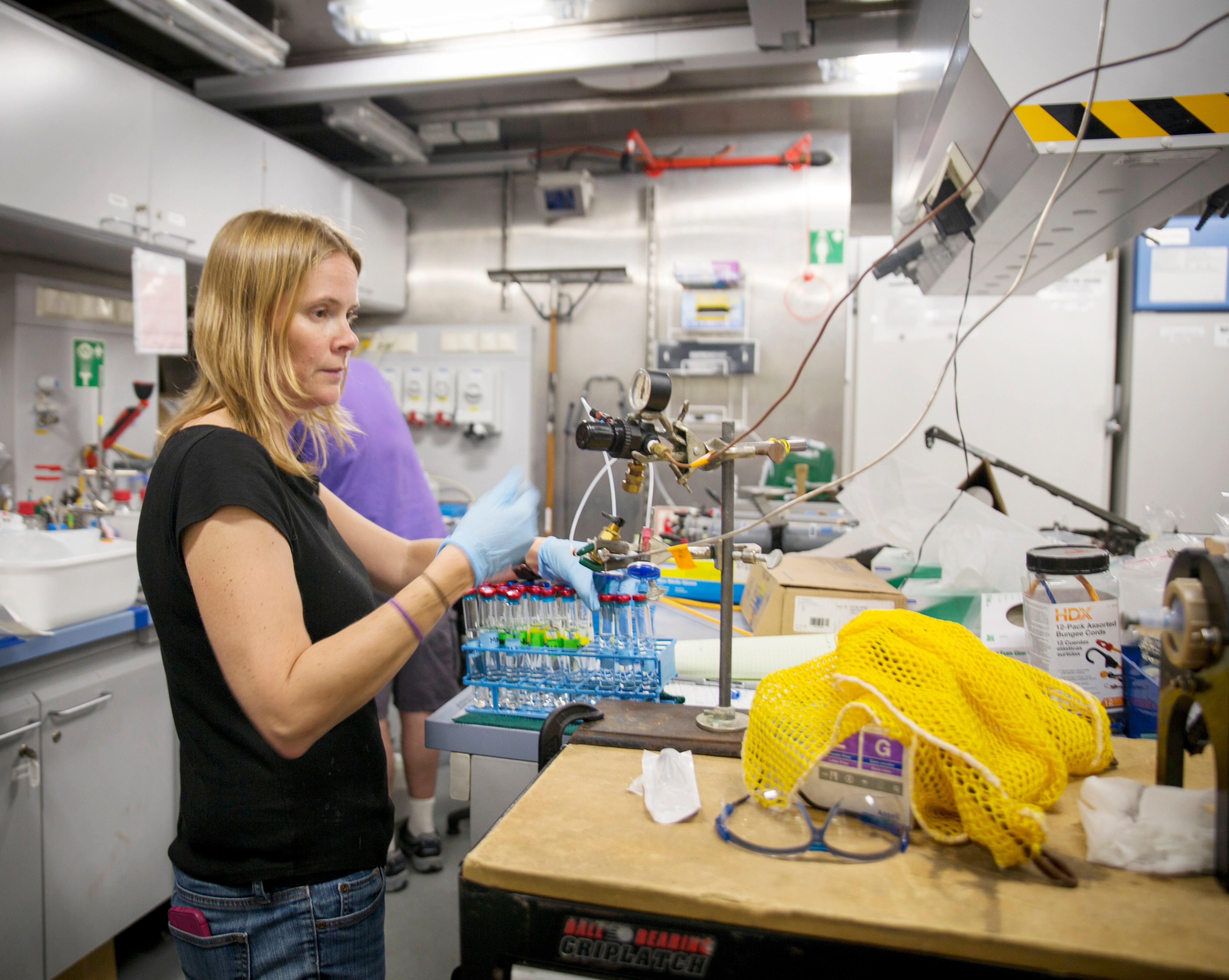
- 04
Searching For Life - Week Two Highlights - First Views
14 December 2016
Read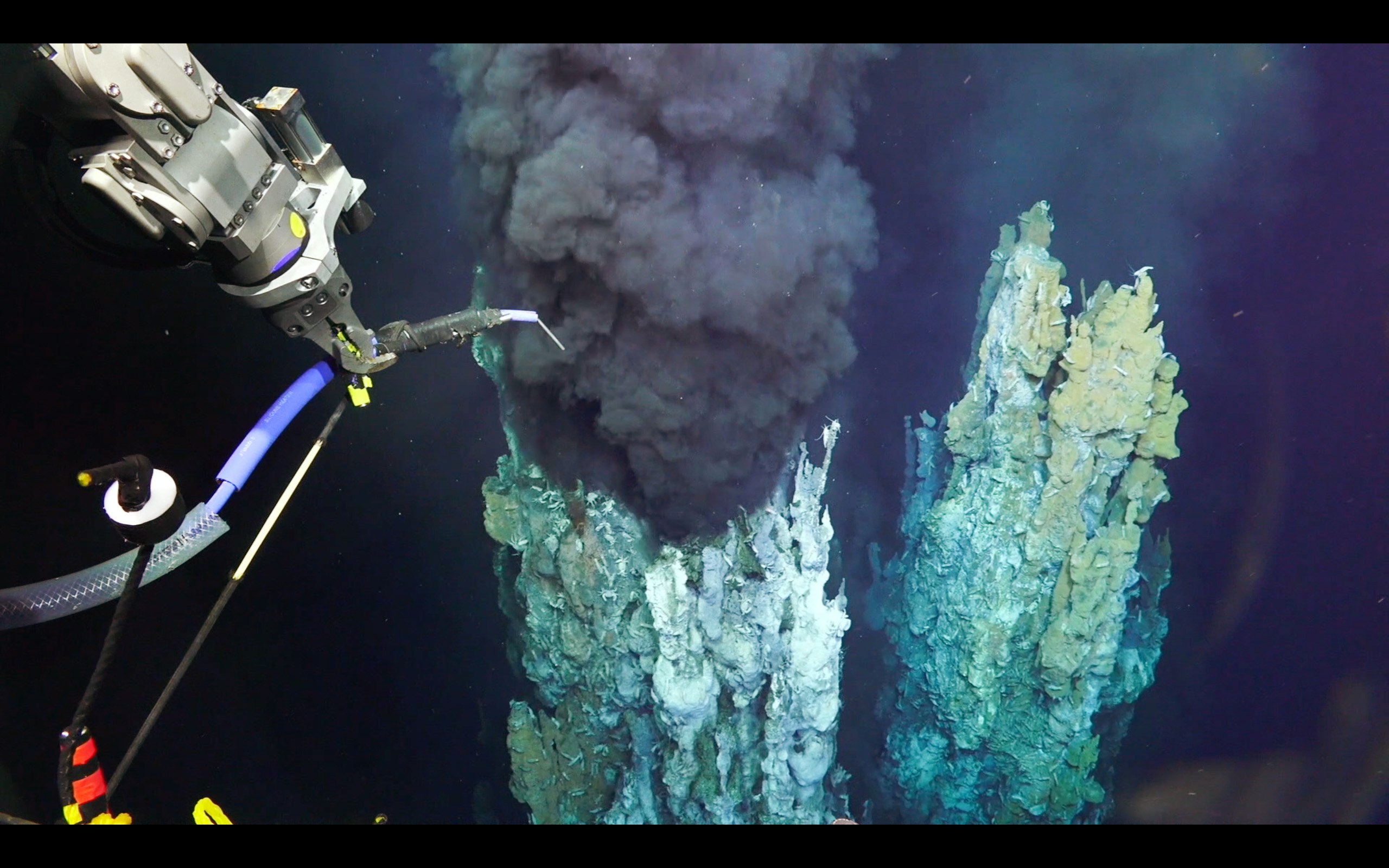
- 05
A Look into Chimneys - Insights from the Hydrothermal Hunt
13 December 2016
Read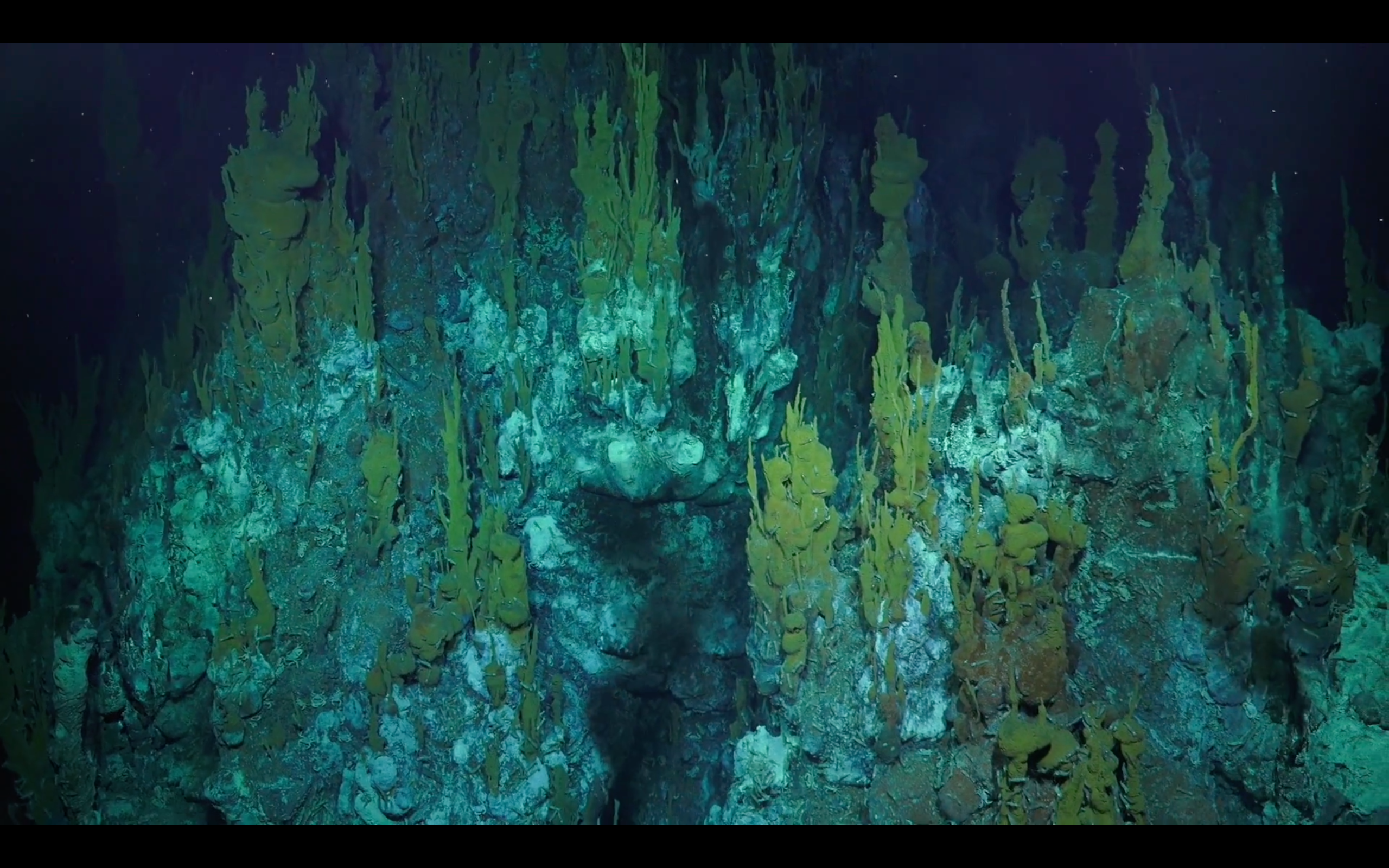
- 06
The Animal Life of the Mariana Back-arc
11 December 2016
Read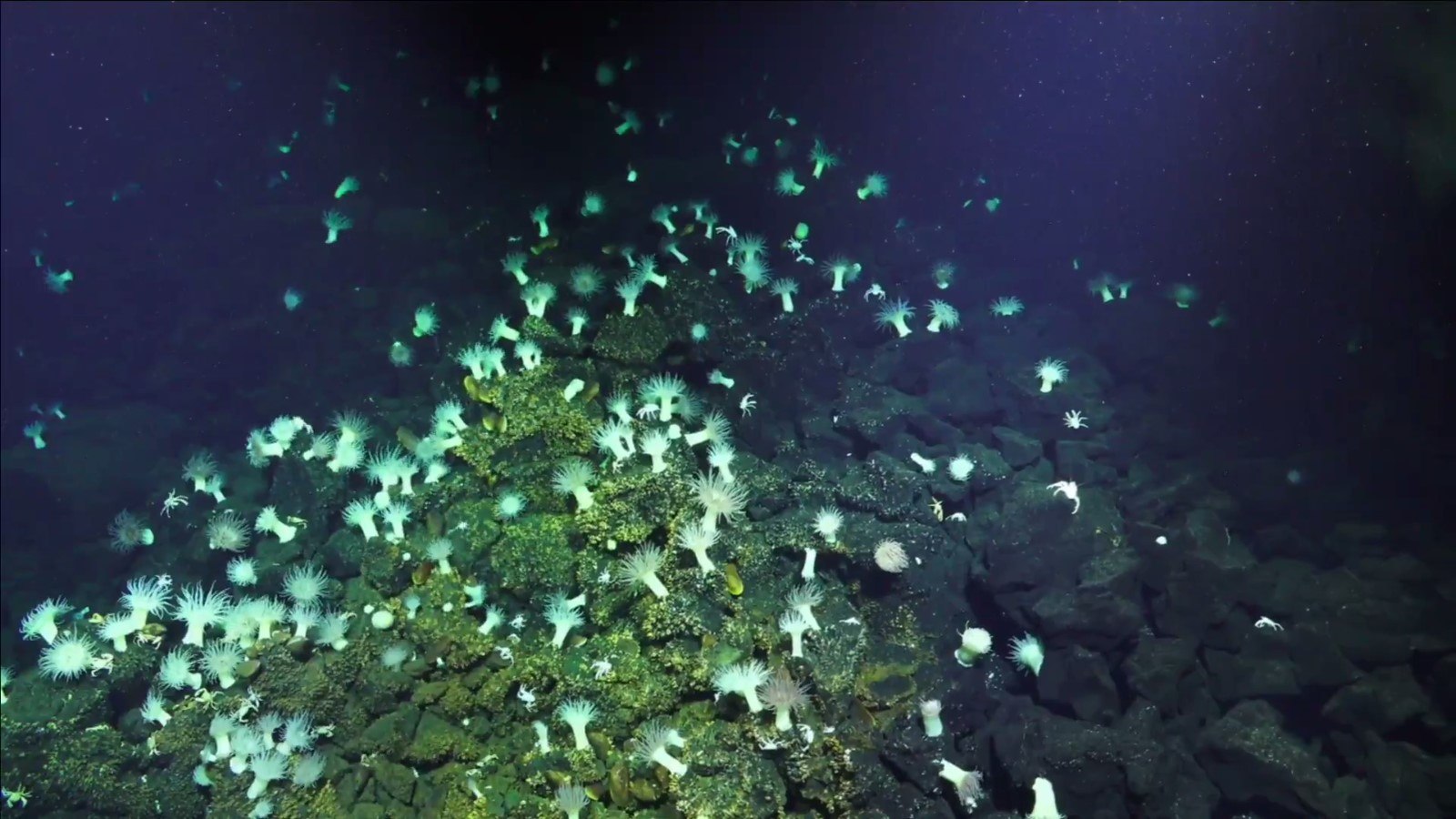
- 07
Going deeper: The Mariana Back-arc
7 December 2016
Read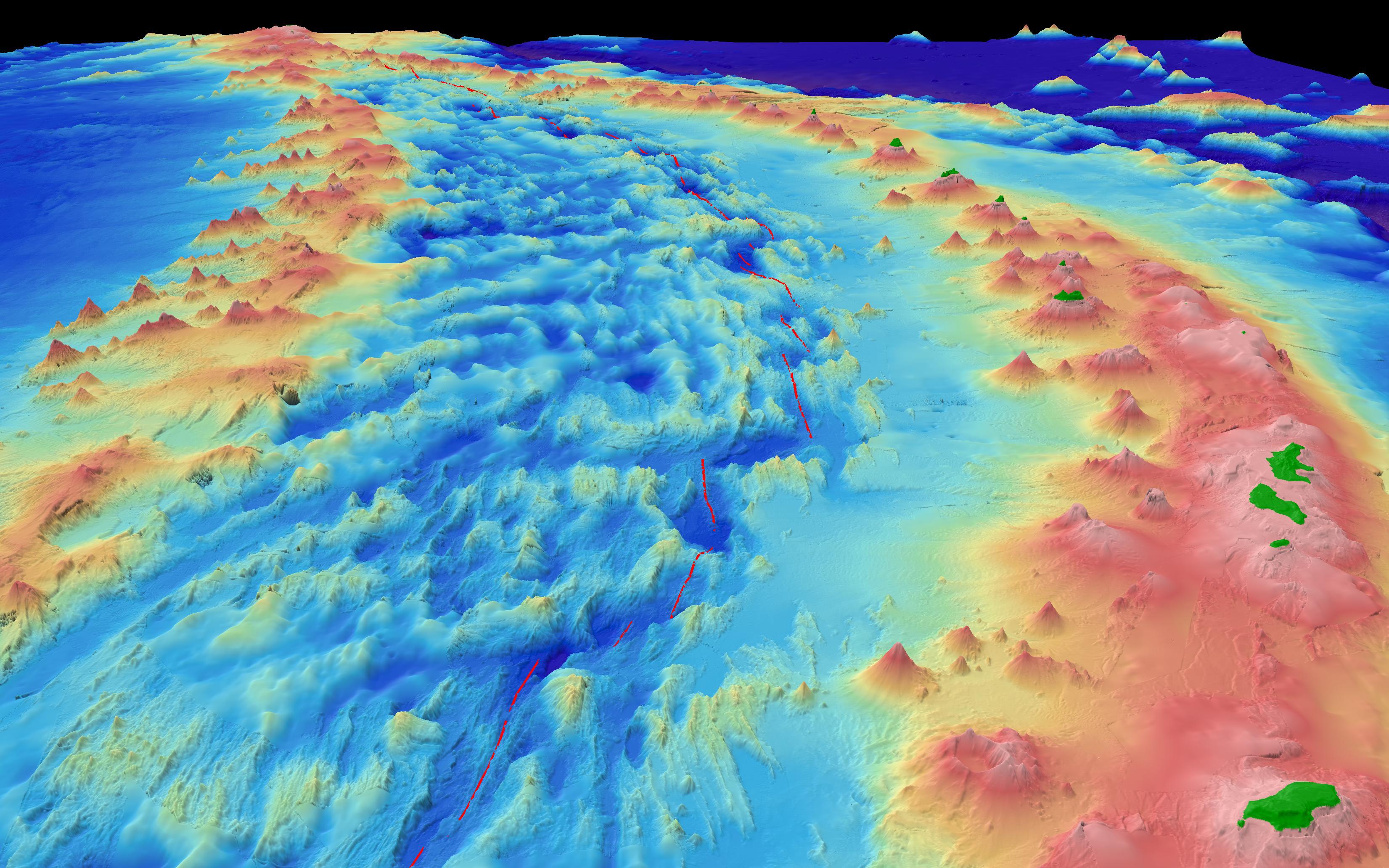
- 08
Searching For Life Week One - The Story So Far
7 December 2016
Read - 09
Insights from Daikoku Seamount
5 December 2016
Read
- 10
Daikoku Dive 2: Sulfur so good
5 December 2016
Read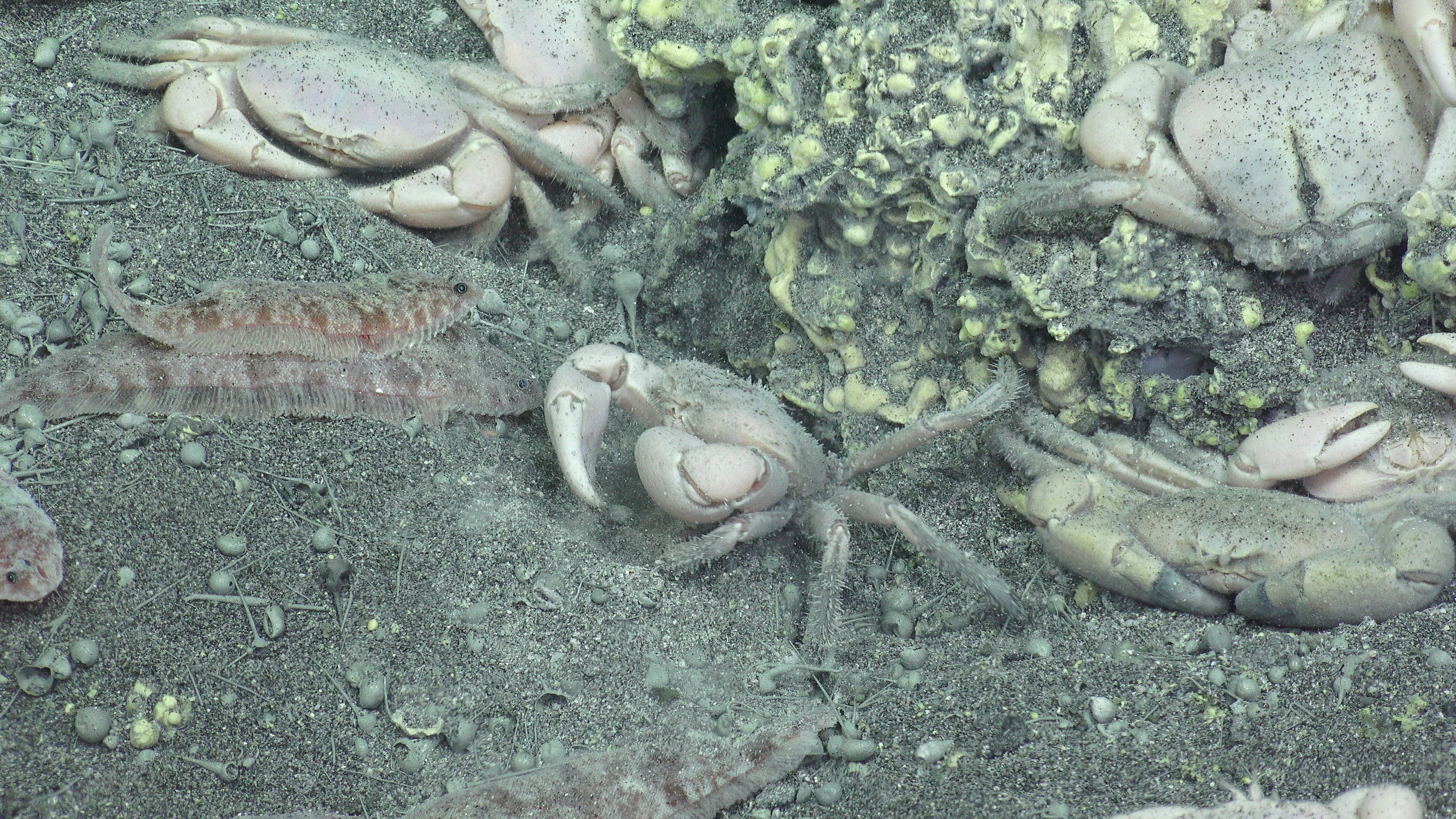
- 11
Daikoku Dive 2: Sulfur so good
5 December 2016
Read - 12
Return to Daikoku
3 December 2016
Read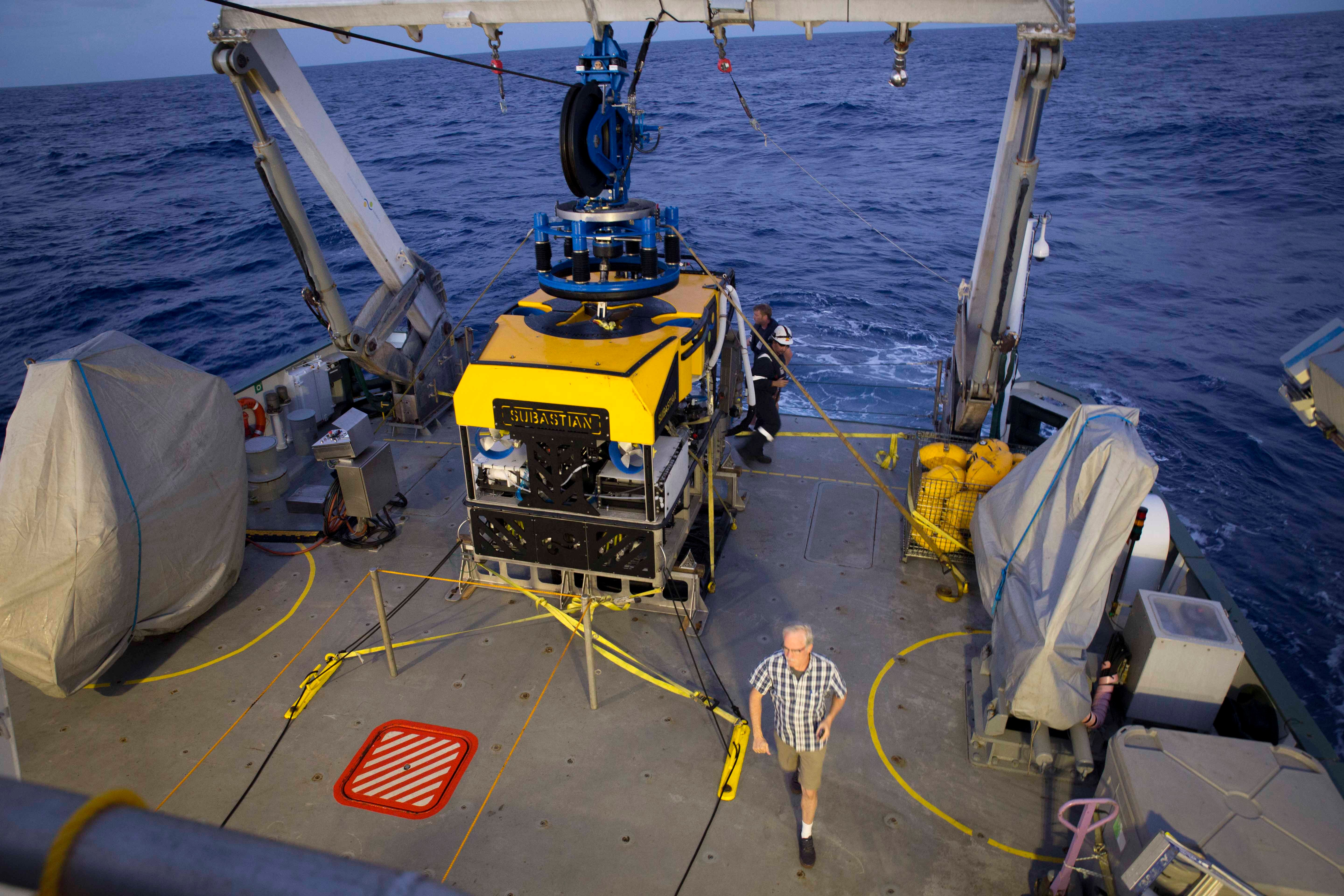
- 13
Setting sail on the Hydrothermal Hunt
30 November 2016
Read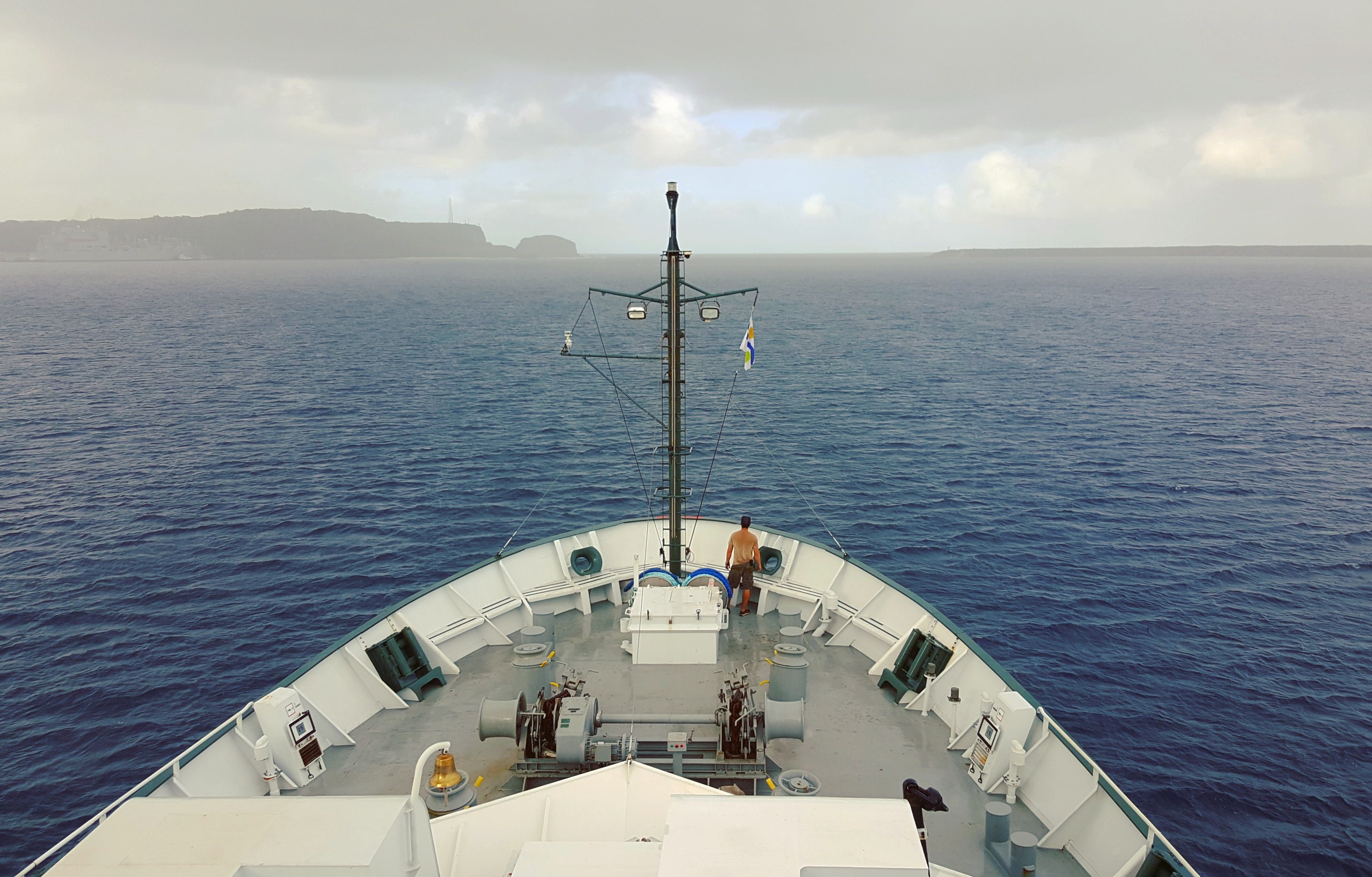
Divestreams
View all DivestreamsWeekly Videos
View all Weekly VideosDiscover More
Expedition Data
Title  | Type | Repository |
|---|---|---|
| CTD cast metadata | Oceanographic Property Data | Marine Geoscience Data System (MGDS) |
| ROV dive sample metadata (Field Program/Cruise: FK161129) | Sediment Samples, Biological Samples | SESAR |
| ROV dive metadata, still imagery, and navigation | Navigation Data, Captured Image/Video | Marine Geoscience Data System (MGDS) |
| Processed MB bathymetric data | Sonar Data | Marine Geoscience Data System (MGDS) |
| Nucleotide (DNA/RNA) sequencing data d | Genetic Analysis Data | GenBank/NCBI |
| Metagenome assemblies | Genetic Analysis Data | Integrated Microbial Genomes & Microbiomes Database |
| New deep-sea hot vent stalked barnacle from the Mariana Trough | Other | ZooBank |
| Repository data for the publication Unique Solid Phase Microextraction Sampler Reveals Distinctive Biogeochemical Profiles among Various Deep-sea Hyrothermal Vents | Other | Zenodo |
| ROV dive sample metadata | Sediment Samples, Biological Samples | Zenodo |
Publications from This Expedition
Final Cruise Report: Searching for Life in the Mariana Back-Arc [full version with logs)
Baker, E., Walker, S., Resing, J., Chadwick, Jr., W., Merle, S., Anderson, M., Butterfield, D., Buck, N., and S. Michael. (2017). The Effect of Arc Proximity on Hydrothermal Activity Along Spreading Centers: New Evidence from the Mariana Back-Arc (12.7° - 18.3°N). Geochem. Geophys. Geosyst.. Accepted Author Manuscript. doi:10.1002/2017GC007234.
[This Article was published OPEN ACCESS]Anderson, M., Chadwick, Jr. W., Hannington, M., Merle, S., Resing, J., Baker, E., Butterfield, D., Walker, S., and N. Augustin. (2017). Geological interpretation of volcanism and segmentation of the Mariana back-arc spreading center between 12.7°N and 18.3°N, Geochem. Geophys. Geosyst., 18, 2240–2274, doi:10.1002/2017GC006813.
[This Article was published OPEN ACCESS]Anderson, M., Chadwick, Jr., W., Merle, S., Resing, J., Baker, E., Walker, S., Hannington, M., and N. Augustin. (2017). Relationship between Tectonism, Volcanism, and Hydrothermal Venting along the Mariana Back-arc Spreading Center between 12.7N and 18.3N. Oral Presentation at AGU Chapman Conference on Submarine Volcanism, Hobart, Tasmania, AUS.
Chadwick, Jr., W., Merle, S., Kaiser, C., Baker, E., Walker, S., Resing, J., Butterfield, D., Baumberger, T., Anderson, M., Shore, P., Wiens, D., and Rubin, K. (2017). A Recent Volcanic Eruption Discovered on the Central Mariana Back-arc Spreading Center. Oral Presentation at IAVCEI 2017 General Assembly, Portland, OR, USA.
Chadwick, W., Tunnicliffe, V., Butterfield, D., Bates, A., Huber, J., Trembath-Reichert, E., Bobbitt, A., and Merle, S. (2018). Newly Discovered Hydrothermal Vent Sites Along the Mariana Back-arc Spreading Center Support Hypothesis of Geological and Chemical Control on Chemosynthetic Ecosystems. Poster Presentation at Ocean Sciences Meeting, Portland, OR, USA.
Baker, E., Walker, S., Resing, J., Chadwick, W., Merle, S., Anderson, M., and D. Butterfield. (2018). Hydrothermal Activity Along Back-Arc Spreading Centers: The Importance of Arc Proximity. Poster Presentation at Ocean Sciences Meeting, Portland, OR, USA.
Chadwick, W., Merle, S., Baker, E., Walker, S., Resing, J., Butterfield, D., Anderson, M., Baumberger, T., and A. Bobbitt (2018), A recent volcanic eruption discovered on the central Mariana back-arc spreading center, Front. Ear. Sci., 6:172, doi:10.3389/feart.2018.00172.
[This Article was published OPEN ACCESS]Butterfield, D., Chadwick, Jr., W., Larson, B., Tunnicliffe, V., Bates, A., and K. Roe (2018). 2016 Exploration Shows Contrasting Fluid Chemistry and Hydrothermal Vent Communities Between the Mariana Arc and Back-Arc. Oral Presentation, 2018 Ocean Sciences Meeting, Portland, OR, USA.
Tunnicliffe, V., Bates, V., Butterfield, D., and B. Larson (2017). Diversity of the Mariana biogeographic region with a closer look at Alviniconcha hessleri, the original “hairy snail”. Oral Presentation, 6th International Symposium on Chemosynthesis-Based Ecosystems, Woods Hole, MA, USA.
Butterfield, D., Chadwick, Jr., W., Larson, B., Bates, A., and Tunnicliffe, V. (2018). 2016 Exploration Shows Contrasting Fluid Chemistry and Hydrothermal Vent Communities Between the Mariana Arc and Back-Arc. Oral Presentation, Ocean Sciences Meeting, Portland, OR, USA.
Trembath-Reichert, E., Butterfield, D., and J. Huber. (2019). Active subseafloor microbial communities from Mariana back-arc venting fluids share metabolic strategies across different thermal niches and taxa. The ISME Journal, doi: 10.1028/s41396-019-0431-y.
Komai, T. and Giguere, T. (2019). A new species of alvinocaridid shrimp Rimicaris Williams & Rona, 1986 (Decapoda: Caridea) from hydrothermal vents on the Mariana Back Arc Spreading Center, northwestern Pacific. Journal of Crustacean Biology, rus046, doi: 10.1093/jcbiol/ruz046.
Huber, J., Trembath-Reichert, E., and Butterfield, D. (2018). Application of Stable Isotope Probing Coupled with -omics to Examine Thermophilic Autotrophy in Newly Discovered Hydrothermal Vents Along the Mariana Back-arc. Oral Presentation at AGU Fall Meeting, San Francisco, CA, USA.
Grandy, J., Onat, B., Tunnicliffe, V., Butterfield, D., and Pawliszyn, J. (2020). Unique Solid Phase Microextraction Sampler Reveals Distinctive Biogeochemical Profiles among Various Deep-sea Hydrothermal Vents. Sci Rep 10, 1360, doi: 10.1038/s41598-020-58418-4.
[This Article was published OPEN ACCESS]Breusing, C., Johnson, S., Tunnicliffe, V., Clague, D., Vrijenhoek, R., and Beinart, R. (2020). Allopatric and Sympatric Drivers of Speciation in Alviniconcha Hydrothermal Vent Snails. Molecular Biology and Evolution, 37(12), 3469-3484, doi: 10.1093/molbev/msaa177.
[This Article was published OPEN ACCESS]Giguere, T. and Tunnicliffe, V. (2021). Beta diversity differs among hydrothermal vent systems: Implications for conservation. PLOS ONE 16(8), doi: 10.1371/journal.pone.0256637.
[This Article was published OPEN ACCESS]Breusing, C., Castel, J., Yang, Y., Broquet, T., Sun, J., Jollivet, D., et al. (2022). Global 16S rRNA Diversity of Provannid Snail Endosymbionts from Indo-Pacific Deep-sea Hydrothermal Vents. Environmental Microbiology Reports, doi: 10.1111/1758-229.13051.
[This Article was published OPEN ACCESS]Hauer, M., Breusing, C., Termbath-Reichert, E., Huber, J., and Beinart, R. (2023). Geography, not lifestyle, explains the population structure of free-living and host-associated deep-sea hydrothermal vent snail symbionts. Microbiome, 11 (106), doi: 10.1186/s40168-023-01493-2.
[This Article was published OPEN ACCESS]Hiley, A., Mongiardino Koch, N., and Rouse, G. (2024), Phylogenetics of Lepidonotopodini (Macellicephalinae, Polynoidae, Annelida), and Comparative Mitogenetics of Shallow-Water vs. Deep-Sea Scaleworms (Aphroditiformia). Biology, 13(12), doi: 10.3390/biology13120979.
[This Article was published OPEN ACCESS]