


0 results for
- Type in the search bar to begin searching the site.
Expeditions
In the coming years, our expeditions will explore understudied regions around all seven continents in our global Ocean.
Latest Expedition
See all
Programs
From grants for caregivers to an artist-at-sea residency, our programs strive to deepen knowledge and inspire a connection with our planet’s life support system.
Latest Expedition
See all
Science Team Resources
To help you plan for your expedition, this hub includes information about outreach, technical specifications for our robotic platforms, a list of lab equipment, information about accessing data repositories, and more.
Latest Expedition
See all
- Our Team

Expeditions & Roles
Fernando Á. Fernández-Álvarez
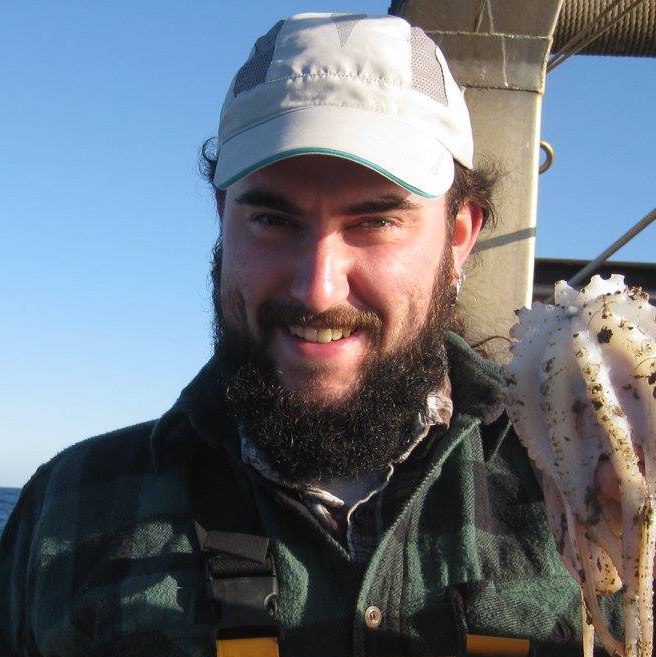
Fernando Á. Fernández-Álvarez is a postdoctoral researcher in the Marine Science Institute of Barcelona (ICM-CSIC, Spain), funded by the Beatriu de Pinós program (AGAUR, Catalonia). He obtained his Bachelor´s Degree by the University of Oviedo (2011), followed by a Master´s Degree (2012) in the Autonomous University of Madrid and a PhD thesis at the ICM-CSIC (2014–2018). He also worked as a postdoctoral researcher in the University of Galway (Ireland, 2019–2021), and developed short stages in the University of Stanford (US, 2015) and the Okinawa Institute of Science and Technology (Japan, 2023). He has participated in four oceanic cruises in Atlantic and Mediterranean waters.Fernando develops multidisciplinary studies on cephalopod systematics, phylogenetics, trophic ecology, microbiome and development, as well the cephalopod symbionts. He is particularly interested in global scale studies covering cryptic species complexes and taxonomic-wide studies on cephalopod evolution. He pioneered the combined use of laser-capture microdissection with DNA metabarcoding for the study of the diet of tiny early stages of cephalopods. He is also skilled in live identification of cephalopods during ROV operations.